Free Things to Do in Lucca: A Slow, Low-Cost City Guide
Plan a low-cost Lucca visit with free city walls, piazzas and churches, plus honest notes on paid climbs and food stops, grounded in travel sources.
On this page
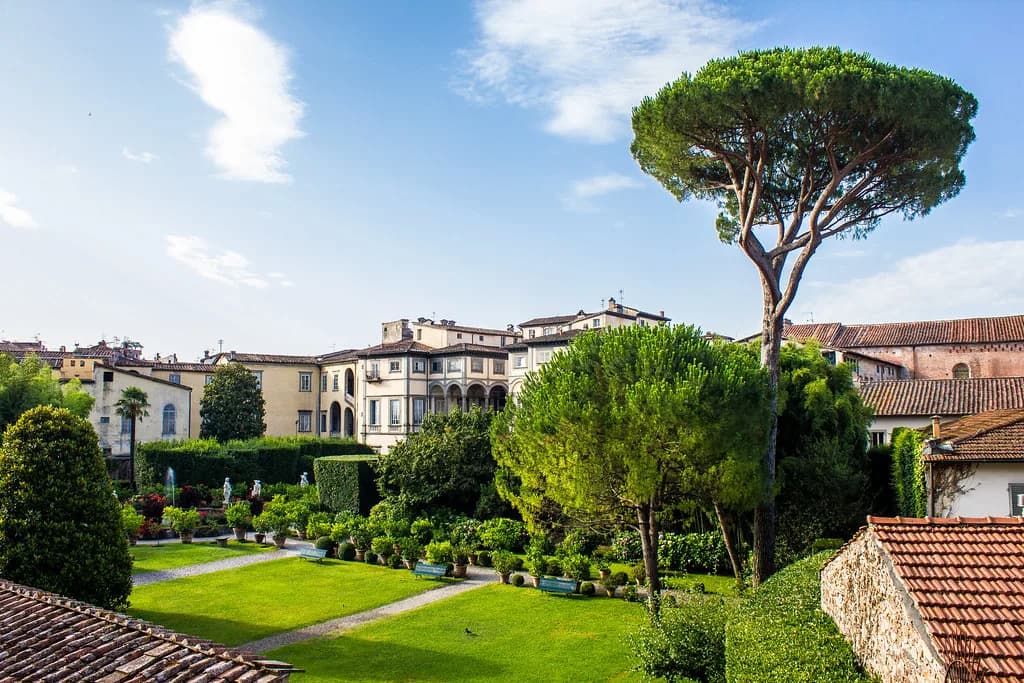
Lucca's historic center is still entirely enclosed by its medieval walls, and the broad, tree-lined path on top of those ramparts is free to walk. For a low-cost visit, that is the ideal place to start: you get an orientation to the city, views over rooftops and churches, and a sense of the compact scale of the center before you spend anything. The city is also flat, which makes walking or cycling practical for most visitors. Further visitor details appear in 17 Lovely Things to Do in Lucca, Italy - Our Escape Clause.
This guide focuses on what costs nothing in Lucca: the walls, public squares, browsing streets and church interiors. It also flags the sights that carry admission fees, such as the towers, the Puccini Museum and Palazzo Pfanner's gardens, so you can decide where to spend. Recommendations are suggestions, not official schedules; check the Lucca tourism office for current openings and events before you rely on a specific site being free or open on the day.
Why Lucca Suits a Free, Slow-Paced Visit
Lucca's center is almost perfectly flat, and the main sights sit close together inside the walls. That compact, level layout means you can cover a lot on foot without paying for transport. Travel writers who have visited repeatedly note that Lucca stays a bit cooler than nearby Florence in summer, which makes walking more comfortable in hot months.
The useful split for budget travelers is between free public spaces and paid attractions. The walls, Piazza dell'Anfiteatro, Via Fillungo and several church interiors cost nothing to visit. The Torre Guinigi, Torre delle Ore, the Puccini Museum, Palazzo Pfanner's gardens and the botanical garden are separate paid sites, so do not assume one ticket covers several of them.
Start on the Walls: A Free Orientation to the City
The city walls are Lucca's signature free experience. The path along the top is wide, shaded in parts and used by residents for walking, jogging and cycling. There are grassy areas and small parks along the route, and the elevated path gives you views over the city below. Start here if you want a mental map before diving into the streets.
A full circuit is roughly four kilometers, which takes about an hour at an easy pace. You do not have to complete the loop: many visitors join the walls at a nearby gate, walk a section and descend into the center. The path is generally wide and partly shaded, making it manageable even on warmer days.
Bike or Walk? What the Flat Terrain Changes
Lucca's flat terrain makes cycling an appealing way to cover more ground, and there is a bike path on top of the walls. Rental shops exist around the city, but rental costs and availability vary by season and operator, so there is no fixed price to quote here. Check with rental operators when you arrive if you want current rates.
For a free day, walking is the obvious choice: no rental fee, no need to return a bike, and you can stop whenever a side street or church catches your eye. Cycling is worth considering if you are staying longer or want to explore beyond the walls. Either way, the flat ground means you will not face steep climbs inside the historic center. For wider planning, see Lucca One-Day Itinerary.
Piazza dell'Anfiteatro: A Free Roman-Shaped Square
Piazza dell'Anfiteatro is one of Lucca's most distinctive public spaces, built on the footprint of a Roman amphitheater that dates back about two thousand years. The oval shape survives because medieval houses were built directly against the ancient arena walls. Today the square is free to enter, lined with cafes and restaurants, and a natural place to pause for a drink or simply people-watch.
Travel writers have found drink prices in the piazza more reasonable than you might expect for such a central location, but menu prices change, so check before you order. The square is also a good spot to linger in the evening when the light softens and the crowds thin. Pair it with nearby San Michele in Foro for a free half-day loop.
San Michele in Foro: A Free Church with a Marble Facade
The Basilica of San Michele in Foro stands on the site of Lucca's ancient Roman forum. Its facade is covered in twisted marble columns and inlaid stone depicting wild beasts and mounted huntsmen, with a large winged figure of St. Michael at the top. The church is free to enter, and its cool interior offers a quiet break from sun or rain.
Inside, you can see a painting attributed to Filippino Lippi depicting several saints. The church also houses the mummy of San Davino, an 11th-century Armenian pilgrim, displayed in glass beneath the altar. Visitors are welcome to look, but remember this is an active place of worship: keep your voice low and dress respectfully.
Basilica of San Frediano: Facade Mosaic and Free Entry
The Basilica of San Frediano is one of Lucca's oldest churches, dating to the 6th century. Its facade features a glittering 13th-century mosaic that is visible from the outside, so even if the church is closed you can still admire the artwork. When open, entry is free, and inside you can see the mummy of St. Zita, a 13th-century peasant girl who was naturally mummified.
The church may have limited hours, and these can change seasonally. Check the door or ask at the tourism office before planning your visit around it. Combined with San Michele in Foro, it makes a rewarding free church route through the center.
Split the Free from the Paid: What Carries a Ticket
Several of Lucca's best-known attractions charge admission, and it helps to know which ones before you go. The Torre Guinigi, with its oak trees growing on top, requires a ticket, as does the Torre delle Ore clock tower. The Puccini Museum, housed in the composer's birthplace, also has an entry fee. Palazzo Pfanner's baroque gardens and Lucca's botanical garden are separate paid sites.
If you want to climb a tower for the view, compare options rather than assuming one ticket covers all. The Torre Guinigi is the more unusual experience thanks to the trees, but the Torre delle Ore is taller. Current ticket prices and payment policies can change, so verify details at the ticket office or on the official tourism site before you commit. The exact price for climbing Torre Guinigi is not stated here as current; check on site.
Via Fillungo Browsing and Window-Shopping
Via Fillungo is Lucca's main shopping street, and wandering it costs nothing. The street is lined with shops selling ceramics, textiles, clothing and home goods, and browsing gives you a sense of the city's craft traditions. It is also a practical route through the center, connecting several of the sights mentioned here.
Shopping in Lucca tends to feel less crowded than in Florence, with a mix of local boutiques and souvenir stores. Even if you do not buy anything, the street is a pleasant place for a slow afternoon stroll. If you do want a small souvenir, set a budget before you start so the free day stays free.
Piazza Napoleone and Other Open Squares
Piazza Napoleone, also known as Piazza Grande, is a spacious, tree-lined square in the center of Lucca. It hosts festivals and public events through the year, and even on quiet days it is worth a walk-through for the sense of openness. The square is free to visit, and nearby benches make it a good place to rest.
Lucca has several other small piazzas that reward aimless wandering. Check the local tourism calendar for any festivals during your stay, since events can bring crowds or close off parts of the square. Otherwise, treat the piazzas as free breathing space between churches and shops.
Cheap Rather Than Free: Buccellato and Focaccia
Two local foods are worth a small spend even on a budget day. Buccellato is a ring-shaped cake made with raisins and aniseed, traditionally eaten on Sundays; you can find it at bakeries around town. Forno a Vapore Amedeo Giusti is known for its focaccia, sold by weight, which makes an inexpensive snack or light lunch. Neither is free, but both are affordable ways to taste Lucca. For wider planning, see Lucca local food guide: what to eat and where.
Prices vary by bakery and portion size, so ask before you buy. A small slice of focaccia or a piece of buccellato costs far less than a sit-down meal and lets you keep moving. This is the honest way to frame local food: a cheap pleasure, not a free activity.
Half-Day Versus Full-Day Free Itinerary
With half a day, focus on the walls and the central piazzas. Start at a convenient gate, walk a section of the ramparts for orientation, then descend to Piazza dell'Anfiteatro and San Michele in Foro. If time allows, add Via Fillungo and a stop for buccellato. This route covers the essentials without any admission fees.
A full day lets you add San Frediano, Piazza Napoleone and a longer stretch of the walls. You could also consider a paid tower climb or museum visit if your budget allows. For a structured plan that mixes free and paid sights, see our Lucca Attractions hub. If you have more time, a two-day itinerary or three-day itinerary can spread the walking more comfortably.
Practical Tips: Heat, Surfaces and Pacing
Lucca's streets are cobblestone, and the wall path is unpaved in places, so wear comfortable shoes. In summer, heat can be intense; travel writers suggest spring and fall as the most pleasant seasons. Carry water and plan indoor breaks in churches or cafes during the hottest part of the day.
If it rains, the free outdoor options become less appealing. Our Lucca rainy day guide covers indoor alternatives, including churches and museums. Keep your plans flexible and check opening hours on the tourism site before heading out. For wider planning, see Lucca Rainy Day Guide.
Plan Your Visit
Lucca is generous with free experiences: the walls, the piazzas and several churches cost nothing to visit. By separating those from the paid climbs and museums, you can enjoy the city's atmosphere without overspending. Use the tourism office's current information to confirm opening details, and build in time to simply wander. For wider planning, see Lucca City Walls (Mura di Lucca) visitor guide.
Frequently Asked Questions
What can you do for free in Lucca?
Walking the city walls, visiting Piazza dell'Anfiteatro, browsing Via Fillungo and entering churches such as San Michele in Foro and San Frediano are all free. Some churches may have limited hours, so check before you go.
Is walking the Lucca city walls free?
Yes, the wall path is a public space and free to walk. A full circuit is about four kilometers, but you can join and leave at any gate.
Which Lucca attractions charge admission?
The Torre Guinigi, Torre delle Ore, Puccini Museum, Palazzo Pfanner gardens and the botanical garden typically charge entry. Prices and hours change, so confirm current details with the official tourism office.
How long does it take to walk the walls of Lucca?
The full loop is roughly four kilometers and takes about an hour at an easy pace. You can walk shorter sections if you prefer.
Are Lucca's churches free to enter?
Many churches, including San Michele in Foro and San Frediano, are free to enter, though hours vary. Treat them as places of worship and dress respectfully.
Is Lucca worth visiting for a day on a budget?
Yes. With free walls, piazzas and churches, plus inexpensive street food like buccellato and focaccia, Lucca suits budget travelers well. Save money by skipping paid climbs unless a view is a priority.
Sources
Continue exploring
More guides you'll find useful