Palazzo Pfanner Lucca: Garden & Palace Visitor Guide
Plan a visit to Palazzo Pfanner in Lucca: the Juvarra-attributed baroque garden, the frescoed palace museum, ticket choices, and links to the city walls.
On this page
Palazzo Pfanner combines two very different visits in one address: a formal garden of clipped greenery, statues and citrus pots, and a lived-in palace whose rooms hold frescoes, family furnishings and a medical collection. Because the two sit side by side inside Lucca's walls, you can pair them in a single morning or fold them into a circuit of the ramparts. The operator describes the garden as an eighteenth-century scheme attributed to Filippo Juvarra and lists the museum alongside it as part of the same property.
This guide treats the site as separate pieces you can choose between: the garden, the palace interiors, and the house's long history from silk merchants to brewers to a Lucca mayor. It also explains the ticket choice, the connection to the city walls, and the overnight option on site. Where a detail is stated by the operator it is presented as such; where it appears only in old visitor comments, it is flagged for you to check.
Where Palazzo Pfanner Sits in Lucca
The address is Via degli Asili, a short lane just inside the northern edge of the historic centre. The operator places the palace among the Renaissance walls and medieval streets, with the garden looking toward the Basilica di San Frediano and the ramparts beyond. That position matters when you plan a route, because you can approach from the wall walk or from the street grid and leave in the opposite direction without retracing your steps.
Lucca is compact enough that the palace fits naturally into almost any walking day. If you are choosing what to see first, the city's attraction guides to 14 sights can help you slot the garden in among churches, towers and squares, while a separate guide to hidden gems in Lucca covers the quieter corners that reward a slower loop. Set the palace as one fixed point and build the rest of the day around it rather than crisscrossing the centre.
The Baroque Garden: Statues, Citrus and a Central Fountain
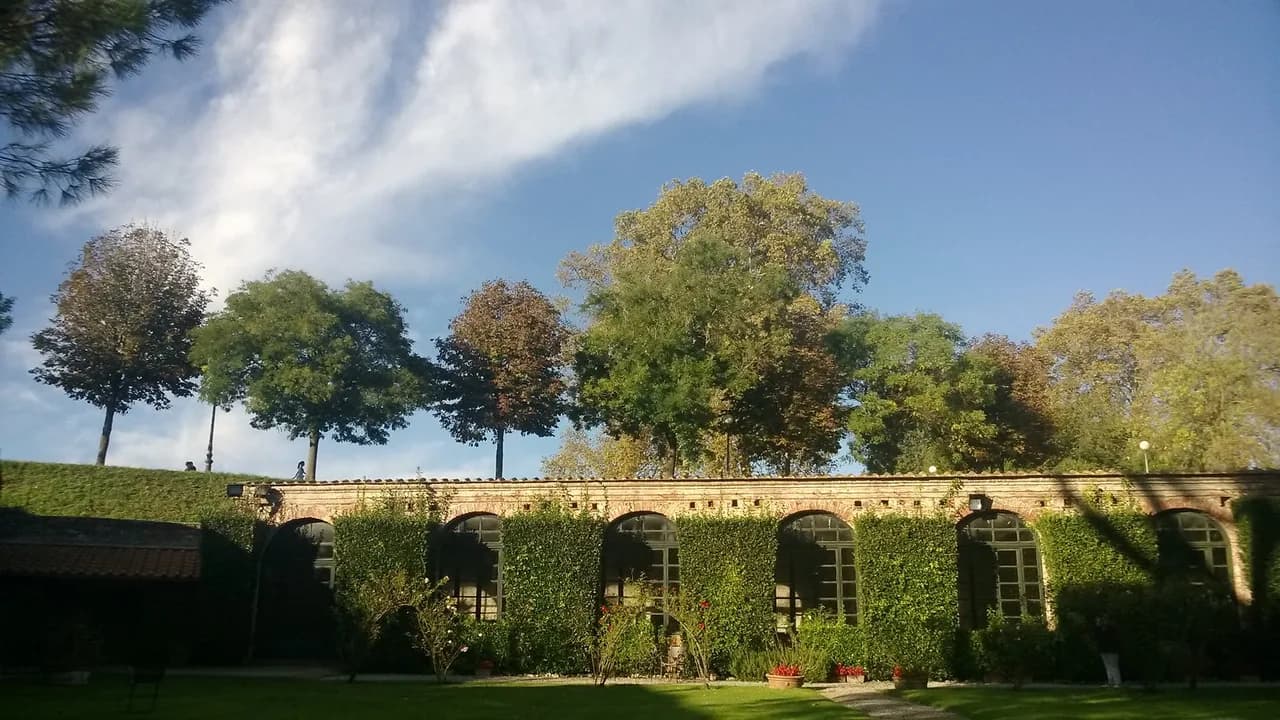
The garden is the reason many visitors stop here. The operator dates the layout to the early eighteenth century and attributes it to Juvarra, an attribution rather than a fully documented commission, so it is fair to describe the design as Juvarra-attributed. Its signature elements are classical statues, lemon trees in terracotta pots, flower beds and a theatrical central fountain.
A lemon house, known in Italian as the limonaia, forms part of the garden ensemble. The citrus in pots is not decoration on a whim: it reflects the practical business of moving tender trees under cover through cold months, which is why the limonaia sits against the garden edge. Look for the statues arranged along the main axes and the octagonal basin where the central paths meet, details documented in the palace's published history.
If planting and garden design interest you, Lucca has a second green space worth comparing. The Botanical Garden of Lucca (Orto Botanico) visitor guide explains a quite different, more scientific collection, and pairing the two shows how a private baroque pleasure garden and a working botanical institute diverge. That contrast is a good reason to give the Pfanner garden proper time rather than treating it as a photo stop.
The Palace Museum: Frescoes, Furnishings and a Medical Collection
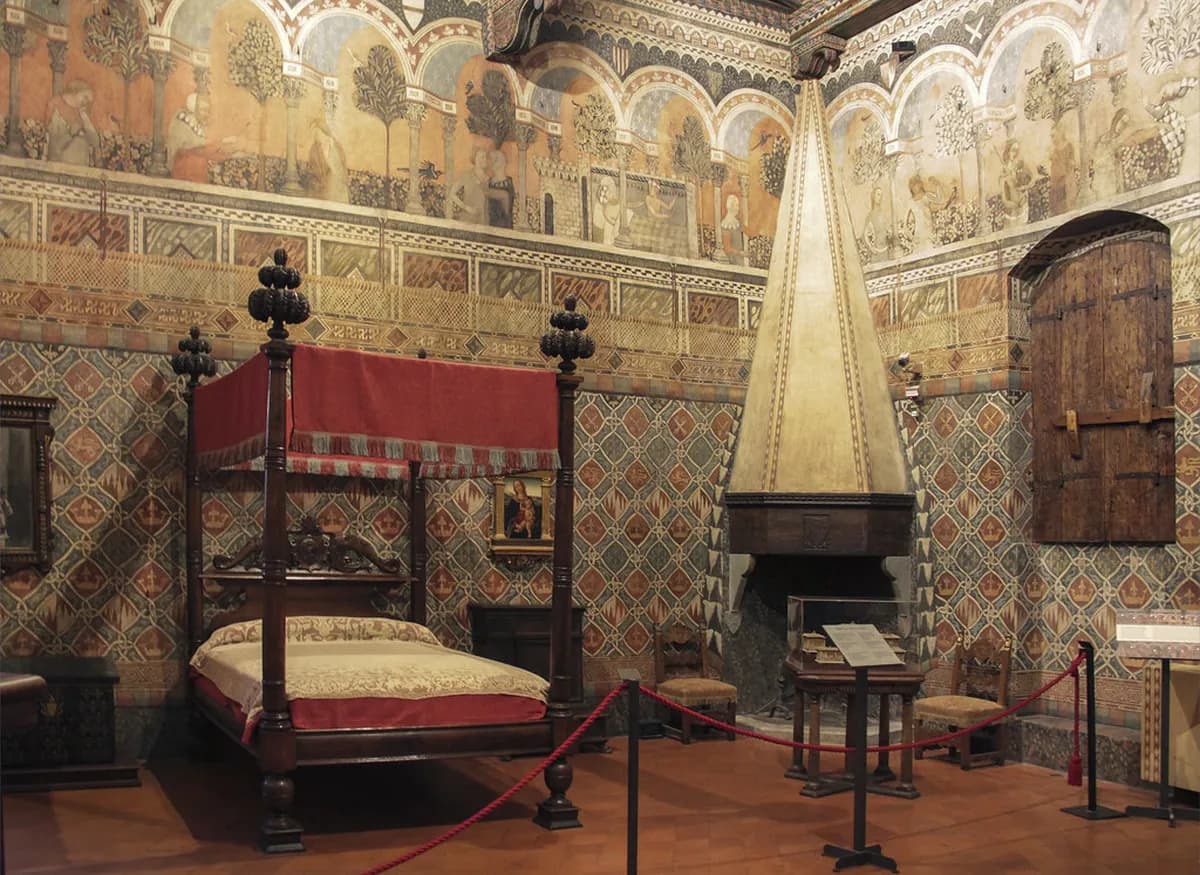
Inside, the museum occupies frescoed rooms with period furniture and historic collections. The operator specifically notes the medical and surgical instruments that belonged to Doctor Pietro Pfanner, alongside baroque frescoes and original furnishings. The ensemble reads less like a formal gallery and more like a family house opened to the public, which is exactly its appeal.
The decorative programme rewards a slower look. The reception hall carries frescoes painted in the 1720s by Pietro Paolo Scorsini, working in the quadratura tradition of painted architectural illusion, and the staircase walls were decorated by local quadraturisti. A wooden statue of the Archangel Michael is among the pieces singled out in the palace's published history.
Keep the two experiences distinct in your head. The garden ticket and the palace interiors are described separately by visitors who have been, so check at the ticket desk which option you are buying before you commit. Deciding in advance whether you want greenery only or greenery plus frescoed rooms is the single most useful planning decision for this site.
Ticket Choices: Garden Only or Garden and Museum
Visitor accounts describe separate tickets for the garden and the palace, with the option of buying both. That structure suits different travellers: a garden-only ticket works if you are short on time or travelling with children who need open space, while the combined option rewards anyone interested in frescoes, furnishings or medical history. Which you choose will shape how long you spend on site more than any other factor.
Current prices are not published in the sources consulted here, and older figures in visitor reviews should not be relied on. Treat any price you read in a review as out of date and confirm the current rate at the ticket office or on the operator's ticket page before you go. If budget is tight, ask specifically what the combined ticket adds over the garden entry so you can weigh it against your interest in the interiors.
Also confirm on the day whether any reductions apply to your group. The sources reviewed do not confirm family rates, student discounts or guided tour schedules, so it is better to ask than to assume. The palace is a private historic house rather than a national museum, so its ticketing does not necessarily follow the rules of Lucca's civic sites.
Four Historical Layers Worth Spotting
The house began as a commission for the Moriconi family around 1660. Financial trouble forced a sale to the Controni, silk merchants who used their wealth to enter the nobility and who enlarged and embellished the building. Domenico Martinelli, an architect from Lucca who also worked in cities such as Prague and Vienna, built the monumental staircase in the 1680s for the Controni.
The next layer is brewing. Felix Pfanner, who came from an Austrian brewing background, acquired the property in the nineteenth century and established a brewery on the site, a venture that operated until 1929. The beer garden and cellars belonged to that commercial chapter rather than to the palace's aristocratic period. Nothing in the sources reviewed suggests the historic brewery operates for visitors today, so treat it as history you read about rather than something to order.
The final layer is civic and medical. Pietro Pfanner was a surgeon, philanthropist and mayor of Lucca in the early 1920s, and his instruments and medical texts form part of the collection on display. The Pfanner family still owns the property, which explains the unusually personal tone of the interiors and the continuing care given to the garden.
Visiting Alongside Lucca's City Walls
The garden sits close enough to the ramparts that the wall walk and the palace belong in the same outing. A sensible route is to walk a stretch of the Lucca City Walls (Mura di Lucca) visitor guide first, looking down into the garden from above, then descend and enter at street level. Doing it in that order means the aerial view sets up the ground-level visit instead of duplicating it.
Nearby, the Church of San Frediano in Lucca anchors the same corner of the centre and gives you a third stop without a long detour. The basilica's mosaic facade is visible from the palace garden side, so the three sites form a natural cluster. If you still have energy afterward, the Guinigi Tower (Torre Guinigi) visitor guide covers the other classic elevated view in town.
The palace is also advertised as a venue for events, and the operator promotes tie-ins with Lucca Comics & Games and a jazz festival called SoundOut. Those listings change from year to year, so check the operator's events page for what is current rather than planning around a festival mentioned in older pages. If an event is running, expect the garden and interiors to be busier than usual.
Staying on Site: The Principe Federico Suite
For a night inside the walls with a difference, the property lets an apartment called Principe Federico, named for the Danish prince who stayed in the palace in the seventeenth century. The operator describes original frescoes, period furniture and a view over the garden toward the walls. It is a historic-house stay rather than a hotel with services, so read the details carefully before booking.
Whether it suits you depends on what you want from a Lucca base. The appeal is atmosphere and location; the trade-off is that a private apartment in a monument offers less of the routine support a hotel provides. Availability, minimum stays and rates are not published in the sources reviewed here, so enquire directly with the property before you build a trip around it.
Practical Planning: Season, Weather and What to Confirm
The operator states that the garden opens from mid-March to the end of December, subject to extraordinary openings and closures. That season is the operator's published rule but has not been confirmed specifically for 2026, and the sources reviewed do not give daily opening hours. Check the operator site for the current calendar in the week you plan to visit, especially outside spring and summer.
Weather changes the experience noticeably. The garden is an outdoor space with benches and shade, best enjoyed in dry, mild conditions, while the museum interiors are a sensible choice in rain or midday heat. If you are visiting in high summer, go early and save the frescoed rooms for the hottest part of the day.
Accessibility details, guided tour schedules and family provisions are not confirmed in the material reviewed here. If any of those matter to your group, contact the palace directly using the details on its site before travelling. A quick enquiry is far more reliable than an old review, particularly for a privately run historic house where arrangements can change season to season.
Finally, ignore stale comments about renovation closures unless the operator confirms them. The sources reviewed include an old visitor remark about building work, but nothing current supports treating the palace as shut. Confirm status on the official site, and if you find the garden open, the visit needs no further booking for a simple independent look around.
Plan Your Palazzo Pfanner Visit
Palazzo Pfanner works best when you decide in advance what you are there for: the garden alone, the frescoed interiors, or both. The garden gives you statues, citrus and a fountain in a compact space close to the walls, while the museum adds a family story stretching from silk merchants to brewers to a Lucca mayor and his surgical instruments.
Confirm the current season and ticket structure on the operator's pages before you travel, then build the visit into a wall walk that also takes in San Frediano. For more ways to fill a day in the city, the Lucca Attractions hub and the guide to hidden gems in Lucca are good next stops.
Frequently Asked Questions
Is Palazzo Pfanner worth visiting in Lucca?
It is worth it if you want a baroque garden and a lived-in palace museum in one stop inside the walls. The garden offers statues, citrus pots and a central fountain, and the museum adds frescoed rooms, period furnishings and Pietro Pfanner's medical collection. Travellers with no interest in interiors can take the garden alone.
Do you need a separate ticket for the garden and the palace museum?
Visitor accounts describe separate garden and palace tickets, with a combined option available. Confirm the current structure at the ticket desk or on the operator site, since prices and inclusions are not published in the sources reviewed here.
When is the garden at Palazzo Pfanner open?
The operator states a garden season running from mid-March to the end of December, subject to extraordinary openings and closures. That has not been confirmed for 2026 and daily hours are not published in the material reviewed, so check the official site for the current calendar before you go.
Can you see Palazzo Pfanner from Lucca's city walls?
Yes, the property sits just inside the ramparts and the garden can be viewed from the wall walk. A practical route is to walk a stretch of the walls first, look down into the garden, then descend and enter at street level on Via degli Asili.
Can you stay overnight at Palazzo Pfanner?
The property lets an apartment called Principe Federico, described by the operator with original frescoes, period furniture and a view over the garden. Availability and rates are not published in the sources reviewed, so enquire with the property directly.
Who designed the garden at Palazzo Pfanner?
The garden is attributed to Filippo Juvarra, the Sicilian architect, and the operator dates the layout to the early eighteenth century. The attribution is traditional rather than firmly documented, so it is fair to describe the design as Juvarra-attributed.
How long does a visit to Palazzo Pfanner take?
A garden-only stop is short, while adding the museum roughly doubles the time. As a suggested plan rather than an official figure, allow around an hour for both, more if you like frescoes and medical history in detail.
Sources
Continue exploring
More guides you'll find useful