Palazzo Ducale Lucca: Visitor Guide to the Ducal Palace
Lucca's Palazzo Ducale is a working government palace, not a museum. Here is what you can see outside, plus where to check access before you go.
On this page
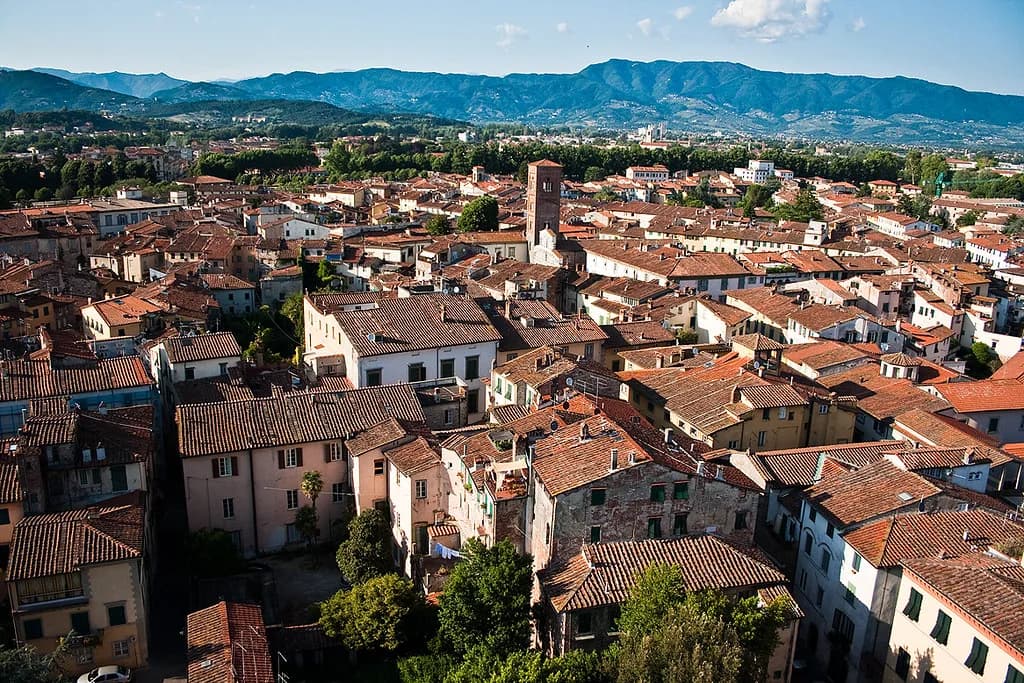
Lucca's Palazzo Ducale sits on Cortile Carrara, at the edge of Piazza Napoleone in the middle of the walled centre. Despite the grand name it shares with Venice's Doge's Palace, it is not a museum with a visitor route: mapping listings describe it as a palace that now houses the provincial government's offices. Treat it as architecture to admire from the square rather than a ticketed attraction, and build the rest of your day around places in Lucca that genuinely welcome visitors.
This guide explains what the building is today, how to slot it into a walk through the historic centre, and which nearby sights repay the time you might otherwise spend trying to get inside. One practical detail up front: the entrance front faces the square, so the most reliable thing you can do is look, read the facade, and photograph it in passing rather than plan a visit around it.
Quick Answer: What the Palazzo Ducale in Lucca Is Today
The Palazzo Ducale is the large palace on the south side of Piazza Napoleone, addressed on Cortile Carrara. A mapping entry describes it as a palace in Lucca that now hosts the provincial government's offices, which is the key fact for anyone searching for a visitor experience. Offices, not exhibition rooms, set the tone here, so expect an administrative building rather than a museum with labels, ticket desks and a one-way route.
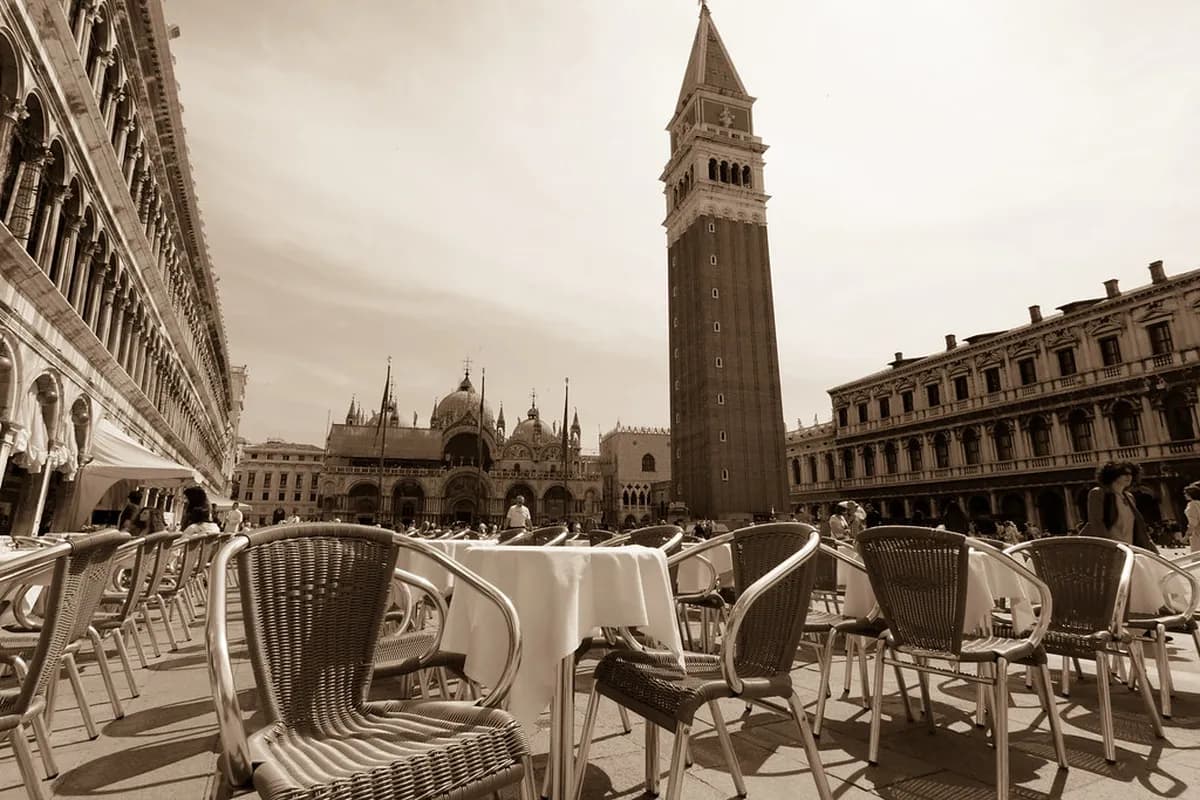
That matters because the name is shared with far more famous buildings. Venice's Palazzo Ducale, the Doge's Palace beside St Mark's Square, is a major museum with courtyards, institutional chambers, prisons and special guided itineraries, and its visitor information has nothing to do with Lucca. If you have read about golden staircases and secret itineraries, you have been reading about Venice. The Lucchese building is a different palace in a different city, and the practical advice does not transfer.
Where the Palace Sits and How to Slot It Into a City Walk
Piazza Napoleone, also called Piazza Grande, is the broad square at the heart of the historic centre, lined with cafes and bordered by the palace. It is a natural hinge point for a walking day: the square connects easily to Via Fillungo and the shopping streets, and from there to Piazza dell'Anfiteatro and the cathedral. From the square you can also pick up the tree-lined promenade on the walls, a pedestrian park of more than four kilometres that circles the historic centre. Plan to pass through the square rather than stop for long, and let the palace be the backdrop to a coffee rather than a destination.
Lucca's centre is compact and flat, and the Renaissance walls form a loop of roughly four kilometres around it, so most sights sit within easy walking distance of one another. Start on the walls for orientation, drop into the square to see the palace facade, then work inward. Because the palace gives you no interior to tour, you can give it ten minutes and still feel you have seen it properly.
Why the Building Matters: Power in the Former Republic
The palace's importance is historical rather than curatorial. Lucca was an independent state for centuries, and this was the seat of its governing power before the city was absorbed into the Grand Duchy of Tuscany in the mid-nineteenth century. Knowing that context turns a plain-looking government facade into something more interesting: you are looking at the administrative heart of a small but long-lived city-state.
Be careful with architectural legends. Claims that the palace was built on a fortress designed by Giotto circulate online, but a sourced, verifiable visitor account of the building's construction is hard to find, and it makes no difference to what you can actually see. Read the facade, note the square's layout, and save your appetite for buildings where the interior story is documented and open.
Practical Visiting: What to Confirm Before You Go
A mapping listing shows weekday office hours with a break in the middle of the day and closures on some days, but this is third-party information about an administrative building, not an official visitor schedule. Do not build a trip around those times. If you have a specific reason to approach the building, such as an appointment or a question about the provincial offices, check directly with the Comune di Lucca before travelling.
Treat any opening hours you see online as provisional and confirm them closer to your date, since office schedules change and third-party listings lag behind. The safest approach for a leisure visitor is to assume nothing inside is accessible and to enjoy the exterior. If access does turn out to be possible, it will be a bonus rather than the point of your day.
Don't Confuse It With the Doge's Palace in Venice
The two buildings share a name but almost nothing else in visitor terms. Venice's Doge's Palace offers a suggested route that moves between floors, taking in the Museo dell'Opera, the courtyard, the loggia, the Doge's Apartments, the institutional chambers and finally the armoury, picture gallery and prisons, with separate reserved-entry itineraries beyond the standard tour. That is a half-day museum visit with timed entry and crowd management. Lucca's palace is a working office building you look at from a square.
The confusion is easy to make because search results for either name often surface the other. A quick test: if a page mentions the Bridge of Sighs, the Golden Staircase or a lagoon, it is about Venice. If it mentions Cortile Carrara, Piazza Napoleone or provincial offices, it is about Lucca. Keep that distinction in mind before you buy any ticket, because a Venice ticket will not get you into anything in Lucca.
What the Palace Does Not Currently Offer Visitors
There is no sourced evidence that the Lucchese palace has museum rooms, an exhibition circuit, a visitable courtyard or a garden open to the public. It is safer to plan on none of these than to arrive expecting them. If you want a palace interior and a formal garden in Lucca, there is a well-documented alternative a short walk away, and spending your time there is a better use of a day.
Equally, do not expect ticket prices, guided tours or booking options for this building, because none are published as visitor products. Anything you find quoted may refer to Venice or to a private tour operator's itinerary, not to Lucca. When in doubt, ask at the tourist information office in the city centre, where staff can tell you what is currently open.
Better Nearby: Palazzo Pfanner's Garden and the Walls
Palazzo Pfanner, on Via degli Asili, is the closest thing to the visit the Ducal Palace cannot give you: a baroque residence with a formal garden attributed to Filippo Juvarra, statues of classical gods, potted lemon trees and a central fountain. Its own site says the garden opens from mid-March to the end of December, subject to extraordinary closures, and it sells a combined garden and museum ticket. Confirm current prices and hours on the official site rather than relying on older reviews.
Inside, the palace museum holds frescoed rooms, period furniture and the surgical instruments of Dr Pietro Pfanner, and the building's history includes a nineteenth-century brewery founded by Felix Pfanner that operated in the cellars until 1929. That mix of art, medicine and beer-making gives you a far richer interior than an office corridor. It is also small enough to fit into an hour without derailing the rest of your day.
Afterwards, walk the walls. The tree-lined ramparts are a public park rather than a ticketed monument, and they are the best free way to understand the shape of the city. From the ramparts you can drop into the botanical garden on the eastern side, founded in 1820, which has its own entrance and separate admission. Check the garden's official site for current hours and prices before you go.
Other Ways to Spend the Rest of the Day
The oval Piazza dell'Anfiteatro is built on the footprint of a Roman amphitheatre, with medieval houses closing the ring and cafes filling the centre. It is free, photogenic and a two-minute detour from Via Fillungo. Go early or late to see it without the lunchtime crush, and use it as a natural pause rather than a sight you need to tick off.
For views, climb the Torre Guinigi, a medieval tower topped with holm oaks, or the Torre delle Ore clock tower. Both involve narrow stairs and a modest entrance fee, and both reward you with rooftops and hills rather than a palace interior. If you only have time for one climb, choose based on whether you want the novelty of trees overhead or the clock mechanism.
Quieter corners reward a slower pace. Santa Maria Foris Portam, known as Santa Maria Bianca for its white limestone facade, keeps two seventeenth-century paintings by Guercino and a camera-obscura sundial that once helped regulate the city's clocks. In the small square beside it, a fragment of Roman granite column gives the spot its local nickname, the square of the severed column.
Making the Palace Part of a Sensible Itinerary
Build your day around what is reliably open and free. Cross Piazza Napoleone in the morning, look at the palace facade from the square, then move on to the cathedral, San Michele in Foro and the Anfiteatro before lunch. In the afternoon, pay for one interior such as Palazzo Pfanner's garden and museum, and finish on the walls as the light softens.
If you are in Lucca in spring, the garden calendar is worth checking. Camellias bloom around March, when the Lucchesia holds its historic camellia festival, and the botanical garden's own plantings peak in different months. These are seasonal, so confirm dates and opening details on the organisers' websites rather than trusting a blog post written years earlier.
Plan Your Visit
The Palazzo Ducale in Lucca is best understood as a landmark rather than an attraction. See it from Piazza Napoleone, use the square as a base for the surrounding streets, and put your money and time into the places that are set up to receive you, from Palazzo Pfanner to the botanical garden and the towers.
Before you travel, verify anything time-sensitive on official websites, especially garden opening periods and tower hours, and leave the palace interior out of your plans unless someone official tells you otherwise. A little scepticism about search results, particularly ones mixing up Lucca and Venice, will save you a wasted morning.
Frequently Asked Questions
Is the Palazzo Ducale in Lucca open to visitors?
There is no published visitor route. Mapping listings describe the palace as hosting the provincial government's offices, with weekday office hours. Treat it as a building to admire from Piazza Napoleone, and confirm any access question with the Comune di Lucca before you travel.
Can you visit the Palazzo Ducale in Lucca without a ticket?
You can see the exterior and the square in front of it freely, because Piazza Napoleone is public space. Do not assume you can walk inside, and do not expect a ticket desk. If you want a palace interior in Lucca, Palazzo Pfanner nearby offers a museum and a baroque garden with its own admission.
Is the Palazzo Ducale in Lucca the same as the Doge's Palace in Venice?
No. They share a name, which causes most of the confusion. Venice's Doge's Palace is a major museum with courtyards, chambers, prisons and reserved special itineraries. Lucca's Palazzo Ducale is a government building in a different city.
What can you see near the Palazzo Ducale in Lucca?
Piazza Napoleone itself, Via Fillungo's shops, the oval Piazza dell'Anfiteatro, the cathedral, and Palazzo Pfanner with its garden. The city walls are a short walk from the square and make a good end to a walking day.
How long does it take to see the Palazzo Ducale in Lucca?
Allow a few minutes to look at the facade and cross the square. This is a suggestion, not an official figure, and there is no set route to follow. Spend the rest of your day on interiors and viewpoints that are genuinely open to the public.
Sources
Continue exploring
More guides you'll find useful