Orto Botanico di Lucca: A Practical Visitor Guide
Plan a visit to Lucca's Orto Botanico, founded in 1820: the museum, botanical school, greenhouses, arboretum and pond, with advice on verifying hours.
On this page
The Orto Botanico di Lucca is a living plant collection rather than a decorative town park. Founded in 1820, it is organised as a circuit of world flora that ends with the native species of the Lucchesia, according to the garden's operator. That teaching purpose still shapes the layout, so the visit reads best as a slow walk through themed sections rather than a quick photo stop. Further visitor details appear in Orto Botanico di Lucca, Il giardino più prezioso di Lucca, fondato nel 1820.
The garden's documented address is via del Giardino Botanico 14, 55100 Lucca, inside the historic centre. That makes it easy to fold into a day already spent on the walls or among the churches, though the garden rewards an unhurried hour or more rather than a ten-minute detour.
One planning note up front: opening times and admission are volatile. Check the operator site for the day you plan to arrive. A local guide blog published in 2025 gives times and a single-ticket figure, but treat those as an indication to re-check, never as a guarantee. The operator also notes that the garden offers different experiences across the seasons.
Where the Garden Sits in Lucca
Because the garden is inside the walled city, you can reach it on foot from the centre without arranging transport. The operator lists the address, ticket-office contact and curator contact on its site. For orientation across the rest of the city, a sensible first step is to see the garden as one stop within a wider circuit of towers, churches and wall-top walks.
A local guide describes the garden as lying on the east side of the walls, with an approach from the rampart above St Regolo's bastion. Treat that route description as a helpful third-party hint rather than an official instruction, and follow on-site signage once you are on the walls. The broader Lucca Attractions collection can help you sequence nearby stops before fixing a route.
A Historic University Garden, Not a Flowerbed Stroll
The 1820 founding date anchors everything else: this is an old scientific garden with a museum and a teaching function attached, not a municipal bedding display. The operator describes the collection as a route through colours, sounds and scents that moves from plants of distant countries to the local flora and biodiversity.
The Museo botanico Cesare Bicchi and the botanical school are named parts of the site, so expect labelled teaching collections and historical material as well as open ground. Allow time for the indoor and interpretive elements rather than treating them as an afterthought on the way to the greenhouses.
Visitors who expect a large landscaped park may find the scale modest, while those interested in how plants are classified and conserved will find more to read and observe. Knowing which traveller you are is the most useful decision before you commit a morning.
What Is Planted: Collections to Look For
Regional tourism material identifies the garden's most important collections as medicinal plants, Ericaceae, hydrophytes, and spontaneous vegetable species used for food in the Lucchesia area. That list works as a practical checklist: the heath-family shrubs, the water plants and the edible wild greens each sit in different conditions, so you will cross most of the garden looking for them.
The medicinal plants tie the scientific garden to Lucca's older monastic and pharmacy traditions, which is why they reward a slower read of the labels. If time is limited, pick two collections that interest you rather than trying to identify everything.
Greenhouses and the Botanical School
The operator lists the greenhouses and the botanical school as distinct parts of the visit, alongside the arboretum and the museum. The greenhouses extend what can be grown beyond the open ground, so they make a sensible first stop in cool or wet weather and a natural pause in the middle of a summer walk.
The botanical school has changed over time: a local guide describes the area as once arranged in precise classified order, with much of it now given over to medicinal plants beneath a Ginkgo biloba. Read that as a reminder that teaching beds are working spaces that get replanted and reorganised, so no single planting plan is permanent.
Themed Corners to Walk: Camellias, Pond, Montagnola, Arboretum
The operator's own section list gives a ready-made walking order: rhododendrons and camellias, the pond and bog, the montagnola, and the arboretum. Following that sequence keeps you moving through contrasting conditions instead of drifting back and forth across the same beds.
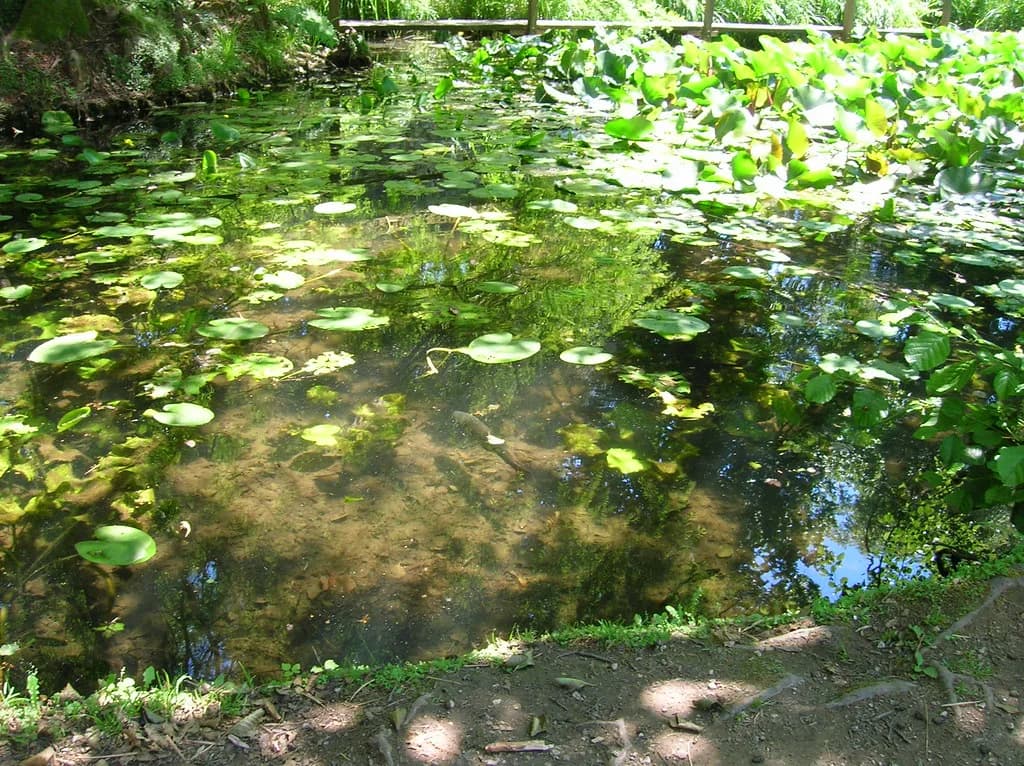
The pond and bog concentrate the hydrophytes and reward a quiet few minutes, while the arboretum is where the garden's mature trees carry the most visual weight. The montagnola adds a change of level, so wear shoes you can walk in on uneven ground rather than relying on paved paths throughout.
Lucca's relationship with camellias is old: a local guide traces it to the early nineteenth century, when wealthy families followed Elisa Baciocchi's example and imported plants from China and Japan, helped by acidic soil, abundant water and a sheltered microclimate. That history gives the camellia section more meaning than the flowers alone.
Spring Highlights, Honestly Framed
Spring is the season most often recommended, and a local guide singles out three plants: the handkerchief tree or dove tree, a mature specimen of which grows here; the wild peony, now rare in the wild but well represented in the garden; and the camellia. That is a useful shortlist, but it describes what the garden holds, not a timetable.
Bloom timing shifts with the weather each year, so do not build a trip around a fixed week for any one species. The operator makes the broader point directly: the garden offers different experiences across the seasons, and each is a fresh occasion for discovery, which is a fair argument for visiting whenever you happen to be in Lucca.
If a specific flower is your reason for coming, ask the garden directly before booking travel; the ticket office and curator contacts are published on the operator site. Nothing published guarantees a particular plant will be in flower on a given date.
How Long to Allow and How to Pace It
As a suggested pace, not an official figure, plan on roughly an hour to ninety minutes: enough to see the museum, walk the themed sections and spend a few minutes at the pond without rushing. Add time if you read labels carefully or photograph plants.
Build the route around the sections rather than mileage, starting with the greenhouses and museum while you are fresh, then moving through the camellia and rhododendron area to the pond and arboretum. If you are visiting with children, the pond and the open arboretum walk tend to hold attention longer than the interpretation boards.
Practical Planning: Verify Hours and Admission First
Hours and prices change, and the only reliable source on the day is the operator: check the Orto Botanico di Lucca site before you set out, and use the published ticket-office contact if the site is unclear. A 2025 local guide blog mentions weekday and weekend closing times and a single-ticket charge, but those figures are third-party and should not be assumed to apply to your visit.
The city's official tourism portal is a useful cross-check for events and city-wide information, though for garden-specific opening and admission the garden itself is the authority. Confirm what a ticket covers, since a botanical garden with a museum and greenhouses may not include everything under one admission.
The operator has not published detailed accessibility information in the material available, so ask about step-free routes, uneven ground and the montagnola before you arrive if those matter to you. Do not assume the whole route is level just because the entrance is in the flat historic centre.
Combining the Garden With the Walls and City Sights
The garden's position inside the walls makes a natural pairing with a circuit of the ramparts, which are themselves one of Lucca's best free ways to spend an hour. A Lucca City Walls (Mura di Lucca) visitor guide will help you plan which stretch to walk before or after the garden.
For a slower, greener day, pair the garden with the courtyard planting at Palazzo Pfanner, another garden visit that sits within the historic centre. Our Palazzo Pfanner Lucca visitor guide covers what that stop involves so you can judge whether two gardens in one day is too much.
If you want to balance the botanical stop with overlooked corners of the city, the hidden gems in Lucca guide is a good companion for the rest of the afternoon. Tower climbs are best kept for a separate slot, since they reward clear weather rather than an hour squeezed in before a garden closing time.
Plan Your Visit
The Orto Botanico di Lucca suits travellers who want a slower, quieter hour inside the walls and are willing to look closely at labelled collections rather than simply stroll past flowerbeds. Its 1820 founding, museum, botanical school and themed sections give the visit structure, and the seasonal planting gives you a reason to return at a different time of year.
Before you go, confirm the day's opening and admission on the operator site and ask about anything the garden has not published, including access along the route and any flower you are hoping to see. Build the rest of the day around the walls and one nearby garden or church, and the botanical garden becomes a calm counterpoint rather than a rushed detour. For related planning, see Lucca Attractions: Visitor Guides to 14 Sights.
Frequently Asked Questions
Where is the Orto Botanico di Lucca?
It is at via del Giardino Botanico 14, 55100 Lucca, inside the walled historic centre. Because it sits within the walls, it is reachable on foot from the centre and pairs naturally with a walk on the ramparts.
How much does the Lucca botanical garden cost, and when is it open?
Opening hours and admission change, so check the Orto Botanico di Lucca operator site or contact its ticket office for the day you plan to visit. A third-party guide blog gives times and a ticket figure, but those should be verified rather than assumed current.
What is the best time of year to visit?
Spring is the most celebrated season, with camellias, wild peonies and the handkerchief tree among the highlights, but flowering shifts with the weather each year. The garden itself notes that it offers different experiences across the seasons, so a visit outside spring still has plenty to see.
How long does a visit take?
As a suggested pace, allow about an hour to ninety minutes to cover the museum, greenhouses and themed sections without rushing. Add time if you read labels closely or photograph plants, and shorten the route if you only want the arboretum and pond.
What can you see in the greenhouses and the botanical school?
The greenhouses extend what can be grown beyond the open ground, and the botanical school is a working teaching area that has been reorganised over time, now including medicinal plants. Expect labelled collections rather than a fixed display, since planting changes.
Is the garden suitable for children or a short stop?
The pond and the open arboretum walk tend to hold children's attention better than the interpretation boards. For a short stop, choose two or three sections close together rather than trying to cover the whole garden.
Does the garden sit inside Lucca's walls?
Yes, its documented address is within the historic centre, which is why it combines well with a wall walk. A local guide describes an approach from the rampart side, but follow on-site signage once you are there.
Sources
Continue exploring
More guides you'll find useful