Beautiful Places In Naples Travel Guide
Plan beautiful places in naples with top picks, neighborhood context, timing tips, and practical booking advice for a smoother trip.

On this page
Beautiful Places In Naples
Naples is a vibrant Italian city full of history and stunning coastal views. You will find many beautiful places in naples that will capture your imagination. The city offers a unique blend of ancient charm and lively modern culture that no other Italian destination quite matches.
Exploring this southern Italian gem requires a bit of smart planning. This guide covers the top sights, the best neighborhoods, and the practical decisions that make or break a Naples trip in 2026. Get ready to experience the incredible atmosphere of this historic destination.
Is Naples Worth It?
Many travelers wonder if visiting the chaotic streets of Naples is actually worth their time. The city has a gritty reputation that sometimes overshadows its immense cultural wealth. The honest answer is yes — Naples rewards visitors who come with realistic expectations and an open mind.
No other city in southern Italy offers the same combination of world-class archaeology, Baroque architecture, and street-food culture at these prices. A pizza at a casual spot runs around four to six euros. The underground tunnels, royal palace, and national museum can fill three days without a single dull moment. You get more culture per euro here than almost anywhere in Western Europe.
First-time visitors should focus on the historic center and the scenic waterfront areas. Staying in the Centro Storico puts you within walking distance of most major attractions. Give the city a chance, and its raw energy will quickly win you over.
Best Time to Visit Naples
Spring (March to May) delivers the most pleasant conditions: temperatures hover between 15 and 22 degrees Celsius, tourist crowds have not yet peaked, and outdoor sites like Pompeii and Vesuvius are comfortable to explore. Autumn (September to November) is equally attractive — the summer heat has broken, prices drop, and the city belongs more to locals again.
Summer (June to August) is hot, busy, and expensive. Temperatures regularly top 30 degrees and queues at popular sites can be long. If you visit in summer, book tickets for Vesuvius, the National Archaeological Museum, and Pompeii well in advance and aim to be at outdoor sites before 10:00. Winter is the cheapest window and some attractions operate reduced hours, but the city is quieter and atmospheric, especially around December when Via San Gregorio Armeno fills with nativity artisans.
The September miracle of San Gennaro — when the cathedral crowds gather to watch the patron saint's blood allegedly liquefy — is worth planning around if you are in the city on the 19th of the month.
| Attraction | Entry Cost | Time Needed | Booking Required |
|---|---|---|---|
| Naples National Archaeological Museum (MANN) | ~€20 skip-the-line | 2–4 hours | Recommended |
| Cappella Sansevero (Veiled Christ) | €8 | ~45 minutes | Yes — sells out in peak season |
| Palazzo Reale (state rooms) | ~€10 | 1–2 hours | No |
| Mount Vesuvius hike | Shuttle ~€10 + trail fee | Half day | Yes — book online |
| Naples Underground (Napoli Sotterranea) | ~€15 | 1–1.5 hours | No (tours run throughout day) |
| Herculaneum ruins | €13 | Half day | No |
| Castel Sant'Elmo (panoramic view) | ~€6 | 1–2 hours | No |
The Best Way to Explore Naples
Walking is undoubtedly the best way to soak in the vibrant atmosphere of the city. Many of the most scenic alleys are far too narrow for cars or buses. You can easily discover charming details that motorized tourists completely miss.
For longer distances, the local metro system is efficient and very affordable. A day pass costs around 4.50 euros and covers the metro, funiculars, and city buses. Several stations double as public art galleries — Toledo Station in particular has been named one of Europe's most beautiful metro stations, its platform descending through a deep-blue mosaic tunnel designed to evoke light filtering down through water. It is free to enter and takes five minutes to see; combine it with a walk through Quartieri Spagnoli above. To reach other regional cities, I recommend planning European train journeys with Omio.
Avoid driving inside the city center because the traffic is notoriously chaotic. Finding parking can be nearly impossible and often costs a premium. Stick to public transport and your own two feet for a stress-free visit.
Explore Mount Vesuvius
Mount Vesuvius dominates the local skyline and offers an unforgettable hiking experience. You can walk along the crater edge and look down into the active volcano while the panoramic views of the bay stretch out below. The sight is genuinely breathtaking and justifies the trip on its own.
Book tickets online well in advance, especially in spring and summer. To reach the trail, take the Circumvesuviana train from Naples Centrale toward Ercolano, then a shuttle bus to the starting point (around 10 euros return). Make sure to Visit the top of Mt. Vesuvius during clear morning hours when visibility across the bay is best. The hike to the crater takes around 30 minutes and is steep but manageable for most adults.
Bring a light jacket because the summit gets surprisingly windy even on warm days. Sturdy closed-toe shoes are essential for the dusty gravel paths. If you want to combine the volcano with the ruins below it, a full-day Vesuvius and Pompeii tour is one of the most popular itineraries in the entire region.
The Naples National Archaeological Museum (MANN)
The Museo Archeologico Nazionale di Napoli — universally known as MANN — is one of the most important archaeological museums in the world, and it is essential viewing for anyone interested in the ancient world. The collection includes the finest artifacts rescued from Pompeii and Herculaneum, including the famous Alexander Mosaic, erotic frescoes from the Secret Cabinet, and entire rooms of Roman sculpture that put most European museums to shame.
Skip-the-line admission runs around 20 euros. Allow a minimum of two hours; serious visitors spend four. The Egyptian collection alone fills seven rooms. Crowds peak on weekends and during summer afternoons — arrive at opening time (09:00) or visit on a weekday afternoon. The museum closes on Tuesdays.
Even travelers who do not consider themselves museum people tend to leave impressed. The sheer density of well-preserved objects from a civilization buried in 79 AD makes abstract history suddenly very concrete.
Palazzo Reale and Piazza del Plebiscito
Piazza del Plebiscito is the grand civic heart of Naples and one of the most impressive squares in Italy. On one side stands the Basilica di San Francesco di Paola, modelled on the Pantheon in Rome. On the other side sits the Royal Palace — Palazzo Reale — built in 1600 as a residence for the Spanish viceroy and later home to the Bourbon kings and briefly Napoleon's family. The square was used as a car park in the 1960s; today it is strictly pedestrian and wonderfully photogenic at sunset.
Walking through the public courtyards of the palace costs nothing. Paying entry to the state rooms runs around 10 euros. Inside you will find throne rooms, a private court theater with frescoes and tapestries, and long corridors lined with antique furniture. The Biblioteca Nazionale on the upper floors holds rare manuscripts including some rescued from the Villa dei Papiri at Herculaneum.
Just off the square, Gran Caffè Gambrinus is the city's most historic coffee house. A cappuccino costs about four euros at the bar. The ornate gold interior is worth a brief stop even if you only order a pastry.
The Veiled Christ at Sansevero Chapel
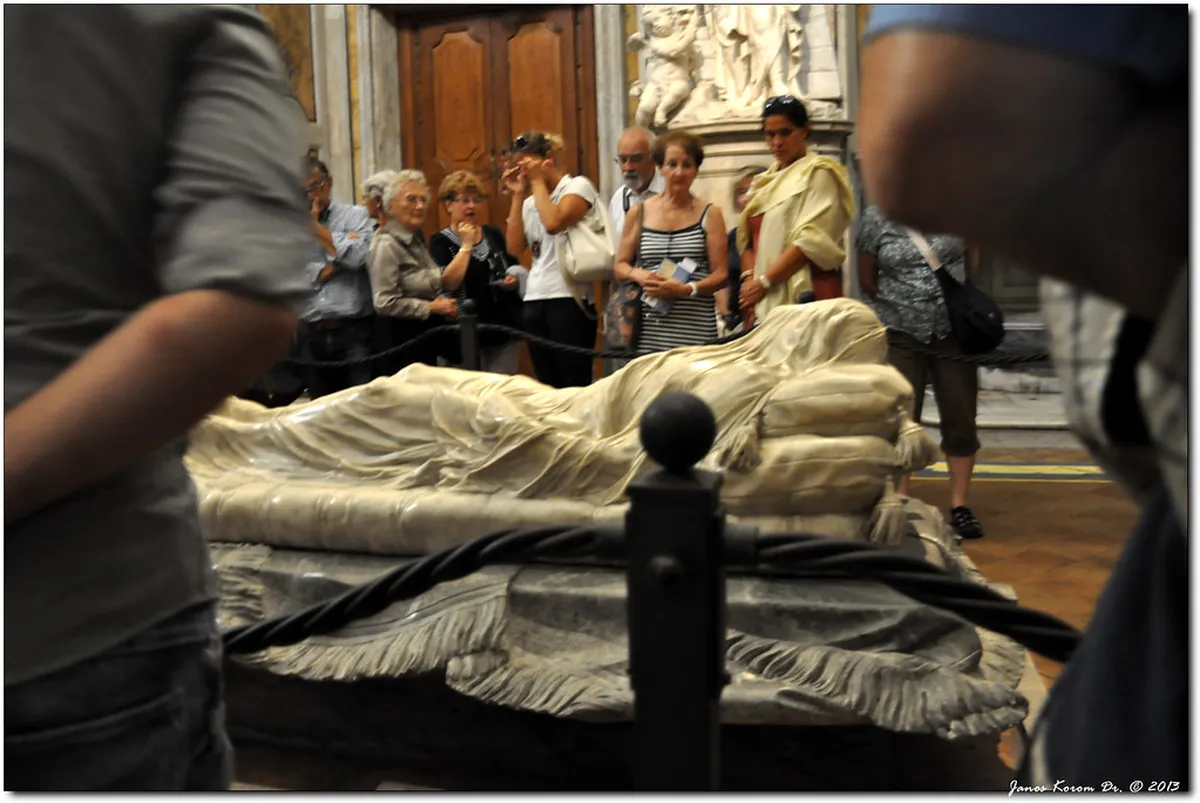
The Cappella Sansevero is a small Baroque chapel that contains what many art historians consider the most technically extraordinary marble sculpture in existence. The Veiled Christ by Giuseppe Sanmartino (1753) depicts a dead Christ lying under a transparent marble veil — the stone somehow rendered to look like delicate linen draped over a human body. Standing in front of it, the illusion is almost unsettling. It draws visitors from all over the world to this single room.
Entry costs 8 euros and the chapel is small, so timed entry slots sell out days in advance during peak season. Book online before you arrive. The chapel is located in the historic center near Piazza San Domenico Maggiore and takes around 45 minutes to see properly. Photography of the sculpture is permitted without flash.
Sansevero Chapel is a very small venue and timed entry slots sell out days in advance during peak season. Book your ticket online before you arrive in Naples — walk-in entry is almost never available on busy days.
The two anatomical machines in the basement — preserved human nervous systems encased in copper wire, created by the same patron in the 18th century — are disturbing and fascinating in equal measure. They are included in the entry price and should not be skipped.
Discover Naples Underground
Deep beneath the bustling streets lies a fascinating network of ancient tunnels and aqueducts. This subterranean world was carved out of volcanic tuff stone over thousands of years. It served as a water source for Greek and Roman Naples and later as a bomb shelter during World War Two.
You can join an official guided tour to explore these cool, dark chambers safely. The entrance is located in the heart of the historic center near Piazza San Gaetano. Taking a tour of Napoli Sotterranea Underground Naples Travel Guide is a great way to escape the summer heat while adding significant historical depth to your understanding of the city. Tours run in English and Italian throughout the day and cost around 15 euros per person.
The tunnels can feel quite narrow and damp, so bring a light sweater. Some sections require crouching. If you suffer from claustrophobia, skip this one. For everyone else, it offers a thrilling glimpse into the city's hidden layers that nothing above ground quite replicates.
Visit Quartieri Spagnoli
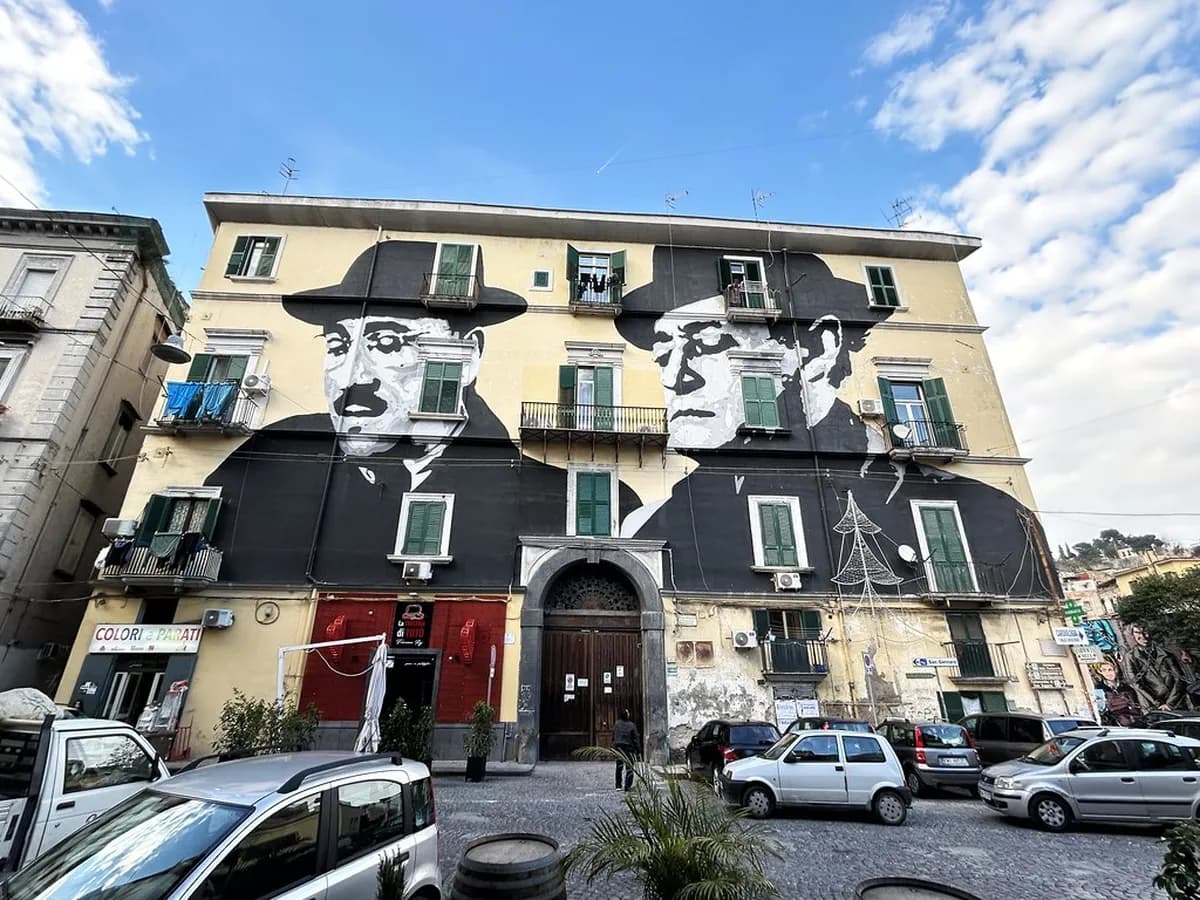
The Quartieri Spagnoli neighborhood is a lively area famous for its narrow streets and hanging laundry. Built in the sixteenth century, this district originally housed Spanish troops during their occupation. Today, it stands as one of the most colorful and authentic parts of the city, and the reputation for danger that older guides warned about has largely dissolved.
One aspect most travel guides underplay: the neighborhood has become a pilgrimage site for Diego Maradona. At the crossroads of Vico Lungo Gelso and Via Emanuele de Deo, every wall breathes the former Napoli striker's name. Giant murals, graffiti with "El Pibe de Oro," and a small museum (Museo Casa Maradona at Vico Cariati 58, admission around 15 euros) make this a culturally significant stop. When Maradona died in 2020, Neapolitans gathered here in mass mourning. Understanding why Maradona matters so much to this working-class district — he led Napoli to its only two Italian championships in 1987 and 1990 — adds a powerful layer to the whole neighborhood.
In the evening the streets fill with bars and budget pizzerias. A pizza here typically runs three to five euros, cheaper than anywhere near the tourist waterfront. Keep your personal belongings close and stay aware of your surroundings, but do not let outdated warnings keep you away.
Authentic Neapolitan Pizza
Naples invented pizza, and eating one here is a genuine benchmark experience. The classic Neapolitan margherita uses fior di latte mozzarella on a soft, charred crust that comes out of a wood-fired oven at around 480 degrees Celsius in 90 seconds. No other pizza anywhere tastes quite the same.
L'Antica Pizzeria Da Michele on Via Cesare Sersale is the most famous address — made internationally known by the film Eat Pray Love — and offers only four options on the menu. Expect to queue unless you arrive just before 11:00 or after 14:30. A margherita costs six euros. Pizzeria Gino Sorbillo on Via dei Tribunali is the other iconic name, with longer queues but a more varied menu. If the line at Sorbillo is too long, walk across the street to Antonio Sorbillo — equally good, fewer tourists, eight to fifteen euros per pizza.
For something off the beaten path, Pizzeria 3.0 Ciro Cascella and 50 Kalo both serve locals more than tourists and are worth booking ahead. A sfogliatella pastry — flaky shell filled with sweet ricotta — makes the right breakfast at any bar in the historic center for around two euros.
Old Town: Spaccanapoli and Via San Gregorio Armeno
The famous Spaccanapoli street literally splits the historic center of the city in two, following the same straight line as the ancient Greek decumanus inferior laid out in the fifth century BCE. Walking down this narrow road is a sensory journey filled with sights, sounds, and aromas — ancient churches, Baroque palaces, and local shops pressed against each other with no gaps.
Branching off the main path is Via San Gregorio Armeno, famous for its handmade nativity scenes. Local artisans work year-round crafting intricate ceramic figures and miniature wooden houses. The figures are not limited to religious subjects — you will find Maradona, local politicians, and current celebrities alongside the traditional shepherds. In December the street becomes almost impenetrable with visitors and the display is spectacular.
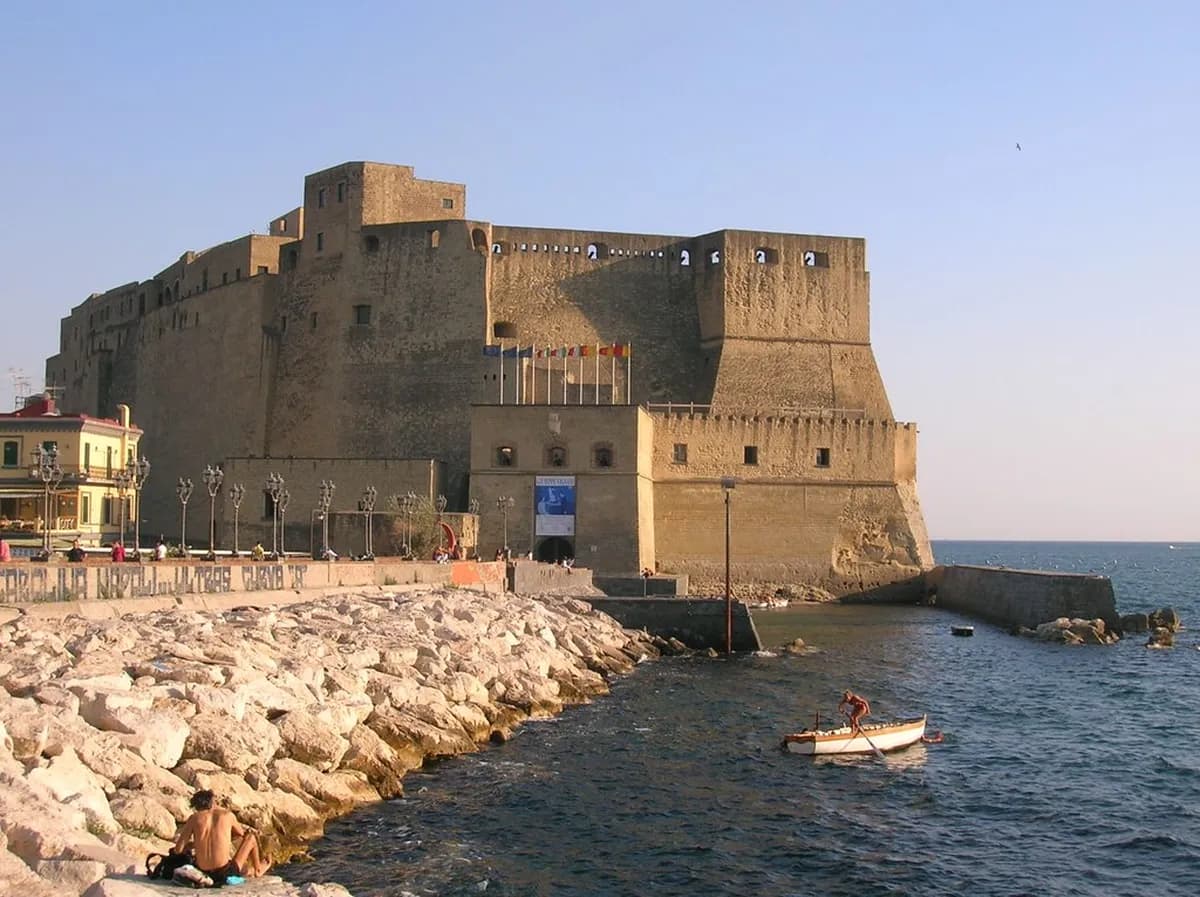
While wandering nearby, you can also visit the iconic Castel dell'Ovo on the waterfront. This seaside castle, Naples' oldest fortress, sits on the former island of Megaride and offers free admission. The terrace at sunset provides some of the most beautiful views of the Gulf of Naples and is a peaceful contrast to the high-energy streets of the old town.
Santa Chiara Monastery and Cloister
The Complesso Monumentale di Santa Chiara is one of the most photographed spots in Naples, and for good reason. Built in the fourteenth century to house Angevin royal tombs, the complex was heavily bombed in World War Two and painstakingly restored. The church exterior is plain Gothic; the interior after the baroque renovation is richly frescoed.
The highlight is the cloister garden behind the church. Majolica-tiled benches and ornate pillars line shaded paths through an oasis of calm that feels completely removed from the busy streets outside. The tiles, painted with bucolic scenes and vines, date from the eighteenth century. Entry to the cloister costs around six euros. Check opening times before visiting — the complex closes early in the afternoon.
Three elaborate presepi (Christmas nativity scenes) from the 1700s are displayed inside the church and represent some of the most intricate examples of this Neapolitan art form. The complex also contains an archaeological museum with remains of Roman baths found beneath the monastery during post-war excavations.
See the Historic Castel Nuovo
Castel Nuovo is a striking medieval fortress situated right next to the main port. King Charles I of Anjou ordered its construction in the thirteenth century when Naples became the capital of his kingdom. The five cylindrical towers and the white marble Renaissance triumphal arch between the two front towers make a powerful impression on anyone arriving from the harbor.
The castle interior houses the Museo Civico with historic paintings and architectural fragments. Entry costs six euros, and many travelers find the collection underwhelming relative to the fee. You can enjoy the best views of the exterior completely free from the pedestrian area in front. If you want to explore deeper, guided tours are available for an extra ten euros and grant access to the old prisons, the chapel with frescoes by Giotto's school, and the rooftop panorama over the harbor.
Stroll Galleria Umberto I
Galleria Umberto I is a magnificent 1887 shopping arcade located near the opera house and Palazzo Reale. The building features a glass dome 57 meters high that floods the interior with natural light through an iron-and-glass framework. The floor is laid in beautiful mosaic work incorporating the zodiac signs — look down as often as you look up. Entry is completely free.
Inside you will find a mix of fashion boutiques, quiet cafes, and local pastry shops. The gallery is frequently compared to the Galleria Vittorio Emanuele in Milan, though Naples' version is slightly less crowded and noticeably more affordable for a coffee. Visit early in the morning for the best photographs without large groups filling the frame. The architecture is genuinely outstanding and takes only fifteen minutes to appreciate properly.
Funicolare to Castel Sant'Elmo
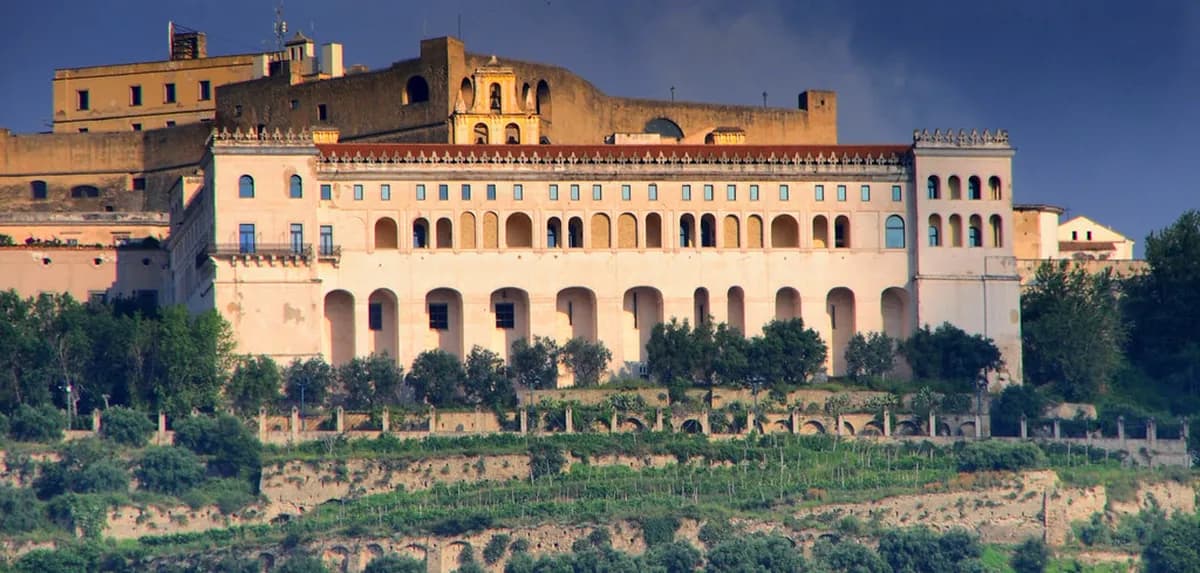
Castel Sant'Elmo is a unique star-shaped fortress positioned high on the Vomero hill. Taking the scenic funicular railway up the hillside is an affordable adventure — the ride is covered by the standard metro day pass. From the Morghen station, it is a short walk to the castle entrance. The ride itself offers beautiful glimpses of the city climbing up the slopes and is a pleasant contrast to walking the flat historic center.
Once at the top, the castle's panoramic terrace offers the most comprehensive view of Naples available without a drone. The bay, the historic center, the port, and Vesuvius in the background all come into frame at once. Entry to the castle costs about six euros. The hilltop Vomero neighborhood surrounding it is leafy, calmer, and distinctly more prosperous than the center below — a good place for lunch before heading back down.
Places to Visit: Herculaneum
While Pompeii gets most of the attention, the nearby ruins of Herculaneum offer an equally incredible experience with far fewer crowds. This ancient Roman town was buried under a 20-meter-thick flow of volcanic mud during the 79 AD eruption of Vesuvius. The mud preserved the buildings in remarkable detail, including carbonized wooden beams, furniture, and mosaics that would have rotted away under Pompeii's lighter ash cover.
Because Herculaneum is much smaller than Pompeii, you can explore it thoroughly in a single morning. Walking through the excavated streets, with their intact upper floors and preserved shops, produces a stronger sense of being inside a real Roman city than the larger site does. Entry costs thirteen euros. Take the Circumvesuviana train from Naples Centrale to Ercolano station — the journey takes around fifteen minutes — then walk downhill to the entrance.
Herculaneum is far less crowded than Pompeii and can be explored thoroughly in a single morning. The Circumvesuviana train from Naples Centrale to Ercolano takes only 15 minutes, making it an easy and rewarding half-day trip for €13 entry.
To stay connected during your day trips around Italy, I recommend a Holafly eSIM. Having reliable mobile data makes navigating train schedules and archaeological sites straightforward. It activates before you land, so you have maps working the moment you arrive at Naples airport.
Frequently Asked Questions
Which beautiful places in naples options fit first-time visitors?
First-time visitors should prioritize the historic old town of Spaccanapoli and the scenic waterfront near Castel dell'Ovo. These areas are pedestrian-friendly, highly scenic, and offer a great introduction to the local culture. You can easily explore them on foot in a single day.
Is Naples Safe for solo travelers?
Yes, Naples is generally safe for solo travelers who exercise standard city precautions. Keep an eye on your belongings in crowded areas like the Spanish Quarters and public transit stations. Avoid poorly lit alleys late at night to ensure a trouble-free trip.
How much time should you plan for beautiful places in naples?
You should plan at least three full days to experience the main attractions and beautiful places in the city. This timeframe allows you to explore the historic center, visit underground ruins, and take a quick day trip to Mount Vesuvius.
Naples is a city of incredible contrasts, blending gritty urban energy with absolute coastal beauty. From towering volcanic peaks to hidden underground passages, a marble masterpiece tucked in a Baroque chapel, and the world's best pizza at four euros a plate — every corner tells a fascinating story. Three days here barely scratches the surface.
Whether you are eating fresh pizza in the Spanish Quarter or standing speechless in front of the Veiled Christ, this historic destination will leave a lasting impression. Plan your journey carefully and you will experience something genuinely unlike anywhere else in Italy.
Continue exploring
More guides you'll find useful