Minnewater Bruges: A Local's Lake of Love (Skip the Crowds)
Minnewater Bruges: a former harbor basin, not a natural lake. Guide covers the quiet walk from Station Brugge, the Lake of Love legend, and Begijnhof pairing.
On this page
Minnewater Bruges: Visiting the Iconic Lake of Love
Last updated July 2026, this guide explains what Minnewater Bruges actually is: a canal-fed lake and park at the city's southern edge, built as a harbor basin rather than a natural body of water. Most visitors step off the train and walk straight into the Markt, skipping the quieter route through Minnewaterpark first. This guide covers the Lake of Love legend, the short walk from Station Brugge, and how to pair the lake with the Begijnhof next door.
What Is Minnewater Bruges? The Lake of Love Explained
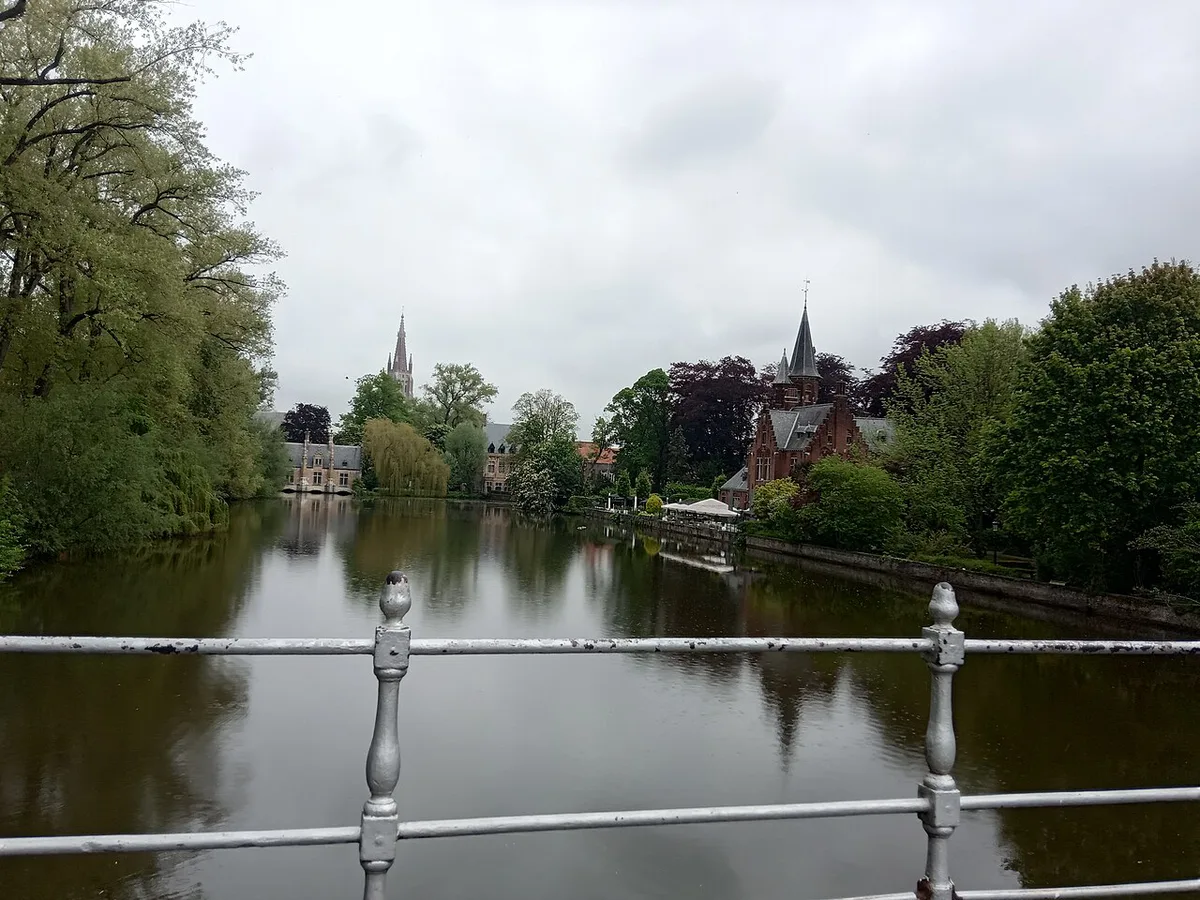
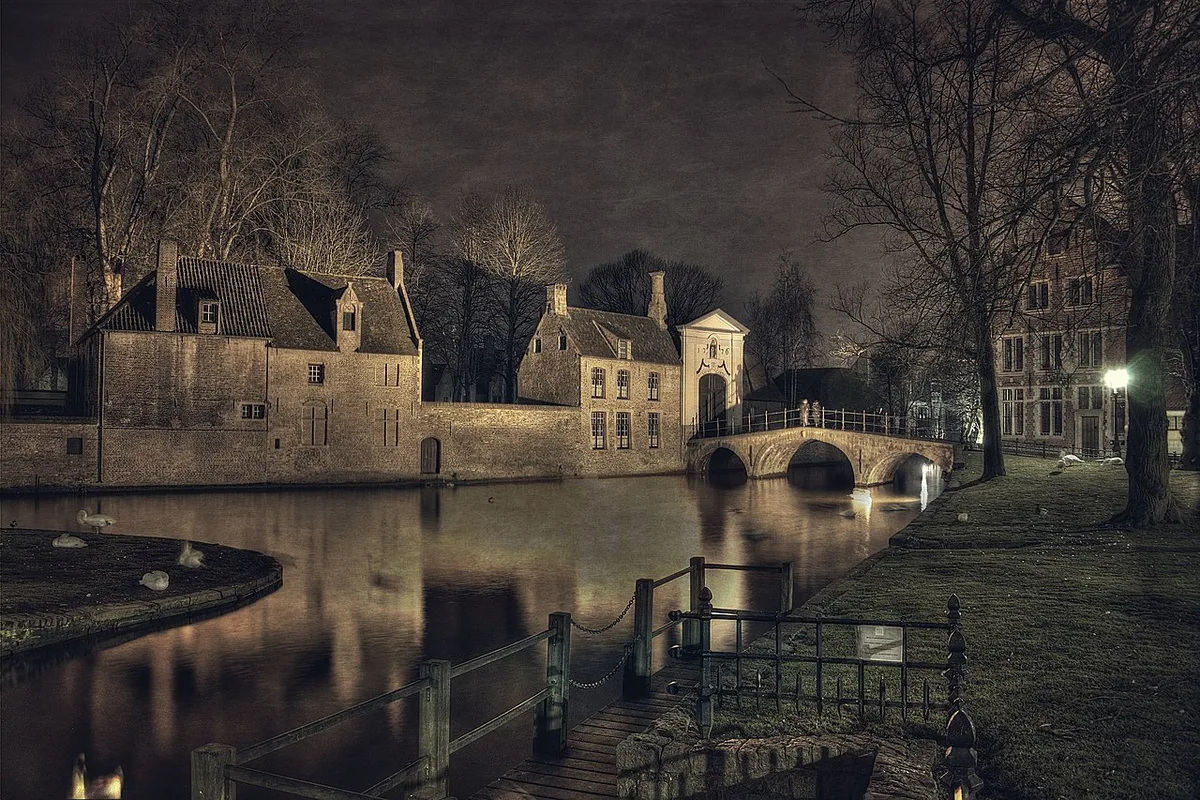
Minnewater is a canal-fed lake and park at the southern edge of central Bruges. It looks like a natural lake, but it began life as a harbor basin. Barges once unloaded wool and wine here before goods moved on into the city by canal. Today the water sits still, framed by trees, and crossed by the Minnewaterbrug, known locally as the Lake of Love bridge. For anyone arriving by train, Minnewater works well as a first stop. It sits close to Station Brugge, which gives visitors a quiet introduction before the busier Markt. Starting a Bruges visit here, instead of heading straight for the main square, counts as one of the 14 Unique Things to Do in Bruges: Secret Spots & Local Favorites. The contrast between this stretch of water and the commercial center is deliberate groundwork for the rest of the day.
Minnewater Bruges at a Glance
A handful of details cover most of the planning questions travelers ask about Minnewater.
| Feature | Detail |
|---|---|
| Best for | Couples, photographers, picnic-seekers |
| Time needed | 30-60 minutes |
| Cost | Free |
| Crowd level | Moderate: high near the bridge, low in the park |
| Nearest transit | Station Brugge (train and bus) |
Who Minnewater Suits Best
Minnewater suits a specific kind of traveler best. Couples treat the Minnewaterbrug as a near-mandatory stop, tied to the Minna legend. Photographers use the early light and the water's reflections for some of the calmer shots in Bruges. Picnic-seekers use the grass along the park's edges, away from the benches nearest the bridge. Anyone chasing a fast checklist of sights may find the pace here slower than expected, and that slower pace is the point.
Couples treat the Minnewaterbrug crossing as a near-mandatory ritual, but midday brings tour groups concentrated at the bridge. Early morning or early evening offers thinner crowds and softer light, making the romantic experience more intimate.
The Legend of Minna and Stromberg
Two stories explain the name Minnewater. One traces it to minnen, the Dutch word for the water nymphs once believed to live in the lake. The other, more commonly repeated version, tells of Minna, a young woman kept from her lover Stromberg by a forced marriage to a rival suitor. Minna fled into the forest rather than accept the match, and she died before Stromberg could reach her. He is said to have buried her on the lake's bank, and the water later took her name in her memory. Neither version needs to be historically verified to explain the mood of the place. The legend is why crossing the Minnewaterbrug is treated locally as a small ritual for couples, in the same spirit as bridge superstitions found elsewhere in Europe. Guides rarely need to embellish the story further; the bridge, the water, and the trees do most of the work on their own.
Key Sights at Minnewaterpark
Four features anchor most visits to Minnewaterpark, and each rewards a slow look rather than a quick photo.
- Minnewaterbrug (Lake of Love Bridge): the standard photo spot, framing the water, the tree line, and the Beguinage tower rising behind it.
- Sashuis (Lockhouse): a small lock building tied to the historic water-management system that once controlled the harbor's water level for wool and wine shipments.
- Poertoren (Gunpowder Tower): a round tower on the old city ramparts, standing close to the lake as part of Bruges' surviving fortifications.
- The swans: long-term residents of the park, treated locally as a fixture of Minnewater separate from the Minna legend itself.
How to Get to Minnewater from Station Brugge
Minnewater sits about a 5-minute walk from Station Brugge, which makes it the easiest first stop before the historic center. Leave the station, head toward the park entrance, and the lake appears almost immediately, without any need for a map. The nearest bus stop, numbered 500041 at Station Brugge, sits at Perron 1, right outside the station. Centrum-Station car park is the closest option for anyone arriving by car. De Lijn, the regional bus operator, also serves the station area, though the walk itself is short enough that most visitors skip the bus entirely. From Minnewater, the path continues naturally into the Begijnhof and on toward Walplein, so the walk rarely feels like a detour. This station-to-lake-to-Beguinage sequence works as the logical entry route into the guide to Bruges' neighborhoods, and it reaches one of the city's secret corners of Bruges before the Markt fills up.
The route from Station Brugge through Minnewater to the Begijnhof creates a pace-graduated sequence: quiet lakeside, then noticeably slower convent, finally building toward the Markt's busier center. This sequencing eases visitors into Bruges rather than beginning in commercial intensity.
Best Time to Visit Minnewater for Photos and Fewer Crowds
Midday brings tour groups to the Minnewaterbrug, particularly once the Markt crowd spreads out toward lunch. Early morning and early evening thin the numbers and give softer light for photos. The bridge works especially well at those times, with the Poertoren and the tree line behind it catching the low light. For a wider crowd-avoidance strategy across the whole city, see the guide to best times to skip the Bruges crowds. July brings the Cactus Festival to Bruges, an event that draws larger numbers to the wider center rather than to Minnewater itself. Anyone planning a quiet visit that month should check current event dates on the official Visit Bruges site before finalizing plans, since festival crowds tend to spill into nearby streets.
Cost and Accessibility at Minnewater
Minnewaterpark and the Minnewaterbrug are free to enter, with no gate and no fixed hours, so the site works around the clock. Paths inside the park are paved and mostly flat, which suits a relaxed walk. The approach from the station, like much of central Bruges, crosses cobblestone streets rather than smooth pavement. Strollers and wheelchairs manage the park loop itself without much trouble. The cobblestone stretch beforehand needs more care and a slower pace. This combination makes Minnewater one of the more accessible picks among free activities in Bruges, especially for a first stop straight off the train.
Nearby Pairings: The Begijnhof, Walplein, and the Windmills
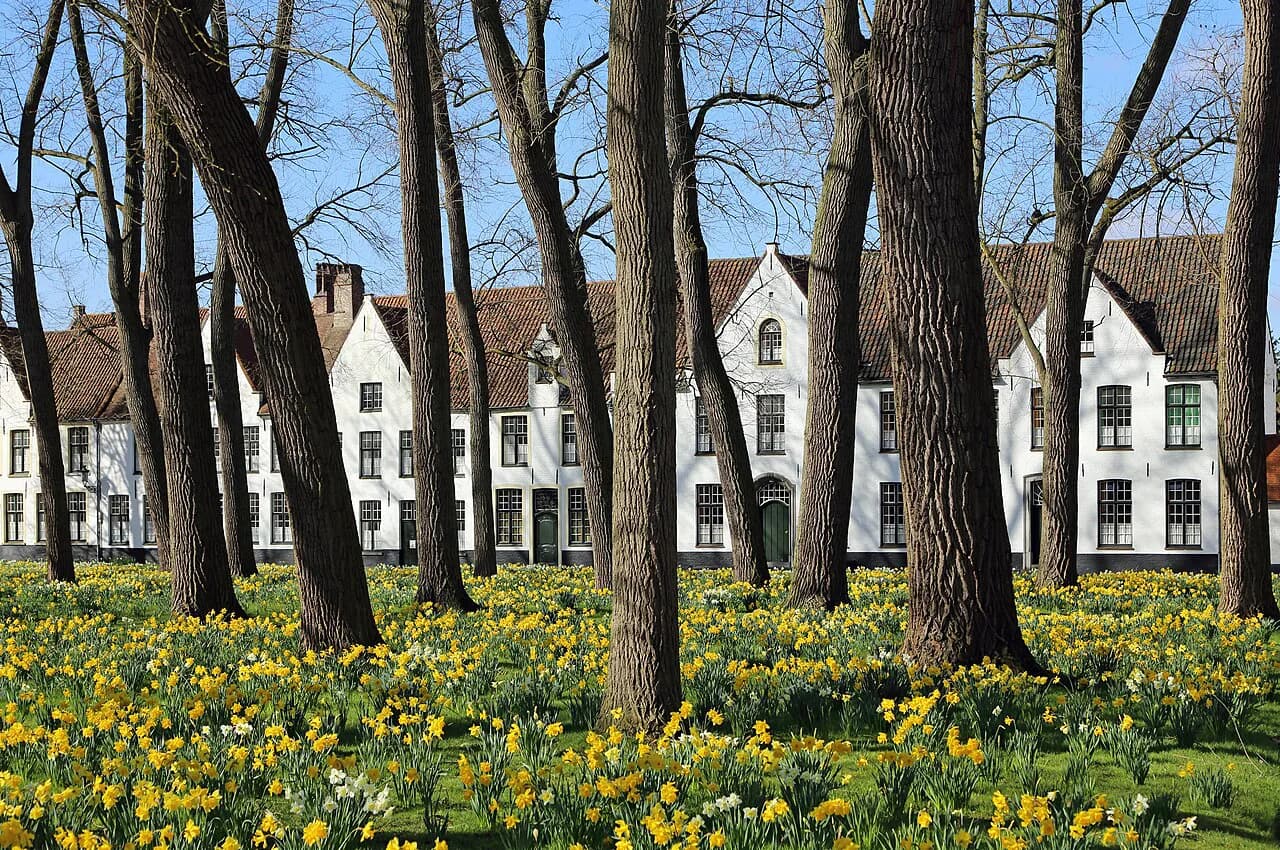
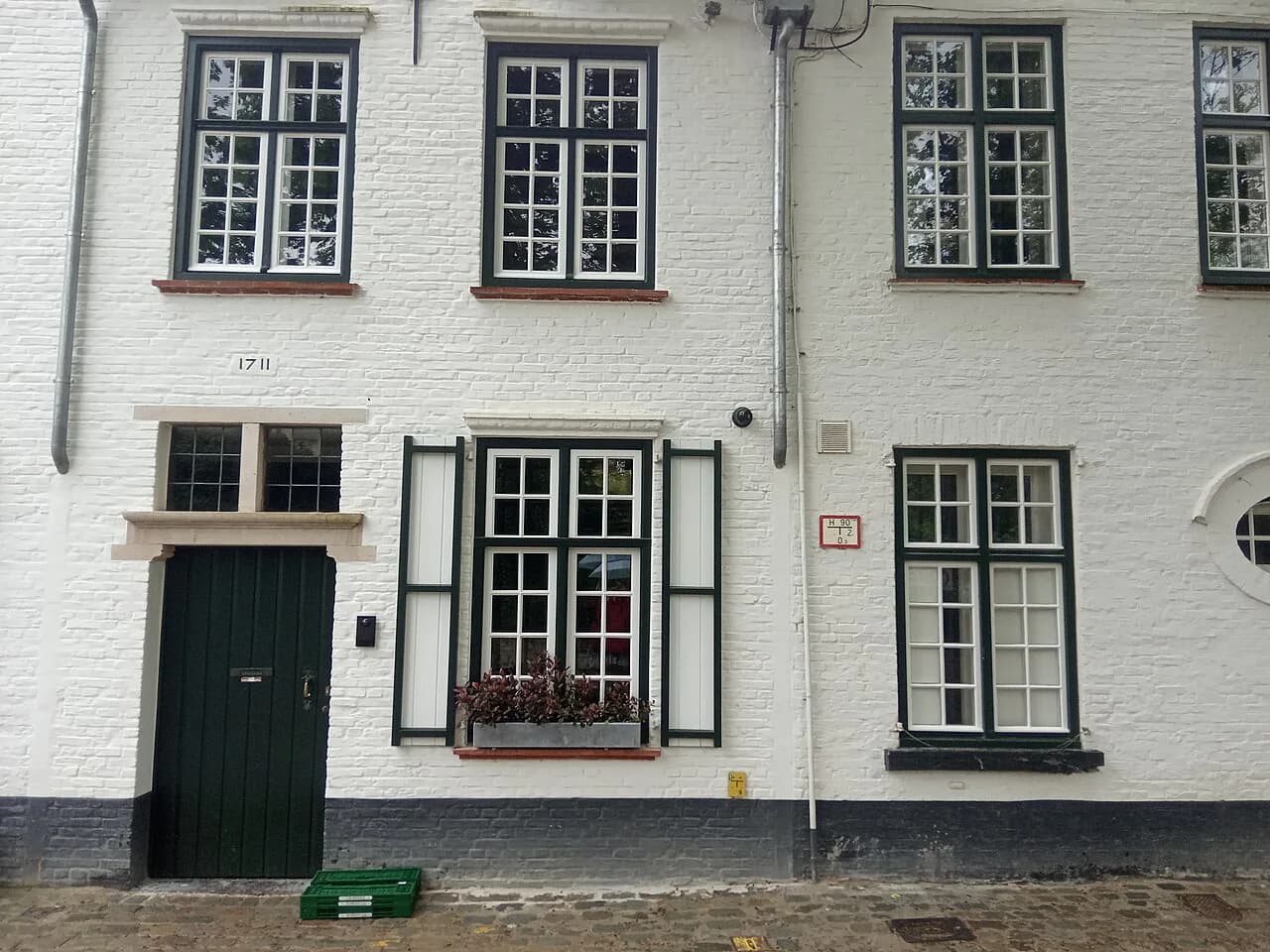
South of the lake, the path continues directly into the Begijnhof convent garden, a UNESCO-listed site with white house fronts and a quiet courtyard. It runs at a noticeably different pace than the open lake, and it is worth the extra ten minutes. From the Begijnhof, Walplein square sits close by, home to the De Halve Maan brewery and a small cluster of cafes. For food options in the area, see the trusted local restaurants nearby and the local food guide for Bruges. Some lists add the Bonne Chieremolen windmill as a quick extra stop after Minnewater. In practice, it sits roughly 20 minutes further along the Vesten ramparts, not next door. Budget the extra walking time, or treat it as its own outing using the windmills along the Kruisvest guide. Taken together, the lake and the Begijnhof rank among Bruges' quieter hidden gems, especially compared with the Markt a short walk north.
Mistakes to Avoid at Minnewater
A few habits undercut a Minnewater visit before it really starts.
- Assuming Minnewater is a natural lake, when it is a former harbor basin built for shipping traffic.
- Photographing only the bridge and skipping the rest of the park loop, which holds the Poertoren and the Sashuis.
- Planning a quiet visit during the Cactus Festival in July, when the broader center gets busier than usual.
- Skipping the Begijnhof next door, one of the more distinct off-the-beaten-path Bruges stops, in favor of rushing back to the Markt.
Minnewater vs the Markt: Which Fits Your Visit
Minnewater and the Markt sit at opposite ends of a Bruges visit, and comparing them helps with planning a realistic day. Most itineraries benefit from both: a slow start at the lake, followed by the busier energy of the square later on.
| Minnewater | The Markt | |
|---|---|---|
| Atmosphere | Quiet, green, water-focused | Busy, commercial, architecture-focused |
| Crowd level | Moderate, concentrated at the bridge | High through most of the day |
| Typical activity | Walking, photos, a slow loop | Belfry climb, cafes, shopping |
| Best time to visit | Early morning or evening | Varies; rarely empty |
Day Trips and Neighborhoods to Pair with Minnewater
Once the southern loop is done, Minnewater also works as a starting point for longer plans elsewhere in the region. Bruges' worthwhile day trips from Bruges include Damme and Zeebrugge, both manageable in half a day. See the dedicated Damme day trip and Zeebrugge day trip guides for specifics on timing and transport. Inside the city, other quiet districts share Minnewater's pace, including the Sint-Anna quarter and the shopping stretch covered in the Langestraat and Hoogstraat guide. History-focused travelers can add the Jerusalem Church to a similarly unhurried day elsewhere in Bruges. Together, these stops round out a visit built around Minnewater's slower pace rather than the Markt's busier one.
Why Swans Are Part of the Minnewater Story
The swans at Minnewater are not just decorative birds. They connect the lake to one of Bruges' best-known local legends. A popular story links them to Pieter Lanchals, an official of Maximilian of Austria. His surname is often translated as "long neck," and Bruges later associated that name with swans on the canals.
You will usually see swans near the Minnewaterbrug, along the lake edge, and on the quieter water beside the Begijnhof path. They make strong photo subjects, especially with the Sashuis or Poertoren in the background.
- Do not feed the swans, especially bread.
- Keep children and dogs back from nesting birds.
- Use the bridge or paved lake path for photos instead of stepping onto wet grass.
The same swan folklore appears across Bruges, but Minnewater is one of the easiest places to see it clearly.
Further reading: Bruges on Wikivoyage · Bruges on Wikipedia
Other City Lakes Worth Building a Morning Around
Minnewater is a reservoir with a romantic name and better light than anywhere else in Bruges at dawn. Copenhagen's Frederiksberg has the lake-and-park version at city scale, and Ljubljana's Botanical Garden is the quiet green corner locals actually use.
Frequently Asked Questions
What is Minnewater in Bruges?
Minnewater is a canal-fed lake and park at the southern edge of Bruges, built centuries ago as a harbor basin rather than a natural lake. It sits about a 5-minute walk from Station Brugge, right next to the Begijnhof.
Why is Minnewater called the Lake of Love?
Two explanations exist. One ties the name to minnen, the Dutch word for water nymphs once believed to live in the lake. The other recounts the story of Minna and Stromberg, a romance that gave the Minnewaterbrug its reputation as a bridge for couples.
Is Minnewater free to visit?
Yes. Minnewaterpark and the Minnewaterbrug are free to enter, with no gate and no fixed hours, so access works 24 hours a day.
How far is Minnewater from Brugge train station?
Minnewater is roughly a 5-minute walk from Station Brugge, with the nearest bus stop right at Perron 1 outside the station, making it the easiest first stop before the historic center.
Is the Bonne Chieremolen windmill next to Minnewater?
No. The Bonne Chieremolen windmill sits roughly 20 minutes further along the Vesten ramparts from Minnewater, not directly beside it, so budget extra walking time or plan it as a separate stop.
When should you visit Minnewater to avoid crowds?
Early morning or early evening thins the crowds around the Minnewaterbrug. July's Cactus Festival draws larger numbers to the wider city center, so plan a quieter visit outside that period if possible.
Continue exploring
More guides you'll find useful