Best Time to Visit Bruges Without Crowds: A Tactical Guide
Want to see Bruges without the throngs of tourists? Discover the best months, days, and specific times to visit for a quiet, authentic experience.
On this page
Best Time to Visit Bruges Without Crowds
Last updated July 2026. The best time to visit Bruges without crowds is not one season, but a specific window: think Tuesday mornings in February, not August weekends. Time your trip by month, weekday, and hour, and the Markt shifts from a packed square to quiet cobbled lanes, especially around the Sint-Anna Quarter and the Kruisvest.
The Short Answer: Best Time to Visit Bruges Without Crowds
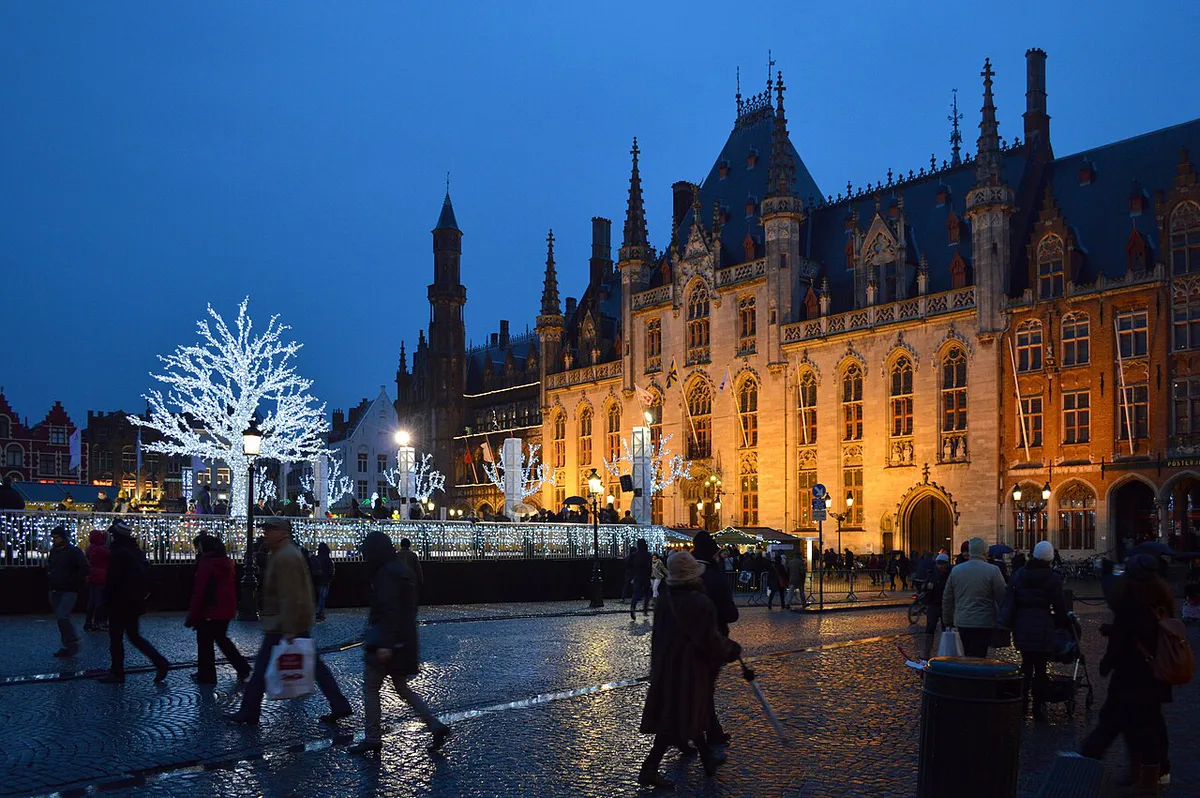
Weekdays in January, February, and November are the quietest stretch of the Bruges calendar. Skip late November through early January, when the Christmas market fills the Markt and the Rozenhoedkaai. Inside any month, target the golden window. Visit before 10 AM or after 6 PM, ahead of the day-trip buses or after they leave. Photographers get an added bonus at both ends of that window: low morning and evening light on the canals, without a crowd in the frame. Quieter targets pair well with that window too. The secret spots guide and the unique things to do list both suit those hours.
- Quietest months: January, February, November (excluding the Christmas market run)
- Quietest days: Tuesday through Thursday
- Quietest hours: before 10 AM and after 6 PM
Bruges Season Comparison: Crowds, Weather, and Operating Hours
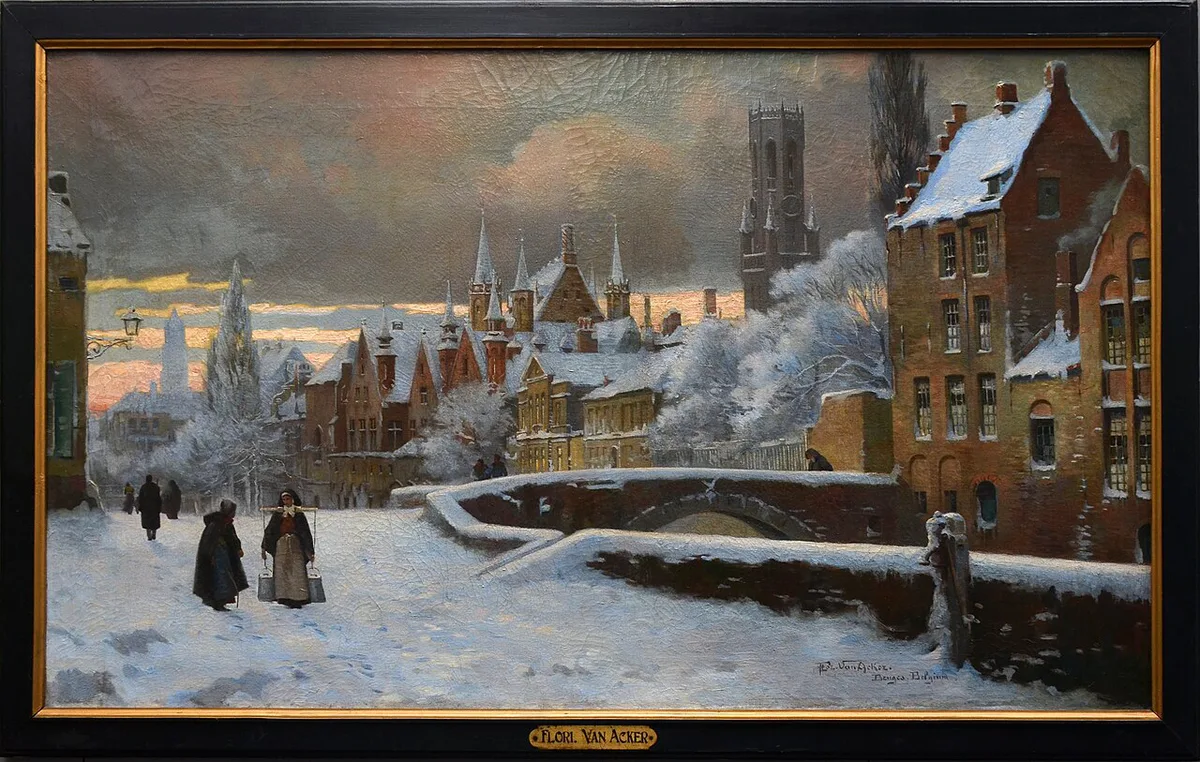
The four seasons break down differently for crowds than for weather. December counts as high season because of the Christmas market, even though it sits inside meteorological winter. The table below separates crowd density, typical temperatures, and operating hours so you can weigh the trade-offs season by season before booking.
The €11–€16 NMBS rail fare from Brussels does not vary between seasons, but hotel demand-based pricing shifts dramatically after the Christmas market ends, making accommodation the primary source of off-season savings.
| Season | Crowd Density | Typical Temperatures | Operating Hours & Notes |
|---|---|---|---|
| Winter (Dec-Feb) | Low, except the Christmas market weeks from late November to early January | Average highs near 6°C (43°F), lows near 1°C (34°F) | Belfry and Groeningemuseum run shorter winter hours; canal boats run a reduced, weather-dependent schedule |
| Spring (Mar-May) | Rising through May as school groups and tulip-season visitors arrive | Average highs around 13°C (55°F) | Standard hours resume; canal boats return to a full daily schedule |
| Summer (Jun-Aug) | Peak; cruise-ship groups and coach tours fill the center by mid-morning | Average highs 22-24°C (72-75°F) | Longest opening hours and the longest queues at the Belfry |
| Autumn (Sep-Nov) | Moderate in September-October, quiet again by mid-November before the Christmas-market build-up | Average highs around 14°C (57°F), cooling through November | Hours shift toward the winter schedule from late November |
The Bruges Surge: How Day-Trippers Change the City Between 10 AM and 4 PM
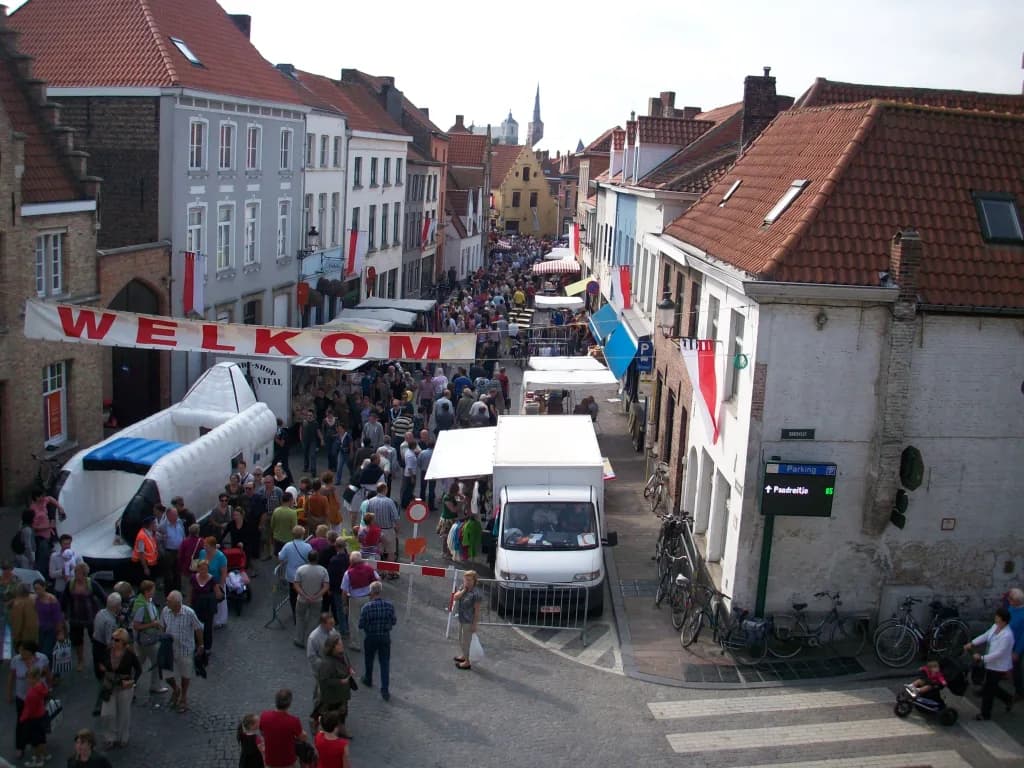
Bruges fills fastest between 10 AM and 4 PM, when trains from Brussels and coach groups from the Zeebrugge cruise port arrive together. Published guides put a one-way second-class NMBS ticket from Brussels at roughly €11 to €16 for the hour-long ride. Confirm the current 2026 fare on the NMBS site before booking, since rail prices shift from year to year. A day trip buys a narrow four-hour window inside that surge, right when the center is at its fullest. Staying overnight instead buys the early morning and late evening hours, when the same streets feel like a different city. For a tactical twist, flip the pattern. Spend midday on a quiet day trip to Damme, then return to Bruges after 4 PM once the coach groups have left. The wider list of day trips from Bruges has more options built around the same idea.
The midday surge (10 AM–4 PM) persists beyond peak season: weekends throughout winter still draw visitors from Belgium's major cities, making midweek mornings and early-evening hours essential for quiet rather than relying on off-season month selection alone.
Navigating the Markt, Belfry, and Canal Tours Without the Wait
Climb the Belfry in the first hour after opening or the last hour before closing, when the 366-step staircase has no backup. Canal boats run seasonally and are weather-dependent in winter. Catching the first departure of the day skips both the ticket queue and the midday flotilla. When the center fills after 10 AM, step inside the Groeningemuseum instead. Its Flemish Primitives galleries, with work by Jan van Eyck and Hans Memling, absorb crowds that the open-air Markt cannot. For a quieter alternative to the Markt's churches, the Jerusalem Church draws far fewer visitors even at midday.
- Belfry: 366 steps to the top; climb before 10 AM or after 5 PM
- Canal boats: seasonal, weather-dependent in winter; the first departure is quietest
- Groeningemuseum: an indoor escape, quiet on weekday afternoons
The Begijnhof and Minnewater: Midday Retreats from the Center
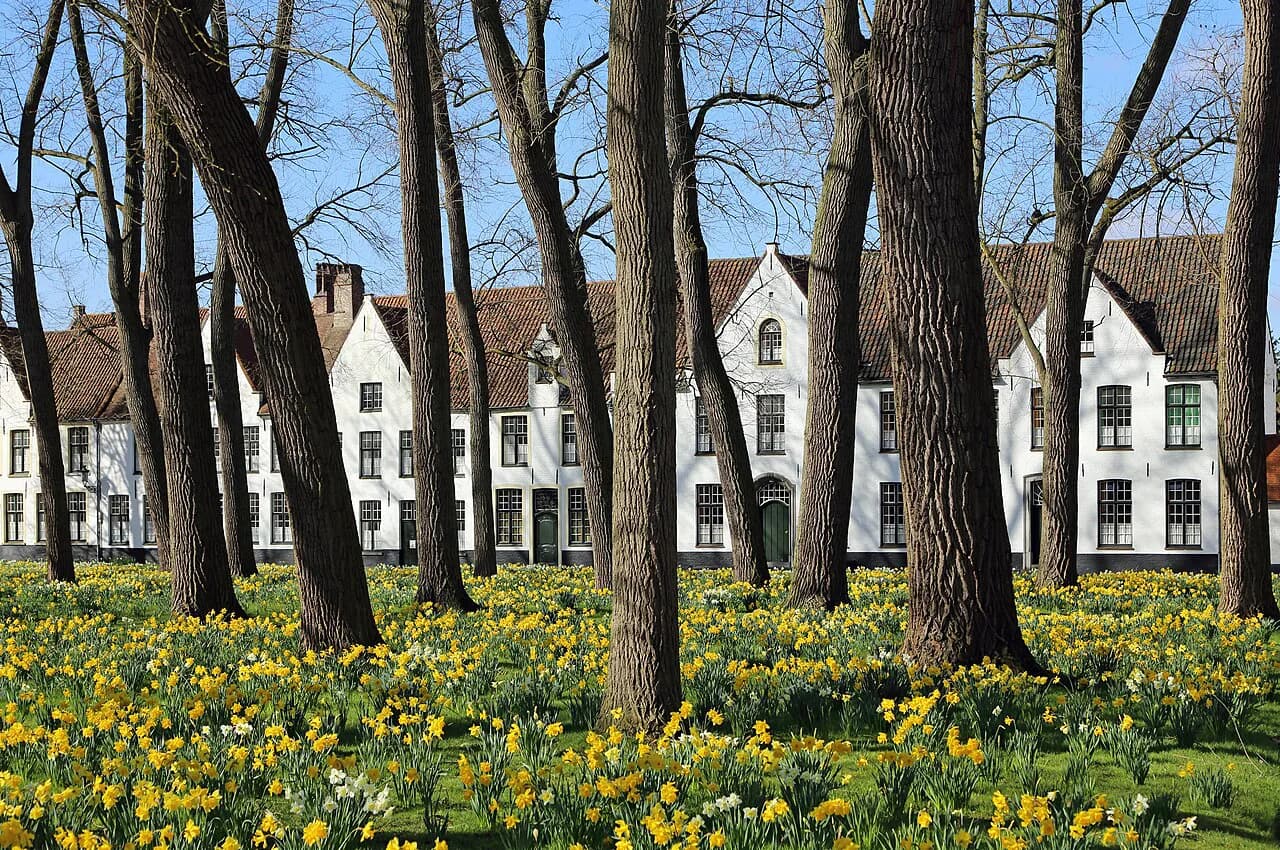
When the Markt is packed at midday, walk about 15 minutes to the Begijnhof courtyard. The whitewashed courtyard has housed a religious community since 1245, and visitors are asked to stay quiet out of respect. Exit over the small bridge to Minnewater lake, which locals call the Lake of Love, for open water and bench seating instead of a crowded square. Both sites work as a scheduled pause rather than an afterthought. Build them into the middle of the day, right when the Markt and Rozenhoedkaai are at their fullest, and the contrast does most of the work.
Quiet Neighborhoods for a Slower Stay: Sint-Anna Quarter and Langestraat
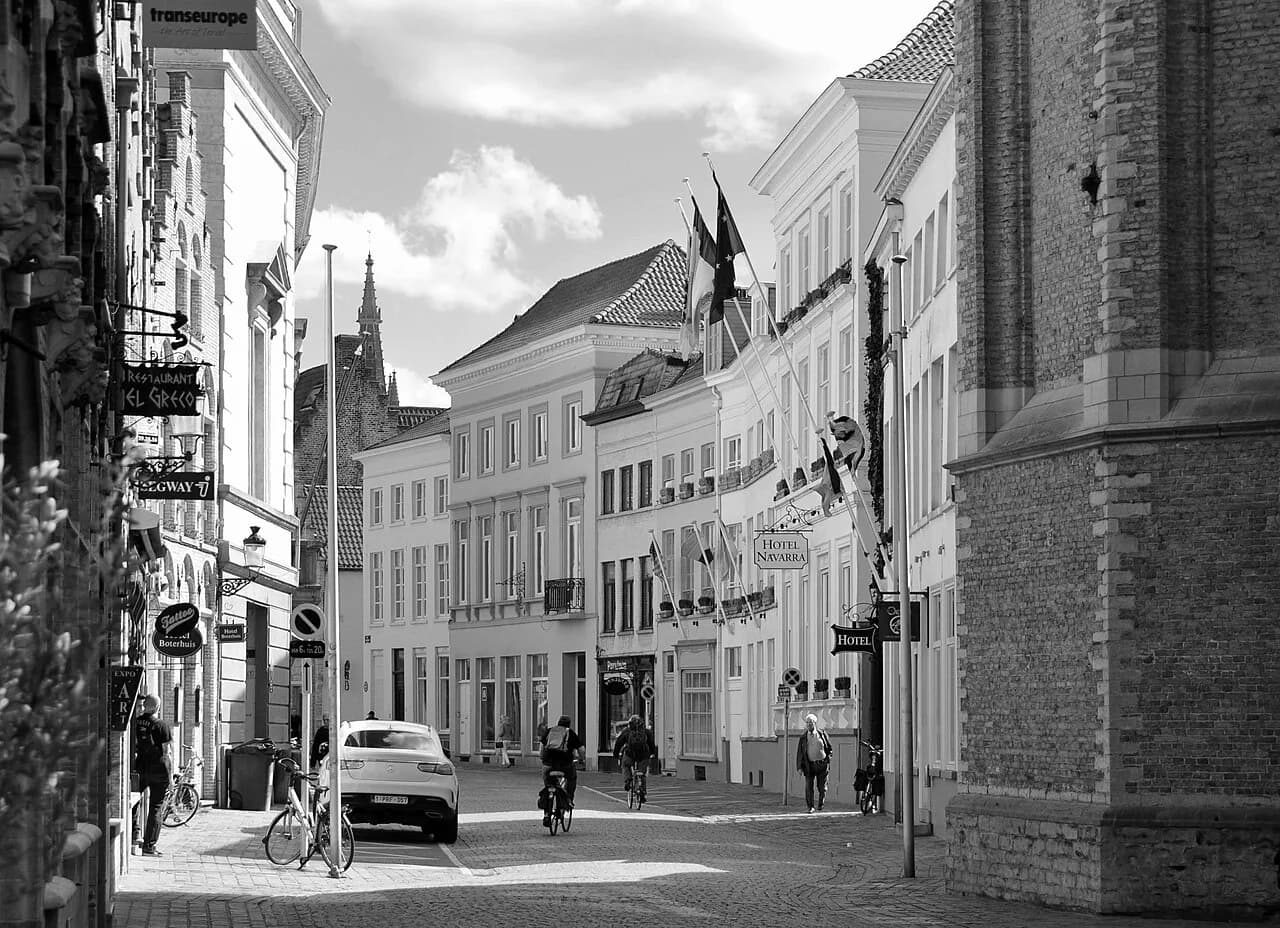
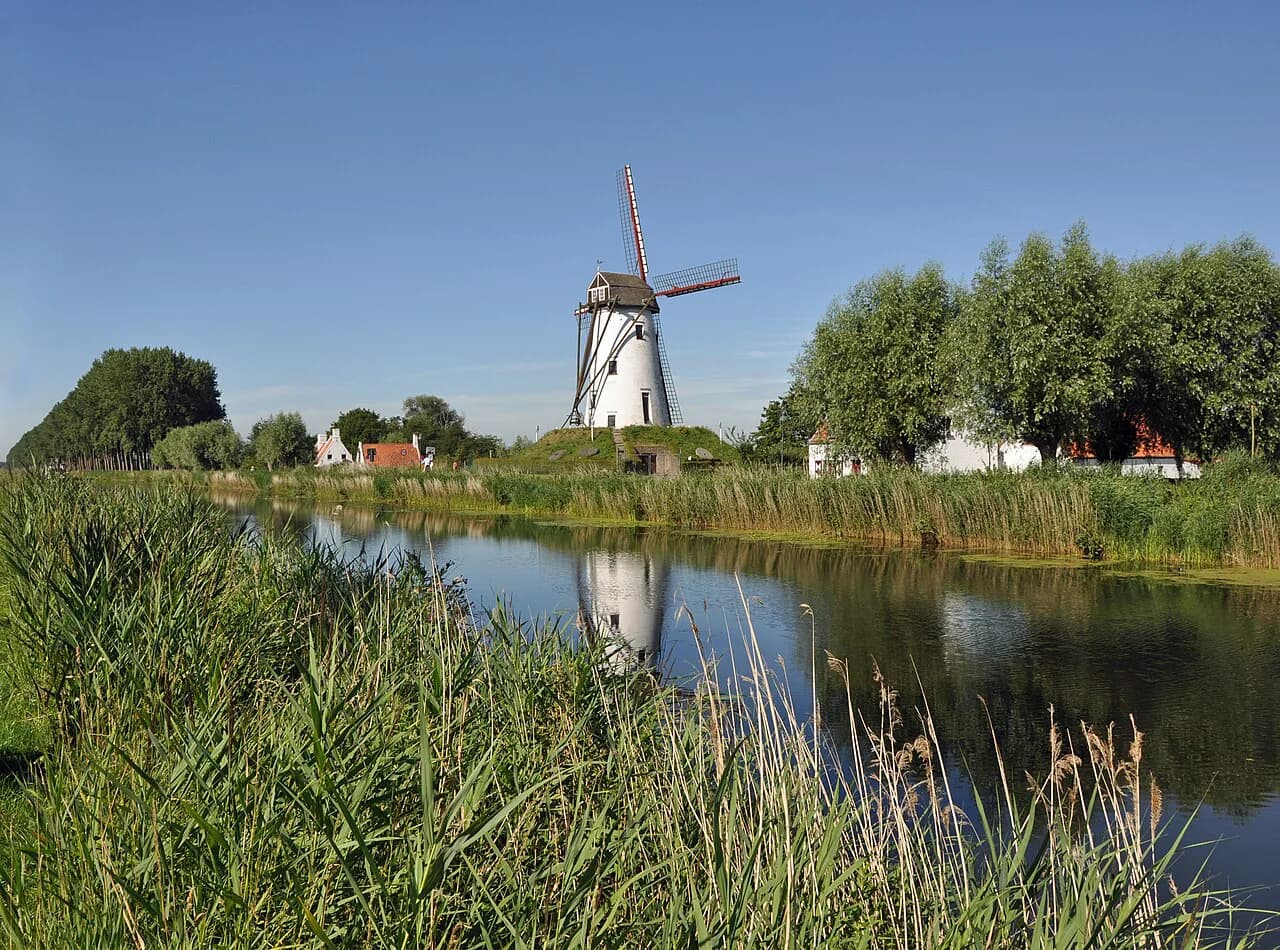
Basing a stay away from the Markt keeps the whole trip quieter. The Sint-Anna Quarter keeps a residential pace even in July. Langestraat and Hoogstraat offer shops and cafés without the Markt's lines. For a longer walk, the windmills along the Kruisvest sit on a green earthwork route that most day-trippers skip entirely. All three fit the same off-the-beaten-path route planning. The full Bruges Neighborhoods Guide: Where to Stay in 2026 maps out which districts stay calm at each hour of the day.
The Midweek Strategy: Why a Tuesday Beats a Saturday
Day of the week matters as much as month. A Tuesday in November can feel close to empty, with short lines and open café tables. A Saturday in that same November can still draw weekend visitors from Brussels, Ghent, and Antwerp filling the Markt by early afternoon. Off-season does not mean crowd-free every day of the week. Treat Friday and Saturday nights as a mini high season, even in January, and shift sightseeing plans toward weekday afternoons and Sunday mornings instead.
Costs and Trade-offs of an Off-Season Bruges Trip
Off-season Bruges trades convenience for quiet, and the price swing shows up in accommodation more than transport. That same €11 to €16 NMBS fare from Brussels applies whether you travel in January or July, so hotel rates carry most of the seasonal savings. Demand and rates typically fall once the Christmas market packs up in early January, and stay lower through February. The Belfry and Groeningemuseum run shorter winter hours, so check current opening times before building a day around them. Canal boats run a reduced, weather-dependent schedule in winter rather than a fixed daily timetable. Daylight is short in December and January, which trims the useful sightseeing window at both ends of the day. None of that rules out a good trip. Browsing free things to do costs nothing regardless of season. A table at a restaurant from the local restaurants away from the Markt guide is easier to get in February than in July. The Bruges food guide is useful for checking which chocolate shops and bakeries keep winter hours.
Mistakes to Avoid When Chasing a Quiet Bruges
Off-season planning still needs a calendar check. Local festival and beer-tasting weekends can spike crowds in a single neighborhood even in a quiet month, so check the city's event calendar before locking in dates. Bruges also runs a winter lights event in the December-January stretch that creates its own short-lived peak inside the off-season. Verify current 2026 dates before you travel, since they shift year to year. Off-season does not mean every night is quiet, either. Friday and Saturday evenings still draw weekend visitors from nearby Belgian cities. Finally, do not assume every address in the hidden gems guide keeps summer hours through winter. Small, independent spots often close early or take midweek days off between November and March, so confirm hours the same day you plan to visit.
A Quiet Bruges Day Plan by Hour
Use the crowd pattern to build the day around movement, not just attractions. Start at Rozenhoedkaai before 9 AM, then cross to the Markt while delivery vans and early café staff are still more visible than tour groups. If the Belfry is a priority, make it the first paid stop rather than saving it for midday.
- Before 10 AM: photograph Rozenhoedkaai, the Markt, and Burg Square.
- 10 AM to 4 PM: leave the tight center for the Begijnhof, Minnewater, Groeningemuseum, or Sint-Anna Quarter.
- After 6 PM: return to the canals, Jan van Eyckplein, and quiet streets near Langestraat.
This rhythm works best with an overnight stay. Day-trippers often arrive during the busiest window and leave before Bruges becomes calm again. Staying nearby lets you treat the middle of the day as a slow lunch, museum break, or Kruisvest windmill walk instead of a queue-heavy sightseeing sprint.
Further reading: Bruges on Wikivoyage · Bruges on Wikipedia
Timing Other Cities That Get Overrun
Bruges is a day-trip destination first, which means the crowd pattern is daily rather than seasonal. Munich's quiet season is dictated by Oktoberfest and Christmas markets instead, and Kraków's timing guide balances weather against summer coach traffic.
Frequently Asked Questions
Is Bruges worth visiting in the winter?
Yes. Winter trims the queues at the Belfry and Groeningemuseum and gives the medieval streets a slower pace. Days are short and the weather stays damp and cool, with highs typically near 6°C (43°F). Pack for wind and rain rather than snow, and check winter opening hours before building a day around any single site.
What is the busiest month in Bruges?
July and August are the busiest stretch overall, driven by warm-weather visitors and cruise-ship day-trippers arriving through the Bruges Surge window. A sharp secondary peak also hits during the Christmas market period, from late November into early January, when the Markt and Rozenhoedkaai get shoulder to shoulder.
How many days do you need in Bruges if you want to avoid the rush?
Two full days, timed to the golden window before 10 AM and after 6 PM, cover the Markt, Belfry, Begijnhof, and Groeningemuseum at quiet hours. A third day leaves room for a slower neighborhood walk or a day trip such as Damme, without cramming everything into rushed mornings.
Does the canal tour run in the off-season?
Canal boats operate year-round rather than shutting down for winter, but the off-season schedule is reduced and weather-dependent. Cold snaps or high water can cancel departures on short notice, so confirm the day's schedule with the operator before planning around a specific time slot.
What time do day-trippers usually leave Bruges?
Most day-trippers head back toward Brussels or the Zeebrugge cruise terminal in the late afternoon, generally by 5 or 6 PM. That is why the center empties out noticeably by early evening, even during the peak summer months.
What is the quietest month to visit Bruges?
January and February are the quietest months on the calendar, once the Christmas market has packed up and average highs sit near 6°C (43°F). November runs a close third, provided you visit before the late-November lead-up to the Christmas market begins.
Continue exploring
More guides you'll find useful