Zeebrugge Day Trip from Bruges: Logistics, Sights and Coastal Tips
Planning a Zeebrugge day trip from Bruges? Here's how to get there by train or tram, where to eat fresh seafood, and what the working port adds to your trip.
On this page
Zeebrugge Day Trip from Bruges: Trains, Sights and Seafood
Last updated July 2026. Bruges' own coastal borough sits about 15 minutes away by direct train, and this Zeebrugge day trip from Bruges swaps the city's medieval canals for a working North Sea port and a wide beach. This guide covers transit options, the sights worth the detour, and how the trip compares with other day trips from Bruges.
At a Glance: Is a Zeebrugge Day Trip from Bruges Worth It?
Zeebrugge sits about 15 minutes from Brugge Station by direct train. A Zeebrugge day trip from Bruges trades medieval canals for a working port, a wide beach, and fresh North Sea seafood. It suits families, maritime history fans, and anyone ready to trade Bruges' crowds for open sea air for a few hours. Weigh it against other day trips from Bruges before committing a full day to the coast, since some travelers prefer it as a half-day add-on instead.
- Travel time: about 15 minutes by direct train from Brugge Station
- Layout: two zones, the port and village (Zeebrugge-Dorp) plus the beach (Zeebrugge-Bad)
- Best for: families, maritime history fans, and seafood lunches away from Bruges' tourist core
- Cost: public transport keeps the round trip well under €10 per person
Getting There: Train, Coastal Tram, or Bike
Direct NMBS trains connect Brugge Station and Zeebrugge in about 15 to 20 minutes. Two stations serve the area, and which one a given train stops at can change by season and day. Zeebrugge-Dorp sits near the port and village. Zeebrugge-Strand is closer to the beach. Check NMBS's timetable before leaving Bruges so you arrive at the right one. NMBS also lists discounted weekend leisure fares on some routes. Check current terms on its site before booking. The Kusttram, operated by De Lijn, runs the length of the Belgian coast. It connects Zeebrugge with Knokke-Heist and Blankenberge, useful for travelers based further along the shore rather than in Bruges itself. Cyclists can follow flat polder roads for about 15 kilometers each way. The route has no real hills, which makes it manageable on a standard rental bike, though a full round trip by bike eats into the rest of the day. Cruise passengers arriving directly at the Zeebrugge terminal can skip the Bruges train altogether. From the terminal, the village and Seafront are reachable on foot or via a short local connection.
Cyclists commit to one zone given the 15-kilometer round-trip distance and separation between areas. Train travelers avoid this constraint but must decide which destination station to use, since Zeebrugge-Dorp and Zeebrugge-Strand serve different districts.
| Method | Journey Time | Typical Cost | Best For |
|---|---|---|---|
| Train (NMBS) | About 15-20 minutes from Brugge Station | Round trip stays well under €10 | Fastest, most direct route |
| Kusttram (De Lijn) | Varies by starting point along the coast | A single De Lijn fare | Connecting from Knokke-Heist or Blankenberge |
| Bike | About 15km each way on flat polder roads | Rental cost only | Active travelers who want the scenery |
The Two Zeebrugges: Port Village vs. Zeebrugge-Bad
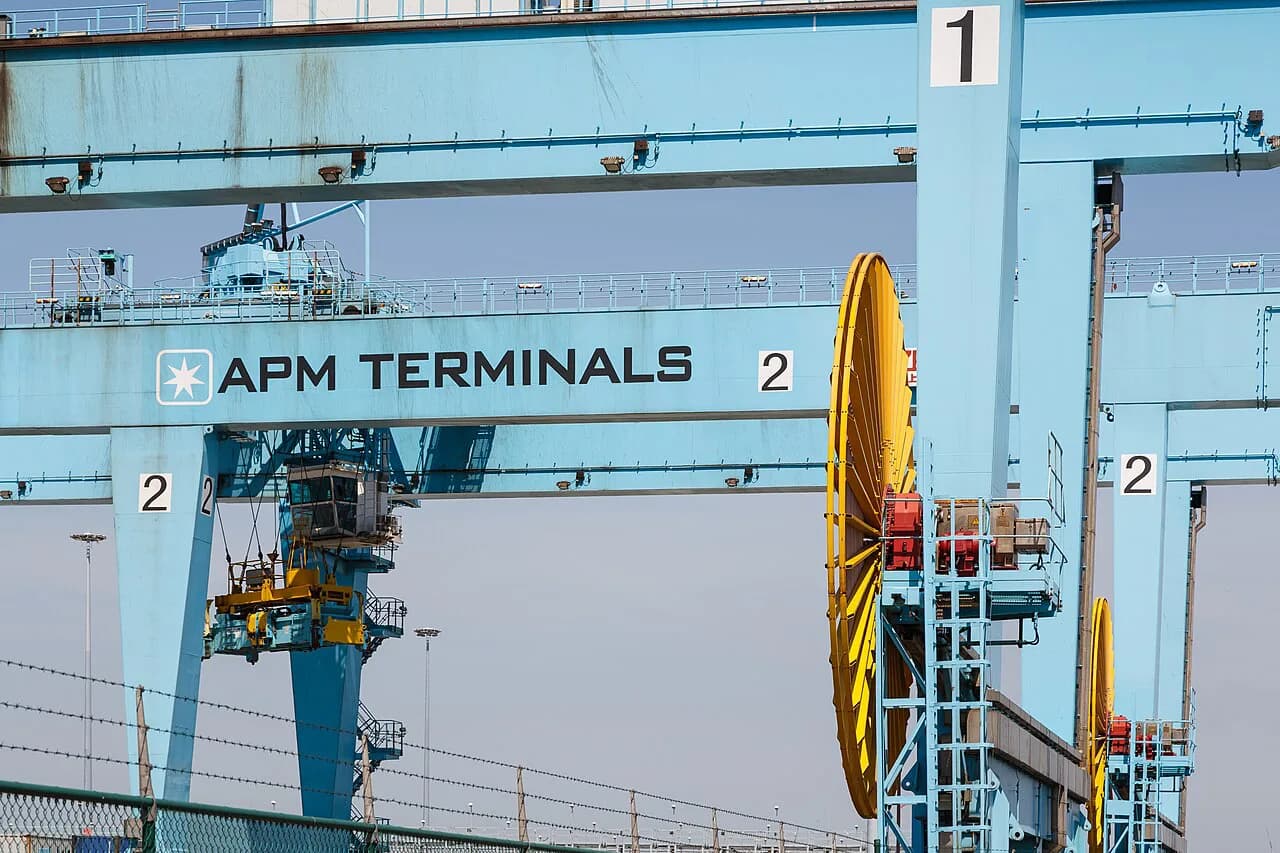
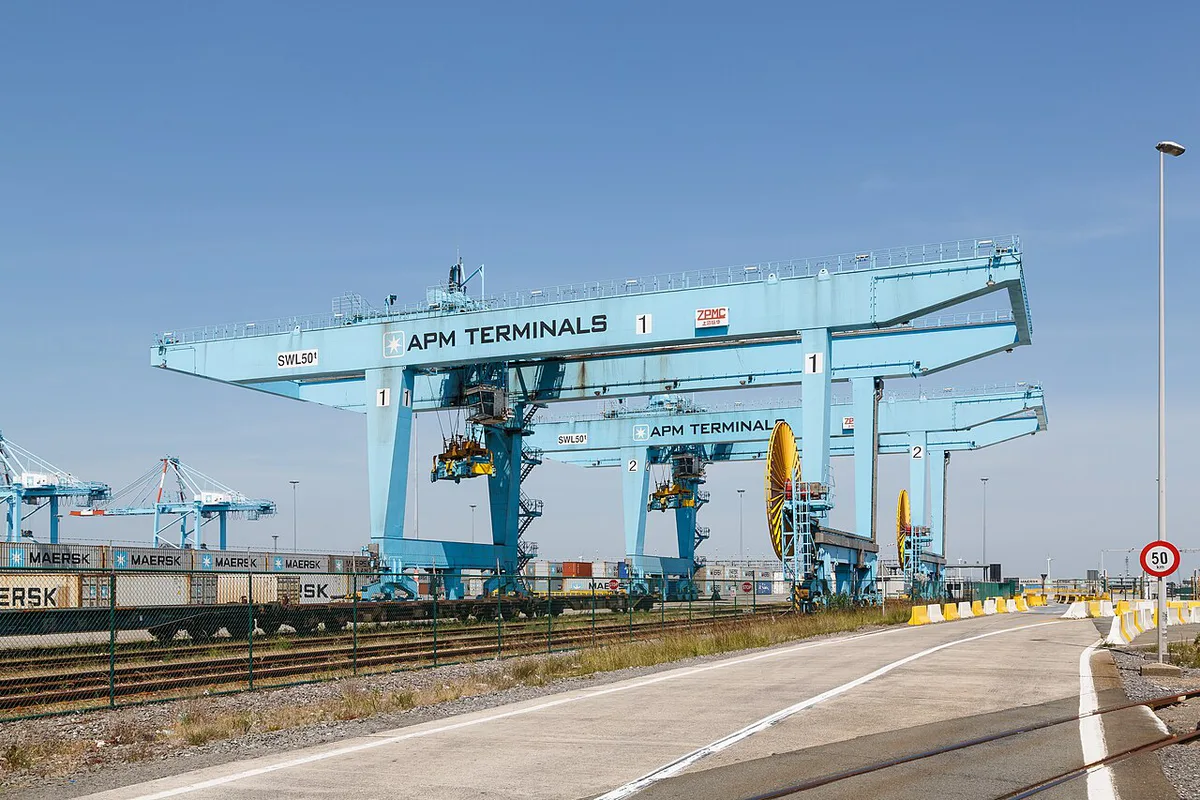
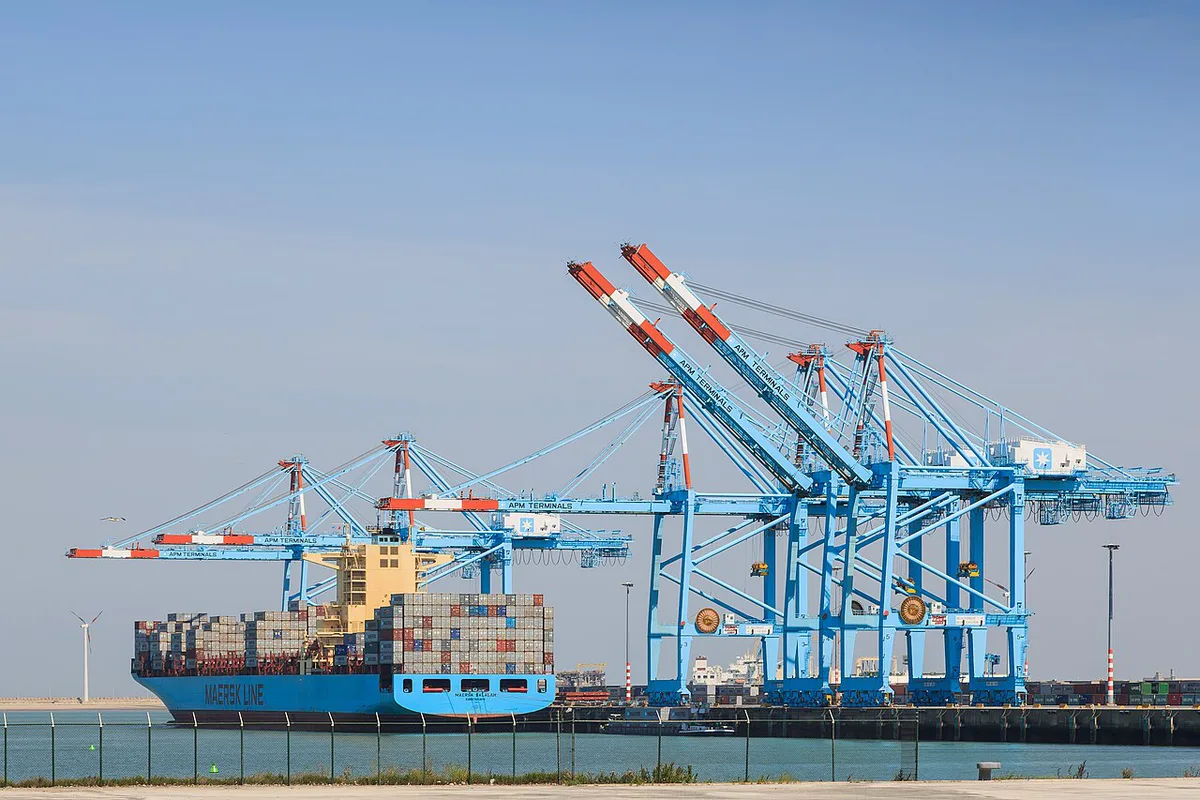
Zeebrugge is really two destinations sharing one name. Zeebrugge-Dorp and the harbor make up the working port and village. Cranes, container terminals, and fishing boats stand in for Bruges' gabled rooflines here. The port's industrial character echoes Bruges' own off-the-beaten-path corners, just on a larger scale. Zeebrugge-Bad, the beach district, sits apart from the port. Reach it by a short walk, a local bus, or a second train stop, depending on the day's schedule. Travelers expecting one compact town can end up walking further than planned. Budget extra time to move between the two zones, since they aren't within easy sight of each other. Decide in advance whether the day centers on the port's industrial views or on beach time. Either half makes a solid escape from Bruges' peak-season crowds. For timing that around the city's quieter weeks, see this guide to visiting Bruges without the crowds.
Zeebrugge Day Trip from Bruges: Stage-by-Stage Plan
This plan covers a full day, from an early market visit to an evening train back to Bruges. Cruise passengers with a tighter window can drop the beach stage and still cover the port's highlights in about four hours, as the budget section below explains.
- Morning: Start at the Zeebrugge Vismijn fish market to watch the early catch come in. From there, walk to Seafront, the maritime park housed in the old fish market building. Exhibits include the lightship West-Hinder and a decommissioned Russian submarine. The submarine has faced maintenance closures in the past, so confirm its current status before visiting. This stop pairs well with the picks in 14 Unique Things to Do in Bruges: Secret Spots & Local Favorites.
- Midday: Walk the harbor to see the Port of Zeebrugge, part of the merged Port of Antwerp-Bruges authority and one of Northern Europe's largest car-handling ports. Detour past Saint Donatus Church and a fishermen's pub for a stop that feels far less touristy than central Bruges. It's in the spirit of the picks in under-the-radar Bruges spots.
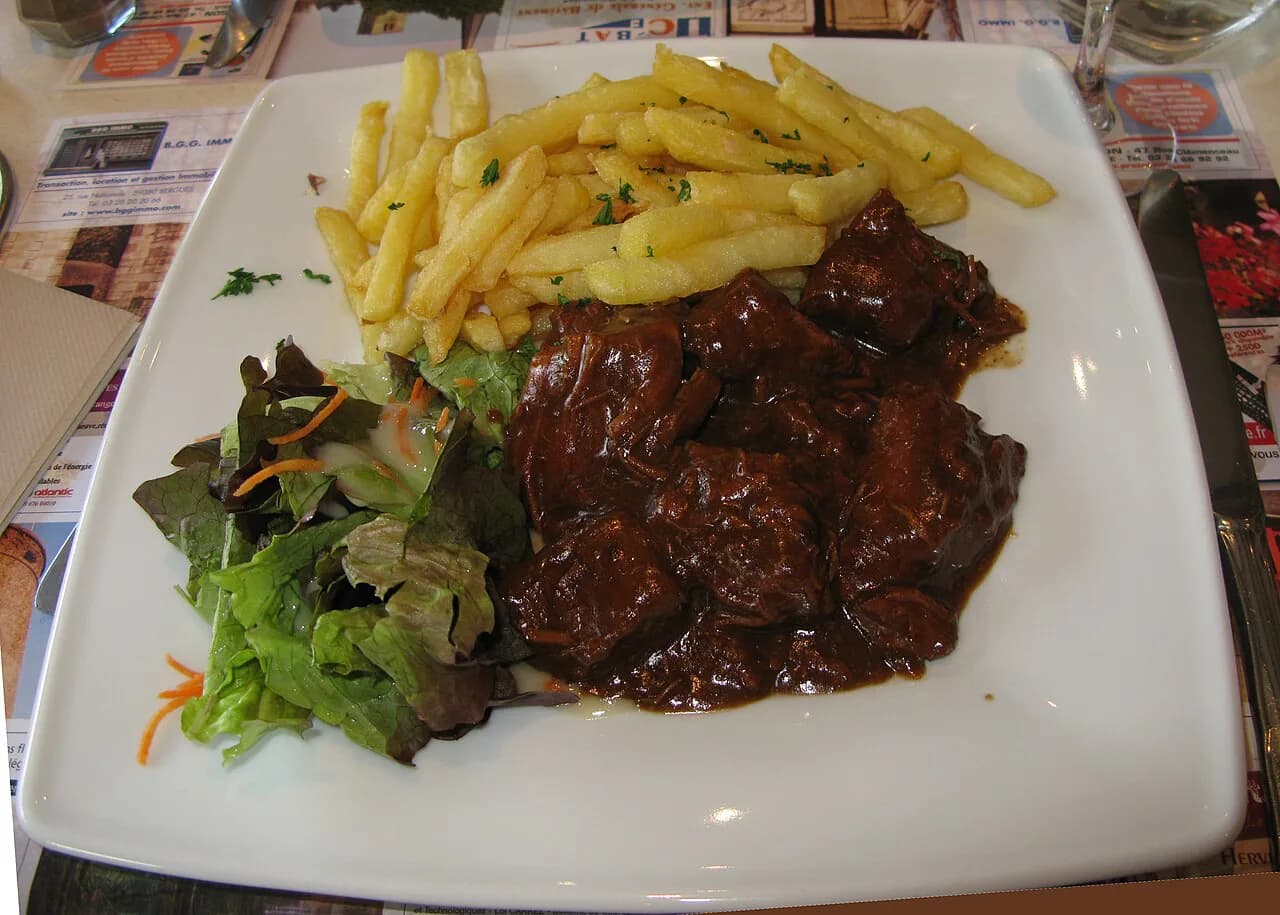
- Lunch: Eat in the marina, around the Oude Vismijn, where North Sea shrimp and fresh fish anchor most menus. It's one of the more reliable spots near Bruges for straight-off-the-boat seafood. The Bruges Local Food Guide: Authentic Flemish Cuisine Away From the Markt covers how it compares with the city's own restaurants.
- Afternoon: Head to Zeebrugge-Bad, often described as the widest beach on the Belgian coast. Walk the pier, watch kite surfers, or continue toward the Fonteintjes nature reserve between Zeebrugge and Blankenberge. Beyond the train fare, this stretch costs nothing, similar to the picks in Free Things to Do in Bruges: A 2026 Budget Traveler's Guide.
- Return: Catch the train back to Brugge Station in time for dinner in the city. Alternatively, extend the day with an evening walk through one of Bruges' quieter neighborhoods before settling in for the night.
Where to Eat: Zeebrugge's Reputation as a Fishing Port
Zeebrugge's identity as a fishing port shows up on nearly every lunch menu nearby. The marina area, around the Oude Vismijn, has the highest concentration of seafood restaurants in town. It's the most walkable option after a Seafront visit, since both sit close to the harbor. Beach-front brasseries near Zeebrugge-Bad serve a similar catch with sea views instead of boat views. That option works better if the afternoon plan centers on the beach rather than the port. Either area serves North Sea shrimp and fresh fish more directly than most restaurants back in Bruges, simply because the boats land closer. For a fuller sense of how Bruges' own dining scene compares, see the guide to 8 Best Local Restaurants in Bruges: Authentic Eats Beyond the Tourist Traps.
Zeebrugge vs. Knokke-Heist vs. Damme: Comparing Bruges Day Trips
Zeebrugge isn't the only easy detour from Bruges. Knokke-Heist leans into upscale shopping and manicured dunes, drawing a different crowd than the working harbor at Zeebrugge. Damme keeps a small-town, literary feel built around books and canals. The full Damme Day Trip from Bruges: Cycling, Boat & Walking Guide (2026) guide covers that route in detail. Zeebrugge stands apart for its working port, maritime museum, and fishing-town character, none of which Knokke or Damme really offer. Pick Zeebrugge for maritime interest and open beach space, Knokke for polish and shopping, and Damme for a slower, scenic half-day.
| Destination | Character | Best For | Getting There from Bruges |
|---|---|---|---|
| Zeebrugge | Working port, maritime museum, wide beach | Maritime history, seafood, beach space | Direct train, about 15-20 minutes |
| Knokke-Heist | Upscale shopping, manicured dunes, beach clubs | Luxury shopping, polished coastline | Direct train or Kusttram connection |
| Damme | Small-town canals, bookshops, windmill views | Slow scenery, cycling | Short trip from Bruges, see dedicated guide |
Budget and Booking Tips for a Zeebrugge Day Trip
Independent travel keeps a Zeebrugge day trip inexpensive. Round-trip public transport, combining the train and, if needed, the Kusttram, runs well under €10 per person. Private shore excursions aimed at cruise passengers cost far more. As of 2026, published rates on major booking platforms show a 4.5-hour private Bruges shore excursion from Zeebrugge starting from $888. A 5-6 hour version with a canal cruise and extras is listed from $1,352, discounted from $1,605. A 7-hour private Bruges-and-Ghent tour runs from $2,096. Choosing the train and a marina lunch over a booked private tour is the more straightforward way to keep costs down, especially for solo travelers or couples rather than large groups. Most of the private listings include free cancellation up to 24 hours before departure. Some platforms also offer a reserve-now-pay-later option. A spot is held at no cost, with payment charged automatically about seven days before the tour. Cancellation stays free any time before that charge. For cruise passengers with only about four hours at the terminal, skip the beach stage. Seafront, a port walk, and a quick seafood lunch near the marina cover the highlights in that window.
Back in Bruges After Your Coastal Day
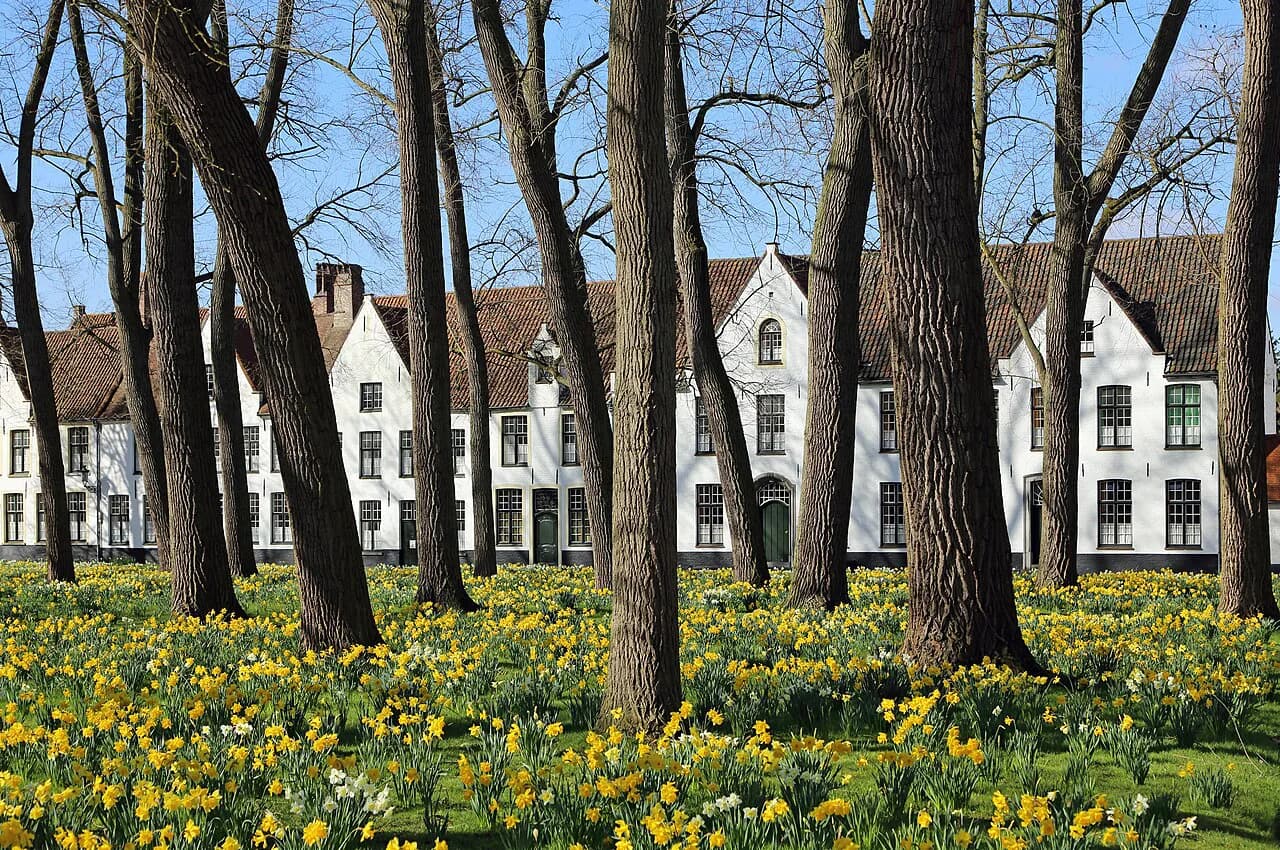
A coastal day trip pairs naturally with a quiet evening back in the city. The Sint-Anna Quarter stays calm even during peak season, a contrast to the crowds around the Markt earlier in the day. The Begijnhof and Minnewater sit close together and combine easily into one short walk before dinner. Anyone wanting a fuller sense of how the city breaks down by area can start with this Bruges Neighborhoods Guide: Where to Stay in 2026, useful for planning the rest of the trip around Zeebrugge.
Where to See the Working Port
For the most Zeebrugge-specific views, add a short port-viewing loop before lunch. Start around the Oude Vismijn and marina, where fishing boats, seafood restaurants, and harbor service traffic sit close together.
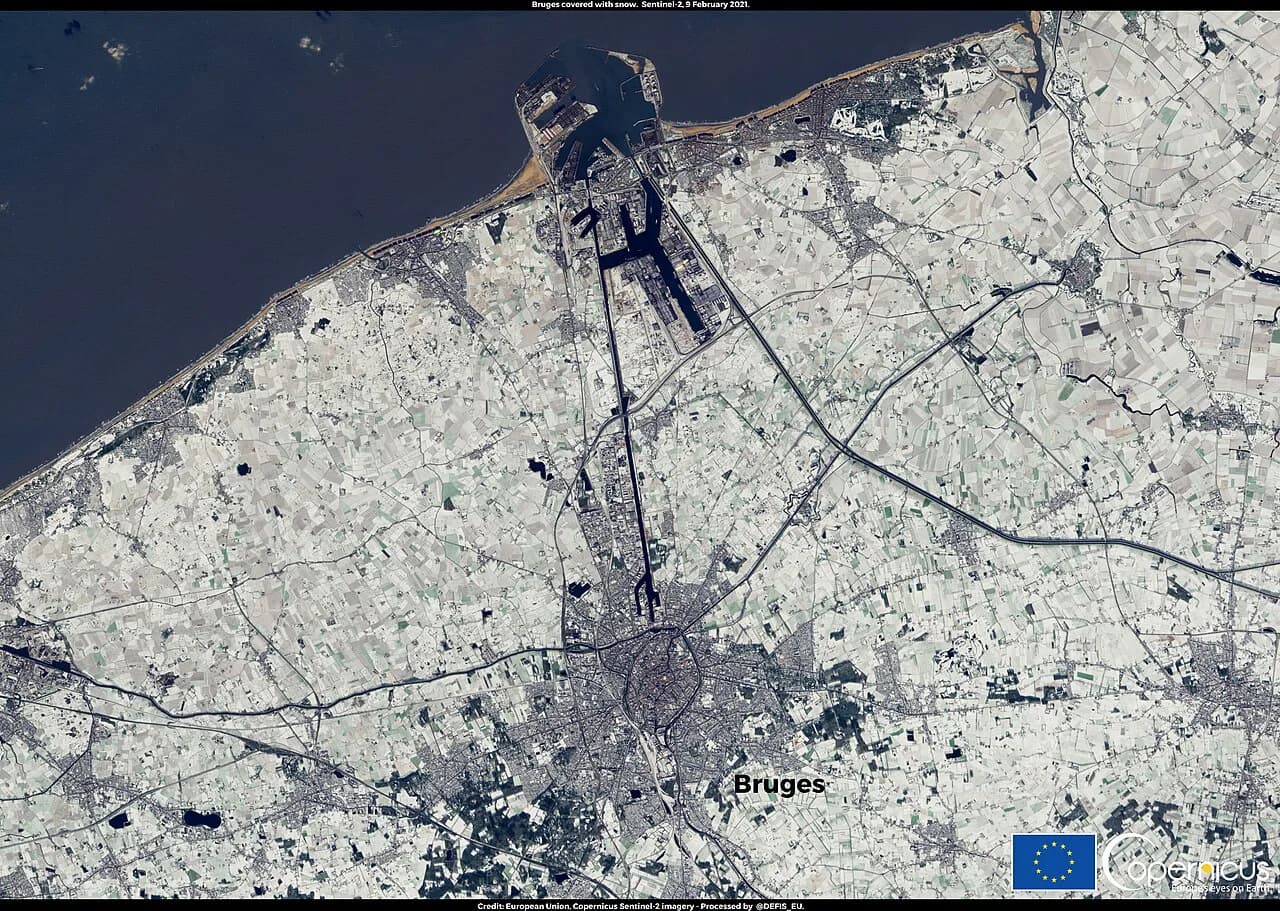
From there, continue toward the Leopold II Dam for a clearer sense of the port’s scale. This is where Zeebrugge feels least like Bruges and most like a North Sea logistics hub.
- Best base: Oude Vismijn and the marina for an easy walk after Seafront.
- Best industrial view: Leopold II Dam, with harbor infrastructure and open water nearby.
- Best timing: late morning before a seafood lunch, then move on to Zeebrugge-Bad.
Do not expect a pretty historic waterfront. The appeal is container cranes, breakwaters, fishing boats, and the contrast with Bruges’ compact canal scenery.
Further reading: Bruges on Wikivoyage · Bruges on Wikipedia
Frequently Asked Questions
How do you get from Bruges to Zeebrugge without a car?
Direct NMBS trains run from Brugge Station in about 15 to 20 minutes. The De Lijn Kusttram also connects Zeebrugge with Knokke-Heist and Blankenberge, useful if you're coming from elsewhere on the coast rather than from Bruges itself.
What's the difference between Zeebrugge-Dorp and Zeebrugge-Strand?
Zeebrugge-Dorp sits near the port and village. Zeebrugge-Strand is closer to the beach. Not every train serves both stations, so confirm which one your service stops at, especially outside peak season.
Is the submarine at Seafront still open to visitors?
It has faced maintenance closures in the past. Confirm current access on Seafront's official information channels before building a visit around it.
How much does a Zeebrugge day trip from Bruges cost?
Public transport alone keeps the round trip well under €10 per person. Private shore excursions aimed at cruise passengers cost far more, with published 2026 rates starting around $888 for a 4.5-hour tour.
Is Zeebrugge worth visiting if you've already seen Knokke or Damme?
Yes, in our editorial assessment. Zeebrugge's working port and maritime museum offer a different experience than Knokke's shopping streets or Damme's canals and bookshops.
How much time should you plan for a Zeebrugge day trip from Bruges?
A full day covers the port, Seafront, a marina lunch, and beach time at Zeebrugge-Bad. Cruise passengers with about four hours can still fit in Seafront, a port walk, and a quick seafood lunch near the marina.
Continue exploring
More guides you'll find useful