Sint-Anna Quarter Bruges: A Local Guide to the Quiet Side of the City
Escape the crowds in Bruges' Sint-Anna quarter. Get tips on the Jerusalem Chapel, Kruisvest windmills, lace history, and quiet local cafes for a 2026 visit.
On this page
Discovering the Sint-Anna Quarter: Bruges' Hidden Historic District
Last updated July 2026. The Sint-Anna quarter Bruges locals still call their own sits northeast of the Burg, a 10- to 15-minute walk from the Markt. Ivy-laced lanes, a working lace school, and four windmills along the Kruisvest ramparts stand in for the tour-bus crush of the center. This guide maps the district's key sights, current access notes, and a walking route back into town.
What Is the Sint-Anna Quarter in Bruges?
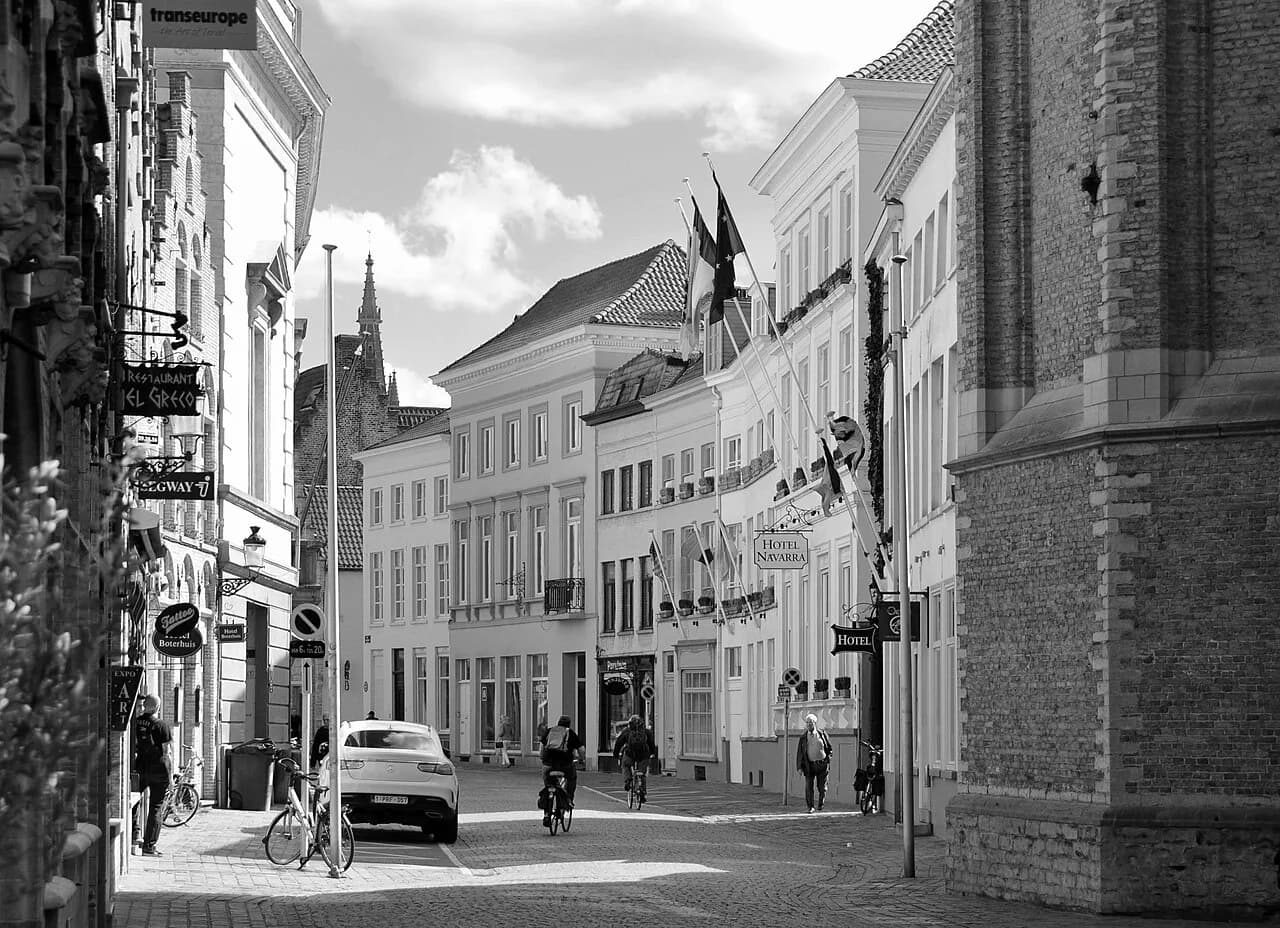
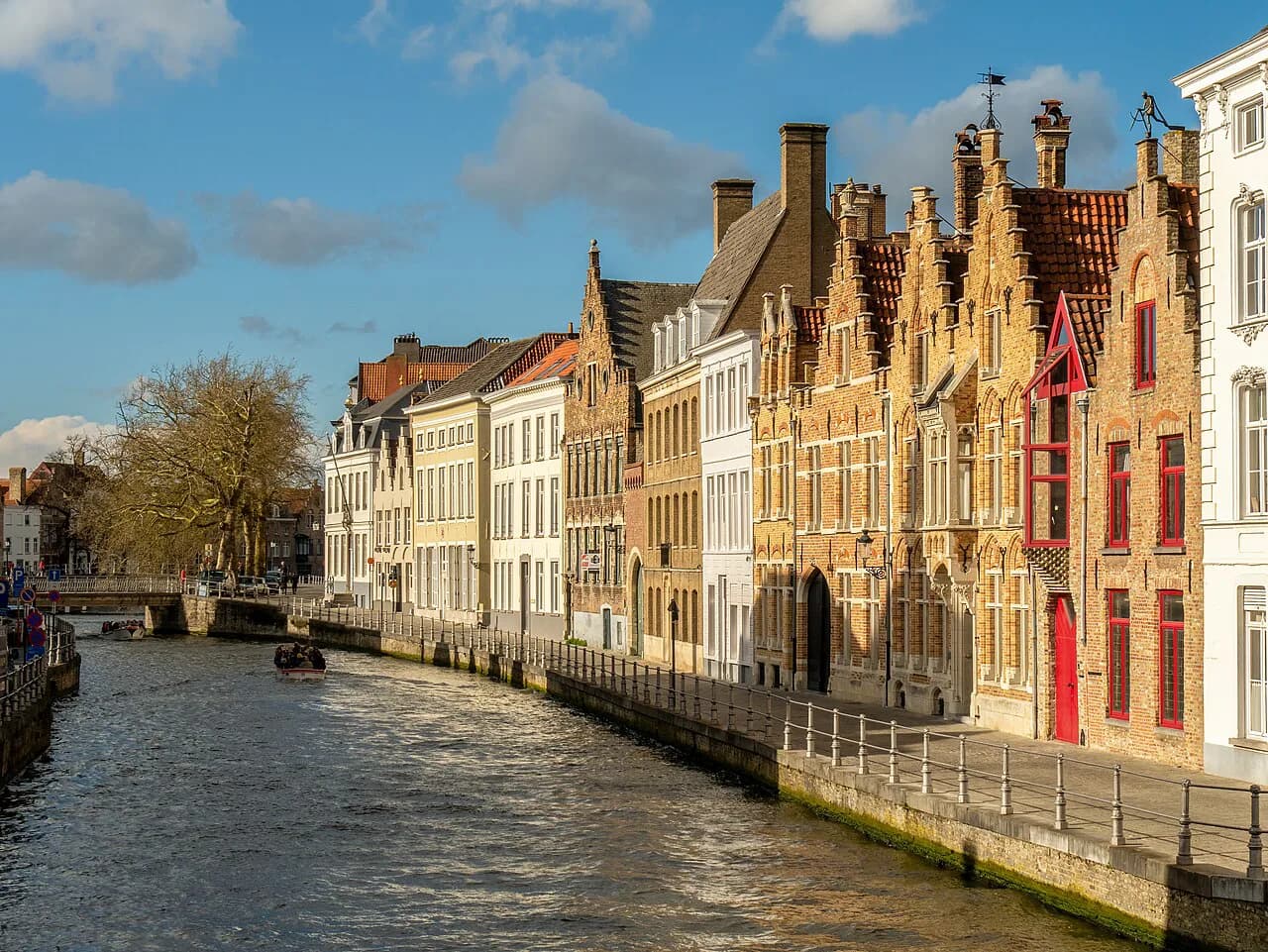
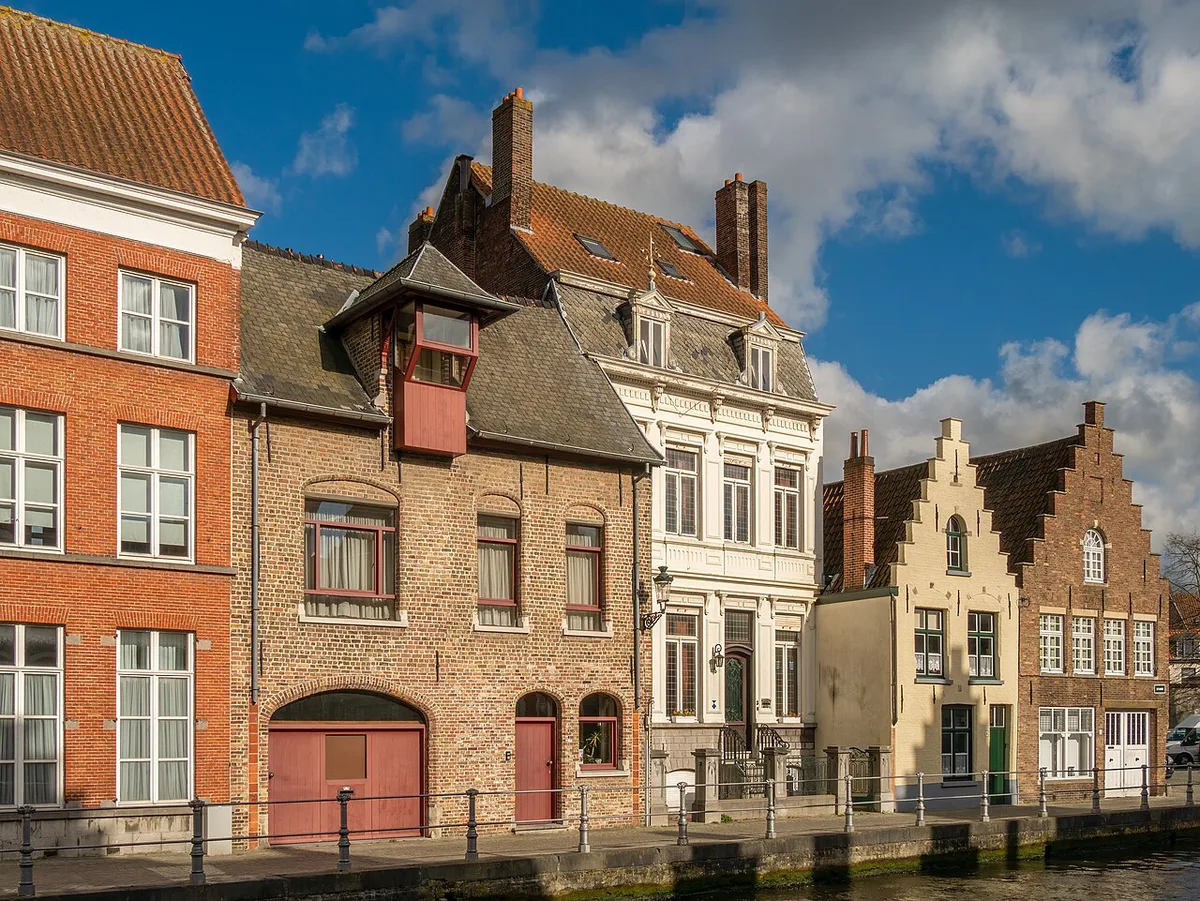
The Sint-Anna quarter sits northeast of the Burg, across the Sint-Annarei canal quay from Bruges' tourist core. It is a residential, medieval district built around the Baroque Sint-Annakerk, with ivy-covered lanes such as Dweersstraat, Hemelrijk, and Oliebaan running between brick row houses. Some guides call it the St. Anna district; locals just call it Sint-Anna. Most visitors reach it on foot in 10 to 15 minutes from the Markt. The short answer for why to go: the Kruisvest windmills, the Kantcentrum lace school, and streets with more residents than souvenir shops. For context on how this district fits among other Bruges neighborhoods, and why some guides steer visitors toward quieter corners of the city, the Sint-Anna quarter usually ranks near the top. The Sint-Annarei canal quay running along the district's edge sees far fewer photographers than the postcard canals near the Burg.
Top Things to Do in the Sint-Anna Quarter Bruges
Five sights anchor a visit to the Sint-Anna quarter, and each sits within a short walk of the others. A single loop on foot covers all of them without backtracking, which makes the district easy to fit into a half-day or full-day plan. For travelers searching for quiet things to do in Bruges, these five stops are the district's core.
- Jerusalem Chapel and Adornes Estate: a private 15th-century chapel built by the Genoese Adornes family, modeled loosely on Jerusalem's Church of the Holy Sepulchre.
- Kantcentrum (Lace Centre): housed in the district that was once the working heart of Bruges' lace industry.
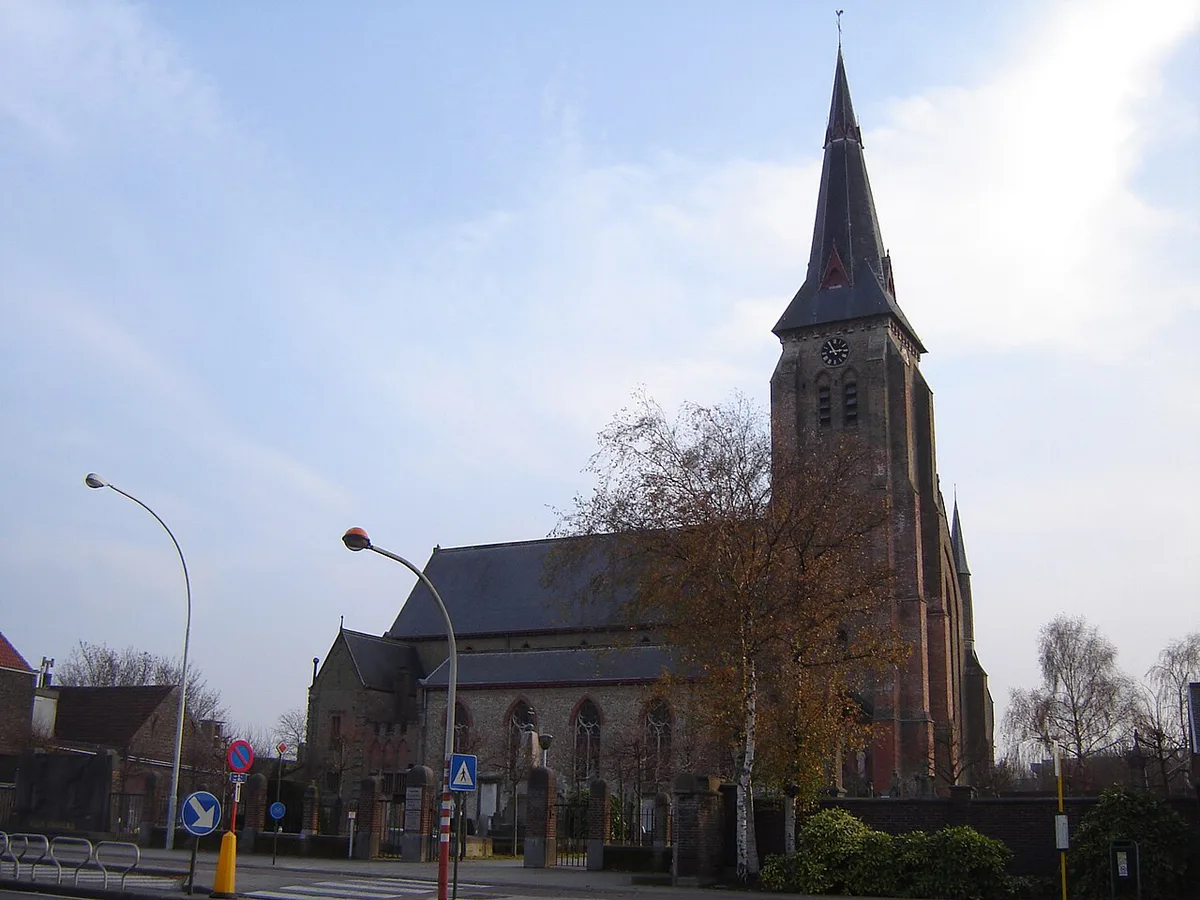
- Sint-Anna Church: a plain brick exterior that gives no hint of its Baroque interior.
- Windmills of Kruisvest: four surviving mills along the old city ramparts, including Sint-Janshuismolen.
- Gezelle Museum: the birthplace of Flemish poet Guido Gezelle, tucked into a quiet residential street.
The Jerusalem Chapel and the Adornes Estate
The Jerusalem Chapel's Genoese design sets it apart from every other church in Bruges. The Adornes family, Genoese merchants who settled in the city in the 14th century, built the chapel to echo Jerusalem's Church of the Holy Sepulchre. That Genoese connection is unusual in a city otherwise built by Flemish and Hanseatic merchant families. The estate around it remains privately owned by their descendants, which is rare for a historic site this central. Opening days and any current exhibition access change from season to season, so confirm the schedule on the estate's official page before building it into a fixed itinerary.
Kantcentrum: The Neighborhood's Lace-Making Heritage
Lace was the Sint-Anna quarter's main trade for generations, and the Kantcentrum keeps that history visible. The center sits inside the old lace industry's historic footprint, with demonstrations that connect the craft to the streets around it. Lace-making shaped the district's row houses and its working-class identity long before the windmills or the chapel drew visitors. Because operating days and demonstration schedules shift, verify the center's current hours before visiting. Pairing the Kantcentrum with the nearby Sint-Anna Church keeps the walk compact.
Sint-Anna Church: Plain Outside, Baroque Inside
From Oliebaan or the Sint-Annarei canal quay, the Sint-Annakerk looks like an ordinary parish church. Step inside and the contrast is immediate: dark wood paneling, gilded altarpieces, and a ceiling painted in Baroque style. The gap between the two says more about Baroque-era decoration budgets than about the parish's size. The building gives the quarter its name and remains its geographic anchor. Confirm current visiting hours before planning around it, since parish churches often keep limited public access outside services.
The Windmills of Kruisvest
The Kruisvest ramparts, on the quarter's edge, hold four of Bruges' surviving windmills. Kruisvest windmill history ties directly to the city's old grain-milling ring, and Sint-Janshuismolen and Koeleweimolen are the two most commonly referenced today.
- Sint-Janshuismolen
- Koeleweimolen
- Two further mills sited along the same stretch of ramparts
The Guido Gezelle Museum
Flemish poet Guido Gezelle was born in the Sint-Anna quarter, and his birthplace now operates as a small museum dedicated to his life and work. It sits on a residential street away from the district's other sights, which keeps foot traffic light even in peak season. Gezelle's poetry drew heavily on Flemish dialect and rural imagery, themes that trace back to this residential corner of the city. The museum works well as a short add-on rather than a dedicated stop, particularly for travelers already tracing the quarter's literary and religious history.
Center vs. Sint-Anna Quarter: How They Compare
The Markt and Burg pack the city's best-known sights into a few blocks, and that concentration shows in the crowds. The Sint-Anna quarter trades some of those headline sights for space and quiet.
| Aspect | City Center (Markt/Burg) | Sint-Anna Quarter |
|---|---|---|
| Crowds | Dense, especially midday and around the Belfry | Light foot traffic, mostly local |
| Typical costs | Premium cafe prices, paid queue-skipping options | Mostly free walking, modest museum entries |
| Atmosphere | Souvenir shops, tour groups, canal-boat queues | Residential streets, brick row houses, local pubs |
| Best for | First-time visitors on a tight schedule | Repeat visitors and slower-paced days |
Walking Route, Timing, and Costs
Two entry points work well for a Sint-Anna quarter walk. From the Burg, Langestraat leads northeast into the district. From the water, Spiegelrei connects toward the Sint-Annarei canal quay on the quarter's western edge. Either entry point puts you inside the quarter within a few minutes of leaving the main tourist streets. The Jerusalem Chapel and the Kantcentrum both keep specific closing days that change by season, so confirm current hours for both before you build a fixed schedule around them. Timing a visit around the quietest months to visit Bruges makes the quarter's already-thin crowds even lighter.
The Sint-Anna quarter attracts fewer crowds than the center, yet its five key sites operate on variable seasonal schedules; visitors must confirm opening days for the Jerusalem Chapel, Kantcentrum, mills, and Sint-Anna Church before planning a fixed route.
| Site | Access | What to Expect |
|---|---|---|
| Jerusalem Chapel and Adornes Estate | Paid entry, privately owned site | Confirm current pricing and tour availability on the estate's official page |
| Kruisvest windmills | Paid interior access at select mills; exterior viewing is free | Ticket pricing and which mills are open vary by season - check each mill's listing |
| Sint-Anna Church | Free or donation-based visits during open hours | Confirm current opening hours locally before visiting |
| Kantcentrum | Paid entry for lace demonstrations | Confirm current operating status and hours before visiting |
- Half-day loop: Jerusalem Chapel, Sint-Anna Church, and Kantcentrum, looping back via Langestraat.
- Full-day loop: add the Kruisvest windmills and Gezelle Museum, with a stop at Kruispoort for views over the ramparts.
Dining and Local Life on Langestraat and Hoogstraat
Langestraat and Hoogstraat mark the edge between the tourist-heavy center and the Sint-Anna quarter's residential streets. Langestraat's local pubs lean toward Bruges' brown-cafe culture: dark wood interiors, regulars at the bar, and menus built around Belgian beer rather than tourist set menus. Bakeries along the same stretch serve a local crowd rather than tour groups, and reservations matter less here than in the center since most of these spots serve a steady local clientele. For a broader sense of where to eat across the city, this local food guide covers options beyond this one district.
Is the Sint-Anna Quarter Right for Your Trip?
The Sint-Anna quarter rewards slower travel. It suits photographers working early or late light, repeat visitors who have already covered the Markt and Burg, and families who want green space along the Kruisvest ramparts without a crowd to manage. Travelers running a four-hour express version of Bruges, built around the Belfry and a single canal cruise, will likely skip it for time reasons. If that's the itinerary, the district's sights can wait for a longer return trip. Pairing this walk with a stop at the Begijnhof courtyard or Minnewater's lake path extends a quiet day without re-entering the crowded center. For those with an extra afternoon, combining this district with other off-the-beaten-path routes keeps the whole day low on queues.
The Sint-Anna quarter's appeal rests on its active residential identity rather than on sightseeing alone, yet that residential character demands visitor restraint, as loud groups or prolonged loitering outside private homes can disrupt the local community.
Mistakes to Avoid in the Sint-Anna Quarter
A few planning mistakes come up often in this district.
- Walking all the way to the windmills expecting moving sails: they only turn in the right wind, so a still day means an exterior view only.
- Treating the quarter like a sightseeing checklist: it's a residential area, and loud groups or lingering outside private homes draw notice from residents.
- Skipping the Kruispoort: the ramparts views from this gate are easy to miss if you head straight for the windmills instead.
Which Kruisvest Windmill Should You Visit?
The Kruisvest walk is easier to understand if you treat the windmills as separate stops, not one attraction. The four mills stand along the green ramparts between Kruispoort and Dampoort, with the best photos from the grassy path below the sails.
- Sint-Janshuismolen: the main visitor mill, with interior access when city museum opening hours allow.
- Koeleweimolen: an 18th-century mill moved to Kruisvest, usually admired from the outside.
- Nieuwe Papegaai: recognizable by its parrot detail and useful as a quieter photo stop.
- Bonne-Chièremolen: another exterior-view mill on the same rampart line.
Start at Kruispoort if you want the strongest reveal. The gate frames the ramparts, then the mills appear one by one along the path. On still days, expect static sails rather than a working-mill scene.
Further reading: Bruges on Wikivoyage · Bruges on Wikipedia
Frequently Asked Questions
What is the Sint-Anna quarter in Bruges known for?
The district is known for the Kruisvest windmills, the Jerusalem Chapel and Adornes Estate, the Kantcentrum lace school, and a residential, low-crowd atmosphere compared with the Markt and Burg.
How far is the Sint-Anna quarter from the Markt?
It's roughly a 10 to 15 minute walk northeast from the Markt, entering via Langestraat or along the Sint-Annarei canal quay.
Are the Kruisvest windmills open for interior tours?
Access varies by mill and by season. Sint-Janshuismolen and Koeleweimolen are the most commonly referenced for visits, but confirm current opening days and ticket pricing before planning around an interior tour.
Is the Jerusalem Chapel open to the public?
The chapel and the surrounding Adornes Estate are privately owned and keep limited public hours. Confirm current opening days and exhibition access on the estate's official page before visiting.
How much time should you plan for the Sint-Anna quarter?
A half-day covers the Jerusalem Chapel, Sint-Anna Church, and Kantcentrum on a compact loop. A full day allows time to add the Kruisvest windmills, the Gezelle Museum, and a stop at Kruispoort for views over the ramparts.
Continue exploring
More guides you'll find useful