Bruges Local Food Guide: Authentic Flemish Cuisine Away From the Markt
A Bruges local food guide to stoofvlees, shrimp croquettes, and where to eat away from the Markt tourist traps.
On this page
Bruges Local Food Guide to Authentic Flemish Cuisine
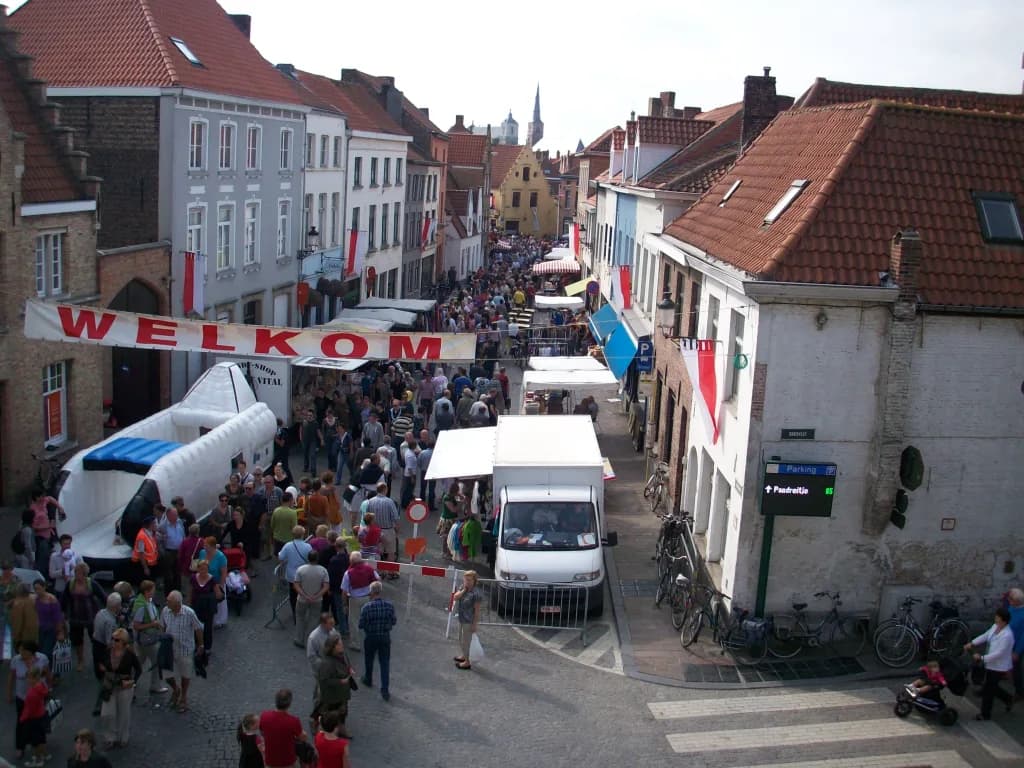
Last updated July 2026. A useful bruges local food guide starts by separating the Grote Markt's tourist-menu restaurants from the neighborhood bistros where Flemish cooking is taken seriously. Bruges built its reputation on beer-braised stew, North Sea shrimp, and craft brown-cafe ales, not on the photo-menu waffle stands lining the main square. The single biggest move for better meals is walking ten minutes off the Markt into streets like Langestraat, where prices drop and portions stop being designed for tour groups.
The Foundations of Flemish Cuisine in Bruges
Three dishes define West Flemish cooking, and understanding them changes how you order in any Bruges restaurant. Each pairs naturally with the beer culture the region is known for, and each rewards a slower, sit-down meal rather than a rushed lunch between sights.
Waterzooi is lighter than stoofvlees and works well for lunch (12:00–14:00). As a mid-range sit-down bistro option, it's the strategic Flemish stew choice when early kitchen closures and the tight lunch window constrain your dining options.
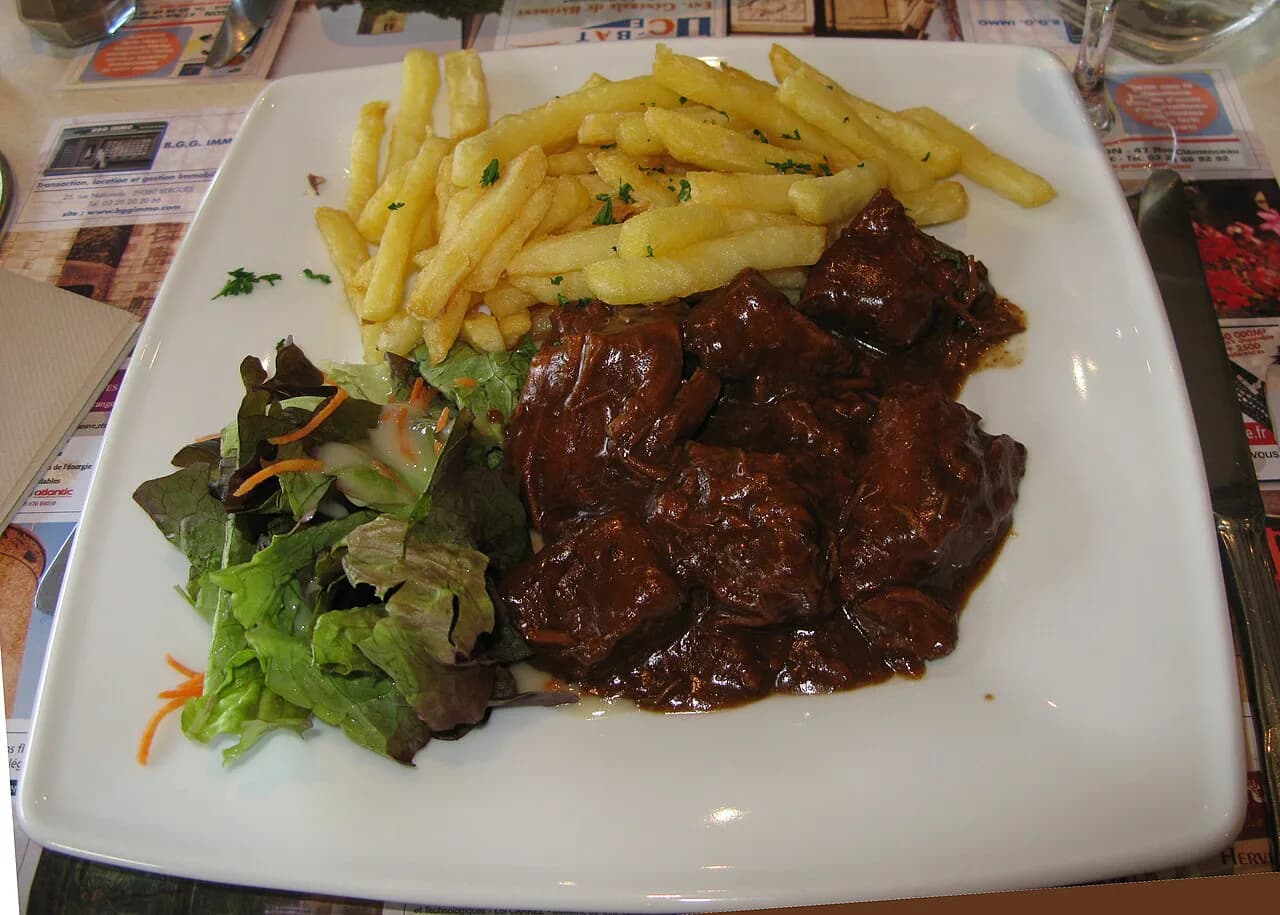
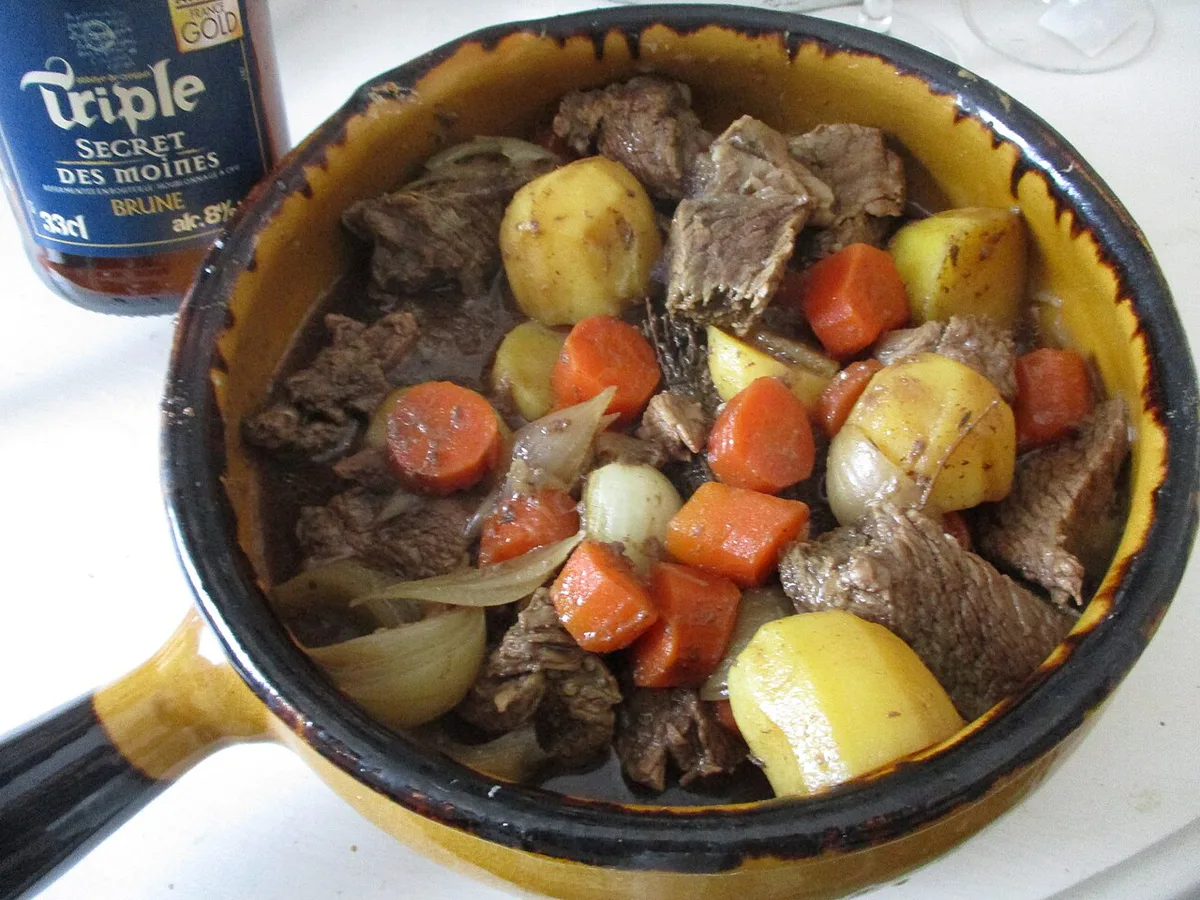
- Carbonnade flamande (stoofvlees): beef braised for hours in a dark Flemish beer, often Brugse Zot, until it turns sweet-sour and falls apart. Look for it served with frietjes rather than bread, which is the traditional pairing.
- Waterzooi: a creamy stew built on chicken or river fish, thickened with egg yolk and cream rather than tomato or beer. It reads lighter than stoofvlees and works well as a lunch option.
- North Sea gray shrimp (grijze garnalen): small, hand-peeled shrimp served two classic ways. Tomate-crevette pairs them with a chilled tomato half; shrimp croquettes deep-fry them into a crisp shell around a warm, creamy filling.
Beyond the Waffle: Fries, Waffles, and Chocolate Done Right
Fries, waffles, and chocolate get sold hard to tourists in Bruges, and quality swings wildly depending on where you buy them. Knowing the real categories helps you skip the versions made for foot traffic rather than flavor.
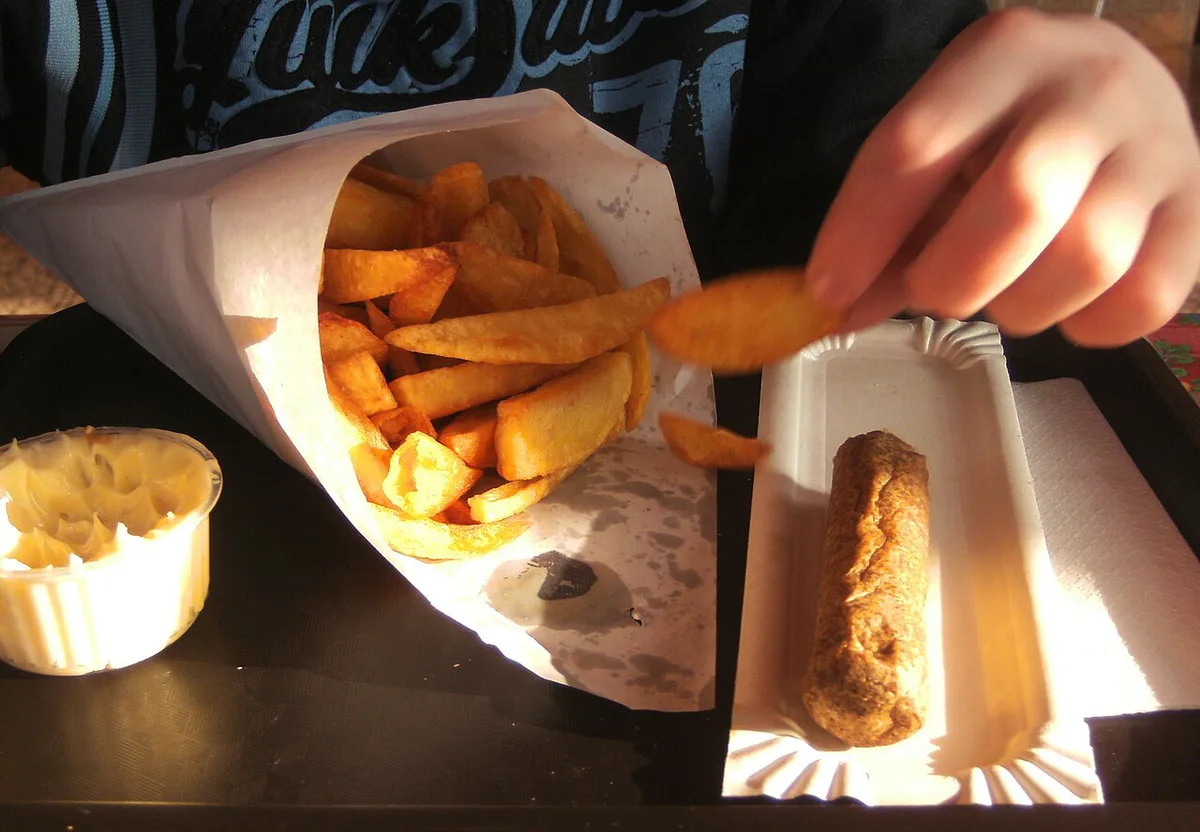
- Frietjes: order from a frituur, a dedicated fry counter, not a sit-down restaurant menu. Belgian fries are double-fried, first low and slow to cook through, then hot and fast for the crust. The Grote Markt has fry carts, but frituurs in residential streets serve the same double-fry method with less markup.
- Waffles: Brussels-style waffles are light, crisp, and rectangular, usually dusted with sugar or topped to order. Liège-style waffles are denser and studded with pearl sugar that caramelizes during cooking, making them sweeter and chewier. They are different pastries, not two sizes of the same thing.
- Chocolate: skip generic souvenir boxes and look for Brugse Swaentjes (Bruges Swans), the city's recognized local chocolate, sold in dedicated chocolatiers rather than gift-shop bins.
Where to Eat: A Bruges Neighborhood Food Guide
Where you eat in Bruges matters more than what you order, because the same dish costs more and tastes more standardized near the Markt. Locals eat in a handful of specific pockets away from the main tourist funnel.
Sint-Anna and Langestraat sit ten minutes from the Grote Markt; walking there drops prices significantly. These resident-focused streets concentrate small bistros and brown cafes, making them both cheaper and more authentically Bruges than the main square.
- Sint-Anna and Langestraat: this is the culinary core for residents, covered in full in the Sint-Anna Quarter guide and the Langestraat dining guide. Expect smaller bistros, brown cafes, and fewer English-only tourist menus.
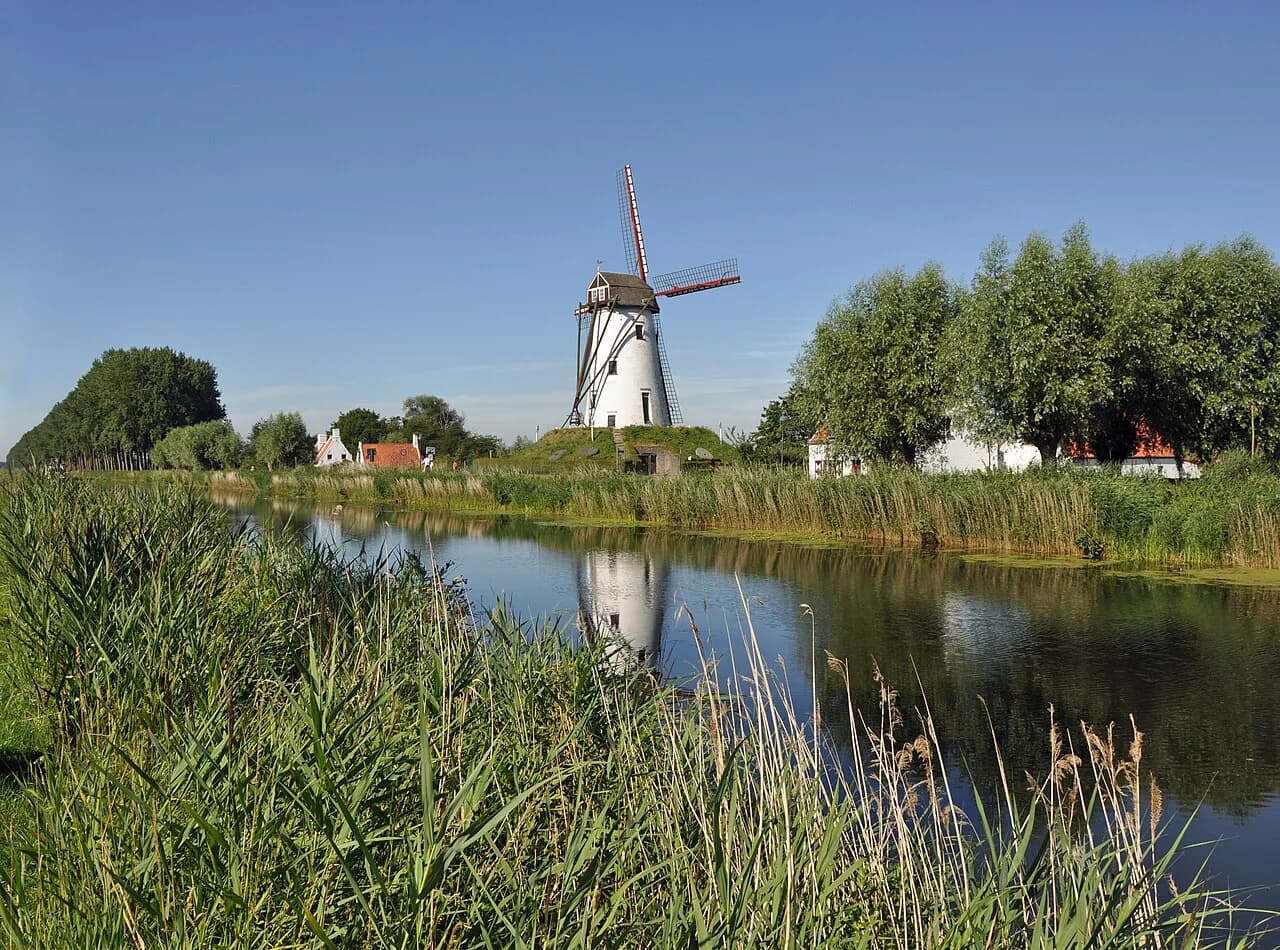
- Near the windmills: the stretch by the Kruisvest windmills sits away from the historic core entirely, making it a reset point for a meal after a walk along the ramparts.
- Day-trip eating: a day trip to Zeebrugge puts you at a working coastal port, a natural spot for freshly landed seafood. A day trip to Damme is the traditional place to look for eel dishes tied to the town's canal-side history.
Brown Cafes and Bruges Beer Culture
Beer is not a side note to Bruges food, it is a structural part of the meal. Brugs Zot and Straffe Hendrik, both from the De Halve Maan brewery, anchor the local beer identity, alongside Bourgogne des Flandres, a Flemish red-brown ale distinct from the golden and blonde styles most visitors expect. The setting for drinking them is the brown cafe: a small, wood-paneled bar built around conversation and a long beer list rather than a full dinner menu. Pair a brown cafe stop with a brewery visit; several are covered under 14 Unique Things to Do in Bruges: Secret Spots & Local Favorites.
Practical Logistics for Eating Well in Bruges
Bruges runs on earlier, more structured meal hours than Southern Europe, and reservations matter more than most first-time visitors expect. Planning around these logistics is the difference between a good table and a long wait.
- Reservations: book ahead for dinner, especially at smaller bistros in Sint-Anna and along Langestraat. Many local spots close one or two days a week, commonly Monday or Tuesday, so confirm before planning a route.
- Tipping: Belgium runs on a service-included model. Prices on the menu already fold in service, so tipping is a rounding gesture rather than an expectation.
- Timing: lunch service generally runs 12:00 to 14:00 and dinner 18:00 to 21:00. Kitchens close on the earlier side compared to Spain or Italy, so a 21:30 walk-in can mean a closed kitchen.
- Cost tiers: budget means a frituur meal of fries and a snack; mid-range covers a sit-down bistro plate of stoofvlees or waterzooi; high-end covers Michelin-rated dining, which Bruges has in limited number for a city its size.
Timing Your Visit and Finding More Bruges Food Guide Picks
Restaurant crowding in Bruges tracks tourist crowding almost exactly, so visiting during quieter periods makes both sightseeing and dining easier. Cross-reference restaurant timing with the seasonal breakdown in Best Time to Visit Bruges Without Crowds: A Tactical Guide to avoid peak dinner rushes at the same moment as peak sightseeing crowds. For a fuller sense of where these neighborhoods sit relative to each other, the Bruges Neighborhoods Guide: Where to Stay in 2026 maps the city's districts, and a dedicated list of vetted options lives in 8 Best Local Restaurants in Bruges: Authentic Eats Beyond the Tourist Traps. Pairing a meal with quieter sightseeing also works well around the sites covered in Beyond the Belfry: Off the Beaten Path in Bruges (Hidden Gems Guide) and 12 Hidden Gems in Bruges: Secret Spots & Local Favorites (2026), both of which sit closer to the residential food streets than to the Markt.
Seasonal Mussels and North Sea Seafood
Mussels are the seafood order to watch for when Bruges menus move beyond shrimp croquettes and tomate-crevette. In Dutch, look for mosselen or mosselen-friet, usually served in a black pot with fries on the side. Many Belgian restaurants use Zeeland mussels, while coastal towns such as Zeebrugge and Blankenberge make the North Sea connection more obvious.
| Mussel Preparation | Characteristics |
|---|---|
| Natuur | Steamed with celery, onion, and herbs; cleanest version |
| White Wine | Adds acidity |
| Garlic or Cream | Feels heavier; suits a slower dinner |
Choose the preparation before you choose a beer. Natuur is the cleanest version, steamed with celery, onion, and herbs. White wine adds acidity, while garlic or cream versions feel heavier and suit a slower dinner. Mussels are best treated as a sit-down bistro meal, not a snack between sights. If you see them on every photo menu around the Markt, compare side-street menus in Sint-Anna or Langestraat before committing.
For trip-planning details, see Flemish stew – Wikipedia.
Further reading: Bruges on Wikivoyage · Bruges on Wikipedia
Eating Well in Comparable Cities
The difficulty in Bruges is that the best kitchens and the worst tourist traps sit on the same streets. Brussels has the same problem at larger scale — the Brussels food guide sorts it out by district — while Munich's food guide deals with a regional cuisine that rewards knowing the vocabulary first.
Frequently Asked Questions
What is the most famous food in Bruges?
Carbonnade flamande (stoofvlees), the beer-braised beef stew, and shrimp croquettes made with North Sea gray shrimp are the two dishes most associated with Bruges cooking.
Is tap water free in Bruges restaurants?
Rarely. Most Bruges restaurants serve bottled water by default rather than offering free tap water, so expect a small charge for water with your meal.
Where do locals eat to avoid tourists in Bruges?
Head toward the Sint-Anna Quarter and Langestraat, both covered in the linked neighborhood guides above. These streets carry the bistros and brown cafes residents actually use, away from the Grote Markt.
Are restaurants in Bruges expensive?
Prices near the Grote Markt run higher for comparable dishes than the same stoofvlees or waterzooi served a few streets away in Sint-Anna or Langestraat. Moving away from the main square is the simplest way to cut costs without cutting quality.
What is the difference between a frituur, a brown cafe, and a bistro in Bruges?
A frituur is a quick, cheap fry counter for frietjes and snacks. A brown cafe is a casual, beer-focused bar with a light food menu. A bistro is a proper sit-down restaurant for a full Flemish meal like stoofvlees or waterzooi.
Continue exploring
More guides you'll find useful