Bruges Neighborhoods Guide: Where to Stay in 2026
This bruges neighborhoods guide compares the Markt, Sint-Anna, Sint-Gillis, Ezelstraat, Langestraat, and Minnewater on crowds, price, and walk time for 2026 trips.
On this page
Bruges Neighborhoods Guide: Where to Stay in Each District
Last updated July 2026, this bruges neighborhoods guide breaks the compact old city into six districts, each with its own mix of crowds, price, and walking time from the Markt. Bruges sits inside a canal ring you can cross on foot in about 30 minutes, but the district you choose still shapes the trip. This guide maps the historic Markt and Burg core, the workers'-cottage Sint-Anna quarter to the east, and the trendy Langestraat strip to the north.
How Bruges Neighborhoods Fit Together
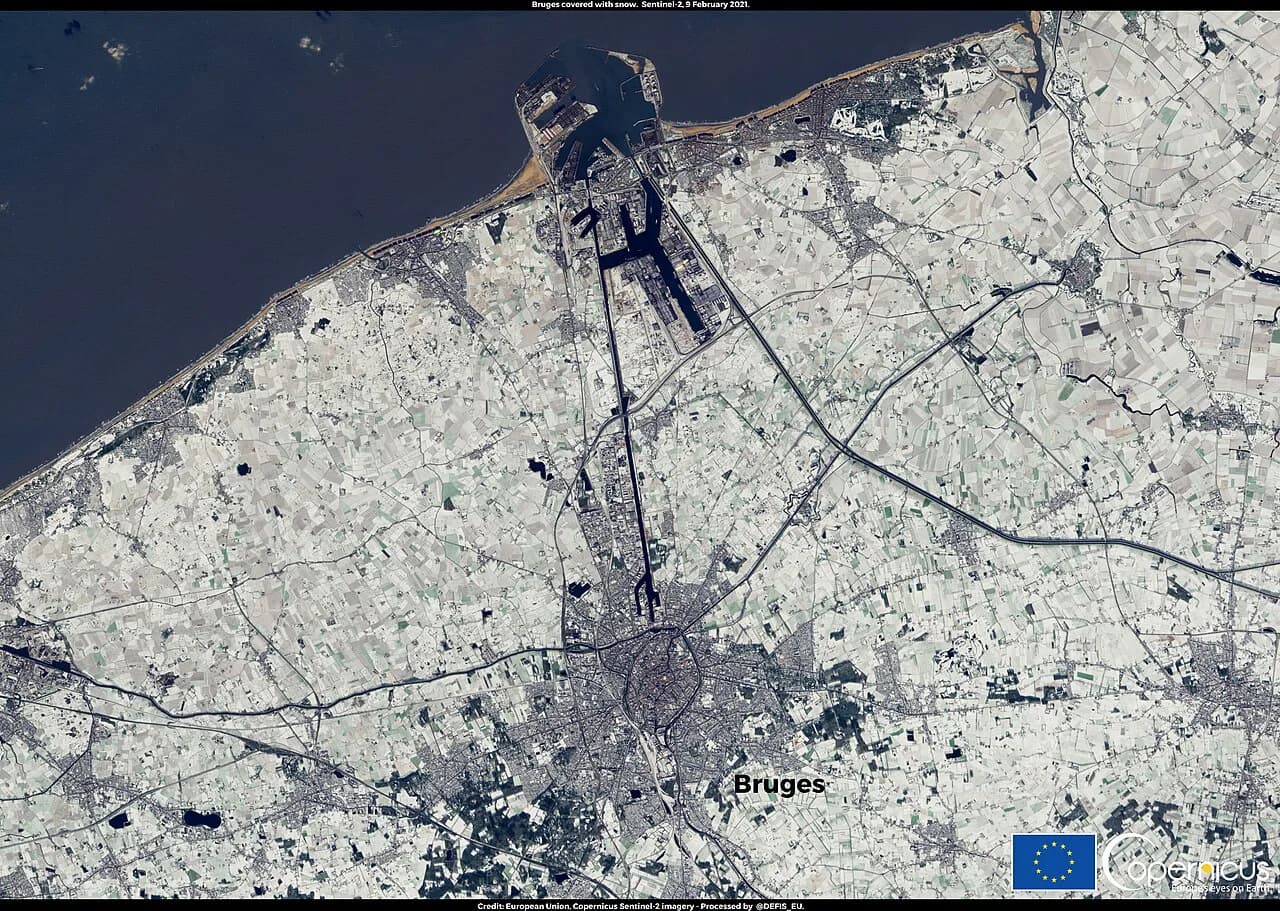
Bruges sits inside a moat and canal ring shaped like an egg, with the Markt at its center. The old town is a UNESCO World Heritage site, and its scale is part of why neighborhood choice matters so much. On foot, the ring takes about 30 minutes to cross end to end. Walking from the train station to the Markt takes roughly 15 to 20 minutes. It takes longer if you are pulling luggage over cobblestones. Three broad zones make the layout easier to hold in your head. The historic Markt and Burg core sits at the center, dense with medieval towers, canals, and tourist traffic. The Sint-Anna quarter, a former workers'-cottage district built around lace-making, spreads east of the center. The Langestraat and Sint-Gillis strip runs north, a mix of boutique shopping streets and residential blocks that reads as the trendiest side of town without matching the Markt's crowds or its prices. Which of these three zones you sleep in changes two things more than any other factor: how early you see the canals before the day-trip buses arrive, and how much you pay for a room within walking distance of the Belfry.
Bruges Neighborhoods Guide: Which District Fits Your Trip
Each district trades a little energy for quiet, price for authenticity, or proximity for space. First-timers who want the Belfry, the Basilica of the Holy Blood, and the main museums within a short walk usually do best in the historic centre. Travelers who have already covered those sights, or who would rather eat where residents eat, get more out of Sint-Anna, Sint-Gillis, or the Ezelstraat side of town. The table below breaks down the main options by traveler type, standout landmark, and typical walk back to the Markt.
| Markt & Burg (Historic Centre) | First-timers, photographers | High-energy, medieval, tourist-dense | Belfry (83m tower) | 0-5 minutes |
| Sint-Anna Quarter | Couples, repeat visitors | Quiet, residential, local cafes | Jerusalem Church | About 5 minutes from the southern edge, 15+ further east |
| Sint-Gillis | Budget travelers, foodies | Quiet, residential, best-value dining | Neighborhood brown cafes | About 10 minutes |
| Ezelstraat & Sint-Jakobs | Shoppers, gallery visitors | Bohemian, artisan, gallery-dense | Ezelpoort city gate | 2-10 minutes depending on the block |
| Langestraat & Hoogstraat | Bar-hoppers, shoppers | Shop-lined by day, bar-lined by night | Longest street in Bruges | Well within the 30-minute citywide loop |
| South Bruges (Minnewater/Begijnhof) | Short stays, quiet-seekers | Green, calm, closest to the station | Minnewater lake | Closest neighborhood to the train station |
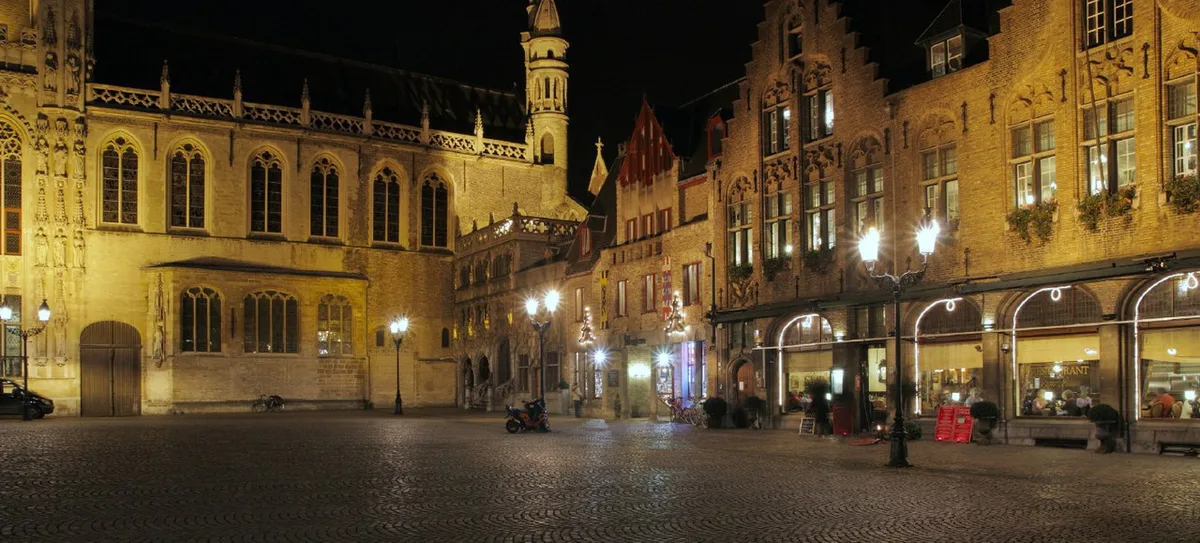
The Historic Centre: Markt and Burg
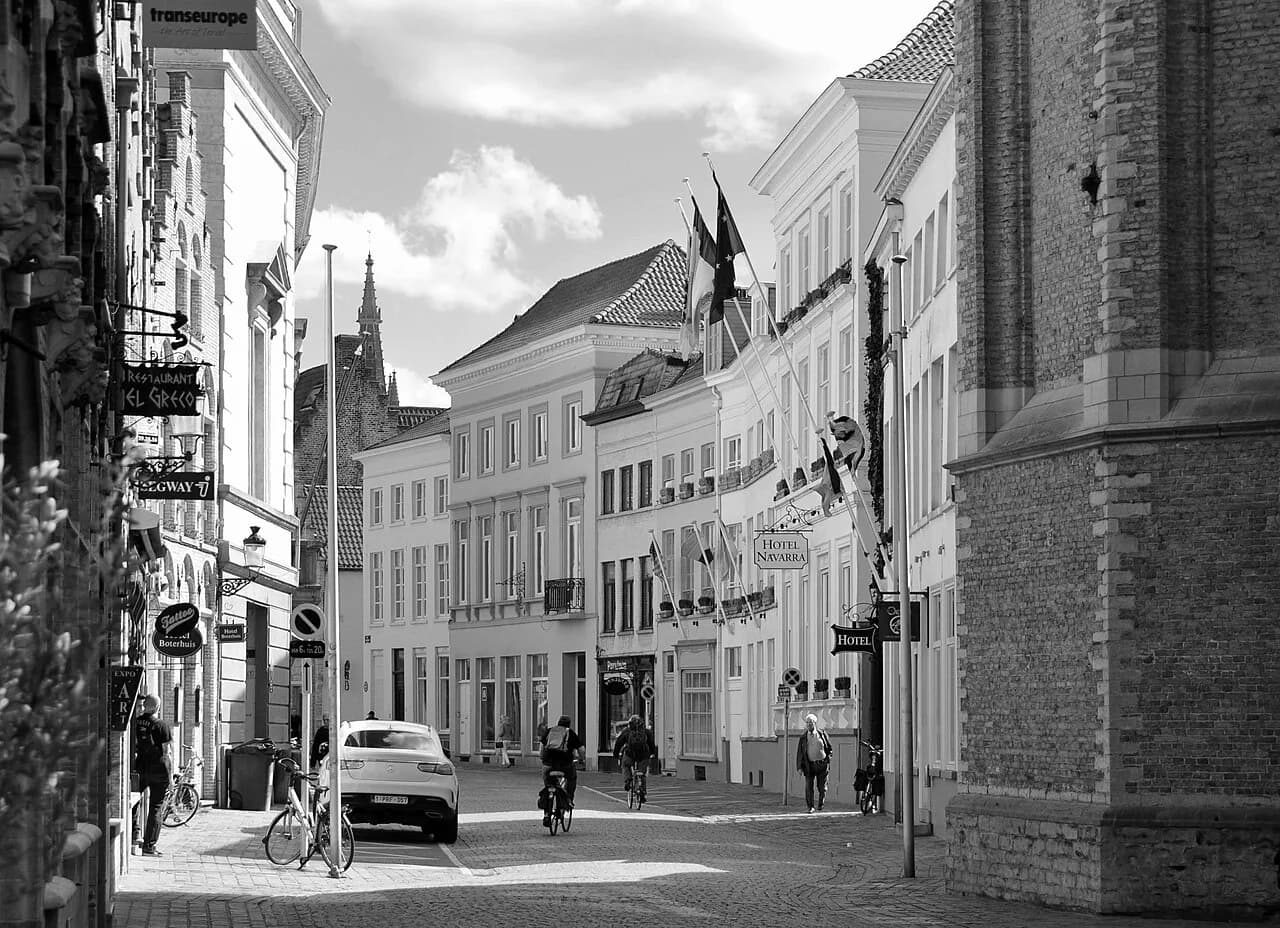
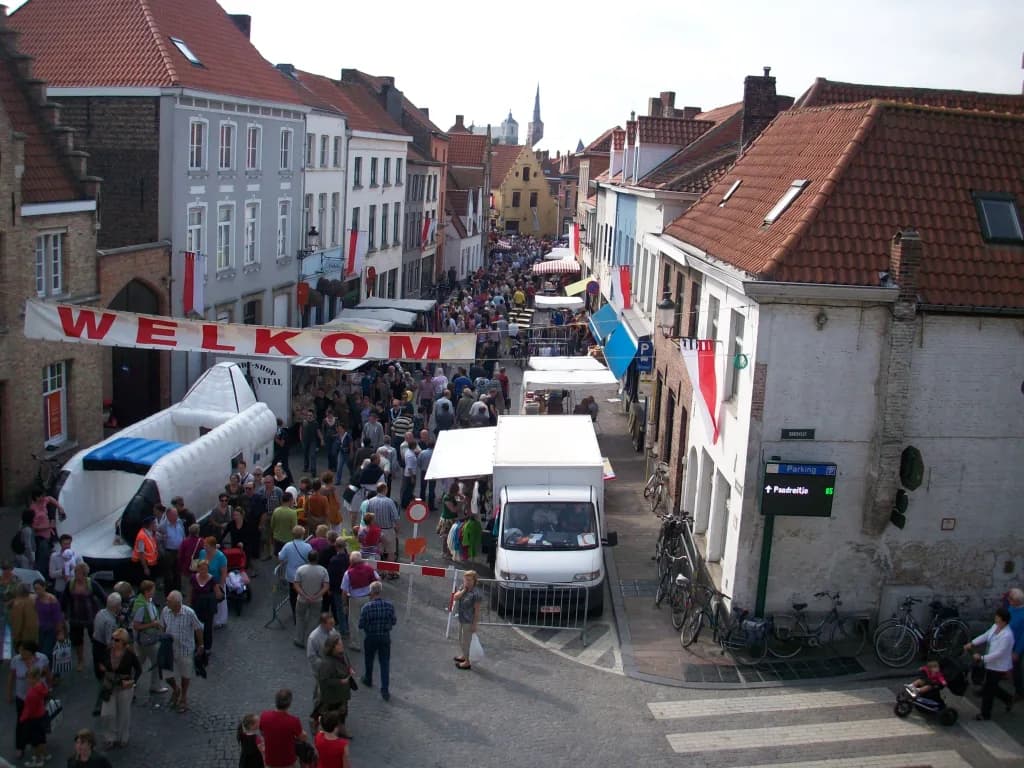
The Markt and Burg sit at the center of every Bruges photo you have seen. The Belfry rises 83 metres above the square, and the Basilica of the Holy Blood stands a few steps away. The Groeningemuseum and most other major sights sit within about a 20-minute walk of each other in this district. Between roughly 6 and 9 in the morning, before day-trip buses arrive, the canals and cobbles empty out and the light is at its best. That window closes fast once the buses reach the ring roads. Room rates here run highest in the city. Anyone comparing listings should expect that premium and check current rates directly, since prices shift with season and events. The square also stays loud into the evening, with restaurant terraces and horse-drawn carriages running late. First-timers who want everything within a short walk should still book here. Plan the earliest wake-up you can manage. The timing your visit to avoid crowds guide lays out exactly when those quiet windows open across the year.
The historic Markt experiences quiet mornings only between 6 and 9 AM before day-trip buses arrive. Travelers prioritizing peaceful mornings find Sint-Gillis offers residential calm throughout the day without requiring an early wake-up.
Sint-Anna Quarter: The Quiet East
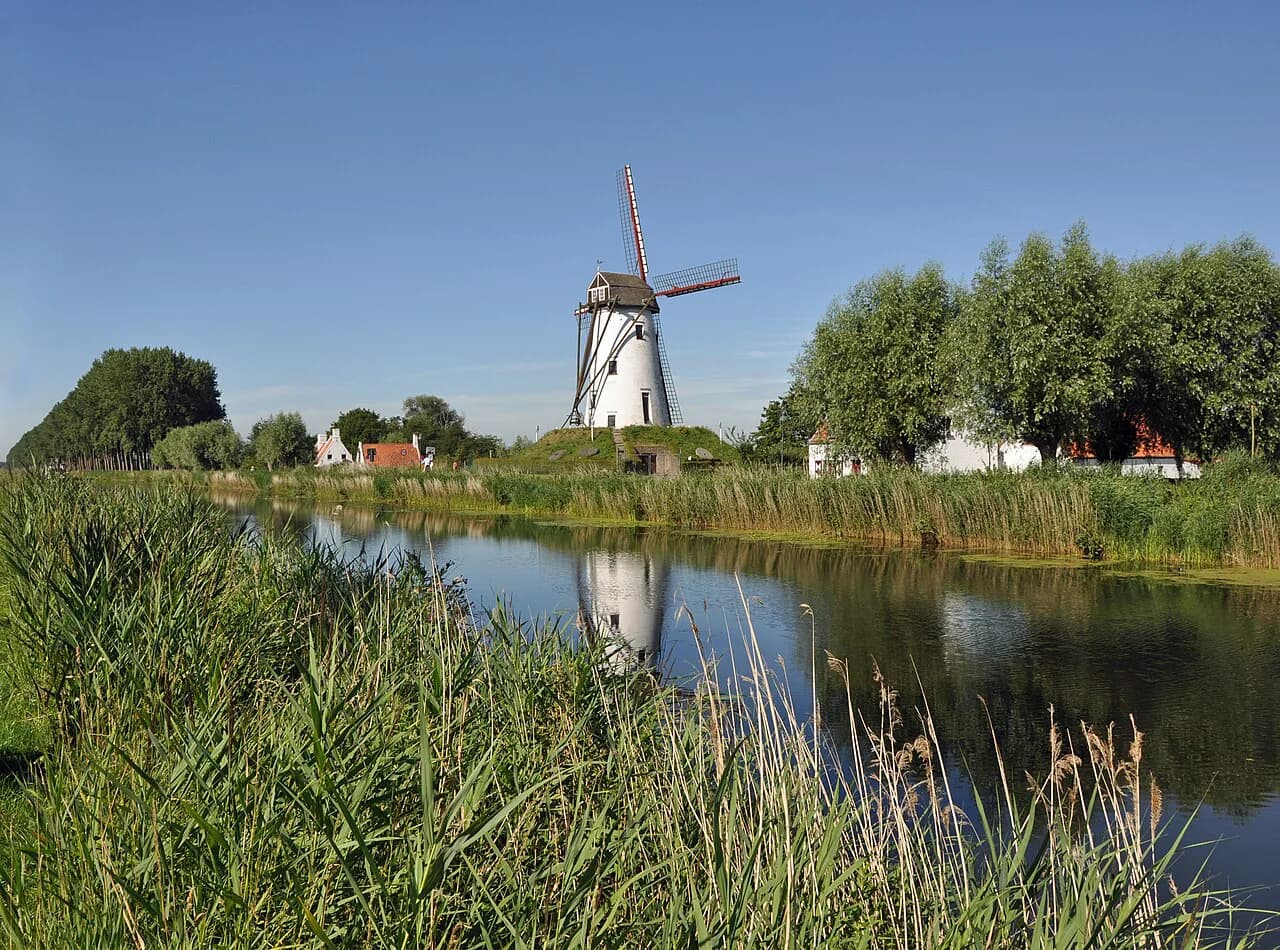
East of the centre, Sint-Anna began as a workers' quarter built around lace-making, and the cottage-scale houses still show it. The Jerusalem Church is a 15th-century private chapel modeled on the Church of the Holy Sepulchre, and it anchors the quarter's quiet, museum-free streets. The Lace Centre sits nearby, covering the craft that shaped the district; check current opening hours before visiting. Further out, the windmills along the Kruisvest mark the old city ramparts. Rooms here generally cost less than a Markt-facing room, though the southern edge of the quarter, about a five-minute walk from the Markt, carries some of the more upscale options in Bruges. The neighborhood cafes serve locals as much as visitors, and the pace slows noticeably once you cross east past the ring road. Sint-Anna suits couples wanting a quieter base. It also suits repeat visitors who have already covered the Belfry and Basilica. The Sint-Anna quarter breakdown covers the Lace Centre and the rest of the district in more depth. The lesser-traveled Bruges corners guide lists more spots like it across the city.
Sint-Gillis: Where Locals Eat
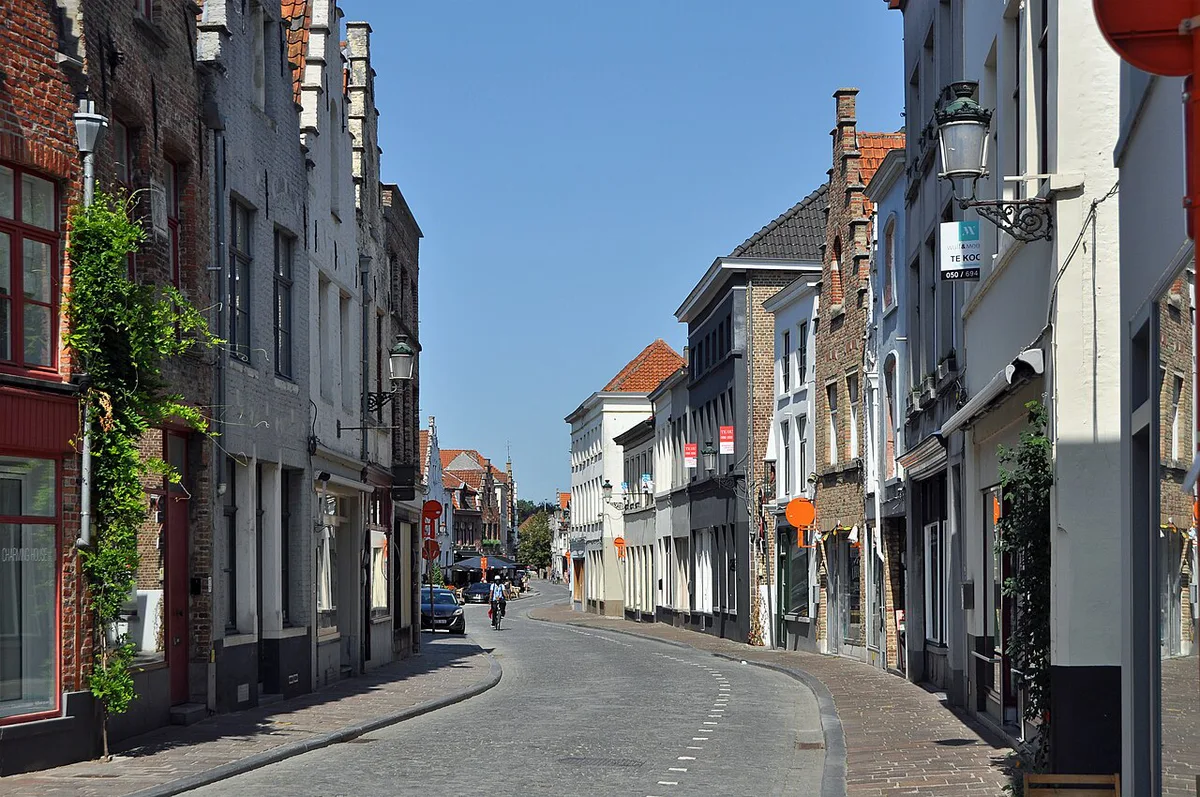
Sint-Gillis sits along the same northern stretch as Langestraat but reads far more residential. Almost no tourist infrastructure lines its streets, and the district skews toward local families rather than short-stay visitors. The restaurants here serve some of the best-value meals in the city, without the markup that comes with a Markt-facing terrace. Staying here means roughly a 10-minute walk to the main sights. Regular visitors treat that as a fair trade for quieter streets, cheaper plates, and a slower morning. One guesthouse in the district was cited at around $30 a night by a competing guide, though current 2026 rates should be checked directly since budget pricing shifts fast. The top local restaurants guide and the local food scene guide both draw heavily from this side of town, and both are worth reading before you commit to a base here.
Ezelstraat and Sint-Jakobs: The Arts and Crafts Corner
Ezelstraat runs through what's often called the arts-and-crafts side of Bruges. Boutique shops, galleries, and independent bakeries line the street near the Ezelpoort city gate. It sits close enough to the centre that one guesthouse example puts the walk to the Markt at two minutes. A hostel further along the same street counts about ten minutes to the centre instead. That range works for both a splurge stay and a backpacker budget without losing the boutique feel that defines the street. Blinde-Ezelstraat, a lane connecting the Burg to the fish market, ranks among the busier corners of this side of the city. Shoppers and gallery visitors tend to get more from this district than sightseers chasing single landmarks. The lesser-known Bruges spots guide and the under-the-radar spots guide both point back to galleries and workshops along this stretch. The unusual things to do guide adds a few more options nearby.
Langestraat and Hoogstraat: The Food and Nightlife Corridor
Langestraat is the longest street in Bruges. By day, it functions as a shopping corridor for both window-shoppers and buyers. After dark, small bars and tapas restaurants take over and pull in most of the city's limited nightlife. Hoogstraat continues that pattern closer to the water, shifting from tourist-facing shops to more local addresses the further you walk along it. Nightlife is not a major draw in Bruges overall, so this corridor stands out precisely because there is little competition elsewhere in the city. It sits well inside the roughly 30-minute walk across the old town, so it works as an evening add-on even if you are staying elsewhere. At least one guesthouse on the street leans minimalist and design-focused, built around sustainability rather than traditional Flemish decor. The Langestraat and Hoogstraat breakdown covers the shop and bar lineup in more detail.
South Bruges: Minnewater and the Begijnhof
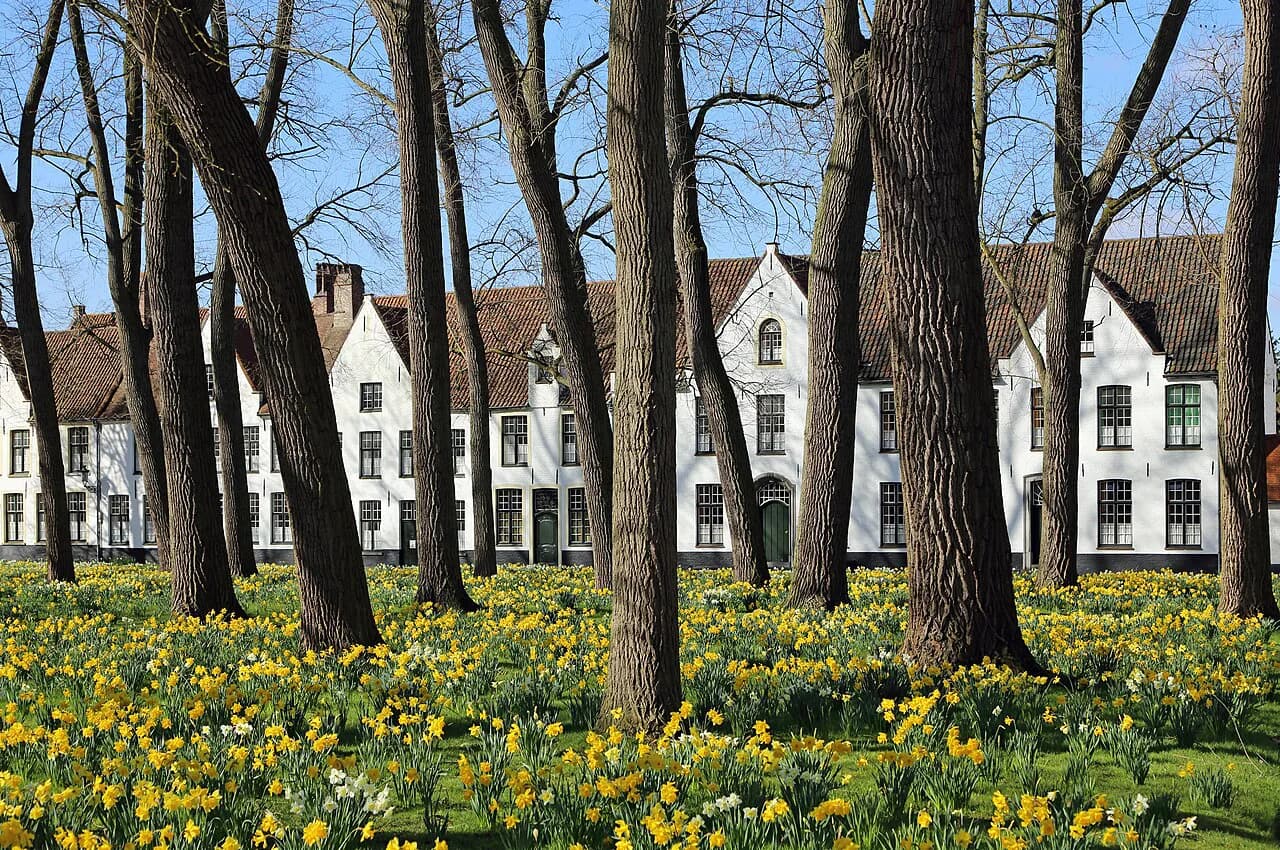
South Bruges centers on the Minnewater lake and the Begijnhof courtyard. It is the calmest of the districts covered here. Green space along the water replaces the density of the Markt, and the pace slows noticeably once you cross south of the Burg. The area sits closest to the train station of any neighborhood in this guide. That makes it a practical pick for a short stay, especially on the first or last night of a trip. It also suits travelers arriving with heavy luggage who want to minimize the walk in from the station. Both the lake path and the Begijnhof courtyard cost nothing to visit, and neither requires advance booking to walk through. The no-cost Bruges stops guide covers other free stops nearby, useful for stretching a short stay without adding to the budget.
Luggage significantly extends the 15-20 minute walk from the station to the Markt. South Bruges sits closest to the station, making it the practical choice for travelers with heavy bags.
Getting Around the Bruges Neighborhoods
Bruges rewards walking more than any other way of getting around the city, but a few practical notes make it easier to plan a route between neighborhoods.
- Walking: a full loop around the old town's canal ring takes about 60 to 90 minutes. Direct routes between neighborhoods cut that closer to 15 minutes, which matters more than raw distance once cobblestones and luggage are involved.
- Bicycles: several hotels across Ezelstraat and Sint-Anna rent bikes directly to guests. Avoid riding into the Markt itself during peak midday hours, when foot traffic fills the square and makes cycling impractical.
- Public transit: a shuttle bus service connects the train station to the centre. It suits travelers who prefer not to walk in with luggage. Check current schedules and stops before arrival, since routes and timetables change year to year.
Mistakes to Avoid When Choosing a Bruges Base
A few booking mistakes come up again and again across these neighborhoods, and most are easy to avoid once you know the layout.
- Zeebrugge as a base: it looks close on a map. It is actually a 15-minute train or bus ride from central Bruges. Treat it as a day trip, not a neighborhood shortlist. The Zeebrugge coast trip and the canal-side Damme trip both cover it properly, alongside the wider day-trip options beyond Bruges.
- Expecting late dinner service in residential Sint-Gillis. Kitchens there run on local hours. They close earlier than the restaurants clustered around the Markt.
- Paying extra for a canal view without checking which stretch of water it faces. Some of the busiest tourist walking routes in the city also run along canals. A canal view alone does not guarantee a quiet room.
Historic Centre vs Sint-Gillis: The Practical Trade-Off
Choose the Historic Centre if this is your first Bruges trip and you want the Belfry, Burg, Basilica of the Holy Blood, and boat piers close by. You pay for that access with busier streets, higher room rates, and more evening noise around the Markt.
Choose Sint-Gillis if you prefer a quieter base within an easy walk of the same sights. The area around Sint-Gilliskerk and the northern canals feels residential rather than staged for visitors. It works especially well for repeat travelers, longer stays, and anyone planning dinners away from the main squares.
- Best for first-timers: Historic Centre, especially near Markt or Burg.
- Best for quiet mornings: Sint-Gillis, then walk south toward Jan van Eyckplein.
- Best for late arrivals: Historic Centre, where more restaurants stay open later.
The main caution is timing. Sint-Gillis is peaceful, but kitchens and cafes can close earlier than central addresses.
Further reading: Bruges on Wikivoyage · Bruges on Wikipedia
How Other Compact Cities Divide Up
Bruges is small enough that the quarters matter mainly for how far you sleep from the day-trip crowds. Brussels's communes work on a completely different scale, Ljubljana's districts are walkable end to end like this one, and Munich's neighbourhoods show what happens when a city has money in all of them.
Frequently Asked Questions
What is the best area to stay in Bruges for first-timers?
The historic Markt and Burg core works best for first-timers because most major sights sit within a short walk, though room rates run highest there and the square stays busy after dark.
Which Bruges neighborhood is quietest?
Sint-Gillis and the eastern stretch of Sint-Anna are the quietest options, both residential with little tourist infrastructure and lower prices than the centre.
Is Zeebrugge a Bruges neighborhood?
No. Zeebrugge is a separate port town about a 15-minute train or bus ride from central Bruges, better suited to a day trip than a place to base a stay.
How long does it take to walk across Bruges?
A full loop around the old town's canal ring takes about 60 to 90 minutes on foot, though direct routes between neighborhoods can take closer to 15 minutes.
Which Bruges neighborhood has the best local food?
Sint-Gillis carries the reputation for the best-value, most local dining in the city, with Langestraat and Hoogstraat covering the bar and tapas scene after dark.
Where should you stay in Bruges on a tight budget?
Sint-Gillis and the backpacker-oriented stretches of Ezelstraat carry some of the lowest room rates in the city, since neither sits directly on the Markt. Expect a walk of about ten minutes or less back to the main sights from either one.
Continue exploring
More guides you'll find useful