Ljubljana Botanical Garden: The Complete 2026 Visitor Guide
Plan a visit to the Ljubljana Botanical Garden: 2026 hours, entry costs, the walk from the Triple Bridge, and the Snowdrop Festival.
On this page
Ljubljana Botanical Garden: What to See, When to Go, and How to Get There
Last updated July 2026: the Ljubljana Botanical Garden sits on two hectares a short walk from the Triple Bridge. Founded in 1810 under botanist Franc Hladnik during the Napoleonic-era Illyrian Provinces, it remains Slovenia's oldest continuously operating scientific and cultural institution. This guide covers the walking route from downtown, the tropical glasshouse, the Snowdrop Festival, and the student-run tea house.
Ljubljana Botanical Garden: A 200-Year-Old Institution Near the Old Town
Most visitors to Ljubljana head straight for Tivoli Park, the city's largest green space. The Ljubljana Botanical Garden gets a fraction of that foot traffic despite sitting close to downtown. It has operated without interruption since 1810, when botanist Franc Hladnik founded it during the Napoleonic-era Illyrian Provinces, the short-lived French administration that briefly governed the region. According to Visit Ljubljana, the garden now holds more than 4,500 plant species and subspecies, and roughly a third are native to Slovenia. It also works with more than 270 botanical gardens worldwide, with a focus on protecting Slovenia's endemic, endangered, and rare species. Travelers already working through the city's hidden gems list should add this garden near the top.
Planning a Visit: Location, Hours, and Entry Costs
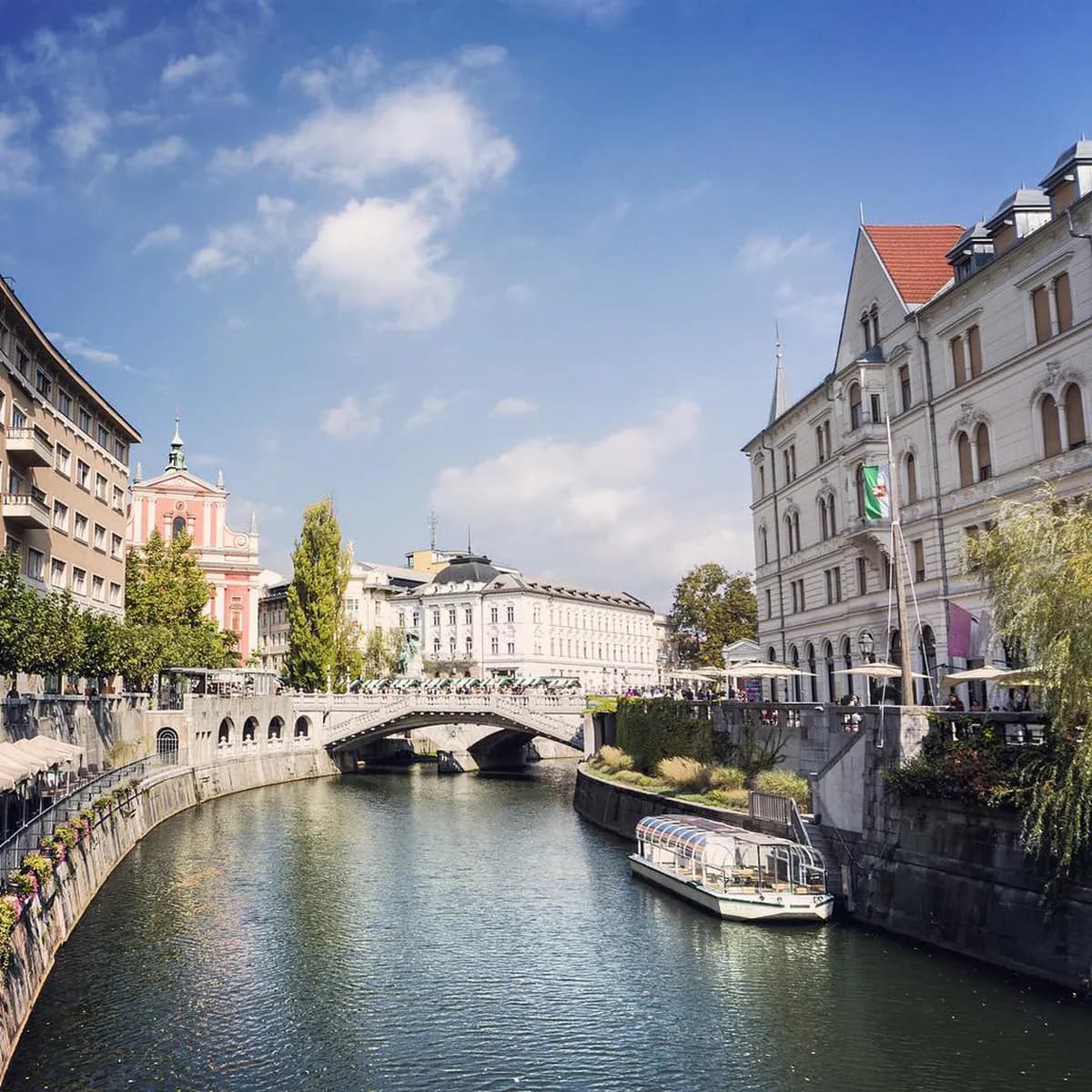
Ižanska cesta 15 marks the garden's entrance, a 15-minute walk from the Triple Bridge in the historic center. Follow the Gruberjevo embankment along the Ljubljanica River to Špica, where the river forks. Cross the footbridge there, then cross a small road, and the garden entrance is directly ahead. The grounds cover about two hectares (4.9 acres), which keeps the layout compact enough to see in a single visit. Entry to the outdoor garden is free or low-cost, while the tropical glasshouse requires a separate ticket. Check the current price list via the Ljubljana Botanical Garden listing, or at the ticket window on-site, since figures can shift by season. As of 2026, the garden's English-language listing shows the tropical glasshouse on a provisional schedule of 10:00 to 19:00 every day. Hours can run longer in summer and shorter in winter, so confirm the current season's schedule before you go.
The glasshouse and tea house both operate on matching schedules of 10:00 to 19:00 daily, including weekends and holidays, making it practical to visit both attractions within a single afternoon without scheduling conflicts.
| What to know | Details |
|---|---|
| Time needed | 1 to 1.5 hours outdoors; 2+ hours with the glasshouse and tea house |
| Cost | Outdoor garden free or low-cost; glasshouse ticket sold separately |
| Best for snowdrops | Early March, timed to the Snowdrop Festival |
| Best for shade | Summer, under the arboretum canopy |
| Best for warmth | Winter, inside the roughly 26°C (79°F) glasshouse |
| Accessibility | Designated parking, path, entrance, and sanitary facilities |
The Must-See Sections: Glasshouse, Arboretum, and Marmont's Linden
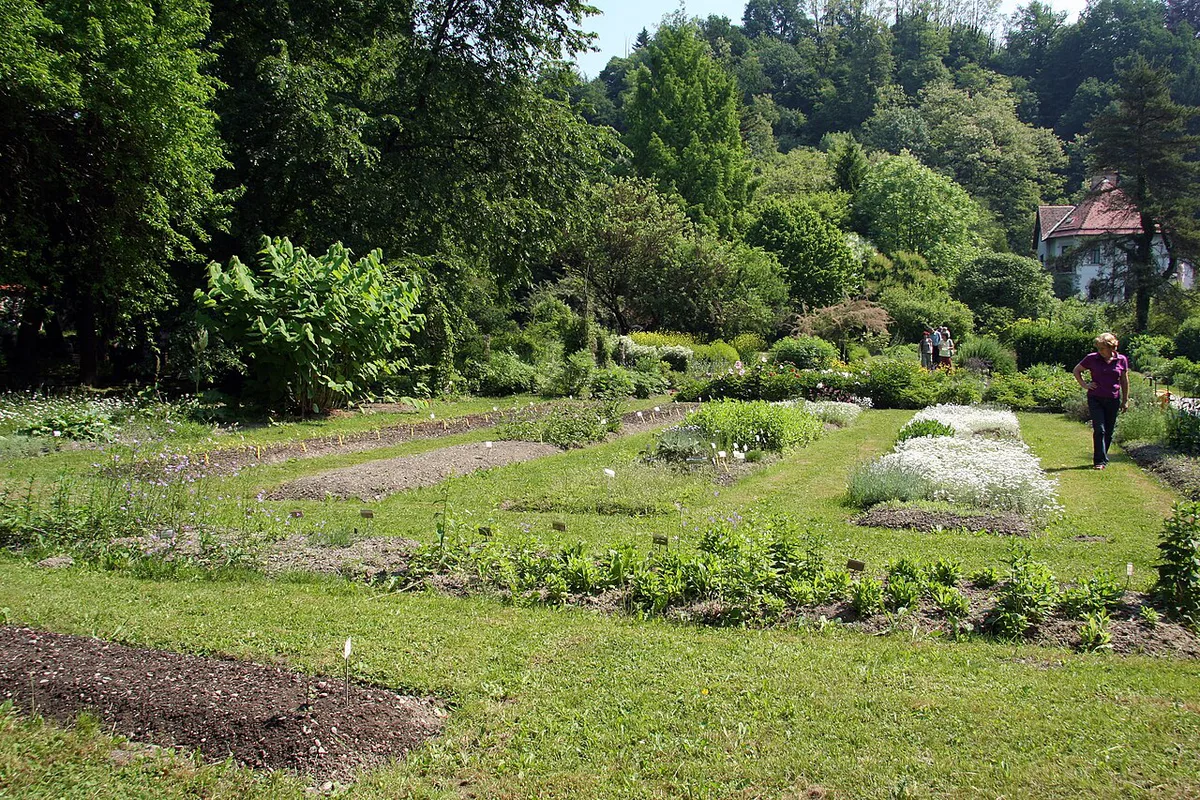
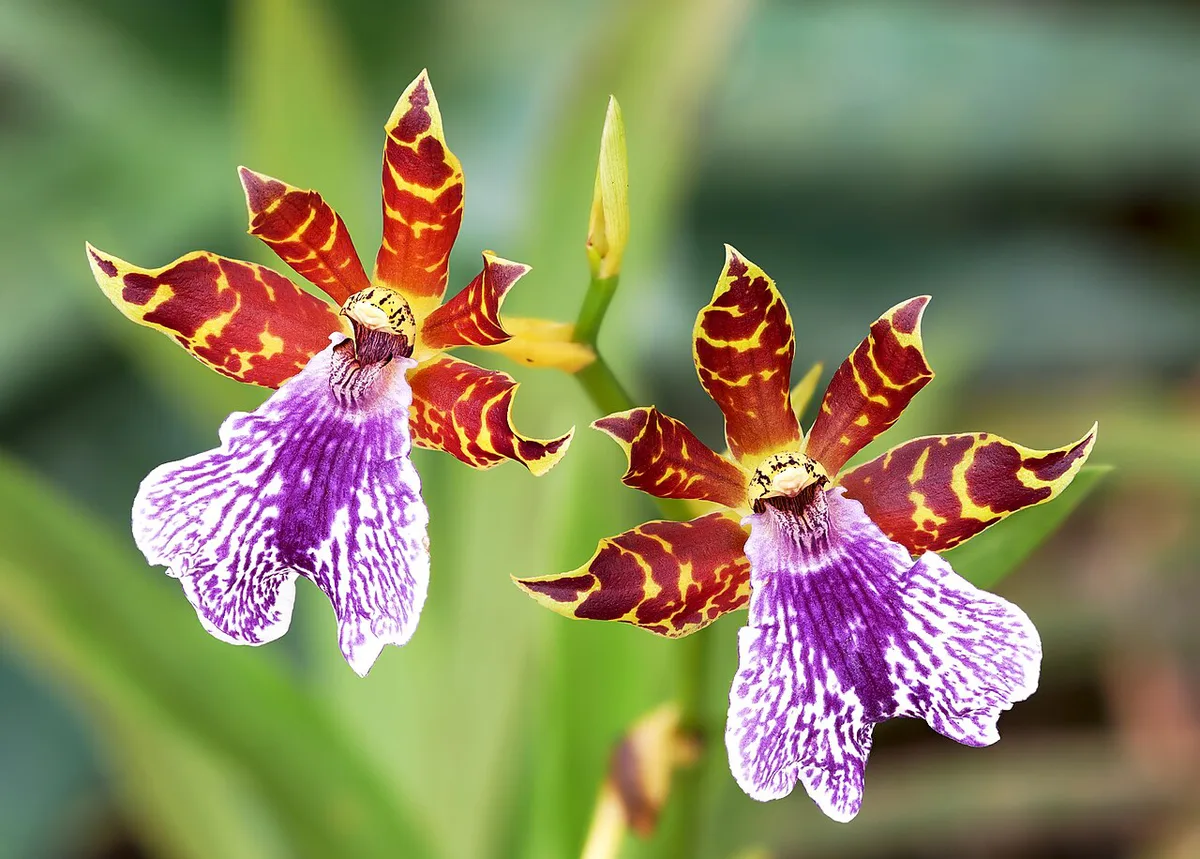
Most garden photos online come from the tropical glasshouse. Built for the garden's 200th anniversary in 2010, it now holds more than 380 tropical plant species and stays near 26°C (about 79°F) year-round, according to Visit Ljubljana. That makes it a solid rainy-day plan, since the warmth and humidity hold steady regardless of the weather outside. Trees dominate the Arboretum, the historical core of the grounds. Marmont's Linden anchors it, planted in 1810 for the garden's opening and still standing today. Covering all six sections in one visit suits travelers chasing 12 Unique Things to Do in Ljubljana: A Guide Beyond the Old Town. Few other city stops mix research beds with public garden paths. The Plant System section groups species by evolutionary relationship rather than by garden aesthetics. Ecological and Geographical Groups mirrors Slovenia's own terrain, with plantings organized by mountain and karst origin. Six sections divide the property in total:
- Arboretum: tree-dominated grounds anchored by Marmont's Linden
- Plant System: species arranged like a tree of life by evolutionary relationship
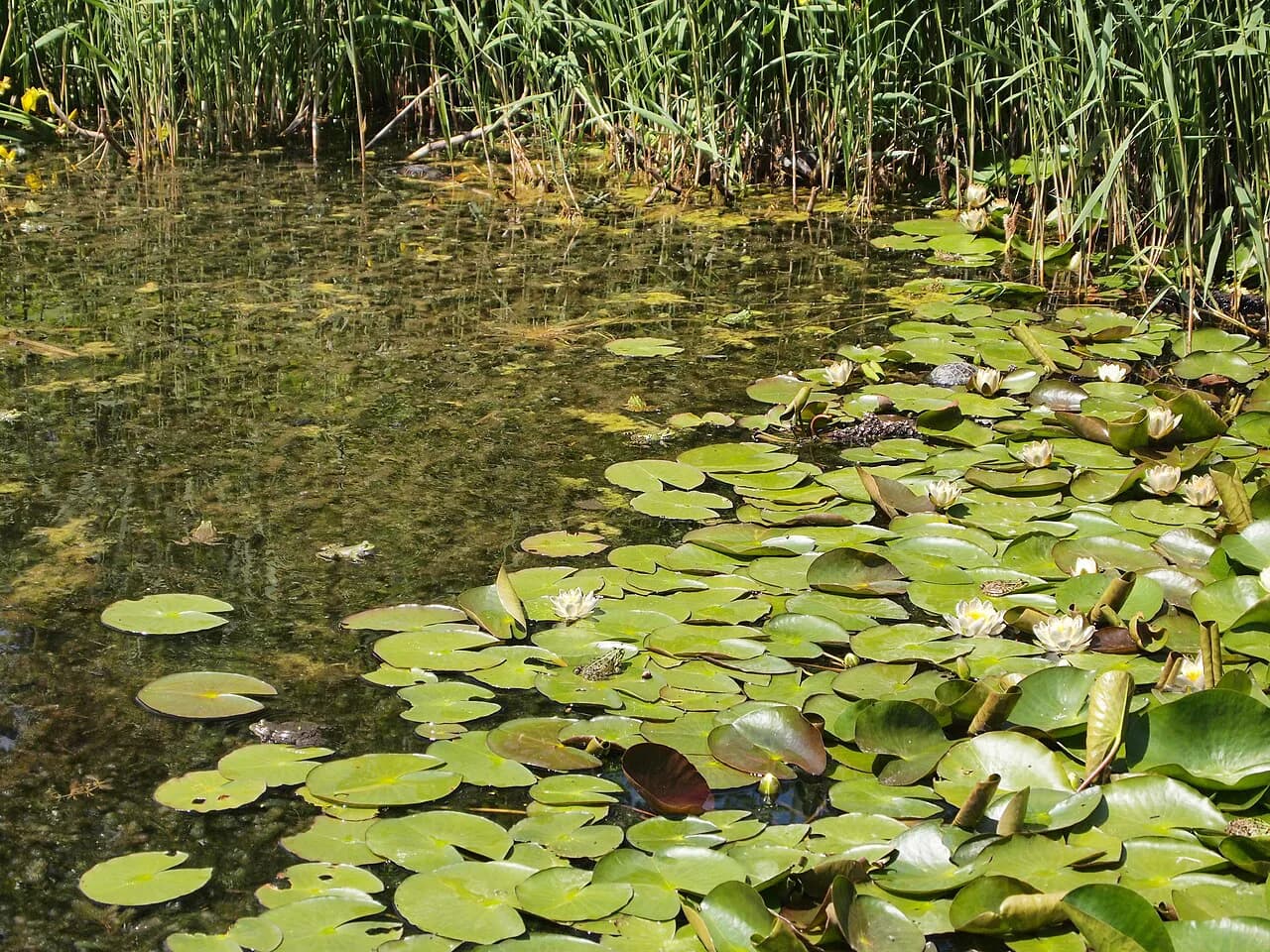
- Ecological Groups: marsh and water species grown outside their natural habitat
- Ecological and Geographical Groups: mountain and karst species sorted by origin, echoing Slovenia's own terrain
- Glasshouse: tropical species that need constant humidity and warmth
- Cultivation Section: working beds used to propagate plants for the rest of the garden
Seasonal Highlights: From the Snowdrop Festival to Summer Shade
Early March is the garden's signature season. A three-day Snowdrop Festival marks the bloom of Galanthus nivalis, with public lectures, snowdrop exhibitions, and field excursions. A seasonal sale of snowdrop cultivars runs alongside the festival, aimed at hobbyist gardeners as much as casual visitors. Its own site noted the 2026 sale had already closed by late April. Check the garden's site for exact spring 2027 dates as the season approaches. Summer works differently. Tree cover in the arboretum keeps the ground and air noticeably cooler than downtown streets. That makes it a fit stop for travelers planning around the visit Ljubljana without crowds guide. Autumn turns the arboretum into a mix of color as leaves change, using the same canopy that shades visitors in July. Winter shifts the appeal indoors, where the glasshouse holds steady near 26°C while the city outside cools down.
Refreshments at Čajnica Primula, the Student-Run Tea House
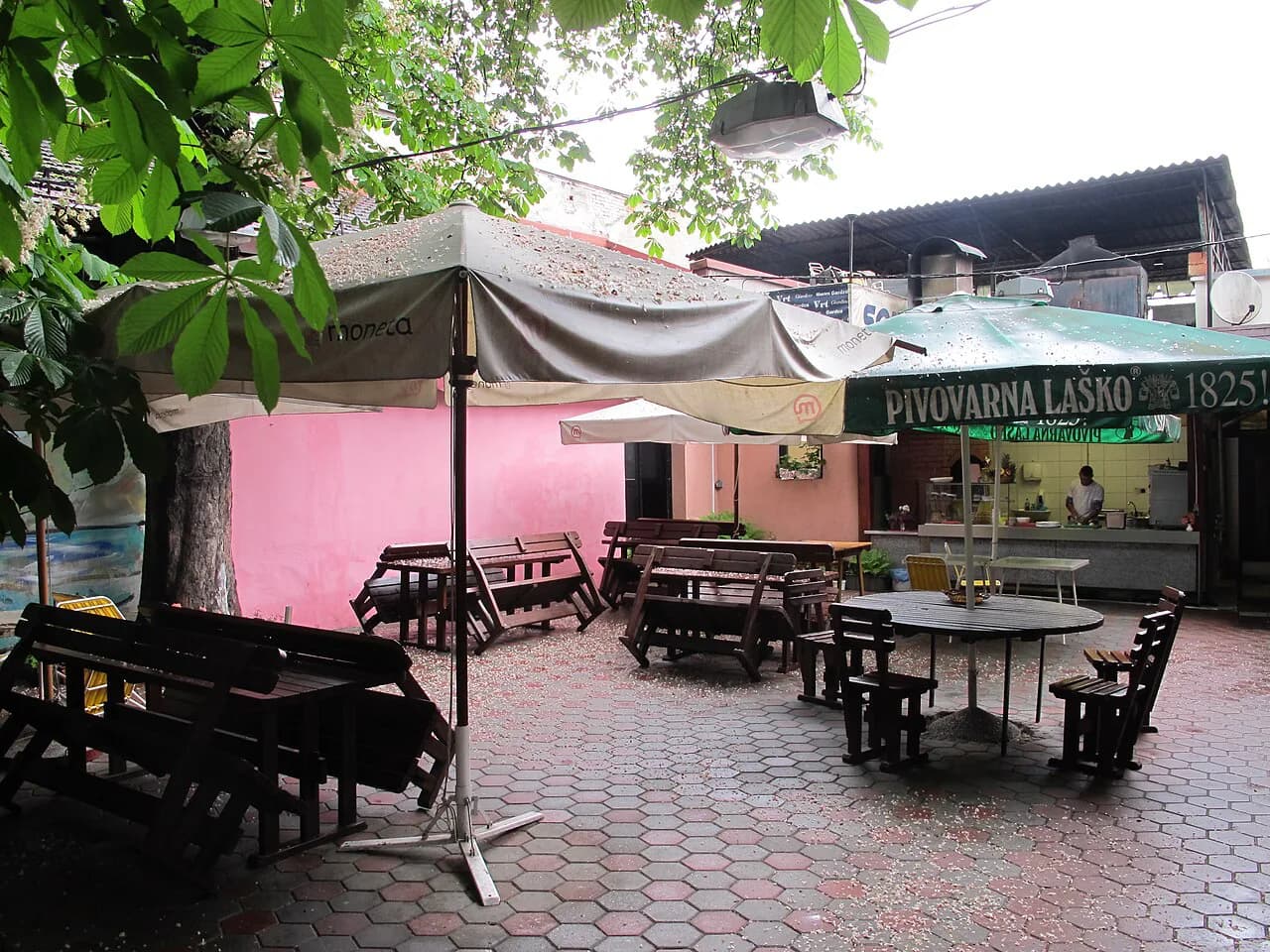
Čajnica Primula, the garden's tea house, sits in the shade of the arboretum. Students from the Biotechnical Educational Centre Ljubljana run it under staff supervision, with a mission that leans local, seasonal, and sustainable. Coffee, tea, cakes, ice cream, and crepes fill the menu, alongside fruit and vegetable smoothies and a house-brewed beer. As of mid-2026, the garden's site lists the tea house open daily, including weekends and holidays, from 10:00 to 19:00. Staffing runs on a teaching schedule rather than a standard commercial rota, so exact hours and menu items can shift slightly by term. It pairs naturally with the broader Ljubljana Local Food Guide: Traditional Dishes & Best Places to Eat for travelers building out a full day of eating around the city.
Practical Tips and Mistakes to Avoid
One common mistake is assuming this garden sits inside Tivoli Park. It does not. Instead, the garden sits on the opposite side of the city center, near the Ljubljana Marshes. Tivoli Park and Rožnik Hill is a separate green space entirely. Pair the visit with a walk to Špica, where the river forks, or continue toward the Ljubljana Marshes Pile Dwellings: A Visitor's Guide to Morostig and Ig for a longer outing. Travelers covering more of the city on foot can extend the day with the Trnovo neighborhood guide. A small plant sale runs on-site too, aimed mostly at hobbyist gardeners. Its published list centers on Galanthus nivalis, or snowdrop, cultivars sold in season around the festival. Treat it as a bonus rather than a guaranteed stop, since availability depends on the year's propagation and the sale window is short. The compact, two-hectare layout means most visitors can cover all six sections plus the glasshouse without backtracking. Visit Ljubljana lists specific accessibility features for visitors with movement disabilities:
- A designated parking space
- A marked path from the car park and public transport stop to the building
- A designated entrance
- Sanitary facilities accessible to visitors with movement disabilities
- Step-free or assisted access to hallways, staircases, and lifts
- An accessible event space
The Garden's Future: The Railway Expansion Concern
A second issue shapes any long-term plan to visit. A proposed second railway track to Ivančna Gorica would cut through garden land for the second time since 1974. An earlier rail project already took roughly 0.3 hectares (about 0.75 acres) from the garden that year. Funding is already tight. The garden's own materials note that as much as two-thirds of its budget must come from market activity. That includes revenue from the plant sale and the tea house, not public funding. Its own site still listed the rail petition as active in the most recent 2026 update, so treat the situation as unresolved rather than settled. Check the garden's official updates for the latest status before building a trip around it. The petition materials point to several specific assets at risk:
The garden lost 0.3 hectares during a 1974 railway project; now a second proposed track threatens additional land from what remains of the two-hectare property.
- The 1897 administrative building, which houses the garden library and the Primula tea house
- A Metasequoia glyptostroboides tree, among the first of its kind brought to Europe
- The oldest Ginkgo biloba tree in Slovenia
- Mature Abies (fir) trees planted early in the garden's history
- Japanese cherry trees gifted by the State of Japan in 1999
Is the Ljubljana Botanical Garden Worth Your Time?
For families, the garden works as a low-key break between busier sights, with open paths and no ticket required for the outdoor sections. For botanists and plant enthusiasts, the Plant System and Ecological Groups sections offer more depth than a typical city park, plus direct access to a working research collection. Budget travelers will find the outdoor garden ranks among the better entries on any list of Free Things to Do in Ljubljana: A Complete Budget Guide (2026). Only the glasshouse ticket adds real cost. Plan on 1 to 1.5 hours for a walk through the grounds, or 2 or more hours if the glasshouse and tea house are both on the list. For travelers building a single-park itinerary, treat the roughly two-hectare garden as a strong half-day add-on rather than a full standalone destination.
Check before you go: Confirm current opening hours, event dates, and visitor notices with Visit Ljubljana, and verify local bus or access changes on the City of Ljubljana public transport page.
Other Botanical Gardens Worth the Detour
Founded in 1810 and still run by the university, which is why it feels like a working collection rather than a display. Rome's botanical gardens climb the Janiculum behind Trastevere with the same academic origins. Copenhagen's Frederiksberg pairs its gardens with a park locals treat as a back garden.
Frequently Asked Questions
Is the Ljubljana Botanical Garden free to visit?
The outdoor garden is free or low-cost to enter, while the tropical glasshouse requires a separate paid ticket. Check the current price list via the Ljubljana Botanical Garden listing before you go.
How do you get to the Ljubljana Botanical Garden from the city center?
From the Triple Bridge, follow the Gruberjevo embankment along the Ljubljanica River to Špica, then cross the footbridge there. The garden entrance sits just across a small road, at Ižanska cesta 15.
How much time should you plan for a visit?
Plan on 1 to 1.5 hours for a walk through the outdoor sections. Add another hour or more if you visit the glasshouse and stop at the tea house.
When is the best time to see the snowdrops?
Early March is peak snowdrop season, timed to the garden's three-day Snowdrop Festival. The festival includes public lectures, snowdrop exhibitions, and field excursions.
Is the garden accessible for visitors with movement disabilities?
Yes. Visit Ljubljana lists designated parking, a marked path from the car park, a designated entrance, and accessible sanitary facilities.
Continue exploring
More guides you'll find useful