Krakovo, Ljubljana: A Guide to the City's Garden Village
Krakovo, Ljubljana's oldest garden suburb: history, top sights, garden etiquette, and how it connects to Trnovo and Eipprova ulica. Updated July 2026.
On this page
Krakovo, Ljubljana: Inside the City's Oldest Garden Suburb
Last updated July 2026. Krakovo, Ljubljana's oldest suburb, sits five minutes on foot from Prešeren Square and still looks like a 19th-century Slovenian village. Narrow garden plots run down to the Gradaščica stream, worked by families whose ancestors were market gardeners and fishermen. This guide covers Krakovo's landmarks along Krakovska ulica and how to pair a garden walk with an evening on nearby Eipprova ulica.
What Is Krakovo, Ljubljana? A Village Inside the Capital
Krakovo sits south of central Ljubljana, administratively part of the Trnovo district community. Its boundaries run between Zoisova cesta and the Gradaščica stream, the creek that separates it from neighboring Trnovo. Cross Zoisova cesta heading south and you leave behind traces of Roman Emona's city wall. Step into Krakovo and the street grid gives way to a medieval layout of narrow lanes and garden plots. Visitors and locals both list the district among Ljubljana's lesser-known corners, mostly because it looks nothing like the rest of a capital city. Guidebooks often compare Krakovo's mood to a small rural village, though the comparison undersells how close it actually sits to the center.
The History of the Krakovčani: Gardeners, Fishermen, and Fire
Krakovo's written record starts later than its actual age. Historians trace the planned settlement to the Teutonic Knights, the German religious order that administered the area from a commandery at Novi trg. Early residents worked the marshy, flood-prone ground along the river as gardeners and fishermen, which also left the district exposed to recurring outbreaks of plague. Fire reshaped Krakovo again in the late 18th century, and many of the stone portals still visible on Krakovska ulica date from the rebuilding that followed. Fishing declined once engineers drained sections of the Ljubljana Marshes and regulated the river channel nearby. Market gardening endured longer: Krakovčani kept supplying Ljubljana with fresh vegetables into the mid-20th century.
- 1450: first written mention of Krakovo, though the site was settled centuries earlier.
- 1490: a Teutonic Order land register lists 38 tenant households in Krakovo, working as gardeners and fishermen.
- 1599: a severe plague outbreak drives Carniola's provincial assembly to relocate to Kamnik, and infected houses in Krakovo are burned by agreement with the Teutonic Order.
- 1770-1798: three fires reshape the suburb, and many surviving stone portals date from the rebuilding that followed.
- 1820s: draining of the Ljubljana Marshes and river regulation curtail local fishing.
- 1986: Krakovo and Eipprova ulica are declared a cultural and historical monument.
Top Things to See and Do in Krakovo
Start on Krakovska ulica, the district's main street and home to its oldest stone houses. Several facades carry carved portals shaped by the fires that swept Krakovo in the 1770s and 1790s. The unique things to do guide covers more of these overlooked architectural details across the city. Rihard Jakopič, Slovenia's best-known Impressionist painter, was born at Krakovska ulica 11, and the address still marks the spot. Ana Roner Lavrič, a Slovenian organist, was born nearby at Krakovo 3 in 1869, a reminder that the district's history runs deeper than its garden reputation. The Krakovski nasip embankment gives a river-level view back toward the garden plots. Cross Petelinji most, the Rooster Bridge, and you land directly in Trnovo. The Trnovo district guide covers that side of the Gradaščica in full.
- Krakovska ulica: the district's main street, lined with 18th- and 19th-century stone houses and carved portals.
- Krakovska kapelica: Krakovo's small historic chapel.
- Two plague pillars (kužni znamenji): monuments raised after the outbreaks that once struck the marshy suburb.
- Krakovski nasip: the riverside embankment path along the water.
- Rihard Jakopič's birthplace: Krakovska ulica 11.
- Petelinji most (Rooster Bridge): the footbridge linking Krakovo to Trnovo.
Krakovo's Community Gardens: Etiquette and Seasons
The gardens behind Krakovska ulica are not showpieces; they are working plots that have fed Ljubljana's Central Market for generations. Some households still sell produce at market stalls, though the scale of that trade today is worth confirming locally. Krakovo is a residential district, not an open-air museum, so treat the gardens accordingly. Stay on the public paths between plots. Skip picking any produce, even if a gate looks open. Keep noise down in early morning and evening, when residents are working the beds or relaxing at home. Summer brings the fullest look, with tall vegetable rows, cane supports, and fruit trees in leaf. Winter strips the plots back to bare soil and wooden frames, which shows the underlying structure more clearly than any other season. Weekday mornings tend to be quieter than weekend afternoons, when more residents are out tending their plots. Walking Krakovo's lanes costs nothing, which places it among the city's free things to do. Its garden paths also turn up on lists of secret spots in Ljubljana for exactly this reason. Travelers timing a visit around citywide crowd levels can also check the best time to visit guide for broader seasonal patterns beyond Krakovo alone.
From its founding with 38 tenant households in 1490 through today, Krakovo's gardens remain working plots rather than showpieces—providing produce to Ljubljana's Central Market across centuries of fires, river regulation, and urban growth.

Walking Krakovo: Logistics, Time, and the Kavalir Shuttle
Ljubljana as a whole rates 9.3/10 for walkability, according to SafeStreets' pedestrian data. Krakovo shares that citywide score as part of the flat, car-light core. Krakovska ulica and the garden lanes are entirely pedestrian-friendly, with no hills to slow a visit down. Drivers and less mobile visitors can also use the free Kavalir electric shuttle that circulates through central Ljubljana. Walking remains the more direct way to see the gardens up close. Morning light suits the garden rows best for photography. Late afternoon or early evening works better if the plan includes a move on to Eipprova ulica, where the mood shifts toward bars and a livelier scene.
- 1 hour: walk down Krakovska ulica, past the chapel and plague pillars, over Petelinji most.
- Half a day: add a coffee stop in Trnovo, then loop back along the Krakovski nasip embankment.
From Garden to Table: Food and Drink Near Krakovo
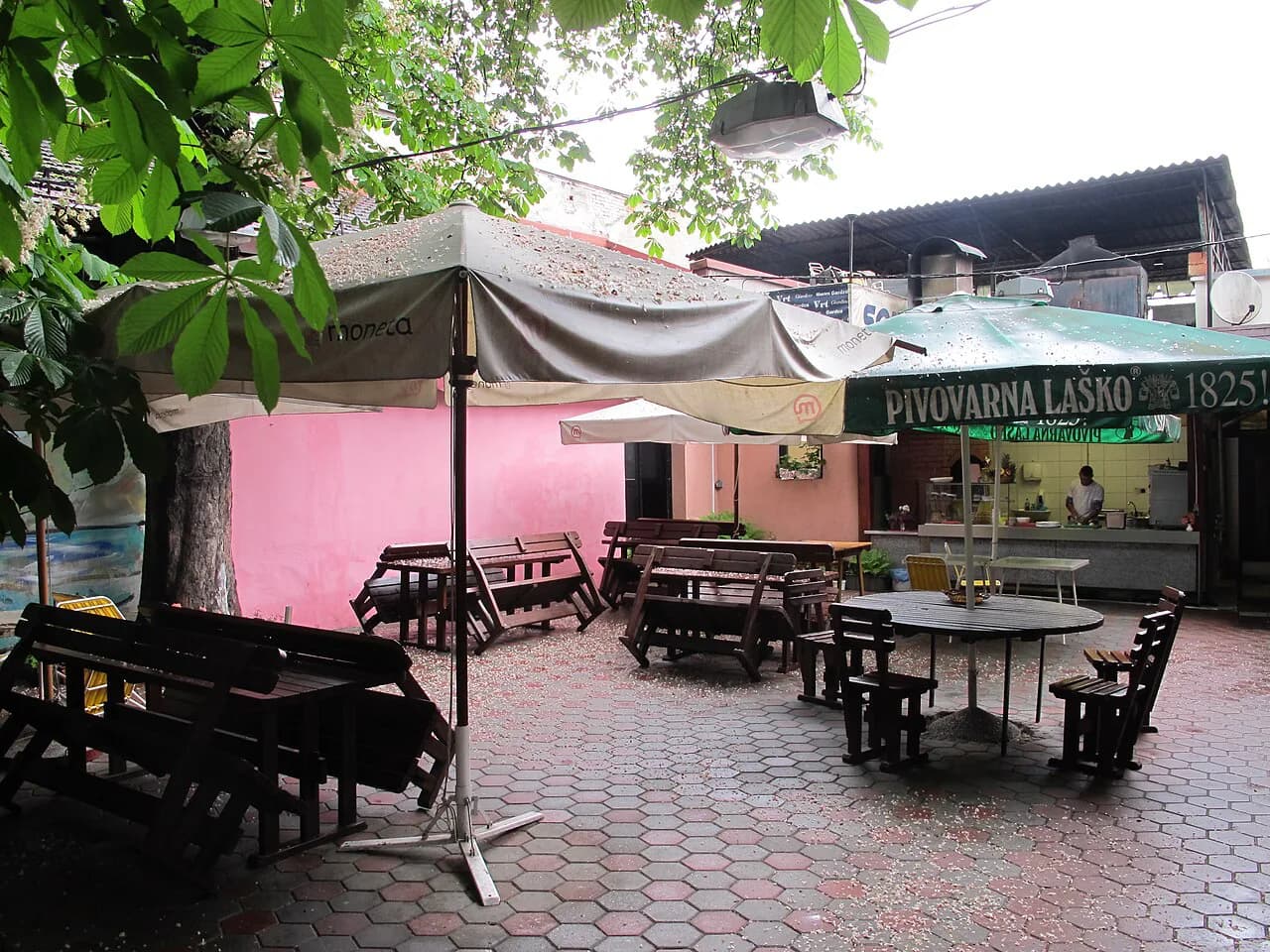
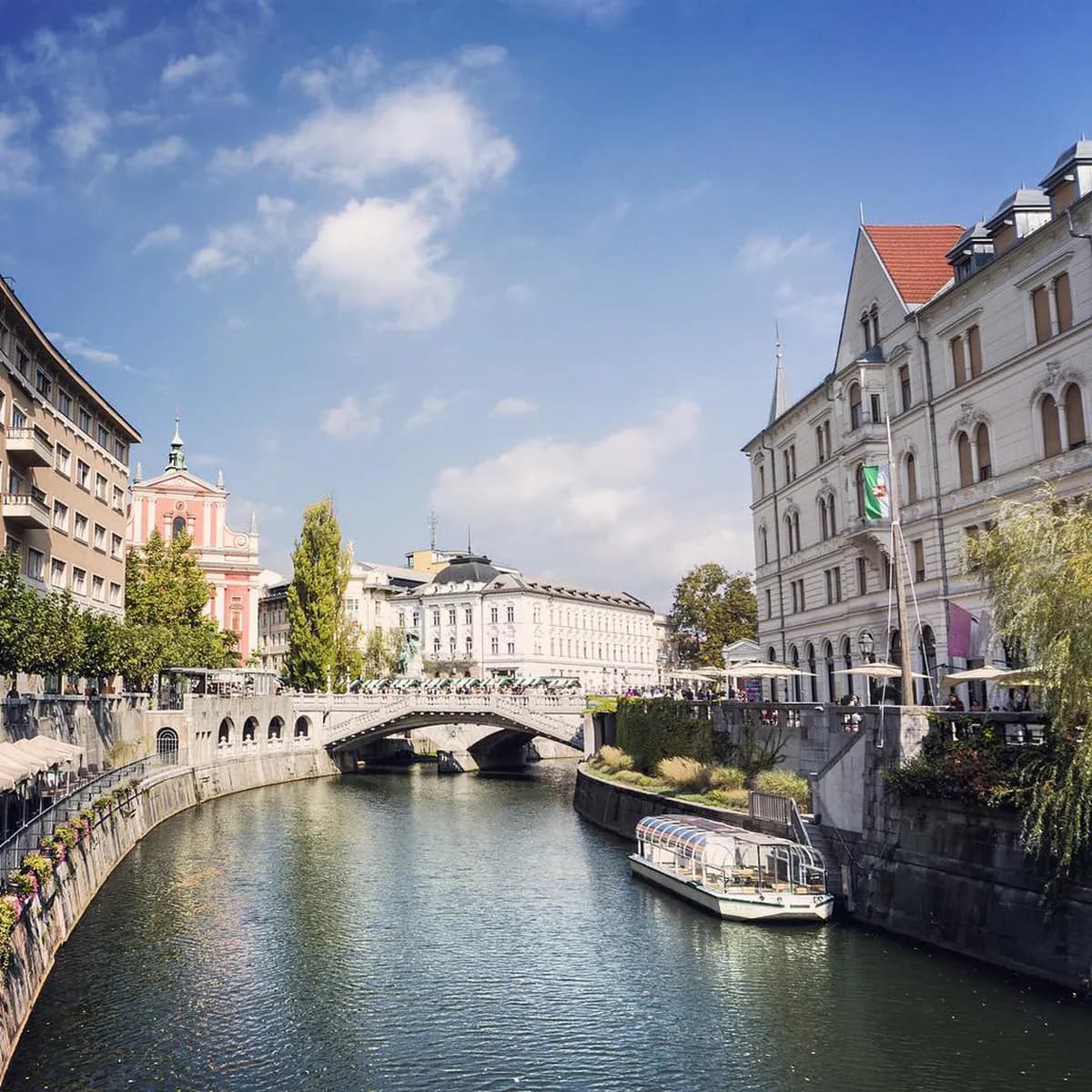
Krakovo's produce historically reached shoppers at Ljubljana's Central Market, and stalls selling local greens there connect directly back to these garden plots. Odprta Kuhna, the city's open-air food market, sets up a short walk north of Krakovo on market days through the warmer months. The Odprta Kuhna guide has current details on schedule and vendors. A coffee stop in Trnovo pairs naturally with a Central Market visit, extending the walk from garden lanes to café tables on the other side of Petelinji most. Eipprova ulica sits right at Krakovo's edge and is where the neighborhood's quiet mood ends. The street carries a run of small bars and pizza spots, several pouring Slovenian craft beer. It stays busy into the evening even when the garden lanes behind it are empty. Prices along Eipprova tend to run lower than the tourist-heavy streets around the Triple Bridge, since the crowd here is mostly local rather than visitors passing through the Old Town. For a fuller picture of dining nearby, the local restaurants guide and the local food guide both cover the wider scene beyond Eipprova.
Krakovo vs. Old Town vs. Metelkova: Choosing Your Ljubljana Neighborhood
Krakovo, the Old Town around Mestni trg, and Metelkova Mesto sit within easy walking distance of each other but offer different experiences. The citywide neighborhood breakdown covers every district side by side. This section focuses on how these three compare for a short visit. Old Town streets around Mestni trg stay busy with visitors year-round and cluster the city's best-known sights within a few blocks. Metelkova Mesto, the alternative art squat north of the center, trades garden quiet for murals, bars, and a nightlife scene. The Metelkova Mesto guide has the full detail on visiting that district. Krakovo sits apart from both: residential, green, and largely free of tour groups.
| Neighborhood | Vibe | Best For |
|---|---|---|
| Krakovo | Quiet, residential, garden-lined lanes | Slow travelers and photographers |
| Old Town (Mestni trg) | Dense, tourist-oriented, riverside cafes and shops | First-time visitors wanting central sights |
| Metelkova Mesto | Alternative art squat with murals and nightlife | Nightlife seekers and street-art fans |
- Gardens: best for photographers and slow travelers seeking a quiet, rural aesthetic inside the city.
- Eipprova ulica: best for craft beer fans and anyone wanting a local nightlife scene away from the main river bend.
- Jakopič's birthplace: best for art and history readers interested in Slovenian Impressionism.
- Flat, pedestrian lanes: workable for nearly any visitor, including families and travelers with mobility needs.
Mistakes to Avoid in Krakovo
Krakovo is a living residential neighborhood, not a heritage park, and the most common mistake is forgetting that. Respect closed gates, keep to public lanes, and keep camera use discreet around house entrances. Skipping the short walk across Zoisova cesta also means missing the Roman-era Emona wall traces just on the other side. That short detour ties Krakovo's medieval origins to the older Roman city beneath modern Ljubljana. Timing matters too: a midday visit shows flat light on the gardens and a half-empty Eipprova ulica. Morning and early evening each show a different side of the district.
Krakovo's 1986 designation as a cultural and historical monument might suggest museum-like access, but it remains a working residential neighborhood where respecting garden privacy and residents' schedules supersedes photography opportunities.
- Treating the gardens as a photo backdrop without regard for residents' privacy.
- Picking produce or stepping into a fenced plot.
- Skipping the short detour across Zoisova cesta to the Roman-era Emona wall traces.
- Visiting only at midday, when garden light is flattest and Eipprova ulica has not started its evening turnover.
- Assuming every lane connects to a sight; several simply dead-end at residential garden fences.
Check before you go: Confirm current opening hours, event dates, and visitor notices with Visit Ljubljana, and verify local bus or access changes on the City of Ljubljana public transport page.
Frequently Asked Questions
What is Krakovo in Ljubljana?
Krakovo is Ljubljana's oldest suburb, a protected garden district south of the center between Zoisova cesta and the Gradaščica stream. It has been a settlement of gardeners and fishermen for centuries, first mentioned in writing in 1450.
Is Krakovo worth visiting?
Yes, if a visit includes seeing how Ljubljana looked before the capital grew around it. The district pairs a short, free walk through working garden plots with landmarks like Krakovska kapelica, two plague pillars, and Petelinji most.
How much time do you need in Krakovo?
Plan on about an hour for a direct walk down Krakovska ulica and across Petelinji most into Trnovo. Set aside half a day to add a Trnovo coffee stop and a loop along the Krakovski nasip embankment.
Can you walk through the Krakovo gardens?
Yes, the lanes between garden plots are public and free to walk. Stay on the paths, skip picking any produce, and remember these are private, working gardens rather than a public park.
What is the best time of day to visit Krakovo?
Morning gives the clearest light for photographing the garden rows. Late afternoon works better for continuing on to Eipprova ulica, where the mood shifts toward bars and a livelier evening scene.
How does Krakovo compare to Ljubljana's Old Town?
Krakovo is quiet and residential, while the Old Town around Mestni trg stays dense with visitors, cafes, and central sights. Visit Krakovo for a slower, local pace and the Old Town for the city's best-known landmarks.
Where does Krakovo's produce go today?
Some garden plots still supply nearby stalls and the Central Market, though the scale of that trade has changed since Krakovčani were the city's main vegetable suppliers. Confirm current vendors on-site rather than assuming historical patterns still hold exactly.
How do you get to Krakovo from central Ljubljana?
Krakovo is about a five-minute walk south from Prešeren Square, across Zoisova cesta near the Roman Emona wall traces. No bus is necessary for such a short distance, though the free Kavalir shuttle also serves the central core.
Continue exploring
More guides you'll find useful