Ljubljana Local Food Guide: Traditional Dishes & Best Places to Eat
A Ljubljana local food guide to the Central Market, Odprta Kuhna's Friday stalls, and neighborhood gostilnas serving štruklji, klobasa, and potica.
On this page
Ljubljana Local Food Guide: Traditional Dishes, Markets, and Where to Eat
Last updated July 2026. This Ljubljana local food guide walks through the dishes, markets, and neighborhoods that define eating in Slovenia's capital. Three stops anchor a first visit: the Central Market, a neighborhood gostilna, and Odprta Kuhna's Friday food stalls.
A Local Food Guide to Ljubljana's Culinary Crossroads
Slovenia sits where Alpine, Mediterranean, Pannonian, and Balkan food traditions meet, and Ljubljana's kitchens draw on all four. Centuries under Austrian rule left the city with strudel, dumplings, and an afternoon cake-and-coffee habit. Trade routes toward the Adriatic brought olive oil and seafood into the mix, while Hungarian-influenced Prekmurje contributed paprika-forward stews and layered pastries. Balkan grilling traditions add smoked sausage and open-fire meat to the menu, especially outside the Old Town. Local cooking classes count roughly 24 culinary regions and around 250 traditional dishes nationwide, which explains why a menu here can look different from one in Prekmurje, two hours away. Most locals eat this food at a gostilna, a family-run inn serving fixed-price, home-style meals rather than a plated tasting menu. Modern bistros sit alongside gostilnas without replacing them. EK Bistro, for instance, plates updated versions of the same dishes in a more contemporary room. For a curated list of where those inns rank against modern bistros, see the best local restaurants in Ljubljana.
The Big Five Traditional Dishes to Order in Ljubljana
Five dishes show up on nearly every traditional menu in the city. Order them based on the season and how hungry the day has left you. Štruklji and potica work any time of year, since bakeries and gostilnas keep them on the menu year-round. Jota and ričet suit a cold-weather visit more than a summer afternoon, and both are filling enough to replace a full meal. Unlike potica, gibanica is assembled in layers rather than rolled, and it often appears at celebrations rather than as an everyday bakery item. Vegetarian travelers have solid options too: ajdovi žganci, a buckwheat porridge usually served with pork cracklings, works well meat-free with a mushroom sauce instead. Hands-on cooking classes around the city teach the same rolling technique. Štruklji dough needs about 30 minutes of rest before it becomes workable, a detail most home cooks skip.
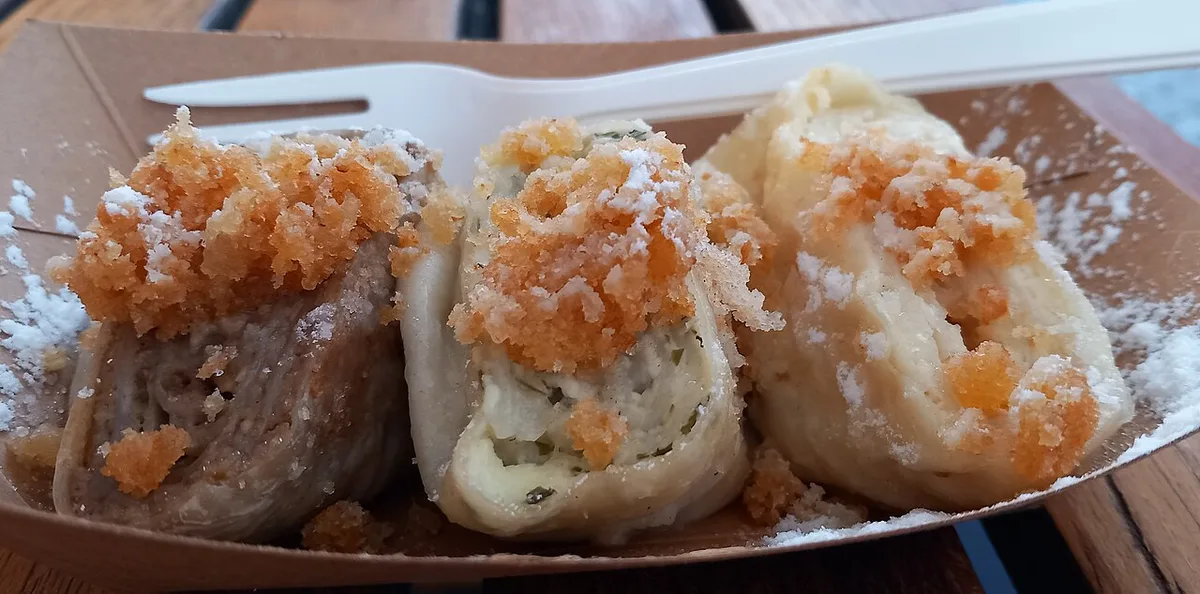
- Štruklji: rolled dumplings filled sweet or savory, then boiled or baked; try the range of fillings at Moji štruklji Slovenije.
- Kranjska klobasa: the Carniolan pork sausage, a protected product since 2015 made to a recipe dating to 1896; Klobasarna on Ciril-Metodov trg serves it counter-style.
- Jota and ričet: hearty winter stews. Jota is built on sour turnip or sauerkraut and beans; ričet is thickened with barley and smoked ham.
- Prekmurska gibanica: a layered pastry cake from the Hungarian-bordering Prekmurje region, mixing poppy seed, walnut, apple, and cottage cheese fillings.
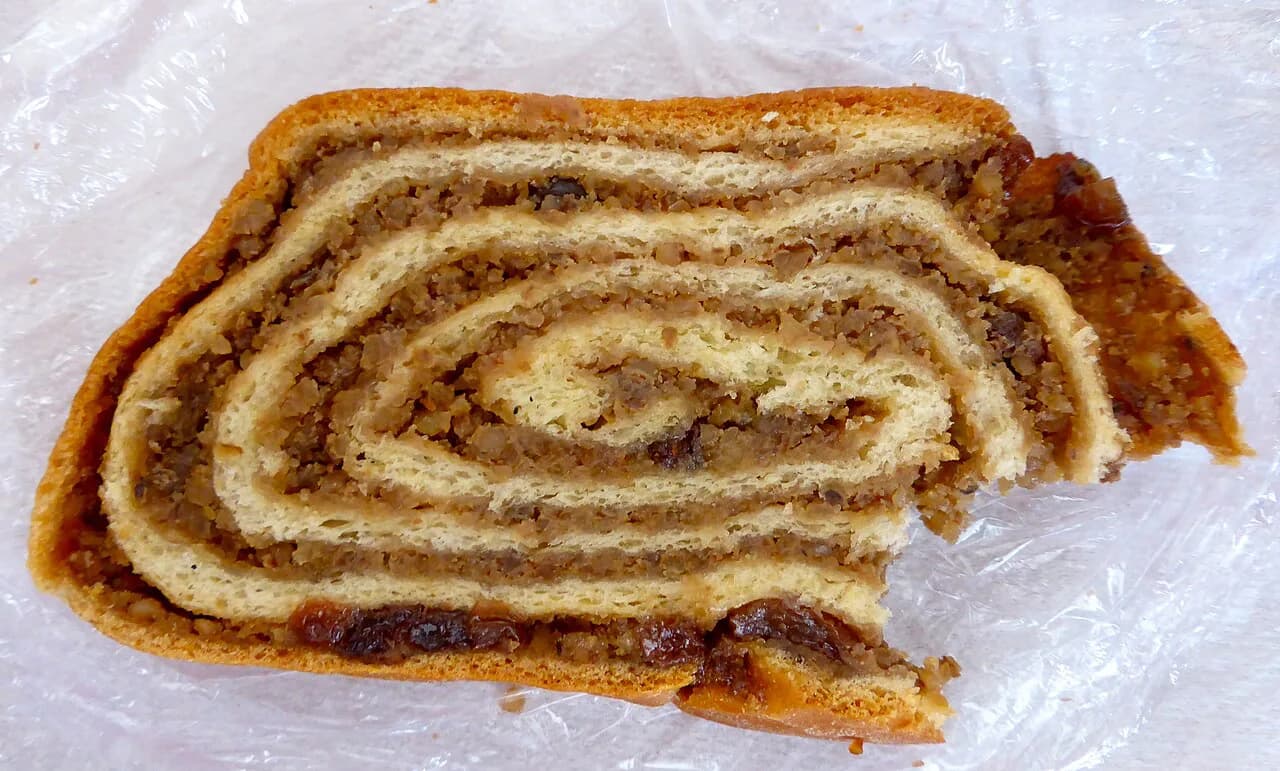
- Potica: a rolled walnut or poppy-seed cake that comes in roughly 60 regional variations across Slovenia.
How to Navigate Ljubljana's Central Market
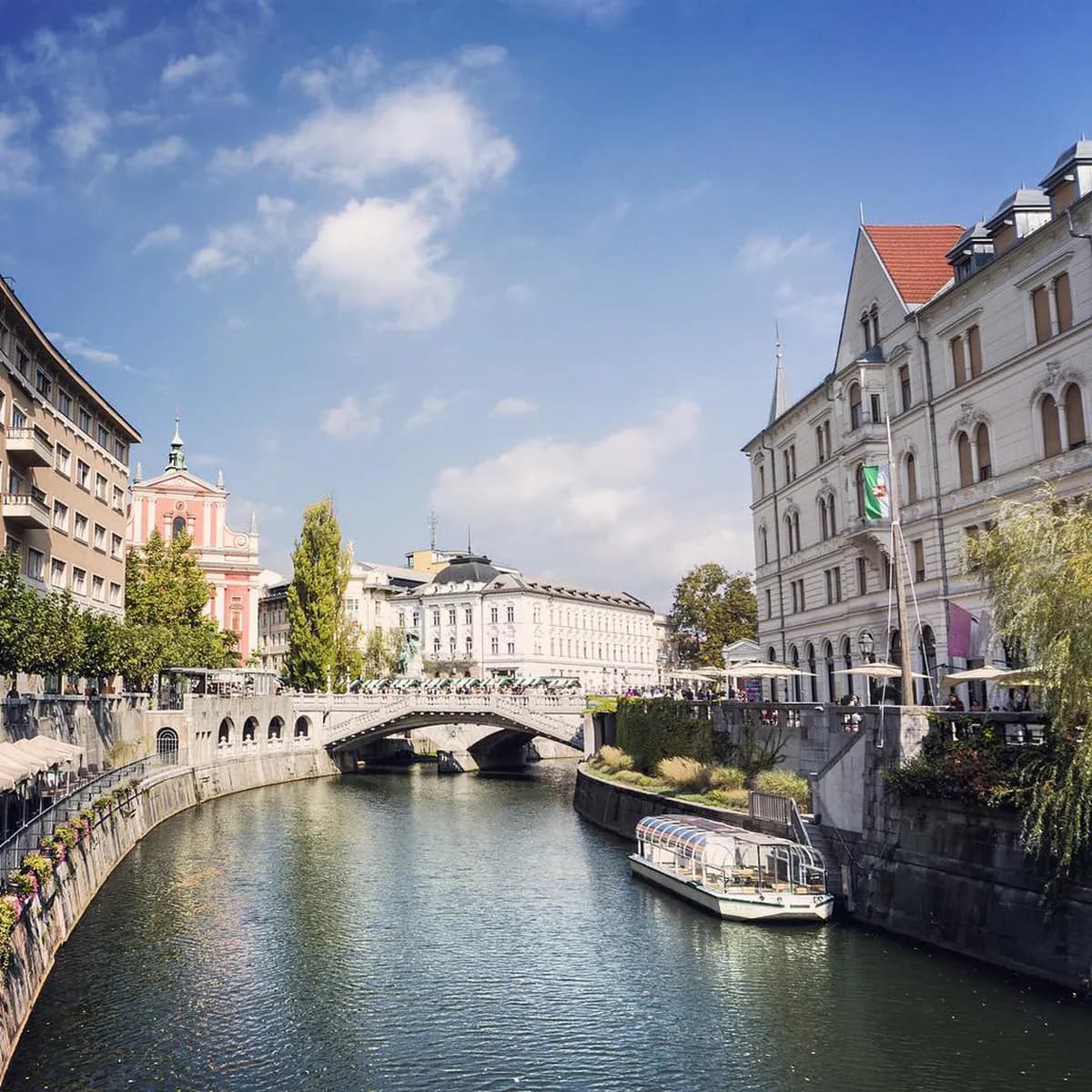
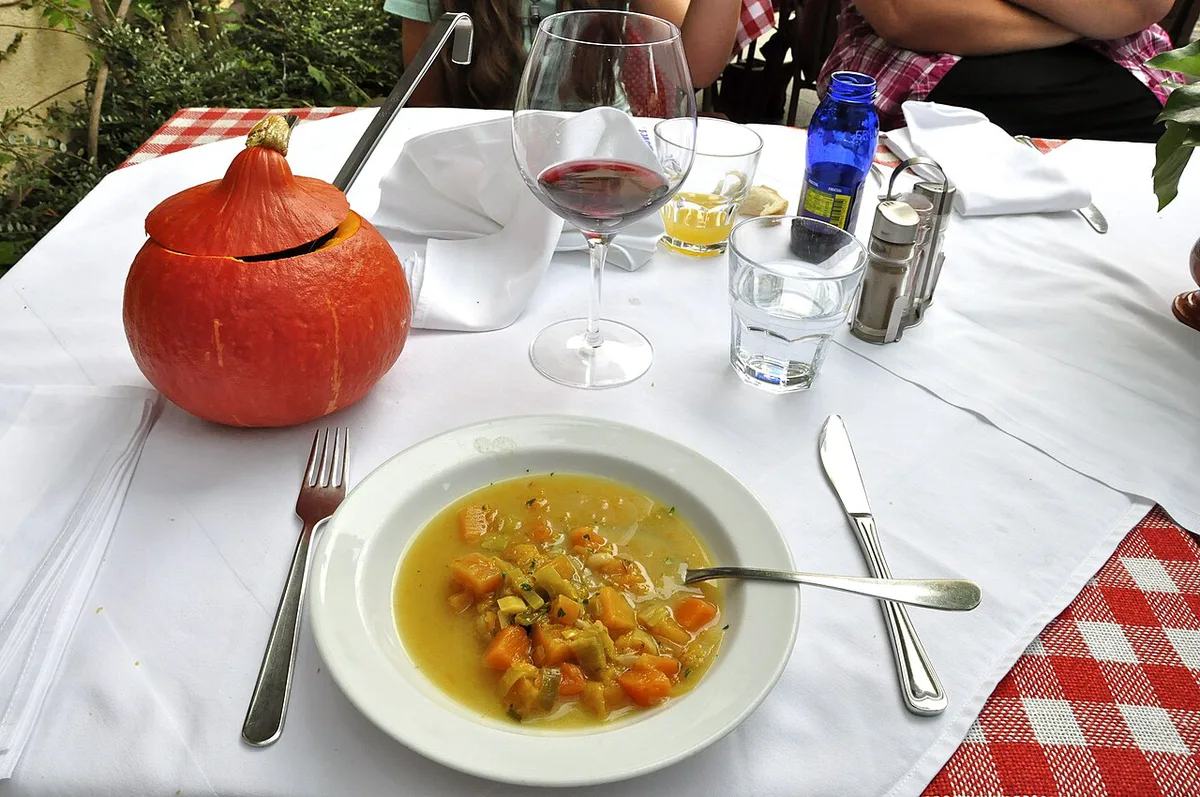
Central Market runs along the Ljubljanica River in two distinct sections. Outdoor stalls under Plečnik's colonnade sell produce, much of it grown a short walk away in Krakovo's market gardens. The colonnade itself is a Jože Plečnik design, part of the same architect's river embankments and bridges that shape the surrounding Old Town. Indoor covered halls hold the meat, cheese, and deli counters, plus a small fish counter, Okrepčevalnica Ribica, worth a stop for fried calamari or fish soup. It keeps shorter hours than the rest of the market, so check the posted schedule if fish is the goal for the day. Coin-operated milk vending machines near the colonnade let shoppers fill their own bottle straight from local dairies, a detail most visitors miss on a first pass. Mornings bring the best selection before stalls thin out. Hours shift by season, so check the posted signage before planning a visit around a specific time. Wandering the stalls without buying anything still counts as one of the Free Things to Do in Ljubljana: A Complete Budget Guide (2026).
Odprta Kuhna: Ljubljana's Open-Air Food Market
Odprta Kuhna, or Open Kitchen, turns Pogačarjev trg into an outdoor food court every Friday. The market typically runs from mid-March through October, weather permitting, and pauses for winter. Local restaurants and producers staff the stalls rather than food trucks, so a single visit samples kitchens that otherwise need separate reservations across the city. Expect shared, communal-style seating rather than individual tables, so pull up next to strangers if the benches are full. Seating fills up fast once the lunch and after-work crowds arrive, so plan to arrive early. Confirm the current-year schedule before visiting, since opening and closing weeks can shift. Full logistics, including the stall lineup and how it changes by season, are covered in the dedicated Odprta Kuhna guide.
Where to Eat by Neighborhood in Ljubljana
Ljubljana's dining scene changes character block by block, and the neighborhoods guide is worth checking before picking a base. Old Town restaurants trend toward the historic and the polished. Gostilna na Gradu and Strelec both sit inside Ljubljana Castle grounds, serving elevated takes on the same dishes found at neighborhood inns. Both draw enough demand that weekend reservations are worth making a few days ahead. Garden-facing Trnovo neighborhood and Krakovo gardens keep menus close to what grows nearby. Restaurants in this pocket of the city change menus with what's harvested nearby, sometimes within the same day. Šiška district skews toward everyday, local-heavy spots with fewer tourist menus than the center. Metelkova district is the late-night pick, with street-food stands feeding the crowd around its clubs and galleries. For a garden setting inside the city's largest park, Bistro Švicarija sits inside Tivoli Park, an easy add-on to a walk up Rožnik Hill. Two addresses reward the extra distance. Hiša Pod Gradom near the castle serves boiled beef tongue with horseradish. Druga Violina on Stari trg 21 is a social enterprise restaurant employing people with disabilities, and it plates a budget-friendly pražen krompir and veal stew. Gostilna Čad sits roughly 25 to 30 minutes on foot from the center. It has a garden setting and a menu spanning the wider Balkan grill repertoire, and it earns a spot on the Off the Beaten Path in Ljubljana: Neighborhoods, Culture Hubs, and Local Routes (2026) list. Izložba sits about a 10-minute walk from downtown. A home-kitchen setup, it plans the day's menu around whatever the cook buys that morning at the market. It belongs on any 12 Hidden Gems in Ljubljana Most Visitors Miss in 2026 shortlist. Call ahead, since the small dining room and made-to-order format need advance notice.
Potica spans roughly 60 regional variations across Slovenia, a detail that explains why neighborhood restaurants differ too. Trnovo and Krakovo kitchens maintain menus based on daily local harvests rather than fixed calendars, embedding geography into every meal.
The Late-Night Burek Debate: Nobel Burek vs. Olimpija
Burek is Ljubljana's default late-night food: a flaky pastry stuffed with meat, cheese, or potato and sold by weight or by slice at stands open into the early hours. Two names dominate the debate among regulars, Nobel Burek and Olimpija, both counter-service spots built for a fast, standing-up meal after a night out. Neither location markets itself to tourists, which is part of the appeal for anyone chasing an authentic late-night stop rather than a photogenic one. Order it with yogurt on the side, the traditional pairing that cuts the pastry's richness.
Slovenian Wine and Craft Beer Basics
Slovenia's wine country splits into three regions: Primorska near the Italian border, Posavje in the southeast, and Podravje in the northeast. Vineyards across nine designated districts produce dozens of varietals, led by reds like Teran and whites like Rebula. Two-hour tastings are common in Ljubljana, typically working through about seven wines paired with a light bite. Craft beer has grown alongside wine, with taprooms around Šiška and the center pouring small-batch IPAs and lagers next to the mainstream brands most bars already carry. Pair a red like Teran with heavier winter stews, and save a crisp Rebula for lighter market-fresh dishes.
Budgeting for a Ljubljana Food Trip
Costs scale predictably from street snack to sit-down tasting menu. A counter-service klobasa or burek costs the least and needs no reservation. A neighborhood gostilna lunch comes next, and many keep a full, multi-course meal under €25 per person as of 2026. Confirm current menu prices on site, since they shift with ingredient costs. Fine-dining addresses inside Ljubljana Castle, such as Strelec, sit well above that gostilna price point once wine pairings are added. A few planning mistakes come up often enough to flag. Pairing a food-focused trip with a quieter travel window is worth planning around. See the best time to visit Ljubljana for the shoulder-season calendar.
| Price tier | What's included | Typical spot |
|---|---|---|
| Street snack | Burek or grilled klobasa, no seating | Nobel Burek, Klobasarna |
| Gostilna lunch | Multi-course set menu, often under €25 per person (2026) | Neighborhood gostilna, Druga Violina |
| Fine dining dinner | Tasting menu, often with wine pairing, priced above a gostilna lunch | Strelec, Gostilna na Gradu |
- Showing up on a Saturday expecting Odprta Kuhna: the market runs Fridays only, in season.
- Skipping cash at the Central Market: some stalls stay card-free, so carry euros as backup.
- Walking into a gostilna without booking on a weekend night: the popular ones fill up fast.
- Booking only Old Town restaurants: venturing into Trnovo, Šiška, or Metelkova often means shorter waits and lower prices for the same quality.
Eating With the Seasons in Ljubljana
Market stalls and menus shift noticeably through the year, and timing a visit around them pays off. Autumn draws the heaviest market crowds, when foragers bring in porcini and chanterelle mushrooms from the surrounding forests. Spring produce turns up at the outdoor stalls earlier than it does on most sit-down menus, so the market itself is the faster way to catch it. Winter menus lean on ričet and baked štruklji, dishes substantial enough to anchor a full dinner after a short, cold day outside.
| Season | What's in season | Look for |
|---|---|---|
| Spring | Wild garlic, asparagus | Wild garlic spreads, asparagus sides |
| Summer | Tomatoes, berries | Fresh market produce, cold soups |
| Autumn | Porcini and chanterelle mushrooms | Mushroom soup, mushroom-topped ričet |
| Winter | Root vegetables, smoked meats | Jota, ričet, baked štruklji |
Food Culture Beyond the Plate: Sustainability and Local Habits
Ljubljana's Zero Waste initiative shapes daily food shopping as much as it shapes waste bins. Expect market vendors to weigh loose produce instead of pre-bagging it, and expect cafes to lean on refillable containers over single-use packaging. Bringing a reusable bag to the market is standard practice among regulars, and most stalls expect shoppers to bag their own produce. Pair a market morning with one of the 12 Unique Things to Do in Ljubljana: A Guide Beyond the Old Town for an afternoon that goes beyond eating. Extend the trip with one of the 12 Best Day Trips from Ljubljana (2026 Guide): Bled, Postojna, Piran & More to taste regional dishes that never make it onto a capital-city menu. A few Slovenian phrases smooth the process at any counter.
- Dober tek: enjoy your meal.
- Račun, prosim: the bill, please.
- Na zdravje: cheers, or good health.
- Je to vegetarijansko?: is this vegetarian?
Which Ljubljana Food Stop Fits Your Trip?
Choose by schedule, group size, and preferred dining style. Ljubljana’s best-known food experiences suit different travelers rather than forming one universal itinerary.
- Solo travelers: Klobasarna and Moji štruklji Slovenije offer straightforward counter service near the Old Town. Nobel Burek and Olimpija work well for a quick late-night meal.
- Groups: Odprta Kuhna provides varied stalls and communal seating at Pogačarjev trg. It operates on seasonal Fridays when weather permits, so confirm the schedule first.
- Traditional sit-down meals: Druga Violina serves Slovenian comfort food on Stari trg. Gostilna Čad adds a garden and Balkan grill dishes, about 25–30 minutes on foot from the center.
- Special occasions: Strelec and Gostilna na Gradu occupy Ljubljana Castle. Reserve ahead for weekends and expect a more formal experience than a neighborhood gostilna.
For a flexible morning, start at Central Market before its selection thins. Carry cash as backup, since card acceptance varies among individual stalls.
For trip-planning details, see Slovenian cuisine – Wikipedia.
Check before you go: Confirm current opening hours, event dates, and visitor notices with Visit Ljubljana, and verify local bus or access changes on the City of Ljubljana public transport page.
Other Cuisines That Borrow From Their Neighbours
Slovenian cooking pulls from Austria, Italy and the Balkans depending which valley you are in, which makes a food guide genuinely useful here. Bruges faces the same problem for different reasons — see the Bruges food guide — and Munich's food guide covers a regional cuisine with its own vocabulary.
Frequently Asked Questions
Is Ljubljana vegetarian-friendly?
Yes. Buckwheat dishes like ajdovi žganci adapt easily to a meat-free mushroom sauce, and autumn menus lean heavily on mushroom soups and sides. The Central Market's produce stalls make it simple to build a vegetable-heavy plate, and many gostilnas keep at least one vegetarian štruklji filling on the menu.
Can you drink the tap water in Ljubljana?
Yes, tap water is safe to drink throughout the city. Public drinking fountains are common in the Old Town and around the Central Market, so a refillable bottle skips the need to buy bottled water.
What are the best Slovenian food souvenirs to bring home?
Pumpkin seed oil, local honey, and sea salt are the standard souvenir picks, and all three travel well in checked luggage. Look for them at Central Market stalls or a specialty food shop in the Old Town.
Do you need cash at the Central Market?
Carry some cash as backup. Card readers are increasingly common at market stalls, but coverage is inconsistent from vendor to vendor, and small producers in particular may still be cash-only.
What days does Odprta Kuhna run?
Odprta Kuhna runs on Fridays, typically from mid-March through October, weather permitting. It does not run in winter, so a Saturday or off-season visit will not find it open. Confirm the current schedule before planning around it.
How many days should a food-focused visit to Ljubljana plan for?
Two full days cover the essentials. One day works for the Central Market and a gostilna lunch, and a second day works around Odprta Kuhna if the visit lands on a Friday. A third day allows time for a cooking class or a short day trip to a wine region.
What's the difference between a gostilna and a bistro in Ljubljana?
A gostilna is a family-run inn serving fixed-price, home-style meals rooted in regional tradition. A bistro, like EK Bistro, plates updated or fusion versions of similar dishes in a more contemporary setting, often with a shorter, seasonal menu.
Continue exploring
More guides you'll find useful