Off the Beaten Path in Ljubljana: Neighborhoods, Culture Hubs, and Local Routes (2026)
Go off the beaten path in Ljubljana with routes through Trnovo, Šiška, Metelkova, and Fužine, plus updated 2026 notes on Center Rog and Cukrarna.
On this page
Off the Beaten Path in Ljubljana: A 2026 Guide to Alternative Neighborhoods and Culture Hubs
Last updated July 2026, this guide shows you how to go off the beaten path in Ljubljana without leaving the city center behind. Slovenia's capital is compact, so most alternative neighborhoods and culture hubs sit within a 15-20 minute walk or a 5-minute bike ride of Prešeren Square. These routes swap the Tromostovje photo queue for Trnovo's market gardens, Šiška's music venues, and Metelkova's street art, with practical notes on bikes, cards, and costs.
The Alternative Ljubljana Map: Where to Go Off the Beaten Path
Ljubljana ranks among Europe's smallest capitals, so off the beaten path rarely means far. Anything roughly 10-20 minutes outside Tromostovje and Prešeren Square already feels like a different city. Six zones cover most of what this guide recommends, each with a distinct role. Each zone below pairs a specific reason to go with realistic timing, so you can build a half-day or full-day route without backtracking. For a fuller area-by-area breakdown, see the neighborhood-by-neighborhood guide. This route list pairs well with the wider hidden gems roundup for a longer stay.
Despite being within a 5-minute bike ride of the center, these neighborhoods distinguish themselves not through remoteness but through their function: locals use them for daily commerce and social routines rather than tourism.
- Trnovo and Krakovo — village-style streets and market gardens, about 5 minutes from the center
- Šiška — Kino Šiška, craft beer bars, and street art, roughly three bus stops or a short bike ride out
- Fužine — a Balkan-influenced district and riverside bike trail, farther out along the Ljubljanica
- Metelkova Mesto — street art and alternative nightlife in a former army barracks, about 15-20 minutes on foot
- Center Rog — a former bicycle factory renovated into a creative and maker space
- Cukrarna — a restored 1828 sugar-factory building now a contemporary art gallery
Trnovo and Krakovo: Village Streets Behind the Old Town
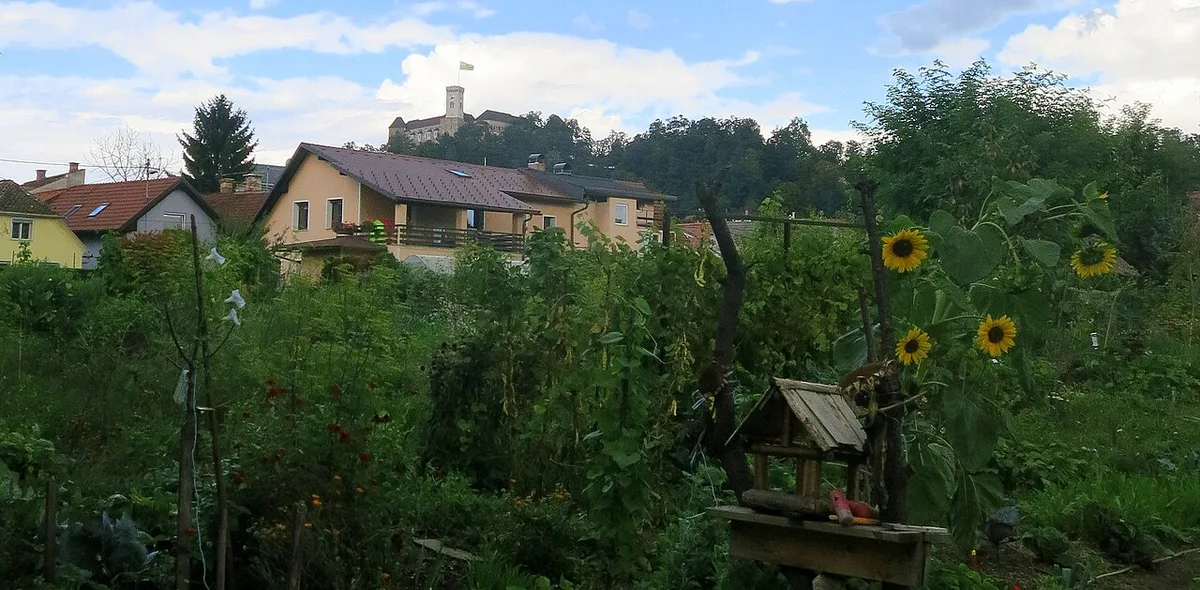
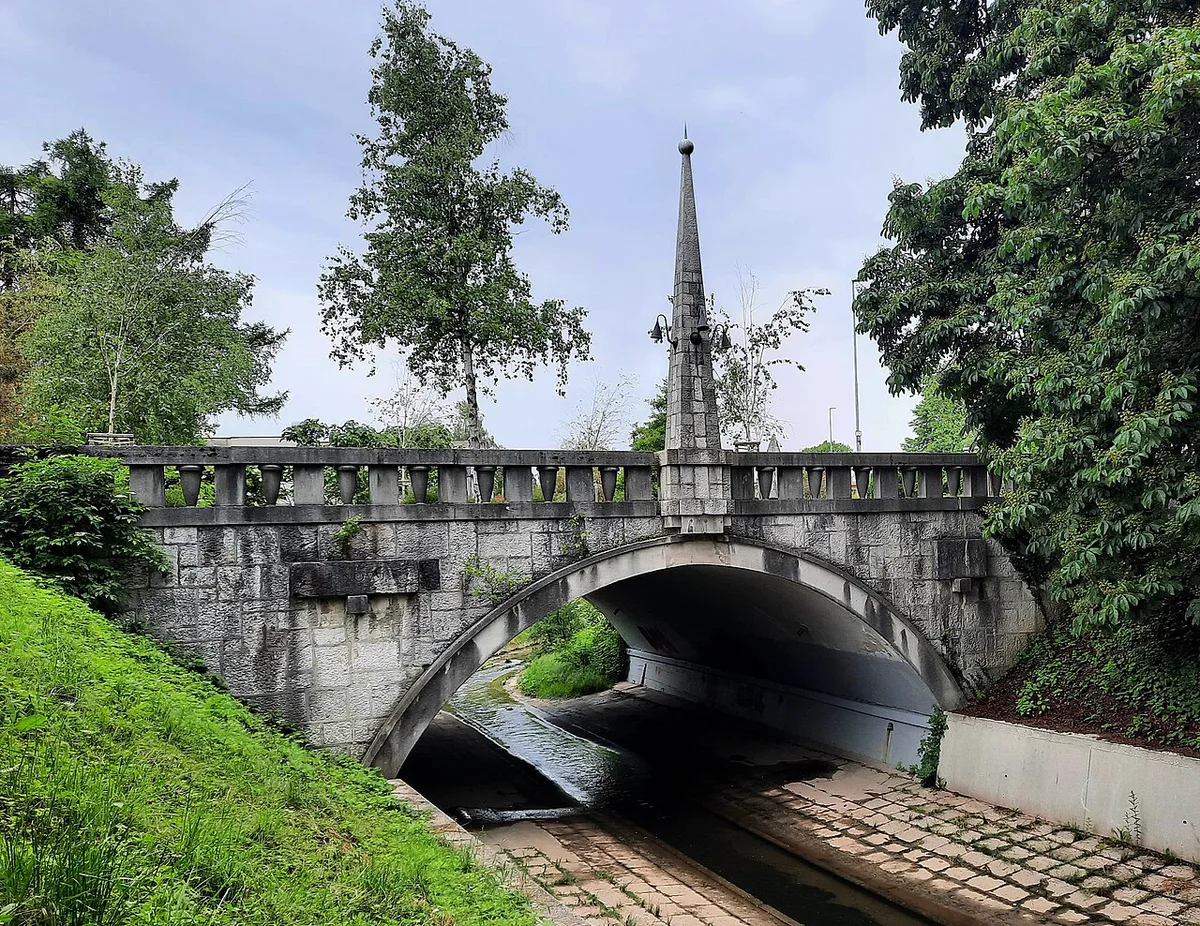
Start at Krakovo's market gardens, a cluster of vegetable plots that still supply Ljubljana's Central Market. Follow the Gradaščica riverbank on foot, then cross Jože Plečnik's Trnovo Bridge into the Trnovo quarter. Trnovo keeps a village pace, with small houses, chestnut-lined banks, and gardens growing the local Trnovska Iceberg lettuce. Eipprova Ulica holds most of the district's bars and restaurants, including the jazz venue Sax Pub. The cultural society KUD France Prešeren runs the annual Trnfest festival, plus year-round concerts and exhibitions. The Krakovo market gardens guide covers the full walking route and garden details. A dedicated Trnovo neighborhood guide covers restaurant picks in more depth.
Šiška: Kino Šiška and Local Grit
Šiška sits roughly three bus stops from central Ljubljana, or a short ride on a shared bike. Kino Šiška Centre for Urban Culture anchors the district, running concerts, exhibitions, and workshops in a renovated former cinema building since 2009. A café and summer garden inside the venue suit slower afternoons. Street art crew 1107 Klan works across Ljubljana, but its main canvas is the underpass on Celovska cesta. Craft beer bars and independent music venues fill the surrounding streets, giving Šiška a grittier, resident-first feel than the riverfront. The Šiška neighborhood guide lists specific bars and gig listings.
Fužine: Brutalist-Style Housing and the River Trail
Fužine sits farther from the center, reached by a riverside bike lane that runs through the Moste district and some of the city's most rural pockets. Its apartment blocks show the blocky, functional housing style common to 1970s and 1980s developments, a contrast to the Old Town's baroque facades. Many residents trace their families to Croatia, Serbia, and Bosnia, giving the district a distinct character within the city. Fužine Castle, built in the 1520s by the Bavarian Khisl family, has housed the Museum of Architecture and Design since 1972. It covers Slovenian architecture and design history, from historic buildings to contemporary practice. The four-wing castle sits around a courtyard fountain and has changed little since construction.
Metelkova Mesto: Street Art and Alternative Nightlife
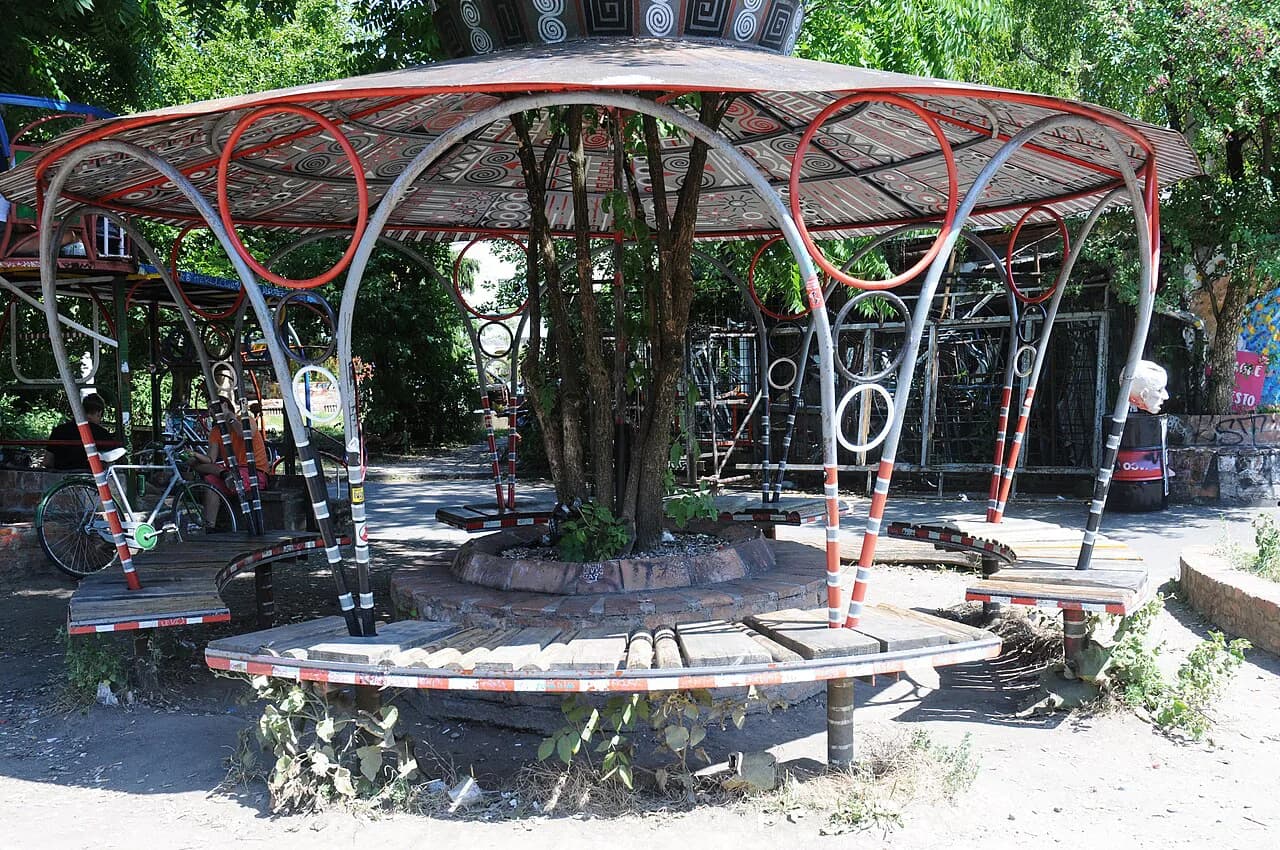
Metelkova Mesto occupies a former military barracks that squatters took over in the early 1990s. The government later recognized the site's autonomy, and the complex of seven buildings still operates under the residents and organizations based there. Tenants include an LGBT community group and a disability-rights organization, alongside galleries, bars, and artist studios covered in street art. The site sits about two blocks east of the Ljubljana railway station. Three national museums, the Slovene Ethnographic Museum, the Museum of Contemporary Art, and the National Museum of Slovenia, are next door. Nightlife runs late here, with concerts, poetry readings, and club nights across the different buildings. The Metelkova Mesto guide breaks down which buildings host what.
Center Rog and Cukrarna: From Factories to Creative Hubs
Center Rog began as a bicycle factory, once the largest in former Yugoslavia, and Rog-branded bikes still turn up around the city today. Older travel guides describe it as an occupied squat where artists painted murals and held impromptu events. That description is outdated now. Center Rog has been renovated into a creative center with maker studios, workshops, and public programming. Confirm current opening hours before visiting. Cukrarna followed a similar arc, in reverse chronological order. Built in 1828 as a sugar refinery on the Poljanski embankment, the building once housed Slovenia's first steam engine. It supplied sugar across the Balkans until an 1858 fire ended production. Poets Josip Murn, Dragotin Kette, Ivan Cankar, and Oton Župančič later lived and worked inside the abandoned building, and an anarchist collective occupied it afterward. Cukrarna has since been fully restored and now operates as a contemporary art gallery inside the same 19th-century structure. Older posts calling it an abandoned sugar factory no longer reflect the building's 2026 status.
Where Locals Actually Go in Ljubljana
Much of what counts as off the beaten path in Ljubljana is not undiscovered so much as underexplained. Trnovo's bars along Eipprova Ulica, the craft-beer spots around Šiška, and the cafés away from the riverfront are not secret locations. Residents use them every day. The difference from the Tromostovje loop is not distance but function. Tourist-facing streets sell souvenirs and fixed-price menus, while these neighborhoods run on grocery runs, weekday coffee routines, and bars that do not change their offer for visitors. Treat off the beaten path here as a filter on how a place operates, not a claim that no one else knows about it.
Unique Ways to Experience the Capital
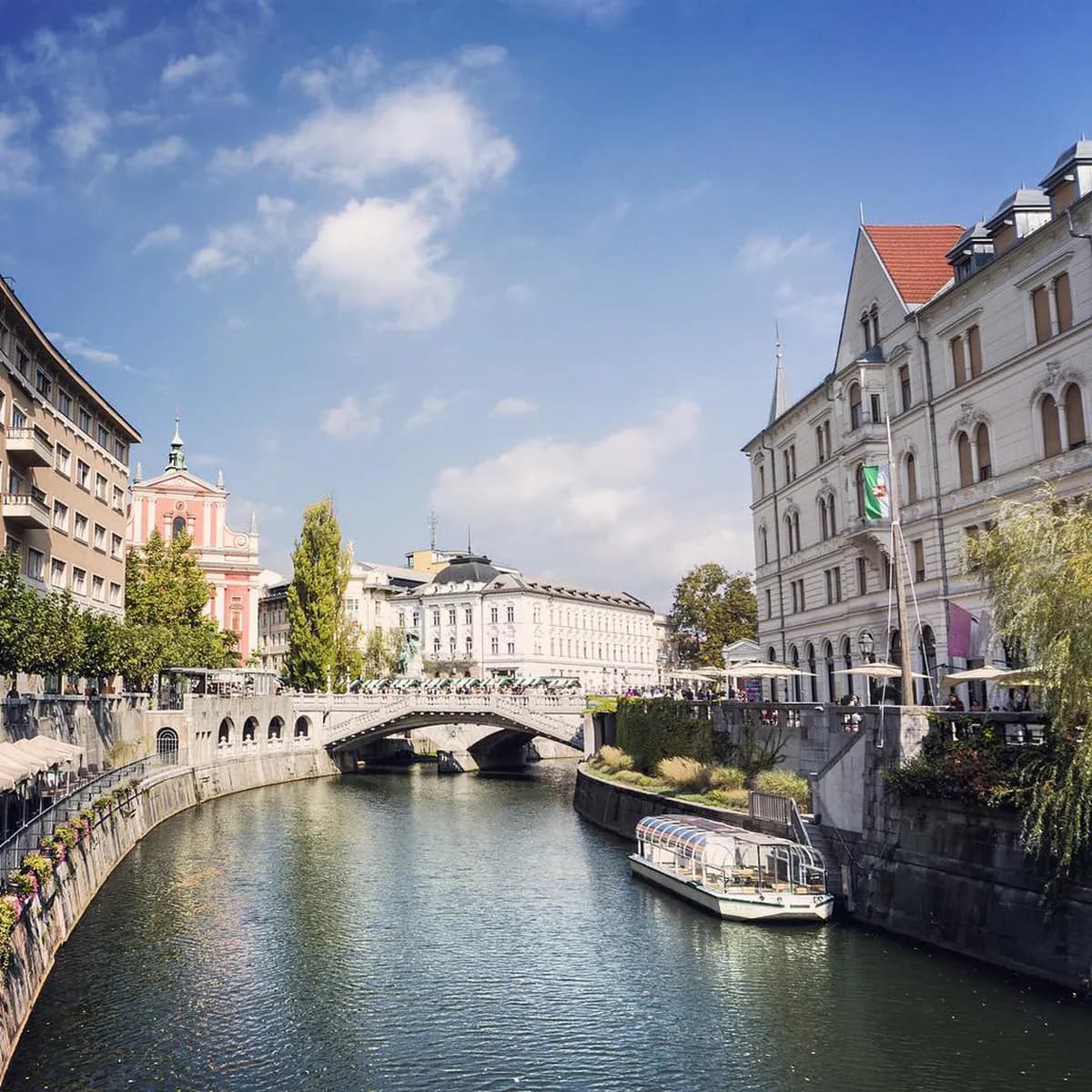
A stand-up paddleboarding tour covers the Ljubljanica differently than any bridge crossing. Most tours start with a brief lesson, often around 10 minutes, before the group paddles from the willow-lined outskirts into the historic center. From the water, paddlers get clear views of the 11th-century Ljubljana Castle above the rooftops. A separate communist-era walking tour covers Congress Square, former secret-police interrogation cells, and the rise of the Partisan movement under Marshal Tito. A third option, sometimes marketed as a Wicked Ljubljana tour, starts at the stone fountain outside the Academy of Music. It covers witch hunts, forced-labor history at Congress Square, and other gothic-leaning stories. Availability and themes shift, so confirm current tour operators and schedules before booking. The unique things to do guide has more non-walking options.
Žale Cemetery: Plečnik's Garden of All Souls
Žale is Ljubljana's main cemetery and a protected Cultural Heritage site. Architect Jože Plečnik designed the main entrance and gate complex during the 1930s, and architect Marko Mušič added further sections in the 1980s. Its headstones were designed by leading Slovenian artists, giving the grounds an outdoor gallery feel unusual for a graveyard. A dedicated Italian military graveyard and a monumental chapel section make up the most visited corners. Wandering the grounds works well as a quieter counterpoint to the busier culture hubs earlier in the route. The Žale Cemetery guide has full visiting details.
Local Food and Social Scenes Beyond the Riverfront
Skip the riverfront terraces for a round of neighborhood cafés instead. Recent visitor accounts name Cafe Čokl, Kavarna SEM, Kavarna Moderna, and Tozd as reliable, less-touristed stops. Cappuccino prices at similar cafés are commonly cited around €1.50-2, though confirm current menus since prices shift year to year. For food, head to Pogačarjev trg near the Central Market. From spring through autumn, the square turns into Odprta Kuhna, an open-air food market with stalls selling Slovenian dishes, international food, craft beer, and mixed drinks like the Rakijito, a mojito-rakija hybrid. Central Market itself sells fresh produce on regular market days. Check the Odprta Kuhna market guide for stall lineups and seasonal hours. A dedicated local restaurant picks guide rounds out where to eat away from the tourist strip. Pair it with the local food guide for dish-by-dish recommendations.
Planning Your Alternative Ljubljana Itinerary
Bicikelj, the city's bike-share network, is the fastest way to string these spots together. A weekly subscription costs €1. Confirm ride-time tariffs and the station map on the operator's app before your trip. For public buses, load an Urbana card and pay per ride instead of buying a Ljubljana Card if your plan leans toward free, off-path neighborhoods rather than paid museums. A Ljubljana Card bundles paid museum entry with transport, which pays off mainly if your plan mixes off-path neighborhoods with ticketed sights. Most of the stops in this guide, Metelkova, Žale, and the river walk through Trnovo and Krakovo, cost nothing to visit. The wider free things to do guide has more no-cost options. Visit on a weekday morning if possible. Old Town crowds build fastest between late morning and early evening, especially in peak summer months. That best time to avoid crowds guide breaks down month-by-month patterns in more depth. A Tivoli Park and Rožnik Hill stop works well as a low-key wind-down after a day of neighborhood walking. If you have an extra day, extend the trip to the prehistoric Ljubljana Marshes Pile Dwellings: A Visitor's Guide to Morostig and Ig site. Or choose from the wider list of day trips from Ljubljana beyond the city limits. Garden-focused travelers can also add the Ljubljana Botanical Garden: The Complete 2026 Visitor Guide to a Trnovo or Krakovo afternoon.
With Bicikelj at €1 weekly and neighborhood cafés averaging €1.50–2 for coffee, touring off-path areas and local social scenes costs far less than paying per-museum or transport card.
| Spot | Distance from Prešeren Square | Suggested transport |
|---|---|---|
| Metelkova Mesto | 15-20 min walk or 5 min bike | Walk or Bicikelj |
| Žale Cemetery | 15-20 min walk or 5 min bike | Bicikelj recommended |
| Tivoli Park | 15-20 min walk or 5 min bike | Walk |
| Šiška / Kino Šiška | About three bus stops from the center | Bus or Bicikelj |
| Trnovo and Krakovo | About 5 minutes from the center | Walk |
| Fužine | Farther out via the riverside bike lane | Bicikelj or bus |
Mistakes to Avoid Off the Beaten Path
A few habits separate a good alternative Ljubljana trip from a frustrating one. For an even longer shortlist, cross-check the secret spots list before finalizing your route.
- Ask before photographing people at Metelkova Mesto; it is a working residential and creative space, not a photo backdrop.
- Do not expect Center Rog or Cukrarna to match older abandoned-factory photos online; both are renovated, so check current opening hours rather than assuming free access.
- Confirm Museum of Modern Art (MG+MSUM) hours directly, since free-entry windows and schedules change.
- Do not try to cover Trnovo, Šiška, Fužine, and Metelkova in a single day; pick two adjacent zones and save the rest for a return visit.
Republic Square: Modernist Architecture and Independence History
Republic Square, or Trg republike, reveals a side of Ljubljana that the Old Town largely hides. Architect Edvard Ravnikar planned the monumental complex during the Yugoslav period. Its angular TR2 and TR3 towers frame a broad plaza beside Slovenia’s National Assembly.
The square also holds major national significance. Slovenia’s independence was formally celebrated here on 26 June 1991, one day after the declaration was adopted. Plaques within the plaza mark key events connected with the country’s independence.
Walk around the exterior of the National Assembly to see sculptural figures surrounding its main entrance. Cankarjev dom, Slovenia’s largest cultural and congress center, occupies the southern side of the square. Its program includes concerts, theater, film festivals, and exhibitions.
Republic Square is about a ten-minute walk from Prešeren Square. Combine it with the nearby Museum of Modern Art, National Gallery, or Tivoli Park. The open plaza is accessible at any time, while surrounding venues follow separate opening schedules.
Check before you go: Confirm current opening hours, event dates, and visitor notices with Visit Ljubljana, and verify local bus or access changes on the City of Ljubljana public transport page.
Frequently Asked Questions
What does off the beaten path actually mean in a city as small as Ljubljana?
It mainly means leaving the Tromostovje-to-castle loop. Most alternative neighborhoods and culture hubs sit within a 15-20 minute walk, or a 5-minute bike ride, of Prešeren Square, so off-path here is about direction, not distance.
Is Metelkova Mesto safe to visit, and can you take photos there?
Metelkova functions as a working alternative-culture complex with bars, galleries, and NGO offices, and it draws visitors through the evening. Ask before photographing people, since parts of the site double as workspaces and living space, not a public attraction.
Are Center Rog and Cukrarna still abandoned buildings?
No. Center Rog has moved past its squat-era reputation into a renovated creative center with studios and public programming. Cukrarna, once an abandoned 1828 sugar factory, is now a restored contemporary art gallery. Confirm current hours for both before visiting.
How do you get between these neighborhoods without a car?
Bicikelj, the city bike-share network, covers most routes for a €1 weekly subscription. Buses work well for Šiška and Fužine. Load an Urbana card and pay per ride if your plan is mostly free, off-path stops rather than paid attractions.
When is the best time to visit these areas to avoid crowds?
Weekday mornings tend to be quietest, especially outside peak summer months. Shoulder-season weeks tend to be quieter across these neighborhoods as well.
Do you need a car to reach these off-path spots?
No car is necessary. Bicikelj bike-share, city buses on an Urbana card, and walking cover every neighborhood in this guide, including Fužine and Šiška.
Continue exploring
More guides you'll find useful