Žale Cemetery Ljubljana: Plečnik's Masterpiece & Bus Directions
Žale Cemetery Ljubljana guide: Plečnik's UNESCO-listed entrance arch, notable graves, guided tour options, and the bus route from central Ljubljana in 2026.
On this page
Žale Cemetery Ljubljana: Architecture, History, and Visiting Guide
Last updated July 2026, this guide to Žale Cemetery Ljubljana walks through Jože Plečnik's entrance arch and the chapels behind it. Žale sits in the Bežigrad District as both Ljubljana's active central cemetery and an open-air museum of 20th-century design. The sections below cover notable burials, guided tours, and how to reach the site by bus from central Ljubljana.
Žale Cemetery Ljubljana: Plečnik's Architectural Masterpiece
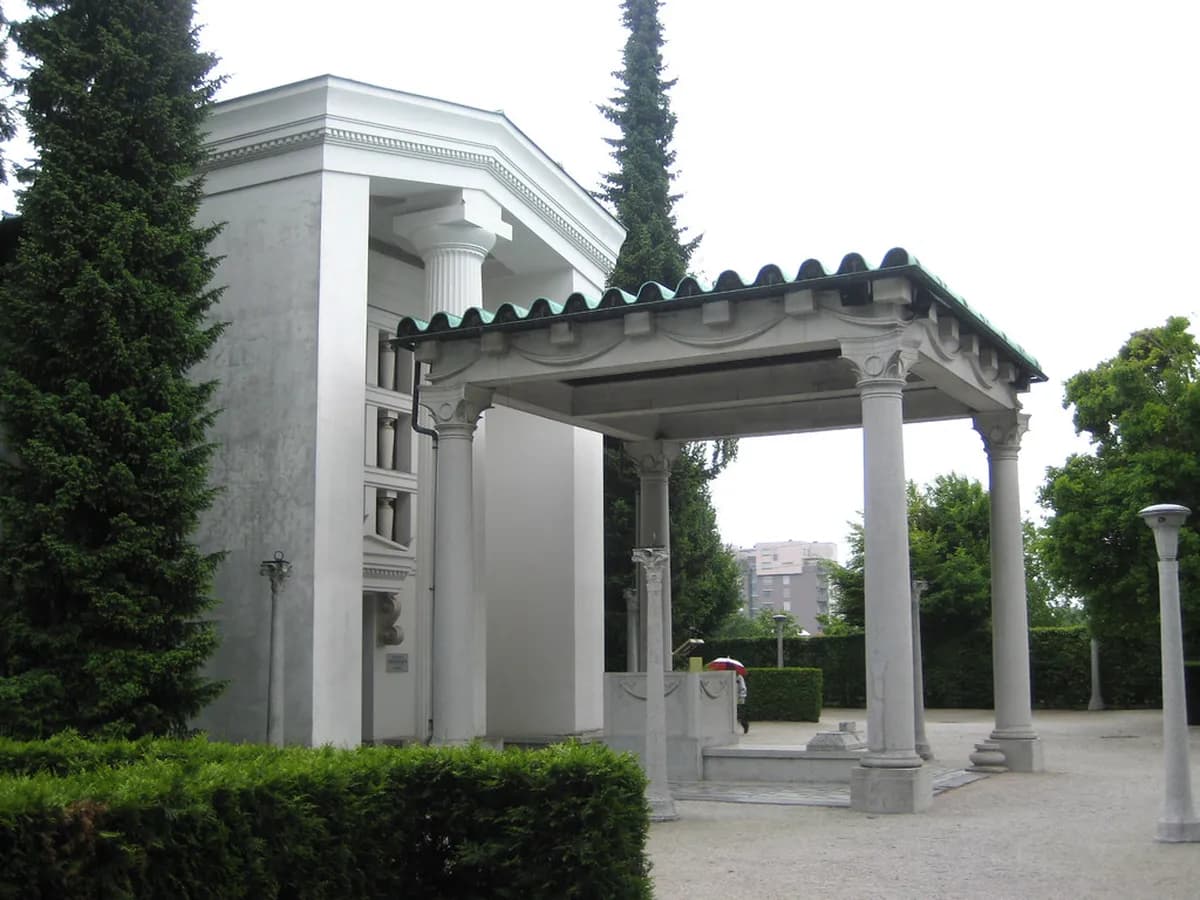
Authorities converted the grounds behind Holy Cross Church into Ljubljana's main cemetery in the early 1930s. A first burial happened in 1906, when the priest Martin Malenšek was transferred there from the older Navje cemetery. During World War I, soldiers from many sides were buried at Žale, but only if they were Roman Catholic. Protestants, Jews, and Muslims were buried separately at Navje instead. That changed in 1923, when authorities allowed Jewish and Muslim burials at Žale too, though initially only along the exterior wall. Officials formally arranged the Jewish section in 1931, though a fence still separated it from the main grounds at the time. Architect Ivo Spinčič's original 1936 plans failed to satisfy the municipality, so officials commissioned Jože Plečnik instead. His redesign, known as the Garden of All Saints, took shape between 1937 and 1940. Plečnik designed the entrance as a monumental arch with a two-storey colonnade, topped by a double statue of Christ and St. Mary the Protectress. It marks a symbolic line between the world of the living and the world of the dead. Opposite the arch stands the main oratory, modeled on classical forms and roofed by a canopy on four columns for public farewell ceremonies. Behind the arch, dozens of individually designed chapels of rest borrow from classical Greek, Byzantine, and Oriental architecture. Some blend all three styles; others follow pure invention. That variety was deliberate: Plečnik used it to put every faith tradition on equal visual footing. A separate workshop building in the complex carries fresco paintings by Slavko Pengov and originally housed the site's carpenters. Until 1968, only coffin burials took place at Žale; that year the Žale Crematorium opened and urn burial became available too. Travelers who enjoy this kind of unconventional architecture often add it to a broader 12 Unique Things to Do in Ljubljana: A Guide Beyond the Old Town itinerary. In August 2021, the Plečnik-designed section joined the UNESCO World Heritage List. It forms part of a wider inscription called The Works of Jože Plečnik in Ljubljana – Human Centred Urban Design. Ljubljana's membership in the Association of Significant Cemeteries in Europe dates to that group's founding in 2001, and the wider funeral complex separately carries a European Heritage Label.
The City of the Dead: Marko Mušič's New Žale
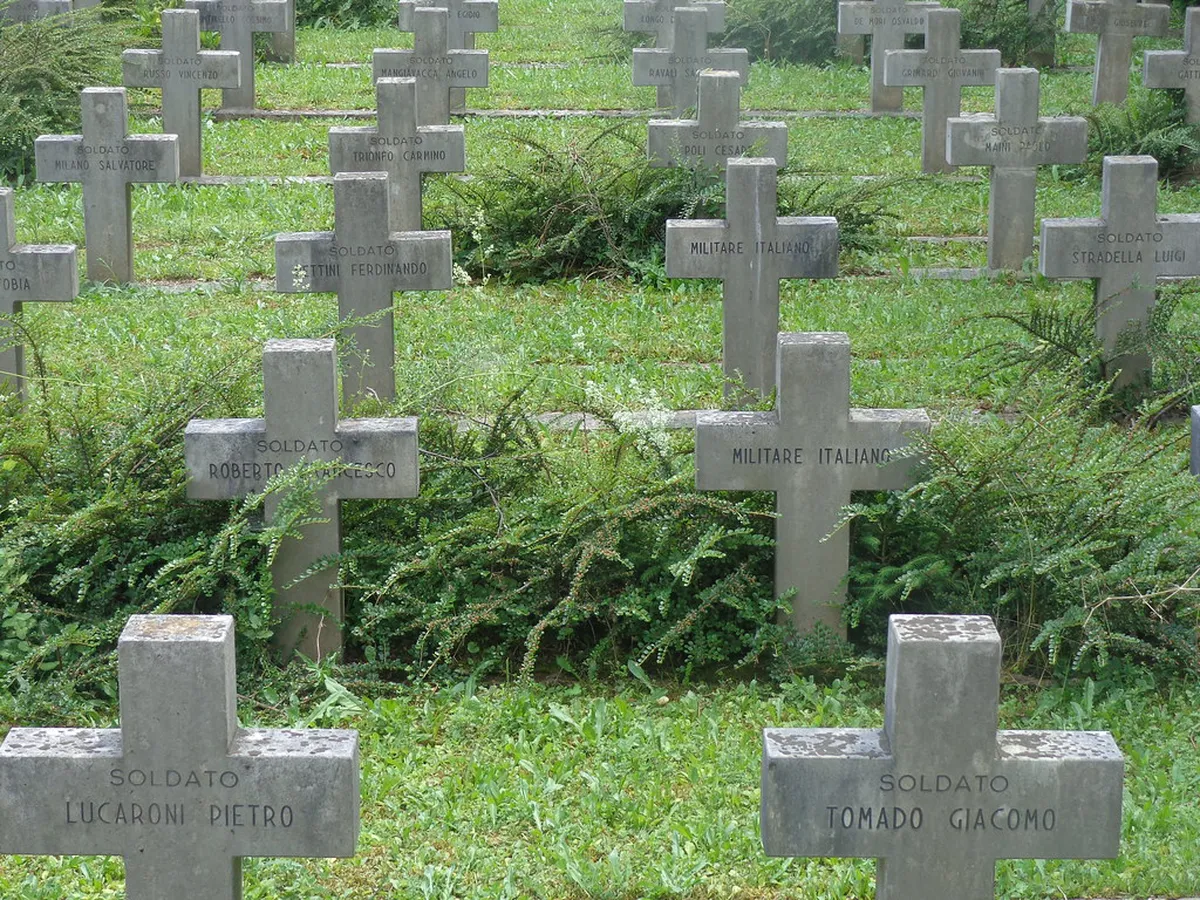
Plečnik's design filled only part of the site. Section B opened in 1931 and originally hosted an Italian military cemetery, with soldiers reburied there from Section A. In 1974, architect Peter Kerševan added Section C, and in 1988 architect Marko Mušič completed Section D, known as Nove Žale, or New Žale. Mušič's section sits west of Tomačevska cesta, while the older Plečnik-era sections, A, B, and C, stand on the east side of that road. Where Plečnik drew on Mediterranean garden imagery, Mušič looked toward classical antiquity and ancient Egypt. Local guides and the Association of Significant Cemeteries in Europe both describe the result as a deliberately monumental city of the dead. A fifth section, the original Plečnik Žale complex around the entrance arch, is no longer used for burials at all. Today it hosts pre-burial ceremonies and other cemetery services instead. Combined, Žale's sections cover roughly 375,000 square meters and hold more than 150,000 burials.
Notable Burials and Cultural Significance
Roughly 2,000 of Žale's more than 150,000 burials are considered prominent figures in Slovenian history. Writer Ivan Cankar rests here, alongside painter Rihard Jakopič and the postwar political leader Edvard Kardelj. Composer Davorin Jenko, who wrote the music later used for Serbia's national anthem, is buried here too, as is novelist Vladimir Bartol and poet Oton Župančič. Plečnik himself is buried within the grounds he designed. One of the most architecturally significant structures is the Ossuary of World War I Victims, built in 1939 by architect Edvard Ravnikar. It holds the remains of 5,258 people who died in that war and related conflicts. For travelers drawn to sites built around difficult history rather than conventional monuments, Metelkova Mesto offers a very different, more countercultural angle on the same city.
Gravestones as an Open-Air Museum
Important European cemeteries like Žale function as more than burial ground. They operate as parks, tourist sites, and open-air museums of sculpture and design. Individual gravestones throughout Žale were designed by some of Slovenia's best-known 20th-century artists and architects. Names include Lojze Dolinar, brothers France and Tone Kralj, Ivan Vurnik, Tine Kos, brothers Boris and Zdenko Kalin, Edvard Ravnikar, and Janez Boljka. Beyond the intimate stories of individual families, this concentration of design work tells a broader story about the city's relationship with art and history. It is one reason architecture enthusiasts treat a Žale visit as seriously as a stop at any formal museum. Comparisons to Paris's Père Lachaise Cemetery or London's Highgate Cemetery show up often in travel writing about Žale, mostly because of this scale and artistic density.
The Pathway of Memory and Companionship
A walking and cycling trail called the Pathway of Memory and Companionship runs through the Žale grounds. Its 30km route circles Ljubljana and traces the line of a barbed-wire fence that enclosed the occupied city from 1942 to 1945. After the war, the municipality converted that wartime perimeter into a green recreational corridor rather than erasing it. This trail now functions as ordinary park space for joggers and cyclists as much as a memorial. Walking even a short stretch near Žale connects a cemetery visit to that wider layer of the city's 20th-century history. Travelers assembling a longer list of quiet, less-touristed corners can fold this stretch into an Off the Beaten Path in Ljubljana: Neighborhoods, Culture Hubs, and Local Routes (2026) itinerary.
Guided Tours vs. Self-Guided Visits
Visit Ljubljana runs several official guided tours of Žale Cemetery in cooperation with the Ljubljana Tourist Information Centre, available from March to October. Each can be booked directly through the Visit Ljubljana website. As of 2026, published rates run as follows. Budget-conscious visitors can skip paid tours entirely. The ŽALE public company offers a free ARTOUR mobile app that works as a self-guided digital companion around the grounds. Anyone unable to visit in person can also use the official website's virtual tour to see the chapels and entrance arch remotely. Travelers planning around crowd levels elsewhere in the city can cross-reference the Best Time to Visit Ljubljana Without Crowds: A Season-by-Season Guide (2026) guide. Paid Žale tours only run March through October, so a self-guided visit works year-round.
| Tour | Focus | Price (2026) |
|---|---|---|
| Plečnik at First Glance | Overview of Plečnik's major Ljubljana works | €22.04 |
| Moustache Tour | Cycling route covering the cemetery from an unusual angle | €88.13 |
| Master Builder Plečnik | Extended tour focused on Plečnik's UNESCO-listed Ljubljana work | €166.82 |
How to Visit Žale Cemetery: Hours, Transport, and Cost
Entry to the Žale grounds is free. Only guided tours and some app features carry a charge. Reaching the site from central Ljubljana is straightforward. Because entry costs nothing, Žale fits naturally alongside other Free Things to Do in Ljubljana: A Complete Budget Guide (2026) on a single day out. Confirm which side of Tomačevska cesta matches the entrance being used, since the Plečnik-era sections and Nove Žale sit on opposite sides of that road.
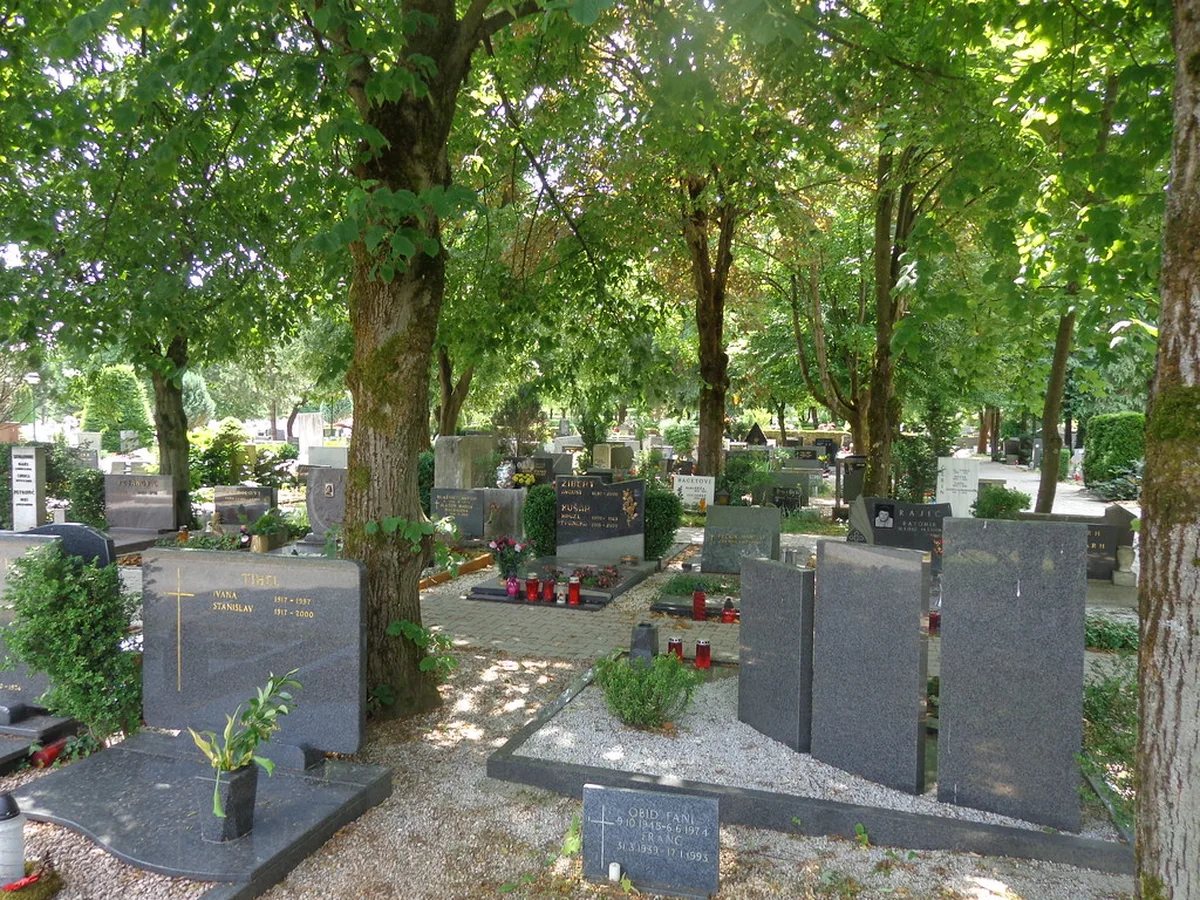
Grounds entry is free, but guided tours ranging from €22.04 to €166.82 represent the full-service option for those seeking structured expertise over independent exploration.
- Bus: Route No. 19 stops at Tomačevo, close to the cemetery entrance.
- Walking: Lonely Planet places the cemetery about 2km northeast of the Tabor neighborhood, within reach for visitors already exploring Bežigrad.
- Opening hours, summer: 6:00 to 21:00.
- Opening hours, winter: 7:00 to 20:00.
- Funeral hours: Monday to Saturday, on the hour from 9:00 to 16:00.
- Cost: grounds are free; guided tours run €22.04 to €166.82 depending on format.
- Contact: the ŽALE public company's offices sit at Med hmeljniki 2, Ljubljana, for funeral-related services rather than tourist visits.
Etiquette and Mistakes to Avoid
Funerals take place on the hour, Monday through Saturday, so keep a respectful distance from any active service. Avoid photographing mourners or funeral processions even where the surrounding architecture invites a shot. The grounds cover 375,000 square meters across five sections, large enough to disorient a first-time visitor. Use the official Grave Search Tool or the ARTOUR app to locate a specific chapel, grave, or notable burial instead of wandering rows at random. Staying on marked paths also keeps visitors clear of active grave sites and routine maintenance work. Quiet, unhurried movement suits the setting better than a rushed checklist visit.
Only 2,000 of the cemetery's 150,000 burials rank as culturally significant, yet the scale of the grounds makes the search tool essential for locating any specific grave or notable figure.
Nearby: Bežigrad District and Beyond
Žale sits within the Bežigrad District, on the northern edge of central Ljubljana. Readers piecing together how this district relates to the rest of the city can start with the Ljubljana Neighborhoods Guide: Where to Stay in 2026. Green space sits close by too: Tivoli Park and Rožnik Hill makes an easy pairing for a walk before or after the cemetery. For a meal afterward, the Šiška district sits nearby with its own restaurant scene. Pair any of these stops with the wider 12 Hidden Gems in Ljubljana Most Visitors Miss in 2026 guide to round out a day that skips the usual Old Town route.
A Practical Self-Guided Route Through Žale
Begin near Holy Cross Church at Plečnik’s ceremonial complex on the eastern side of Tomačevska cesta. Pass through the two-storey entrance colonnade, which symbolically separates the living from the dead.
Continue to the main oratory and the surrounding chapels of rest. Compare their Greek, Byzantine, and Oriental details rather than expecting one uniform architectural style. The nearby workshop building contains frescoes by Slavko Pengov.
Next, use the official Grave Search Tool or ARTOUR app to locate Jože Plečnik’s grave and other monuments. Useful stops include Ivan Cankar’s grave and Edvard Ravnikar’s 1939 Ossuary of World War I Victims.
Return toward Tomačevska cesta and continue to Nove Žale on the western side. Marko Mušič’s monumental forms create a striking contrast with Plečnik’s Mediterranean-inspired garden setting.
Finish with a short section of the Pathway of Memory and Companionship. The trail passes through Žale and follows part of Ljubljana’s former wartime barbed-wire perimeter.
For trip-planning details, see Žale – Wikipedia.
Check before you go: Confirm current opening hours, event dates, and visitor notices with Visit Ljubljana, and verify local bus or access changes on the City of Ljubljana public transport page.
Other Cemeteries Designed as Architecture
Plečnik designed Žale as a small city with its own chapels and gateway, which is a rarer commission than it sounds. Munich's Alter Südfriedhof achieved something similar by being left alone for a century. Kraków's Rakowicki and Copenhagen's Assistens are both used as parks by the neighbourhoods around them.
Frequently Asked Questions
Is Žale Cemetery free to visit?
Yes, entry to the grounds costs nothing. Only the optional guided tours and some app features carry a fee. As of 2026, published tour prices run from €22.04 for a short overview tour up to €166.82 for the extended Master Builder Plečnik tour.
How do you get to Žale Cemetery from central Ljubljana?
Take Bus No. 19 to the Tomačevo stop, which sits close to the cemetery entrance. Walkers can also approach through the Bežigrad District; Lonely Planet places the site about 2km northeast of the Tabor neighborhood.
What is the difference between Plečnik's Žale and Nove Žale?
Plečnik's section, built between 1937 and 1940, uses a Mediterranean garden layout with a monumental entrance arch and chapels styled after Greek, Byzantine, and Oriental architecture. Nove Žale, designed by Marko Mušič and opened in 1988, sits on the opposite side of Tomačevska cesta and draws on classical antiquity and ancient Egyptian design instead.
Who is buried at Žale Cemetery?
About 2,000 of the more than 150,000 people buried here are considered notable figures. They include writer Ivan Cankar, painter Rihard Jakopič, and architect Jože Plečnik himself, who designed much of the site. The Ossuary of World War I Victims also holds 5,258 people who died in that war and related conflicts.
Is Žale Cemetery a UNESCO World Heritage Site?
UNESCO inscribed the Plečnik-designed section on the World Heritage List in August 2021. It is included within a wider listing covering Jože Plečnik's work across Ljubljana. The separate funeral complex also carries a European Heritage Label.
What are the opening hours at Žale Cemetery?
Summer hours run 6:00 to 21:00, and winter hours run 7:00 to 20:00. Funerals are scheduled Monday through Saturday, on the hour between 9:00 and 16:00. Plan a visit around those windows for a quieter walk through the chapels.
How do you find a specific grave at Žale?
This site covers 375,000 square meters, so locating one grave among more than 150,000 burials takes some help. Use the official Grave Search Tool on the ŽALE website, or download the ARTOUR app before arriving for a faster, map-based search.
Can you combine a Žale visit with other Ljubljana sights in one day?
Yes. The grounds sit close to Tivoli Park and Rožnik Hill, and to the Šiška district's restaurants, so many visitors pair the cemetery with a short walk or a meal afterward. Because paid tours run only March through October, a self-guided visit using the ARTOUR app works well any time of year.
Continue exploring
More guides you'll find useful