Margaret Island Budapest: A South-to-North Walking Route
Walk Margaret Island Budapest from Margit Bridge to Árpád Bridge. Get transport options, ruins, fountain times, Palatinus prices and shorter exits.
On this page
Margaret Island Budapest: A South-to-North Walking Route
Last updated October 2026: Margaret Island Budapest is a 2.5 km (1.6 mi) car-free park in the Danube, and one walk covers it end to end in about 45 minutes. This guide runs south to north from Margit Bridge to Árpád Bridge. It marks shorter exits, quiet stretches and season-dependent extras so you can cut the loop to fit your day.
Margaret Island Budapest: what to expect on the walk
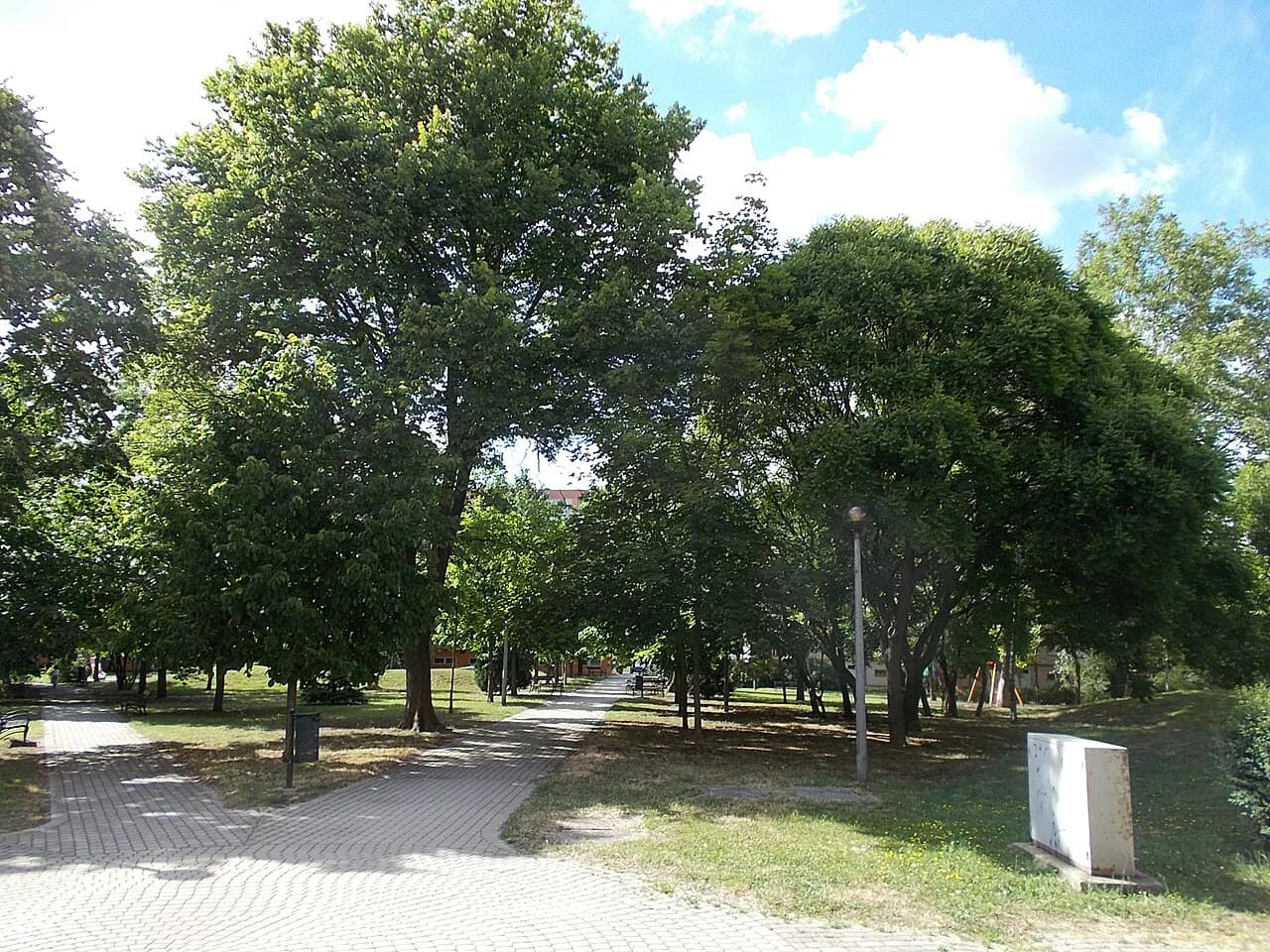
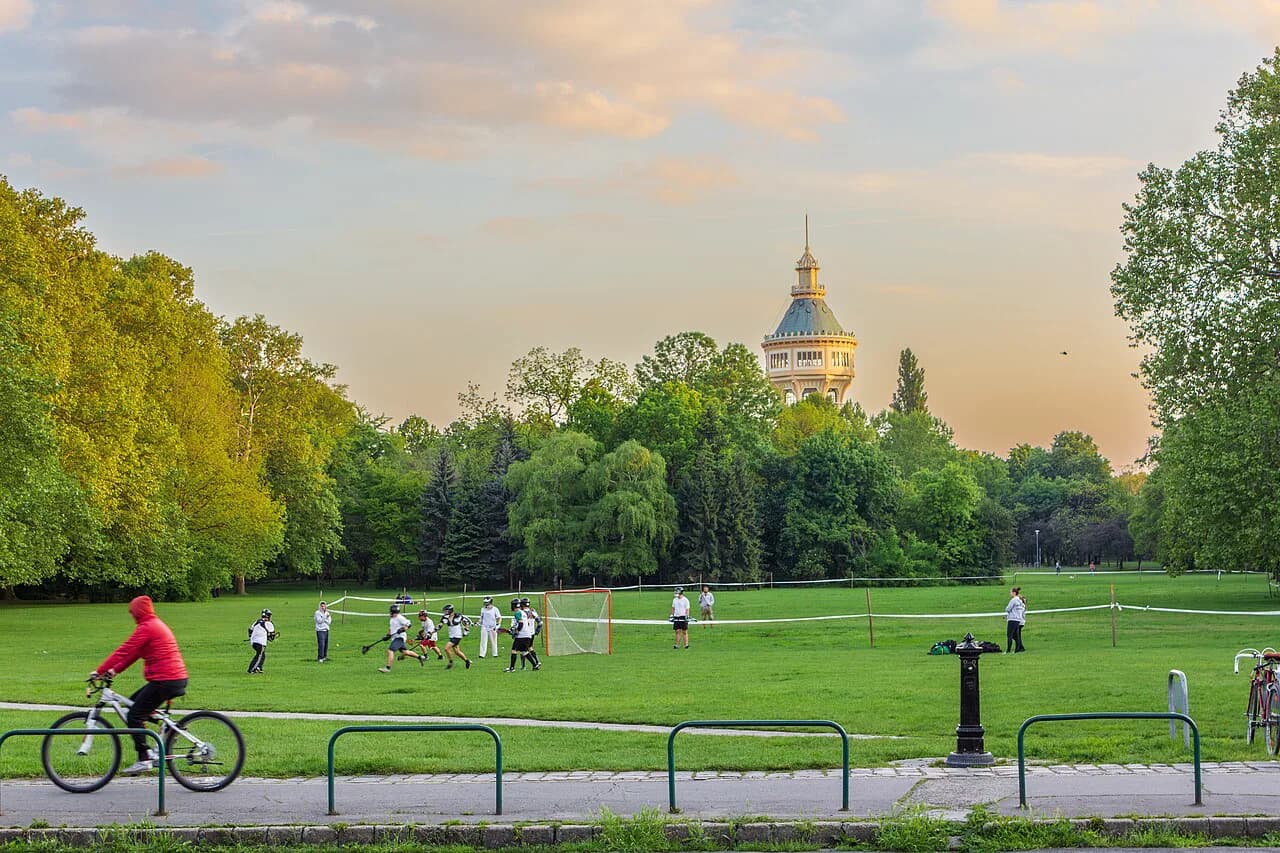
Margaret Island (Margitsziget) is 2.5 km (1.6 mi) long and 500 m (550 yd) wide. It sits between Margit Bridge in the south and Árpád Bridge in the north. Most of it is landscaped parkland, with medieval ruins, two hotels, sports pools and a running track. Entry is free, and the island does not close. Cars are restricted, so you walk, ride or take bus 26.
Walking from one end to the other takes about 45 minutes, and a full loop around the edge takes roughly 90 minutes. That makes it easy to plan around. You can do a quick 45-minute pass, or you can spend half a day with a pool stop and a picnic. If you are building a longer trip, the island also works as a calm day inside a three-day Budapest plan.
This route favors parkland, ruins and river views. Fountains, rose beds and open-air venues depend on the season. Treat them as extras rather than anchors.
Getting to Margaret Island from Buda and Pest
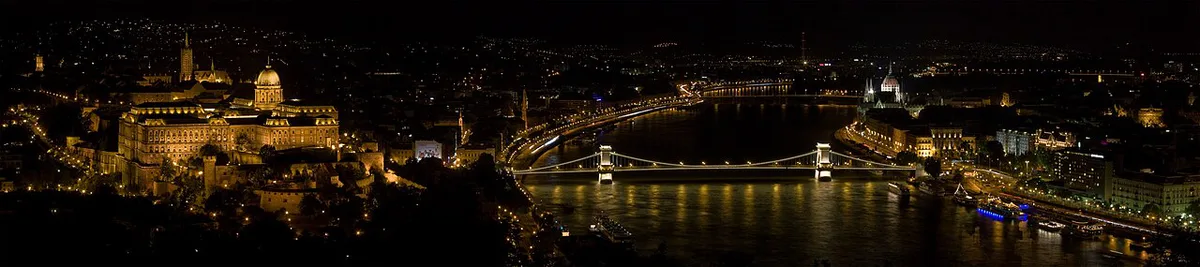
Margit Bridge is the easiest entry for most visitors. Trams 4 and 6 run across it, and you step off and walk down onto the island. One local guide gives a tram ride of about 20 minutes from Blaha Lujza tér.
From the Buda side, the same guide lists trams 19 and 41 along the river, with about 30 minutes of travel time. Check current routes before you go. Budapest's official visitor site, Budapest Info, is a good starting point.
Árpád Bridge is the northern entry. The closest metro stop is Göncz Árpád, about a 15-minute walk from the bridge, according to one guide. Use this end if you want to walk south and finish near the tram.
Public boats D11 and D12 also reach the island from Pest. Published fares differ between sources: one guide lists 750 Ft and another lists a 1,500 Ft day ticket. Confirm fares and schedules on the BKK site before you plan around the boat.
- Margit Bridge (south): trams 4 and 6, best for the south-to-north route.
- Árpád Bridge (north): about 15 minutes on foot from Göncz Árpád metro.
- Public boat D11/D12: slower and scenic, so check fares and times first.
- Driving: parking is reported at 525 Ft per hour, so use public transport if you can.
Walk, bus or cart: how to cover 2.5 km
Bus 26 is the only public vehicle that runs along the island's interior. It is the best escape hatch if your legs give out halfway. Taxis and service traffic also use the road.
Bicycles cost about 990 Ft per hour and Palatinus entry runs 3,200 Ft weekdays—the bike suits quick tours, Palatinus suits half-day pool-focused visits.
Bicycles rent for about 990 Ft per hour at several stands near Margit Bridge, according to one 2024 guide. Bringo carts, golf carts and egg-shaped electric cars are also available. Prices vary by operator, so compare before you hand over cash.
Families with small children often choose a cart. Walkers who want quiet should skip it. Carts share the paths with joggers and strollers, and they are slower to park than to rent.
Accessibility: the main paths are paved and flat. Strollers and wheelchairs manage them well. Gravel side tracks near the ruins can be rougher, so stick to the main avenues if you have mobility needs.
| Option | Best for | Time end to end | Cost note |
|---|---|---|---|
| Walking | Most visitors and photographers | About 45 minutes | Free |
| Bus 26 | Tired legs, rain, a one-way hop | Runs the island's length | Standard public transport fare |
| Bicycle | Covering the loop quickly | Under an hour at an easy pace | About 990 Ft per hour |
| Bringo or golf cart | Families with young children | Slower than a bike | Operator prices vary |
The south-to-north walking route, stop by stop
Start at the Margit Bridge entrance and follow the main avenue north. Each stop below is a natural pause. You can leave the route at any of them using the exit notes in the next section.
- Musical Fountain, near the southern end. Shows run at 10:30 am and 5, 6, 7 and 9 pm. The 6 pm and 9 pm sets carry the fullest repertoire, according to one guide. One local site says the fountain runs from May 1 to October 31, so early October may be near the end of its season. Check before you plan an evening around it.
- Centennial Memorial. This monument commemorates the 1873 unification of Buda, Pest and Óbuda. It takes five minutes and sits near the fountain.
- Rose Garden and Palatinus area. The rose beds sit opposite the Palatinus baths. Roses peak in late spring, so autumn visits see far less bloom.
- Franciscan ruins. Little remains but low walls from a 13th-century priory. The Ottomans destroyed it in the 16th century.
- Dominican Convent ruins. King Béla IV founded the convent after the Mongol invasion, and his daughter Margaret was sent there at age 11. A marble plaque marks her burial place in the nave, according to one local guide.
- St. Michael's chapel and the Promenade of Hungarian Artists. A 15th-century bell hangs in the tower. Busts of poets, writers and painters line the nearby path.
- Water Tower. This 1911 Art Nouveau tower hosts exhibitions and has a cupola view. One guide lists 600 Ft entry and another lists 500 Ft, so confirm at the door.
- Japanese Garden and fish pond. This is the quietest northern stretch, with dwarf trees, a waterfall and a rock garden.
- Nagyrét, the Big Meadow, for a picnic near the northern end.
Shorter exits and loop options
You do not need to finish the whole route. Choose an exit based on your energy and the weather.
The Musical Fountain in your 30-minute route runs May 1 to October 31—early October visits risk missing evening shows, so verify the season first.
If you have 30 minutes, walk from Margit Bridge to the fountain and Centennial Memorial, then head back to the tram. If you have 60 minutes, add the rose beds and the ruins. Bus 26 can bring you back to the south entrance from the island's interior.
If you want the full 45-minute end-to-end walk, finish at Árpád Bridge. Then use the Göncz Árpád metro stop, about 15 minutes away on foot. For a longer loop, the island's edge path takes roughly 90 minutes.
For views beyond the island, compare the tower to other Budapest viewpoints before you climb. The tower is a short stop. It is worth it if you want a look at the Buda Hills from above. Skip it if the queue is long or the day is hazy.
Water Tower, ruins and free sights
The island's ruins cost nothing to see. They fit neatly into a budget day. Our list of free Budapest sights includes similar stops.
The Water Tower is the only major climb here, at about 500 Ft to 600 Ft according to two guides. A third of that fee goes unspent if you skip the climb and enjoy the park view instead. The mini zoo (Vadaspark) is free and covers about 5,200 square meters, according to one local guide. Its reported season is mid-April to late October, so check dates before you go. Expect a small collection of waterfowl, deer and peacocks rather than a full zoo. It suits young children.
Palatinus vs. other Budapest baths
Palatinus Strand is a beach-style pool complex, not a traditional bathhouse. It has slides, adventure pools, a wave pool and thermal pools. Entry listed by one guide is 3,200 Ft on weekdays and 3,600 Ft at weekends. Check current prices on the official site before you buy.
Choose Palatinus if you have children or want slides and sun. Choose a historic bathhouse if you want architecture and slow soaking. Our guide to lesser-known thermal baths covers quieter options.
Palatinus is also a useful backup in bad weather. It has an indoor thermal section, which makes it a candidate for a rainy-day Budapest plan. Confirm which sections are open in the cold months. One guide says the baths run year-round and are quiet in winter.
Bring a swimsuit and flip-flops. Expect a strand culture of loungers and fast-food stalls rather than silent soaking.
Running track, swimming and kids' stops
A rubber-coated running track of 5.35 km (3.33 mi) circles the island. Most guides describe it as a favorite among locals. Keep to the right, pass on the left, and leave the walkers some room. Allow 45 to 60 minutes at an easy jog.
Serious swimmers can head to the Alfréd Hajós National Swimming Stadium. It opened in 1930 and has hosted European championships, according to Wikipedia. Check opening hours and public sessions first.
For kids, there is a playground near the Margit Bridge end, close to the fountain. A second ecological playground is reported near Árpád Bridge, next to the car park. Pony rides at the mini zoo were listed at 500 Ft per round, though you should confirm that.
Eating and evenings on the island
Casual food comes first. Lángos stalls sell fried dough with sour cream and cheese, listed at roughly 600 to 800 Ft by one guide. Palatinus also has fast-food buffets and ice cream stands.
For a sit-down meal, two guides name Hippie Island, an open-air pub and café with terrace seating. Both hotel restaurants are another option, but check their opening status first. If you want a wider choice, our list of the best local restaurants covers the city.
In summer, Zippp, an open-air beach club, was reported open Wednesday to Saturday with music until 5 am. The Open-Air Theatre hosts the Budapest Summer Festival from June to August. Both are seasonal, so don't count on them in October.
For a livelier night, compare the island with the city's ruin bars in District VII. The island is calmer and more spread out.
Quiet zones, seasons and mistakes to avoid
The northern end is the calmest stretch. The Japanese Garden, the fish pond and the Nagyrét are quieter than the area near Margit Bridge. Walk there on a weekday morning and you will mostly meet joggers. A local guide says the park is busiest on weekends, and Sunday afternoon is the worst time for peace.
For wider timing advice, see our guide to the best time to visit without crowds. Spring brings cherry blossoms around mid-April, according to one guide. Early autumn brings foliage through mid-October.
Winter is quiet. Fountains are shut, and some stalls close. The walk still works, particularly if snow is on the ground.
Common mistakes are easy to avoid. Do not plan an evening fountain show without checking the season. Do not assume every garden is in bloom. Do not try the whole loop and a pool visit in a short window.
For more off-peak ideas, try these non-touristy things to do. If you are staying in Újlipótváros, read our Újlipótváros neighborhood guide for nearby routes. For other lesser-seen corners, start with our guide to Budapest's quieter spots.
Margaret Island at a glance
Use this table to choose stops based on time and budget. Prices come from competitor guides and may have changed, so verify before you go.
| Feature | Best for | Time needed | Cost |
|---|---|---|---|
| Musical Fountain | Couples and families | About 20 minutes | Free |
| Palatinus | Families and active visitors | 3 to 4 hours | 3,200 Ft weekday, 3,600 Ft weekend (verify) |
| Medieval ruins | History fans | About 30 minutes | Free |
| Running track | Fitness | 45 to 60 minutes | Free |
| Water Tower | Views and exhibitions | 20 to 30 minutes | About 500 to 600 Ft (verify) |
A Quiet Sunset Stop Near the Japanese Garden
For a calmer late-day pause, continue beyond the Japanese Garden’s pond toward the northern riverside paths. Benches in this area face across the Danube toward the Buda Hills. They are a better sunset choice than the Musical Fountain lawns, which draw larger crowds.
Arrive 30 to 45 minutes before sunset if you want time to walk slowly from the garden and choose a seat. The light is most useful on clear evenings, when the hills and riverside buildings remain visible after the sun drops. Bring water or a snack, as the northern end has fewer food options than the Palatinus and Margit Bridge areas.
- Best approach: follow the main avenue north from the Japanese Garden.
- Best for: a quiet break, photographs, or a low-key picnic.
- Practical note: use Bus 26 afterward if you do not want to walk back south.
For trip-planning details, see BMC - Budapest Music Center.
Frequently Asked Questions
How long does it take to walk Margaret Island?
Walking from Margit Bridge to Árpád Bridge takes about 45 minutes. A full loop around the edge takes roughly 90 minutes. Add time for the ruins, the Water Tower or a pool visit.
Is Margaret Island free to visit?
Yes, entry to the island is free. Individual attractions charge their own fees. Palatinus and the Water Tower are the main paid stops, and the ruins and mini zoo are reported as free.
Which bus goes through Margaret Island?
Bus 26 is the public bus that runs along the island's interior. It is a useful shortcut if you want to skip part of the walk. Taxis and service vehicles also have access.
What time is the Margaret Island musical fountain show?
Guides list shows at 10:30 am and at 5, 6, 7 and 9 pm. The 6 pm and 9 pm shows carry the fullest repertoire. One local site lists a May 1 to October 31 season, so check current dates.
Is Palatinus worth it compared with Széchenyi or Gellért?
Palatinus suits families who want slides, wave pools and outdoor space. Széchenyi and Gellért are better if you want historic architecture and slow soaking. Pick based on the kind of day you want.
Is Margaret Island accessible for strollers and wheelchairs?
The main paths are paved and flat, so strollers and wheelchairs generally work well. Gravel side paths near the ruins can be rougher. Stay on the main avenues if you need smooth surfaces.
Continue exploring
More guides you'll find useful