12 Unique Things to Do in Lyon: Traboules, Murals, and Local Flavors
Discover unique things to do in Lyon, from silk-worker traboules and certified bouchons to a 19th-century funicular and pink praline tastings.
On this page
12 Unique Things to Do in Lyon: A Local Logistics Guide
Last updated July 2026, this guide collects unique things to do in Lyon that sit outside the standard Fourvière-and-Vieux-Lyon checklist. France's third-largest city sits where the Saône and Rhône rivers meet, layering almost 2,000 years of history between Roman Lugdunum and the modern Confluence district. Each pick below comes with the logistics needed to actually reach it, not just the reason to go.
Where Lyon's Two Rivers and Two Hills Set the Scene
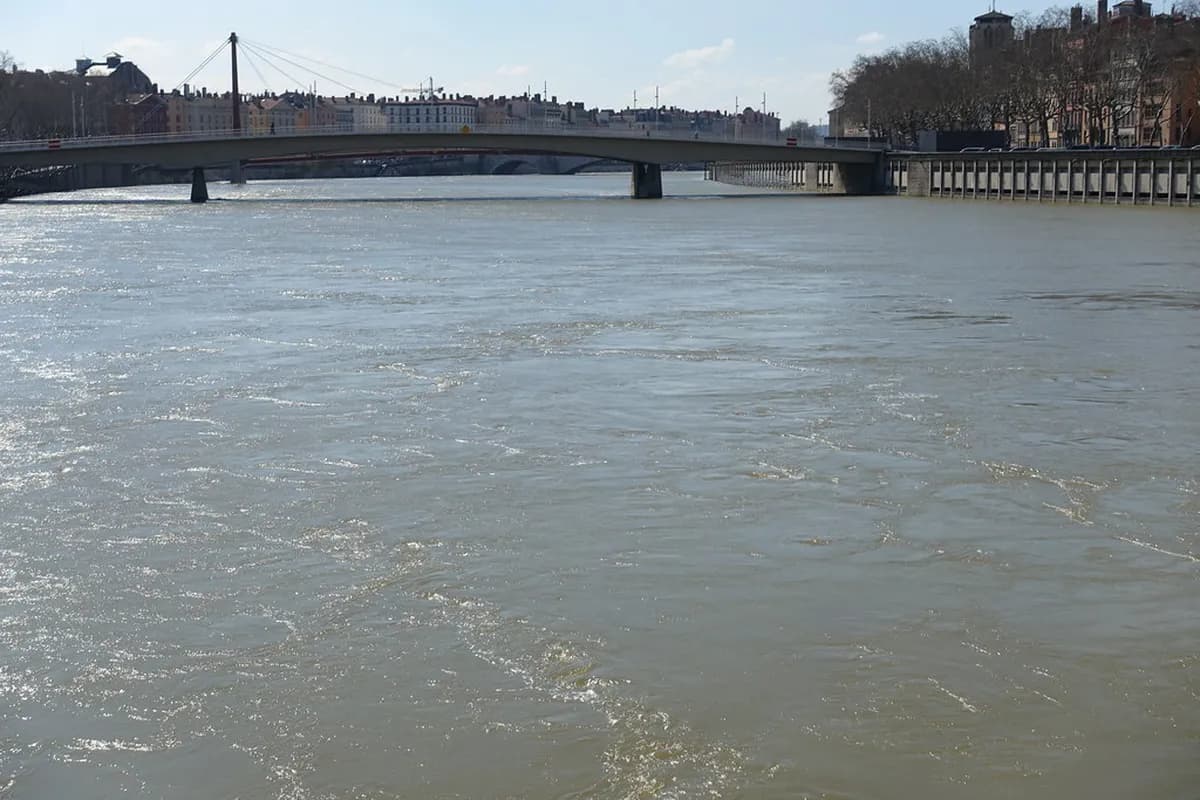
Lyon sits where the Saône and Rhône rivers meet, with Fourvière hill rising on one side and Croix-Rousse on the other. That split creates distinct districts, from Renaissance Vieux Lyon along the Saône to the modern Confluence district where the two rivers actually join. The Presqu'île peninsula sits between the two hills, holding Place Bellecour and the boutique streets most first-time visitors already walk. Getting oriented first pays off; a district-by-district neighborhood guide maps what sits where before you plan a route between them. These 12 picks sit outside the loop already covered in a broader hidden gems guide to the city, paired here with what it actually takes to reach each one.
12 Unique Things to Do in Lyon
Each entry below pairs a specific place with the logistics that make it work. Know which door to try, which sticker to look for, and which ticket already covers the ride before setting out for the day. None of the 12 require booking a formal tour, though a couple reward checking hours before you go.
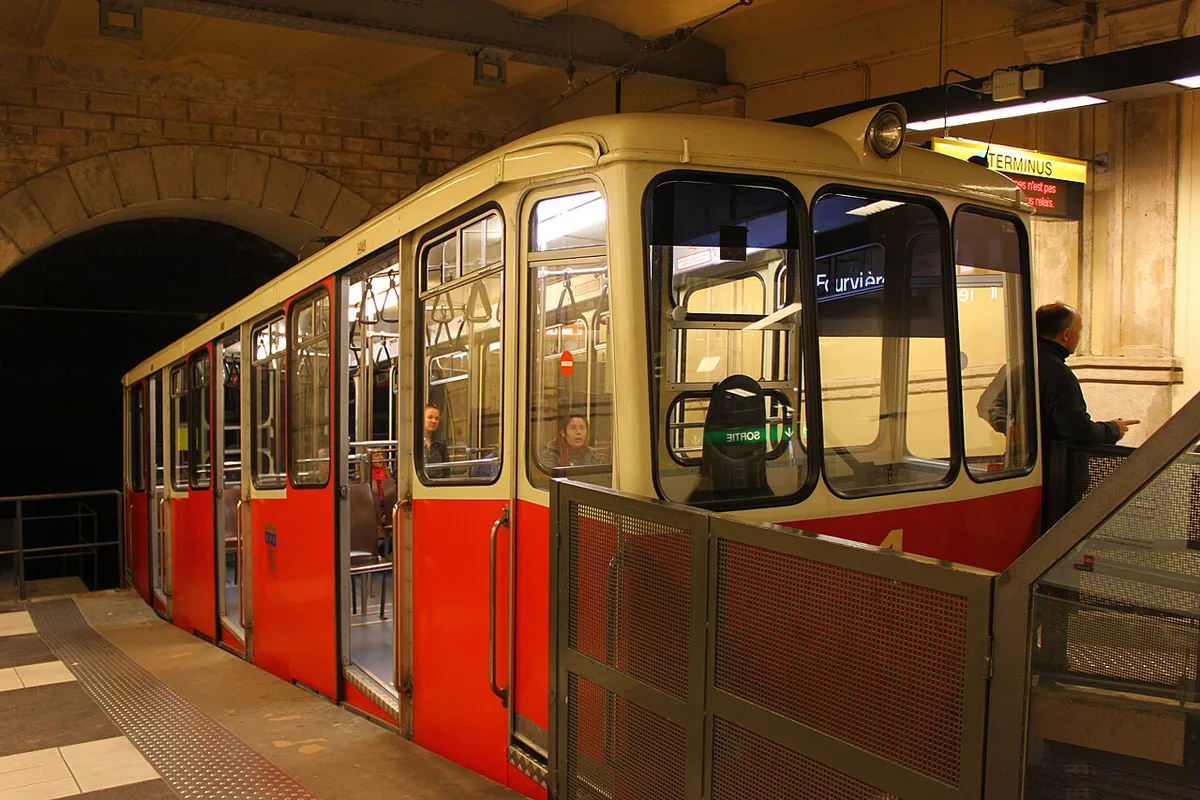
The 1862 funicular rises from Renaissance Vieux Lyon to Roman theaters and amphitheater, threading together 16th-century passages and ancient ruins within a single metro-ticket journey spanning two millennia of history.
- Push the Bell at a Renaissance Traboule in Vieux Lyon
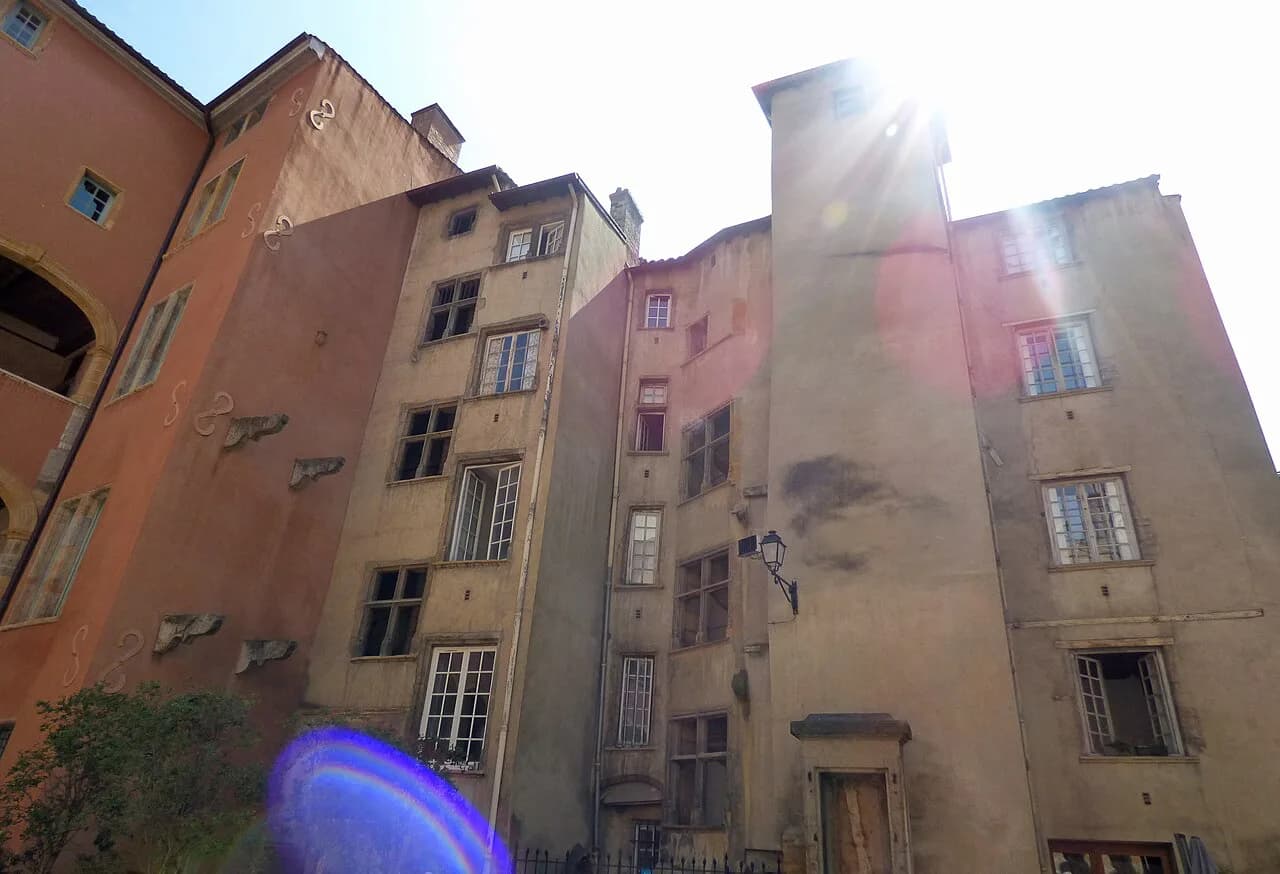
- Vieux Lyon concentrates close to 200 traboules, the covered passageways that cut between parallel streets through building courtyards, dating back to the Renaissance.
- Look for a small marker beside an unmarked door; where a bell is mounted, push it, and an accessible traboule will unlatch on its own.
- A dedicated traboules guide and a companion Vieux Lyon walking guide map exactly which doors stay open to visitors.
- Trace a Silk Weaver's Shortcut Through Croix-Rousse
- Croix-Rousse's traboules date to the 19th century, built so silk weavers could carry bolts of fabric across the hill without exposing them to rain.
- They feel different from the Vieux Lyon set: narrower, steeper, and mixed into residential courtyards rather than lined with tourist-facing storefronts.
- A secret spots guide and a guide to Croix-Rousse both cover specific routes through the slopes.
- Let the Mur des Canuts Trick Your Eye
- This trompe l'oeil mural covers a building wall on Boulevard des Canuts with painted balconies, stairwells, and residents that are not actually there.
- Cross to the far side of the boulevard for the angle where the painted perspective lines up and the illusion holds together.
- A dedicated Mur des Canuts write-up has the exact viewing spot and what each painted scene depicts.
- Learn the Silk Trade at Maison des Canuts
- Croix-Rousse's layout, its traboules, its steep streets, its workshop windows, only makes full sense once you understand the silk-weaving trade that built the district.
- Maison des Canuts runs live demonstrations of the handloom weaving technique that shaped the district's economy for more than a century.
- Confirm current demonstration times before visiting, since small trade museums in Croix-Rousse tend to adjust their schedules by season.
- Find the Mosaic Garden Behind Jardin Rosa Mir's Gate
- This small garden in Croix-Rousse is covered floor to wall in hand-set mosaic tile, shell, and stone, built by one woman over decades.
- It stays largely missed by day-trippers who stop at the Mur des Canuts and never walk the extra streets uphill toward the garden gate.
- A dedicated garden visiting guide has the entrance location and current opening hours.
- Screen a Film at the Birthplace of Cinema
- Institut Lumière occupies the family home and factory where Auguste and Louis Lumière shot some of the earliest motion pictures in history.
- Its on-site cinema still screens films today, tying a visit to the medium's actual origin rather than a straightforward museum walkthrough.
- Check current opening days before planning around it; a dedicated Institut Lumière schedule page has the latest details.
- Hunt the Yellow Gnafron Sticker for a Certified Bouchon
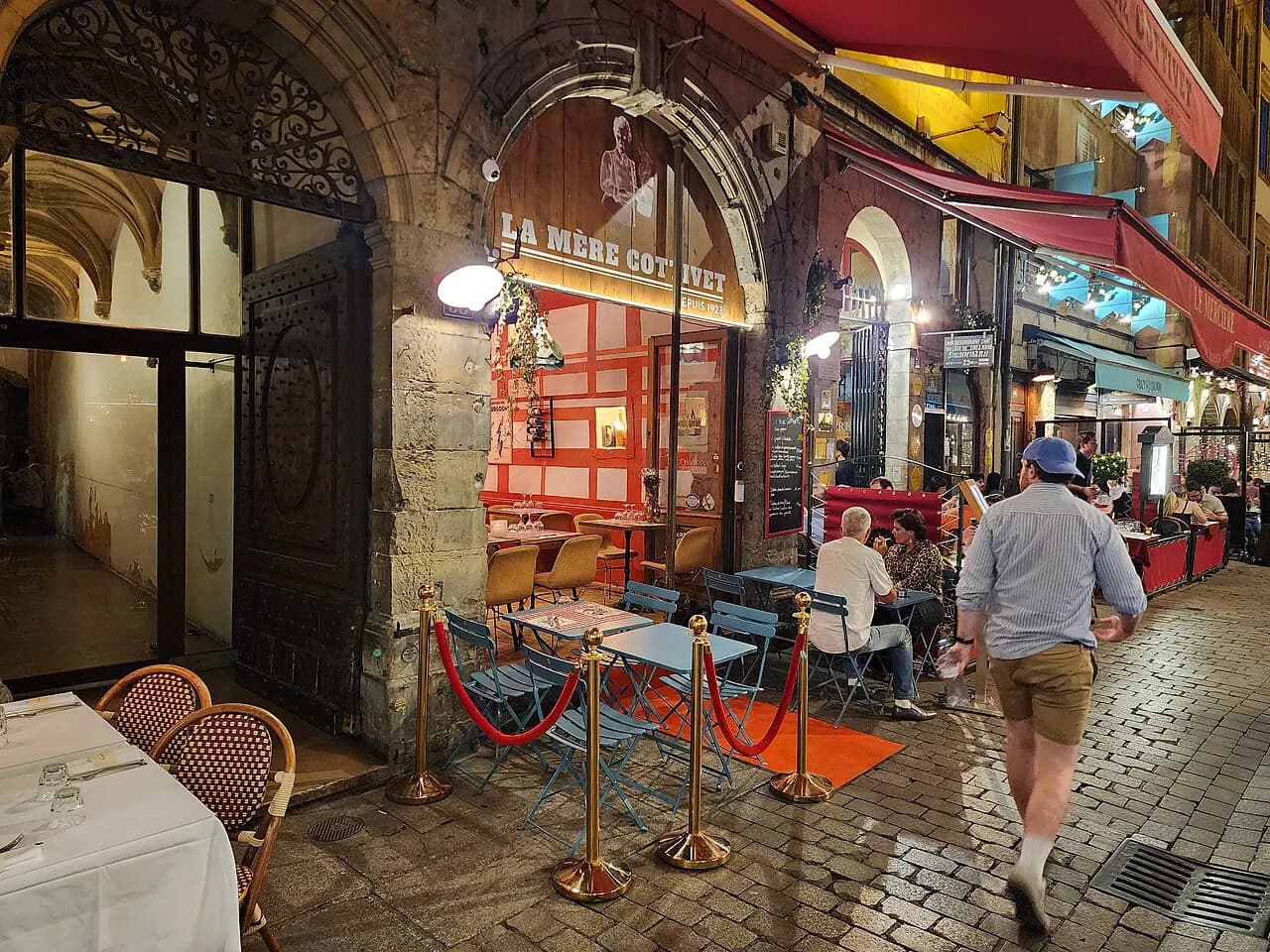
- Only around 20 restaurants in Lyon carry the official Les Bouchons Lyonnais certification, marked by a yellow Gnafron sticker near the door.
- Certified bouchons serve Lyonnais staples like quenelle, andouillette, and salade lyonnaise in small, traditional dining rooms rather than tourist-menu versions of the same dishes.
- Book ahead for weekend seatings, and check a local restaurant picks guide for current certified addresses.
- Shop Sunday Morning at Les Halles de Lyon Paul Bocuse
- This covered food market runs stalls for cheese, charcuterie, pastry, and oyster bars, named for Lyon's best-known chef and used daily by locals rather than tour groups.
- Published hours list a 1pm Sunday closing, though several stalls stay open toward 2pm to catch the last of the lunch crowd.
- A Lyon food primer breaks down which stalls to prioritize on a short visit.
- Follow the Pink Praline From Pralus to Sève
- Pralus invented the Praluline, a brioche folded with crushed pink pralines, in 1955, and still bakes it at its Rue de Brest boutique.
- Sève is Lyon's other established praline maker, worth comparing side by side with Pralus on flavor and texture.
- For lesser-known bakery stops beyond these two names, an off-the-beaten-path bakery guide has more options.
- Ride Lyon's 19th-Century Funicular Up to Roman Ruins
- The funicular line first opened in 1862 and still runs two routes from Vieux Lyon up to Fourvière hill.
- A standard metro ticket, priced at roughly a couple of euros, covers the ride, and tap-to-pay by bank card or phone works directly at the turnstile.
- One route ends near the Lugdunum Roman theaters, a free-to-enter amphitheater and odeon; a no-cost Lyon activities guide lists more free stops nearby.
- Contrast 2,000 Years of History at Musée des Confluences
- This museum sits where the Saône meets the Rhône, its angular glass-and-steel form breaking hard from the stone facades that define most of the rest of Lyon.
- Visiting it back-to-back with Vieux Lyon or the Roman theaters puts two millennia of the city's architecture side by side in one afternoon.
- A guide to the Confluence district covers the walk over from the Presqu'île and what else sits nearby.
- Cross Into La Guillotière for a Different Lyon Food Scene
- La Guillotière mixes North African bakeries, Vietnamese kitchens, and Middle Eastern grills into one of Lyon's most varied restaurant strips.
- It draws fewer visitors than the certified bouchons of Vieux Lyon or Presqu'île, even though the food is just as specific to the city.
- A La Guillotière dining guide has specific addresses worth building a meal around.
Getting to Lyon and Timing It Right
Lyon Saint Exupéry airport sits roughly 12 miles outside the city center, with two main ways to close that distance. Timing the trip matters just as much as the transfer itself, since two annual events reshape crowds and prices citywide. Part-Dieu station handles high-speed TGV connections, while Perrache station handles regional trains, and both sit within easy reach of a Rhônexpress arrival.
| Option | Journey Time | Notes |
|---|---|---|
| Rhônexpress tram | About 30 minutes to Part-Dieu station | Runs every 15 minutes; check current fares online before booking |
| Taxi or rideshare | Variable, traffic-dependent | Typically costs more than the fixed tram fare; confirm the quote in the app first |
Extend the Trip Beyond Lyon
Lyon works as a base for day trips as much as a destination on its own. Beaujolais wine country sits within reach for a half-day or full-day trip built around vineyard visits and tastings. Lyon's own train stations, Part-Dieu for speed and Perrache for regional routes, make onward trips straightforward without renting a car. Anyone staying more than two days should treat the city as a hub first; a dedicated day-trip guide lays out routes by train and by car.
The Rhônexpress tram covers 30 minutes from airport to Part-Dieu station, putting Lyon within practical day-trip range for Beaujolais wine tastings and regional destinations accessible by train.
Slow Down at Parc de la Tête d’Or’s Free Zoo and Rose Gardens
Parc de la Tête d’Or offers a spacious break from Lyon’s stone streets without requiring an admission ticket. The 117-hectare park sits north of central Lyon, beside the Rhône in the 6th arrondissement.
Enter through the monumental Porte des Enfants du Rhône for the most impressive approach. Métro Line A stops at Masséna, followed by a walk of about 15 minutes. Several bus routes stop closer to other park gates.
- The free zoo includes giraffes, zebras, antelopes, and other animals around its African plain.
- The botanical garden contains tropical greenhouses and extensive plant collections, also accessible without charge.
- Three rose gardens provide the best displays from late spring into early summer.
The lake and broad paths make the park suitable for a slower afternoon between Croix-Rousse and the Presqu’île. Check the zoo and greenhouse hours separately, since they can close earlier than the park gates.
Further reading: Lyon on Wikivoyage · Lyon on Wikipedia
Frequently Asked Questions
What makes Lyon's traboules different from other French passageways?
Lyon's traboules split into two distinct types. Vieux Lyon's roughly 200 passageways date to the Renaissance and cut between parallel streets through building courtyards. Croix-Rousse's traboules came later, built in the 19th century so silk weavers could move fabric across the hill without exposing it to rain. The two neighborhoods reward different routes, so treat them as separate stops rather than one traboule walk.
How do you get from Lyon Saint Exupéry Airport into the city?
The Rhônexpress tram covers the roughly 12-mile trip to Part-Dieu station in about 30 minutes and runs every 15 minutes. A taxi or rideshare typically costs more and takes longer in traffic, though it can drop you closer to a specific address. Check current fares for both before choosing, since pricing can shift.
How do you spot a certified bouchon instead of a tourist-menu restaurant?
Look for the yellow Gnafron sticker near the entrance, the mark of the official Les Bouchons Lyonnais certification. Only around 20 restaurants in Lyon currently carry it, so the sticker is a faster check than reading the posted menu. Certified bouchons also tend to keep a short, seasonal menu rather than a long laminated one aimed at passing tourists.
When should you visit Lyon to avoid the biggest crowds?
December brings the Fête des Lumières light festival, and summer brings the Nuits de Fourvière performance festival in the Roman amphitheater. Both draw heavier crowds and tighter hotel availability, so the weeks just before or after those events tend to be calmer for sightseeing.
Is the funicular up to Fourvière included in a standard metro ticket?
Yes. A standard TCL metro ticket covers the funicular ride, and tap-to-pay by bank card or phone works directly at the turnstile. The line has run since 1862 and departs roughly every 5 to 10 minutes, connecting Vieux Lyon with both the basilica and the Roman ruins on Fourvière hill.
Continue exploring
More guides you'll find useful