Lyon Neighborhoods Guide 2026: Where to Stay in Every District
A Lyon neighborhoods guide comparing Vieux Lyon, Croix-Rousse, and Confluence by vibe, cost, and transit, to help you choose where to stay in 2026.
On this page
Lyon Neighborhoods Guide: Where to Stay & Explore
Last updated July 2026, this Lyon neighborhoods guide breaks the city into districts split across two rivers and two hills. Vieux Lyon's Renaissance lanes, Croix-Rousse's silk-weaver slopes, and Confluence's new-build architecture each pull a different kind of traveler. Use the district notes below to match walkability, budget, and nightlife priorities to the right base before you book.
Lyon Neighborhoods Guide: Two Rivers and Two Hills
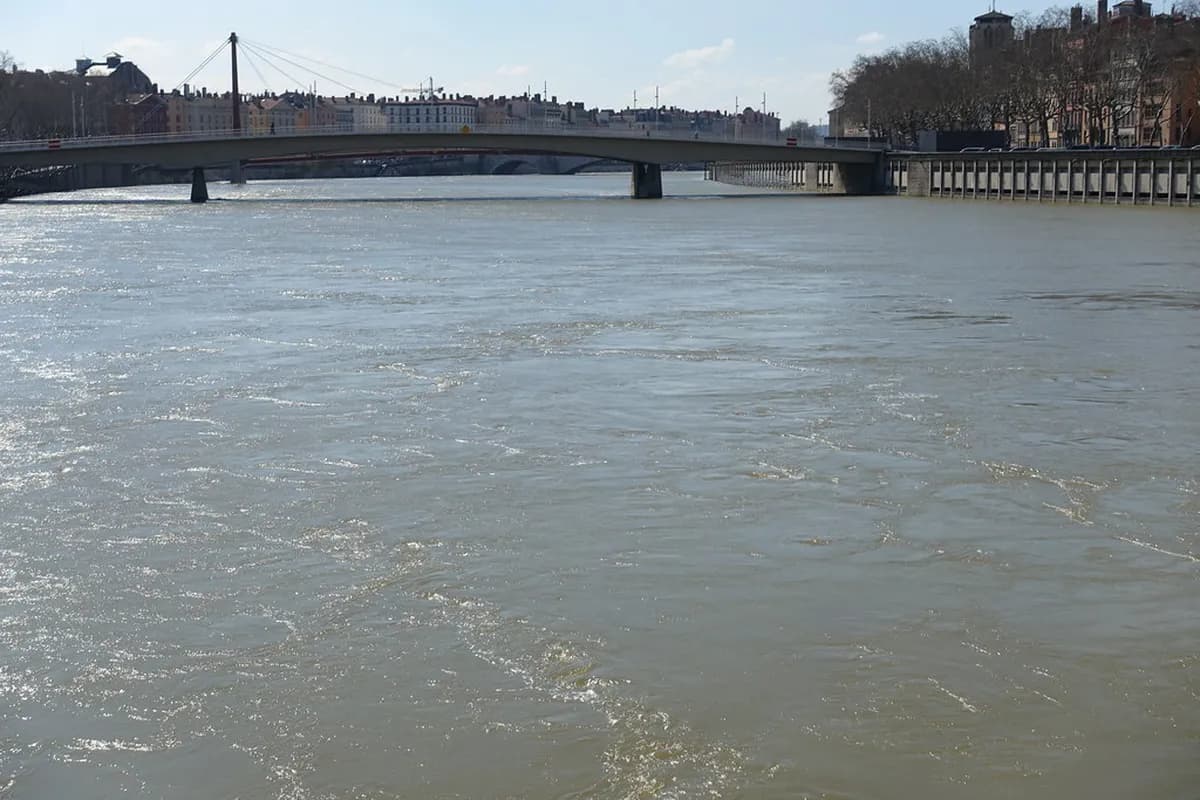
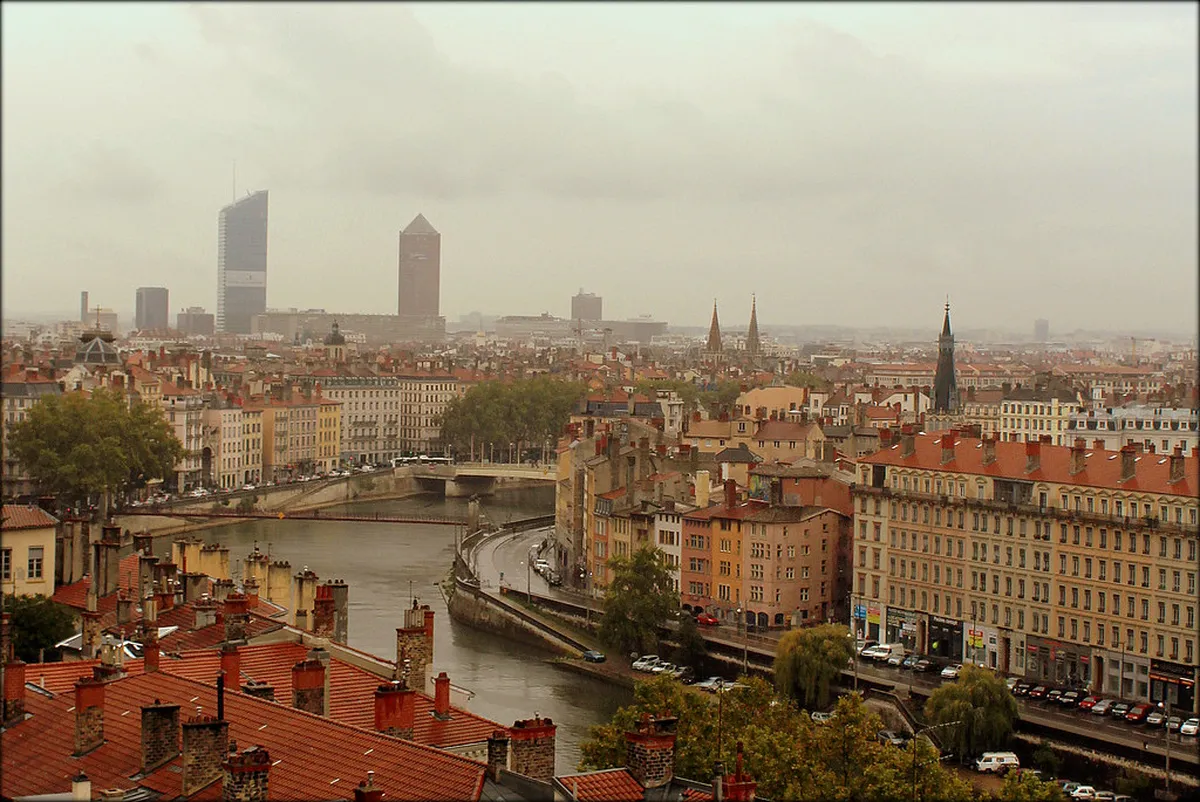
Lyon sits where the Saône and the Rhône rivers run north to south, with the Saône to the west and the Rhône to the east. Between them lies the Presqu'île, the long peninsula that forms the historic core of the city. Two hills frame that core. Fourvière, above Vieux Lyon, carries the nickname "the hill that prays" for its basilica. Croix-Rousse carries "the hill that works" for its silk-weaving past. Nine arrondissements divide Lyon, numbered in a loose spiral outward from the center rather than in a straight geographic line. A single arrondissement can hold more than one neighborhood. The 5th contains Vieux Lyon but also stretches up Fourvière hill. The Presqu'île itself spans both the 1st and 2nd arrondissements. This Lyon neighborhoods guide organizes districts by character first and arrondissement number second, since the number alone rarely tells you what a street will feel like.
The Presqu'île: 1st and 2nd Arrondissements
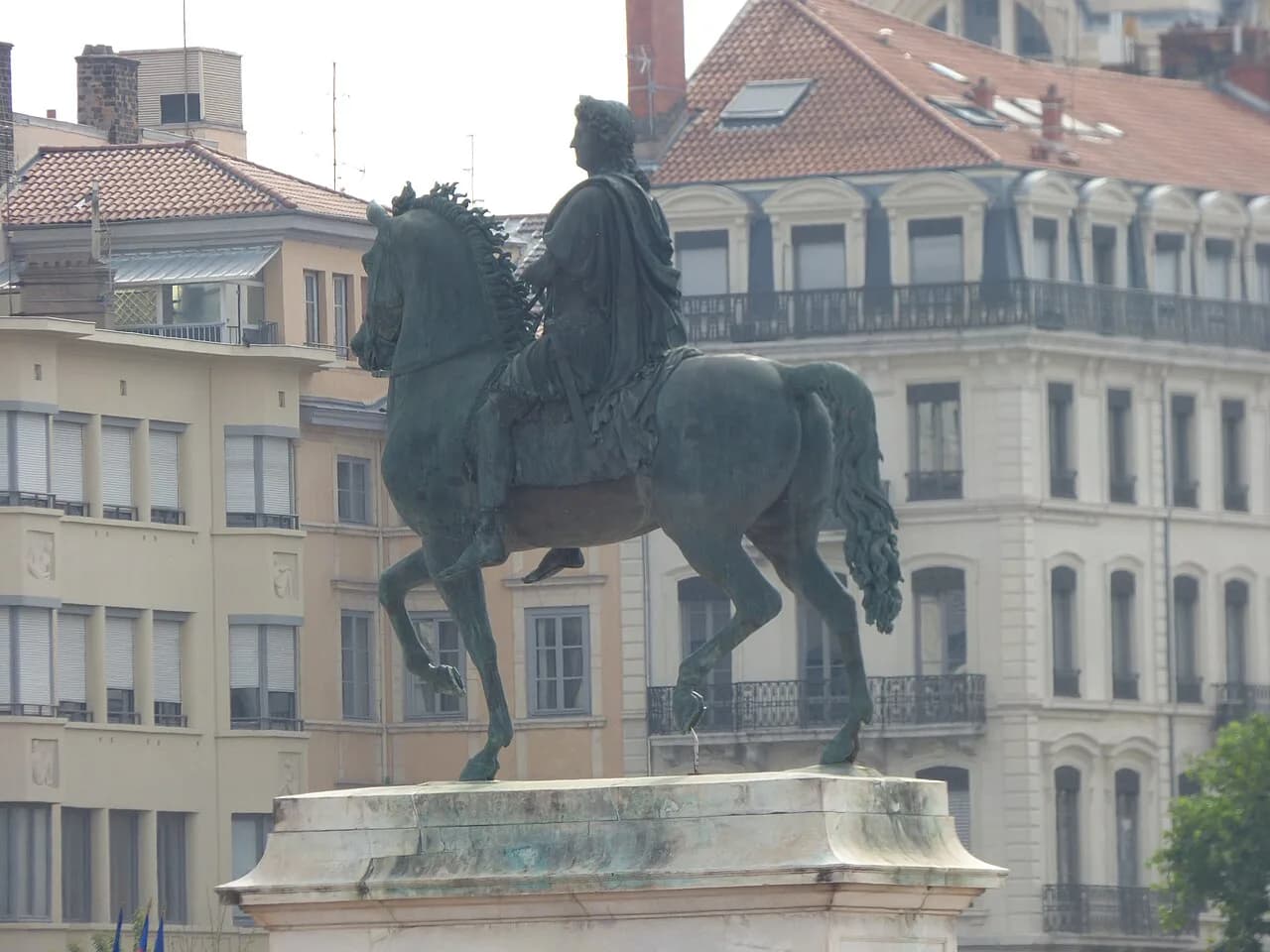
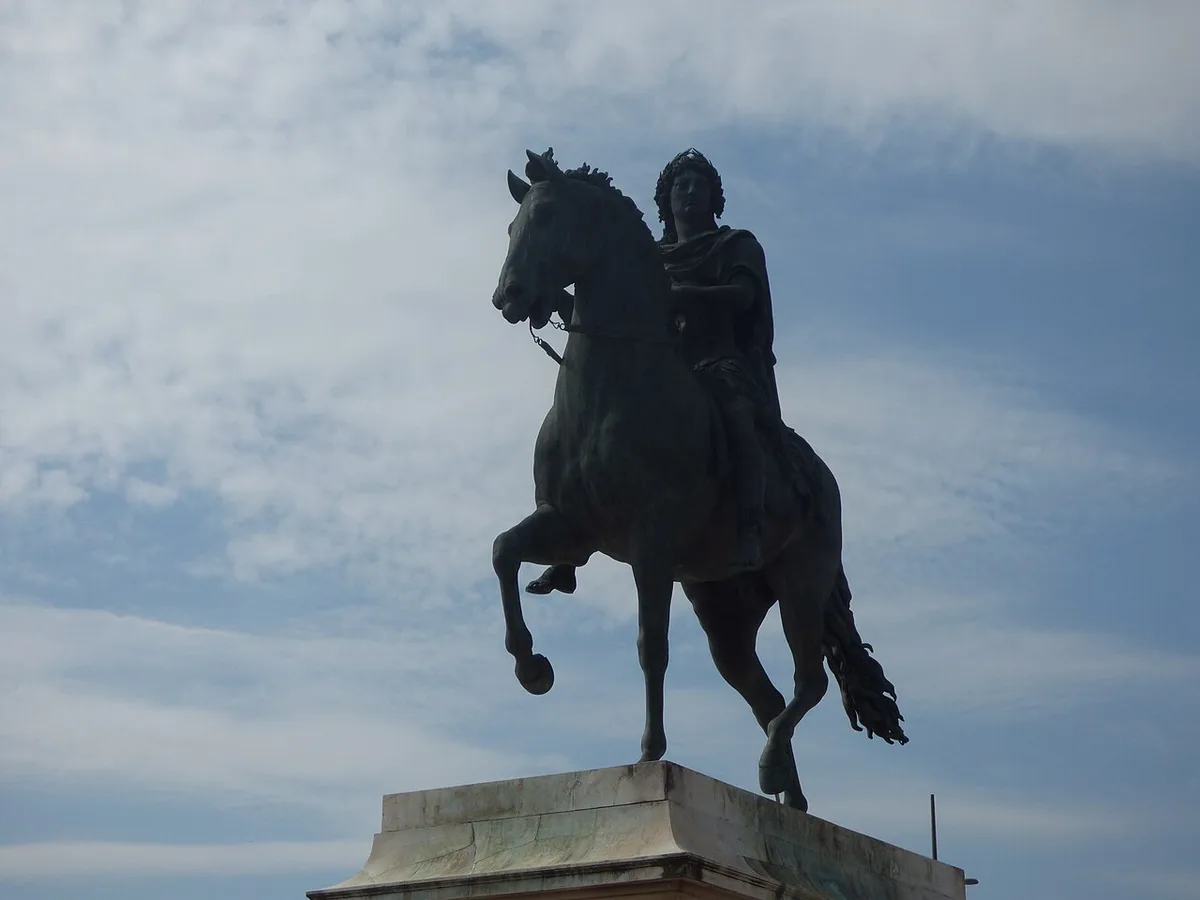
The Presqu'île is Lyon's commercial and cultural center, covering the 1st and 2nd arrondissements between the two rivers. Grand squares anchor the district at both ends, listed below. High-end shopping streets radiate out from both squares. Walking covers nearly everything here, though the blocks around the Hôtel de Ville get loud with weeknight crowds. A morning market runs along Quai Saint-Antoine on the Saône, six days a week, closed Mondays. South of Bellecour, the Gare de Perrache rail complex physically cuts the 2nd arrondissement in two. It separates the walkable northern Presqu'île from the newer Confluence district beyond it. For sights beyond the main squares, a roundup of unique things to do in the district covers spots most first-time visitors miss. As of 2026, recent guide benchmarks put Presqu'île hotel rates across the range shown below.
Though transit from Villeurbanne takes roughly 15 minutes to reach the Presqu'île, local walkability within the district minimizes the importance of external commute times for a home base.
| Hotel | Price (per night) | Notes |
|---|---|---|
| Hôtel de l'Abbaye | $225 | Boutique property in a quieter part of the Presqu'île |
| Bayard Bellecour | $150–200 | 4-star hotel directly on Place Bellecour |
| Hotel Republik | $120 | Central value pick near the Presqu'île's core |
- Place Bellecour, the large square toward the southern Presqu'île.
- Place des Terreaux, near the Hôtel de Ville, at the northern end.
- Opéra Nouvel, Lyon's opera house, just off Terreaux.
- Musée des Beaux-Arts, next to Terreaux as well.
Vieux Lyon and Fourvière: 5th Arrondissement
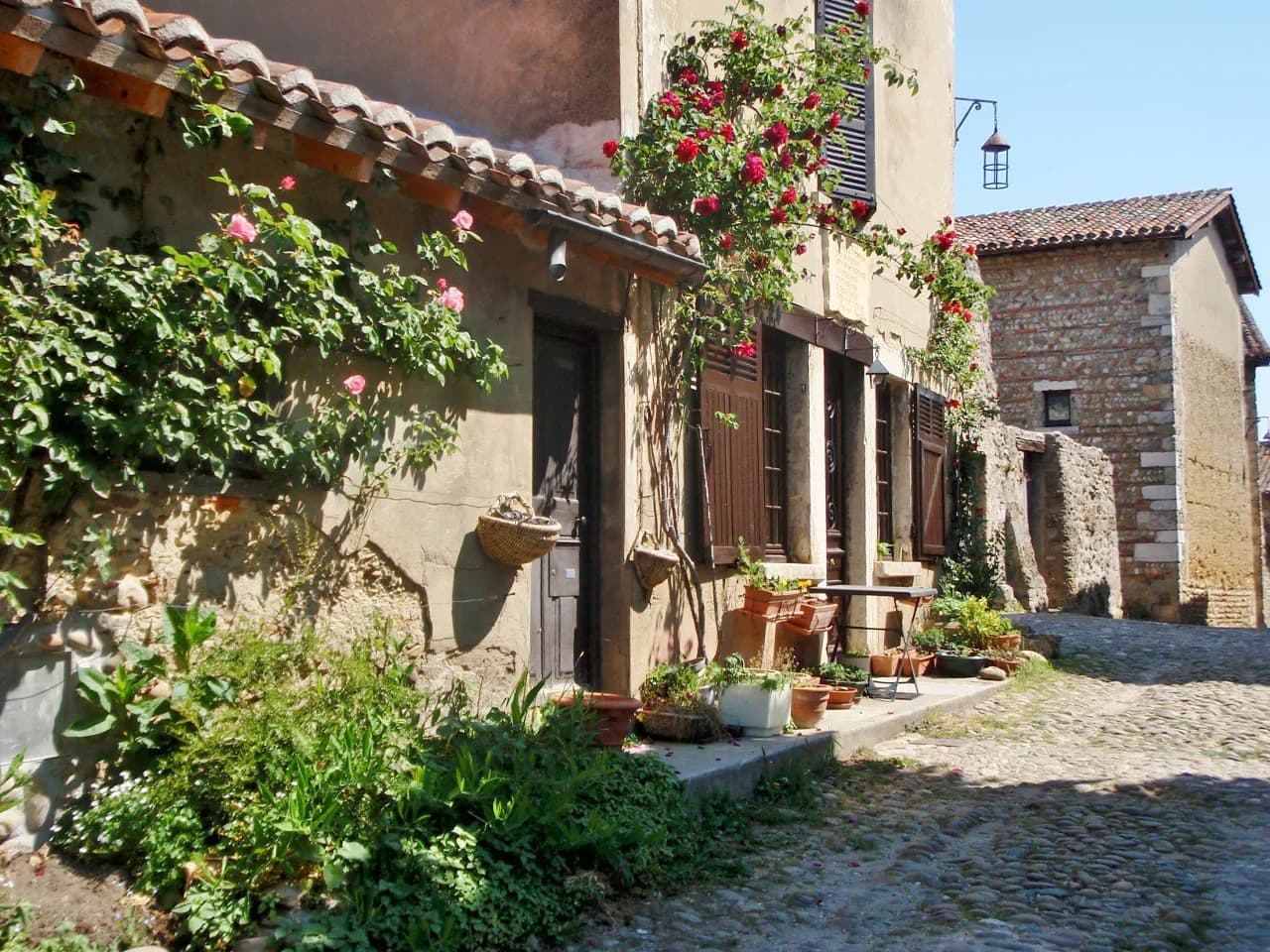
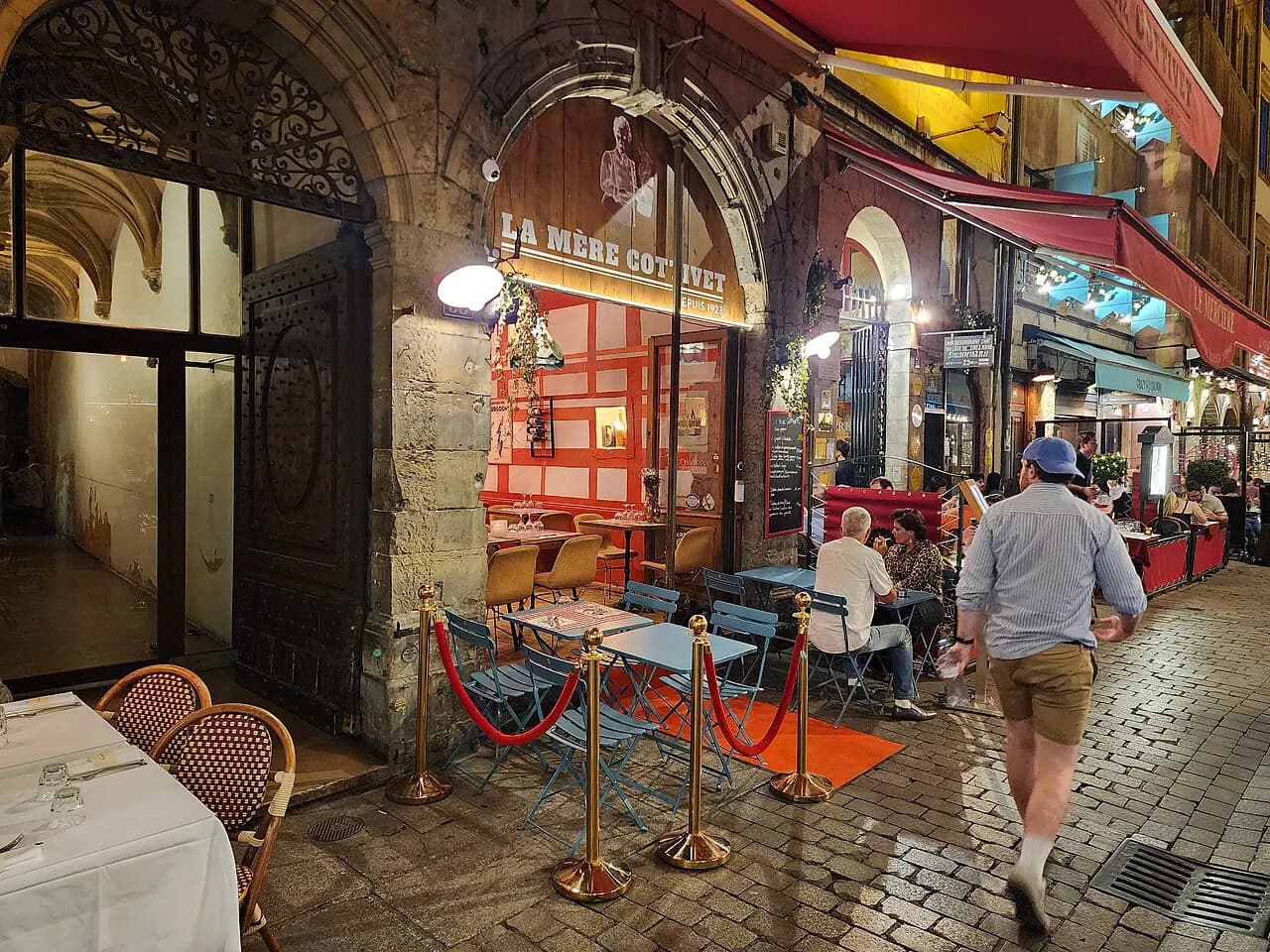
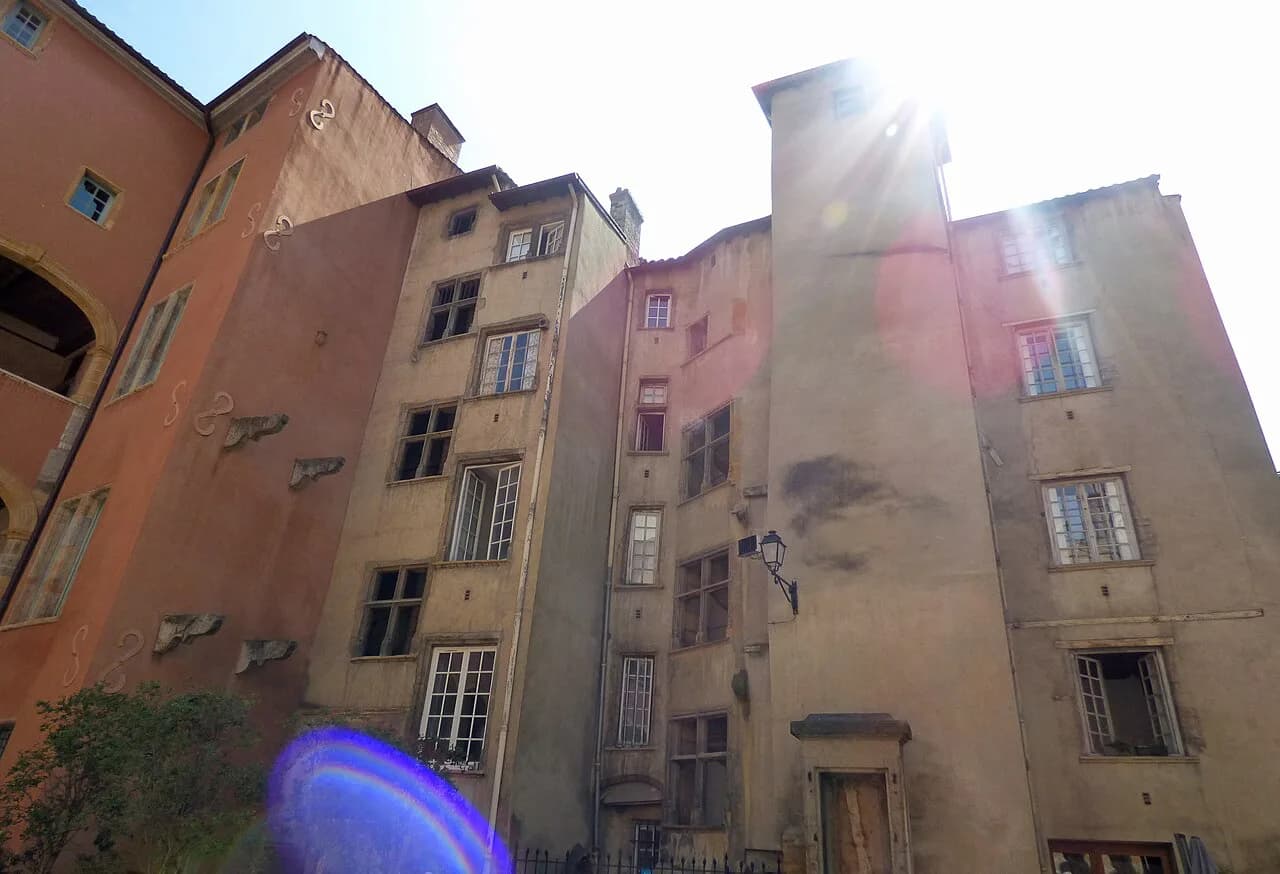
Vieux Lyon fills the strip of land squeezed between the Saône River and the base of Fourvière hill, still carrying its Renaissance-era build. Cobblestone lanes connect to traboules, the covered passageways that once let silk merchants move goods between streets without the weather. Cathédrale Saint-Jean anchors the old town at river level. Basilique Notre-Dame de Fourvière crowns the hill above it. Two funicular lines, F1 and F2, run from Vieux Lyon up to Fourvière, sparing the legs from the steep stair climb. Tourism concentrates here more than anywhere else in Lyon, so choosing a bouchon (a traditional Lyonnaise restaurant) away from the busiest tourist strip takes more care than in other districts. Rue du Bœuf holds a better mix, including the Food Traboule, an indoor courtyard food hall with stalls from younger local chefs. Villa Florentine anchors the high end of Vieux Lyon lodging, priced roughly $300–500 a night. La Loge du Vieux Lyon offers one-bedroom apartments in the old town for about $165 a night. Detailed street-level picks live in the dedicated Vieux Lyon Guide: Traboules, Landmarks, and Bouchon Etiquette (2026). The passageways themselves get a full breakdown in a dedicated traboules guide.
Croix-Rousse and Les Pentes: 1st and 4th Arrondissements
Croix-Rousse hill splits into two distinct feels. Les Pentes is the sloped lower section, technically inside the 1st arrondissement. The flatter plateau on top is the 4th arrondissement proper. Les Pentes built its identity as a silk-weaving quarter through the 1800s, and canuts (the silk workers) still give the area its name. Steep staircases and traboules connect the streets, lined today with coffee shops, independent boutiques, and small galleries rather than looms. This climb takes real effort, more than any other district on this list, so travelers with mobility limitations should weigh that before booking a stay up here. A daily market runs along the plateau, closed only Monday mornings. The Mur des Canuts mural depicts the neighborhood's weaving history across a building-sized trompe-l'oeil wall. For a quieter stop between climbs, the Jardin Rosa Mir tucks a small garden into the Croix-Rousse hillside. Croix-Rousse suits travelers who don't mind steep walks or frequent bus and metro connections to reach the center. The full district breakdown is in the Croix-Rousse guide.
Brotteaux and Foch: 6th Arrondissement
Brotteaux and Foch sit across the Rhône from the Presqu'île, laid out with wide 19th-century boulevards and a mostly residential, upscale character. Parc de la Tête d'Or anchors the district, Lyon's largest park, with a lake, botanical garden, and a zoo, and it costs nothing to walk through. That makes it one of the better entries on any free things to do list for a Lyon trip. Restaurants and boutiques line the streets between Foch and Brotteaux, with fewer tourists than the historic core. OKKO Hotels offers a modern, mid-range base here, priced around $125–175 a night. Families and travelers who want a quiet base without giving up easy transit access tend to do well in this district.
La Guillotière and Jean Macé: 7th Arrondissement
La Guillotière sits directly across the Rhône from the Presqu'île and carries a multicultural, student-heavy character shaped by Lyon 2 University. International grocers, second-hand shops, and late-opening bars fill the streets, and the district skews younger and less polished than the center. The Berges du Rhône, a car-free riverside quay, fills with locals on the terraces most evenings. It works as a lower-cost base for travelers focused on food and nightlife over historic sights. The full neighborhood profile, including specific streets to base yourself near, is in the La Guillotière guide. For a broader set of under-the-radar picks nearby, see this list of Secret Spots in Lyon: A Local's Guide to Hidden Corners (2026).
Confluence: Southern 2nd Arrondissement
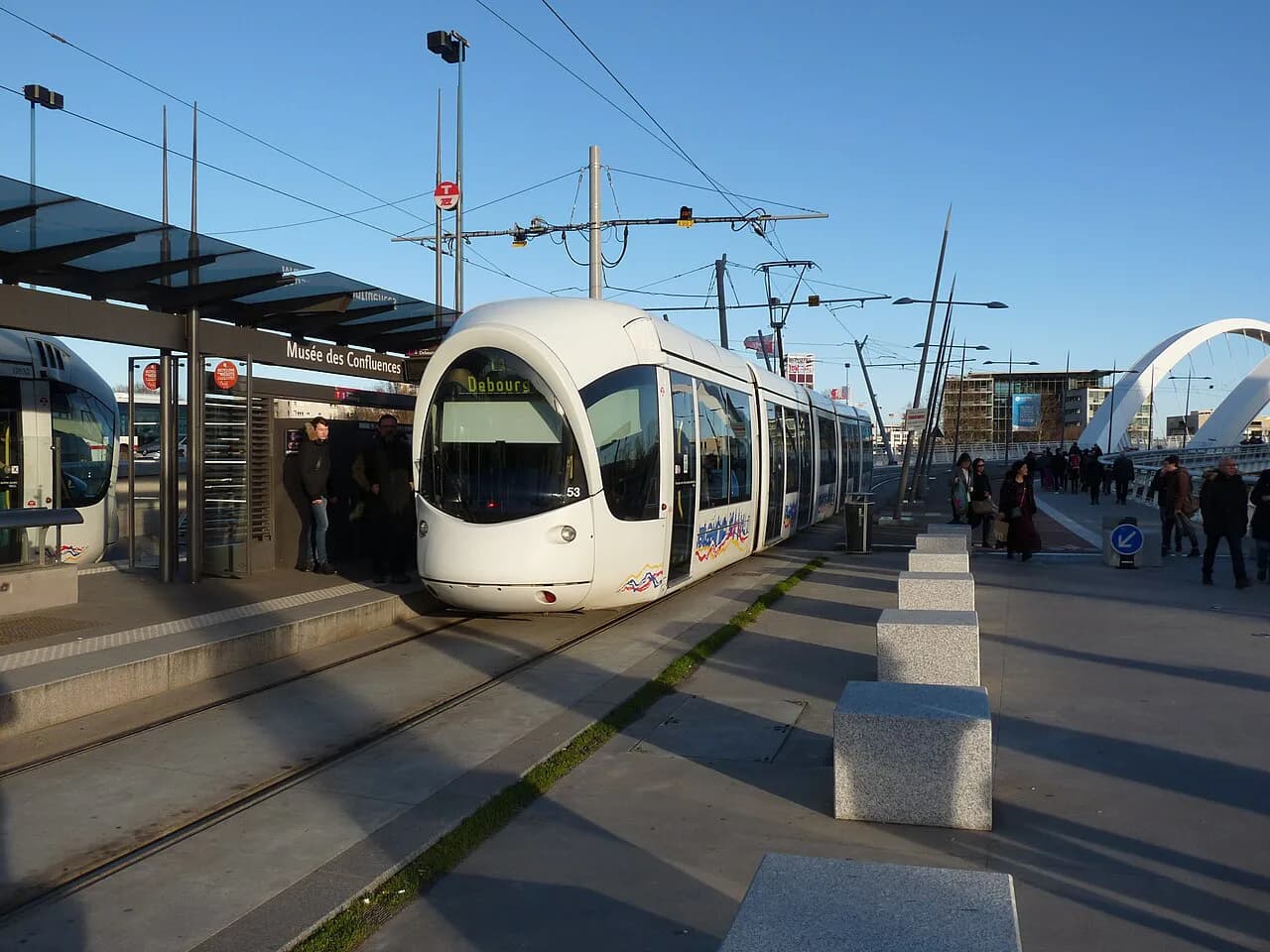
Confluence occupies the southern tip of the 2nd arrondissement, where the Saône and Rhône rivers actually meet. New-build architecture defines the district. Angular, deconstructivist blocks replaced old rail and industrial land over the past two decades. The Musée des Confluences, with its glass-and-steel form, is the district's main draw for visitors. Getting here means passing through or around the Gare de Perrache rail hub, which is why Confluence feels separated from Vieux Lyon and the Presqu'île despite the short distance. Skip Confluence if the goal is centuries-old streets and Renaissance facades; this district reads as contemporary Lyon, not historic Lyon. The complete district guide, including how to pair it with a Presqu'île stay, is at the Confluence guide.
A Quick Note on Part-Dieu: 3rd Arrondissement
Part-Dieu functions as Lyon's business district and main transport hub, built around Gare Part-Dieu, the city's largest train station. Modern towers and the Part-Dieu shopping center dominate the skyline, and the area reads as functional rather than atmospheric. The one essential stop is Les Halles de Lyon Paul Bocuse, an indoor food market with stalls from the city's best-known producers and chefs. It draws food-focused travelers who might otherwise skip the district entirely. A deeper rundown of what to eat there and elsewhere in the city is in the local food guide. Beyond the market, a list of best local restaurants covers sit-down options across Lyon's neighborhoods, including several near Part-Dieu.
Which Lyon Neighborhood Fits Your Trip: Decision Matrix
Matching a neighborhood to a trip style narrows the choice fast. The table below groups Lyon's districts by who tends to enjoy them most, based on the trade-offs covered above. For a broader base of unusual picks across the whole city, the 12 Hidden Gems in Lyon: Secret Spots Beyond the Tourist Trail (2026) guide pairs well with any district above. Timing a trip around quieter weeks is covered separately in the guide to the best time to visit Lyon.
Budget-conscious travelers comparing Vieux Lyon at $300–500 nightly to the Presqu'île's $120 options or Brotteaux's $125–175 rates might prioritize cost savings over old-town charm.
| Traveler Type | Best Neighborhood | Why It Works |
|---|---|---|
| First-time visitors | Presqu'île or Vieux Lyon | Central, walkable, close to the main sights |
| Foodies | Part-Dieu (Les Halles) or La Guillotière | Market stalls and a multicultural restaurant scene |
| Families | Brotteaux (6th) | Parc de la Tête d'Or and quieter streets |
| Hipsters and creatives | Les Pentes (1st) or Croix-Rousse (4th) | Independent boutiques, galleries, street art |
| Budget and students | La Guillotière (7th) | Lower-cost bars, food, and university-area energy |
Mistakes to Avoid When Choosing a Lyon Neighborhood
A few recurring mistakes show up across trip reports and guides to Lyon's districts. Avoiding them saves both walking time and disappointment once you're on the ground.
- Booking a stay in Confluence and expecting Renaissance charm. Its architecture is new-build, not historic. Pair it with a night in Vieux Lyon if older streets matter to the trip.
- Underestimating the walk from the riverside up to Fourvière. The climb is steep. Take the F1 or F2 funicular instead of the stairs.
- Lingering right around Gare de Perrache late at night. Local guides describe the immediate area as a rundown transit corridor. Treat it as a pass-through, not a place to stay.
- Assuming one arrondissement number means one neighborhood. The Presqu'île spans the 1st and 2nd arrondissements. Vieux Lyon is only part of the 5th.
- Skipping day trips because a home base feels complete on its own. Several worthwhile stops sit outside the city entirely. See the guide to day trips from Lyon before finalizing an itinerary.
- Missing lesser-known corners because the main districts fill the schedule. A look at off the beaten path spots rewards a longer stay.
- Skipping cinema history entirely. The Institut Lumière museum makes a good add-on beyond the core districts covered here.
Further reading: Lyon on Wikivoyage · Lyon on Wikipedia
Frequently Asked Questions
Which Lyon neighborhood is best for a first visit?
The Presqu'île and Vieux Lyon cover most first-time priorities: central location, walkability, and proximity to the main sights. The Presqu'île works better for shopping and nightlife, while Vieux Lyon leans into Renaissance architecture and the traboules.
Is Croix-Rousse a good place to stay if you have mobility limitations?
Probably not as a base. Les Pentes and the Croix-Rousse plateau both sit on genuine inclines, and getting around means either climbing stairs or relying on bus and metro connections. A flatter district like the Presqu'île or Brotteaux makes daily logistics easier.
How do you get between Lyon's neighborhoods?
Lyon runs an integrated network of metro lines, buses, trams, and two funiculars, F1 and F2, up to Fourvière, all operated under the TCL brand. From Villeurbanne, reaching the Presqu'île takes roughly 15 minutes by public transit. Check the TCL network map for current routes before settling on a base, since a longer commute eats into evening plans.
Is Confluence too far from the historic center to stay there?
Confluence sits a genuine walk beyond the Presqu'île, split off further by the Gare de Perrache rail complex. It isn't far in absolute distance, but the Perrache crossing makes it feel more removed than the map suggests. Pair a Confluence stay with easy tram or metro access if central sights are a daily priority.
What's the difference between Vieux Lyon and the Presqu'île?
They're adjacent but distinct. Vieux Lyon is the Renaissance old town on the west bank of the Saône, part of the 5th arrondissement. The Presqu'île is the newer commercial peninsula between the two rivers, spanning the 1st and 2nd arrondissements. Most trips combine both, since they're a short walk apart.
Continue exploring
More guides you'll find useful