Vieux Lyon Guide: Traboules, Landmarks, and Bouchon Etiquette (2026)
A 2026 vieux lyon guide to traboule etiquette, the astronomical clock, top bouchons, and the best hours to beat the crowds in Lyon's old town.
On this page
Vieux Lyon Guide: Traboules, Landmarks, and Bouchon Etiquette
Last updated July 2026, this vieux lyon guide breaks down the Renaissance quarter's traboules, cathedral clock timing, and bouchon etiquette before you set out. Vieux Lyon has held UNESCO World Heritage status since 1998, and its Rue Saint-Jean corridors reward visitors who know which door buttons to press and when. Cobbled streets and steep inclines make footwear and timing the two decisions that shape a good visit here.
A Quick Vieux Lyon Guide to Lyon's UNESCO Old Town
Vieux Lyon fills Lyon's 5th arrondissement, on the left bank of the Saône at the base of Fourvière hill. UNESCO listed the district as a World Heritage site in 1998, recognizing it as one of Europe's largest surviving Renaissance quarters. Silk merchants built the ochre-colored townhouses along Rue Saint-Jean and Rue du Bœuf during the 15th and 16th centuries, and their trade still shapes the district's layout today. Vieux Lyon also holds one of the city's highest concentrations of bouchons, the traditional Lyonnais restaurants covered later in this guide. For a wider sense of how this arrondissement fits against Lyon's other districts, the Lyon Neighborhoods Guide 2026: Where to Stay in Every District maps out the full arrondissement layout.
How to Find and Enter Vieux Lyon's Secret Traboules
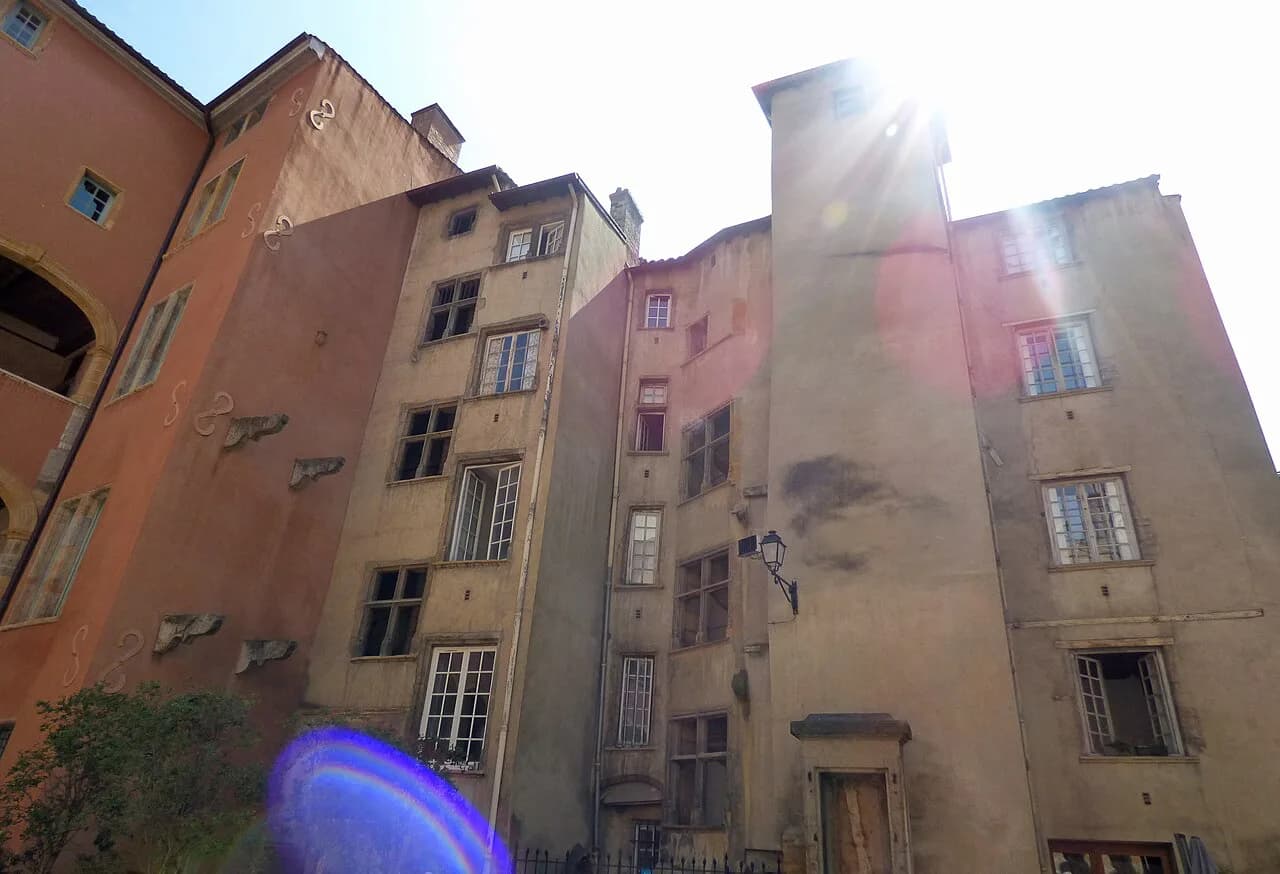
Traboules are covered passageways that cut through buildings and courtyards rather than around them. Silk weavers, known locally as canuts, used them to move fabric between workshops without exposing it to weather. Some accounts credit the same corridors with sheltering resistance members during World War II. La Longue Traboule is the district's best-known route: it enters at 54 Rue Saint-Jean and exits onto Rue du Bœuf through four linked buildings and courtyards. Nearby at 16 Rue du Bœuf, the Maison du Crible hides the Tour Rose, a cylindrical 16th-century pink tower inside its courtyard. Most traboules sit inside working residential buildings, so treat every entrance as someone's front door. For the fuller route-by-route breakdown, see the dedicated traboules guide. Quieter courtyards away from the main tour route are covered in the Secret Spots in Lyon: A Local's Guide to Hidden Corners (2026) guide.
Traboule service buttons work between 7am and 7pm, and visiting before 10am provides quieter streets for exploring them, rather than mid-day when crowds gather.
- Look for a small button labeled "Service" beside the entrance door.
- Buttons typically release the door between 7am and 7pm.
- Step inside quietly and keep voices low; residents live above the courtyards.
- Skip photographing windows, mailboxes, or private doorways.
- Move through in a few minutes rather than lingering in one courtyard.
Top Landmarks and Cultural Stops in Vieux Lyon
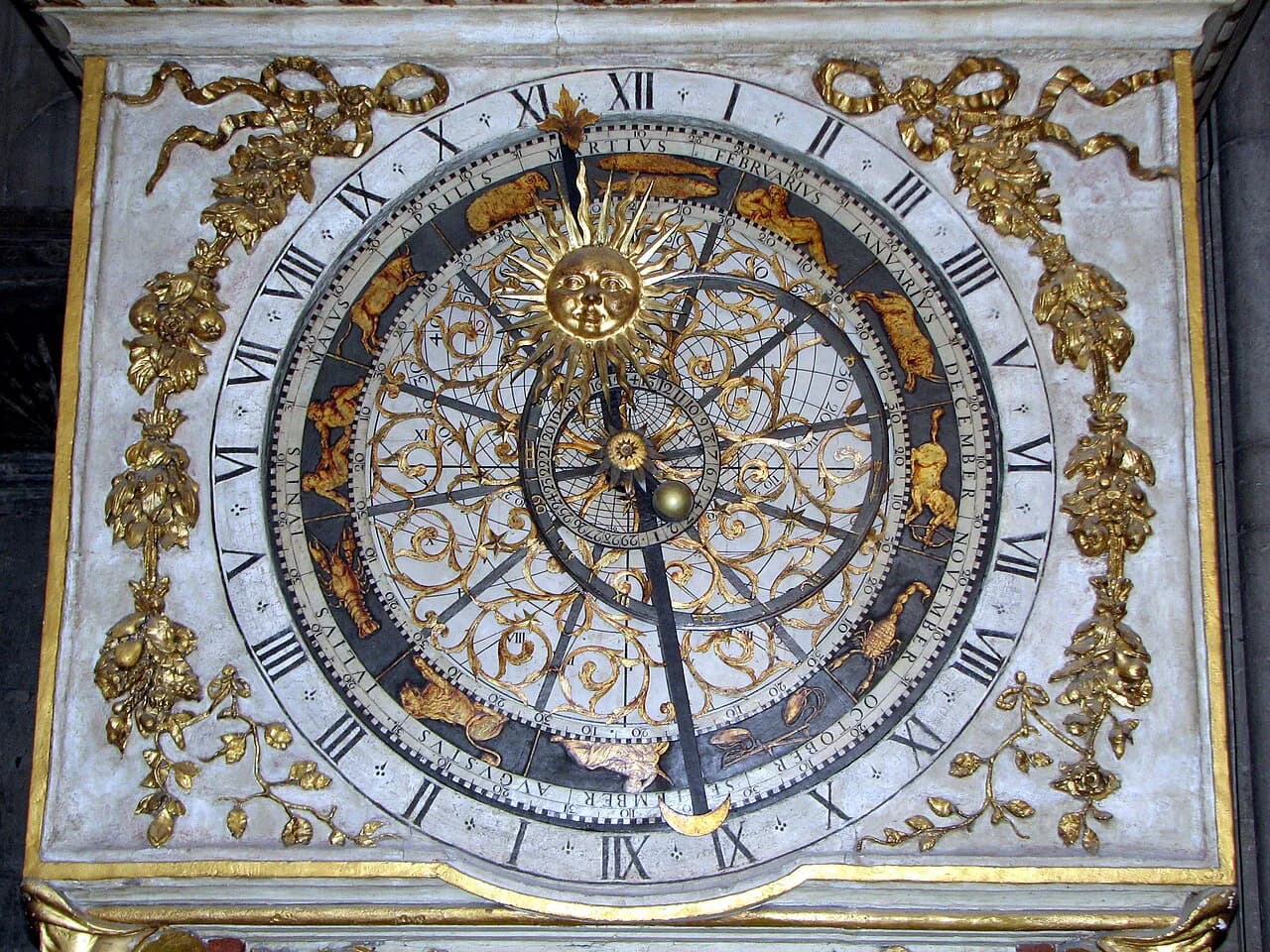
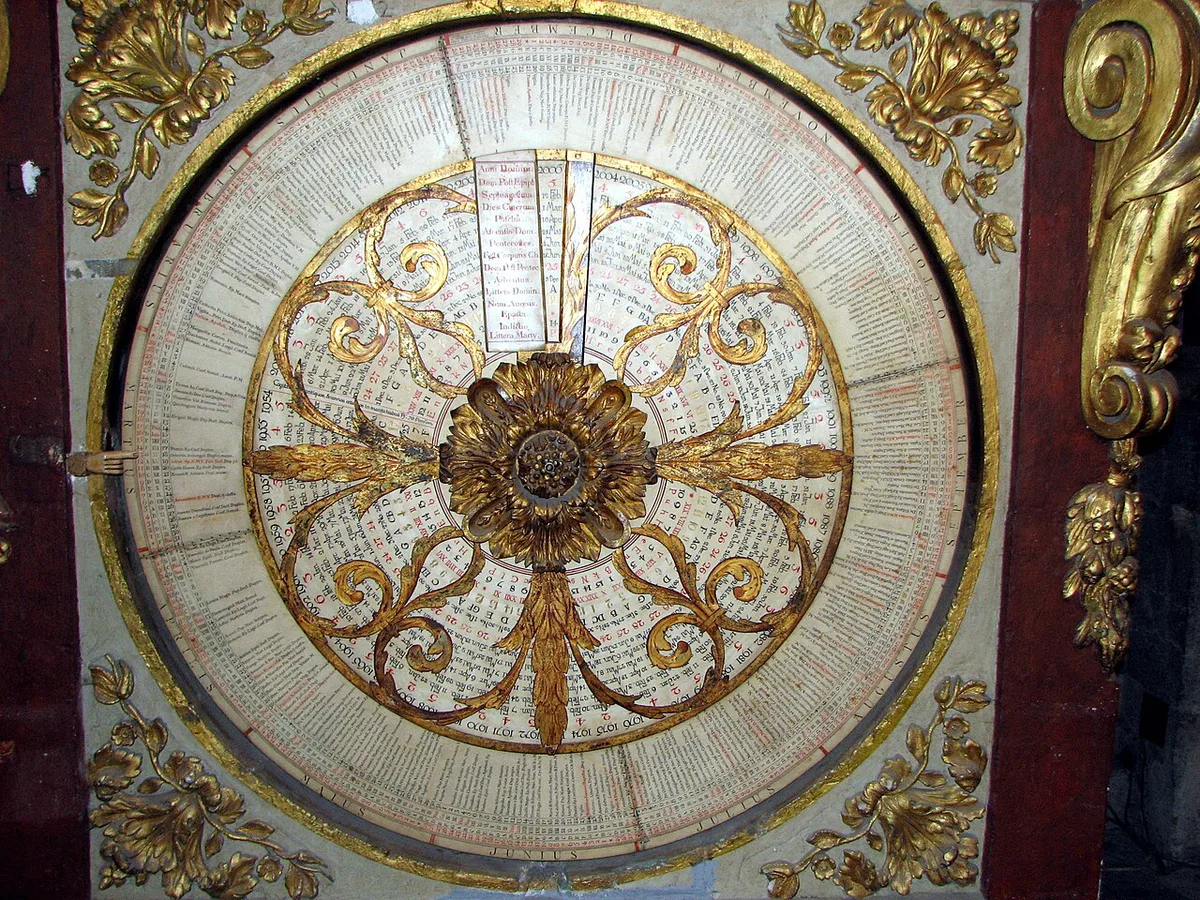
Cathédrale Saint-Jean-Baptiste sits at Place Saint-Jean, in the heart of Vieux Lyon. Its astronomical clock dates to at least 1383, one of the oldest working examples in Europe. It chimes multiple times a day with a small parade of moving figures. Check current chime times locally, since schedules shift. The cathedral's sunset-facing rose window, roughly 12 meters across, glows during the final light of day, so a late-afternoon visit rewards the wait. A few streets away, Musées Gadagne combines two collections in one building: a history-of-Lyon museum and a world puppet museum, both inside a restored 16th-century mansion. Place du Change marks the historic center of the city's currency exchange trade. For elevated views back over the rooftops, climb to the Jardin des Curiosités, best visited near sunset. Photographers aiming for the Tour Rose should return to Rue du Bœuf in the late afternoon, once tour groups thin out along La Longue Traboule.
The rose window is roughly 12 meters across and glows at sunset—worth an afternoon visit for photographers, even when dawn light catches empty traboule streets.
Eating in Vieux Lyon: Bouchons vs Tourist Traps
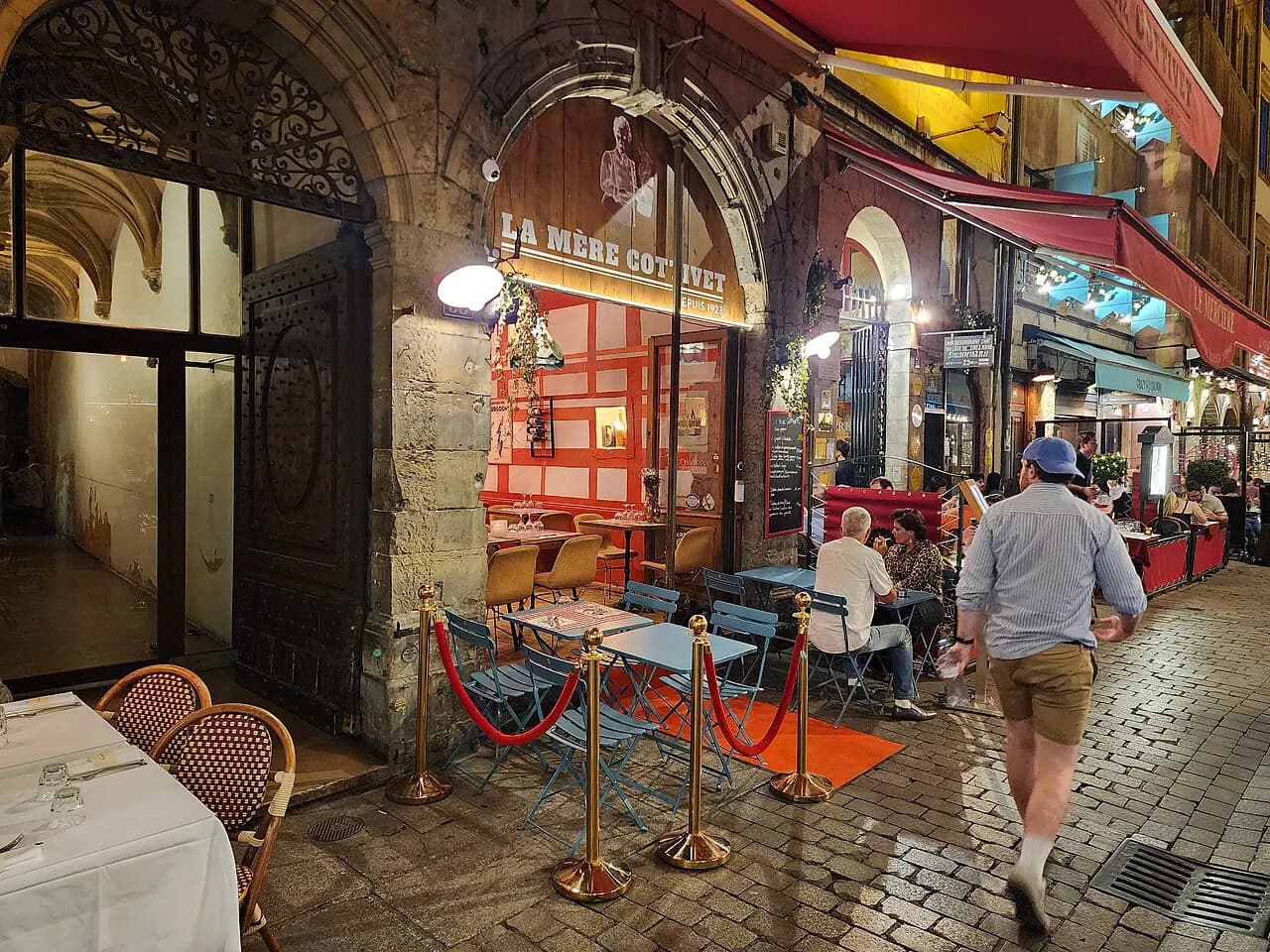
Vieux Lyon has one of the highest concentrations of bouchons in the city, and also some of the highest concentrations of tourist-menu imitators. Look for the "Authentique Bouchon Lyonnais" label posted near the entrance; it identifies restaurants that meet a set standard for traditional Lyonnais cooking. A menu without that label can still be good, but treat it as one signal among several rather than the only one. Order quenelles, a poached dumpling usually served in a cream or crayfish sauce, or salade lyonnaise, frisée lettuce with bacon lardons and a poached egg. Finish with a pink praline tart, the almond pastry stained crimson with candied Lyon pralines. The Lyon Local Food Guide: Authentic Bouchons, Markets & Must-Eat Dishes covers more dishes worth ordering across the city. For a shortlist of specific bouchon addresses, see the 7 Best Local Restaurants in Lyon (2026): Bouchons, Markets & Modern Tables guide.
Planning Your Visit: Timing, Costs, and Crowds
Plan your Vieux Lyon visit around a few fixed variables: how much time you have, what time of day you arrive, and the terrain underfoot. Walking the traboules and streets costs nothing beyond getting there, one of several Free Things to Do in Lyon: The 2026 Budget Guide. A guided traboule tour adds a paid fee on top of that free baseline; check current rates directly with local tour operators before booking. For a broader read on when crowds thin out across the year, see the best time to visit Lyon guide.
- Quick walk: 2-3 hours covers the traboules, cathedral, and main landmarks.
- Full day: add Musées Gadagne, a bouchon lunch, and the funicular ride to Fourvière.
- Best arrival window: before 10am, for the emptiest streets and clearest traboule access.
- Footwear: flat, supportive shoes for the heavily cobbled streets throughout the district.
- Accessibility: steep inclines and uneven cobbles make strollers and wheelchairs difficult in the 5th arrondissement.
- Sundays: unlike much of Lyon, Vieux Lyon's boutiques and bouchons largely stay open, though grocery stores elsewhere in the city stay closed.
DIY Walk or Guided Tour: Which Fits Your Plan
Both approaches work in Vieux Lyon, but they suit different priorities. A self-guided walk lets you set your own pace, linger for photos, and skip anything that doesn't interest you. A guided tour costs more but opens doors that stay locked to independent visitors, plus deeper context on the silk trade and the district's Renaissance owners.
- Choose DIY: tighter budget, photography priority, or an unscheduled pace.
- Choose a guided tour: access to traboules that stay locked to independent visitors.
- Choose a guided tour: deeper silk-trade history beyond plaque-level context.
Beyond Vieux Lyon: Connecting the Rest of Your Day
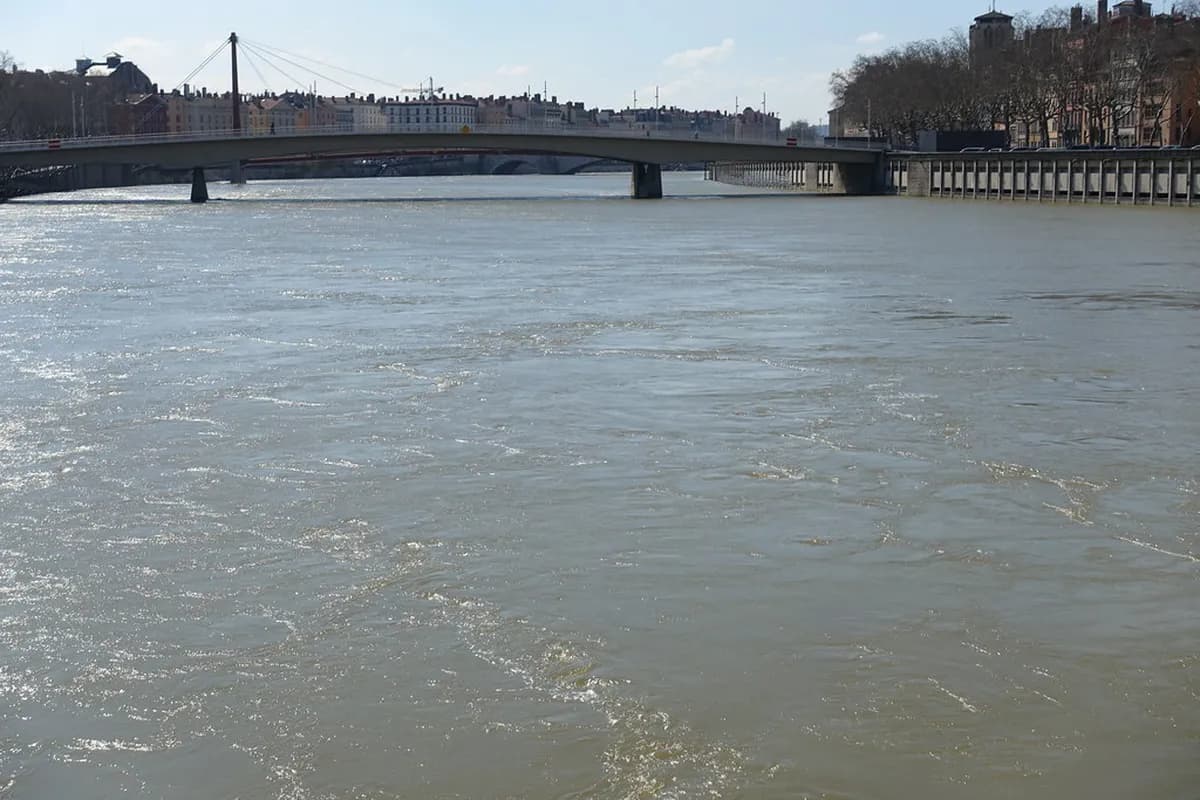
Vieux Lyon connects easily to the rest of the city once you're ready to move on. F1 and F2 funiculars depart near Place Saint-Jean and climb directly to Fourvière hill and its basilica. Roman ruins sit near the top of that same hill. That question of fitting them into a longer itinerary is covered in the 12 Best Day Trips From Lyon: A Local Logistics Guide guide. Footbridges across the Saône lead into the Presqu'île, home to Lyon's 1st and 2nd arrondissements. Confluence district sits where the Rhône and Saône rivers meet; its dedicated Confluence neighborhood guide covers that newer, modern-built stretch. Croix-Rousse, the hillside district long tied to Lyon's silk weavers, continues that history on its own separate hill. Its Croix-Rousse guide lays out a walking route through former weaving workshops. The Mur des Canuts mural is one of its best-known stops. Before leaving the old town, travelers after one more quiet corner can check the Lyon hidden gems guide for spots away from the main traboule route.
Further reading: Lyon on Wikivoyage · Lyon on Wikipedia
Frequently Asked Questions
How much time should you plan for Vieux Lyon?
Budget 2 to 3 hours for a walking loop through the traboules and cathedral. Add a full day if you also visit Musées Gadagne and ride the funicular up to Fourvière.
Can you enter Vieux Lyon's traboules at any hour?
Most residential traboule doors release through a service button active between 7am and 7pm. Some entrances close outside that window, so plan a morning or early-afternoon visit.
Is Vieux Lyon open on Sundays?
Many Lyon shops close citywide on Sundays, but Vieux Lyon is a partial exception. Its boutiques and bouchons largely stay open since the district depends on tourist traffic, though grocery stores elsewhere in the city stay closed.
How do you get to Vieux Lyon?
Take Metro Line D to the Vieux Lyon station, which serves the district directly. The F1 and F2 funiculars also depart from near the same station, up to Fourvière hill.
Is Vieux Lyon stroller- or wheelchair-friendly?
Not easily. Steep inclines and uneven cobbles throughout the 5th arrondissement make strollers and wheelchairs difficult, so budget extra time or plan an alternate route.
Continue exploring
More guides you'll find useful