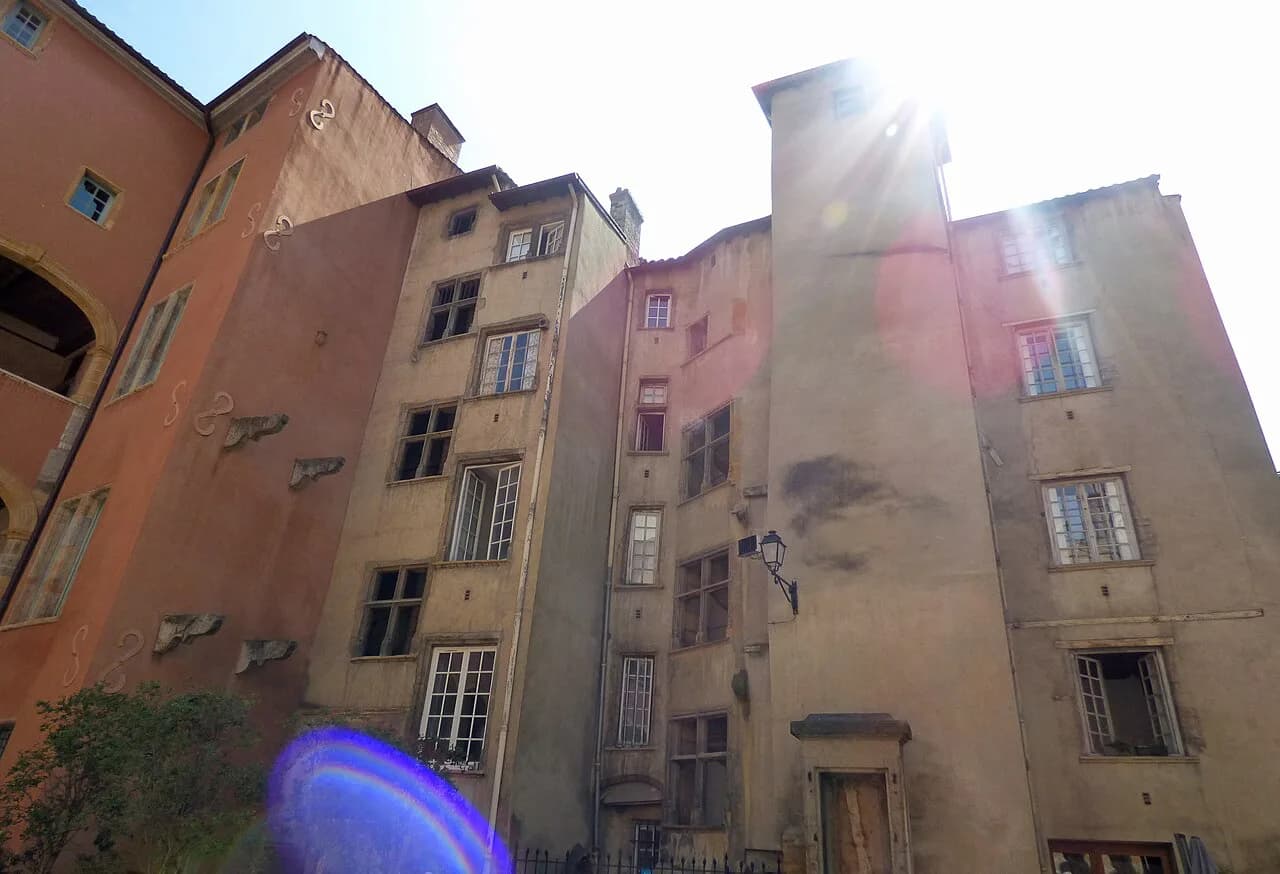
Secret Spots in Lyon: A Local's Guide to Hidden Corners (2026)
Find Lyon's secret spots beyond the traboules: mosaic gardens, rooftop terraces, hidden murals, and quiet bars, with access details and 2026 timing tips.
On this page
Secret Spots in Lyon: A Local's Guide to Hidden Corners
Last updated July 2026, this guide moves past Vieux Lyon's traboules to the secret spots in Lyon that locals still mostly keep to themselves. A true secret spot in Lyon needs a different bar than a crowded passageway: missing signage, mostly local foot traffic, or an architectural surprise behind an ordinary door, like a mosaic garden tucked behind a Croix-Rousse courtyard gate. The picks below cover gardens, murals, rooftops, and two neighborhoods, each with exact access instructions so a special trip doesn't end at a locked door.
Finding the Real Secret Spots in Lyon
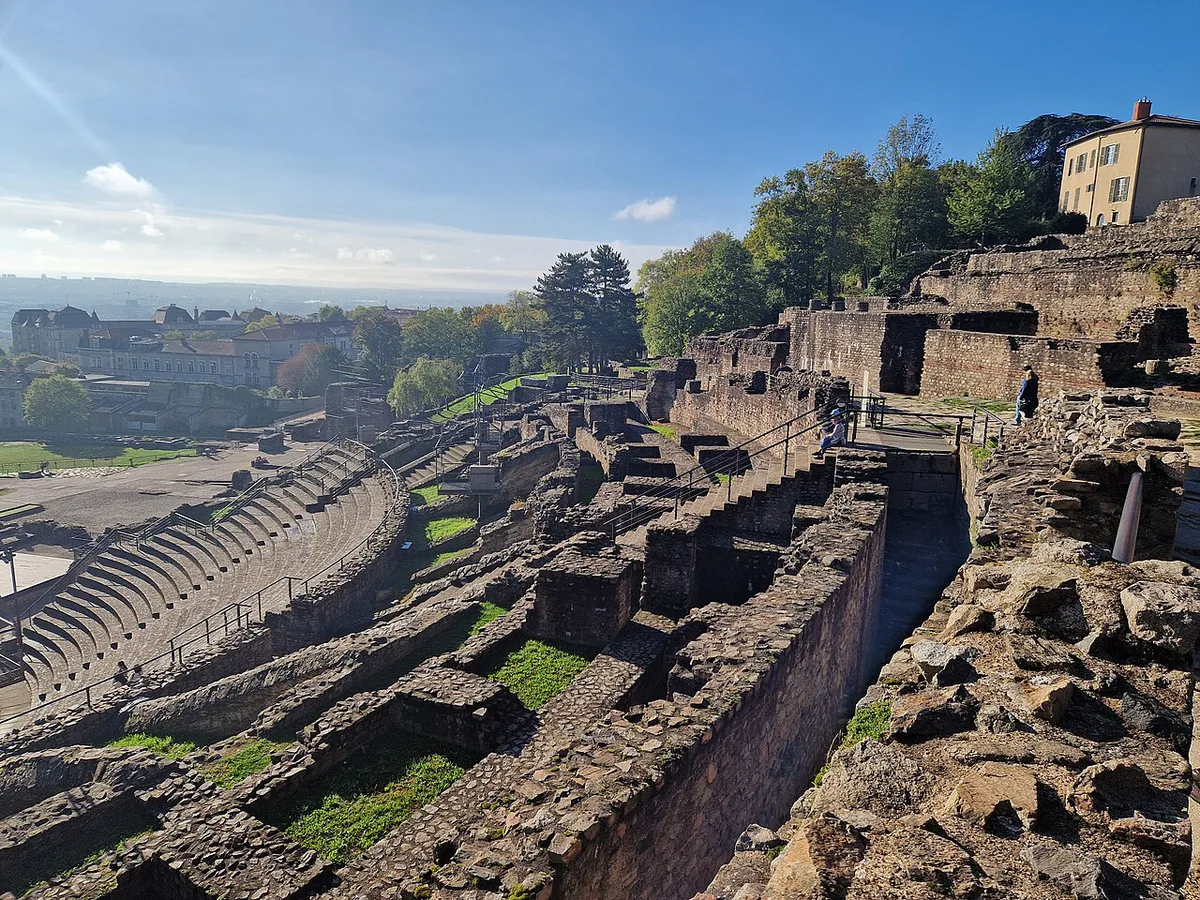
Vieux Lyon's covered traboule passageways once functioned as an insider shortcut through the old town. Guided groups now walk them on a fixed schedule most days, so they no longer really count as a secret. A genuine secret spot in Lyon usually shows one of three traits: no street signage pointing to it, mostly local foot traffic, or an architectural surprise behind an ordinary door. The Lugdunum Roman theaters make a useful comparison. They sit only a few minutes from the Notre-Dame de Fourvière basilica, yet the basilica pulls most of the foot traffic while the ancient amphitheater and its smaller odeon stay comparatively quiet. The off-the-beaten-path picks and the broader hidden gems guide cover more entry points into this side of Lyon before you work through the specific spots below.
Secret Gardens and Green Escapes
Four gardens make up the quietest layer of Lyon's secret spots, and none of them charge an entry fee, so each fits a free activities guide itinerary as well.
Multiple spots demand advance planning: Jardin Rosa Mir opens only on Saturday afternoons in summer, while garden cafés close by 8 PM even in peak season; finding Level 4 of the Perrache interchange requires familiarity with the building's upper levels rather than street-level navigation.
- Jardin des Curiosités, off Place de l'Abbé Larue: the entrance sits down an unmarked side street with no sign at ground level. Chairs are bolted to the floor for photos, and on clear days the view stretches as far as the Alps and Mont Blanc.
- Rooftop garden, Perrache train station: reach it via Level 4 of the interchange building, above the platforms and bus bays. It works as a quiet oasis inside one of Lyon's busiest transit hubs.
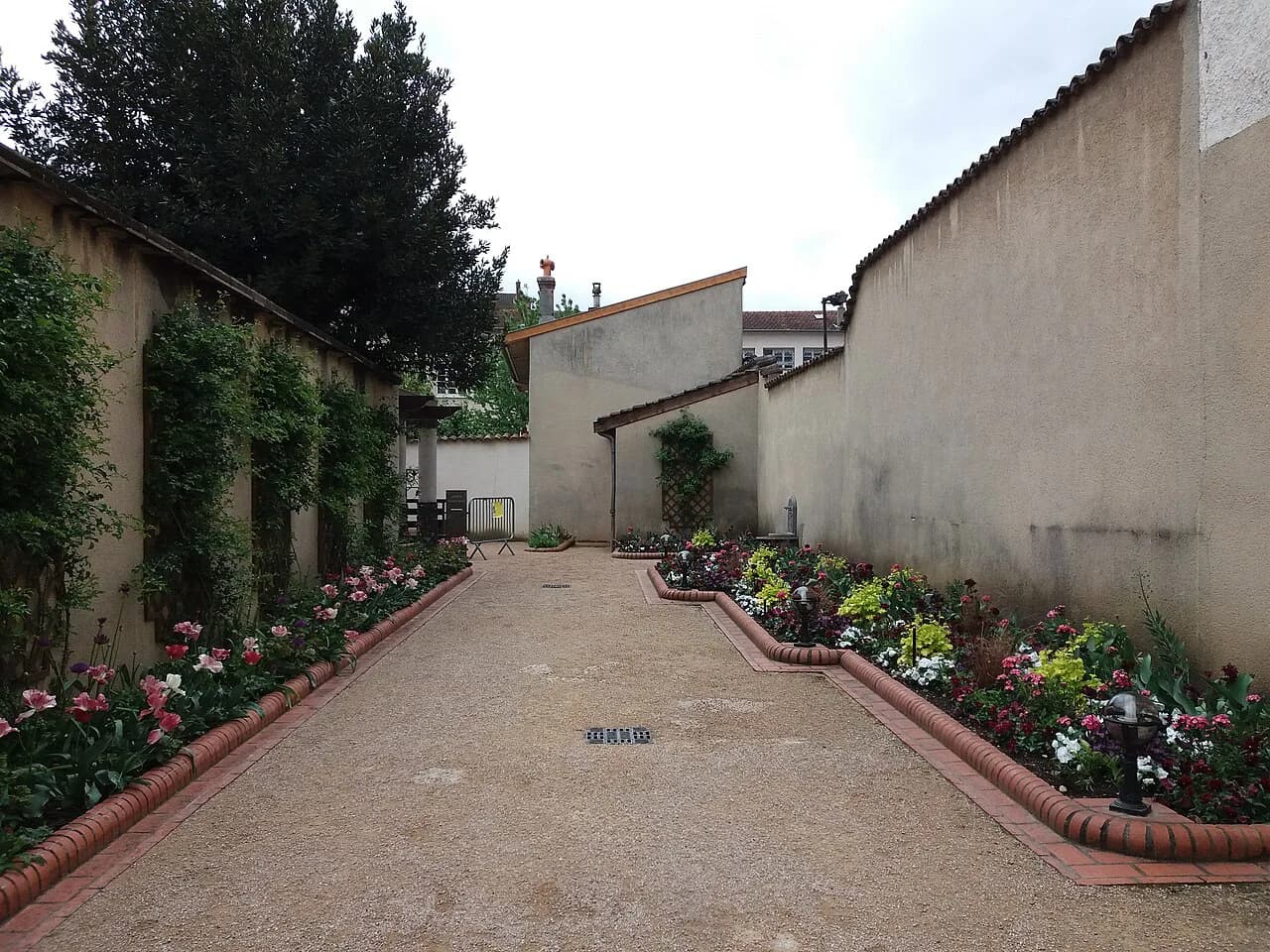
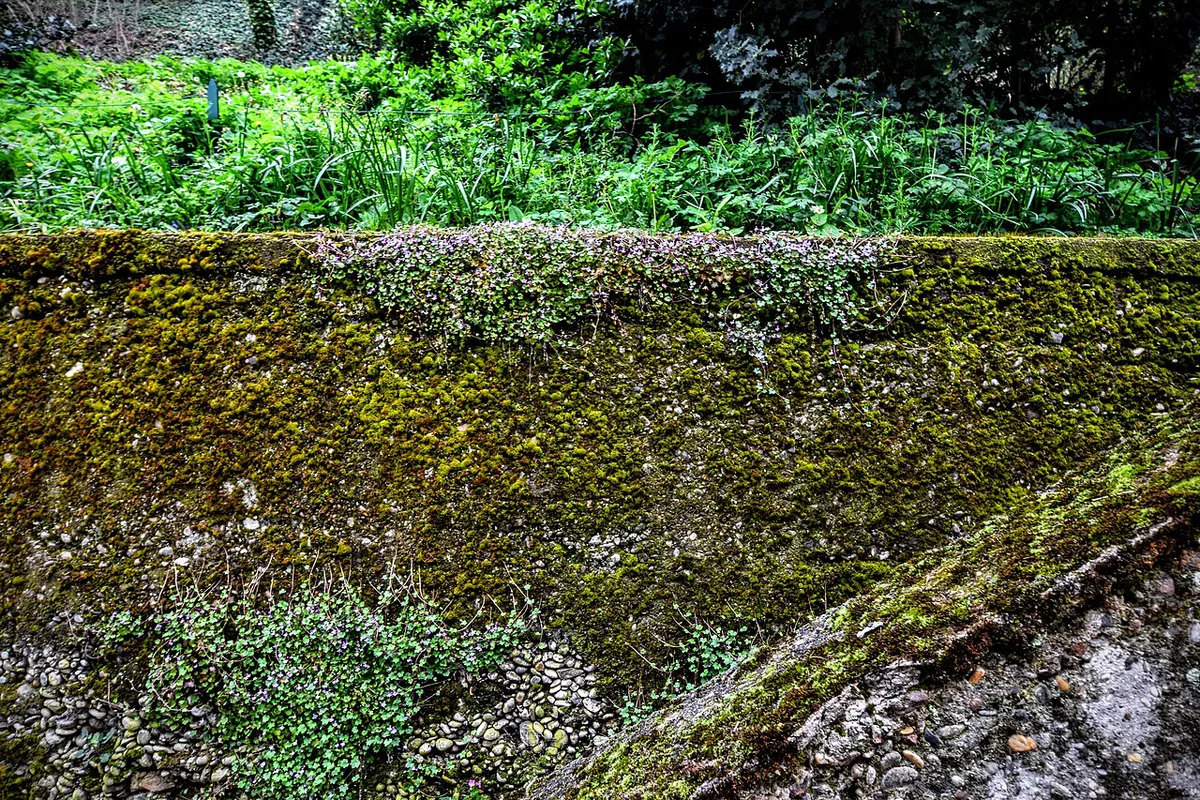
- Jardin Rosa Mir, Croix-Rousse: this mosaic-covered garden sits behind a courtyard door and has historically opened only on Saturday afternoons in summer. Confirm current hours before visiting, since access has stayed tightly restricted for years. The mosaic garden guide and the walk up Croix-Rousse cover the approach from the hill below.
- Rooftop garden, Gadagne Museum, Vieux Lyon: take the elevator to the top floor and skip the ticket line entirely, since the garden and its bar sit outside the paid exhibits. A Sunday brunch runs there too, and it's worth reserving ahead. The rest of the old town walk continues from the same building.
Hidden Murals and Underground Art
Lyon's murals range from famous to nearly unknown. The best-known trompe l'oeil wall covers the city's most photographed piece, but the four spots below stay off most visitor itineraries.
- Daniel Buren's art, Célestins Parking: look through the periscope in the square outside the Théâtre des Célestins to see a moving mirror inside the parking garage below. The installation is part of a wider underground art program the parking operator runs across several Lyon garages, and the same artist redesigned Place des Terreaux.
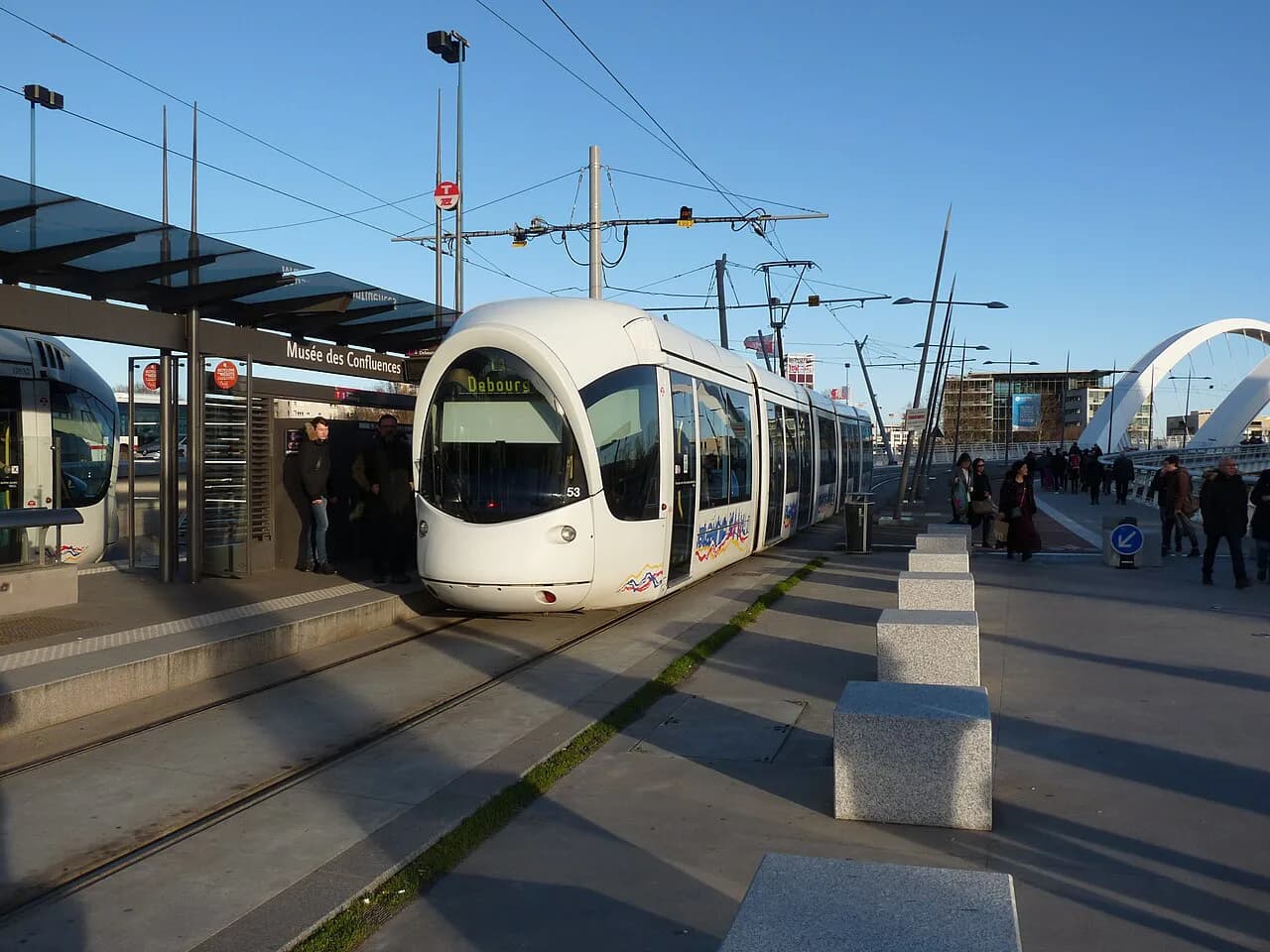
- Musée Urbain Tony Garnier, États-Unis neighborhood: take the tram to the États-Unis stop for more than 20 outdoor murals painted across the surrounding apartment blocks. The small indoor museum matters less than the murals outside it. Nearby, the former livestock market Halle Tony Garnier now runs as a concert hall.
- Espace Diego Rivera, 7th arrondissement: two frescoes near the Debourg metro stop depict Aztec imagery and scenes from Mexican history, set inside a residential square that sees almost no visitor traffic.
- Cube Orange, Confluence district: this orange, cube-shaped building stands out among the district's newer architecture. The Confluence district guide covers the rest of the area's contemporary landmarks.
Elevated Views and Secret Sips
Three spots trade the Fourvière viewpoint crowds for quieter elevation, at different price points and different times of day.
Le Dôme Bar's 32-meter dome provides a striking elevated view, but Celest bar nearby offers comparable vistas at café pricing instead of hotel-bar rates, while multiple free gardens deliver equal or superior visual rewards at zero cost.
- Rooftop terrace, Halles Parking Lot: this recently restored spiral parking structure next to Halles Paul Bocuse carries a rooftop terrace and garden. Buy a picnic downstairs at the Halles market and eat it on the roof. Frequent visitors describe the terrace as close to empty most of the time, though it's worth checking current access before a dedicated trip.
- Le Dôme Bar, InterContinental Hôtel-Dieu: the bar sits beneath the Hôtel-Dieu's 32-meter dome, inside a former hospital building converted into shops, restaurants, and a hotel. Expect hotel-bar pricing here, noticeably higher than a coffee at the Gadagne garden or a drink at Celest.
- Celest bar, Radisson Blu, the Crayon: enter through the Radisson Blu entrance in the Part-Dieu business district and take the elevator to the reception level. The bar looks out from what was, for decades, Lyon's only skyscraper, and a coffee there runs closer to standard café pricing than hotel-bar rates.
Effort vs Reward: A Quick Decision Matrix
In our editorial assessment, here's how the effort of reaching each spot compares with the payoff once you're there. Use this table to mix a couple of quick wins with the one or two spots worth a dedicated trip.
| Spot | Effort to Reach | Visual Reward | Cost |
|---|---|---|---|
| Jardin des Curiosités | Low: short walk, unmarked entrance | High: Alps view on clear days | Free |
| Perrache rooftop garden | Low: elevator to Level 4 | Medium: transit-hub calm | Free |
| Jardin Rosa Mir | Medium: Saturday afternoons, summer only | High: mosaic garden | Free |
| Gadagne rooftop garden | Low: elevator, no ticket needed | Medium: courtyard views | Free, drink optional |
| Célestins Parking periscope | Low: street level | Medium: art curiosity | Free |
| Halles Parking rooftop | Low: open access | Medium-High: picnic plus skyline | Free |
| Le Dôme Bar | Medium: hotel-bar prices | High: 32-meter dome | Hotel-bar pricing |
| Celest bar, the Crayon | Low: public elevator | High: skyline views | Café-level pricing |
Neighborhood Detours: Brotteaux and La Guillotière
Two neighborhoods extend the secret-spot itinerary well past a single afternoon. Brotteaux centers on the old Brotteaux train station, now home to restaurants and nightclubs instead of trains, with a square of preserved buildings out front.
- Takao Takano: two Michelin stars, in the streets west of the old station.
- Miraflores: one Michelin star.
- Les Apothicaires: one Michelin star.
- Le Book-Lard: a more affordable option in the same streets.
Planning Your Secret Spots Itinerary: Timing and Logistics
Two logistics issues cause most of the wasted trips to Lyon's secret spots. Getting the timing and the transport right upfront saves a repeat visit.
- Visiting Jardin Rosa Mir on a weekday: it is largely a Saturday-afternoon, summer-only spot, so a weekday detour usually finds the courtyard door shut.
- Missing the Perrache garden entrance: look for the elevator or stairs to Level 4 of the train interchange rather than a street-level door.
- Arriving at a garden café after 8 PM: several close for the evening even in peak summer, so plan a coffee stop earlier in the day.
Explore La Guillotière’s Multicultural Food Streets
La Guillotière offers a different atmosphere from restaurant-focused Brotteaux. Start at Guillotière–Gabriel Péri station on Metro Line D, then explore the streets south of the Rhône.
Grande Rue de la Guillotière and Rue de Marseille reflect the neighborhood’s long-established North African, Asian, and West African communities. Expect Vietnamese restaurants, couscous kitchens, halal bakeries, produce shops, and specialist grocers rather than souvenir businesses.
For a useful landmark, visit Bahadourian on Rue Villeroy. This family-run grocery has traded in Lyon since 1929 and carries spices, dried fruits, olives, grains, and foods from across the Mediterranean.
The liveliest route continues toward Place Gabriel-Péri and along Rue Paul-Bert. Visit during daylight or early evening, when shops are open and the food streets feel most active. From the Presqu’île, crossing Pont de la Guillotière on foot provides an easy approach and broad views back toward the Hôtel-Dieu.
Further reading: Lyon on Wikivoyage · Lyon on Wikipedia
Frequently Asked Questions
Are Lyon's traboules still a secret?
Not really. Vieux Lyon's covered passageways now see guided groups on a near-daily basis, so treat them as a well-known attraction rather than a hidden find. The gardens, murals, and rooftops in this guide sit much further off the typical route.
Where can you find a quiet view without the Fourvière crowds?
Fourvière hill draws large local crowds on summer evenings. The Jardin des Curiosités off Place de l'Abbé Larue and the rooftop terrace at Halles Parking Lot offer comparable elevation with far fewer people, though it's worth checking current access before a dedicated trip.
Is Lyon worth visiting for one day?
One day covers only the headline landmarks, like the basilica and the traboules. The secret spots in this guide, spread across Croix-Rousse, Confluence, Part-Dieu, and the 7th arrondissement, reward a stay of three days or more.
When is Jardin Rosa Mir open?
Historically, Jardin Rosa Mir has opened on Saturday afternoons, mainly during summer, and stays closed the rest of the week. Confirm current hours before a special trip, since access has stayed tightly restricted for years.
How do you get between these spots without a car?
Mix transport modes rather than relying on one. Vélo'v bike shares work well for the flatter routes across the Presqu'île and toward Confluence, while the Metro and tram cover the hillside and outer-neighborhood spots faster, including the tram to États-Unis and the metro to Debourg.
Continue exploring
More guides you'll find useful