Off the Beaten Path in Lyon: Where Locals Actually Go
Go off the beaten path in Lyon with routes through Croix-Rousse traboules, La Guillotière, Confluence, and Île Barbe, plus museums most visitors skip.
On this page
Off the Beaten Path in Lyon: A Guide Beyond Vieux Lyon and Fourvière
Last updated July 2026. Genuinely going off the beaten path in Lyon means trading the Fourvière funicular for the Croix-Rousse silk-weaver slopes, the Saône quays past Confluence, and a handful of passageways most visitors walk straight by. This guide maps two half-day routes plus the neighborhoods, museums, and food stops that fill out a fuller day. Expect steep cobbled climbs, restrictive opening hours, and neighborhoods that reward a slower pace over a checklist.
Off the Beaten Path in Lyon: Beyond Fourvière and Vieux Lyon
Lyon's center covers barely more than the Presqu'île and Vieux Lyon, so the crowds concentrate fast in a small footprint. Off the beaten path in Lyon starts by shifting away from that Renaissance core toward the Canut silk-weaver slopes above Croix-Rousse and the industrial edges further out. That shift alone opens up most of what follows in this guide. Two routes cover most of it in practice. One is a traboule-hopping walk that starts on Rue Saint-Jean and climbs into the silk-weaver slopes of Croix-Rousse, ducking in and out of covered passageways along the way. The other follows the river quays past Confluence's angular modern architecture, continuing along the Saône toward Île Barbe. Either fits into a half day. Combining both makes a full day out of it. For a wider map of how these routes sit within the city, the Lyon Neighborhoods Guide 2026: Where to Stay in Every District is a useful starting point. The Lyon hidden gems guide rounds out the shortlist with sights outside these two routes.
| Famous attraction | Offbeat alternative | Why swap it |
|---|---|---|
| Vieux Lyon traboules | Croix-Rousse traboules | Fewer tour groups; passages still used as everyday residential entrances |
| Musée des Beaux-Arts | Musée de l'Imprimerie | Printing presses and typefaces instead of gallery crowds |
| Presqu'île center | La Guillotière | Street food stalls and riverside bars over shopping streets |
| Fourvière hill view | Île Barbe | River-island quiet instead of a viewpoint queue |
Hidden Traboules and the Cour des Voraces in Croix-Rousse
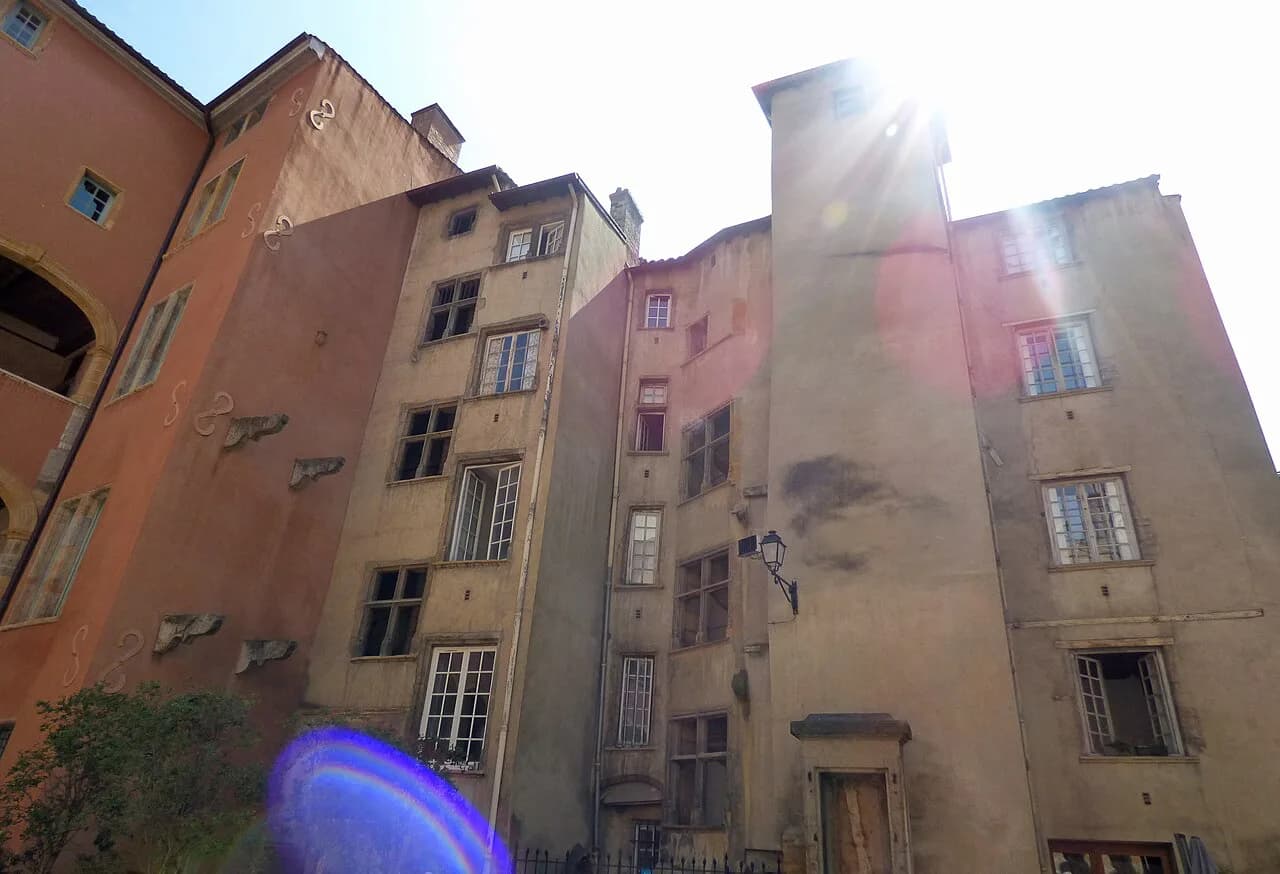
The traboules of Lyon are covered passageways that let Renaissance silk merchants move goods between streets, sheltered from the weather. Vieux Lyon's passages sit along a well-marked walking-tour route, and several close outside daytime tour hours. Croix-Rousse's network has no official visitor route, which keeps foot traffic to a trickle by comparison. Many of its traboules are still ordinary residential entrances, which makes one rule matter more than any map: treat them as private property. The Longue Traboule, reachable near Rue Saint-Jean, is one of the more reliably open passageways and a good first stop before heading uphill. Partway up the slope sits the Cour des Voraces, a stepped courtyard tied to the 19th-century silk-weaver uprisings that shaped Lyon's labor history. For the mosaic garden with the district's most restrictive hours, the Jardin Rosa Mir guide covers its limited Saturday-afternoon summer access. Save that stop for a weekend visit, since it does not keep a daily schedule. The Croix-Rousse neighborhood guide lays out the fuller slope-by-slope walk. Mistake to avoid: Croix-Rousse's slope is steep enough to wear out an afternoon fast. Take Metro C up to Croix-Rousse station first, then walk downhill through the traboules toward the center instead of climbing.
The Cour des Voraces marks the 19th-century silk-weaver uprisings, while Maison des Canuts shows that craft continuing in working looms—linking labor history to living heritage.
- Keep voices low; people live in the buildings above.
- Visit during daylight hours, not in the evening.
- Close doors gently on the way through.
- Skip any entrance marked propriété privée.
Alternative Neighborhoods Where Lyon Actually Lives
La Guillotière is Lyon's most multicultural district, known for street art, food stalls ranging from North African to Southeast Asian, and riverside bars that fill up on warm evenings. The La Guillotière guide breaks the district down block by block. Confluence sits at the point where the Saône meets the Rhône. It swaps Renaissance stone for the angular Musée des Confluences and the converted Sucrière warehouse, which now hosts exhibitions and events inside its old industrial shell. Greenery along the Saône bank there makes for a quieter walk than the Presqu'île's shopping streets. The Confluence neighborhood guide has the fuller layout. Île Barbe, a small island in the Saône, keeps a village feel with none of the crowds. It contrasts with the density of the Vieux Lyon streets most first-time visitors stick to. None of these three neighborhoods sit on a typical first-day Lyon itinerary, which is exactly why they reward the extra travel time.
The Silk Weavers' Legacy Beyond the Mur des Canuts
The Mur des Canuts is a large trompe-l'oeil mural of a Croix-Rousse street scene, and it's the district's best-known nod to its weaving history. The Mur des Canuts guide covers the mural's location and backstory. A deeper version of that history sits upstairs, in the small ateliers where jacquard looms still run. Maison des Canuts demonstrates the weaving process on traditional looms, in a more institutional setting than the private studios nearby. A handful of independent silk-printing workshops sell direct from the studio, without the group-tour format. Several of these small operations close on Mondays or work by appointment only. Many post their hours by the door rather than online, so a walk-by check earlier in the trip can save a wasted return visit.
Quirky Museums Worth the Detour
Musée de l'Imprimerie holds working presses and centuries of typefaces, and gets skipped in favor of the Musée Cinéma et Miniatures. Musée des Confluences draws the bigger crowds among Lyon's museums; the Imprimerie's presses rarely see a line. Institut Lumière, in the Monplaisir district outside the city center, marks where the Lumière brothers developed early cinema. The Institut Lumière guide covers ticket details and how to reach Monplaisir. Musée Urbain Tony Garnier is an open-air museum built into a working housing estate designed by architect Tony Garnier, with murals painted directly onto the building facades. None of these three sit on a standard first-day itinerary, which is the point of visiting them. For more spots in the same vein, the unique things to do in Lyon guide rounds out the list.
Offbeat Food and Drink Beyond the Bouchon
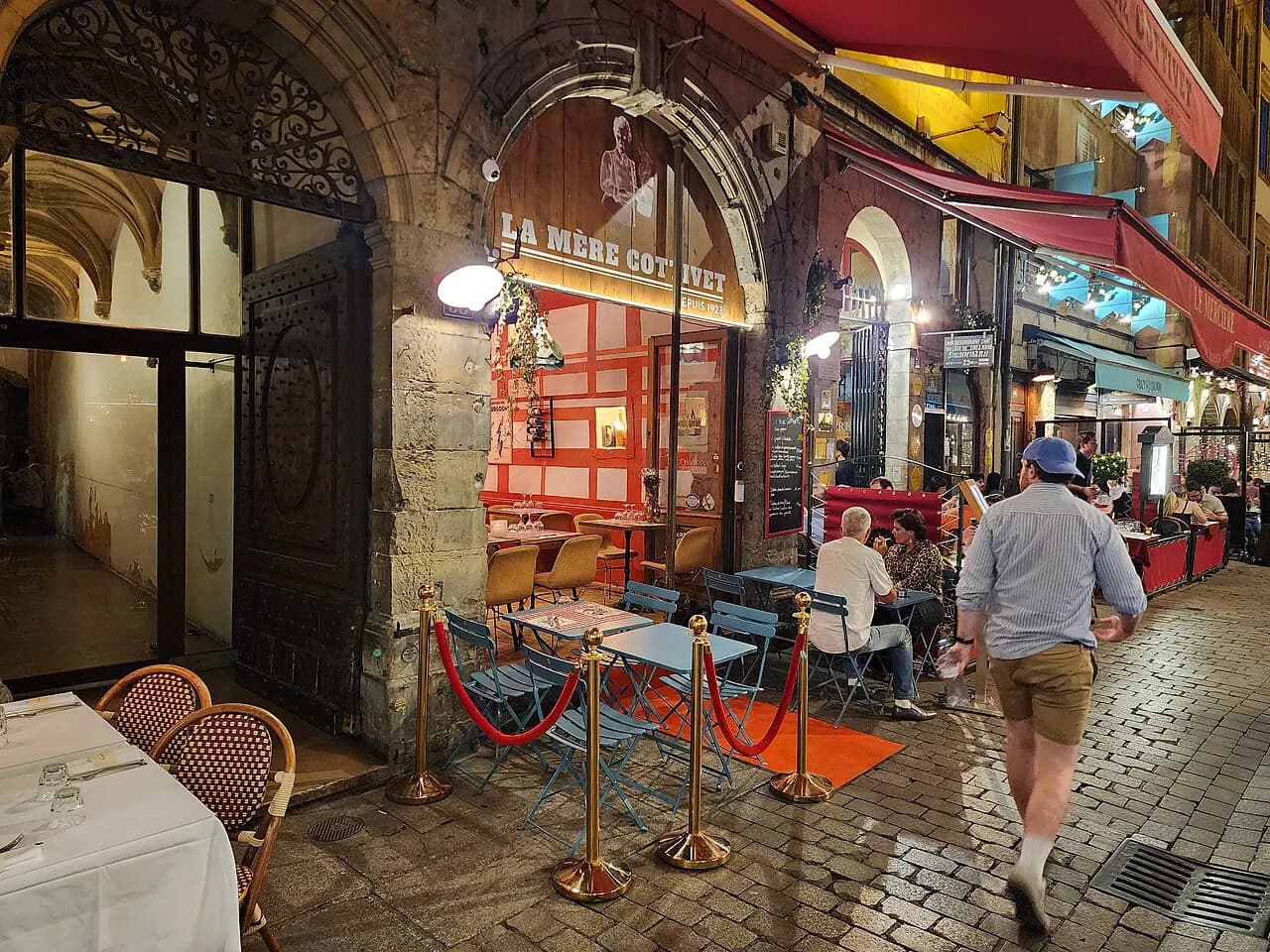
A traditional bouchon is still worth booking, and the best local restaurants in Lyon guide has vetted picks. La Commune occupies a converted warehouse and runs as a food-hall incubator, with multiple kitchens under one roof instead of a single set menu. Péniches, barge bars permanently moored along the river, are where locals often drink rather than tourists. Some are genuine local haunts; others lean into the novelty, so checking recent reviews before committing to one is worth the extra few minutes. Closing times vary barge to barge and by season. Confirm the current schedule directly with each boat rather than assuming a fixed hour. Marché de la Croix-Rousse runs along the boulevard atop the slope and keeps a village-market feel that the larger Halles de Lyon Paul Bocuse doesn't have. Pairing the market with the morning traboule walk works well, since both sit along the same Croix-Rousse slope. For more depth on the city's food scene, the Lyon Local Food Guide: Authentic Bouchons, Markets & Must-Eat Dishes covers markets and specialties side by side.
Practical Logistics for Exploring Off the Beaten Path Lyon
Reaching these districts takes more planning than a Presqu'île day. Build in transit time, and check hours before setting out. Musée de l'Automobile and the Part-Dieu skyscraper cluster both sit well outside the center and take a real chunk of a day to reach and see properly. Weigh that travel time against a closer alternative before committing to either as a first offbeat stop. These routes work well as a half-day add-on to a longer Lyon stay, or spread across a full extra day. Spacing the two core routes across separate days, rather than rushing both into one, leaves room for the smaller stops in between. For timing a trip around lighter crowds citywide, the best time to visit Lyon without crowds guide covers seasonal patterns. Pair a Croix-Rousse and La Guillotière day with an excursion beyond the city using the best day trips from Lyon guide. For a shorter list of quieter stops that don't need a full day, the secret spots in Lyon guide works as a quick add-on. The free things to do in Lyon guide is worth checking too, for no-cost stops to slot between neighborhoods.
- Lyon City Card: bundles public transport with entry to many museums, including niche ones like Musée de l'Imprimerie. Weigh its cost against separate tickets for the museums actually planned, and check Only Lyon's official listing for current pricing before buying.
- Velo'v bike share: useful for covering the longer stretches between Confluence, La Guillotière, and Croix-Rousse without waiting on bus transfers.
- Monday closures: many smaller museums and ateliers close on Mondays, so confirm opening days before building a Croix-Rousse or Monplaisir stop into the schedule.
- Metro C: the fastest way up to Croix-Rousse without the steep climb, useful for walking the slope downhill instead of up.
How to Visit Île Barbe Without Trespassing
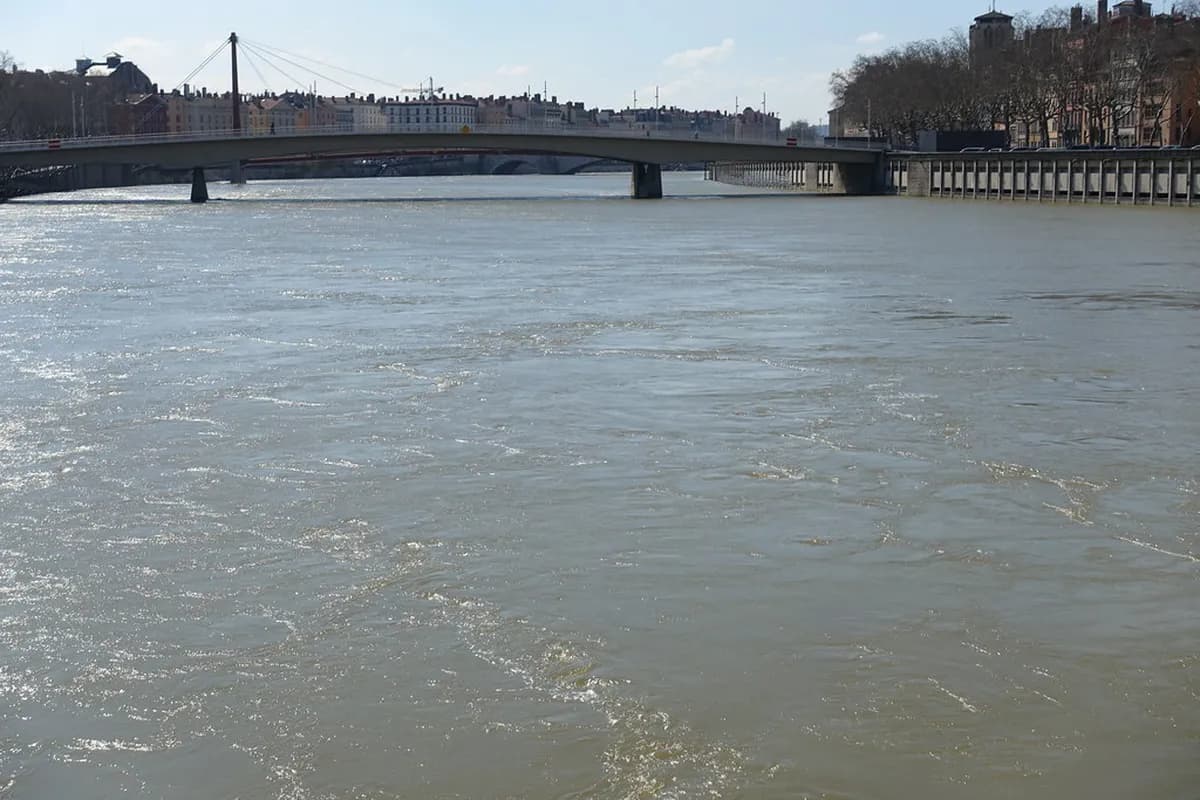
Île Barbe rewards a slow detour, but much of the former abbey area is private. Cross the Pont de l’Île Barbe and follow signs toward the public southern end. Do not enter gated courtyards or lanes marked as private property.
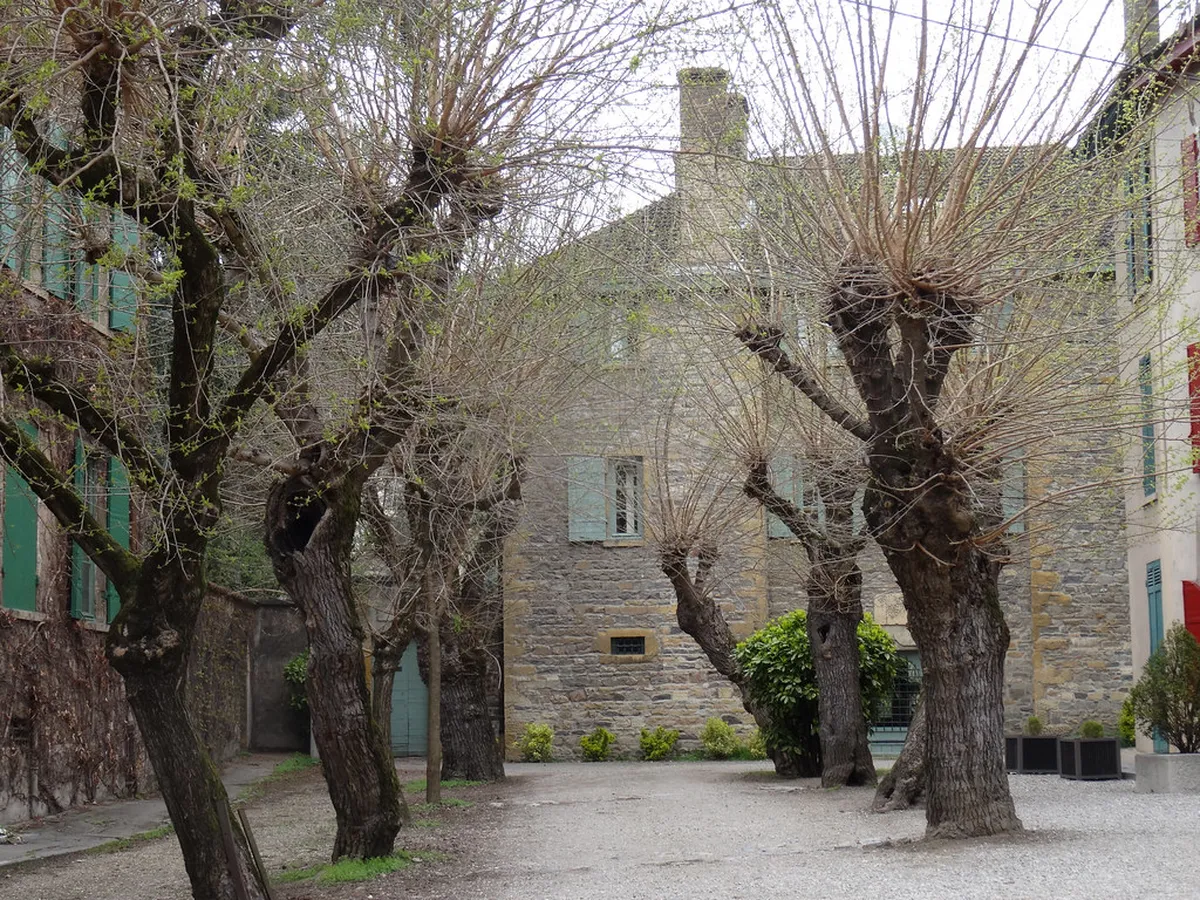
The accessible section includes a riverside lawn, mature trees, and views across the Saône. Medieval remains around the former Abbaye de l’Île Barbe are visible from public paths, although access to individual buildings is restricted.
For the simplest journey, take Metro D to Gare de Vaise and continue by a northbound TCL bus toward Saint-Rambert. Check the current stop and return schedule before leaving, especially on Sundays. Walking from Vaise is possible, but the riverside approach adds considerable time.
Allow about an hour for the island itself. Extend the visit with a walk through Saint-Rambert or along the Saône quays. Île Barbe suits travelers seeking quiet scenery more than a packed sightseeing list.
Further reading: Lyon on Wikivoyage · Lyon on Wikipedia
Frequently Asked Questions
What's the best neighborhood in Lyon to explore off the beaten path?
La Guillotière and Croix-Rousse both work well. La Guillotière has street food and riverside bars, while Croix-Rousse holds the traboules and silk-weaver ateliers. Pick based on whether the day leans toward food or history.
Can anyone walk into Lyon's traboules?
Many traboules run through active residential buildings, so treat them as private property. Enter quietly during daylight, keep groups small, and skip any entrance marked propriété privée.
When is Jardin Rosa Mir open?
The mosaic garden keeps limited hours, typically weekend afternoons in summer rather than a daily schedule. Confirm the current calendar with Only Lyon before planning a visit around it, since hours can shift by season.
Is the Lyon City Card worth buying for offbeat sights?
It depends on how many included museums are on the plan, since niche stops like Musée de l'Imprimerie are covered. Compare the card's price against separate tickets for those museums before deciding.
How much time should visitors plan for exploring off the beaten path in Lyon?
A single half-day covers one route, such as Croix-Rousse's traboules and ateliers. A full extra day allows for Confluence, La Guillotière, and a stop at Île Barbe without rushing.
What is the Cour des Voraces?
It's a stepped stone courtyard partway up the Croix-Rousse slope, tied to the 19th-century silk-weaver uprisings that shaped Lyon's labor history. It sits along the same traboule network as the district's residential passageways.
Is Musée de l'Automobile worth the trip from central Lyon?
It sits well outside the center, so it takes a real chunk of a day to reach and see properly. Weigh the travel time against closer options, like Musée de l'Imprimerie, before committing to it as a first offbeat stop.
Continue exploring
More guides you'll find useful