La Guillotière Lyon Guide: Food, Culture, and Local Safety Tips
Discover La Guillotière, Lyon's multicultural quarter: Rue Passet eats, Berges du Rhône, Parc Blandan, and safety tips for Place Gabriel-Péri.
On this page
La Guillotière Lyon Guide: Food, Culture, and Safety Tips
Last updated July 2026, this guide to La Guillotière in Lyon covers the multicultural quarter straddling the 3rd and 7th arrondissements, the neighborhood most Lyon itineraries skip. Expect Vietnamese and North African kitchens along Rue Passet and a car-free riverfront on the Berges du Rhône. Place Gabriel-Péri anchors the neighborhood, chaotic before it's rewarding, and this guide weighs that grit against the charm to help you decide if it earns a spot on your itinerary.
La Guillotière Lyon Guide: Inside the Neighborhood
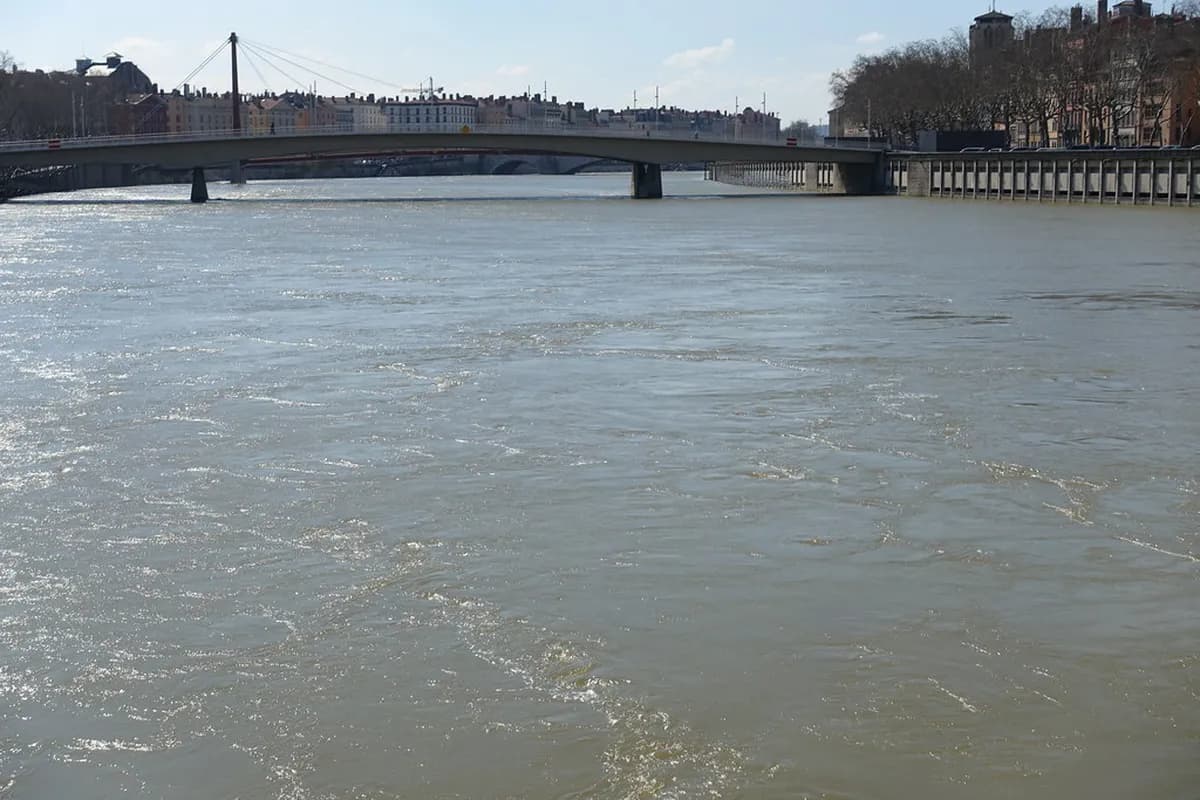
La Guillotière sits across the Rhône from central Lyon, spanning the 7th arrondissement with a slice of the 3rd around Place Gabriel-Péri. Long before it joined the city, it operated as an independent commune and only merged into Lyon in 1852. That history shows in its identity: a working-class gateway that absorbed waves of immigration rather than a district built around monuments. Students from nearby universities mix with families and longtime immigrant communities, and museums are scarce here compared with cafes, grocers, and corner restaurants. Crossing the Pont de la Guillotière remains the classic way in, a bridge that was once the only crossing point over the Rhône. For a wider sense of how this quarter fits among Lyon's nine arrondissements, the Lyon Neighborhoods Guide 2026: Where to Stay in Every District maps out the rest of the city.
Is La Guillotière Right for You? Grit vs Charm
Guillotière won't suit every traveler, and that's the point of an honest assessment. Tripbase's neighborhood scorecard rates it 9 out of 10 for authenticity and just 2 out of 10 for tourist density, alongside an 8 out of 10 food score. Those figures line up with what the streets show: working markets, immigrant-run kitchens, and few souvenir shops. Compare that to the manicured 6th arrondissement, home to Parc de la Tête d'Or, or to the medieval calm of Vieux Lyon.
| Neighborhood | Vibe | Best For | Budget |
|---|---|---|---|
| La Guillotière (3rd/7th) | Multicultural, street-level, some grit | Food adventurers, budget travelers, first-timers wanting the everyday city | Budget-friendly |
| Vieux Lyon (5th) | Medieval old town, traboules, tourist-heavy | History lovers, first visits, guided walks | Mid-range to upscale |
| 6th Arrondissement | Polished, residential, park-facing | Families, luxury seekers, quiet evenings | Upscale |
- Families with young kids, or anyone visiting only after dark, should lean toward the 6th or Vieux Lyon instead.
- Budget travelers and food-focused visitors get the most out of Guillotière's side streets.
Little Asia: Eating Your Way Through Rue Passet
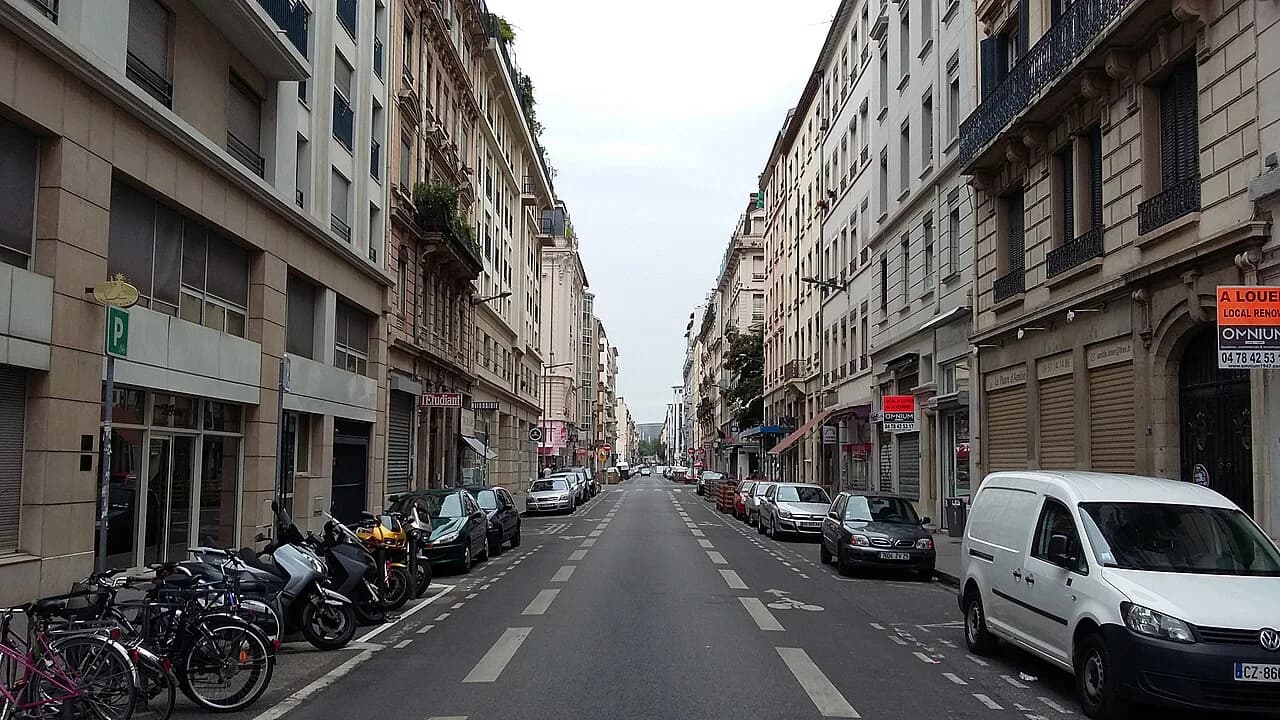
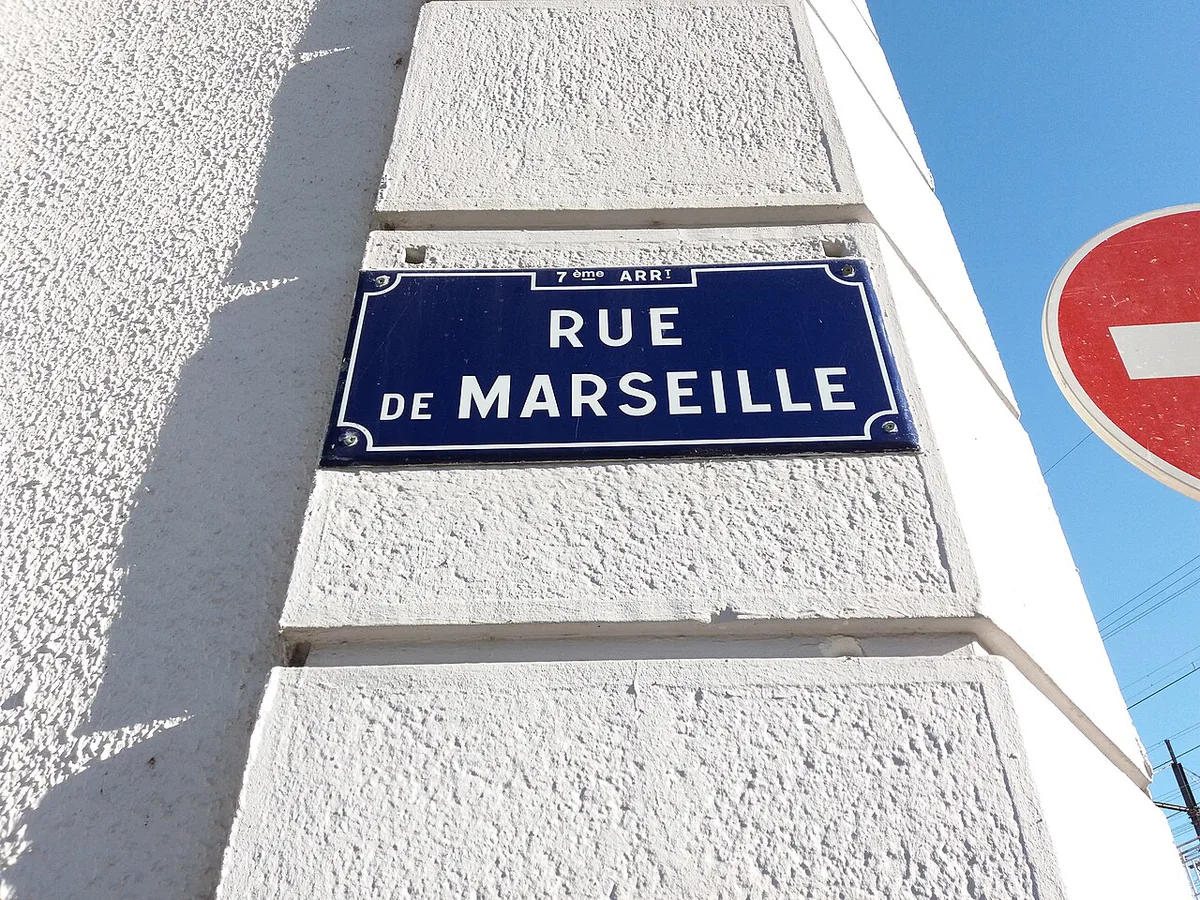
Guillotière's best-known food corridor runs along Rue Passet and Rue Pasteur, shaped by successive waves of immigration from Southeast Asia. Grocers, mini-markets, and family restaurants line both streets, most specializing in Vietnamese and wider Indochinese cooking. Rue de Marseille adds another layer: Asian, Middle Eastern, and North African grocers sit beside cheap-eat counters, often within a few doors of each other. Place Gabriel-Péri's daily market brings fresh produce and prepared food into the mix each morning.
The neighborhood's 1852 merger into Lyon cemented its course as a working-class immigrant gateway, a character that persists in the Vietnamese, North African, and Asian food communities lining Rue Passet and Rue de Marseille.
- Savory: Vietnamese pho and bánh mì counters along Rue Passet and Rue Pasteur
- Savory: North African bakeries and grocers along Rue de Marseille
- Sweet: Maghrebi honey pastries from the North African bakeries
- Sweet: bubble tea counters mixed among the Asian grocers
Best Things to Do in Guillotière
Guillotière trades big-name monuments for street-level experiences, and most of them cost nothing to enjoy. The riverfront and the old barracks turned park anchor a half-day loop, with street art and a historic pool rounding it out.
The Berges du Rhône car-free quay stretches roughly 5 kilometers, linking both major parks. Late afternoon is ideal for exploring when the riverside paths become livelier—the time when péniches and park amenities draw crowds.
- Berges du Rhône: a car-free quay stretching roughly 5 kilometers, linking Parc de la Tête d'Or to Parc de Gerland, with playgrounds, sports equipment, and péniches (riverboat bars) moored along the water.
- Parc Blandan: a former military barracks, the caserne Sergent-Blandan, now a large green space that includes the Château de la Motte, a medieval fortress once visited by Marie de Médicis and Louis XIII.
- Street art hunting: look for the Panda Roux mural by urban artist Kalouf, one of several works scattered through the quarter.
- Centre Nautique Tony Bertrand (the Piscine du Rhône): an Olympic pool open year-round and heated in winter, plus a separate summer play pool; the building carries a 20th-century heritage label.
- Marché de la Guillotière and the Quai Victor Augagneur market: check current hours locally, since market schedules shift.
Getting Around: Metro, Tram, and Timing
Public transit reaches Guillotière easily from central Lyon. Metro lines D and B both stop here, at Guillotière-Gabriel Péri and Saxe-Gambetta respectively, and Tram T1 also serves the quarter.
- Metro D: stops at Guillotière-Gabriel Péri, right by the market square
- Metro B: stops at Saxe-Gambetta
- Tram T1: also serves the neighborhood
Where to Stay Near La Guillotière
Guillotière itself is light on hotels, but a few well-known options anchor the area, and accommodation here skews budget-friendly overall compared with central Lyon.
- Mama Shelter Lyon (7th arrondissement): a design-forward hotel with an on-site restaurant and bar, and breakfast that reviewers single out.
- B&B Hôtel Lyon Centre Part-Dieu Gambetta: a straightforward mid-range chain option near the Part-Dieu business district.
- ibis Lyon Centre: a budget chain pick for travelers who want a bed near the action without paying for design flourishes.
Is La Guillotière Safe? Real Talk on Place Gabriel-Péri
Place Gabriel-Péri is the square most first-time visitors find unsettling, and it's worth explaining why before you arrive. It functions as an informal commercial hub, with vendors, foot traffic, and a density that reads as chaotic if you're not expecting it. Tripbase's neighborhood scorecard rates day safety 7 out of 10 and night safety 6 out of 10. Ordinary urban vigilance applies here, the same caution you'd use in any dense, high-footfall part of a major city: watch your belongings around crowds, and keep valuables out of easy reach.
- Don't judge the neighborhood from the main road alone. The better bars and cafes sit on side streets toward the universities.
- Solo travelers and families should plan to be off Place Gabriel-Péri itself after dark, sticking to busier, lit streets nearby.
- Tripbase also flags a cluster of LGBTQ+ bars in the neighborhood, generally located away from the market square itself.
Beyond Guillotière: Vieux Lyon, Croix-Rousse, and Confluence
Guillotière's location makes it an easy base for exploring the rest of Lyon on foot or by tram. Cross the Pont de la Guillotière into the Presqu'île to reach Lyon's historic core and its shopping streets.
When Is the Best Time to Visit La Guillotière?
Visit in the morning if the Marché de la Guillotière is your priority. Confirm the current schedule before leaving, since operating days and hours can change.
After the market, walk south through Rue Pasteur and Rue Passet for Vietnamese restaurants, Asian grocers, and bubble tea counters. Continue toward Rue de Marseille for North African bakeries and multicultural food shops.
Late afternoon suits the Berges du Rhône, especially when the riverside paths become livelier. Cross Quai Claude Bernard to reach the car-free promenade and its moored péniches. Parc Blandan is a practical earlier stop if you want lawns, play areas, and more space.
Sundays require some flexibility. Many conventional Lyon shops close, while several international grocers and neighborhood food businesses may remain open. Check individual opening hours rather than assuming the entire district follows one schedule.
A useful half-day route starts at Guillotière–Gabriel Péri station, crosses the food streets, and finishes beside the Rhône. This sequence avoids unnecessary backtracking and leaves Place Gabriel-Péri before the evening crowds build.
Pair this with our broader Lyon tourism attractions guide for the full city overview.
Further reading: Lyon on Wikivoyage · Lyon on Wikipedia
Frequently Asked Questions
Is La Guillotière safe to visit?
Yes, with the same awareness you'd use in any dense city district. Tripbase's neighborhood scorecard rates day safety 7 out of 10 and night safety 6 out of 10, and Place Gabriel-Péri is the busiest, most chaotic spot. Stick to well-lit streets after dark and keep valuables secure in crowds, especially around the market square.
Where is the best food in the 7th arrondissement?
Rue Passet and Rue Pasteur hold the highest concentration of Vietnamese and Indochinese restaurants and grocers. Rue de Marseille adds North African bakeries and Middle Eastern counters within a few blocks. Place Gabriel-Péri's daily market rounds out the fresh produce side of the neighborhood.
What's the difference between La Guillotière and Vieux Lyon?
Guillotière is a modern, multicultural quarter on the Rhône's left bank, built around immigrant-run food streets and a busy market square. Vieux Lyon is the medieval old town on the Saône, known for Renaissance buildings and hidden traboule passageways. One reads as everyday and unpolished; the other reads as a preserved historic set piece.
How do you get to La Guillotière from central Lyon?
Metro line D stops at Guillotière-Gabriel Péri, and metro line B stops at Saxe-Gambetta. Tram T1 also serves the neighborhood. From Presqu'île, it's also a walkable crossing over the Pont de la Guillotière.
Is Parc Blandan worth visiting?
Yes, especially if you want green space without leaving the neighborhood. It occupies the former caserne Sergent-Blandan military barracks and includes the Château de la Motte, a medieval fortress with royal history. As of 2026, treat it as a half-day stop paired with the Berges du Rhône rather than a standalone destination.
Continue exploring
More guides you'll find useful