
Hidden Gems in Amalfi: Quieter Corners Worth Your Time
Explore Amalfi's quieter corners, from the Paradise Cloister to the Valle delle Ferriere trail, with practical notes on what to confirm before you go.
On this page
Amalfi gives its name to an entire coastline, and the town centre around Piazza del Duomo fills up accordingly when boats and buses arrive together. Yet the same small town holds a medieval gateway, a thirteenth-century cloister courtyard, a paper mill turned museum and a waterfall valley within walking distance of the square. The trick is not finding a secret Amalfi, but choosing the right hours and treating the quieter corners as places that reward a slower pace rather than a checklist.
One visitor detail that sets the tone: Pasticceria Pansa, next to the cathedral in Piazza del Duomo, has been operating since the 19th century, and one travel account suggests sharing a few pastries there as a way to sample the old-world charm without making it a full breakfast. That is a small, specific pleasure that fits the spirit of this guide. Pair it with a neighborhoods overview if you want to understand how the old lanes, the seafront and the upper streets fit together.
Why Amalfi Town Rewards Slow Exploring
Amalfi is often treated as a transport interchange or a photo stop on a bigger coastal itinerary, which is exactly why its quieter pockets get skipped. The town was a maritime republic whose ships reached across the Mediterranean between roughly the tenth and twelfth centuries, and much of that history sits in small, unassuming details rather than in one headline monument.
Lonely Planet lists Amalfi among the ten places worth visiting on the coast, which means the main square will rarely be empty at midday. Treat the town as a busy base with calmer edges, and plan a long central stroll through the old town rather than a rushed circuit of the cathedral. That framing helps you decide what to see first and what to leave for the quieter hours.
A practical rhythm is to see the square early, then move outward to the gates, cloisters and lanes while the day-trippers cluster around the fountain and the cathedral stairs. Late afternoon works similarly, when the light softens and the day boats leave. Neither window is guaranteed quiet, but both give you a better chance of hearing your own footsteps in the lanes.
Porta della Marina and the Old-Town Edge
If you arrive by boat, bus or taxi, you will almost certainly start near the seafront. Walk in through Porta della Marina, a historic gateway that leads straight into the heart of town and the Piazza del Duomo beyond. On the left of the doorway, a ceramic map illustrates the reach of the Republic of Amalfi across the Mediterranean, which makes the tunnel a fitting first stop rather than something to hurry through.
The Duomo Complex: What Is Free and What Is Ticketed
The Duomo di Amalfi, dedicated to Saint Andrew, sits at the top of a broad staircase in Piazza del Duomo, and climbing those stairs gives you a view back over the square. The striped facade, arches and mosaics mix Arab-Norman, Gothic and Baroque elements, a visual reminder of the town's trading past. From the piazza and the stairs you can see the exterior and the setting without committing to a paid visit.
The interior is a separate matter. Access to the cathedral interior runs through the Cloister of Paradise entrance at the top of the stairs, according to a detailed visitor account, and the same point notes that tickets are sold there. Confirm the details on site before you commit. Do not assume that a ticket for one part of the complex covers every tomb, chapel or museum room you might want to see.
The Paradise Cloister and Crypt
The thirteenth-century Chiostro del Paradiso, or Cloister of Paradise, sits beside the cathedral and was originally built as a burial place for noble families. Its courtyard of white Moorish-style arches and columns is a calm, photogenic pause steps from the crowded square, and the crypt inside is known for painted ceilings and gilded columns. Enter from the top of the cathedral stairs and turn left to reach the cloister entrance.
In practice, the cloister is the reason many visitors pay for the higher part of the Duomo complex. The visit is short, which makes it a sensible choice when you have half an hour rather than a full afternoon, and it gives you a genuinely different atmosphere from the square. Check the current ticket arrangement at the entrance, since the sources consulted do not confirm how it is packaged today.
Saint Andrew's Fountain and Piazza dei Dogi
At the centre of Piazza del Duomo, the eighteenth-century Saint Andrew's Fountain depicts the patron saint surrounded by cherubs and mythical creatures. One account mentions signage on the fountain about drinkable water but says the author did not test it, so treat the fountain as a place to sit and admire rather than a refill point you can rely on. A short pause here is one of the few free pleasures in the busiest part of town.
A few steps away, Piazza dei Dogi offers a smaller, more sheltered alternative to the main square. One visitor explains choosing a lemon sorbet served in a hollowed-out Sfusato Amalfitano lemon there, after concluding the main-square spots were too touristy and overpriced. That is one opinion rather than a ranking, but the wider point holds: the side squares give you the same lemon tradition with a calmer backdrop.
Museo della Carta: Paper-Making Heritage
Amalfi has a centuries-old paper-making trade, and the Museo della Carta, or Paper Museum, is housed in a thirteenth-century paper mill where guided tours explain the old process. One traveler describes making a sheet of paper during a visit, which is the kind of hands-on detail that makes the museum feel specific to the town rather than a generic craft stop. The setting inside the mill itself is as much of an attraction as the exhibits.
Before going, confirm the day's tour arrangements, since a museum in an old mill can only run experiences when staff are available. Use the museum's own information or ask on arrival rather than relying on an older travel account. The Amalfi Attractions hub can help you slot it alongside the Duomo visit.
Via Lorenzo D'Amalfi: Shopping With Judgment
Via Lorenzo D'Amalfi starts at Piazza Duomo and climbs uphill past cafés, workshops, souvenir stores and gourmet boutiques. The same visitor account warns that some items on sale were not made locally, so check labels and ask before assuming. The street is best treated as a browse rather than a shopping spree, with the upper end thinning out and eventually leading toward the Paper Museum.
If you do want a souvenir with local roots, look for lemon-themed goods such as limoncello, soap, ceramics or pasta, and pay attention to where each is produced. Scialatielli, the town's signature pasta, is a portable option, as are hand-painted ceramics from shops that ship. The trade-off is weight and breakage, so decide before you fall for a large piece. For more on local food, see the local food guide.
Limoncello Beyond the Souvenir Shelf
Limoncello originated in the Amalfi and Sorrento area, and small family-run producers still make it locally. One account of a visit to Antichi Sapori d'Amalfi describes seeing lemons peeled, the peel steeped in large glass jars, and different liqueurs tasted, with lemon soap and sweets also sold on site. Treat the business as an example of the local trade rather than an endorsement, and look for a producer whose methods you can actually see.
Before booking a tasting or factory visit, confirm the current arrangements directly with the producer, since group sizes, tour slots and prices change and the sources consulted do not confirm present-day details. If you only want to try the drink, many restaurants serve a small glass after a meal, so a tour is not essential. The slower route is to taste first and buy only what you genuinely like.
Valle delle Ferriere: The Waterfall Valley Above Town
The Valle delle Ferriere is a lush nature reserve above Amalfi town, with waterfalls and old paper mills hidden in dense vegetation. It is approached on foot, and one guide recommends taking the trail from Pontone as the best route; the same source notes that most tourists skip it entirely. That makes it the strongest candidate on this list for a half-day away from the crowds, provided you plan it as a proper walk.
Trail conditions, access and seasonal arrangements are not settled in the sources consulted, so check locally before setting out, particularly after rain or outside the main season. Wear shoes with grip, carry water and tell someone where you are going. If you want a shorter day, treat the valley as your main outing and keep the town sights for the evening instead of squeezing both together.
The Walk to Atrani
Atrani sits next to Amalfi and is described as the smallest municipality in southern Italy, an easy walk from the town for a change of pace. Its piazzetta and coffee stop give you the coastal-village atmosphere without the scale of Piazza del Duomo. It is not a secret, and locals live and work there, so treat it as a neighbour rather than a discovery.
The best use of Atrani is unhurried: walk over, take a coffee in the piazzetta, look back at the cliffs and return before the evening rush. That sequence suits a full day that already includes the Duomo complex in the morning. If your time is tight, a one day itinerary can help you decide whether the walk fits.
Viewpoints: The Fishing Pier and Torre dello Ziro
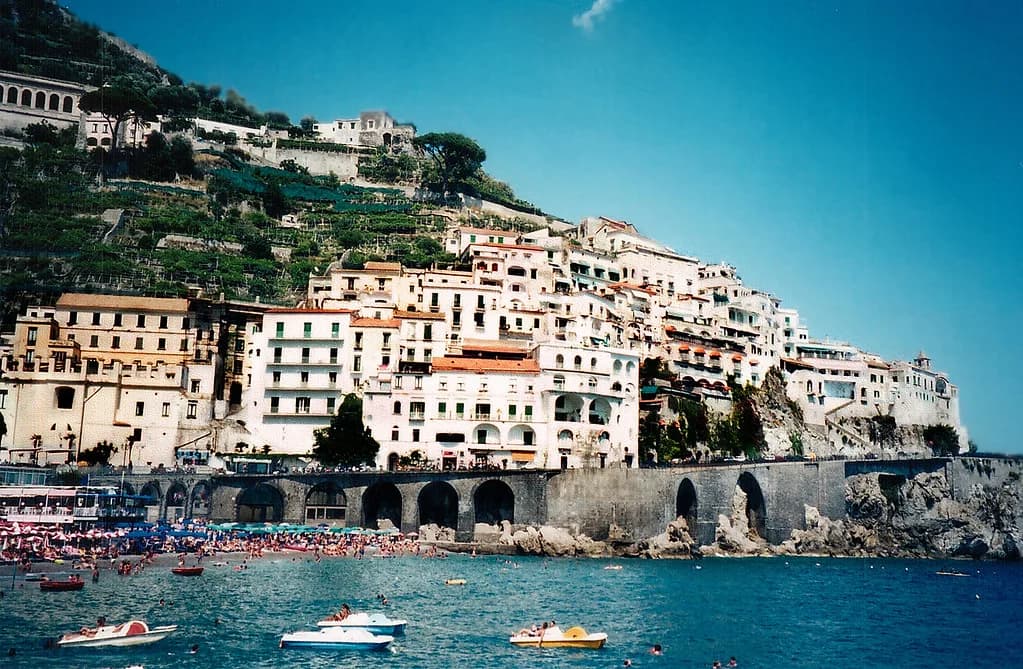
Amalfi's fishing pier is a simple photo spot where you can frame the town against the sea, and it costs nothing but a short walk along the waterfront. One guide lists it among the town's easy pleasures, alongside the lungomare, and it works best early or late when the light is softer. There is no need to overthink this one; take the picture and move on.
The climb toward Torre dello Ziro is a more physical outing, and one account refers to the watchtower as a hike rather than a stroll. Reliable durations, difficulty grades or safety advice are not given in the sources consulted, so ask locally about the current path and conditions before committing. Footwear and daylight matter more here than on the pier, so build in a margin before dusk.
How to Sequence These Places
For a half day, start at Porta della Marina and the Duomo exterior, then pay for the cloister if you want the courtyard and crypt. Walk up Via Lorenzo D'Amalfi toward the Paper Museum if it is open, and finish with a lemon sorbet away from the main square. That route keeps you within the town and avoids committing to the trails.
For a full day, do the town in the morning and choose between Valle delle Ferriere and the Atrani walk in the afternoon, depending on how much walking you want. A limoncello visit can slot in either side of the day if you confirm it in advance. The aim is to trade breadth for depth, since rushing between all of these places leaves little time for any of them.
Practical Cautions
One travel site recommends May, June or September for the coast and advises avoiding August, when it is hot and crowded, and describes many services largely winding down from November to Easter. That is a single opinion and should not be read as a confirmed seasonal shutdown, so check specific businesses before travelling outside the main season. It is still a useful reminder that mid-summer conditions shape how much you can comfortably do on foot.
Crowds, trail conditions and ferry or bus timetables are the three variables that most affect a slow day in Amalfi. None of them is fixed in the sources consulted, so verify them locally and keep your plan flexible. If you are extending the trip inland or to another city, a look at hidden gems in Florence can inspire a similar slow approach elsewhere.
Plan Your Visit
Amalfi's quieter corners are not far from the crowds; they are simply places where a different pace makes the difference. The gateway, the cloister, the side squares, the paper museum and the valley above town each ask something slightly different of you. Choose two or three, check the details that matter before you go, and leave room for the town to surprise you between them.
Use the attractions hub to compare each sight before committing, and keep prices, hours and tour arrangements on your list to confirm at the source. If your taste runs to other Italian cities, hidden gems in Venice offers a parallel approach to quieter streets and waterways. For related planning, see Best Time to Visit Amalfi: Weather, Crowds and Events by Season.
More Amalfi guides
- Amalfi in One Day
- Amalfi Local Food Guide
- Amalfi Neighborhoods Guide
- Amalfi Self-Guided Walk
- Amalfi Two-Day Itinerary
- Free Things to Do in Amalfi
- Amalfi Cathedral Visitor Guide
- Arsenale della Repubblica in Amalfi
- Cloister of Paradise, Amalfi
- Emerald Grotto (Grotta dello Smeraldo) Visitor Guide
- Museo della Carta in Amalfi
- Torre dello Ziro Visitor Guide
- Valle delle Ferriere Visitor Guide
Frequently Asked Questions
Is Amalfi worth visiting beyond the cathedral?
Yes, if you like history and small details. The Porta della Marina gateway, the Cloister of Paradise and the Paper Museum all sit within the town, and the Valle delle Ferriere and Atrani are reachable on foot. The key is to pace yourself rather than trying to see everything in one rushed morning.
Can you see the quieter spots in one day?
You can cover the town sights in one day and add either the valley walk or the Atrani detour, but not comfortably both at a slow pace. Plan the town for the morning and choose one afternoon outing. Confirm museum and cloister arrangements on the day, as current details vary.
Do you need a guide for Valle delle Ferriere?
A guide is not strictly necessary if you are comfortable walking and plan your route, but current trail conditions or access rules are not confirmed in the sources consulted. Ask locally before setting out, particularly after rain or outside the main season, and take proper footwear and water.
What should you check before visiting the Paper Museum in Amalfi?
Confirm the day's tour arrangements and any ticket details directly with the museum, since schedules and pricing are not settled in the sources. The museum occupies a historic mill, so the guided experience is part of the visit rather than an optional extra. Ask on arrival if you have not checked ahead.
Where can you try limoncello made in Amalfi?
Small family producers and shops around town sell and sometimes demonstrate limoncello, and restaurants often serve a small glass after a meal. Confirm tour arrangements with the producer before booking, as group sizes and timings are not confirmed in the sources consulted. Buy only what you have tasted.
Sources
Continue exploring
More guides you'll find useful





