
Museo della Carta Amalfi: Visitor Guide to the Paper Museum
Plan a visit to Amalfi's Museo della Carta: where the paper mill sits, how to buy tickets, what the Handmade Paper Experience includes, and how long to allow.
On this page
Amalfi's paper heritage is not a decorative theme invented for tourists: the Museo della Carta occupies a mill building on Via delle Cartiere, the street whose name still refers to the paper workshops that once lined it. The museum presents that craft as a working process rather than a static display, with ticket options that range from simple entry to a guided session where you make paper yourself. This guide covers what to expect, how to buy tickets, and how to fit the museum into a day in town.
Plan on roughly an hour for a standard look around and closer to ninety minutes if you take the guided option — that is an editorial suggestion, not a published duration, since the museum does not state a fixed visit length. The museum sits about a 15-minute walk from the Duomo, according to Indagare's description of the site, which makes it easy to combine with the cathedral and the old town lanes on foot.
What the Museo della Carta Actually Is
This is a paper mill museum dedicated to the handmade paper tradition of Amalfi, housed in a building whose origins are medieval. Indagare dates the mill structure to the 14th century, a period when paper production flourished along this stretch of coast. Treat that as historical context for the setting rather than a claim that every piece of equipment you see is medieval — the museum's own material focuses on the craft and its working methods.
The museum's website names the operating company in its footer, and it sits within a foundation structure that includes partner organisations. Practically, that means the museum is a small, focused institution rather than a sprawling complex: you will not spend a whole afternoon here, which is exactly why it slots neatly into a half-day in Amalfi.
Its core subject is carta a mano, the hand-made paper that gave Amalfi a place in European papermaking history. The museum's own site splits that story into sections on the discovery of paper, Amalfi's role, and the hand-production process, which gives you a sense of how the visit is structured before you arrive.
Where It Is and How to Slot It Into an Amalfi Day
The address is Via delle Cartiere 23, 84011 Amalfi, as published on the museum's contact page. The street climbs inland from the centre along the valley floor, following the old mill route rather than the seafront, so wear shoes you can walk uphill in comfortably.
From the cathedral, expect around fifteen minutes on foot, per Indagare's listing. In practice that is a walk through the back streets rather than a trek, but it does involve steps and slopes typical of Amalfi, so build in a little slack if you are visiting in the heat of the day.
A sensible sequence is to see the cathedral early, walk up to the museum mid-morning, and descend for lunch. If you want to pad the day with low-cost wandering, the lanes and stairways of the Amalfi old town reward aimless walking, and the museum's neighbourhood is part of that same network.
For a fuller picture of what else is worth your time in town, including the cathedral and the Arsenale, the Amalfi Attractions hub groups the main sights so you can sequence them without backtracking. Readers who prefer to start with the cathedral itself will find the Amalfi Cathedral visitor guide useful for timing and interiors.
Opening Hours the Museum Publishes
The museum states that from 1 March it opens every day from 10:00 to 19:00. That is the schedule published on its own site, and it is the only one you should treat as current — the museum does not publish separate seasonal variants on that page, so do not assume the same hours hold across the winter months or on public holidays.
Because hours can shift around holidays and maintenance, check the museum's site before you build a day around it. The phone number and email address appear on the contact page, and a quick check the day before is the most reliable safeguard against a wasted climb up Via delle Cartiere.
If your trip falls outside the March-onward window, treat the published hours as unconfirmed for your dates and verify directly. This is a small museum with a working bookshop, so a short-notice change is entirely plausible, and a five-minute check beats discovering a closed door at the top of the valley.
Ticket Options Explained
The museum lists four ticket categories on its own site: a standard entry, an entry with a guided visit and the Handmade Paper Experience, a private guided visit with the same experience, and a group entry with a minimum of 25 people. The distinction matters because the standard ticket and the experience ticket are not the same product, and the private version is aimed at parties who want the guide to themselves.
Admission prices are not published in the material available here, so check the museum's ticket section or ask at the bookshop for current rates rather than relying on secondhand figures. Any price you read elsewhere may be out of date, and the museum is the only reliable source for what you will actually pay at the desk.
The group rate applies from 25 people upward, so smaller parties — families, couples, groups of friends — should buy individual tickets instead of assuming a group discount applies. If you are organising a school or tour group, contact the museum in advance to confirm the group arrangement rather than arriving with 25 people and hoping.
Note that the Handmade Paper Experience is bundled into the guided tiers rather than sold as a standalone add-on in the published list, so the decision is really about which ticket tier you choose, not whether to bolt on an extra. Choose based on how much depth you want, not on a separate activity booking.
On-Site Versus Online Purchase
There are two routes: buy at the bookshop inside the museum, or buy online with at least 48 hours' notice. The 48-hour window is the key practical detail — it means online purchase is not a same-day option, so if you decide at breakfast that you want to visit this afternoon, the desk is your route.
The museum does not state that advance booking is compulsory for standard entry, so treat online purchase as a convenience for the guided experiences rather than a hard requirement for every visitor. If you specifically want the Handmade Paper Experience or a private guide, book early enough to clear the 48-hour threshold, and confirm availability rather than assuming a slot exists.
Keeping your plans flexible is worth the small effort: choose a day when you are already spending time in the centre, so a change of hours or a full guided slot does not derail the rest of your itinerary. The museum's own booking page is the place to check what is open on your dates.
What You See Inside
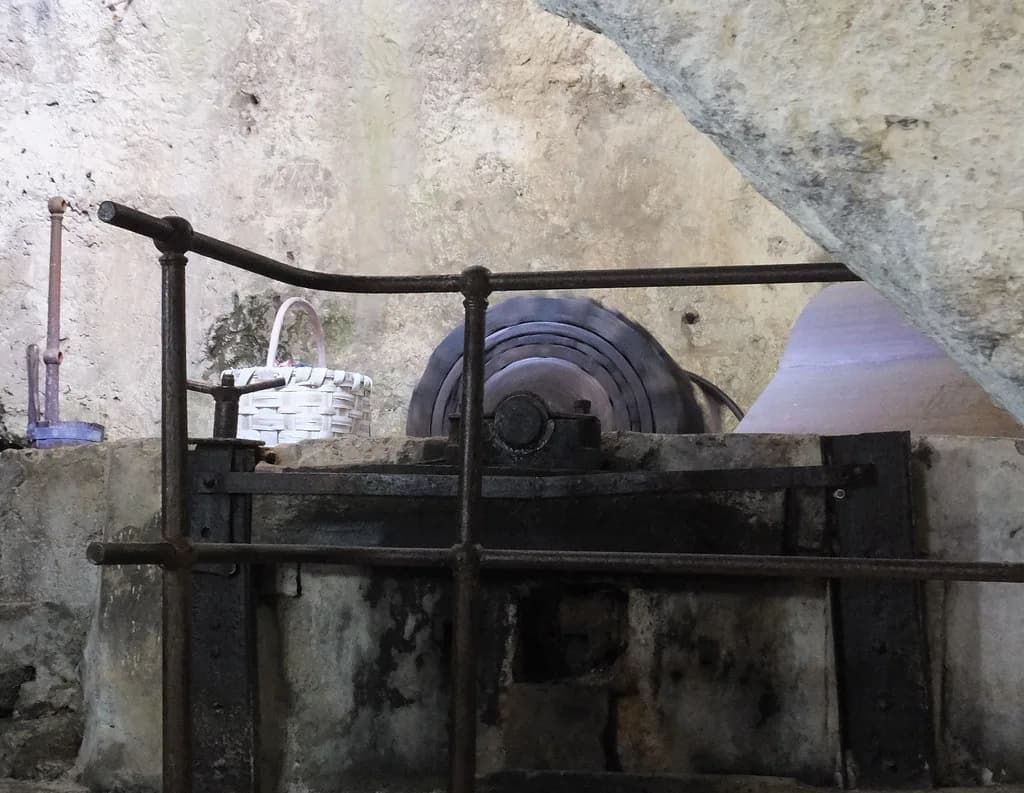
The visit centres on the historic mill setting and the equipment and methods associated with hand paper production. Expect an explanation of how rag and fibre become sheets, the tools involved, and the role Amalfi played in supplying paper along the coast and beyond. The museum's own pages outline the discovery of paper, Amalfi's role, and the hand-production process as separate themes, which gives you a structure to follow as you move through the rooms.
The museum's shop and bookshop area is part of the experience rather than an afterthought — it is where you buy tickets on arrival and where paper products are sold. If you want a souvenir that reflects the craft, this is the obvious place to look, and it keeps your spending inside the institution that maintains the collection.
Do not expect a large-scale industrial museum: this is a compact, specialist site, and its appeal depends on your interest in craft processes. Visitors who enjoy seeing how things are made will get more out of it than those looking for a general history museum, so calibrate expectations accordingly before climbing the hill.
Should You Upgrade to the Guided Experience?
The trade-off is time and depth versus simplicity. A standard ticket lets you move at your own pace, which suits travellers with a tight schedule or a low tolerance for structured tours. The guided visit with the Handmade Paper Experience adds explanation and hands-on papermaking, which is the reason most people seek this museum out in the first place.
Choose the guided option if papermaking is the point of your stop, if you are travelling with children who engage better with a demonstration than with display cases, or if you want to ask questions. Stick with standard entry if you are squeezing the museum into a packed day, if you have already seen similar craft demonstrations, or if you simply prefer to read labels in silence.
The private guided tier makes sense for parties who want the guide's full attention or who have specific interests to pursue; for a couple or a small family, the shared guided visit usually delivers the same content at less organisational fuss. The museum lists these as distinct products, so ask at the desk which one matches your group size before paying.
How Long to Allow
As a planning suggestion rather than an official figure, budget about an hour for standard entry and up to ninety minutes for a guided visit with the papermaking experience. Add the fifteen-minute walk each way from the cathedral, and the museum becomes roughly a two-hour block in your day, which is easy to place between a morning cathedral visit and an afternoon by the water.
Groups and families with young children tend to run longer, particularly if the papermaking session is involved and everyone wants a turn. Solo travellers and couples moving briskly can compress the visit, but rushing defeats the purpose of a craft museum where the detail is the attraction.
If your time in Amalfi is measured in hours rather than days, decide in advance whether the museum is a priority or a filler. It works well as a genuine highlight of a slow morning and poorly as a box-ticking stop squeezed between a ferry and a bus.
Practical Tips Before You Go
Wear comfortable shoes and carry water for the walk up Via delle Cartiere, especially in summer. The street follows the valley inland and climbs steadily, so treat the approach as part of the visit rather than a doorstep arrival.
Check the published hours and the ticket page shortly before your visit, and if you want the guided experience, act at least two days ahead to meet the online purchase window. Confirm by phone or email if anything about your dates is uncertain.
If you have a spare half-day and enjoy walking, the valley beyond the museum leads toward the Valle delle Ferriere nature reserve, where the same water that once powered the mills now runs through a greener landscape. The Valle delle Ferriere visitor guide sets out what that walk involves, so you can judge whether to extend the outing after your museum visit.
Where This Fits in a Slower Amalfi Itinerary
Amalfi rewards travellers who slow down rather than ticking off the coastline from a bus window. Pairing the paper museum with the cathedral and a wander through the quieter lanes makes a coherent day built around craft, history and walking rather than queueing.
For the corners of town that most day-trippers skip, including stairways and small squares away from the seafront, the hidden gems in Amalfi guide is a good companion to a museum morning. The Porta della Marina area and the lanes behind the main street are the kind of places where a slow itinerary pays off.
If you are building a broader plan across the coast, the Arsenale della Repubblica Amalfi visitor guide covers another compact historic sight within easy walking distance of the centre, which pairs naturally with a museum visit on the same morning.
Plan Your Visit
The Museo della Carta is a focused, walkable attraction that suits travellers curious about how Amalfi made its reputation before tourism. Confirm the current hours and ticket arrangements on the museum's own site, decide between standard entry and the guided papermaking experience based on your interest and schedule, and give the walk up Via delle Cartiere the time it deserves.
Build the rest of your day around the cathedral and the old town lanes so the museum sits inside a slower morning rather than a rushed detour, and you will come away with a clearer sense of what this coast was doing long before the ferries arrived.
Frequently Asked Questions
Do you need to book the Museo della Carta in advance?
Not necessarily. The museum sells tickets at its bookshop on arrival, and online purchase requires at least 48 hours' notice, so same-day online booking is not possible. If you want the guided Handmade Paper Experience or a private guide, book early enough to clear that window and confirm availability directly with the museum.
What is the Handmade Paper Experience at the Amalfi paper museum?
It is a guided visit that includes hands-on papermaking, sold as part of the museum's guided ticket tiers rather than as a separate add-on. The private guided version offers the same experience with a guide to yourself. For what the session involves on the day, ask at the bookshop or check the museum's ticket page.
How long does a visit to the Museo della Carta take?
The museum does not publish an official duration. As a planning suggestion, allow about an hour for standard entry and up to ninety minutes with the guided experience, plus roughly fifteen minutes' walk each way from the cathedral. Groups and families usually need longer.
Is the Museo della Carta far from Amalfi's Duomo?
It is about a 15-minute walk from the cathedral to Via delle Cartiere 23, mostly uphill along the old mill street. The walk is manageable but involves steps and slopes, so wear suitable shoes and allow extra time in hot weather.
Can you visit the Museo della Carta in a group?
Yes. The museum lists a group ticket with a minimum of 25 people. Smaller parties should buy individual tickets instead of assuming a group rate. Organisers bringing a large group should contact the museum in advance to confirm arrangements.
Is the museum suitable for a short stop in Amalfi?
It can work for a short stop, but it is better as the centrepiece of a slow morning than a rushed add-on. If you only have an hour or two in town, weigh the museum against the cathedral and the seafront rather than trying to fit everything in.
Sources
Continue exploring
More guides you'll find useful





