Amalfi Local Food Guide: Dishes, Ingredients and Where to Try Them
Plan meals on the Amalfi Coast with this local food guide to sfusato lemons, colatura di alici, scialatielli, ndunderi and lemon pastries, plus venue ideas.
On this page
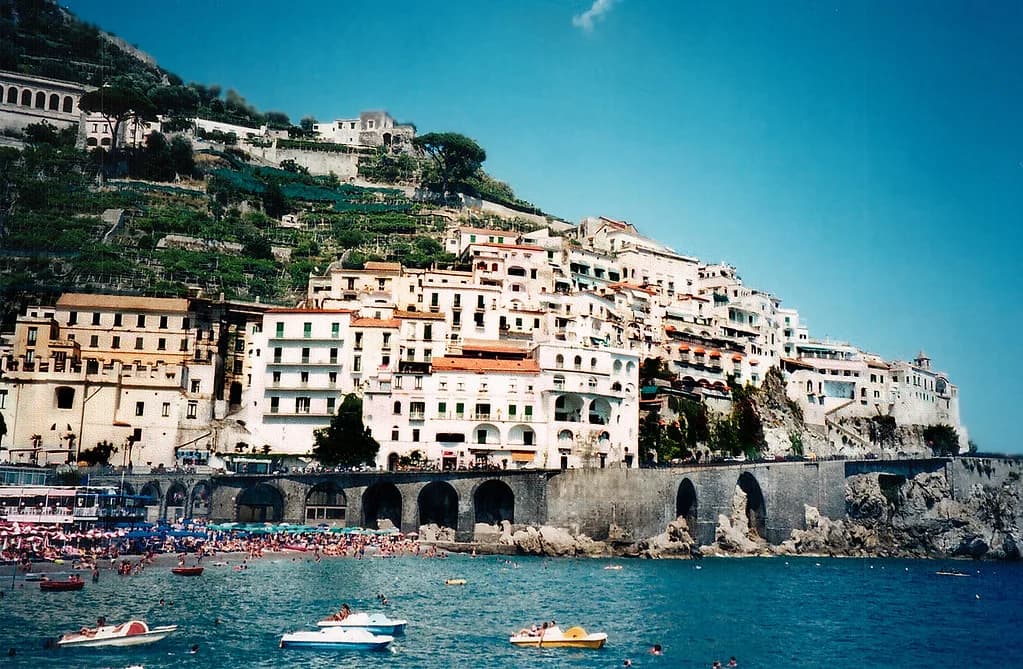
Amalfi gives its name to a coast, not to a single menu. What arrives on your plate depends on altitude as much as on the sea: lemon terraces and vineyards cling to cliffs above town, while fishing boats land anchovies and squid below. The lemon is the thread running through it all, from a morning pastry to a glass of limoncello at the end of dinner.
One practical consequence: the same dish changes character from one municipality to the next. Colatura di alici belongs to Cetara, ndunderi to Minori, scialatielli to Amalfi, and the area's pizza tradition to Tramonti in the hills. Knowing which town does what lets you order confidently anywhere along the coast instead of chasing a generic idea of local food.
This guide separates sea-side cooking from mountain-side cooking, explains the ingredients behind the names, and gives a few illustrative stops rather than an endorsement list. Suggested timings and order strategies are editorial suggestions, not official schedules. Restaurant menus, hours and prices change, so confirm anything time-sensitive with the venue directly before you build a day around it.
How to Read a Menu on the Amalfi Coast
Think in two pantries. The sea pantry brings anchovies, squid, pezzogna and other Tyrrhenian fish; the mountain pantry brings mozzarella fior di latte, ricotta, provolone and the area's long pizza tradition. A trattoria near the water will usually lean on the first, while a hillside village menu leans on the second.
That split explains why two restaurants twenty minutes apart can serve quite different food under the same regional label. It also means a single meal cannot cover everything, so pick a lane per meal: fish at lunch, mountain cooking in the evening, or the reverse. The full list of coastal products is set out in a local-products overview from an Amalfi Coast rental agency.
Seasonality matters too. Some ingredients are strongly associated with particular moments, such as colatura served around Christmas in the Cetara tradition, and coastal transport thins out outside the high season. Both affect how a food-focused day comes together, so build flexibility into your plan rather than a minute-by-minute schedule.
The Lemon: Sfusato Amalfitano and Where It Shows Up
The sfusato Amalfitano is the coast's signature lemon, and the broader area grows several named varieties, including the Ovale di Sorrento and the Femminiello di Capri. It is not just a garnish: lemon juice anchors spaghetti al limone, lemon cream fills delizia al limone, and macerated peel becomes limoncello.
Beyond the liqueur, look for granita to sip on a cafe terrace and the lemon sorbet served inside a hollowed-out fruit, sold around town in small shops. A food-focused feature on the coast describes the Amalfi lemon as the peninsula's gold and notes it is grown without fertilisers or chemicals.
For a first lemon stop in central Amalfi, Pasticceria Pansa beside the cathedral is the long-standing name most visitors encounter; it sits right off Piazza Duomo, so it fits naturally into a walk through the Amalfi centro storico rather than a separate trip. If you want to structure that morning properly, an Amalfi self-guided walk keeps the pastry stop in sequence with the cathedral and the lanes behind it.
Anchovies and Colatura di Alici in Cetara
Cetara, a fishing village a short way from Salerno, is the place to understand anchovies on this coast. Its signature product, colatura di alici, is a fermented anchovy sauce used to season pasta, salads and other dishes. In the local tradition the fish are caught at night using a light-attracted technique, then fermented.
Order it as a pasta dressing rather than a sauce to ladle, and pair it with ultra-fresh seafood such as octopus and sardines. The town's fishing identity, including tuna and anchovies, is detailed in the same coastal food feature.
Because Cetara is a separate municipality from Amalfi, treat it as a deliberate excursion rather than a lunch spur of the moment. A careful ordering habit helps here: ask about portion style before committing, and remember anchovy-based dishes are strongly flavoured, so they work better as a shared opener than a whole meal for a cautious eater.
Pasta Decisions: Scialatielli, Ndunderi and Gragnano
Three pasta names are worth knowing. Scialatielli is Amalfi's own fresh pasta, often served with seafood. Ndunderi are Minori's ricotta-based gnocchi, traditionally dressed with ragù. Gragnano pasta is dried durum-wheat pasta from the town of that name, prized for its raw materials and local water.
If you have one pasta meal, choose by mood: scialatielli for a fresh, seafood-led plate in Amalfi, ndunderi for something heartier in Minori, or a Gragnano shape when you want the sauce to lead. A local-products guide explains these distinctions without turning them into rules.
Scialatielli also travels well as a souvenir: packets appear in the shops along Via Lorenzo d'Amalfi, the street climbing from Piazza Duomo. If your trip is short, an Amalfi in one day itinerary can hold one pasta lunch and one pastry stop without overloading the afternoon.
Cheese, Pizza and the Mountain Larder
Inland, the Lattari Mountains support a dairy tradition. Mozzarella fior di latte is the most local cheese, joined by ricotta from Tramonti and provolone del Monaco. Artisan dairies also mature sheep's-milk cheeses with Senise pepper, as one gastronomy feature notes of the Madaio family's farm near the Cilento park.
Tramonti is also credited with the area's pizza lineage, with bakers preparing flatbreads from rye and other cereals in the Middle Ages before emigrating and spreading the craft. Ordering pizza in the hills therefore reads as a local tradition rather than a fallback for picky eaters, and it pairs naturally with the cheeses above.
A single mountain meal can combine all of this: a cheese plate to start, pizza or pasta with a mountain sauce, and a local red or white. Keep it to one such meal if your stay is brief, and let the coastal days stay coastal.
Pastries and Sweets Worth a Detour
Four sweets cover most of the coast. Delizia al limone is a sponge dome filled with lemon cream and glazed. Sfogliatella Santa Rosa is a shell-shaped pastry associated with the area. The pasticciotto of Atrani is a baked pastry basket with custard and black cherry jam, sometimes chocolate or orange. And Maiori makes an unusual dessert of fried aubergine covered in dark chocolate and almond flakes.
Pasticceria Pansa in Amalfi is the best-known address for lemon pastries, and it sits beside the cathedral, so it works as breakfast or an afternoon pause. A traveller's account of Amalfi town notes that Pansa is on the pricier side and suggests sharing a few pastries rather than ordering one each.
If you have room for only one detour, choose between the lemon pastry in Amalfi and the pasticciotto in Atrani, which is a short walk from town. Doing both in one afternoon usually means eating standing up and rushing; one is enough.
Illustrative Stops, Not Endorsements
A few addresses recur in coverage of the coast and are useful as anchors rather than must-dos. Marisa Cuomo in Furore makes Furore Bianco and other wines from steep cliffside vineyards, and the winery offers vineyard visits and terrace tastings. A food-focused feature recommends tasting the Bianco Fiorduva in the landscape where it grew, in the village known for Italy's only fjord.
Near Positano, Da Adolfo is a beach-hut restaurant reachable by boat, an institution since 1966, known for grilled mozzarella on lemon leaves. In Cetara, trattorie serve colatura-based pasta alongside the day's catch. In Amalfi, Pansa covers the pastry side.
Treat all three as options to verify, not bookings to assume. Menus, access arrangements and seasonal openings shift, so check directly with each venue before you plan a day around it. Wineries and boat-access restaurants in particular may need advance contact.
What to Expect to Pay, and How to Spend Less
The evidence here does not include verified current menu prices for these venues, so this guide will not quote a cover charge or a plate price. For an honest figure, ask the restaurant for the day's menu or check its published menu, and confirm whether a coperto or service charge applies before you order.
For orientation only, one traveller's 2026 cost breakdown for southern Italy estimates a restaurant meal of pasta or pizza with a drink and coffee at roughly 25 to 35 euros per person, and suggests supermarket and deli-counter eating as a much cheaper alternative. Treat those figures as a dated traveller estimate, not an official price list.
The cheapest good eating on this coast is often a picnic: fresh mozzarella, prosciutto, tomatoes, bread and fruit from a grocer or deli counter, eaten on a bench with a sea view. Reserve restaurant meals for the dishes you cannot replicate, such as colatura pasta or ndunderi.
Practical Ordering Mistakes to Avoid
Do not assume seasonal services. Travellers report that ferry services run mainly in peak season, so a boat-based lunch plan can collapse outside summer. Check the current timetable with the operator before relying on a crossing.
Buy bus tickets before boarding. Travellers note that drivers do not take cash and that tickets come from tabaccherie or online sellers; a food day that starts with an argument about fares is a bad start. If you are prone to motion sickness, the coastal road's hairpin bends are unforgiving, so take precautions before the ride.
Do not drag luggage to a hill town before lunch. Positano in particular involves staircases between the main road and the beach, and a heavy bag makes the descent miserable. Leave bags at your accommodation or a left-luggage point and travel light to the table.
Finally, match the dish to the town. Ordering ndunderi in Amalfi or colatura far from Cetara is possible but loses the point of the trip. A short Amalfi two-day itinerary that respects these distances will eat better than one that tries to cover the whole coast.
Building a Food Day Around Amalfi Itself
Start in Amalfi with a lemon pastry and coffee near Piazza Duomo, then walk the lanes behind the cathedral before the day heats up. If you want more than food, the waterfront gateway known as Porta della Marina leads straight into the historic centre and its ceramic map of the old maritime republic.
For a fuller sense of what else sits between meals, the Amalfi Attractions hub gathers guides to the cathedral complex, the paper museum and other sights, so a food day can include one short cultural stop without becoming a march through every ticket desk.
If you have a free half-day and want to walk off lunch, the Valle delle Ferriere trail runs from Pontone down to Amalfi past waterfalls, old paper mills and ironworks ruins. It is a proper hike rather than a stroll, so wear suitable shoes and carry water.
To balance eating with quieter corners of town, the hidden gems in Amalfi guide covers lesser-known spots that fit between meals without long transfers.
Plan Your Food-Focused Visit
Eat the coast by town: colatura in Cetara, ndunderi in Minori, scialatielli and lemon pastries in Amalfi, cheese and pizza in the hills, and a Furore white if you make it to the vineyard. Choose one anchor dish per meal and let the rest follow from where you are standing.
Confirm the volatile details before you commit a day: menus, opening days, seasonal ferries and any booking needs. The Amalfi tourist office is a reasonable starting point for current visitor information, and venues themselves are the final word on what they are serving today.
Frequently Asked Questions
What food is Amalfi known for?
The coastline is known for sfusato lemons and everything made from them, including delizia al limone and limoncello; for anchovies and colatura di alici from Cetara; for scialatielli in Amalfi and ndunderi in Minori; and for mountain cheeses such as provolone del Monaco and mozzarella fior di latte.
What is colatura di alici and how is it served?
Colatura di alici is a fermented anchovy sauce from Cetara. It is used sparingly to season pasta, salads and other dishes rather than eaten on its own. In Cetara it is traditionally associated with the Christmas period and appears in local trattorie alongside fresh seafood.
Where can I try scialatielli and ndunderi?
Scialatielli is Amalfi's fresh pasta and appears on menus around town, often with seafood. Ndunderi are ricotta gnocchi from Minori, traditionally served with ragù, so plan a stop in Minori if that dish is a priority.
Is the Amalfi Coast expensive for food and drink?
Restaurant meals can add up, and prices vary by town and season. No verified current menu prices exist in official sources, so check menus directly. A dated traveller estimate for 2026 suggests comparing restaurant bills with supermarket and deli-counter costs.
Do I need a car to eat well along the Amalfi Coast?
Not necessarily. Buses and, in season, ferries link the main towns, and travellers report that bus tickets must be bought in advance from tabaccherie or online rather than from the driver. A car adds flexibility for hill villages such as Tramonti but brings parking and narrow-road stress.
Is limoncello always made locally?
No. Limoncello is produced widely, and some bottles sold as souvenirs are industrial. To taste the local version, look for producers using coast-grown lemons and ask where the fruit comes from. Small family workshops in Amalfi offer tours and tastings, though group-size rules vary.
Can I try these dishes on a day trip from Amalfi?
Partly. Amalfi itself covers lemon pastries, scialatielli and seafood. Cetara and Minori are separate municipalities, so reaching them takes planning, and seasonal ferry timetables affect feasibility. Pick one out-of-town dish rather than several on a short trip.
Sources
Continue exploring
More guides you'll find useful