Piazza dei Miracoli Guide: Planning a Visit to Pisa's UNESCO Square
Plan a visit to Pisa's Piazza dei Miracoli: how the square is laid out, which monuments and museums are separate, and why booking online in advance helps.
On this page
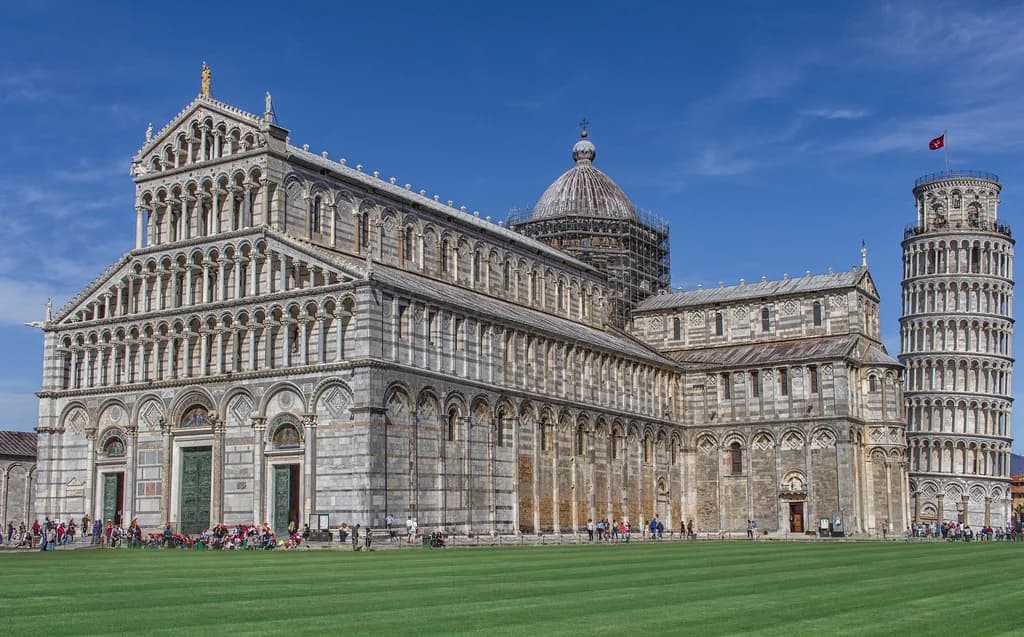
Pisa's Piazza dei Miracoli, also called Piazza del Duomo, is best understood as a single ensemble rather than a checklist of sights. The official operator, the Opera della Primaziale Pisana, presents the square as four monuments (Cathedral, Tower, Baptistery and Camposanto) plus two museums, the Opera del Duomo Museum and the Sinopie Museum. That framing matters because your day works best when you plan a route around the whole square instead of sprinting between separate attractions.
The first practical detail to know is that the monuments and museums are open every day, and tickets can be bought online in advance up to the day of your visit, according to the official site.
What the Piazza dei Miracoli Actually Is
The square sits in the north-west of Pisa and gathers its buildings in a grassy open space that has been described as a field of miracles since Gabriele D'Annunzio's 1910 novel. The ensemble is a UNESCO World Heritage site and the clearest surviving expression of Pisa Romanesque architecture, blending classical, early Christian, Lombard and eastern motifs into a deliberately unified group. Treat the open ground as the connective tissue between buildings, not as a backdrop to a single photograph.
For a wider sense of how the square fits among the city's other sights, the Pisa Attractions hub groups the monuments with the rest of what the city offers.
How the Four Monuments Sit Together
The Cathedral is the axis of the square, and the Baptistery stands directly west of its facade while the Tower rises behind the apse at the opposite end. The Camposanto, a walled burial ground, occupies the northern edge, closing the composition. Knowing this rough geography lets you sequence entries without crossing the grass repeatedly, which matters when you are balancing timed slots against the free pleasure of wandering.
The Cathedral
The Duomo is the reason the square exists, and its interior holds the mosaic of Christ in majesty, the pulpit by Giovanni Pisano and the lamp that allegedly inspired Galileo's pendulum experiments. It is also the building most visitors skim, which makes it a sensible place to slow down. For the interior's layout, the free-entry question and practical tips, the Pisa Cathedral Visitor Guide covers the details.
The Leaning Tower
The Tower is the campanile of the Cathedral and its tilt is the result of unstable subsoil that engineers have fought for centuries. Climbing it means a timed entry and a physical climb, so decide early whether the ascent is essential to your visit; if it is, book that slot first and build the rest of the day around it. The Leaning Tower of Pisa Visitor Guide: Tickets, Climbing and What to Expect explains what the climb involves.
The Baptistery
The round Baptistery is the largest of its kind in Italy and mixes Romanesque lower stages with Gothic upper work, including Nicola Pisano's pulpit. Its interior acoustics are often demonstrated by a singer, a small moment that rewards standing still rather than rushing through. The Pisa Baptistery Visitor Guide: Tickets, Acoustics and Nicola Pisano's Pulpit explains what to look for inside.
The Camposanto
The Camposanto Monumentale is a cloister-lined cemetery whose walls once carried extensive fresco cycles, including the Triumph of Death. It is the quietest of the four monuments and the easiest to skip if you are short on time, but it rewards anyone interested in medieval painting and burial architecture. The Camposanto Monumentale in Pisa guide sets out what survives and how to see it.
Beyond the Four Monuments: Two Museums
The Opera del Duomo Museum and the Sinopie Museum are separate collections rather than automatic add-ons to a monument visit. The Sinopie Museum displays the large preparatory drawings recovered beneath the Camposanto frescoes, while the Opera del Duomo Museum traces Pisa's art and medieval sculpture along an evocative route. Decide whether either subject genuinely interests you before assuming a combined ticket is better value than a targeted one.
Free Square, Paid Interiors
Walking the square and entering the monuments are two different experiences. The open ground is where most visitors take their photographs and where the ensemble reads most clearly. The buildings and museums are managed by the Opera della Primaziale Pisana, which publishes the ticket types, which monuments they cover and which visitors qualify for reductions or free entry. Because the exact scope of each ticket changes, read the official ticket pages rather than relying on second-hand summaries of what is included.
Ticket Logic: A Decision Framework
Start by listing the interiors you actually want to enter, then compare that list against the official ticket options instead of buying the broadest bundle by default. If the Tower climb is your priority, its separate timed booking usually drives the day's shape; if you mainly want art and quiet, the museums and Camposanto may matter more. The official site is the only place to check current prices, bundle names and inclusions, and it also handles booking changes through its reserved area.
Avoiding Peak Crowds
Crowd advice here is a set of suggestions, not an official rulebook. Booking the first slot of the day for the Tower or a museum, taking a weekday over a weekend, and completing ticketed interiors before lingering on the open grass are reasonable ways to spend less time in queues. Pisa's tourism office lists seasonal events and exhibitions across the city, so check it for dates that might coincide with your visit.
Accessibility and Practical Planning
Accessibility details vary by building, and the official operator maintains a dedicated accessibility page rather than a single blanket statement for the square. Read that page alongside the opening and closing times before you fix a schedule, since monument hours can differ from museum hours. Neither value should be copied from an old guidebook, because both are published and updated by the operator.
When Restoration Work Is Happening
Scaffolding is part of the square's normal life. The Baptistery closed for dome and matroneum restoration and reopened on 2 December 2023, then reopened again on 15 June 2024 with scaffolding still on the ground floor while interior work continued. Those dates are history rather than current status, but they show the pattern: a monument can be open while partly obscured, so check the operator's news section before assuming an unobstructed view.
A Half-Day vs. a Full-Day Shape
A suggested half-day works like this: take one timed interior such as the Tower or Baptistery, add the Cathedral, then walk the square slowly and stop. A full day lets you add the Camposanto and one museum, with a lunch break on the edge of the square to reset your energy. These are suggestions, not official durations, and the right shape depends on how much medieval art you can absorb in one stretch.
Where the Square Fits in a Wider Pisa Day
The square is a compact district rather than a full city itinerary, so pair it with the riverfront or a museum elsewhere in Pisa. If you want to escape the monument crowds entirely, the hidden gems in Pisa guide suggests quieter corners of the city. Note that Pisa's tourism office also publishes themed itineraries by neighbourhood, which helps when you are stitching together a route on foot.
Plan Your Visit
The one planning mistake to avoid is treating the Piazza dei Miracoli as a photo stop with no ticket booked. Decide which interiors you care about, check the official operator for current prices, ticket scope and opening times, and reserve online before you travel. The square will still be there when you arrive, but the Tower slot you wanted may not be.
Frequently Asked Questions
Is the Piazza dei Miracoli free to visit?
Walking the open square is the free part of the experience. Entering the Cathedral, Tower, Baptistery, Camposanto and the two museums involves the Opera della Primaziale Pisana's ticket system, and the exact scope of each ticket is published on the official site. Check the official ticket pages before you travel rather than assuming one ticket covers everything.
Do I need to book Pisa's monuments in advance?
Booking online in advance is possible up to the day of your visit through the official operator, and it is the safest way to secure a timed slot for the Tower. Whether you need to book depends on the season and the interior you want; check the official site for availability and current ticket types before you commit.
How long should you spend at the Piazza dei Miracoli?
A suggested half-day is enough for one timed interior, the Cathedral and a slow walk around the square. Allow a full day if you want the Camposanto and one of the two museums as well. These are suggestions, not official durations, so adjust them to your own pace and interests.
Which monuments are included in a single ticket?
The inclusion rules change, and the official operator publishes the current ticket types and what each covers. Rather than relying on a summary, read the official ticket pages and match the options to the interiors you actually plan to enter.
Does restoration work affect what you can see at the Baptistery?
It can. The Baptistery reopened on 2 December 2023 after dome and matroneum restoration, and again on 15 June 2024 with scaffolding still on the ground floor while work continued. Those reopenings are past events, so check the operator's news section for current restoration status before your visit.
Sources
Continue exploring
More guides you'll find useful