Climbing the Leaning Tower of Pisa: Tickets and What to Expect
Plan a timed climb of Pisa's Torre Pendente: how tickets work, the 251-step ascent, bag and age rules, and how long to allow at the square.
On this page
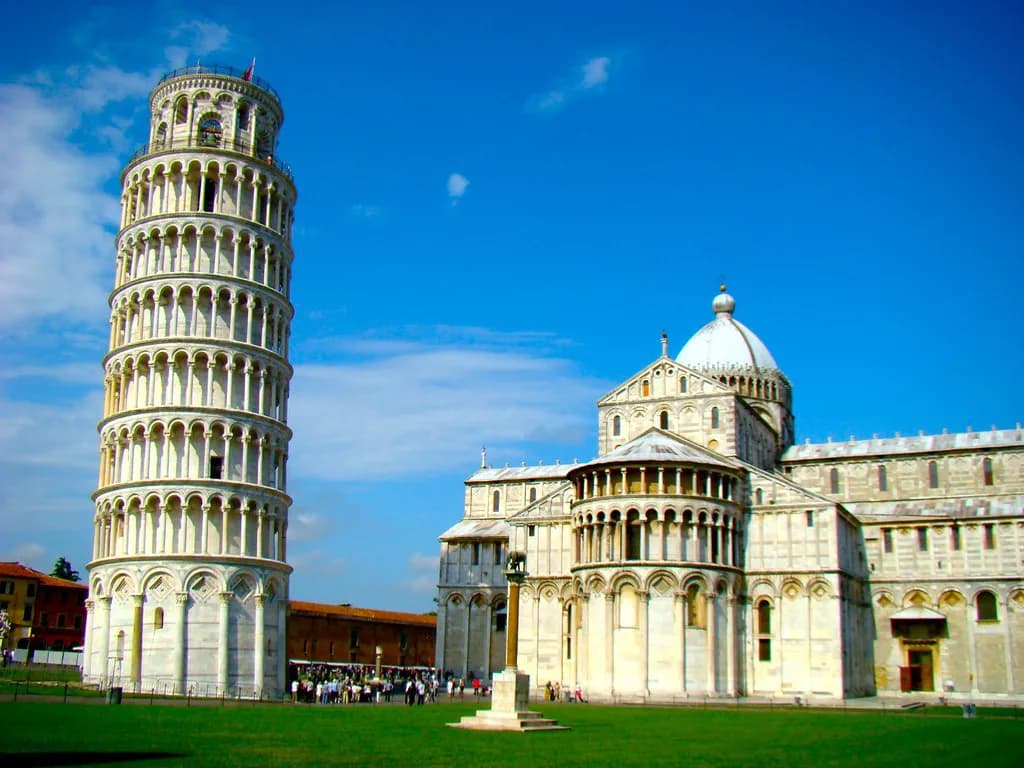
The Leaning Tower of Pisa anchors Piazza dei Miracoli, the wide green square that also holds the Cathedral, the Baptistery and the Camposanto. Most travellers treat the tower as a photo stop, but the more consequential decision is whether to book a timed climb or view the monument from the lawns. That choice drives your schedule, your packing and how much of the square you can realistically see in one visit.
The climb itself is short but specific: the Opera della Primaziale Pisana, the body that manages the monuments, states the visit takes about 30 minutes and involves 251 steps on foot. Entry runs on fixed time slots with a limited number of people inside, so a late arrival is not a small delay but a lost booking. Reading the rules before you pay is the cheapest way to protect that slot.
How Ticketing Actually Works: Timed Tower Entry Versus the Cathedral Pass
Two different systems operate within metres of each other, and blurring them causes most visitor confusion. Climbing the tower requires a timed ticket valid for a specific day and hour. The Cathedral works the other way: admission is by free pass, and buying any monument ticket includes a Cathedral pass that is not tied to a fixed time.
Travellers who want only the Cathedral can request a fixed-time free pass, but these are limited in number and issued exclusively at the on-site ticket offices, not bookable in advance. That is a useful fallback rather than a plan: arrive at the desk and ask. If seeing the Cathedral matters and you are visiting in a busy period, holding a paid monument ticket is the more predictable route.
Prices sit outside this guide because they change and the operator publishes them directly. Check the official ticket pages before budgeting, and treat any third-party figure you saw earlier as unverified. The operator also states that it is responsible only for prices published on its own site and at on-site ticket offices, which is a clear signal about where to confirm what you will pay.
What the Climb Is Like: Steps, Tilt and the View
Inside, the ascent follows a narrow spiral staircase, and the floor is uneven and slippery in places. The lean becomes physical rather than visual: your sense of balance adjusts as you climb through the tiers of the tower. Comfortable shoes with grip are the practical choice, and the operator advises that the route is on foot throughout.
The payoff at the top is an open view across Pisa's rooftops toward the surrounding Tuscan plain, with the Cathedral and Baptistery seen from above. Many visitors pair the climb with the classic forced-perspective photograph from the lawns, which is best taken before or after your slot rather than during a rushed arrival.
Staff open the visit with a short explanation of the tower's history, so the experience is not purely a staircase. Build in a little time at the top rather than turning straight around, since the timed quota means the space never becomes crowded.
Age, Bag and Timing Rules to Know Before You Pay
Children who will not have turned eight by the end of the calendar year are not permitted inside the tower, and visitors under 18 must be accompanied by an adult. Identification may be requested to verify age, so carry it for younger members of your group. There are no reduced-price tower tickets, which simplifies family budgeting but means every eligible climber pays the same.
Handbags, bags and luggage must be left at the cloakroom before the visit and collected afterwards. Large suitcases are not allowed on the site at all, and only small bags or backpacks within the published size limit are accepted, so a day bag is the sensible packing choice on a Pisa day.
Arriving late is the expensive mistake: the ticket is valid only for the day and time specified, and latecomers are refused entry without a refund. Set your slot time as the fixed point of the morning, work backwards for transport and bag drop, and keep a buffer rather than squeezing in one more cathedral interior.
Who Should Sit This One Out
The operator does not recommend the tower visit for people with cardiovascular or muscular disorders, given the exertion, the confined stairwell and the uneven surface. That is a genuine warning rather than a disclaimer, and it deserves an honest self-assessment before booking. Anyone who tires on steep stairs may enjoy the square more from ground level.
The tower interior is not wheelchair accessible, but the square itself is open and level, so the lawns, exterior views and surrounding monuments remain available to every visitor. Tower admission is free only for disabled visitors accompanied by a responsible adult helper, on presentation of suitable certification at the cashier, and this is arranged on site rather than online.
For that free arrangement the operator asks visitors to email its accessibility address at least five days in advance so the practical details can be confirmed. Availability is restricted to early-morning and late-afternoon slots, which is worth knowing when you plan the rest of the day around the square.
Combined Tickets and Their Scope
Some ticket options also cover other monuments on the square, but a single tower booking should not be assumed to include everything you want to see. Check exactly which buildings each option opens before paying, and compare against what you actually plan to visit rather than assuming a bundle always saves time.
Tickets for the Baptistery, Camposanto, Sinopie Museum and Opera del Duomo Museum are valid from the chosen date for one year, provided the buildings are open. That long validity changes the calculus: a combined option can make sense if you might return to Pisa, while a single-day visitor should count only the interiors they will realistically enter.
If you are weighing which interiors deserve your hours, the Pisa Cathedral Visitor Guide: Free Entry, Interior and Practical Tips covers the free-pass system in detail, and the Pisa Baptistery Visitor Guide: Tickets, Acoustics and Nicola Pisano's Pulpit covers the round baptistery next door. Reading both before choosing a combined option is more useful than browsing packages blindly.
Booking Window, Changes and Cancellations
Online booking for individual visits opens 90 days before the visit date and runs until the day itself, subject to availability. Payment online is by debit or credit card only, and the confirmation email carries the e-ticket as a PDF attachment. Check your spam folder if it does not appear, and bring the original PDF on a device or printed, since a modified ticket may be refused at the entrance.
Orders that include tower tickets can be modified or cancelled up to two hours before the chosen slot, and the time of the visit can be changed but not the date. Orders without tower tickets can be cancelled until midnight GMT on the day of the visit. Used tickets cannot be changed, and the refund lands via your original payment method on your bank's timetable, not the operator's.
Booking ahead matters because the tower runs a fixed quota of people inside at any one time, and busy seasons fill slots. Even shoulder months can sell out around weekends, so reserve as soon as your travel dates firm up rather than hoping to buy at the door.
After the Climb: Dress Code, the Cathedral and the Rest of the Square
The Cathedral is a working place of worship, and visitors are asked to dress and behave appropriately. During masses and special ceremonies access is limited to a defined area, cameras cannot be used and guides cannot give explanations. Planning a cathedral visit outside service times respects both the building and the people using it.
Groups of six or more may only give explanations with radioguides, in respect for the silence required inside. Independent travellers should keep voices low and phones away, and anyone arriving with a tour should confirm the guiding arrangements in advance.
Beyond the Cathedral, the Camposanto and the museums hold the square's quieter collections, including sculpture, vestments and works removed from the monuments. A museum audioguide runs 90 minutes across 55 listening points in five languages, which is a substantial commitment of time that suits an afternoon better than a rushed morning. If you want to plan the square as a whole, the Piazza dei Miracoli guide sets out how the buildings fit together.
How Long to Budget for the Tower and the Square
Allow roughly 30 minutes inside the tower for the visit itself, then add the cloakroom drop, security screening and the walk to the entrance. In practice, the tower will occupy about an hour of your day from arrival at the square to collecting your bag. That is a working estimate rather than an official schedule, so treat it as planning guidance.
For the square overall, half a day covers the tower, the Cathedral, a circuit of the exterior and a coffee. Adding the Baptistery and Camposanto pushes toward a full day, especially if you use the museum audioguide. If Pisa is a single stop on a longer Tuscan itinerary, decide in advance which interiors you will enter and walk past the rest without guilt.
Visitors who want more than the monuments should look at the hidden gems in Pisa beyond the square, where the city's riverfront and smaller churches reward a slower hour or two. That contrast is what turns a quick photo stop into a proper day in the city.
A Suggested Half-Day Order That Puts the Climb First
Book the earliest tower slot you can comfortably reach and start there while the square is calm and the light is soft. Complete the cloakroom and screening before your slot, then climb, return your bag and only afterwards turn to the Cathedral with its free pass and the surrounding lawns.
Follow with the Baptistery and, if time allows, the Camposanto, whose one-year ticket validity removes any pressure to sprint through. Finish with a slow walk along the edge of the square and out into the streets beyond. This order keeps the fixed commitment early, so the rest of the morning flexes around however long you linger.
If you are also planning to see the Cathedral interior in detail or to add the Camposanto's fresco cycle, the Cathedral Visitor Guide: Free Entry, Interior and Practical Tips and the Camposanto Monumentale visit guide both help you judge how much of the half-day each deserves.
Plan Your Climb
The tower rewards a little preparation more than most landmarks: a timed slot, the right bag, comfortable shoes and enough buffer to arrive early. Confirm current prices and opening times on the official Opera della Primaziale Pisana pages rather than relying on secondhand figures, and book as soon as your dates are fixed.
Once the tower is secured, let the square set the pace. The Cathedral's free pass, the Baptistery and the Camposanto each offer a different kind of interior, and the Pisa Attractions collection of guides helps you choose which ones earn a place in your half-day.
Frequently Asked Questions
Do you need tickets to climb the Leaning Tower of Pisa?
Yes. Climbing requires a timed ticket for a specific day and hour, and entry is limited to a fixed quota of visitors. Walking around Piazza dei Miracoli and viewing the tower from outside is free. Note that the Cathedral uses a separate free-pass system, so a tower booking and a cathedral visit are not the same thing.
How long does the climb take?
The operator states the tower visit takes about 30 minutes and covers 251 steps on foot. Allow closer to an hour in total once you factor in the cloakroom, security checks and collecting your bag afterwards. That total is a planning estimate, not an official figure.
How difficult is the climb?
It is a short but confined spiral staircase with an uneven and slippery floor, and the lean affects your sense of balance as you ascend. The operator does not recommend it for people with cardiovascular or muscular disorders. Comfortable shoes with grip are sensible.
Can children climb the Tower?
Children who will not have turned eight by the end of the calendar year are not allowed inside, and anyone under 18 must be accompanied by an adult. Identification may be requested to verify age, so carry it for younger visitors.
What happens if you arrive late for your slot?
Latecomers are refused entry and no refund is issued, because the ticket is valid only for the specified day and time. Set your slot as the fixed point of the morning and build in a buffer for transport and the bag drop.
Do you need a separate ticket for the Cathedral?
No paid ticket is needed for the Cathedral itself: admission is by free pass, and buying any monument ticket includes a Cathedral pass without a fixed time. Fixed-time Cathedral-only passes are limited and available only at the on-site ticket offices, not in advance.
What should you do with bags before climbing?
Handbags, bags and luggage must be left at the cloakroom before the visit and collected afterwards. Large suitcases are not permitted on site, and only small bags or backpacks within the published size limit are accepted.
Is the Tower accessible for visitors with disabilities?
The tower interior is not wheelchair accessible because of the narrow spiral staircase, but the square itself is open and level. Tower admission is free only for disabled visitors with a helper, arranged on site with certification, and the operator asks for an email at least five days ahead to confirm details.
Sources
Continue exploring
More guides you'll find useful