Turin Neighborhoods Guide: Where to Stay in Each District (2026)
A 2026 Turin neighborhoods guide to Centro, Quadrilatero Romano, San Salvario, Vanchiglia, and Borgo Po, with vibe, distances, and who each district fits best.
On this page
Turin Neighborhoods Guide: Where to Stay in Each District
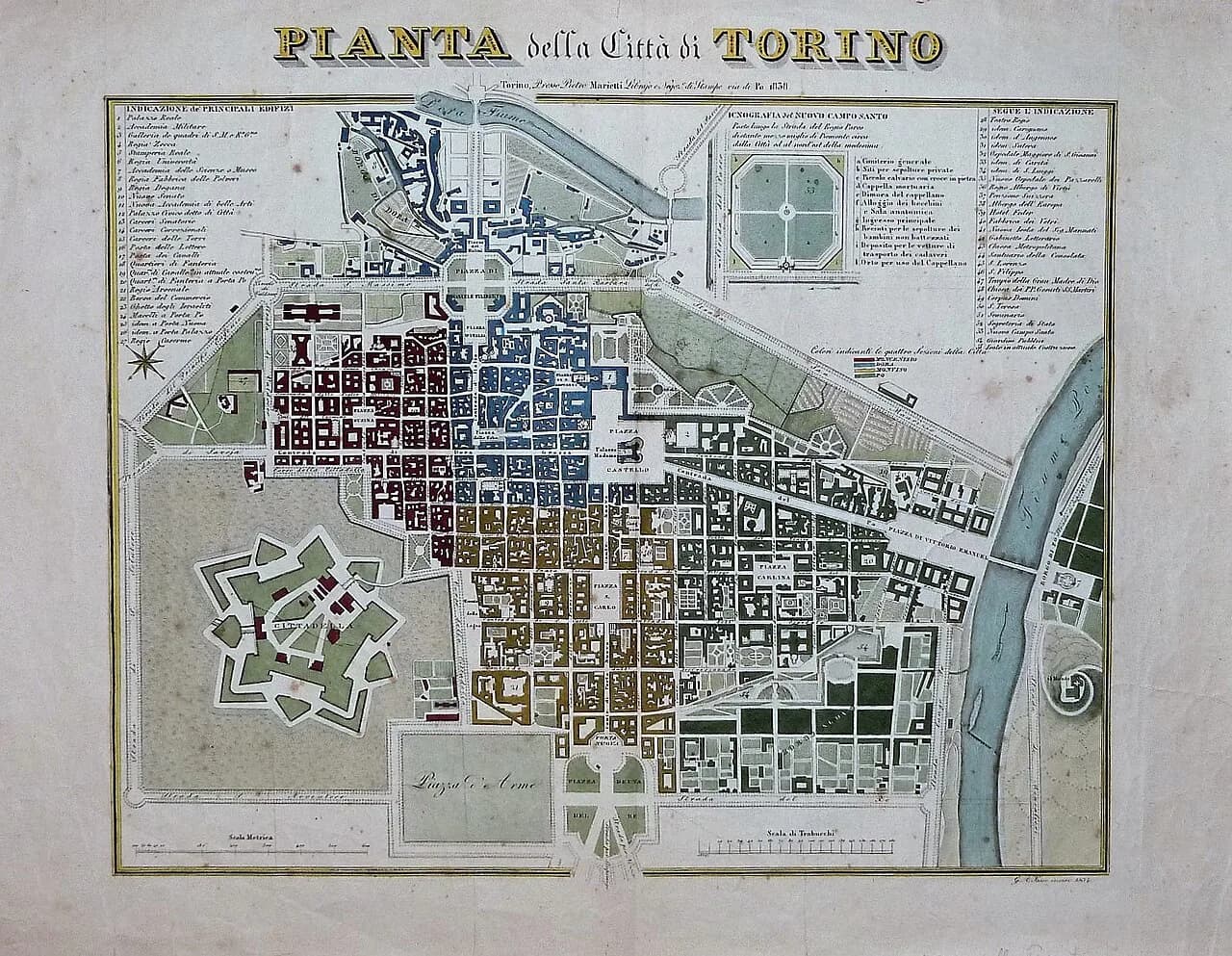
Last updated August 2026, this Turin neighborhoods guide maps out the city's six core districts, from the royal streets of Centro to the hillside calm of Borgo Po. Turin's grid layout, planned by the House of Savoy as a capital rather than left to grow organically, makes it one of the more walkable cities in Italy. First-time sightseers do best in Centro or Quadrilatero Romano, nightlife travelers gravitate to San Salvario, and budget-minded visitors settle into Vanchiglia.
A Quick Guide to Turin's Neighborhoods
Turin's neighborhoods split cleanly along the House of Savoy's original grid, so matching a district to your travel style is more straightforward than in most Italian cities. Use the table below as a starting point, then read the full breakdown of each area further down the page.
| Neighborhood | Best For | Vibe | Distance to Center |
|---|---|---|---|
| Centro | First-timers and sightseeing | Grandiose, royal, busy | 0 minutes — the historic core itself |
| Quadrilatero Romano | Foodies and atmosphere | Roman-grid alleys, wine bars | 5-10 minute walk |
| San Salvario | Nightlife and students | Multicultural, high energy | 15-20 minute walk, or one Metro stop |
| Vanchiglia | Artists and budget travelers | Creative, local, riverside | 10-15 minute walk |
| Borgo Po | Quiet, upscale stays | Leafy and hilly | About 20 minutes, across the Po |
| Lingotto | Architecture and car history | Industrial rebirth, modern | About 15 minutes by Metro Line 1 |
Getting Around: Walking, Trams, and Turin's Single Metro Line
Turin runs on one Metro line, a handful of tram routes, and a lot of walking. Metro Line 1 connects the city's two main train stations, Porta Nuova and Porta Susa, and continues south to Lingotto, but it does not reach most sightseeing streets directly. Trams and buses fill in the gaps, though delays are common enough that locals plan around them rather than for them. Most first-time visitors do better sticking to the ZTL, Turin's limited traffic zone, where cobbled streets and roughly 18km of covered porticoes make walking practical in rain or midsummer heat. Rental cars are more hassle than help inside this zone, since entry restrictions apply to non-resident vehicles. Taxis cover the rest, for late nights or heavy luggage. Two pockets deserve extra awareness after dark: blocks around Porta Palazzo market in Aurora, and streets immediately by Porta Nuova station in San Salvario. Neither is unsafe by daylight, and both stay busy well into the evening.
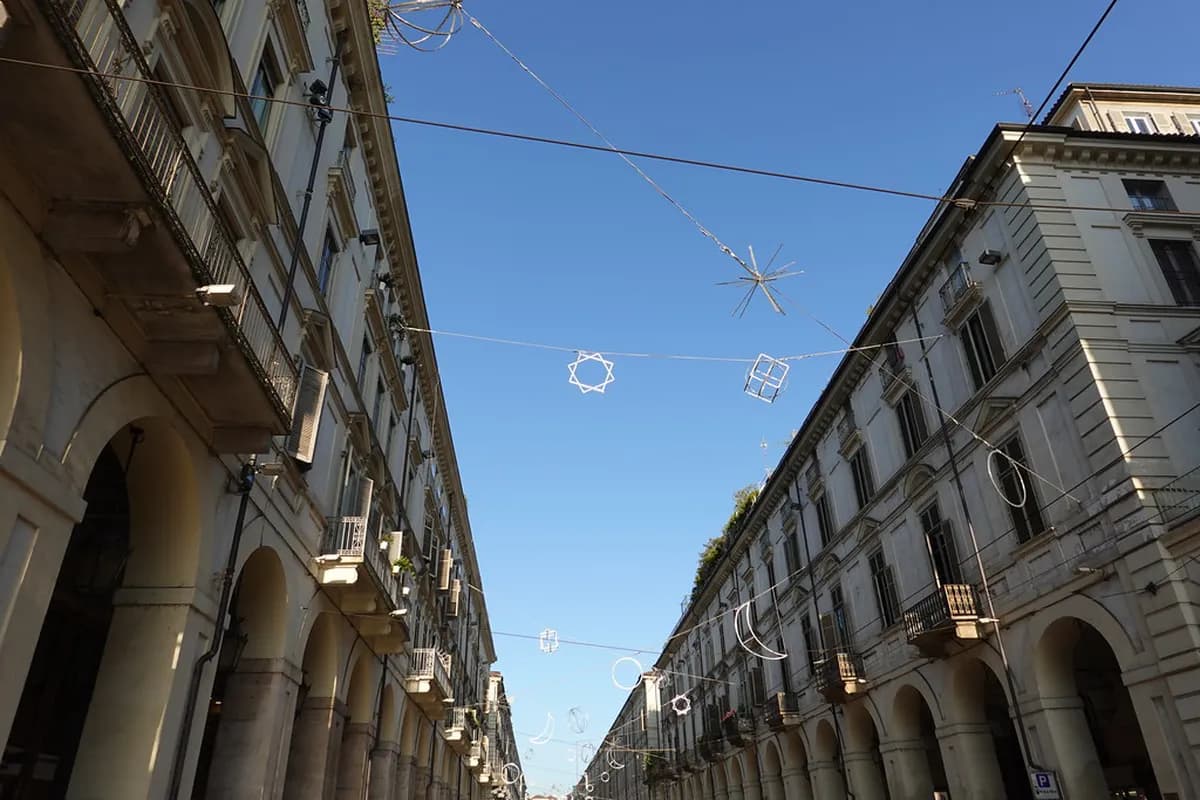
A network of roughly 18km of covered porticoes links Centro and Quadrilatero Romano neighborhoods, separated by just 5-10 minutes' walk, making rain-proof pedestrian exploration practical.
- Metro Line 1: the only line in the city, linking Porta Nuova, Porta Susa, and Lingotto
- Trams and buses: cover the neighborhoods the Metro misses, with frequent but not always punctual service
- Porticoes: roughly 18km of covered arcades link Centro, Quadrilatero Romano, and Via Po
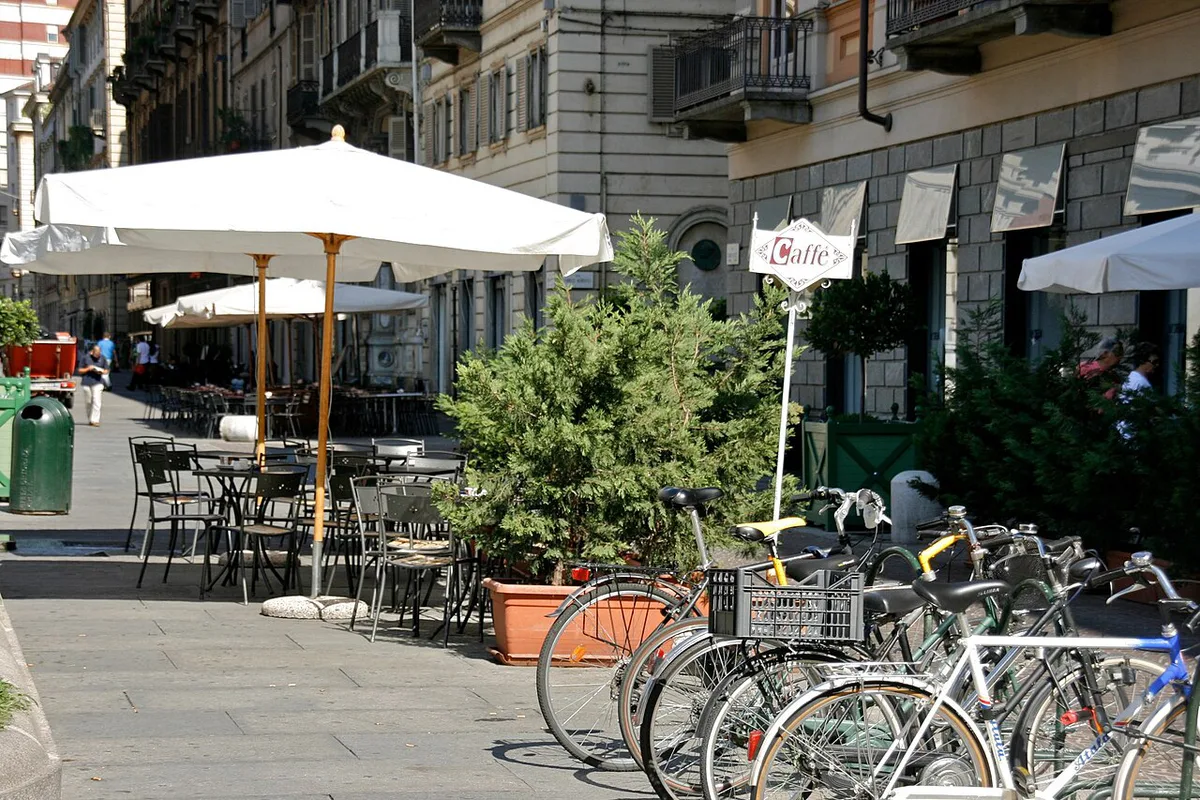
Centro: The Royal Heart for First-Time Visitors
Piazza Castello anchors Centro, framed by the Palazzo Reale and a short walk from the Museo Egizio. Via Roma runs south from the square as a porticoed shopping street, ending near the Porta Nuova train station. Nearly every major sight sits within a 10-15 minute walk of Piazza Castello, including Piazza San Carlo and the historic cafes where 19th-century intellectuals met over bicerin. Hotels here typically list in the $120-$300 per night range, with a handful of luxury properties running higher. Centro gets busiest at midday and on weekends. Mornings and evenings stay calmer. Travelers chasing fewer crowds altogether can check the best time to visit without crowds. Cost is the trade-off: Centro is Turin's most expensive base, even though the city as a whole remains lightly visited compared with Italy's bigger tourist draws.
Quadrilatero Romano: Turin's Foodie Grid
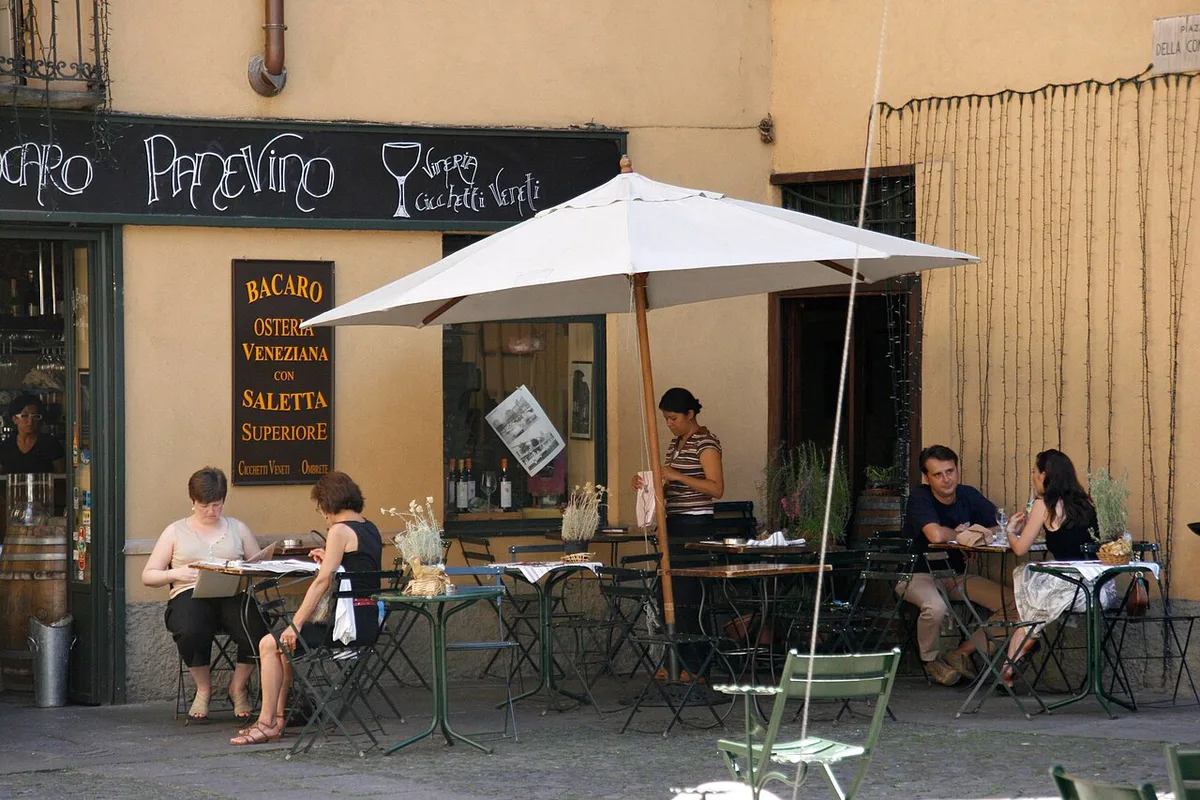
Quadrilatero Romano sits just northwest of Piazza Castello, on the footprint of the Roman colony Julia Augusta Taurinorum, founded in the 1st century BCE. Streets here are narrower than Centro's, built to a smaller, older grid, and the district functions as Turin's dining and aperitivo hub. Porta Palazzo market runs along its edge, among Europe's larger open-air markets, so mornings bring produce stalls and street food alongside the evening wine bars. Via Garibaldi is the main shopping spine, busy by day and noticeably quieter a block or two off it. Evenings run to aperitivo hour, when bars along the narrow lanes fill with locals rather than tour groups. Quadrilatero Romano sits a 5-10 minute walk from Piazza Castello, close enough for sightseeing but distinct enough to feel like its own neighborhood. A full walking route through the district is in the Quadrilatero Romano guide.
San Salvario: Nightlife, Parks, and Multicultural Energy
San Salvario stretches between Porta Nuova station, the Po River, and Centro, and it carries the most multicultural feel of any Turin district. Parco del Valentino runs along its river edge, with the Castello del Valentino inside it, and walking the park costs nothing at any hour. Via Baretti carries most of the nightlife, from bars to small clubs to kitchens serving cuisines from across the district's immigrant communities. San Salvario sits about 15-20 minutes on foot from Piazza Castello, or one stop on Metro Line 1. Blocks immediately around the train station get rougher after dark. Riverside stretches near the park stay calmer. A deeper walkthrough of the district lives in the San Salvario guide. Parco del Valentino is also one of the free stops covered in Free Things to Do in Turin: What's Free, What's Not (2026 Guide).
Vanchiglia and Aurora: Turin's Creative Frontier
Vanchiglia sits northeast of the center, next to Vanchiglietta, with a university and bohemian feel built around the Einaudi campus. Piazza Santa Giulia works as its social hub, especially in the evening when students and musicians gather outdoors. Medieval-scale streets mix with contemporary murals and small design workshops, and the Mole Antonelliana's 548-foot spire is visible from several corners of the neighborhood. Aurora sits just north, a grittier post-industrial district built around the old Lavazza factory campus, now reworked into the Nuvola complex. Balon flea market runs through Aurora's streets on Saturdays, drawing bargain hunters from across the city. Both districts trade some polish for lower prices and a stronger local feel, a pairing covered in more depth in Turin's hidden gems. Vanchiglia sits a 10-15 minute walk from Piazza Castello. A full neighborhood breakdown lives in the Vanchiglia guide. History-minded travelers passing through can also detour to the Cimitero Monumentale, Turin's monumental cemetery.
Borgo Po and the Collina: Turin's Upscale Escape
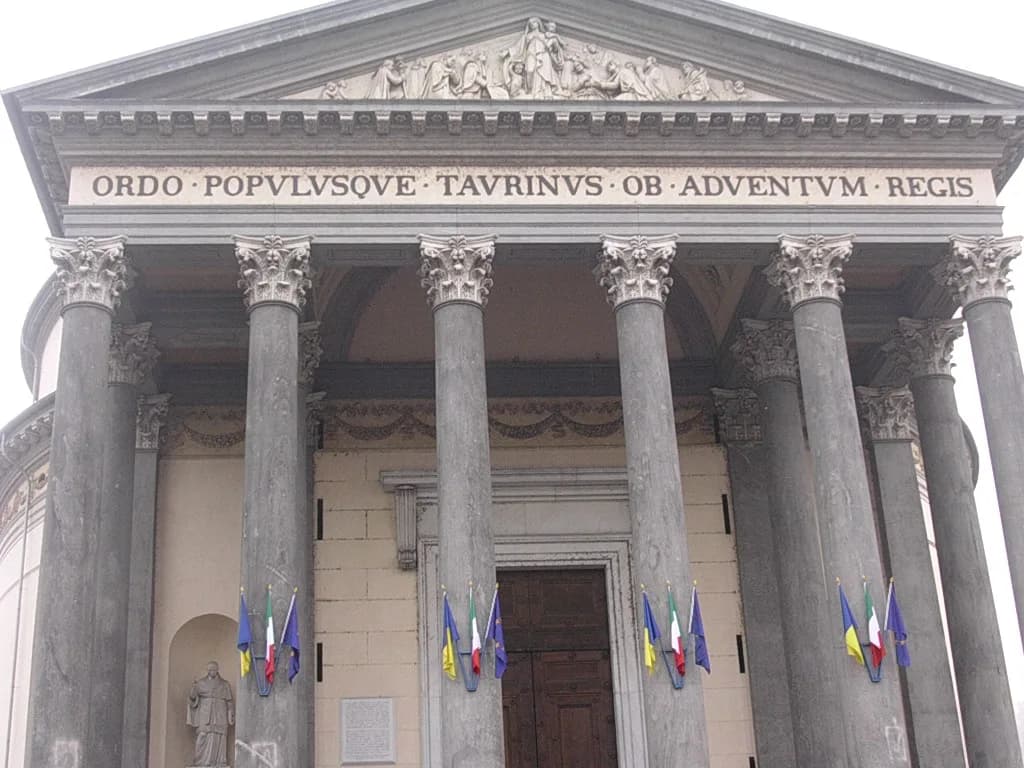
Borgo Po sits across the Po River from Centro, reached by crossing near the Chiesa della Gran Madre di Dio. Borgo Po climbs into Turin's collina, a hillside area of villas, wooded trails, and some of the city's priciest real estate. Monte dei Cappuccini overlooks the river and the rooftops of Centro, and Villa della Regina's terraced 17th-century gardens sit a short walk further into the hill. It stays quiet by design, with few restaurants and limited nightlife. Walking back to Piazza Castello takes about 20 minutes, uphill on the return leg. That trade-off suits travelers who want a residential base away from foot traffic, with an easy tram or walk back into the center. Hotel and route specifics live in the Borgo Po guide. Monte dei Cappuccini's climb gets its own walkthrough in the Monte dei Cappuccini guide.
Secondary Neighborhoods: Crocetta, Cit Turin, and Lingotto
Three more districts round out the map for travelers with specific interests. Crocetta, just south of Centro, is a residential area of Liberty-style villas and tree-lined streets. It is home to the Politecnico di Torino and the Mercato della Crocetta, a well-known open-air market for food and fashion. Cit Turin is built around Liberty-era, or Art Nouveau, architecture, the one Turin district where that style functions as the primary identity rather than a secondary flourish. Lingotto, in the city's southeast, is built around the former Fiat factory that Renzo Piano redeveloped. A rooftop test track, the Pinacoteca Agnelli gallery, and an Eataly flagship food hall now fill the old assembly floors. Lingotto sits about 15 minutes from the center by Metro Line 1, the most transit-dependent of the districts in this guide. None of these three works as an obvious first-time base, but each rewards a half-day detour. 9 Unique Things to Do in Turin, Italy: Local Experiences & Practical Guide lists specific stops in Lingotto and Crocetta. For Cit Turin's lesser-known corners, Off the Beaten Path in Turin: Hidden Neighborhoods & Local Picks goes deeper. Turin's secret spots covers a similar mix of overlooked stops.
Turin has only one Metro line, yet Lingotto is just 15 minutes from the center by Metro Line 1, making it the most transit-dependent district despite minimal infrastructure.
Which Turin Neighborhood Fits Your Trip?
Matching a neighborhood to your trip usually comes down to four traveler types, outlined below. Wherever you base yourself, Turin's compact grid keeps every district within reach of the others by foot, tram, or the single Metro line. Meals are worth planning around, not just around the hotel. 10 Best Local Restaurants in Turin: Where Torinesi Actually Eat (2026) works from any of the districts above. So does the Turin Local Food Guide: What to Eat and Where in 2026, useful for anyone cooking or snacking through markets like Porta Palazzo. Once the base is set, the 11 Best Day Trips from Turin: Piedmont, Lakes, and Alps (2026) guide covers onward routes, including the hillside climb to Superga and the Express Bus to Venaria Reale.
- First-time visit: Centro or Quadrilatero Romano, both within walking distance of Piazza Castello and the Museo Egizio.
- Family travel: Crocetta for quiet residential streets, or Quadrilatero Romano, whose Giardino Jan Palach gives kids a nearby playground break.
- Budget or backpacking: Vanchiglia or San Salvario, for lower nightly rates and an easy tram ride back to the center.
- Local immersion: Aurora for post-industrial energy, or Borgo Po for hillside quiet.
Crimea: A Residential Base on Turin’s Hillside
Crimea lies on the lower slopes above Borgo Po, between the riverfront and Turin’s eastern hills. It suits visitors who want a calm residential base but do not need bars or restaurants outside the hotel door. The area works better for a longer stay than a first weekend, since dining and shopping options are thinner than in Centro.
Choose Crimea for easier access to hillside sights and quieter evenings. Walking downhill to Gran Madre di Dio creates a direct route toward Piazza Vittorio Veneto and Via Po. The return journey is uphill, so a tram or taxi is useful after a full sightseeing day. Monte dei Cappuccini and Villa della Regina are closer than from most central bases, though both still involve climbs.
- Best for: couples, families, and travelers seeking quiet.
- Trade-off: limited nightlife and less convenient walking after dark.
- Getting around: walk downhill to the river, then use transit or a taxi uphill.
Frequently Asked Questions
Where's the best area to stay in Turin for a first visit?
Centro puts you within walking distance of Piazza Castello, the Palazzo Reale, and the Museo Egizio. Quadrilatero Romano works just as well and trades a few tourist-facing streets for better food. Both sit inside Turin's walkable core, so neither needs transit for sightseeing.
Is San Salvario safe to stay in?
San Salvario is generally safe, with one caveat: blocks right around Porta Nuova station get rougher after dark. Riverside stretches near Parco del Valentino stay calmer through the evening. Most visitors walk through without issue, though solo travelers should stay alert near the station, as in any city center.
Do you need a car to get around Turin's neighborhoods?
No. Metro Line 1, trams, and buses cover the outer districts, and Centro, Quadrilatero Romano, San Salvario, and Vanchiglia are all walkable from Piazza Castello. A car mostly adds parking hassle inside the ZTL, Turin's limited traffic zone.
San Salvario vs Centro: which is the better base?
Centro wins on sightseeing convenience and historic architecture. San Salvario wins on nightlife, food diversity, and price. Pick Centro for a short, sight-heavy trip, and pick San Salvario if evenings out matter more than being steps from the Palazzo Reale.
Which Turin neighborhood has the best nightlife?
San Salvario and Vanchiglia both run later than Centro. San Salvario leans toward bars and clubs around Via Baretti, while Vanchiglia leans younger and more local near Piazza Santa Giulia. Quadrilatero Romano's aperitivo scene suits an early evening better than a late one.
How many days do you need to see Turin's neighborhoods?
Centro alone holds roughly three days of sightseeing without leaving the district. A longer stay lets you add Quadrilatero Romano, San Salvario, and Vanchiglia one neighborhood at a time, with Borgo Po and Lingotto as half-day detours.
Continue exploring
More guides you'll find useful