Off the Beaten Path in Turin: Hidden Neighborhoods & Local Picks
Off-the-beaten-path Turin: hidden neighborhoods and lesser-known spots, with honest time, cost, and access notes for a less touristy visit.
On this page
Off the Beaten Path in Turin
Last updated August 2026. Off the beaten path in Turin means trading Piazza Castello's queues for Vanchiglia's medieval lanes, the Murazzi del Po arches, and neighborhoods most day-trippers skip. This guide sorts those picks by time, cost, and crowd level, and names who each one actually suits.
What Off the Beaten Path Means in Turin
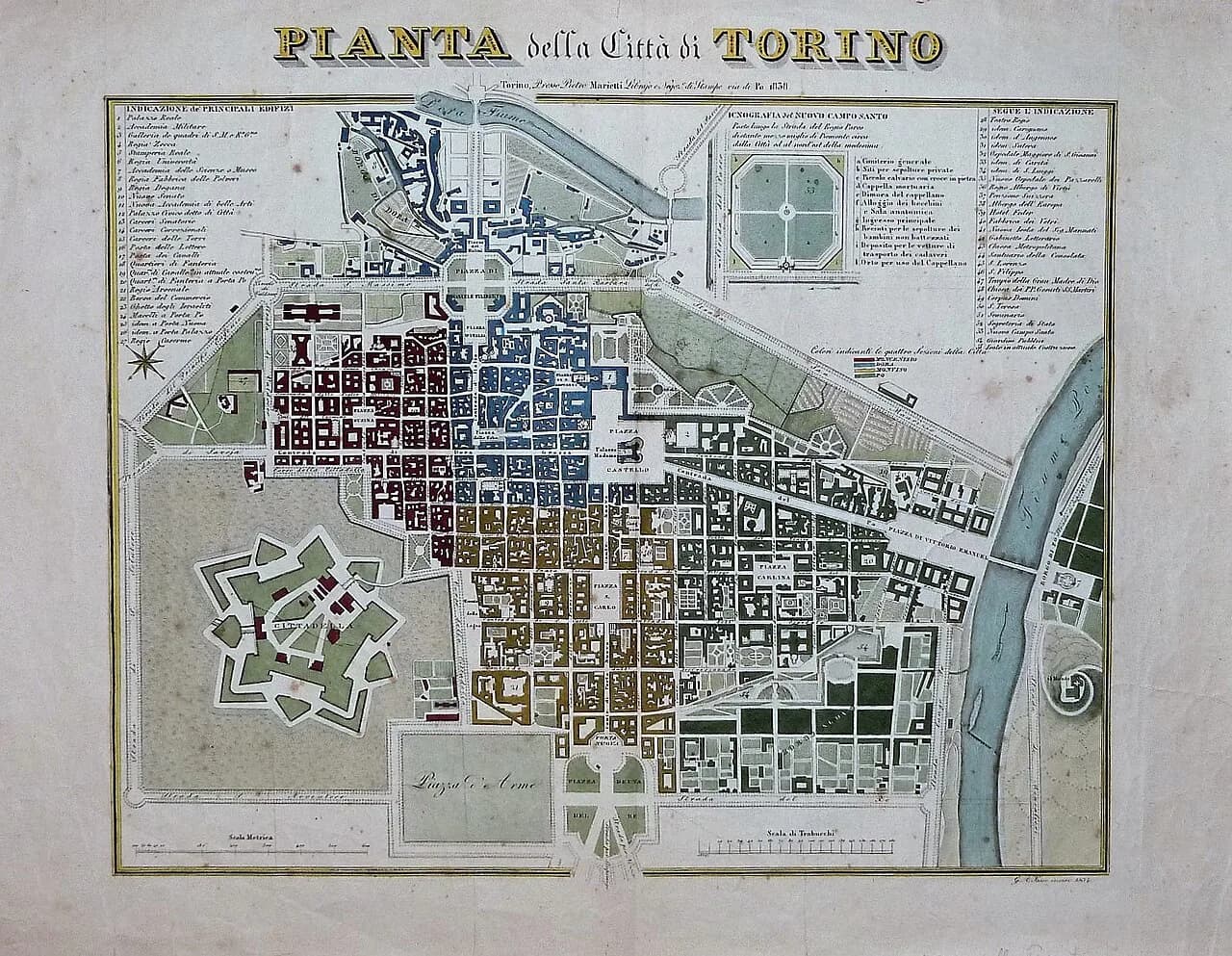
Turin's headline sights, the Mole Antonelliana's lift and the Museo Egizio, already draw long lines most mornings. Off the beaten path in Turin means routing around that queue. Expect neighborhood walks, a street-art museum built by art students, and a countryside district still reached partly by bridge instead of ferry. This guide suits repeat visitors, slow travelers with two or more days, and anyone who already covered Piazza Castello. It works as a second route through the city, not a first-visit replacement. First-time visitors on a tight schedule can treat the picks below as add-ons to a standard itinerary. For a longer list of quieter picks across the city, see the lesser-known Turin picks guide.
Turin Neighborhoods Worth a Detour
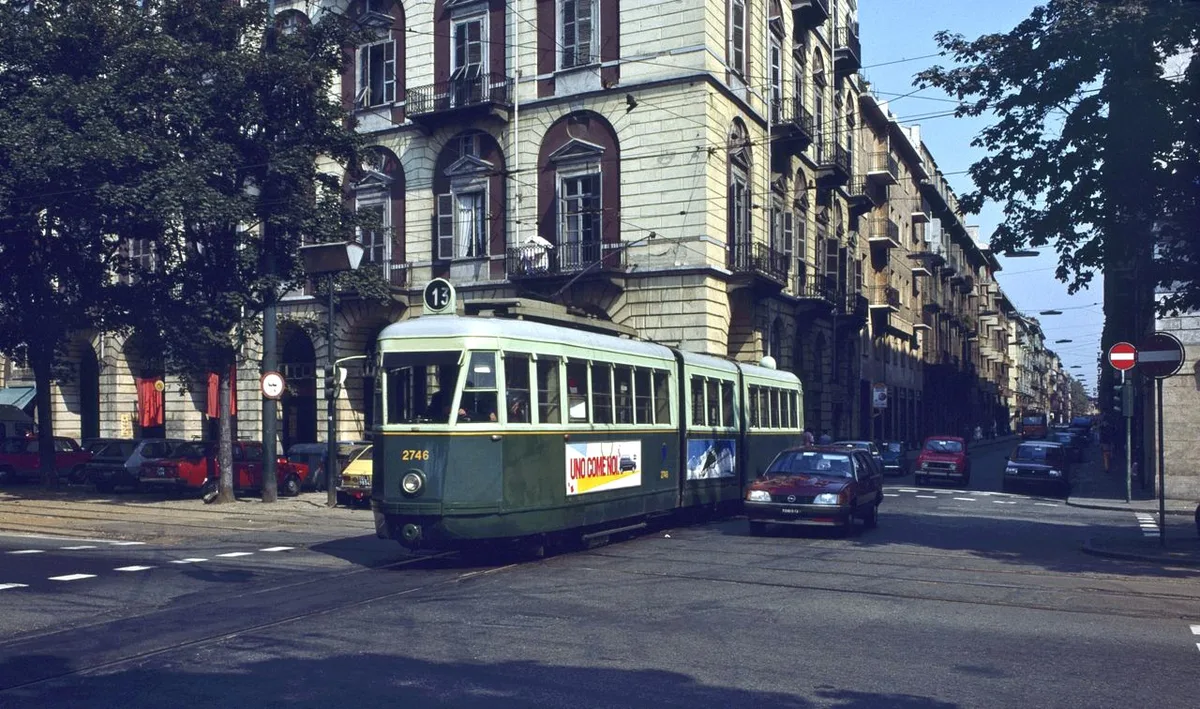
Neighborhood walking is the clearest way to see an off-the-beaten-path side of Turin. Five districts carry most of the city's local character, each with its own dedicated guide for block-by-block detail. Check the citywide neighborhood breakdown for an overview before choosing a route.
- San Salvario: a multi-ethnic district south of Porta Nuova station, known for global food stalls and evening bars more than postcard landmarks. See the San Salvario neighborhood profile for streets and timing.
- Quadrilatero Romano: Turin's oldest quarter, laid out on the original Roman street grid, mixes small ateliers with narrow-lane aperitivo bars. Shop picks and hours sit in the Quadrilatero Romano deep dive.
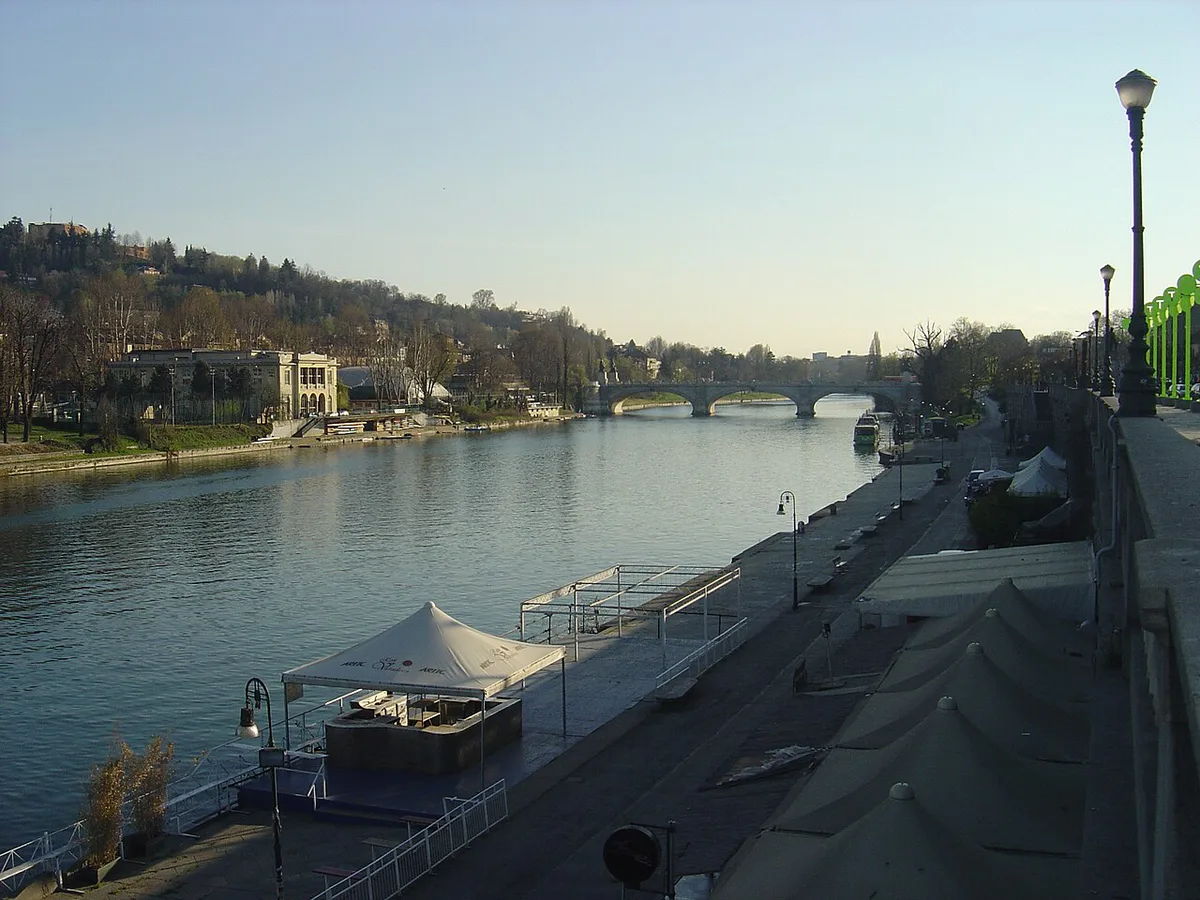
- Vanchiglia: medieval-layout lanes east of the university district run down to the Murazzi del Po, riverside arches once used as warehouses. The full route is mapped in the Vanchiglia walking route.
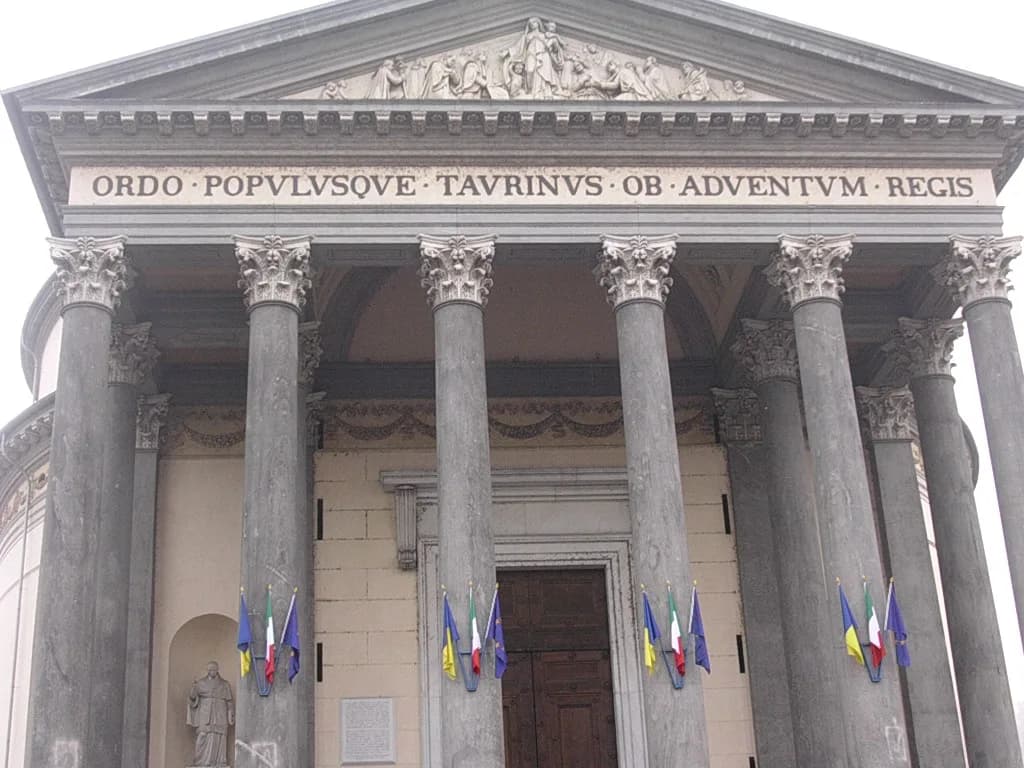
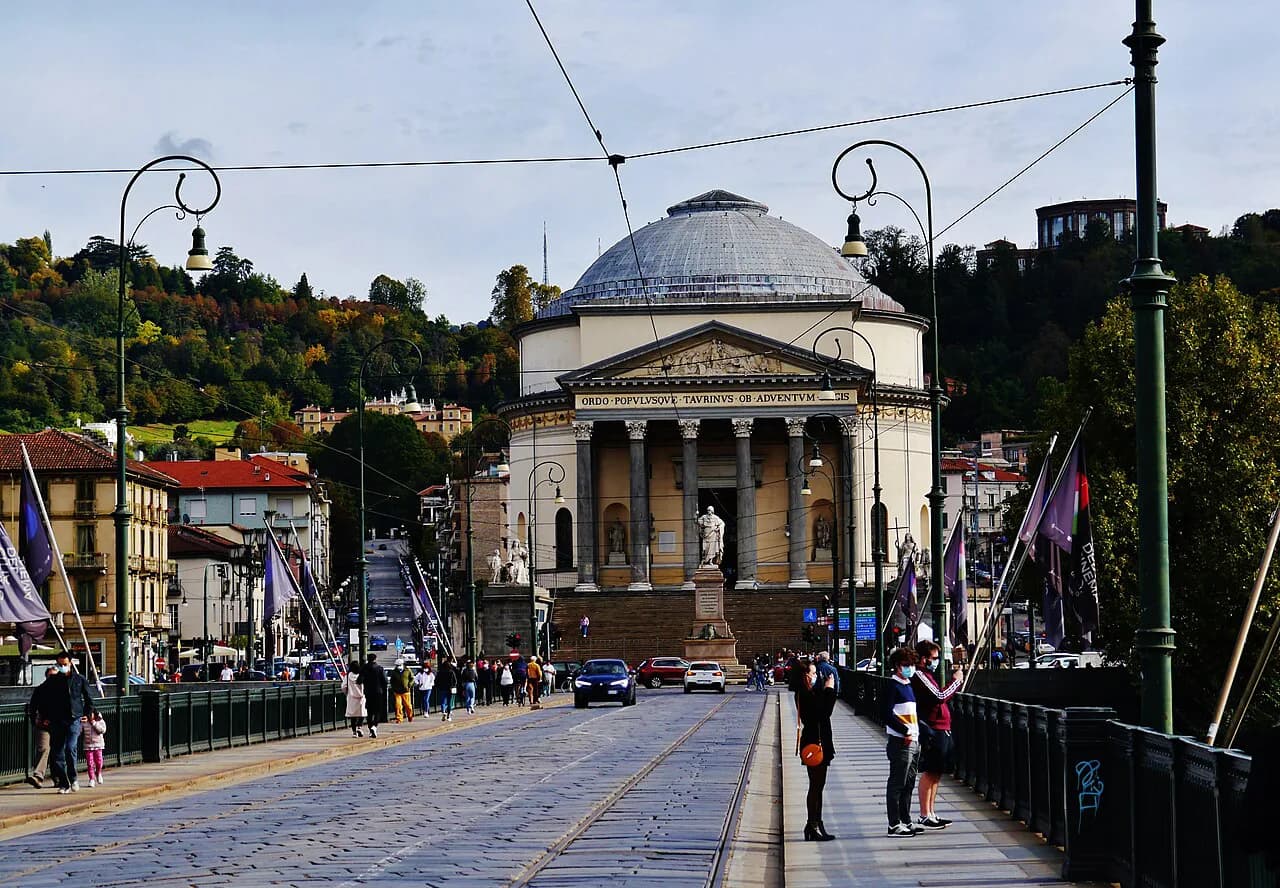
- Borgo Po: leafy streets across the river beneath the Gran Madre church climb toward the hill parks. The Borgo Po walk up covers the climb in full.
- Borgo Campidoglio and San Donato: a working-class district from the late 1800s that survived redevelopment, now home to an open-air street-art museum painted largely by local Academy of Fine Arts students.
Lesser-Known Sights Beyond the Headline Landmarks
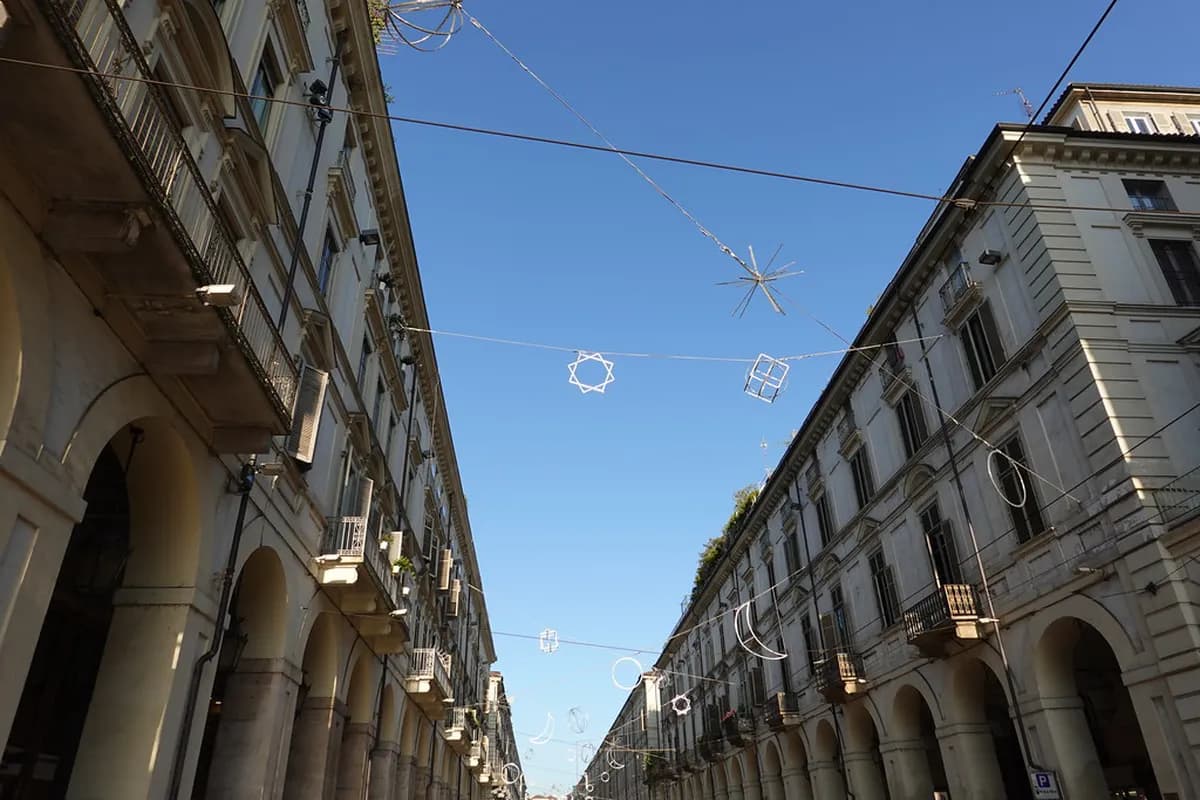
Beyond the neighborhood walks, a handful of specific sights reward a detour without headline crowds. A guided underground tour descends through wartime cellars, eighteenth-century galleries, and Baroque palace basements roughly 15 meters (49 feet) below street level. Confirm current tour times and starting points before booking, since routes vary by operator. Monte dei Cappuccini offers a free hilltop view over the city and the Alps, reached by a walk up from Piazza Vittorio Veneto. Route and hilltop-church details sit in the Monte dei Cappuccini route. Turin's covered porticoes link much of the historic center for miles, and a stretch away from Via Roma turns up quieter arcades with fewer shopfronts. Coverage of which stretches stay arcaded end to end sits in the porticoes coverage guide. Cimitero Monumentale, the city's main historic cemetery, holds funerary sculpture from the same Art Nouveau and Baroque eras as Turin's grander buildings, with far fewer visitors. See the Cimitero Monumentale hours page before visiting. Readers chasing more unusual picks can check the secret spots roundup.
The underground tour descends 15 meters (49 feet) below street level through wartime cellars. Since neighborhood walks reconnect on foot in 20 to 30 minutes, visitors can combine the subterranean stop with other activities within a full day.
Green and Countryside Escapes
West of the historic grid, Turin's edges turn rural fast. Bertolla and Barca sit along the Po River and were historically reached from downtown only by ferry, connected to a working laundresses' district. A bridge now links the area, but it still reads as countryside rather than city. Parco del Misiello, a former army racetrack, stayed closed to the public until relatively recently and keeps a rougher, unmanicured character than Parco del Valentino. Walking further along the river reaches San Mauro, a small village on the Via Francigena pilgrim route just outside the city line. These three are drawn from one travel writer's account rather than an official source. Confirm current access and opening conditions before planning a route around them.
Local Food and Drink Away From the Tourist Trail
Turin's food identity runs deeper than the chocolate shops around Piazza San Carlo. San Salvario's kebab counters and small bars sit alongside Piedmontese standards like agnolotti and bagna cauda, and a neighborhood walk turns up both in the same block. Historic cafés outside the main squares serve the same bicerin, a layered espresso, chocolate, and cream drink, at lower prices than the landmark rooms on Piazza San Carlo. Which cafés sit off the main tourist run is covered in the historic cafés list. For specific restaurant picks by neighborhood, see the local restaurant picks. A broader introduction to Piedmontese dishes sits in the Piedmontese food primer, covering agnolotti, tajarin, and vermouth alongside gianduja chocolate.
Day Trips Worth the Detour
Regional towns make a deliberate trade-off against more city-center picks. A full day out costs more time than any neighborhood walk, but reaches terrain nothing in Turin proper matches. Alba's truffle season runs October into November and draws its own weekend crowds, worth weighing against a quieter midweek visit. Full itineraries, transport options, and single-day-versus-overnight comparisons sit in the day-trip planning guide.
- Asti, Alba, or Aosta: roughly 60 to 90 minutes by car.
- Milan: about 1 hour 45 minutes northeast by car.
- Genoa: close to 2 hours southeast by car.
How to Plan Your Time
Time budgets scale with how many neighborhoods and countryside stops get added to a route. Crowd levels shift by season and event calendar rather than by these picks themselves, since none of them appear on standard tour itineraries. Check the low-crowd timing guide before locking in dates.
- Half-day: one neighborhood on foot, such as Vanchiglia's lanes down to the Murazzi del Po, or the Quadrilatero Romano grid with a café stop.
- Full day: add a second neighborhood across the river, such as Borgo Po beneath the Gran Madre, plus one specific sight like Monte dei Cappuccini or the underground tour.
- Two days: fit a countryside stretch, Bertolla, Barca, and San Mauro, alongside the neighborhood walks without rushing either.
Costs, Hours, and Access Notes to Check Before You Go
Most of this guide costs nothing to see. Many Turin sights close on Mondays, though at least one major palace uses Tuesday instead, so day-of-week planning matters more than time-of-day planning. Confirm each venue's current hours and any ticket requirements on its own official site before building a route, since closure patterns and seasonal schedules change.
- Free: neighborhood walks, the porticoes, Monte dei Cappuccini's viewpoint, and the street-art murals in San Donato. The no-cost Turin picks guide rounds up more citywide.
- Paid: the underground tour and any guided neighborhood walk, both priced well below the city's headline museum tickets.
Where to Stay and How to Get Around
San Salvario and Vanchiglia both work well as a base for this kind of visit. Each sits walkable to a different half of the route and close to Porta Nuova station. Turin's city center is compact enough that most neighborhood walks connect on foot in 20 to 30 minutes. Save transit for reaching Bertolla, Barca, or San Mauro, and for any day trip beyond city limits. Public transit and taxis cover the countryside stretches. A car makes sense only if a day trip to Asti, Alba, or Aosta is also on the itinerary. Porta Nuova railway station sits close to Piazza Castello and works as a central reference point when routing between neighborhoods.
Mistakes to Avoid
A few planning mistakes show up repeatedly among visitors trying to skip the standard checklist.
- Treating relabeled landmarks as hidden picks: several popular guides list the Mole Antonelliana or Museo Egizio under an off-the-beaten-path heading, but both draw regular lines and don't fit the theme.
- Skipping day-of-week checks: showing up on a Monday can close more than one planned stop at once, since closure days vary by venue.
- Underestimating the countryside stretch: Bertolla, Barca, and San Mauro read as a short walk on a map but take longer once the bridge crossing and unpaved sections are factored in.
- Overlooking single standout sights that don't fit a neighborhood walk. The standout single sights guide covers those separately.
Quick-Decision Summary: Who Each Pick Suits
Use this table to slot the picks above into an existing Turin itinerary by time, cost, and audience fit.
| Pick | Time Needed | Cost | Best For |
|---|---|---|---|
| Neighborhood walk (San Salvario or Vanchiglia) | Half-day | Free | First off-path visit, walkers |
| Quadrilatero Romano plus a café stop | Half-day | Low (café prices only) | Shoppers, café browsers |
| Underground tour | 1 to 2 hours | Paid, below headline museum tickets | Visitors comfortable in close, low-lit spaces |
| Monte dei Cappuccini viewpoint | 1 to 2 hours round trip | Free | Views without crowds, short walkers |
| Bertolla, Barca, and San Mauro | Half-day to full day | Free aside from transit | Slow travelers with two or more days |
| Day trip to Asti, Alba, or Aosta | Full day | Transport plus meals | Travelers trading a city day for regional scenery |
Visit the Cesare Lombroso Museum of Criminal Anthropology
The Cesare Lombroso Museum is one of Turin's most unusual indoor stops. It sits in the university's Palazzo degli Istituti Anatomici on Via Pietro Giuria, south of the center.
Its displays examine Lombroso's nineteenth-century criminal-anthropology collection. Expect anatomical specimens, skulls, photographs, manuscripts, and objects linked to his research. The material can feel unsettling, so it is better for curious adults than families seeking a light museum visit.
The museum also provides essential context. Lombroso's theories are now discredited, and the collection is presented as part of the history of medicine, criminology, and scientific racism. That framing makes this more than a cabinet-of-curiosities stop.
Allow about an hour, then combine it with a walk through San Salvario or nearby university streets. Check current opening days and guided-visit arrangements before traveling there, as university museums can have limited schedules.
Frequently Asked Questions
Is it Turin or Torino?
Turin is the English name; Torino is the same city's name in Italian, the way Milano becomes Milan or Roma becomes Rome.
Where is Turin, Italy?
Turin is the capital of Italy's Piedmont region, in the northwest near the Alps. The Po River runs through the city before continuing east across northern Italy.
Which off-the-beaten-path options in Turin fit first-time visitors?
A single neighborhood walk, San Salvario or Quadrilatero Romano, pairs well with a first visit's standard landmarks. Save Bertolla, Barca, and San Mauro for a second trip with more time.
How much time should travelers plan for exploring off the beaten path in Turin?
A half-day covers one neighborhood on foot. A full extra day allows a second neighborhood plus one specific sight, and two days fits a countryside stretch as well.
What should travelers avoid when planning an off-the-beaten-path Turin visit?
Avoid treating relabeled headline landmarks as hidden picks, and check day-of-week closures before building a route, since Monday closures affect several major sights at once.
Is off-the-beaten-path Turin worth including on a short itinerary?
On a short trip, one neighborhood walk added to standard landmarks is worth the time. Save the countryside stretch and day trips for a longer stay.
Continue exploring
More guides you'll find useful