Monte dei Cappuccini, Turin: The Free Viewpoint Guide (2026)
Monte dei Cappuccini Turin guide: how to walk up from Piazza Vittorio Veneto, the free terrace view, church history, and the €8 mountain museum in 2026.
On this page
Monte dei Cappuccini, Turin: Free Viewpoint, Church, and Mountain Museum Guide
Last updated August 2026, this guide covers Monte dei Cappuccini Turin's free terrace, its Renaissance-era church, and the mountaineering museum inside the old convent. The hill sits across the Po from the historic centre, a short walk from Piazza Vittorio Veneto. It delivers the postcard shot of the Mole Antonelliana lined up against the Alps. Expect a steep 10-minute climb, a free terrace and church, and one optional paid stop inside the convent.
Why Monte dei Cappuccini Is Turin's Best Free Viewpoint
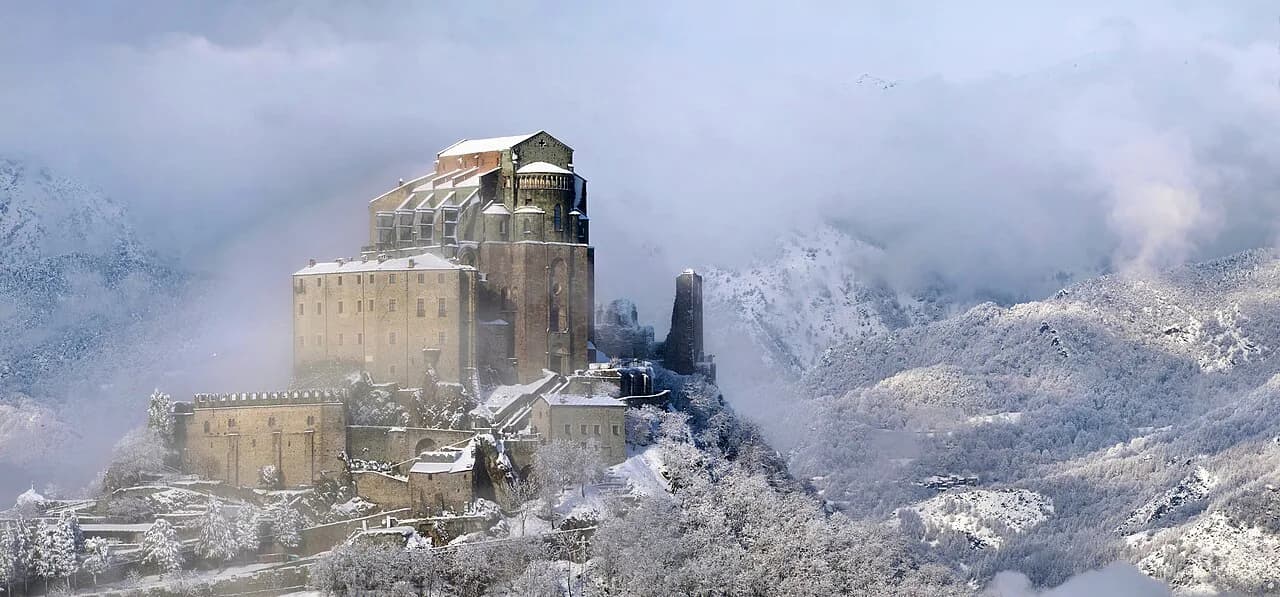
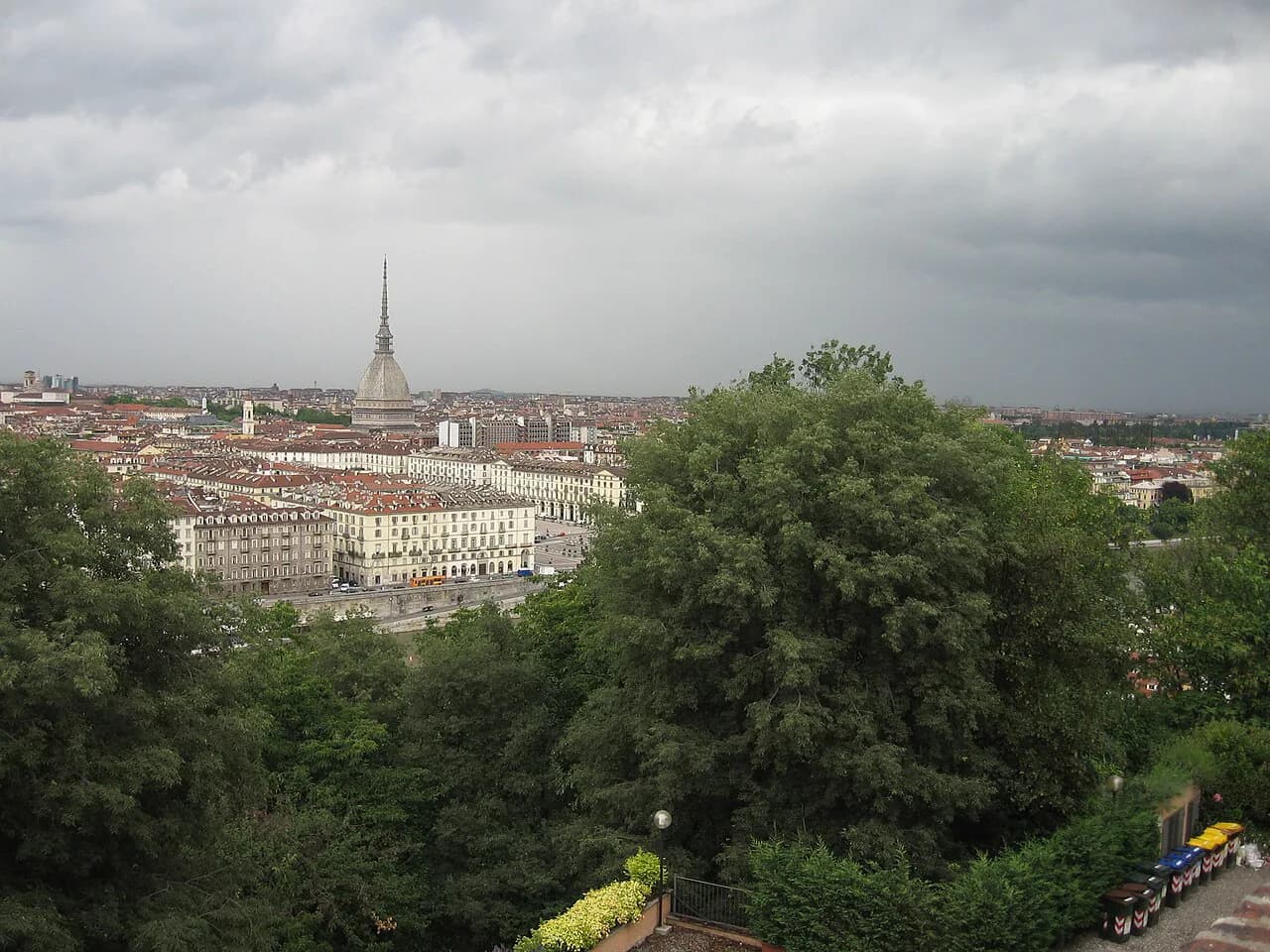
Monte dei Cappuccini sits in the Borgo Po district, on the river's right bank about 200 meters from the water. It's just minutes from Turin's historic centre. Historical signage puts the hill at 325 meters above sea level, and the panoramic terrace at the top stays free year-round. From here you get the view most visitors recognize before they arrive. In the foreground sits the Mole Antonelliana, with the Alps stacked behind it. Locals count the terrace among the city's 9 Unique Things to Do in Turin, Italy: Local Experiences & Practical Guide, distinct from the museums and porticoes downtown.
Beyond the Mole Antonelliana framing, the hill holds layered history—cannonballs from 1706 and 1799 bombardments mark the church walls, and the 1998 Piccoli spiriti blu installation by Rebecca Horn illuminates the summit after dark.
Long before the Capuchin friars arrived, the hill served defensive purposes. Romans dedicated a small temple to Jupiter here in the 1st century BC. An 11th-century tower called the Bastita Taurini later stood on the summit. From 1204, Knights Templar held the hill as a fortified garrison, a layer of history most visitors miss entirely. That history is one reason the hill counts among Turin's Hidden Gems in Turin: 9 Local Picks With Cost, Access, and Timing (2026 Guide) despite the steady foot traffic for the view alone. Emperor Frederick II handed the fortress to Thomas II of Savoy in 1238. Savoy control continued until 1473. Readers chasing more layered history can pair the climb with other secret spots in Turin.
Planning Your Visit to Monte dei Cappuccini: Walking, Driving, and Transit
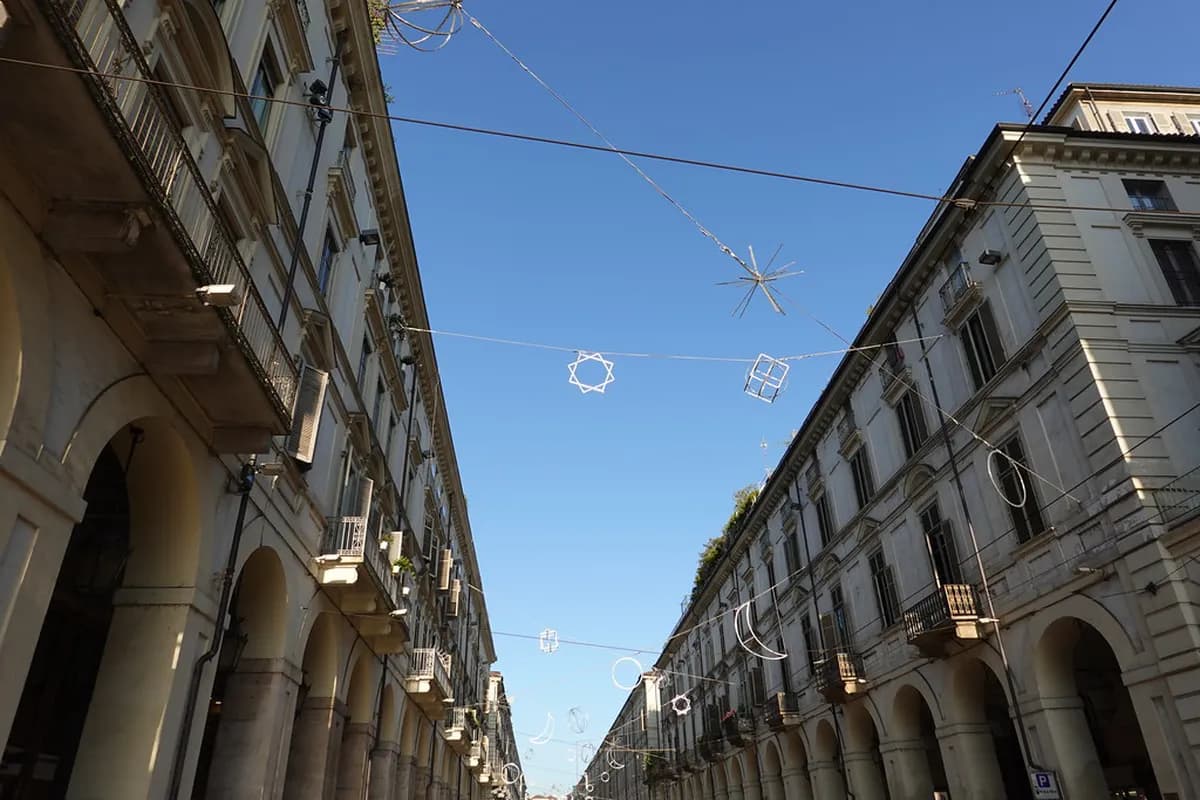
Three routes lead to the hilltop, and each suits a different kind of visit. Most travelers walk from the centre. Drivers face limited spots in the Borgo Po district. Public transit works well when the climb feels like too much before or after a full day of sightseeing. This route sits within Turin's wider district map. Check Turin's neighborhoods guide for how Borgo Po connects to the centre. Unlike downtown's arcaded streets, the climb runs along an open riverside path with no covered walkways. See Turin's porticoes guide for the covered-arcade alternative. Wear shoes with real grip for the climb. Rain turns the paved incline slick, and flat sandals make the last stretch harder than it needs to be.
The free 10-minute terrace at Monte dei Cappuccini delivers Turin's most iconic Mole-against-Alps framing; the optional €8 museum adds mountaineering history and a secondary panorama terrace.
- Walk: cross the Ponte Vittorio Emanuele I from Piazza Vittorio Veneto, then climb Salita al C.A.I. Torino for about 10 minutes on a steep, paved path.
- Drive: parking is limited in Borgo Po; look along Via Gioanetti and the surrounding side streets, or park along the riverside and walk up.
- Tram: GTT lines 15 and 16 stop at Piazza Vittorio Veneto, followed by the same bridge crossing and 10-minute climb.
- Bus: line 55 stops near the riverside below the hill, within walking distance of the base of the climb.
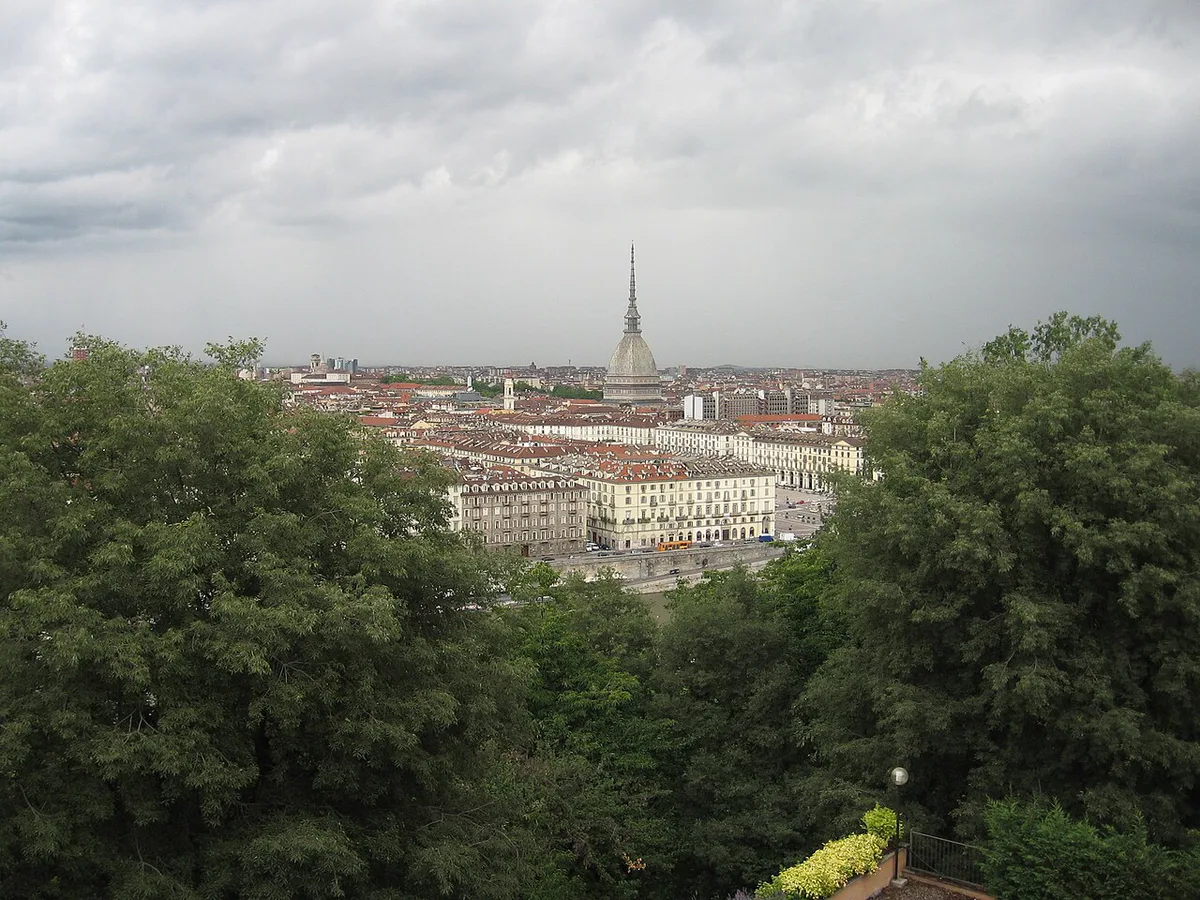
The Panorama Terrace: Best Time, the Alps Skyline, and Piccoli Spiriti Blu
Entry to the terrace in front of the church costs nothing, and it remains Turin's most reliable framing of the Mole Antonelliana against the Alps. Morning light tends to give the clearest air for spotting individual alpine peaks. Sunset instead warms the Mole's dome and the rooftops below. Either way, the terrace ranks among the better Free Things to Do in Turin: What's Free, What's Not (2026 Guide). Timing a visit around the best time to visit Turin without crowds keeps the viewpoint from feeling packed.
For the classic compressed shot, reach for a zoom or telephoto lens instead of a wide angle. A longer focal length pulls the Alps visually closer behind the Mole, which is the effect behind the well-known postcard image. Piedmontese fog is the real risk on this hill. On hazy or overcast days, the mountains disappear completely, even though the city view below stays intact.
After dark, look for Piccoli spiriti blu (Little Blue Spirits), a ring of circular blue neon lights installed on the hilltop in 1998 by German artist Rebecca Horn. It lights the summit especially around Christmas evenings. Most visitors who climb up for daytime photos never notice it's there.
Santa Maria al Monte dei Cappuccini: Turin's Renaissance Hilltop Church
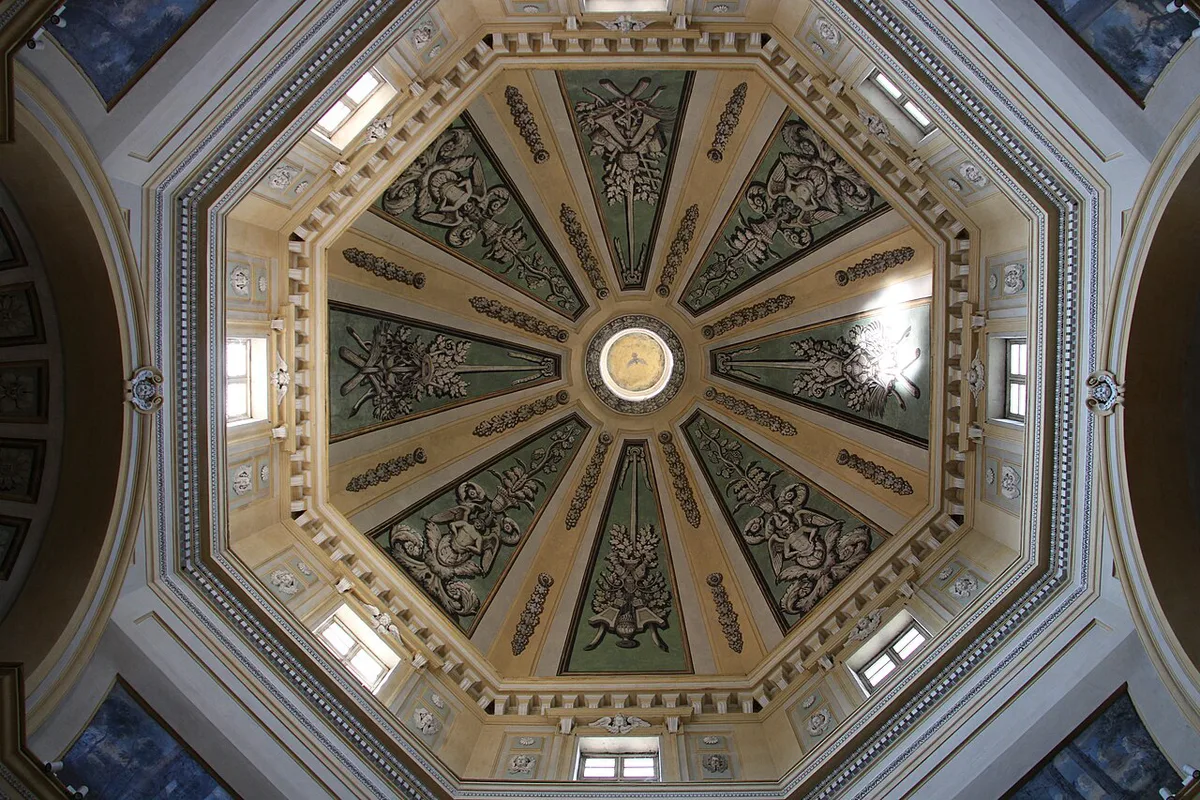
Construction began in 1583 under an initial design by Giacomo Soldati. Ascanio Vitozzi took over in 1610 and reworked the plan into a Greek cross, adding an octagonal drum and dome. Carlo di Castellamonte and later his son Amedeo finished the building in a Baroque style after Vitozzi's death in 1615. Consecration didn't happen until 22 October 1656. Charles Emmanuel I of Savoy purchased the site in 1581 and donated it to the Capuchin Friars. Their order still maintains a convent beside the church today.
The church survived the French siege of Turin in 1706 without falling, though French artillery bombarded the hill and left a cannonball lodged in the wall. According to local legend, a sudden fire and a smoke-filled church deterred French troops from plundering the building. This account is folklore rather than a documented event. A second cannonball, from an Austro-Russian bombardment in 1799, marks the wall nearby.
Inside, the high altar is the church's showpiece, and a side chapel holds the body of Saint Ignatius of Santhià beneath its own altar. Visiting the interior takes about 15 minutes. Because the church remains an active place of worship, hours can shift around services. Treat any posted hours as a starting point, and expect occasional afternoon closures.
Museo Nazionale della Montagna: Is the Mountain Museum Worth It?
Museo Nazionale della Montagna 'Duca degli Abruzzi' occupies the convent's southern wing, with its permanent headquarters there since 2003. Club Alpino Italiano (CAI) runs the museum, tracing Italian and international mountaineering through historic photographs, period climbing gear, maps, and expedition film. Its holdings include material from Himalayan expeditions tied to the Duke of the Abruzzi, the explorer the museum is named for.
As of 2026, a full-price ticket runs €8, with reduced rates for students, visitors over 65, and CAI members. Confirm the current price and any CAI discount on-site, since museum rates do change. Budget 1-2 hours for the museum on top of the free terrace and church next door. Hikers, alpine history readers, and anyone wanting an indoor complement to the outdoor view will find the €8 entry a reasonable add-on. For a quick photo stop, skip it. Together, the terrace and church cover the highlights in under an hour, with no entry fee.
Monte dei Cappuccini vs Superga vs the Mole: Which Turin Viewpoint Wins
Three viewpoints get compared constantly, and each shows Turin from a different angle at a different cost. Monte dei Cappuccini gives the closest, most iconic framing of the Mole Antonelliana against the Alps, and it's free. Basilica di Superga sits about an hour from the centre by public transit, with a more distant panorama from a grander building. Getting there means a paid tram ride plus a dome entry fee. Mole Antonelliana itself flips the trade. Buy a lift ticket and you get 360-degree city panoramas, but the landmark disappears from the frame because you're standing inside it.
For a first visit to Turin with limited time, Monte dei Cappuccini wins on convenience. It delivers the signature shot for free, in under 20 minutes each way from Piazza Vittorio Veneto.
| Feature | Monte dei Cappuccini | Basilica di Superga | Mole Antonelliana |
|---|---|---|---|
| Cost | Free (view and church); museum €8 | Paid tram plus dome ticket | Paid lift ticket |
| Distance from centre | 15-20 minute walk | About 1 hour by transit | In the historic centre |
| The Mole view | Iconic, close-up | Distant, small in the frame | None; you are inside it |
| Best for | Sunset and quick photos | A half-day trip | 360-degree city panoramas |
Where to Eat After: Borgo Po and Nearby Neighborhoods
Coming down from the hill, Borgo Po has a handful of riverside spots for coffee or an aperitivo before heading back into the centre. For a fuller meal, cross back toward downtown and browse the Turin local food guide. The 10 Best Local Restaurants in Turin: Where Torinesi Actually Eat (2026) list works too, if a sit-down dinner is the goal. For a slower coffee stop, Turin's historic cafés cluster closer to the centre than to Borgo Po itself. If the hill is one stop on a longer walking day, the Vanchiglia district extends the afternoon with its own restaurant scene. The Quadrilatero Romano works as well, with a different bar and dining mix than the porticoed centre.
Frequent Mistakes to Avoid at Monte dei Cappuccini
A few small missteps can undercut a visit to this off-the-beaten-path spot in Turin. Most are avoidable with a little planning.
- Climbing up on a foggy day when photography is the goal: the Alps disappear even though the terrace stays open.
- Assuming the church is always open: afternoon closures are common since it remains an active convent.
- Wearing flat or worn shoes on the steep, paved Salita al C.A.I. Torino.
- Skipping the CAI discount check at the museum ticket window if you hold a membership.
- Treating the hill as a 15-minute stop when the museum is part of the plan: budget 1-2 hours instead.
The Mountain Museum’s Panoramic Terrace
The Museo Nazionale della Montagna adds a second perspective to the free church-front terrace. Its upper panoramic space looks across Turin, the Po valley, and the Alpine arc, making it useful when you want more than the classic Mole Antonelliana composition.
Enter through the museum rather than assuming the terrace is part of the free viewpoint. Access follows the museum’s opening arrangements, which can differ from the church next door. Check at the ticket desk if the upper area is temporarily unavailable for weather, events, or maintenance.
- Choose the free terrace for the closest view of the Mole.
- Choose the museum for mountaineering collections plus an elevated panoramic stop.
- Allow the full 1–2 hours if you plan to see both the galleries and the terrace.
For photographers, the museum perspective works best as a complement, not a replacement. The public terrace remains the stronger location for Turin’s signature skyline image.
Frequently Asked Questions
Is Monte dei Cappuccini free to visit?
Yes. The terrace and the church cost nothing to enter. The only paid stop on the hill is the Museo Nazionale della Montagna, with a full-price ticket at €8 as of 2026.
How long is the walk up from the centre?
From Piazza Vittorio Veneto, cross the Ponte Vittorio Emanuele I and climb Salita al C.A.I. Torino. The paved path takes about 10 minutes on foot.
What is the best time of day for photos of the Mole and the Alps?
Morning usually gives the clearest air for spotting individual alpine peaks. Sunset instead warms the Mole's dome and the rooftops below. Skip both if Piedmontese fog is in the forecast, since the mountains vanish from the frame on hazy days.
Is Monte dei Cappuccini better than Basilica di Superga?
They solve different problems. Monte dei Cappuccini is closer, free, and gives an up-close framing of the Mole against the Alps. Superga sits about an hour away by transit and works better as a half-day trip with a grander building to explore.
What is Piccoli spiriti blu at Monte dei Cappuccini?
It's a ring of circular blue neon lights installed on the hilltop in 1998 by German artist Rebecca Horn. The installation, called Little Blue Spirits, lights the summit especially around Christmas evenings.
Can you drive and park at Monte dei Cappuccini?
Driving is possible, but parking in Borgo Po is limited. Look along Via Gioanetti and the surrounding streets, or park along the riverside and walk up instead.
Continue exploring
More guides you'll find useful