Secret Spots in Turin: 2026 Guide to the City's Quiet Corners
Find Turin's real secret spots beyond the guidebook landmarks: courtyards, cemeteries, and viewpoints, with access, cost, and timing for 2026.
On this page
Secret Spots in Turin
Last updated August 2026. Secret spots in Turin should mean something narrower than typical hidden-gems roundups — a courtyard perfumery, a sculpture-filled cemetery, a hillside church terrace over the Po river. This guide keeps the well-known landmarks out and focuses on specific, easy-to-miss locations, with the access details, cost tier, and honest secrecy rating you need before setting out.
The Secret Spots in Turin: Quick-Scan List
Turin's real secret spots are not the Mole Antonelliana with a new caption. They are specific, easy-to-miss locations you could walk past without a guide. For a wider set of worthwhile stops that are simply less famous rather than genuinely obscure, see the hidden gems in Turin guide instead. Use the table below to plan a walkable cluster. Then read the sections after it for access notes and an honesty check on how hidden each pick still is.
| Spot | Why It's Secret | Time to Budget | Cost Tier | How Secret, Really |
|---|---|---|---|---|
| Cesare Lombroso's Museum of Criminal Anthropology | A 19th-century criminologist's own research collection, skipped by most itineraries | 45-60 min | Separate museum ticket | Genuinely quiet — few tour groups |
| Torino Sotterranea underground network | A guided descent below active streets with no signage above ground | About 90 min, booked tour | Booked tour price, confirm with operator | Secret until you book — then shared with your group |
| Monte dei Cappuccini terrace and Mountain Museum | A Renaissance-era hilltop church most first-time visitors never climb to | 60-90 min | Terrace open access; museum ticket separate | Known to locals, skipped by first-timers |
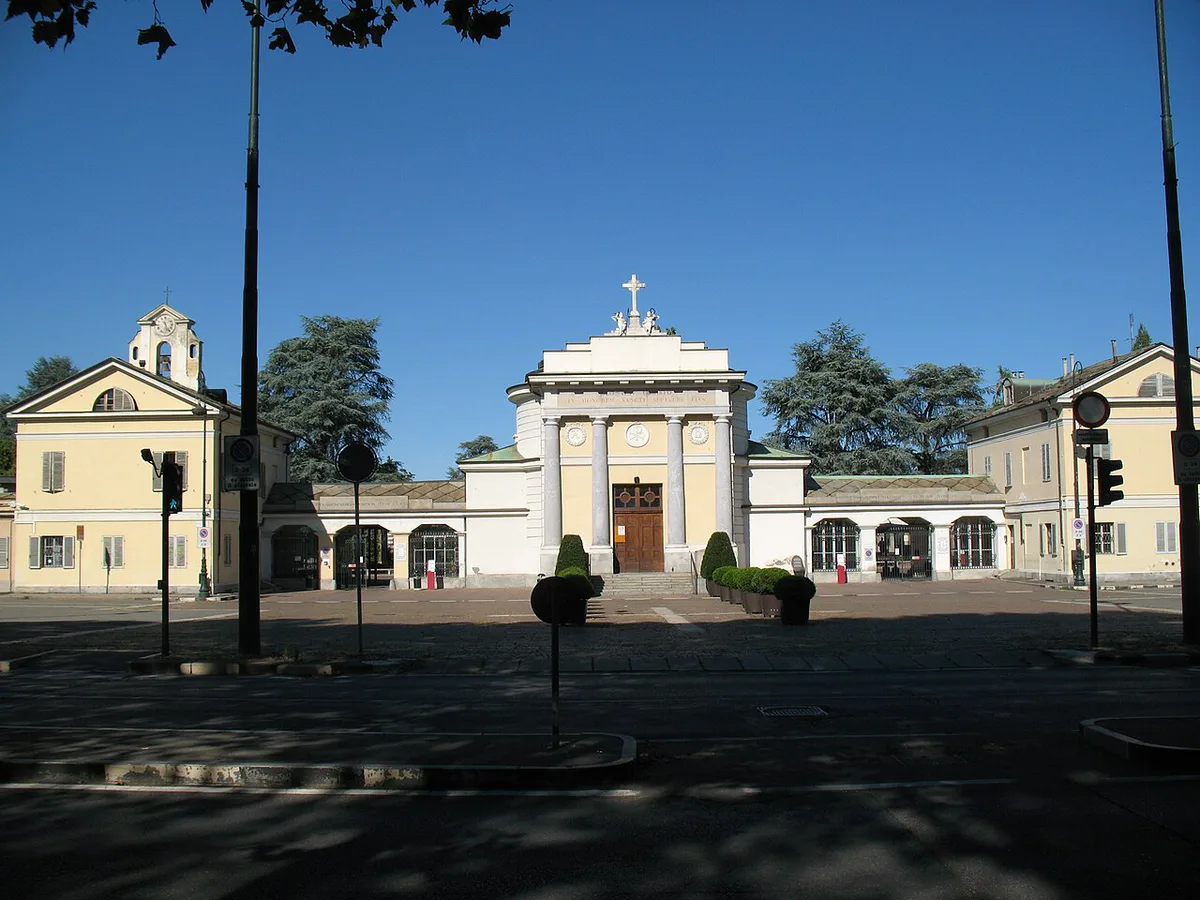
| Cimitero Monumentale di Torino | A sculpture-filled cemetery open to anyone, rarely visited | 45-60 min | Open access, no ticket | Nearly empty on weekday mornings |
| Courtyard perfumer's workshop in Quadrilatero Romano | A working atelier behind an unmarked door among the district's shops | 20-30 min | Free to browse | Easy to walk past without noticing |
| Cit Turin Art Nouveau walk | A residential grid of curved facades, away from the main sightseeing loop | 60-90 min | Free, self-guided | Quiet because it sits off the tourist track |
| Parco della Maddalena / Remembrance Park | Turin's highest park point, overlooked for the flatter Valentino gardens | 60-120 min | Open access, no ticket | A locals' park, rarely a tourist stop |
| Giardini Reali | Royal gardens next to the busier Royal Palace, often skipped for the palace itself | 30-45 min | Open access, no ticket | Quiet relative to the palace next door |
Underground & Unusual Turin
Torino Sotterranea leads small groups through tunnels, cellars, and icehouses below Quadrilatero Romano's active streets. Its route descends roughly 49 feet underground, with no signage at street level to mark the entrances. Passages narrow in places, so ask the operator about the tightest sections if enclosed spaces are a concern. Confirm current tour days, group size, and pricing directly with the operator, since guided-tour schedules shift by season.
Cesare Lombroso's Museum of Criminal Anthropology holds the 19th-century criminologist's own research collection, including skulls, specimens, and case files most first-time visitors never hear about. It draws far fewer crowds than the Egyptian Museum a few streets away. Piazza Statuto carries its own layer of local folklore, tied to esoteric walking tours that frame Turin as a meeting point of European occult legend. Treat that history as local lore rather than a verified fact, and enjoy the square's 19th-century arcades either way. For more experiences built around doing rather than sightseeing, the unique things to do in Turin guide covers activities beyond this list.
Hidden Neighborhood Corners
Inside the Quadrilatero Romano district, a small perfumer's workshop sits tucked inside a courtyard, behind a door most passersby never notice. Ask at a nearby shopfront if the entrance is not obvious, since it carries no street signage. Cit Turin, away from the historic center's main sightseeing loop, rewards a slow walk past curved Art Nouveau facades with almost no tour groups in sight. Budget 20 to 30 minutes for the workshop stop and closer to 90 minutes for the full Cit Turin walk.
San Salvario mixes street art and small galleries within walking distance of Parco del Valentino, covered in full in the San Salvario neighborhood guide. Vanchiglia stays quieter than the city center's main tourist streets, and its side streets reward a slow detour, as detailed in the Vanchiglia area guide. Borgo Po rounds out the walk with its own quieter streets, covered in the Borgo Po guide. A fuller map of these districts appears in the Turin Neighborhoods Guide: Where to Stay in Each District (2026). For a neighborhood-by-neighborhood way to avoid the main tourist streets altogether, the off-the-beaten-path Turin guide goes deeper on area selection.
Quiet Landmarks & Viewpoints
Monte dei Cappuccini holds a Renaissance-era church and a terrace overlooking the Po river below. Its hilltop also houses the Mountain Museum, detailed in the Monte dei Cappuccini guide. Most first-time visitors head straight for the Mole Antonelliana's lift instead, leaving this hilltop stop genuinely uncrowded. Budget 60 to 90 minutes for the climb, the church, and the museum together.
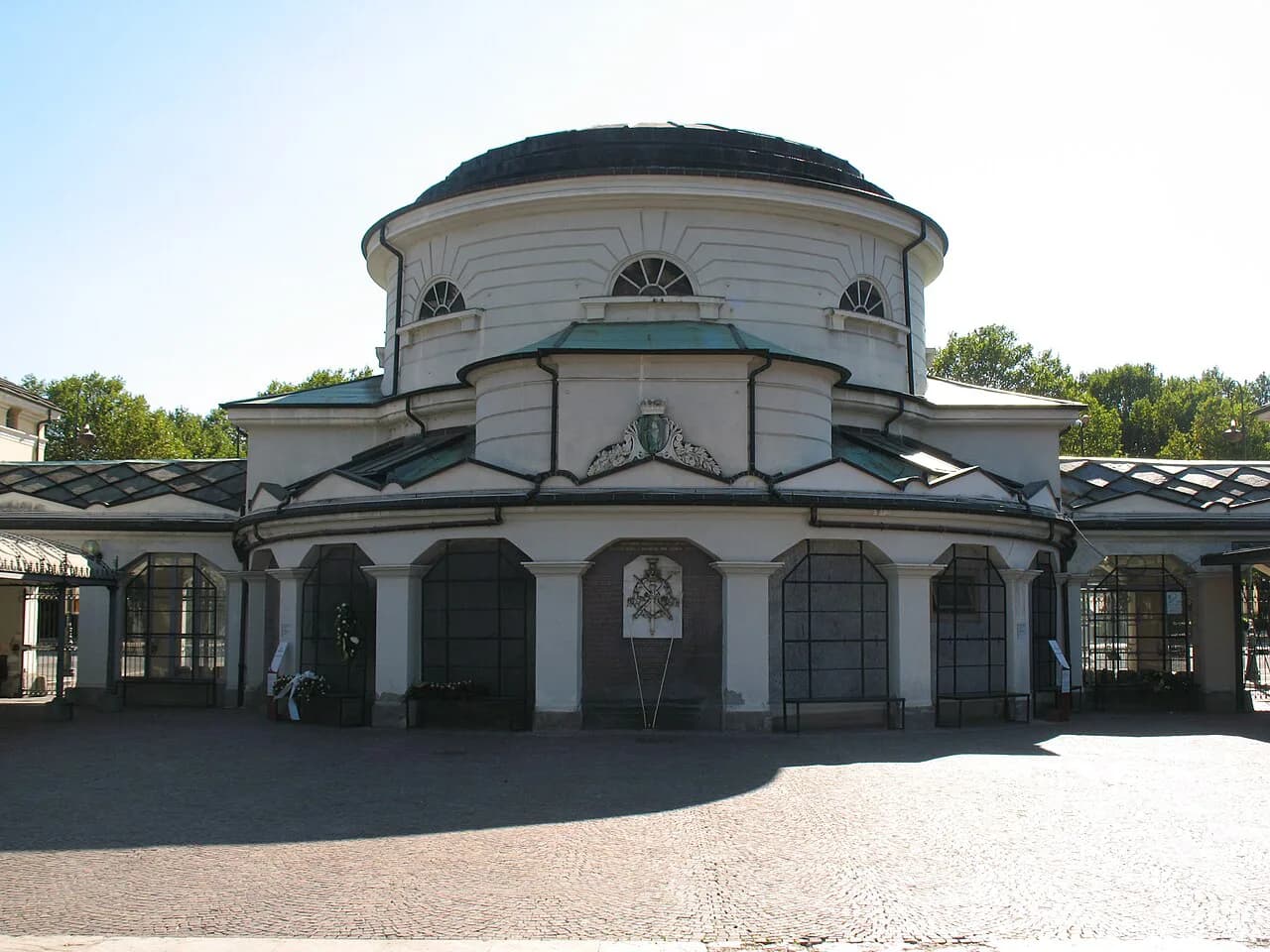
Cimitero Monumentale di Torino functions as an open-air sculpture gallery, with bronze and marble monuments lining its avenues. Its grounds stay far quieter than the historic center, especially on weekday mornings. Opening hours shift by season, so confirm the current schedule before visiting. The Cimitero Monumentale guide covers the layout and the sculptors most worth seeking out.
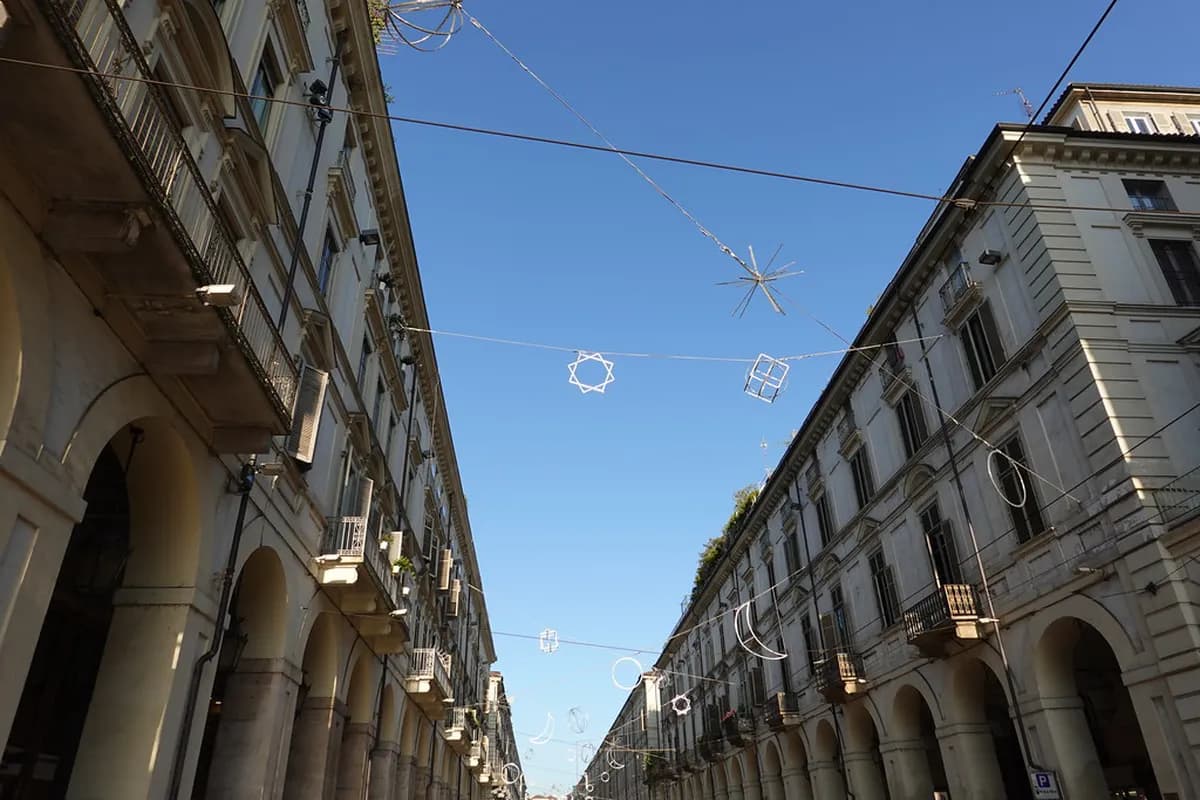
Parco della Maddalena crowns Turin's highest park point, home to the Remembrance Park and the Parks of the Piedmontese Partisan Republics. It stays quieter than the flatter Parco del Valentino nearby, since most visitors default to the lower, more central park. Giardini Reali, the royal gardens beside the Royal Palace, were laid out in 1697 by André Le Nôtre, the same designer behind the gardens of Versailles. Most visitors head straight for the palace itself and skip the gardens next door. Turin's arcaded sidewalks link much of the historic center, covered separately in the Turin Porticoes Guide: Walking the City's 18km of Covered Arcades, and are worth a look between stops.
Food & Drink Finds Locals Don't Advertise
Galleria Subalpina hides Caffè Baratti & Milano, an arcade café serving the bicerin, Turin's layered drink of espresso, chocolate, and milk. Order it the way it has been served for generations rather than asking for a modern variation. San Federico Gallery, built in 1934 and renovated in 2004, houses Cinema Lux, one of the city's most atmospheric small cinemas and a genuine break from the main sightseeing loop. Farmacia Del Cambio, a former pharmacy turned café, serves breakfast in a room that still reads like an apothecary. Peyrano has made chocolate in Turin across several generations and keeps a lower profile than the city's larger chocolate brands. For a fuller list of where locals actually eat, the Turin Local Food Guide: What to Eat and Where in 2026 goes deeper on everyday spots. Sit-down picks beyond the arcades appear in the best local restaurants guide. More rooms like Baratti & Milano show up in the historic cafes guide.
How to Plan Your Time
Group the picks above by cluster rather than crossing the city twice in one day. Pair a Quadrilatero Romano morning with an early-afternoon Torino Sotterranea tour, then treat Monte dei Cappuccini and Cimitero Monumentale as their own half-day trips. Three to four stops is a realistic target for one day, with buffer time built in around the underground tour's fixed start time. This pacing works best during the quieter weeks covered in the best time to visit Turin guide. With a full extra day, the best day trips from Turin guide covers routes beyond the city.
Parco della Maddalena requires 60-120 min while the perfumer's workshop takes 20-30 min; this variation in time budgets makes cluster choice critical for fitting three or four stops.
Costs, Access & Opening Hours
None of the spots on this list charge premium tourist-attraction prices. A Torino Sotterranea tour costs roughly the same as a sit-down lunch in the center. Exact rates depend on group size and season, so confirm current pricing directly with the operator before booking. Outdoor grounds, including Cimitero Monumentale, Giardini Reali, and Parco della Maddalena, are typically open access with no ticket. Indoor sections, like the Mountain Museum inside Monte dei Cappuccini and the Lombroso collection, charge separate entry. Confirm current hours for each on the venue's own listing the week you travel, since smaller sites change hours more often than major museums. If budget matters more than obscurity, the free things to do in Turin guide covers no-entry-fee options instead.
Torino Sotterranea descends roughly 49 feet underground, yet costs only as much as a sit-down lunch in the center—an affordable price for an extensive subterranean experience.
Mistakes to Avoid
Do not assume a quiet spot is closed just because it has no line outside. Cimitero Monumentale and Giardini Reali welcome visitors; they are simply not marketed the way the Mole Antonelliana is. Skip the underground tour if tight, low-lit spaces are a genuine problem, and ask the operator about exit points along the route before you book. Avoid arriving at Quadrilatero Romano's boutiques and workshops during typical Italian lunch closures, when many small shops shut for a few hours midday. Aperitivo hours in the early evening are prime time for people-watching at a bar, not for catching small workshops like the perfumer's atelier, which likely keep daytime hours.
Orto Botanico: A Quiet Garden Inside Parco del Valentino
Orto Botanico di Torino sits inside Parco del Valentino, but feels separate from the park’s busy riverside paths. The University of Turin maintains the garden at Viale Mattioli 25, near the Faculty of Architecture. It began in 1729 and combines outdoor planting beds with greenhouses and scientific collections.
This is a better stop for visitors who want a calm, specific destination than another broad walk through Valentino. Look for labelled plants, mature trees, and the contrast between formal garden spaces and the surrounding public park. It is especially useful as a pause between San Salvario and the river.
Approach from the Corso Massimo d’Azeglio side of the park, rather than expecting a prominent entrance on the main promenade. Access arrangements and greenhouse visits can vary, so check the University of Turin’s current visitor information before making a special trip. Allow 30 to 45 minutes, or longer if a temporary exhibition is open.
Frequently Asked Questions
What counts as a secret spot in Turin, versus a well-known landmark with a twist?
A genuine secret spot is a specific, low-traffic micro-location, like a courtyard workshop or a cemetery sculpture gallery, that most first-time visitors never hear about. A landmark with a twist, like the Mole Antonelliana's lift to its panoramic terrace, is still a headline attraction with regular lines, even once you're inside. This guide focuses on the first category, not a rebrand of the second.
Are Turin's underground tunnel tours suitable for claustrophobic visitors?
Not without preparation. Guided routes below the city, including Torino Sotterranea, pass through narrow passages and low ceilings in places, based on accounts from people who have taken the tour. If tight spaces are a genuine concern, ask the operator about the tightest sections and any flexibility on the route before booking. Choosing a smaller group size can also make the experience feel less confined.
Which Turin neighborhoods are least touristy but still walkable from the center?
Quadrilatero Romano, San Salvario, Vanchiglia, and Borgo Po all sit within a walkable range of central Turin and see far fewer tour groups than the main sightseeing loop around the Mole and the Royal Palace. Each has its own character, from Quadrilatero Romano's boutiques to Borgo Po's quieter streets. The Turin Neighborhoods Guide: Where to Stay in Each District (2026) compares them side by side.
How much time should you budget to see three or four hidden spots in one day?
Plan a half-day for one cluster, such as Quadrilatero Romano plus the underground tour, and most of a full day for two clusters. Add transit time between stops and a lunch break, since none of these locations sit inside a single compact loop. Building slack around any fixed-time booking, like a Torino Sotterranea tour slot, keeps the rest of the day flexible.
Is Turin's Quadrilatero Romano worth visiting outside peak tourist season?
Yes, and arguably more so. Fewer visitors in the shoulder months make it easier to browse small workshops, like the courtyard perfumer's atelier, without competing for space. Some seasonal stalls and pop-up markets scale back outside peak months, so a quieter visit trades some market activity for easier browsing elsewhere. The best time to visit Turin guide covers which months balance the two best.
Continue exploring
More guides you'll find useful