Free Things to Do in Turin: What's Free, What's Not (2026 Guide)
See what's always free in Turin, what's only free on the first Sunday, and what's donation-based, plus the transit costs and time each pick takes.
On this page
Free Things to Do in Turin
Last updated August 2026, this guide sorts the free things to do in Turin from the free-on-certain-days sights and the donation-based stops other roundups blur together. Turin's grand piazzas, its Roman-era gate, and two hillside viewpoints cost nothing to see year-round. Several state museums waive admission only on the first Sunday of each month, so a free day here still takes some planning.
Free Things to Do in Turin: Landmarks and Piazzas Without a Ticket
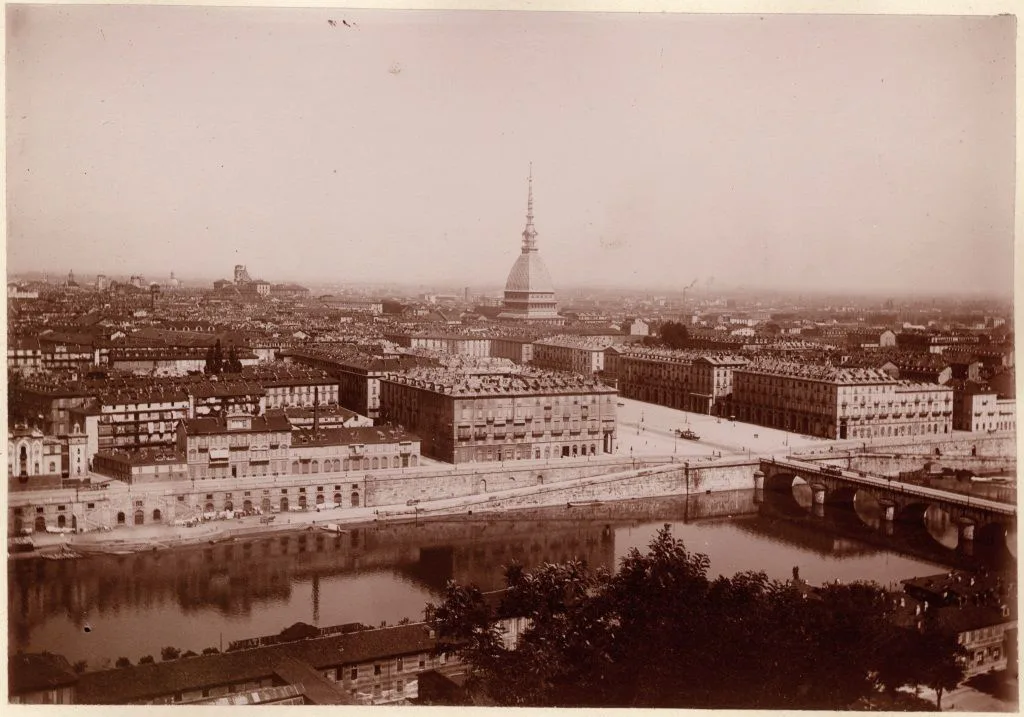
Turin's skyline symbol, the Mole Antonelliana, costs nothing to admire from the street. Only the National Cinema Museum and the panoramic lift inside require a ticket. Historic write-ups price that museum-and-lift combination around €7, though the figure is several years old. Confirm the current ticket price and expected wait before counting on it. Porta Palatina stands a short walk from the cathedral. This 1st-century Roman gate keeps two bronze statues and an open archaeological park around its base. Piazza Castello anchors the historic center and is free to walk at any hour. It's framed by the exterior of Palazzo Reale and topped, at one edge, by the eight-windowed dome of the Church of San Lorenzo. That dome belongs to a church that's free to enter. Hours run roughly 8:30am to noon and 3:30 to 6pm on weekdays and Saturdays. Sundays run 3:30 to 6pm only. Confirm before a visit, since Italian church hours shift with the season. Palazzo Madama, on the same square, shows two faces at once: a baroque front from the 1700s and a medieval rear built on a Roman-era foundation. Both are free to view from outside. Only the museum inside charges admission. A long-standing local nickname sticks to Piazza San Carlo: il salotto, the city's living room. Nearby, Piazza Vittorio Veneto, close to the Po River, completes a free walking loop through Turin's grandest squares.
Free and First-Sunday Museums in Turin
Several of Turin's grandest museums open free on the first Sunday of every month, covering a group of Savoy-era palaces and archaeological collections. Expect long lines that day, and book ahead where reservations are required. A separate rule covers the first Tuesday of the month. GAM, the modern art gallery, waives its fee then. So do MAO, the Museum of Oriental Art, and the Rocca castle inside Parco del Valentino. Casa 500, the small museum inside the former Fiat factory devoted to the Fiat 500, is free every day it's open. The 2026 schedule runs Tuesday through Sunday, 10am to 9pm, through mid-September. Hours shorten for the stretch that follows, into late October. Inside the same Royal Museums complex, the Royal Library's monumental hall is free to see even though most of the complex is ticketed. It holds Vivaldi's manuscript collection and a group of Leonardo da Vinci drawings, including a well-known self-portrait. Hours run Monday and Friday mornings, and Tuesday, Thursday, and Saturday afternoons. It's closed Sundays. Treat that as a narrow window, not a walk-in-anytime stop. The Pietro Micca Museum covers the 1706 siege of Turin. It asks for a donation rather than a fixed ticket, so budget it as inexpensive, not strictly free. For sights that stay ticketed, the Torino+Piemonte Card bundles entry to Savoy palaces and other paid attractions. The most recently published rate was €29 for 24 hours. Confirm the current price before buying.
- Armeria Reale (Royal Armoury)
- Palazzo Reale (Royal Palace)
- Palazzo Carignano
- Galleria Sabauda
- Museo dell'Antichità
Parks and Green Turin: Parco del Valentino and the Royal Gardens
Parco del Valentino lines the Po River on the edge of the San Salvario district, and walking its paths costs nothing. Locals use it for running, cycling, and weekend strolls with family. Inside the park, Borgo Medievale recreates a 15th-century Piedmont village with houses, workshops, and a small church. Entry to the village is free. Only the Rocca, its reconstructed fortress, requires a ticket, and that fortress is currently closed for restoration. Behind Palazzo Reale, the Giardino Reale offers a quieter, formal alternative. It's open Monday and Tuesday, and Thursday through Sunday, from 8:30am to 7pm, with last entry 20 minutes before closing. The garden closes on Wednesdays, so plan around that gap. From the garden's lower terrace, trees frame a clear view of the Mole Antonelliana's spire, which doubles as a quiet photo stop.
Neighborhood Wandering: Markets, Porticoes, and Fountains
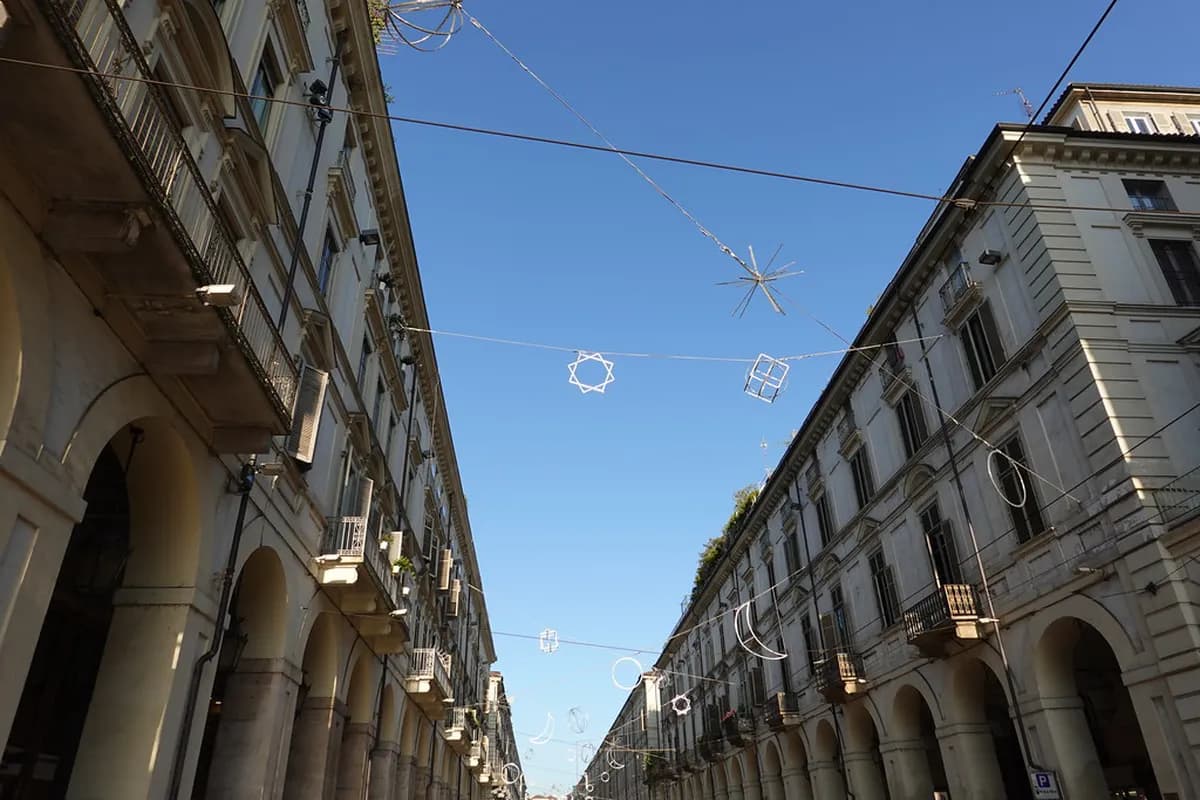
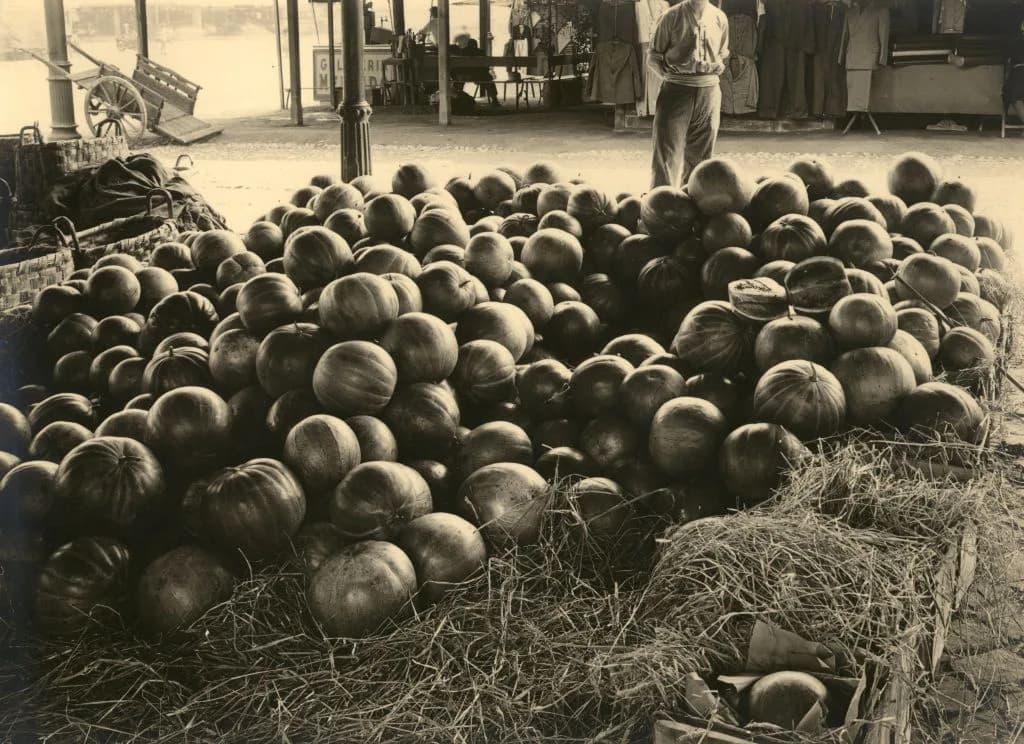
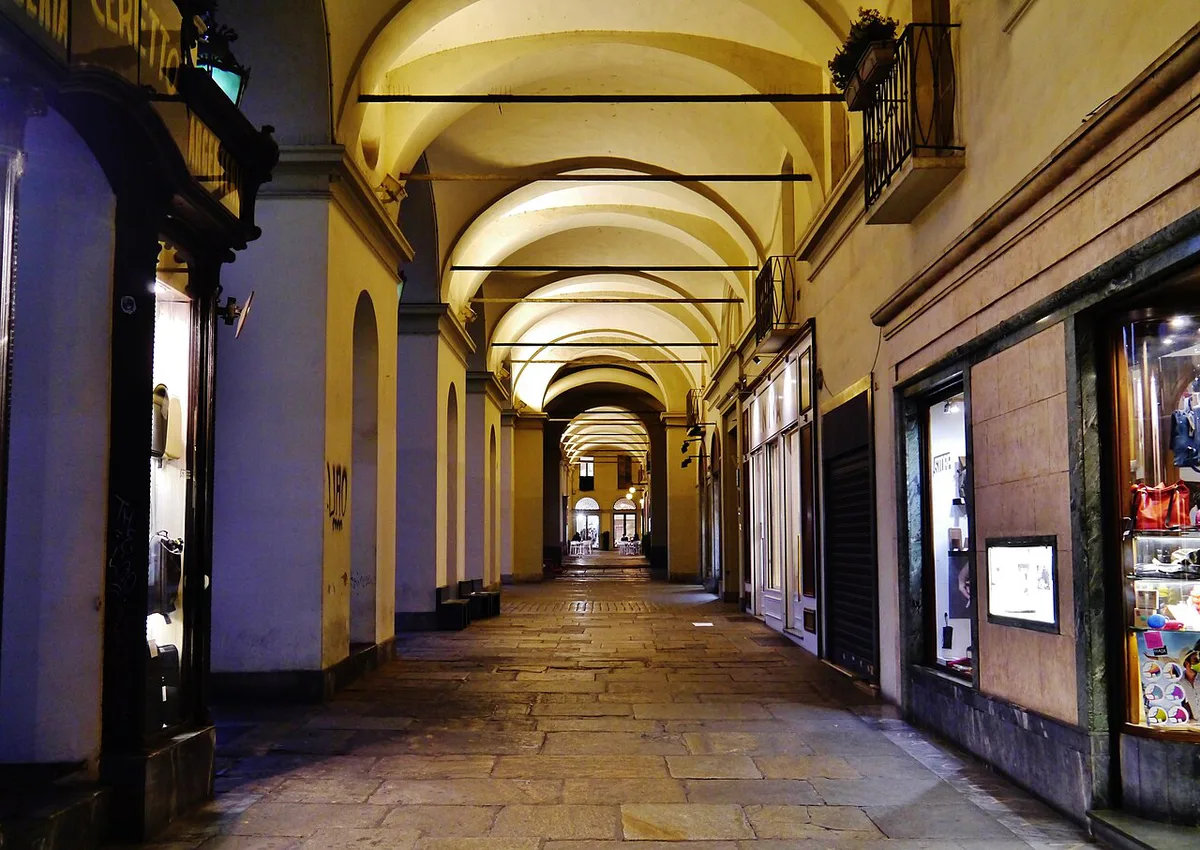
The Quadrilatero Romano preserves the street grid of Roman-era Augusta Taurinorum in its narrow lanes. Wandering the district costs nothing beyond time, and it connects directly to Porta Palazzo. Porta Palazzo Market fills a historic arcade and open square with fruit, vegetable, meat, and cheese stalls. Browsing is free even if nothing gets bought, though the market closes on Sundays. On Saturdays, the Il Balon flea market takes over the surrounding streets with antiques and vintage finds. Il Gran Balon, a larger version of the same market, runs on the second Sunday of each month. Green fountains shaped like a bull's head, called torèt in Piedmontese dialect, dot the whole city. More than 800 of them supply free drinking water, so bring a bottle. Three glass-roofed arcades add cover from weather along the way: Galleria Subalpina near Piazza Castello, Galleria San Federico near Piazza San Carlo, and Galleria Umberto I close to Porta Palazzo. All three are free to walk through and worth a detour even without shopping in mind. Turin's covered porticoes stretch roughly 18 kilometers (11 miles) across downtown, sheltering window shoppers from rain and sun alike. For a fuller sense of which streets connect to which, the neighborhood guide breaks down the districts the porticoes link together.
Hidden-in-Plain-Sight Turin: Architecture, Street Art, and Local Superstitions
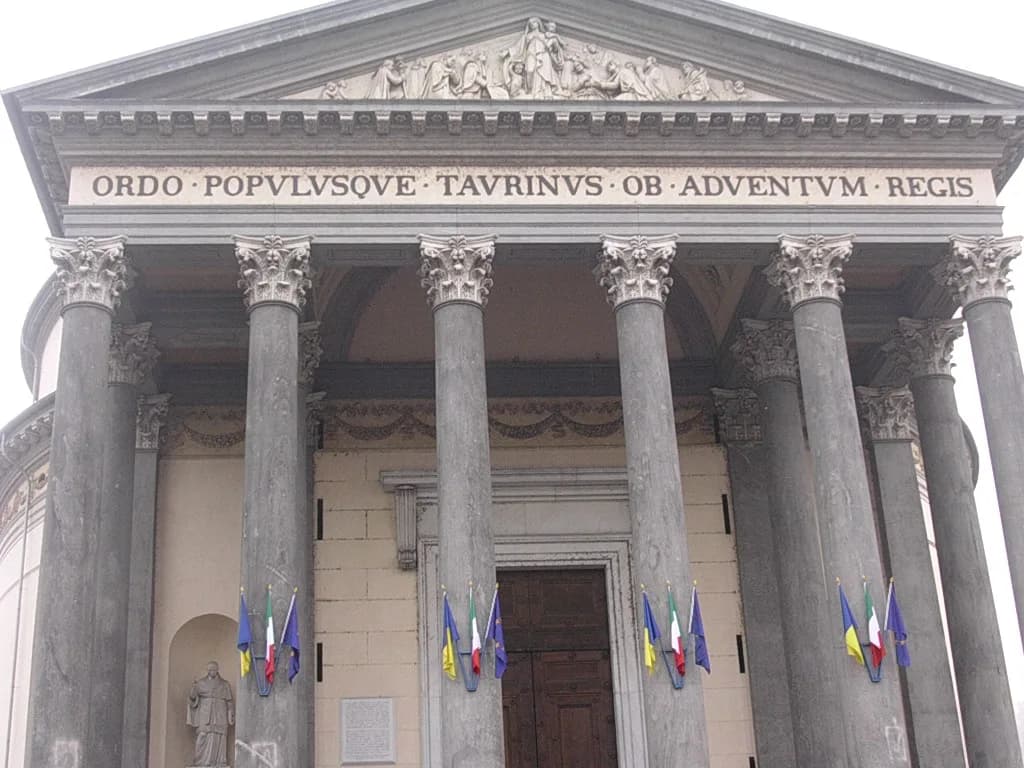
Turin keeps plenty of its best free sights in plain sight, and this cluster of Hidden Gems in Turin: 9 Local Picks With Cost, Access, and Timing (2026 Guide) rewards travelers willing to look up and detour. In the Cit Turin district, Liberty-style buildings from the early 1900s line the streets, blending Art Nouveau curves with Art Deco geometry. Casa Fenoglio-La Fleur, at Via Principi d'Acaja 11, is the best-known example and free to view from the sidewalk. Northeast of the center, in the Campidoglio neighborhood, Museo Arte Urbana turns residential building walls into an open-air street art gallery. Reach it on tram 13 or 16, and pair it with the murals of nearby Parco Dora, an old industrial site turned urban park. Cimitero Monumentale functions as an open-air museum in its own right, with sculpted tombs and the graves of notable Italians, including writer Primo Levi and physicist Galileo Ferraris. The full Cimitero Monumentale guide covers which sections to prioritize on a short visit. In Piazza della Consolata, the Santuario della Consolata welcomes visitors daily from 8am to 7:30pm, free of charge. Turin keeps a few superstitions alive for free, too. In Piazza Castello, students rub the pinky finger of a bronze Christopher Columbus medallion before exams for luck. In Piazza San Carlo, stepping on a bronze bull embedded in the pavement outside Caffè Torino is supposed to do the same. At Via Palazzo di Città 19, a metal ring pierces a Baroque façade in a 1996 artwork called Baci Rubati, nicknamed the building with a piercing. A separate bull artwork, T'ORO by Richi Ferrero, shows a golden-horned bull breaking through a wall at Via delle Orfane 20, in the same pocket of streets. Across the river toward Vanchiglia, the Fetta di Polenta building narrows to just 54 centimeters at its back wall. It's a triangular quirk from the same architect who built the Mole Antonelliana. The Vanchiglia neighborhood around it stays popular with students, with small bars and boutique shops filling its side streets. Villa della Regina is a UNESCO-listed vineyard estate on the hill behind Gran Madre church. It has been reported as free to visit, though that status has been described as subject to change. Confirm current entry terms before planning a stop there. For more picks like these, the Secret Spots in Turin: 2026 Guide to the City's Quiet Corners guide digs into the same neighborhoods. The off-the-beaten-path guide adds a few more overlooked corners. The 9 Unique Things to Do in Turin, Italy: Local Experiences & Practical Guide roundup rounds out the list with offbeat stops beyond this one.
The Mole Antonelliana's interior costs around €7, but free views of its spire appear throughout the city, including from Giardino Reale's lower terrace.
Free Panoramic Views: Monte dei Cappuccini vs Superga Basilica
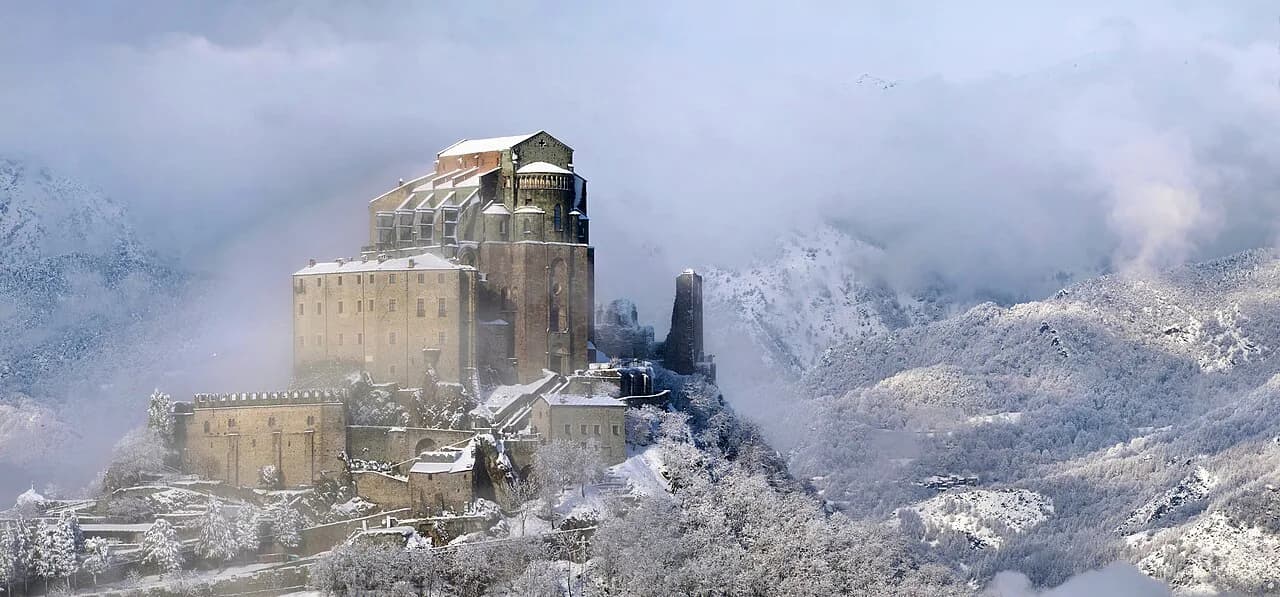
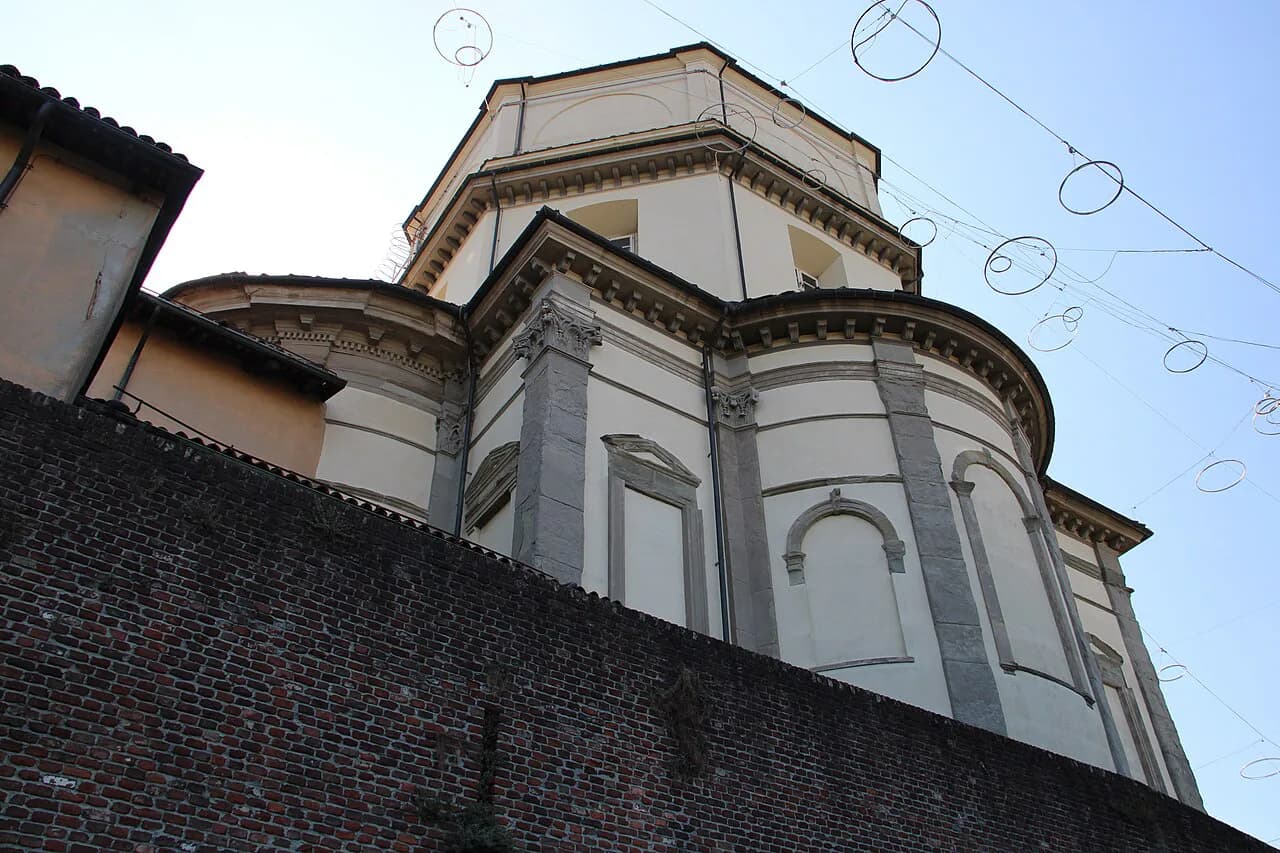
Monte dei Cappuccini offers Turin's most accessible free view. The walk up from the Po River isn't steep, and the hill's viewpoint looks out over the city rooftops to the Alps on a clear day. At the top, the Chiesa di Santa Maria del Monte dei Cappuccini is free to step inside. Crossing the Borgo Po neighborhood on the way up adds another free stop to the same walk. Across the Ponte Vittorio Emanuele I, the domed Chiesa della Gran Madre di Dio sits near the base of the hill and is also free to enter. Superga Basilica delivers a wider view for more effort. The grounds and gardens around the basilica are free to wander. Only the basilica interior charges admission. Reaching Superga costs something, though not much, and the options trade money for time: One more free view hides in plain sight. The Intesa Sanpaolo skyscraper near Porta Susa lets visitors ride up and take in the city from inside. That's a free alternative to the Mole Antonelliana's ticketed lift and line.
- Bus (GTT): about €1.50 one-way, most recently published fare
- Tranvia (historic tram): about €6 round-trip
- Car: free via Strada Comunale di Superga, beyond fuel and parking
- Hike: free on marked trails from the base of the hill, allow a half-day
Always Free, Free-on-Certain-Days, or Donation-Based: The Full Breakdown
The table below sorts every pick in this guide into one of three categories: always free, free only on a specific day, or donation-based. Use it to build a day plan without assuming something is free when it isn't.
| Free Pick | Status | Approx. Time | How to Get There / Cost |
|---|---|---|---|
| Piazza Castello & Piazza San Carlo | Always free | 30–45 min | Walk, city center |
| Porta Palatina | Always free | 15–20 min | Walk near the cathedral |
| Quadrilatero Romano | Always free | 45–60 min | Walk from Piazza Castello |
| Porta Palazzo Market | Always free to browse (closed Sundays) | 30–60 min | Walk or tram |
| Parco del Valentino & Borgo Medievale village | Always free (Rocca fortress ticketed, closed for restoration) | 1–2 hrs | Walk or tram, San Salvario edge |
| Giardino Reale (Royal Gardens) | Always free (closed Wednesdays) | 20–30 min | Walk behind Palazzo Reale |
| Museo Arte Urbana | Always free | 45 min | Tram 13 or 16 to Campidoglio |
| Cimitero Monumentale | Always free | 30–45 min | Walk or tram |
| Monte dei Cappuccini | Always free | 30–45 min round trip | Walk across the Po River |
| Superga Basilica grounds | Free grounds; interior ticketed | Half a day round trip | Bus ~€1.50, tranvia ~€6 round-trip, or drive/hike |
| State museums (Armeria Reale, Palazzo Reale, and others) | Free first Sunday of the month | 2–3 hrs | Reserve ahead, expect crowds |
| GAM, MAO, Rocca castle | Free first Tuesday of the month | 1–2 hrs | Reserve ahead |
| Casa 500 Museum | Always free | 30–45 min | Walk or tram to Lingotto |
| Pietro Micca Museum | Donation-based | 45 min | Walk, city center |
Building a Free Turin Itinerary: One Day vs Two Days
A single free day in Turin fits comfortably around the historic center. Start at Piazza Castello and Porta Palatina, continue through the Quadrilatero Romano to Porta Palazzo Market, then finish with the walk up Monte dei Cappuccini before sunset. That loop covers roughly 3 to 4 hours of walking, plus time to linger at each stop. A second day opens up the sights that need more travel time or a specific date. Add Parco del Valentino and Borgo Medievale in the morning. Budget the afternoon for Superga Basilica, since getting there and back takes a few hours round trip. Time a visit around the first Sunday of the month, and the state museums slot into either day without adding cost. Different travelers should weight the two days differently. Travelers with a third day can pair Turin with the Piedmont countryside. The day trips from Turin guide covers routes that stay within a reasonable drive.
- Architecture fans: Cit Turin's Liberty buildings and the Quadrilatero Romano
- Market lovers: Porta Palazzo, plus Il Balon or Il Gran Balon if the dates line up
- Photographers: Monte dei Cappuccini at golden hour, Superga at midday for clear Alp views
- Families: Parco del Valentino and Borgo Medievale
Getting Around Turin Without Paying for Sightseeing
Turin's historic center is compact enough to cover on foot. Aside from the hill climbs to Monte dei Cappuccini and Superga, most of this guide's sights stay on level ground. For trips farther out, a one-day GTT public transport ticket costs €4 and covers unlimited bus and tram rides. Tram line 7 turns a transit ride into a sightseeing loop in its own right. Riding vintage tram wagons from the 1930s and 1950s, the route circles Turin's main squares and avenues. That makes it a low-cost overview of the city for the price of a single fare. Piazza Castello also hosts one of the city's tourist information points, useful for transit maps or checking that week's closures. Many museums, shops, and even some historic cafés close on Mondays, so avoid stacking a heavy sightseeing day around that date. First-Sunday museum crowds are real. The Best Time to Visit Turin Without Crowds (2026 Season-by-Season Guide) guide has more detail on which weeks and days to avoid.
Reaching Superga costs €1.50 one-way by bus, but consider the €4 day pass if visiting multiple areas, as several trips would quickly exceed its cost.
Save Your Euros for Turin's Food Scene
Every euro saved on sightseeing leaves more room for Turin's food scene, which isn't free but is worth the spend. A bicerin, the layered espresso, chocolate, and cream drink invented in the city, is a paid stop worth working into a free-focused day. The historic cafés guide covers where to find it and what it typically costs. Beyond coffee, Piedmont cooking runs on dishes like agnolotti, tajarin, and vitello tonnato. The local food guide breaks down what to order and where. When it's time to sit down for a full meal, the local restaurants guide lists options across a range of budgets, from neighborhood trattorias to Michelin-starred rooms.
Frequently Asked Questions
Is Turin the same as Torino?
Yes. Torino is the Italian name for the city, and Turin is the English version, the same pattern as Milano becoming Milan or Roma becoming Rome. Locals and Italian signage use Torino. English-language guides typically use Turin.
Which things to do in Turin are actually free vs free only on certain days?
Landmarks like Piazza Castello, Porta Palatina, the Quadrilatero Romano, and Monte dei Cappuccini are free every day. State museums such as Palazzo Reale and Galleria Sabauda waive admission only on the first Sunday of the month. GAM and MAO do the same on the first Tuesday. The budget table earlier in this guide sorts every pick by status, so check there before assuming a museum is free on the day of a visit.
What's the best free viewpoint over Turin: Superga or Monte dei Cappuccini?
Monte dei Cappuccini is the faster, easier option, reachable on a short uphill walk from the Po River with no transit cost. Superga delivers a wider view and the basilica itself, but reaching it costs a small bus or tram fare and takes closer to half a day round trip. Choose Monte dei Cappuccini for a quick sunset stop, and Superga when there's a full afternoon to spare.
Is Turin walkable enough to skip paid transit for a free-focused day?
Mostly, yes. The historic center is compact, and most of the sights in this guide sit within a short walk of Piazza Castello. Reaching Superga or Museo Arte Urbana does require a bus, tram, or a one-day GTT ticket, priced at €4 in the most recently published fare. Budget a small transit cost for any day that ranges outside the center.
How much time should a free day in Turin realistically take?
Piazza Castello, Porta Palatina, the Quadrilatero Romano, Porta Palazzo Market, and Monte dei Cappuccini fill one day easily. Together they add up to 3 to 4 hours of walking, plus time to linger at each stop. Adding Parco del Valentino, Borgo Medievale, and Superga stretches the plan into a second day.
What should budget travelers avoid assuming is free in Turin?
The biggest mistake is assuming the Mole Antonelliana is entirely free. Only the exterior view is. The National Cinema Museum and the panoramic lift inside both require a ticket. Older write-ups price that combination around €7, so check current pricing before planning around it. Villa della Regina's free entry has also been described as subject to change, so confirm before treating it as certain. The Rocca fortress inside Borgo Medievale needs a ticket too, and it's currently closed for restoration.
Does a free day in Turin need a paid add-on to feel complete?
A free day covers landmarks, parks, markets, and two viewpoints without spending anything beyond transit. Most travelers still add one paid stop, commonly the Mole Antonelliana's panoramic terrace or a sit-down meal with Piedmont specialties. Treat any paid extra as a deliberate splurge on top of a full free itinerary, not a requirement to complete it.
Continue exploring
More guides you'll find useful