Turin Historic Cafes: A Guide to the City's Most Elegant Coffee Houses
Discover the best historic cafes in Turin, from the birthplace of the Bicerin to royal chocolate houses. Includes prices, etiquette, and must-order specialties.
On this page
Turin Historic Cafes: A Complete Guide to the City's Grand Coffee Houses
Last updated August 2026, this guide ranks Turin historic cafes by what each one does best, from candlelit chocolate rituals to Risorgimento-era gossip. Turin preserves more historic cafes than any other Italian city, and its coffee culture stayed tied to royal chocolate-making from the very start. Below, find the specific specialty, price bracket, and seating strategy for each stop, including the Bicerin, the tramezzino, and the Pinguino.
Why Turin Has More Historic Cafes Than Any Italian City
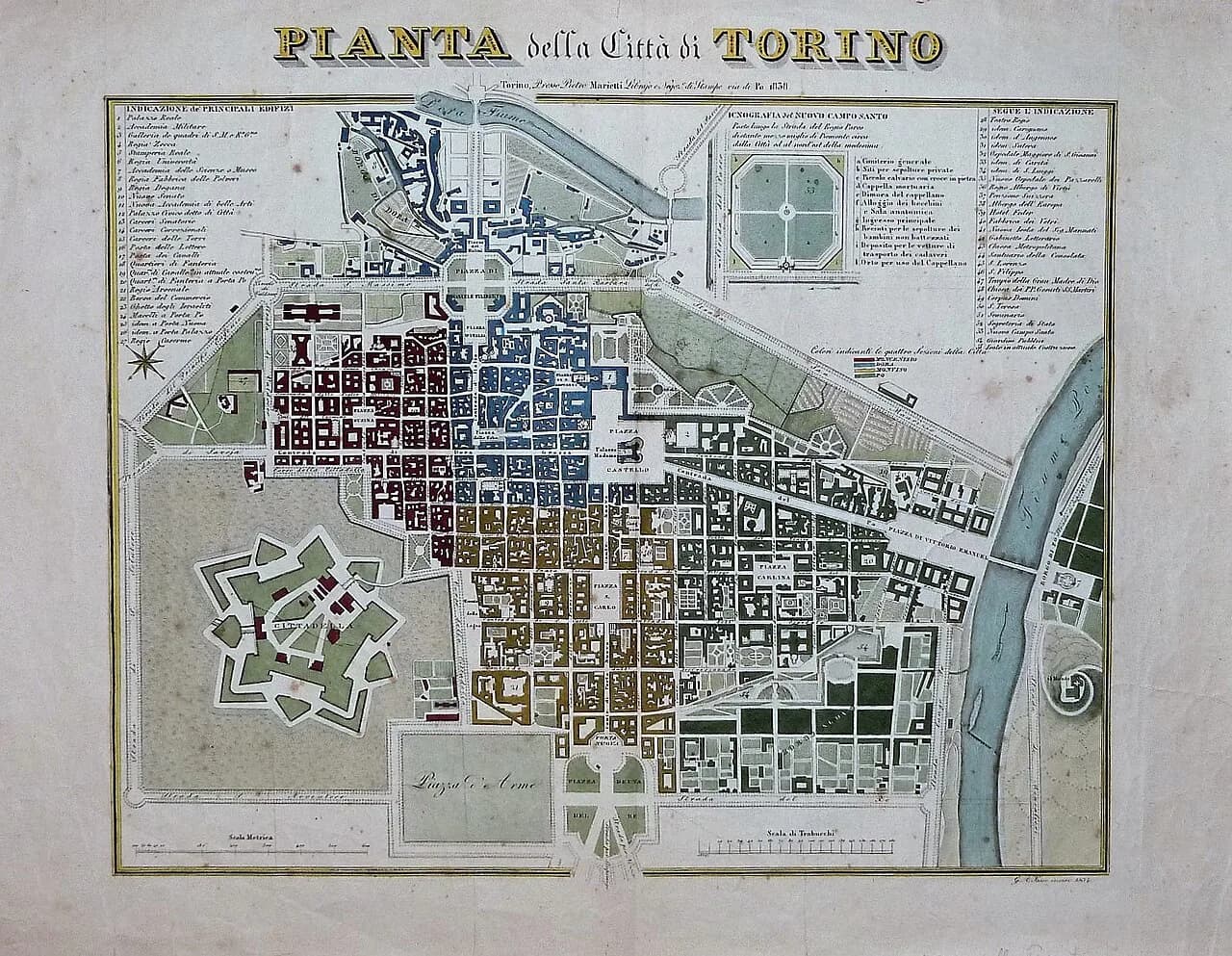
Turin's cafes functioned as the city's living rooms for two centuries, hosting politicians, writers, and aristocrats at the same marble tables. Chocolate and coffee stayed linked here from the start, and several venues on this list still make both side by side. Cavour, Nietzsche, Hemingway, and Umberto Eco all sat at these tables at different points. That history helps explain why Turin holds more historic cafes than any other city in Italy. An association called Caffè Storici e Salotti Sabaudi formed in 2021 to pursue UNESCO recognition for these rooms, a status not yet granted as of this writing. The same rooms are sometimes called salotti sabaudi, or Savoy lounges, a term used alongside caffè storici to describe the group. For a wider view of the city beyond its coffee houses, see the guide to hidden gems around Turin.
- Caffè Al Bicerin — the birthplace of the bicerin, best for history and the drink itself.
- Caffè Baratti & Milano — an Art Nouveau chocolate house facing Piazza Castello.
- Caffè Torino — a quick stop for the brass bull ritual on Piazza San Carlo.
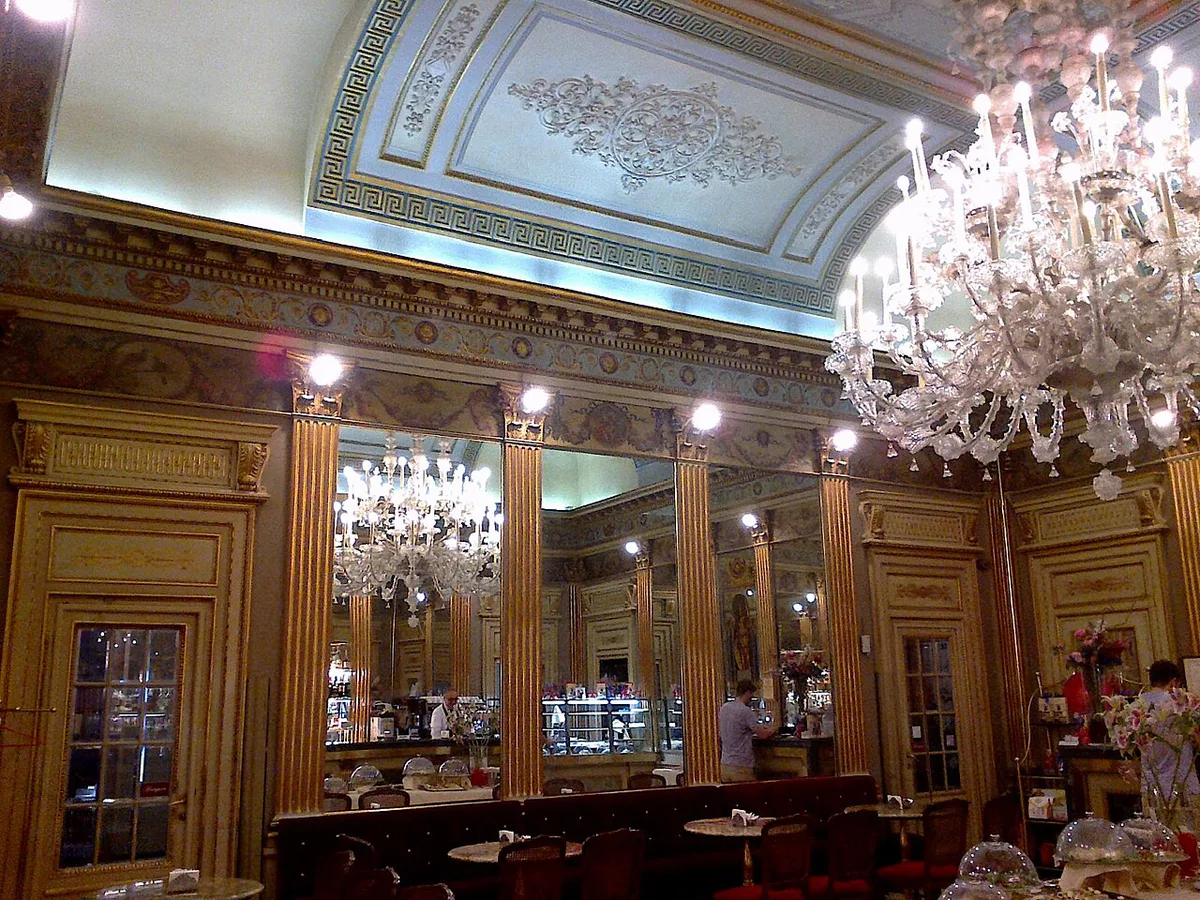
The Five Cafes Where Piedmont's History Was Written
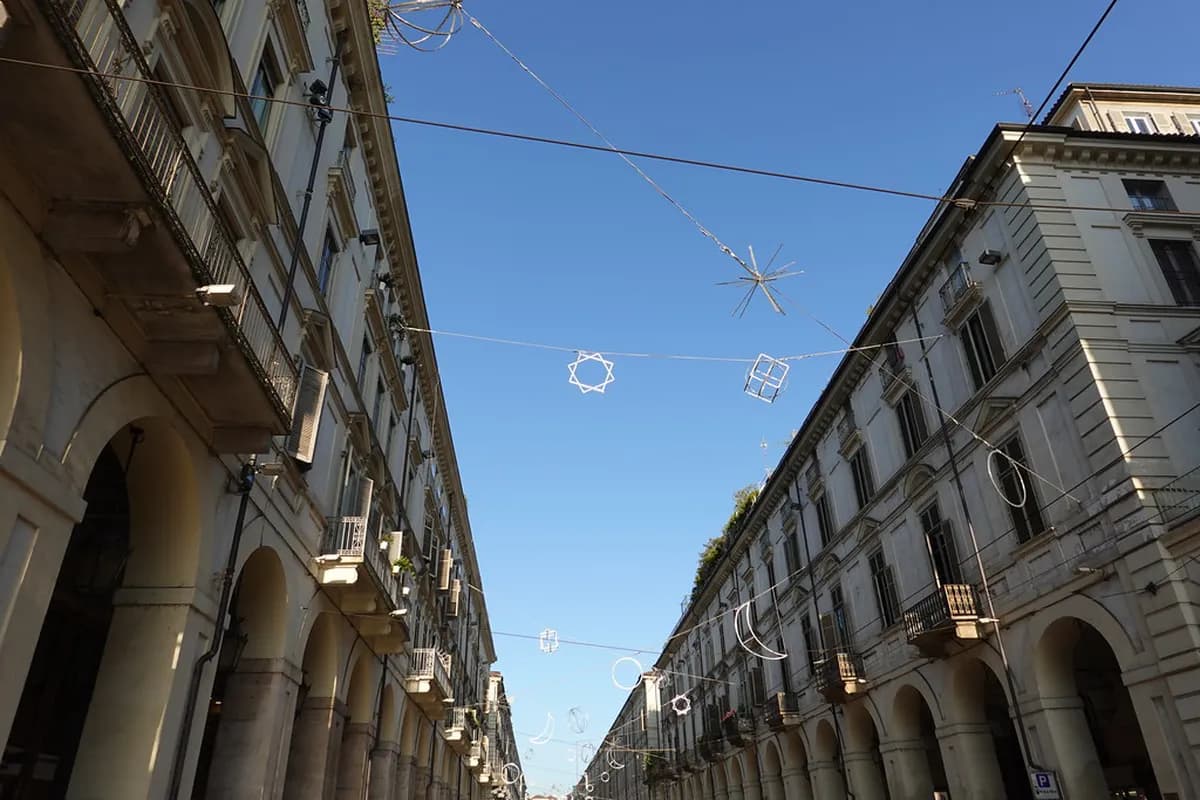
Five cafes anchor Turin's historic-cafe circuit, each tied to a specific invention, political current, or architectural style. Visit at least one for the interior alone; several have stood mostly unchanged for over a century. Reservations are not typically required for coffee, but a table during peak lunch or aperitivo hours may mean a short wait. Four of the five sit under Turin's arcades, keeping the walk between them dry even in poor weather.
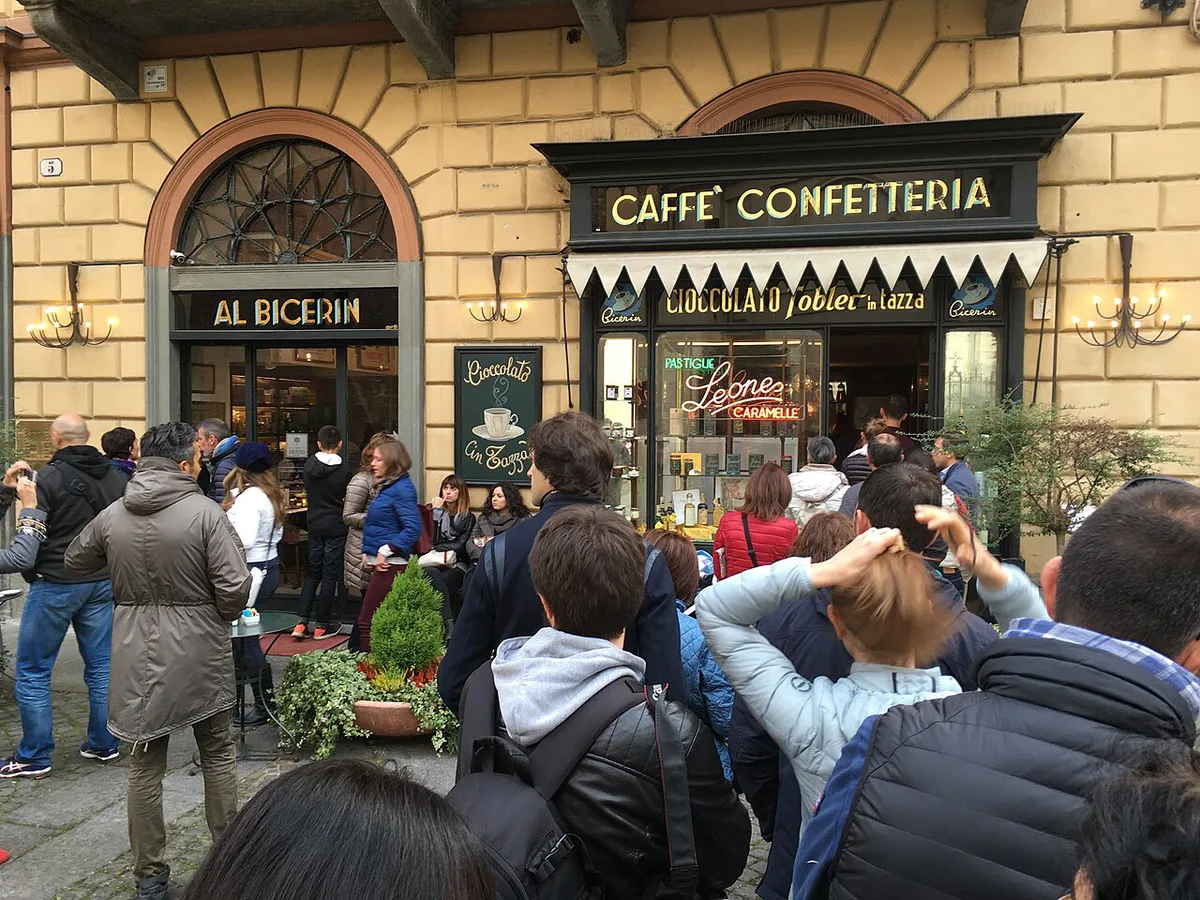
- Caffè Al Bicerin (1763) sits behind the Santuario della Consolata, inside the Quadrilatero Romano district. It invented the bicerin, a glass of coffee, hot chocolate, and cream layered rather than mixed, a fixture of Turin's local food scene. Candlelit marble tables and mirror-paneled walls keep the room dim even at midday. Order at the standing counter to skip the sit-down line, which can run close to 45 minutes at peak hours.
- Caffè Baratti & Milano (1875) faces both Piazza Castello and the Galleria Subalpina, in an Art Nouveau room fitted out in 1911. It supplied the Royal House and still sells the cremino praline it helped popularize, alongside the chocolate Torta Baratti. The bar counter alone stretches the length of the room, tended by staff in bowties and black vests.
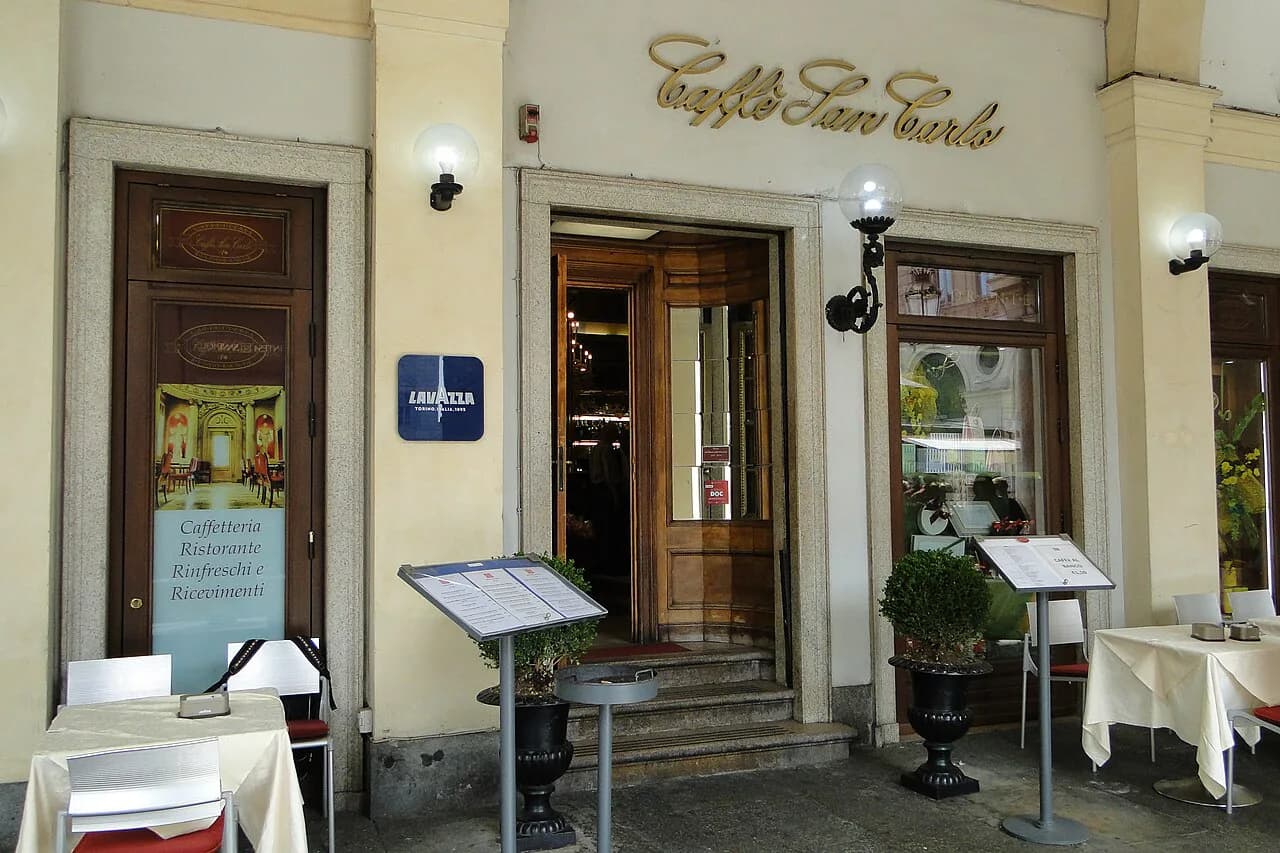
- Caffè San Carlo (1822) opened in Piazza San Carlo and was the first venue in town lit by gas. A 200th-anniversary refurbishment brought in the Costardi Bros, a Michelin-starred duo from Vercelli, to redesign the pastry menu. Specialty coffee now runs through Lavazza's 1895 line. The Chinese Room, dating to 1851, hosts the Merenda Reale on weekends.
- Caffè Mulassano (1879) moved into its current Piazza Castello address in 1907. Its walls are faced in mirror, onyx, and brass. The tramezzino, a crustless sandwich, was created here in the 1920s and named by poet Gabriele D'Annunzio. A mahogany case holds 30 varieties, served on tiered stands by bowtied staff. Pair the sandwiches with one of the counter's own vermouths, another house specialty.
- Caffè del Cambio (1757) faces Palazzo Carignano, former seat of the Subalpine parliament. Count of Cavour reportedly took breakfast here, and his secretary is said to have signaled from a window across the street when needed. It now runs as a formal dining destination rather than a quick-stop cafe.
Specialty Stops: Vermouth, Gelato, and a Lucky Bull
Caffè Elena and Caffè Fiorio draw fewer tour groups than the Piazza San Carlo cluster, making them natural additions to an off-the-beaten-path stop. Gelateria Pepino and Caffè Platti round out the list with inventions and history of their own. Each has a distinct hook, from a lucky ritual to a vermouth recipe perfected on-site.
- Caffè Torino, on Piazza San Carlo, has a brass bull set into the floor at its entrance. Local custom holds that stepping on the bull brings good luck, a ritual most visitors try on the way in or out. Its Art Nouveau interior draws photographers even among visitors who skip ordering.
- Caffè Elena sits under the portico on Piazza Vittorio Veneto, steps from Via Po. Giuseppe Carpano perfected the family's 1786 vermouth recipe on this site between 1889 and 1902. The room retains its original red breccia tables and graniglia-tiled floor. The bar now leans into cocktails, including a Vermuth Caffè Elena 1889 bottling tied to the anniversary.
- Gelateria Pepino opened in 1884 and introduced the pinguino in 1938, a gelato bar dipped in chocolate and set on a stick. Beyond the classic cream base, flavors have included rose, violet, mint, and coffee. The shop remains a stop for anyone tracing Turin's chocolate and gelato traditions together.
- Caffè Platti sits on Corso Vittorio Emanuele II, marked by a shop sign of a grinning waiter. Juventus FC was founded on the premises, and Gianni Agnelli counted as a regular customer. The location sits slightly outside the main tourist cluster, making it a calmer stop than the Piazza San Carlo cafes.
- Caffè Fiorio, on Via Po since 1780, earned the nickname the Machiavelli cafe for the conservative politicians who gathered there. Its gelato cones remain the draw, in a quieter room than the Piazza San Carlo cafes.
The Merenda Reale: Turin's Royal Afternoon Ritual
The Merenda Reale recreates the Savoy court's afternoon snack, offered only on Saturdays and Sundays at participating cafes. Choose the 1700s-style version, built around a bicerin, or the 1800s-style version, built around hot chocolate. Both arrive with a plate of sweets. Recent listings price the ritual at €10-12 per person. Confirm current dates and cost directly with Turismo Torino before planning a visit around it. Caffetteria Reale and Caffè San Carlo's Chinese Room, dating to 1851, are among the participating venues. Turismo Torino promotes the ritual as a way to experience 1700s royal-court custom firsthand.
Decision Matrix: Which Historic Cafe Fits Your Visit
Use the table below to match each cafe to a specific goal instead of trying to visit all ten in one trip. Cafes cluster tightly enough that pairing two or three per neighborhood works better than a single long crawl. Each row lists the founding year, the strongest reason to visit, and the item worth ordering once inside.
Standing at the bar costs €1.20 to €2.00 per espresso, so visitors on a tight budget should prioritize the shortest-queue options while ordering al banco, maximizing iconic venues visited per euro spent.
| Cafe | Founded | Best For | Signature Item |
|---|---|---|---|
| Caffè Al Bicerin | 1763 | History and the bicerin ritual | Bicerin |
| Caffè Baratti & Milano | 1875 | Chocolate and Art Nouveau decor | Cremino, Torta Baratti |
| Caffè San Carlo | 1822 | A long, formal sit-down | Costardi Bros pastries, Lavazza 1895 coffee |
| Caffè Mulassano | 1879 | A quick, elegant bite | Tramezzino |
| Caffè del Cambio | 1757 | A formal meal | Full Piedmontese menu |
| Caffè Torino | not specified | A quick photo and the luck ritual | Brass bull |
| Caffè Elena | 1889 | Cocktails and vermouth | Vermuth Caffè Elena 1889 |
| Gelateria Pepino | 1884 | Gelato | Pinguino |
| Caffè Platti | not specified | Football history | — |
| Caffè Fiorio | 1780 | A quieter gelato stop | Gelato cone |
Prices, Etiquette, and Where to Sit
Where you sit changes the bill more than what you order. Standing at the bar typically costs €1.20 to €2.00 for an espresso. Sitting at a table in a historic square can push the same coffee past €5.00, largely for the seating and location. Ask whether table service carries a seating charge before sitting down, since policies vary by cafe. Ordering al banco means paying at the register first, then presenting the receipt at the counter, a standard convention across Italian bars. Turin's historic cafes lean toward full table service more than ordinary neighborhood bars, given their heritage focus, so confirm counter service is available before assuming it is. None of these price ranges include a formal sit-down meal, which runs separately at venues like Caffè del Cambio. Confirm opening hours directly before visiting, since historic cafes sometimes adjust schedules around holidays and events.
- Standing at the bar: about €1.20 to €2.00 for an espresso.
- Seated at a table in a historic square: €5.00 and up for the same drink.
- Merenda Reale, weekends only: €10 to 12 per person, confirm before visiting.
Planning a Cafe Walk by Neighborhood
Group the visits by location to cut backtracking. Piazza San Carlo holds Caffè Torino and Caffè San Carlo, both reachable via Turin's covered porticoes. Piazza Castello covers Caffè Mulassano and Baratti & Milano, roughly a five-minute walk apart. Via Po adds Caffè Elena and Caffè Fiorio, closer to the river. Al Bicerin sits apart from the rest, inside the Quadrilatero Romano district, so treat it as a separate stop or the first visit of the day. For a fuller picture of the city, check Turin's district guide before mapping a route. Timing matters too. General advice on visiting Turin without crowds applies directly to the queue at Al Bicerin. Covering all ten stops on foot, at a relaxed pace, takes most of a day.
The queue at Al Bicerin can reach close to 45 minutes during peak hours, so plan this stop for the morning or late afternoon to experience the drink without time-pressure conflicts with other neighborhood visits.
Frequently Asked Questions
What is the Bicerin and where was it invented?
The bicerin is a layered drink of coffee, hot chocolate, and cream served in a small glass. It was invented at Caffè Al Bicerin in 1763, near the Santuario della Consolata. Its three layers stay separate rather than mixed, part of the presentation.
Which Turin cafe invented the tramezzino?
Caffè Mulassano created the tramezzino in the 1920s. Poet Gabriele D'Annunzio is credited with naming the crustless sandwich. The cafe's display case still stocks around 30 varieties today.
How much does the Merenda Reale cost and when is it offered?
Recent listings price the Merenda Reale at €10-12 per person. It runs only on Saturdays and Sundays at participating cafes, including Caffè San Carlo's Chinese Room. Confirm current pricing and days with Turismo Torino before building a schedule around it.
Is it cheaper to stand at the bar than sit at a table?
Yes, standing at the counter is consistently cheaper across Turin's historic cafes. An espresso at the bar typically runs €1.20 to €2.00. The same coffee at a table in a historic square can top €5.00 once seating and location factor in.
Which cafe works best for a quick stop versus a long sit-down?
Caffè Mulassano and Caffè Torino suit a quick stop, both walkable in under an hour combined. Caffè San Carlo and Caffè del Cambio suit a longer, formal sit-down instead. Al Bicerin sits in between, since the drink is quick but the queue often is not.
What should first-time visitors order beyond coffee?
Try the bicerin at Al Bicerin and the tramezzino at Caffè Mulassano. Baratti & Milano's hot chocolate and cremino praline cover the chocolate side of the tradition. Gelateria Pepino's pinguino rounds out the list for anyone visiting in warmer months.
Continue exploring
More guides you'll find useful