Cefalù Street Art and Artisan Workshops: A Craft Lover's Guide
A craft-first guide to Cefalù: ceramics, the Mandralisca collection, the medieval wash house, Ottagono shows and coast-to-Madonie food, with what to confirm.
On this page
Cefalù is usually sold as a beach with a cathedral attached, yet the town rewards a different allocation of hours: a morning with pottery and stonework, an afternoon at the museum and the sea. The compact old town means you can move between a ceramic workshop, a medieval wash house and a Norman palace on foot. This guide treats craft as the organising idea and the beach as the reward at the end. For wider planning, see Cefalù Attractions: Visitor Guides to 7 Sights.
One concrete starting point matters more than a long list. The Cefalù Art Expo ran from 3 to 16 August 2026 at the Ottagono di Santa Caterina in the historic centre, according to Visit Sicily, pairing exhibitions with performances and artist talks in a historic venue. Those dates have passed, so read the programme as evidence of what the Ottagono hosts rather than as a reason to book.
Why Cefalù Rewards a Craft-First Visit
Beach time in Cefalù is easy to improvise; craft time is not, because studios, museums and churches keep their own rhythms. Give the old town your freshest hours, when shutters are up and lanes are quiet, and keep the sand for the hot middle of the day. That single swap changes the trip more than any specific recommendation.
The town also compresses distances usefully. The cathedral square, the Mandralisca museum, the medieval wash house and the Osterio Magno sit within a few hundred metres of each other, so a craft-focused morning needs no transport planning. Parking is the one friction point: cars are best left outside the centre and the rest walked.
If you want more overlooked corners between craft stops, our guide to the hidden gems in Cefalù pairs well with this plan, covering the small detours that fill the gaps between studio visits.
Ceramics First: What Sicilian Pottery Shopping Involves
Cefalù's streets carry plenty of ceramics, and the difference between a souvenir shop and a working studio is usually visible from the doorway: look for unfinished pieces, drying racks, pigment pots and a bench where someone actually works. Browsing is free and needs no appointment, which makes pottery the most flexible craft stop of the day.
Sicilian ceramics are prized for colour and pattern, and a piece bought here becomes a practical souvenir rather than a fridge magnet. Before committing, handle the object, check the base for a maker's mark and ask whether the glaze is food-safe if you plan to use it. Those questions are the buyer's job, not the seller's sales pitch.
Our self-guided walk Cefalù old town route passes the main craft-friendly streets, so you can fold studio browsing into a loop rather than retracing steps. A loose rule helps: no purchase in the first shop you enter, so you have a baseline for quality and price.
The Mandralisca Museum as Context for the Craft
The Museo Mandralisca explains why Cefalù's decorative culture feels layered rather than ornamental for its own sake. Its best-known holding is Antonello da Messina's Portrait of an Unknown Man, and the wider collection gathered by Baron Mandralisca includes archaeology, ceramics and natural history. Seeing ceramics in a museum case before shopping gives you a vocabulary for what local workshops are echoing.
One account describes summer opening every day between 9am and 9pm, closing at 7pm the rest of the year, with entry at 6 EUR, while another describes July and August hours of 10am to 8pm and entry at 8 EUR. Because the sources disagree, treat both as unconfirmed and check the museum's own information on the day. Allow roughly an hour to see the whole collection rather than only the famous portrait.
The Medieval Wash House: Stonework in a Quiet Morning
The Lavatoio Medievale, fed by the Cefalino, is a stone structure of basins and spouts reached by a wide staircase down from the street. It rewards close looking at masonry and water engineering rather than a quick photo, and it is the best free lesson in local stonework in town. Go early, when the light reaches the lower basins and the space is calmer.
Treat it as a short stop, perhaps fifteen to twenty minutes, and combine it with the nearby lanes rather than making it a destination in itself. The wash house sits within easy walking distance of the cathedral and the museum, which is exactly why it fits a craft morning.
Contemporary Art at the Ottagono di Santa Caterina
The Ottagono di Santa Caterina is the venue to watch for temporary contemporary exhibitions in the old town. The 2026 Cefalù Art Expo used it for fourteen days of exhibitions, live performances and talks connecting contemporary practice with local heritage, which shows how the space is used rather than what is on now. Check the event's own site and the municipality for current programming. Further visitor details appear in Sito Ufficiale del Turismo in Sicilia - Visit Sicily.
Because the building is the constant and the exhibition is not, plan around the venue rather than an event name. Walk past the Ottagono early in your stay and look for posted notices, then decide whether to return. This is a fifteen-minute reconnaissance that prevents a wasted afternoon.
The nearby Osterio Magno on Via Amendola is a second historic venue with the same logic: a Norman-founded palace with Aragonese windows and portals that now hosts temporary municipal shows. Entry is described as free during shows open to the public, with variable hours, so confirm with the Comune di Cefalù before making the trip across town.
Cefalù City of Artists: What the 2026 Edition Showed About Live Making
The Cefalù City of Artists symposium, in its thirteenth edition, turned the town into a working studio from 21 to 23 August 2026, with more than forty creators from across Europe and beyond. A collective exhibition followed at the Ottagono di Santa Caterina from 23 to 30 August. Those dates have passed, so read the programme as evidence that demonstrations and hands-on workshops do happen here, not as a calendar.
Reported programming included painting, sculpture, photography, artisan crafts and performing arts, with live demonstrations described as suitable for all ages and the Ottagono exhibition reported as free to enter. Treat reported access details as a snapshot of that edition rather than a promise for future ones, and confirm anew if a similar event appears.
Do not assume the symposium is an annual fixture; one edition's programme does not guarantee another. If live making is the reason for your trip, ask the tourist office or the municipality whether anything is scheduled during your dates, and keep the museum and wash house as fallbacks.
Artisan Food as Craft: Coast, Mountains and Winter Seafood
Cefalù's food culture is a craft in its own right because it sits between the Tyrrhenian and the Madonie mountains. Provola delle Madonie, capers, olives and citrus meet fish and shellfish within a few kilometres, and winter cooking leans on stews, sauces and richer combinations rather than summer lightness. A market or delicatessen stop is a legitimate part of a craft day.
If you want to buy directly from producers, ask where a cheese or preserve was made before you buy, and prefer shops that can name the town or caseificio. That single question separates a genuinely local product from a repackaged one, and it costs nothing.
How to Tell a Working Studio from a Souvenir Shop
Ask what happens in the back room, how long a piece took, and whether the maker also teaches. A working studio answers these questions with detail and often shows you the process; a reseller deflects to price. This is a conversation, not an interrogation, and it is the fastest way to find the craftspeople worth your time.
Buying directly is a social transaction before it is a commercial one. Ask about packing for travel, whether the maker can ship, and whether card payment is possible, but expect the answers to vary by workshop and do not assume any standard terms. If shipping is offered, keep the receipt and photograph the piece before it is wrapped.
Workshops and courses exist in Sicily but are arranged case by case. A five-day retreat based in Cefalù, for example, is offered by one operator with its own programme and participant limits, which shows what a structured option looks like without proving anything about local drop-in classes. Ask any studio directly whether it takes visitors for a session during your dates.
Street Art: What You Can and Cannot Verify
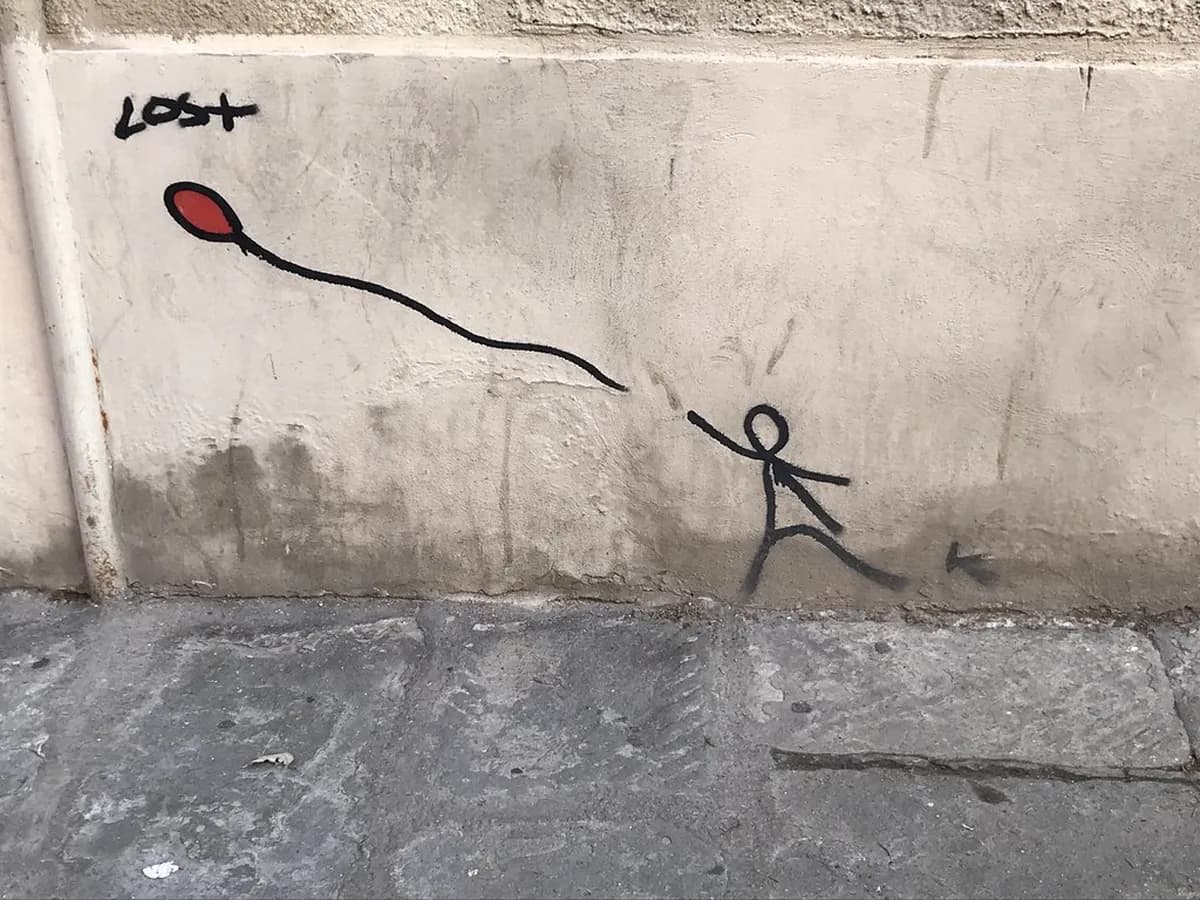
Cefalù appears in the Street Art Cities database, so there is a mapping community presence, but the listing itself is thin on named works and addresses. Do not plan a street-art walking route from it. Instead, treat the back lanes as a place to look while you walk between the cathedral, the wash house and the Ottagono, camera ready and no fixed itinerary.
If murals are a priority, ask at the tourist office or check the app for recent additions on arrival, and accept that small-scale pieces can be painted over or removed without notice. The lanes behind Corso Ruggero are the natural place to wander, and wandering is the honest method here.
Practical Planning: Timing, Parking and the ZTL Question
Cefalù's centre is pedestrian-friendly but not car-friendly. One account describes restricted traffic zones in the centre and parking along the Lungomare with a paid day rate of 8 EUR. Because that snapshot may be out of date, confirm current ZTL boundaries, tariffs and parking rules locally before relying on them. Further visitor details appear in 8 Best Things to do in Cefalu, Sicily (2026 Travel Guide).
Shoulder seasons are the pragmatic choice for a craft visit: one writer puts the best months as April to May and September to October, with fewer beach crowds while shops and restaurants stay open. Summer works if you start early and treat midday as indoor time at the museum or a studio. For a fuller picture of seasonal trade-offs, see our guide to the best time to visit Cefalù avoiding crowds.
If your craft day is compressed, the one day in Cefalù itinerary shows how to sequence a small number of stops without overreaching, and it is easy to swap the beach block for studio browsing.
Be honest with yourself about the view from above, too. A climb up La Rocca di Cefalù takes a chunk of a morning and demands closed shoes, so it competes directly with studio time. Choose one per day rather than both.
What You Cannot Confirm in Advance, and How to Check
Studio opening hours, whether a maker demonstrates on a given day, and direct-purchase terms are not reliably published, so treat any specific claim as provisional. Message or call ahead if a particular workshop is the purpose of your visit, and keep the museum and wash house as alternatives that need no appointment.
For events, rely on the organiser and the municipality rather than aggregator listings. Visit Sicily's events pages are a useful starting point for what is programmed on the island, but confirm dates, venue access and any admission details with the organiser before you build a day around them.
For a wet day, museums, the cathedral and indoor browsing replace the lanes and the beach. Our Cefalù rainy day indoor itinerary covers that substitution, and the Mandralisca collection is the obvious anchor.
Plan Your Craft Day
Build the day around three fixed anchors (the Mandralisca museum, the wash house and the Ottagono) and leave the rest open for whatever studio or exhibition happens to be active. That structure protects you from a wasted morning if a workshop is closed while still leaving room for spontaneous conversation with a maker.
Before travelling, confirm the museum's current hours, ask the municipality about temporary shows and message any studio you particularly want to visit. Then arrive early, walk the old town, and let the buying happen after you have looked at enough work to know the difference.
Frequently Asked Questions
Are there street art murals worth seeking out in Cefalù?
Cefalù has a presence in the Street Art Cities community database, but no named works or addresses are reliably published, so there is no dependable self-guided mural route. Walk the lanes behind the main streets while moving between the cathedral, the wash house and the Ottagono, and check the app or ask at the tourist office on arrival for anything recent.
Can I join a ceramics or artisan workshop in Cefalù without booking ahead?
Some studios may talk you through their process if you walk in, but there is no published drop-in schedule, so do not count on a hands-on session without asking. Contact a specific workshop before your trip, describe what you want, and keep a structured multi-day course through an operator as the alternative if you need a guaranteed programme.
Where can I buy Sicilian ceramics directly from a maker in Cefalù?
Look for shops with visible working areas, unfinished pieces and pigment pots along the old town streets, especially around Corso Ruggero and the lanes off it. Ask who made the piece and where, check the base for a mark, and discuss packing, shipping and payment before buying, since terms vary by workshop and are not standardised.
What contemporary art can I see at the Ottagono di Santa Caterina?
The Ottagono is a historic venue used for temporary contemporary exhibitions rather than a permanent gallery, so what you see depends on the current programme. The Cefalù Art Expo ran there from 3 to 16 August 2026 with exhibitions, performances and talks; that edition is over, so check with the municipality or the organiser for what is scheduled during your dates.
Is the Cefalù Art Expo free and will it return?
No confirmed admission terms or return date for the Cefalù Art Expo are published, so do not plan around free entry or a repeat edition. The 2026 run at the Ottagono di Santa Caterina is history; watch the organiser's site and the municipality for announcements rather than relying on aggregator listings.
How do I combine craft browsing with the beach and La Rocca in one day?
Use the morning for the museum, the wash house and studio browsing while the old town is calm, then take the beach in the hot middle of the day. La Rocca is a separate climb that requires closed shoes, so choose it or the studios rather than both, and keep the evening free for the lanes and a meal.
Sources
- Sito Ufficiale del Turismo in Sicilia - Visit Sicily
- Retreat with Artisan Creative Art retreat in Cefalù, Sicily - Creative Italy
- Street Art in Cefalù - Street Art Cities
- Cefalù Art Expo - Visit Sicily
- Cefalù City of Artists: 13th Art Symposium and Exhibition-Workshops at | inITALY
- 8 Best Things to do in Cefalu, Sicily (2026 Travel Guide)
- Where to Eat Seafood in Cefalù in Winter | Cibò Cefalù
- 11 Wonderful Things to do in Cefalú, Sicily — ALONG DUSTY ROADS
- Osterio Magno Cefalù: Norman-Aragonese palace of Roger II
Continue exploring
More guides you'll find useful