Best Time to Visit Cefalù to Avoid Crowds: A Season Guide
Plan a quieter Cefalù trip with shoulder-season timing, early starts and smarter sequencing for the beach, old town and La Rocca.
On this page
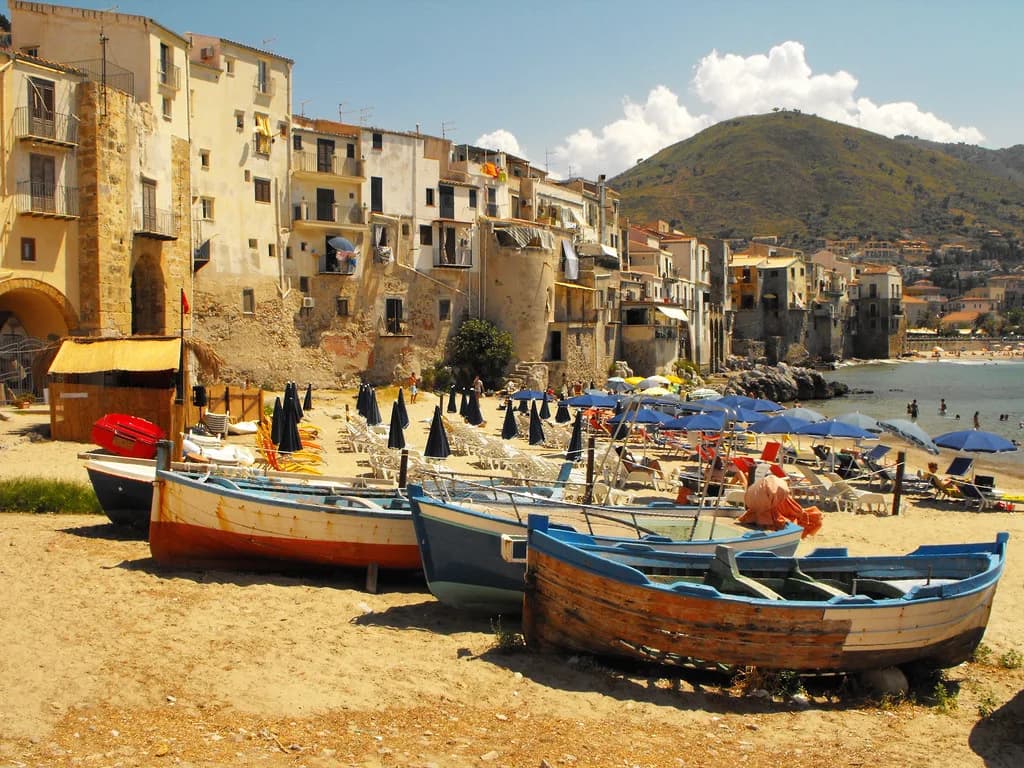
Cefalù compresses a lot into a short stretch of coast: a walled old town, a cathedral square, a beach that opens onto fishing boats and balconies, and a crag with castle ruins above it all. Because the town is compact, visitor numbers show up quickly in the lanes, on the sand and in the queue for the climb, so the date you pick and the hour you start matter more than any single sight.
This guide treats crowd avoidance as a sequence of decisions rather than one magic month. Choose the season first, then the time of day, then the order in which you walk the old town and the beach; the advice on shoulder months is a reader-tested opinion rather than an official tourism ruling, and anything official, such as cathedral access or transit schedules, should always be confirmed before you go.
Why Timing Decides Your Cefalù Experience
Cefalù is a working town of modest size that absorbs a large seasonal influx of day visitors, and the historic centre is small enough that arrivals stack up visibly in the main square and along the lanes. A traveller writing after a two-night stay noted that the town's numbers swell in summer and named the shoulder seasons as the better window when beach crowds thin while shops and restaurants stay open.
The practical takeaway is that Cefalù rewards people who arrive before the coaches and leave after the midday heat breaks. If you only have one clear day, the hidden gems in Cefalù sequence rewards a slow loop through side streets around the core sights rather than a single dash between the cathedral and the beach.
Shoulder Seasons First: May–June and September–October
Two independent account puts late spring and early autumn at the top of the list: May, June, September and October combine warm, mostly dry weather with swimmable sea and fewer people on the sand. The same reasoning appears in a Palermo day-trip guide, which flags April to May and September to October as the months when beach crowds thin out while shops and restaurants remain open.
Treat these months as a recommendation and not a guarantee. Local festivals can briefly fill the town in any season, so check event listings before locking dates, and note that sea temperatures in May are gentler than in late June if swimming is a priority.
What Summer Really Looks Like: Heat, Humidity and Peak Beach Demand
July and August bring the combination that undoes most sightseeing plans: high heat and humidity make midday walking unpleasant, and the beach fills with holidaying Italians and international visitors at the same time. The same account that praises the shoulder months warns that the island gets uncomfortably hot in July and August, which pushes many people off the streets and onto the sand precisely when the sand is busiest.
If summer is your only option, invert the day. Start at first light in the old town, take the La Rocca climb early, rest through the hottest hours, and return to the promenade in the evening; the beach Lungomare and Spiaggia stretch is the obvious afternoon-to-evening fallback because it needs no ticket and no reservation.
Spring and Autumn Trade-Offs: Swimmable Sea Versus Open Shops
The edges of the shoulder season are a genuine trade-off rather than a free win. April and late October usually mean thinner crowds and comfortable walking, but the sea can feel bracing and some seasonal businesses wind down; early June and September land closer to the middle, with warmer water and a town still running at full tilt.
Rain is the other variable. Autumn storms can close off the La Rocca path and make stone stairs slippery, so a flexible plan with an indoor backup is worth having. A Cefalù Rainy Day Itinerary can absorb a washout without derailing the trip.
Winter and the Off-Season: Quiet Streets and Fewer Services
Winter is the most genuinely uncrowded version of Cefalù, and arguably the most atmospheric for the old town: lanes empty out, the cathedral square belongs to residents, and the sea views from the promenade are moody rather than postcard-bright. The cost is that some beach clubs and seasonal restaurants close, and the town shifts into a residential rhythm.
Visit Sicily promotes the island across all seasons, and its site is the sensible place to check what is actually running before you commit to a winter date, since winter opening patterns change from year to year and cannot be assumed.
How to Read Crowding by Area: Old Town Lanes, Beach, Promenade
Crowding in Cefalù is not uniform; it pools in three places. The lanes around Piazza del Duomo and the cathedral fill first and empty last, the sandy stretch in front of the old town takes the brunt of the beach crowd, and the promenade is where locals and visitors converge in the evening for the passeggiata, so it is busiest around sunset rather than at midday.
The old harbour and the small cove behind the historic centre, where the classic photograph of the town is taken, are quick stops that reward early or late visits rather than the middle of the day. A self-guided walk Cefalù old town loop lets you move through the lanes at your own pace instead of trailing a group.
Time-of-Day Strategy: Dawn Starts at Piazza del Duomo and the Cathedral
The single most effective crowd tactic in Cefalù is an early start in the cathedral square. Arriving before the tour groups lets you take coffee at a table facing the Norman cathedral in the morning light, and one account specifically recommends getting to the Piazza del Duomo early and visiting the cathedral before the heat and the crowds build.
Note the distinction between standing in the square and entering the cathedral interior. The piazza itself is open space and costs nothing to enjoy, but access to the interior runs on timed, ticketed entry options that have changed over the years, so confirm the current arrangements on the cathedral's own site rather than relying on older trip reports.
Sequencing La Rocca and the Tempio di Diana on a Hot or Busy Day
La Rocca dominates the town and is the one sight where the crowd cost is measured in stairs. The climb follows the Salita Saraceni up through layers of old city walls to the ruins of a Norman castle, and the reward is the best view over the beach and rooftops; doing it first thing, before the sun is high, is the difference between a pleasant hour and a grind.
On the slope below sits the Tempio di Diana, a small Roman-era temple that many visitors skip on the way up. It is a short detour from the main path and a genuinely quieter spot to pause; pair it with the summit climb rather than treating it as a separate outing.
Beach Tactics Without a Paid Lido: Arriving Early and Knowing the Free Stretch
Cefalù's old-town beach is unusual in Sicily for being sandy rather than rocky, and the stretch in front of the historic centre was described in 2024 as free to use with no need to rent a lounger or parasol. That is exactly why it fills up: because entry costs nothing, crowd management on this beach is about timing rather than ticket type. Arrive before mid-morning to claim space and expect the sand to be at its most packed in the early afternoon.
Beach arrangements change from season to season, so treat the free-versus-lido split as something to check on arrival rather than a fixed rule. A short walk along the promenade will show you which sections are set up for rentals and which are open sand.
Day-Tripping from Palermo Versus Staying Over
There are two ways to manage the crowds, and both work. A day trip from Palermo keeps your base in a larger city with more evening options and limits your exposure to Cefalù's peak hours, while staying overnight puts you in the old town before the first trains arrive and after the last ones leave, which is when the lanes are at their quietest.
One point of caution when staying over: many of the large resort hotels with pool photos sit several kilometres outside the historic centre. Check the map carefully, because a base outside town changes how crowded your visit feels and adds a daily drive or bus ride into the mix.
Parking and Arrival Friction as a Hidden Crowd Cost
Driving in turns crowd pressure into parking pressure. The advice from a spent-10-days-in-the-centre visitor is blunt: forget parking near the old town and look for a space in the newer part of town, then walk in; check the payment rules and signage wherever you do manage to park.
Trains sidestep that entirely, but the station sits uphill from the beach, and the walk down into town takes around ten minutes on foot. Factor that into an early start, and keep luggage light if you are arriving with bags before check-in.
Access Reality Check: Stairs, Slopes and Hot Stone
La Rocca is a real climb, not a viewpoint with a lift: the route climbs through several bands of old walls, and sturdy shoes and water are the minimum kit. Older visitors and anyone with knee trouble should judge honestly whether the summit is worth it, because the descent is harder on the joints than the ascent.
The town itself is walkable end to end, and the old-town lanes are short enough that a slow loop with plenty of café stops works better than a checklist. Build in a bench or a granita every twenty minutes during hot months.
A Quiet-Leaning Day Plan for a Shoulder-Season Visit
A sensible shoulder-season day starts before the first tour buses: coffee in the cathedral square, a look inside if your timed entry allows, then the La Rocca climb before the heat peaks. Descend via the Tempio di Diana, take lunch in the old town, rest through the early afternoon, and finish on the beach and promenade as the light softens.
The whole loop fits comfortably into a single unhurried day if you resist adding sights, which is precisely the point: in a compact town, fewer stops means more time in the quiet gaps between the crowds.
Where to Eat and Stay to Keep Your Day Low-Friction
For a light stop, an aperitivo table in a small piazza just off the main lane lets you watch the town go by without committing to a full meal; for a slower lunch or dinner, a family-run trattoria in the old town is a good use of the quiet hours between two and five. Check menus in advance in the shoulder season, since some places close on rotation.
For accommodation, an old-town base is worth the premium if the early-morning quiet matters to you. Read the address rather than the photo: a hotel described as being in Cefalù may sit outside the historic core.
Plan Your Visit
Cefalù rewards flexibility more than optimisation. Pick late spring or early autumn if you can, start early wherever you go, treat the beach as a morning or late-afternoon stop rather than a midday one, and let the old-town lanes and the cathedral square fill the hours between.
Then verify the pieces that change: cathedral access arrangements, La Rocca conditions, transit times and any local events, all of which belong on official pages rather than in older trip reports. With the season and the hour settled, the rest of Cefalù is simply a matter of walking.
Frequently Asked Questions
What months are best for avoiding crowds in Cefalù?
Late spring and early autumn sit at the top of most accounts, with May, June, September and October combining warm weather, swimmable sea and thinner crowds. April and late October are quieter still, but the sea can be brisker and some seasonal businesses may be winding down.
Is July or August too hot and crowded for sightseeing?
It is workable if you invert the day. Start at first light, do the La Rocca climb early, and rest indoors through the heat and humidity of midday. Expect the beach in front of the old town to be at its busiest from late morning onward.
What time of day should I visit the cathedral and La Rocca?
Aim for the cathedral square before the tour groups arrive, then climb La Rocca first thing before the sun is high. Both depend on current opening arrangements, so check the cathedral's own site and local conditions on the day rather than relying on older trip reports.
Can I visit Cefalù as a day trip from Palermo instead of staying?
Yes, and it is a legitimate strategy rather than a compromise: a day trip limits your exposure to peak hours while keeping a larger city as your base for the evening. Staying overnight gives you the lanes at their quietest, before the first arrivals and after the last departures.
Is the beach in Cefalù free to use?
The stretch in front of the historic centre has been described as free to use, with no need for a rented lounger. Set-ups change between seasons, so walk the promenade on arrival to see which sections are free sand and which are operated lidos.
Is Cefalù worth visiting in winter?
Winter is the most genuinely quiet version of the town, which suits anyone who wants the lanes and cathedral square to themselves. Expect some beach clubs and seasonal restaurants to be closed; check current opening status through the official regional tourism site before you commit to dates.
Sources
Continue exploring
More guides you'll find useful