One Day in Cefalù: A Realistic Walking Itinerary
Plan one day in Cefalù with a compact walking route: cathedral and old town in the morning, beach at midday, La Rocca or a museum, then the old harbour at dusk.
On this page
Cefalù rewards a single unhurried day because the historic centre is compact enough to cover on foot. A suggested pace, not an official schedule, is roughly eight hours on the ground: a couple of hours in the morning around the cathedral, a couple at the beach, a couple for an afternoon climb or a museum, and the rest drifting toward the harbour at dusk. The real decision is the afternoon, where hiking La Rocca and visiting the Mandralisca museum pull in different directions.
This route stays inside town and treats nearby excursions as optional add-ons rather than part of the day itself. Travel blogs describe Cefalù as small and walkable, and the historic centre as closed to through traffic. Those two facts shape everything below: you park once, walk everywhere, and skip anything that risks eating a whole afternoon in transit.
Orientation: Small Enough to Sequence Carefully
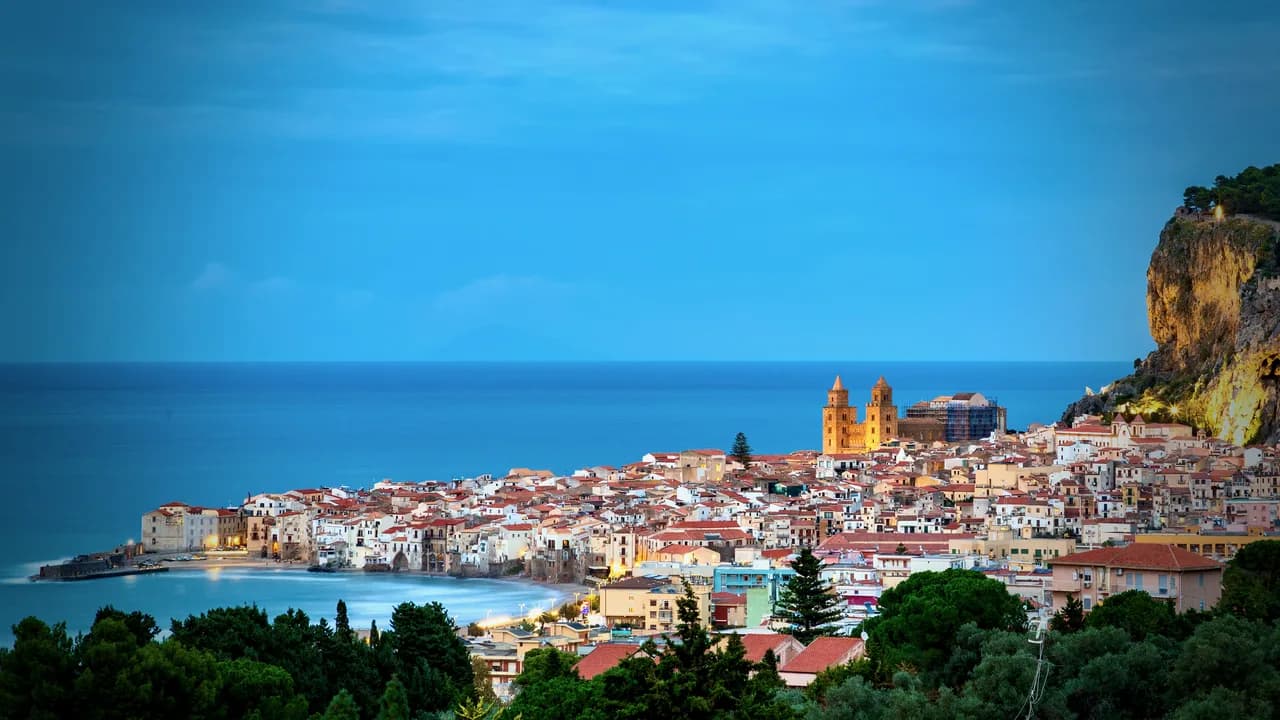
The old town sits on a promontory beneath the rock that gives the town its shape, with the cathedral square as its living room and a long crescent beach wrapping around the bay. Because the sights cluster within a few streets, the main planning question is not distance but order: which stops deserve your freshest energy and which can carry the hottest hours. Put the cathedral and shaded lanes before lunch, the water in the middle, and the climb or museum once the sun softens.
One logistical trap catches drivers: the historic centre is closed to traffic, so you leave the car at the edge and finish the day on foot. Local guides suggest parking along the seafront road or in a larger car park nearby, which keeps the beach and centre both reachable without moving the car again. Check current parking signs and payment machines on arrival rather than relying on rates quoted in older blog posts.
If you want more structure in the old town itself, pair this plan with a self-guided walk Cefalù old town route so the alleys and stairways have a purpose rather than becoming aimless loops. Keep the loop short in the morning and leave the rest of the day free. The city's own portal is the place to confirm any temporary works, road changes or public notices that might affect the centre on your date.
Morning: Piazza Duomo and the Arab-Norman Cathedral
Start at Piazza Duomo, where the cathedral's twin towers and mountain backdrop frame the square. Built from 1131 and recognised by UNESCO as part of the Arab-Norman itinerary, the church blends Norman, Byzantine and Islamic elements, and its interior mosaics include the celebrated Cristo Pantocratore. Go early, both for cooler air and for the pleasure of a nearly empty square before the café tables fill.
Whether you can wander the whole interior or only part of it depends on access rules that change with services and restoration work, and the sources here do not settle current conditions. The practical answer is to ask at the entrance or check notices in the square that morning, then plan your old-town wander around whatever time you are allowed inside. Do not count on a specific interior ticket or museum combination unless you have confirmed it locally.
From the square, follow Corso Ruggero, the town's main pedestrian spine, and let yourself drift into side lanes toward the Lavatoio. This medieval washhouse, carved out of volcanic rock and fed by the Cefalino river, stayed in practical use into the twentieth century, and the descent through its stone staircase offers a cool, quiet counterpoint to the bright square above. It takes minutes rather than an hour, which matters when the beach is still ahead.
Midday: Choosing Between Free Sand and a Lido
The main beach, the Lungomare, is a long crescent of golden sand within a short walk of the old town, with free public stretches alongside private lidos. The honest budget split is simple: choose public sand and pay nothing beyond your towel and umbrella, or pay for a lounger and shade in a lido. Prices and season dates in blog accounts go stale quickly, so ask at the lido desk before committing or check whether your hotel includes beach access.
If crowds on the main beach bother you, quieter alternatives sit just outside the centre, including a pebbled bay a short drive or half-hour walk away and a sandy cove further along the coast. Both involve moving the car or a longer walk, which is why the simple option often wins on a one-day visit. Our Cefalù Attractions hub explains how the main beach sections differ before you pick a spot.
Two hours is enough for a swim, a lie-down and a gelato without letting the afternoon slip away. Treat the beach as a fixed block on the clock rather than an open-ended one, and shower and change before moving on. Anyone visiting in high summer should also treat midday as peak heat and keep the beach block genuinely restful.
Afternoon Decision Point: La Rocca or the Mandralisca Museum
La Rocca is the obvious choice if you want the town's best panorama and do not mind a climb. The short route to the top runs about 3.5 kilometres round trip and is only moderately challenging, passing ruins of a Norman castle and the megalithic Temple of Diana before opening onto views over the rooftops and the Tyrrhenian coast. The gate is monitored and staff are known to turn away visitors in flip-flops, so wear proper shoes and carry water; verify current entry conditions on site rather than trusting older accounts.
Choose the Museo Mandralisca instead if heat, knees or timing argue against the rock. The small private museum holds the eclectic collection of Baron Mandralisca, including the Portrait of an Unknown Man by Antonello da Messina, and a visit fits comfortably inside an hour. Check the museum's own opening days and ticket arrangements before you plan around it, because the evidence here does not guarantee them.
Do not try to force both into one afternoon. The climb consumes more time and energy than it looks, especially in heat, while the museum is short but sits indoors and suits a slower pace. Pick according to the weather and your legs that day, and keep the other option for a return visit rather than sprinting between them.
Late Afternoon: Bastione Views and a Slow Seafront Drift
Whichever afternoon choice you make, close it with the Bastione di Capo Marchiafava, a seventeenth-century fort at the water's edge that offers panoramic views and free access. It is a favourite sunset perch, with musicians sometimes playing in the evening, yet it rarely feels packed. The walk there from the old town is short and level enough that it works as a breather between the afternoon and dinner.
From the Bastione, follow the waterfront toward the Porto Vecchio, the old harbour where a concrete walkway juts into the sea. During golden hour you will find fishermen, swimmers and people simply watching the light change over the bay. It is the best photograph of the day for many visitors, and it costs nothing but the walk.
If the weather turns, swap the outdoor stretch for an indoor plan and keep the cathedral and museum as your anchors. A Cefalù rainy day indoor itinerary covers alternatives without pushing you into a car. That flexibility matters in a town where a single wet afternoon can otherwise feel like a wasted day.
Evening: Piazza Duomo Aperitivo and Dinner
Finish back in Piazza Duomo, where the cafés and trattorias spill into the square beneath the cathedral facade. An aperitivo here is the natural reward for a day on foot, and you can judge the price list at the table rather than trusting blog figures. Book a table if you want one of the front-row seats, and expect the square to be livelier after sunset than at any other hour.
For dinner, look for the local pasta a taianu, traditionally baked in an earthenware pot with aubergine, meat, pine nuts, pecorino and raisins, and now served year-round in trattorias. Seafood is the other obvious order in a former fishing port, and alley restaurants around the centre fill quickly. If you want one more stroll before turning in, the lantern-lit lanes between the square and the harbour are at their best once the day visitors have gone.
Practical Notes: Shoes, Heat and Arrival
Footwear is the single most useful thing to get right. Cobbled lanes, the washhouse stairs and the La Rocca path all punish thin soles, and the climb's gate staff judge your shoes before letting you up. Trainers that grip are enough; sandals are fine for the beach and square but not for the mountain.
On heat, the logic is straightforward: climb or walk in the morning or late afternoon, and keep midday at the water or indoors. Carry water and sun protection even on hazy days, and do not treat the timetable above as fixed. If the forecast is brutal, cut the climb entirely rather than turning the day into a slog.
For arrival, Cefalù's station sits a short walk from the old town, and drivers should plan to park once and stay put. Do not add a Palermo transfer to a one-day itinerary unless Cefalù is your only stop on the coast. The town's official site is the place to check for any advisories affecting the centre or seafront on your date.
Optional Extensions Beyond the Town
With a second day, head uphill to the Sanctuary of Gibilmanna, a Benedictine foundation on the slopes of Pizzo Sant'Angelo roughly a ten-minute drive from town. Alternatively, explore the Madonie park's hilltop villages, including Castelbuono with its castle and manna tradition. None of these belongs in a one-day plan; they are car-dependent and eat a half day each.
If you want a quieter approach to the same coastline, browse the hidden gems in Cefalù collection before you commit to a second day. And if your one day falls in the off season, check the comune's event listings rather than assuming a festival will fill the square; recent October listings have shown no programmed events, and that absence is itself useful information for planning an evening.
How to Make the Day Work
A single day in Cefalù works because the town is small and the plan is disciplined: cathedral and lanes in the cool morning, water at midday, one afternoon ambition rather than two, and the harbour at sunset. The result is a day that feels unhurried without wasting time, and a clear reason to come back for La Rocca or the museum if you skipped it.
Before you go, confirm the details that shift with season and management: cathedral access, museum opening days, La Rocca gate conditions and beach service prices. Check the town's official notices and ask locally rather than trusting quoted figures in older travel posts. Then walk, swim, climb or wander, and let the small scale of the place do the rest.
Frequently Asked Questions
Is one day enough for Cefalù?
Yes, for the historic centre and a beach break. The compact old town, cathedral square and seafront sit within easy walking distance of each other, so a single well-ordered day covers the essentials without rushing. Choose one afternoon activity, either La Rocca or the Mandralisca museum, rather than trying to fit both, and treat any excursion into the Madonie as a separate day.
Should I hike La Rocca or visit the Mandralisca museum with one day?
Hike La Rocca if you want the panorama and have suitable shoes and cooler weather; the climb is short but exposed, and gate staff can refuse unsuitable footwear. Choose the museum if you prefer shade, a shorter visit or the Antonello da Messina portrait. Verify both options' current access and opening arrangements locally, since published details change.
What is the best order to see Cefalù in a day?
Start at Piazza Duomo and the cathedral before the square fills, wander the lanes toward the Lavatoio, then take the beach at midday. Use the afternoon for La Rocca or the museum, and finish at the Bastione di Capo Marchiafava and the old harbour before an aperitivo in the square. This order keeps the hottest hours near the water or indoors.
Can I combine beach time with sightseeing in Cefalù?
Yes. The main Lungomare beach is a short walk from the old town, and free public stretches sit alongside paid lidos, so neither the swim nor the sights requires moving the car. Hold the beach to a fixed two-hour block and leave the rest for the cathedral, lanes and one afternoon activity. Check current lido charges at the desk rather than relying on older blog prices.
Do I need a car for one day in Cefalù?
No. The old town is compact and walkable, and the train station is a short walk from the centre. A car is only useful if you plan to add Gibilmanna, the Madonie villages or quieter beaches outside town, and the historic centre is closed to through traffic. If you drive, park once near the seafront or in a nearby car park and confirm current rates on site.
Sources
Continue exploring
More guides you'll find useful