La Rocca Cefalù: Hiking to the Castle Ruins & Temple of Diana
Plan the climb up La Rocca di Cefalù: where the trail starts, how long the ascent takes, castle ruins, Temple of Diana and what to check before you go.
On this page
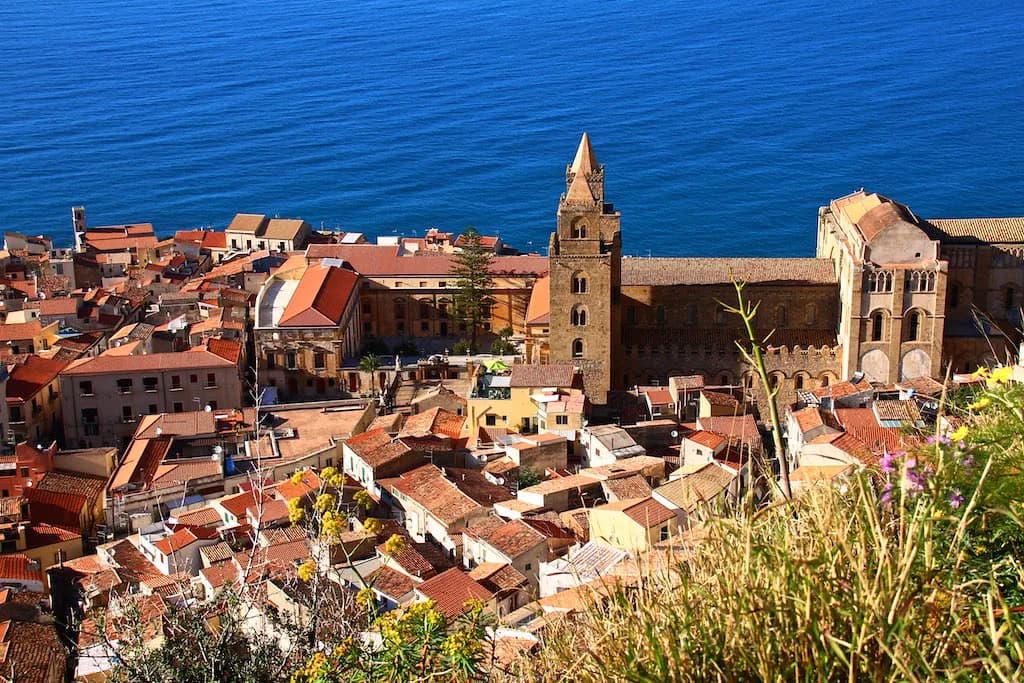
La Rocca rises straight behind Cefalù's old town, a pale limestone cliff roughly 268 metres above the Tyrrhenian Sea with a Norman castle and a much older megalithic temple on top. The walk up is short but genuinely steep, and it delivers the view that makes the town make sense: red roofs packed between the sea and the rock. It suits anyone comfortable on stairs and gravel for an hour or so, not only serious hikers.
Treat the climb as a half-day outing with a fixed finish rather than a wander. The site closes, entry is logged, and you are expected back down before the gate shuts, so how late you start matters as much as how fit you are. Everything else, from the exact fee to the season's hours, is best confirmed with the Comune di Cefalù shortly before you go. For the wider picture of what else to see here, start with our Cefalù Attractions hub.
Where the La Rocca Trail Starts
The path begins at the Parco della Rocca di Cefalù, near Salita Saraceni, a short uphill walk from the old town and Corso Ruggero. If you arrive by train, the trailhead is a reported ten minutes or so on foot, under 700 metres, which makes the climb easy to do without a car. Signage around the lower lanes points you toward the entrance, but the approach streets already climb, so count them as part of the effort.
Because the start sits inside the built-up centre, this is not a wilderness hike; you begin among houses and steps before the path turns to gravel. That also means you can combine it with a morning in town without any transport logistics. Allow for the fact that the walk to the gate is itself uphill and takes longer than the map suggests.
Check Hours, Fees and Entry Rules Before You Set Out
Opening hours and any entrance charge are the two things to verify rather than assume. Visitor reports describe a ticket machine at the entrance and a fee to climb, but amounts and times change and blog posts age, so confirm the current arrangement with the Comune di Cefalù before relying on it. The municipal events and notices pages are also where any temporary closure would appear.
Payment method is worth a moment's planning. One visitor found the machine wanted card but only cash worked on the day and no change was given, so carry a little cash as a backup and do not assume a card will be accepted. Ask at the gate if the machine is out of order, and keep any receipt. Further visitor details appear in What we learned about visiting La Rocca di Cefalù - Magnets On The Fridge.
Do not assume one ticket covers every part of the hill; the packet gives no verified statement that the castle and the archaeological zone share a single admission. If you plan to visit both, ask at the entrance what your ticket includes. The same visit can also be checked against regional tourism listings, though those pages rarely list gate times for a single site.
Expect your entry to be recorded. Visitors have described being written into a notebook at the gate and crossed off on the way down, which is a simple safety check that also fixes your deadline. That is the practical reason to note the closing time at the start of the climb rather than at the top.
Parking and the ZTL Reality
Driving into Cefalù's centre means meeting a limited-traffic zone, so the calm option is to park outside it and walk. One visitor used the station-area car park on Via Aldo Moro and paid a small hourly rate, reporting it as the low-stress choice over street parking. Rates and machine rules can change, so read the signs on arrival.
From the station area, both the trailhead and the old town are within easy walking distance, which saves you from worrying about ZTL cameras while you are up on the rock. If you are staying in the centre, leave the car where you parked it for the day and do the climb on foot.
The Climb: Stairs, Gravel and Roughly 200 Metres of Ascent
The route starts as steps through the lower slopes and then becomes a zig-zagging gravel path up the face of the rock. One visitor reports about 200 metres of climbing from the start of the trail and roughly 45 minutes to reach the castle, with the streets before the gate adding height of their own. Treat that as one person's pace, not an official figure, and add time for heat and photos.
The cliff itself tops out around 268 metres above sea level, a figure that describes the rock rather than your total ascent. Hiking sources rate the climb as moderate but not technical, so fitness matters more than gear. If you are unsure of your pace, start earlier than you think you need to.
Footwear and Safety on the Rock
Wear shoes with grip. A no-sandal notice has been reported at the entrance, and at least one visitor says people were turned away for wearing flip-flops, so trainers or light hiking shoes are the sensible choice. The gravel is loose in places and would be slippery after rain; check the forecast before committing.
Take water and sun protection, since the climb is exposed and much of the path has no shade. Keep to marked routes and do not stray onto the rough slopes. If you have knee trouble, plan to descend slowly, because the gravel section can be harder going down than up.
Two Destinations at the Top: Norman Castle and Temple of Diana
At the top the path forks, and the two destinations are different experiences. The Norman castle occupies the summit with crenellated walls and the best outlook, while the archaeological area holds the megalithic Temple of Diana and offers picnic tables where you can rest. Signs at the junction are reported to be clear, and you can move between the two rather than choosing only one.
Which to see first is a real decision. Visitors who have done it suggest climbing to the castle first and taking the steeper ruin path on the descent, which puts the looser, sharper descent at the end when you are warmed up. If you would rather save the castle outlook for a rest at the top, do the reverse, but keep an eye on the closing time either way.
Views, Timing and Crowds
The summit gives you the postcard of Cefalù: the tiled roofs of the old town, the cathedral's twin towers and the Tyrrhenian Sea beyond. There is also a large cross on the cliff edge that is visible from the town below. Views depend on the weather, so plan the climb for a clear morning rather than a hazy afternoon.
Hiking tips from other walkers recommend setting off in the morning, and one notes the site is busiest in the summer months. To stack the odds in your favour, read our guide to the best time to visit Cefalù avoiding crowds and choose a shoulder-season day. Early starts also leave a comfortable margin before closing.
Descending Before Closing
Build a buffer of at least an hour, ideally more, for the descent and the wait at the gate. One visitor advises arriving two to three hours before closing so you are not rushed, which is sensible for the gravel zig-zags. If you arrive late in the afternoon, ask at the gate whether you have enough time before starting up.
What to Bring
Pack light but pack properly: water, a hat, sunscreen and shoes with tread. Carry a little cash in case the ticket machine is not taking cards, and bring a snack if you plan to use the picnic tables at the archaeological area. A light layer helps on a breezy summit even in warm weather.
For the rest of the day, shower and change before wandering the old town; the climb leaves dust and sweat. Keep the afternoon loose rather than booking something timed immediately after your descent. If you have only a short stay, our one day in Cefalù itinerary shows how to fit the climb around the cathedral and the seafront.
Sensible Pairings for the Rest of the Day
La Rocca is best paired with the old town on foot. The cathedral and the lanes around Corso Ruggero are close to the trailhead, and the seafront is a short stroll further. Our Cefalù Cathedral visitor guide and beach Lungomare and Spiaggia notes help you plan a gentle afternoon after the climb.
If you have a taste for quieter corners after the busy summit, our hidden gems in Cefalù guide points to streets and viewpoints that reward slow wandering. Combine those with an evening meal in town and the day feels complete without another long walk.
Plan Your Climb
La Rocca rewards a little planning rather than much gear: confirm the current hours and any fee with the Comune, carry a bit of cash, wear proper shoes and start early enough to be down before closing. Then the climb is simply stairs, gravel and a superb view.
Once you know the gate times, this is one of the easiest half-days in Sicily to slot into a trip, done entirely on foot from the centre. Treat it as the morning's activity and leave the afternoon free for the sea.
Frequently Asked Questions
Where does the La Rocca di Cefalù hike start?
The trail begins at the Parco della Rocca di Cefalù, near Salita Saraceni above the old town, a short uphill walk from Corso Ruggero. From the train station it is roughly ten minutes on foot, though the approach streets already climb.
How long does it take to climb La Rocca di Cefalù?
One visitor reports about 45 minutes to reach the castle, with roughly 200 metres of ascent from the start of the trail. That is a personal pace rather than an official figure, so add time for heat, photos and the walk up to the gate.
Is there an entrance fee for La Rocca di Cefalù?
Visitors have reported paying a fee at a machine at the entrance, but amounts and payment methods can change. Confirm the current arrangement with the Comune before you go, and carry a little cash as a backup.
What are the opening hours for La Rocca di Cefalù?
Opening times are not reliably published for visitors, and the season affects them. Check with the Comune di Cefalù or ask at the gate, and plan to arrive at least two to three hours before closing so you can descend in time.
Can you visit both the castle ruins and the Temple of Diana?
Yes, the paths split near the top and you can move between the Norman castle and the archaeological area with the Temple of Diana. Signs at the junction are clear, and visitors suggest doing the castle first and the steeper ruin path on the way down.
Is the La Rocca hike difficult?
It is short but steep, with stairs turning into loose gravel zig-zags. Hiking sources rate it moderate and not technical, so reasonable fitness and steady footing are enough as long as you allow time.
Do you need special shoes for the climb?
You do not need technical hiking boots, but wear shoes with grip. A no-sandal notice has been reported at the entrance and visitors say people were turned away for wearing flip-flops, so trainers are the minimum.
Where should you park for the La Rocca hike?
The centre has a limited-traffic zone, so park outside it and walk. One visitor used the station-area car park on Via Aldo Moro and found it the low-stress option; check the signs on arrival for current rates and rules.
Sources
Continue exploring
More guides you'll find useful