Tallinn Neighborhoods Guide: Where to Stay, Eat, and Explore in 2026
Compare Tallinn's neighborhoods for 2026, from Old Town to Kalamaja, Rotermann, and Noblessner, with pros, cons, and where to base your stay.
On this page
Tallinn Neighborhoods Guide: Where to Stay, Eat, and Explore
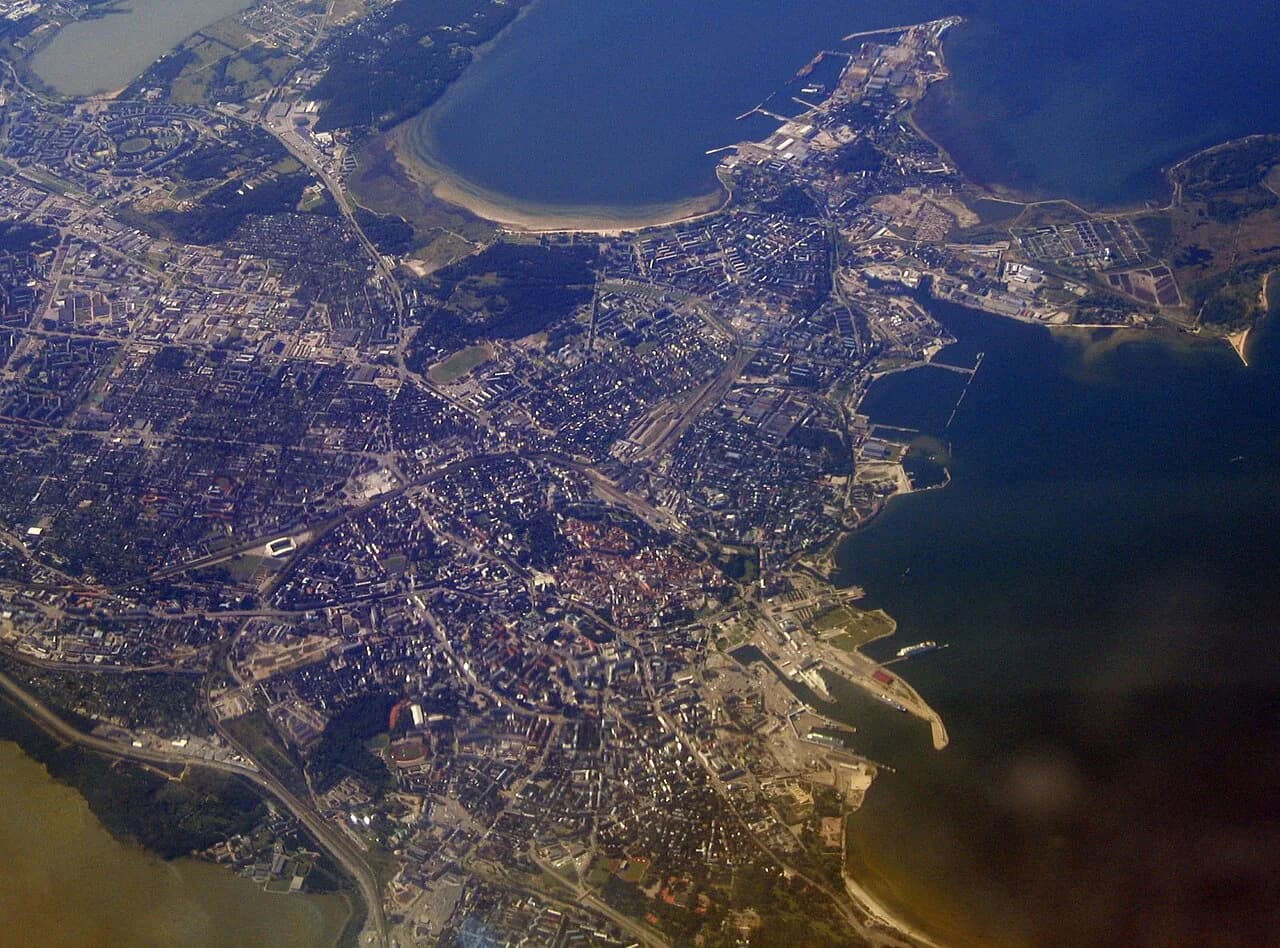
Last updated July 2026, this tallinn neighborhoods guide breaks down where to base yourself beyond Vanalinn's city walls. Tallinn's compact core puts Kalamaja's wooden cottages, Rotermann's glass towers, and Noblessner's harbor cranes within a short tram ride of each other. Picking the wrong base means doubling back across town, so pair the comparison table below with deeper picks in 8 Hidden Gems in Tallinn Beyond the Old Town (2026 Guide).
Tallinn Neighborhoods Guide: Quick Comparison by Travel Style
Each Tallinn neighborhood suits a different kind of trip. Compare pros, cons, and best-fit travel style before choosing a base for your stay.
| Neighborhood | Best For | Pros | Cons |
|---|---|---|---|
| Vanalinn (Old Town) | First-time visitors | Walkable to every major sight; centuries-old limestone architecture | Crowded midday; highest food and lodging prices; rough cobblestones |
| Kalamaja & Telliskivi | Creative energy and cafes | Wooden cottages, street art, weekend markets | Few traditional hotels; some venues require weekend reservations |
| Rotermann Quarter | Modern design and dining | Central location, restored industrial architecture, brunch and design shops | Feels modern rather than historic; can get loud at night |
| Kadriorg | Families and green space | Palace grounds, parkland, quiet residential streets | Longer walk or tram ride to the nightlife districts |
| Noblessner | Waterfront views | Converted shipyard architecture, sea views, breweries | Exposed to wind off the Gulf of Finland; premium pricing |
Vanalinn (Old Town): Tallinn's Medieval Core
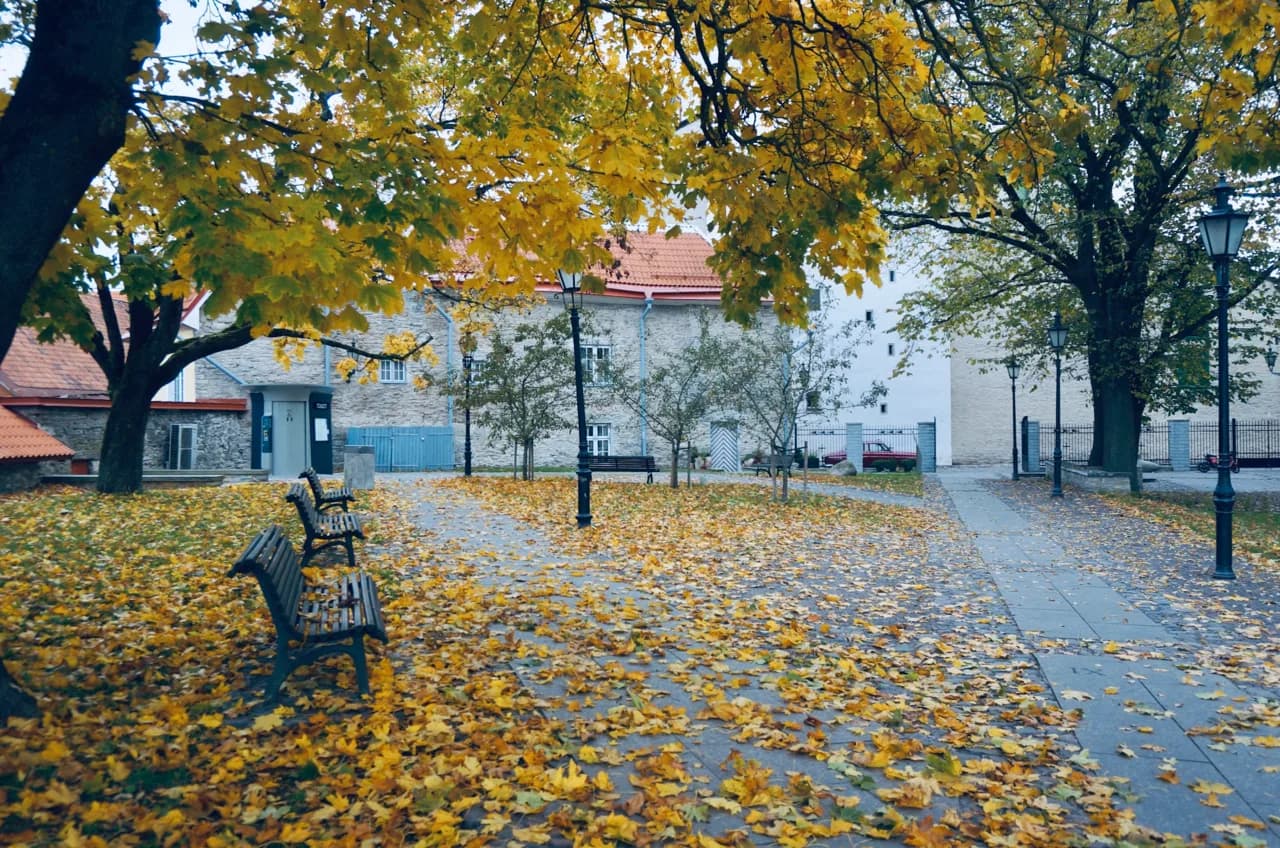
Vanalinn splits into two levels: Toompea Hill's Upper Town, home to government buildings and church spires, and the Lower Town's merchant streets around Town Hall Square. The district holds UNESCO World Heritage status, and its limestone city walls remain intact around most of the core. Toompea's viewing platforms look out over the Lower Town's rooftops and the harbor beyond. The Alexander Nevsky Cathedral's onion domes stand out as the district's one Russian Orthodox landmark among the surrounding church spires. Stay here if proximity matters more than price. Every major sight is an easy walk from your door, including Kiek in de Kök and the cathedral itself. Skip it if you want quieter evenings instead. Bars near Viru Gate stay loud late, cobblestones are rough on wheeled luggage, and food and lodging cost more here than anywhere else in the city. For a broader list of things to do here, see unique things to do in Tallinn.
Kalamaja and Telliskivi: Tallinn's Creative Quarter
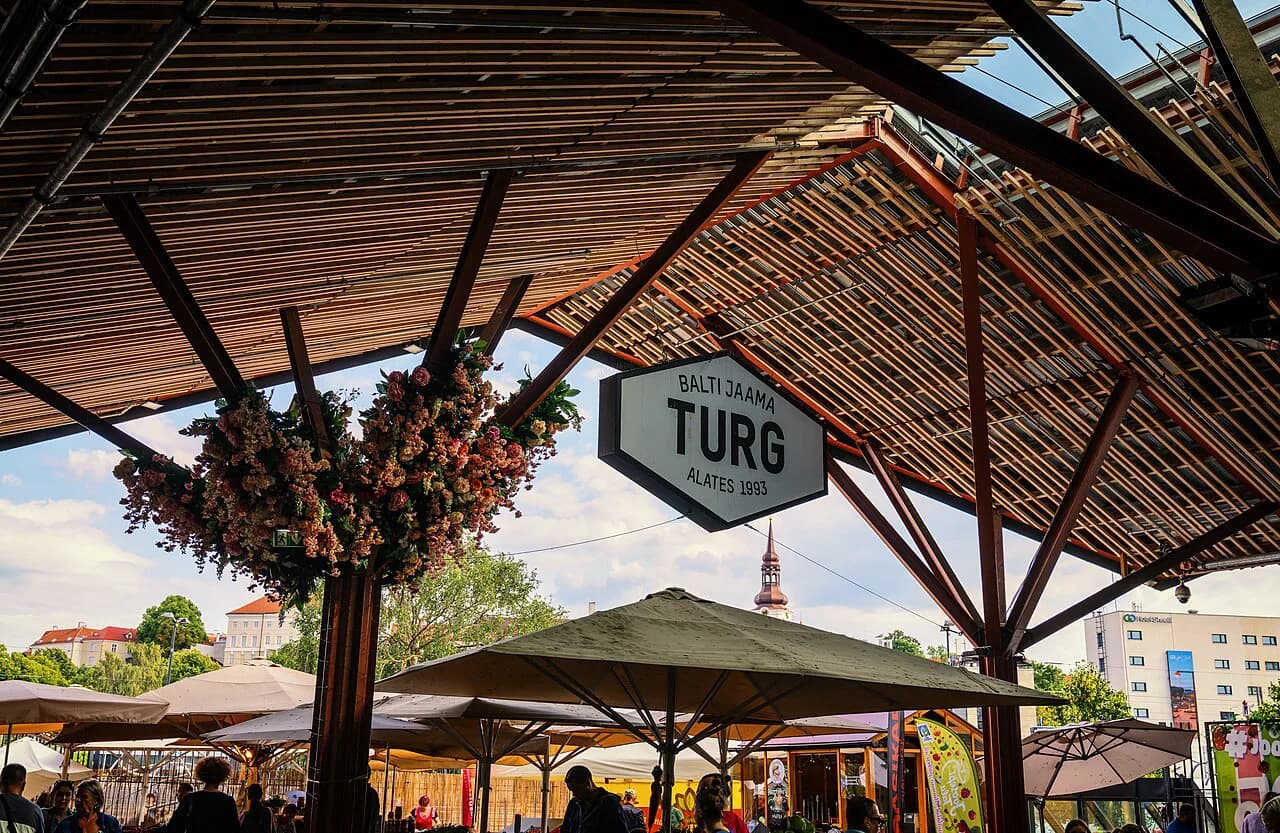
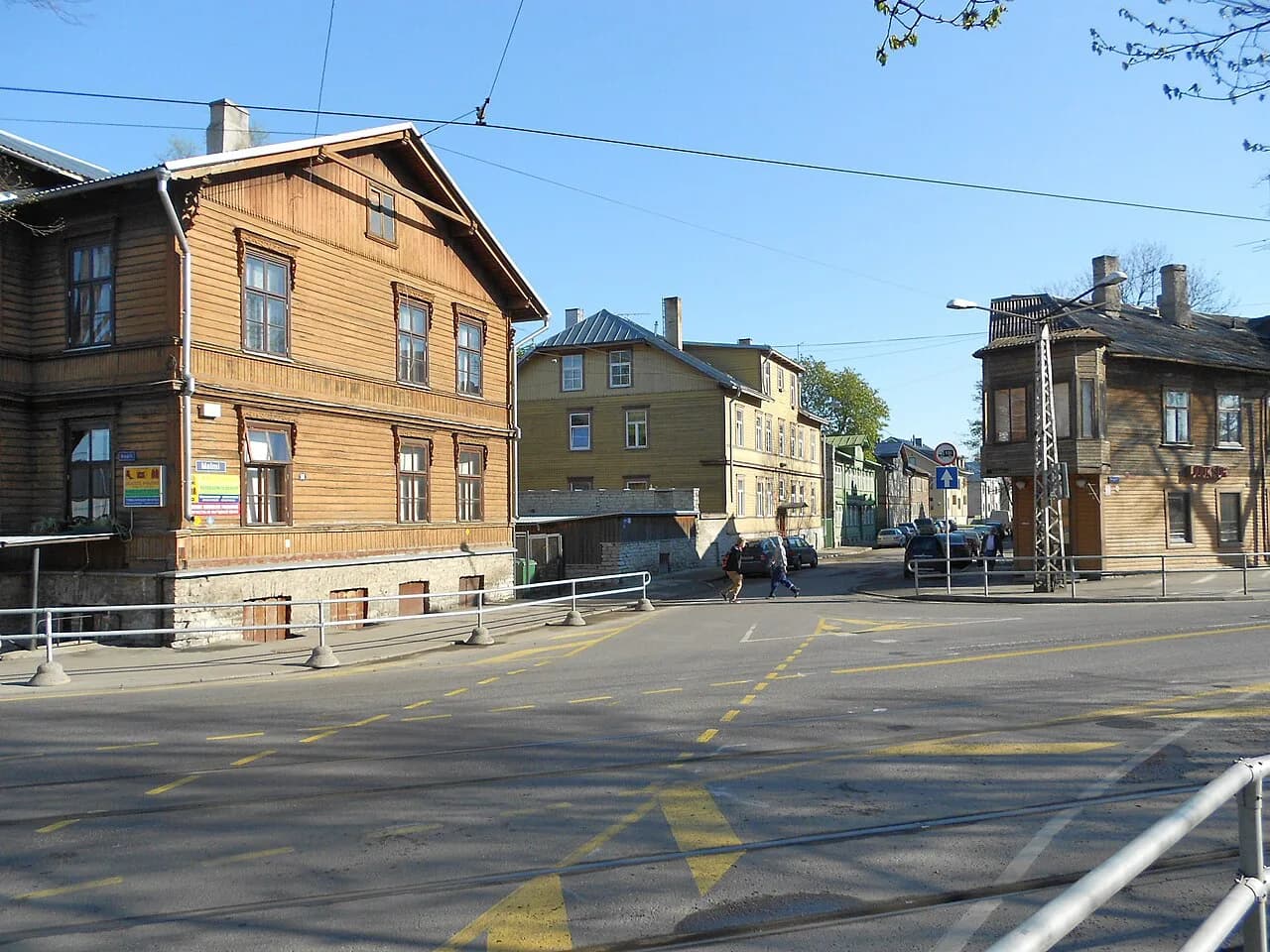
Kalamaja grew up as a fishing and working-class district, and its wooden cottages from before World War II still line many of its streets. The Seaplane Harbour hangars now hold a maritime museum near the water, and cafes have replaced most of the old workshops nearby. Telliskivi sits inside Kalamaja and reuses a former railway-factory complex as a creative quarter, with Fotografiska's photography exhibits, design shops, and murals throughout the grounds. Weekend visits need planning. Several Telliskivi restaurants and bars take reservations only, and Saturday mornings draw the biggest crowds to Balti Jaama Turg, the market next to the train station. Stay in Kalamaja for a local feel with an easy tram ride into Vanalinn. Skip it if you want a traditional hotel, since most stays here are apartments rather than hotel rooms. For neighborhood specifics, see the Kalamaja guide. Its dedicated Telliskivi Creative City guide covers the factory complex in more depth. Vendor picks are covered in the Balti Jaama Turg market guide.
Kalamaja apartment stays run at similar or slightly lower rates than Vanalinn's typical €50-60 guesthouse price for two. The neighborhood trade-off is apartments rather than traditional hotels with daily service.
Rotermann Quarter: Industrial Design and Shopping
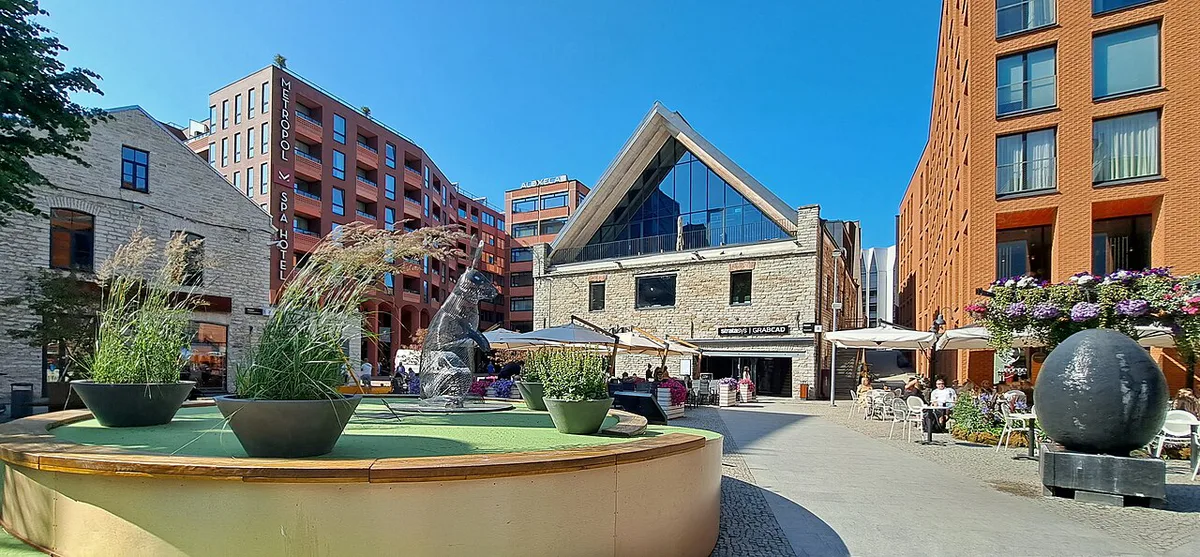
Rotermann Quarter sits between Vanalinn, the harbor, and Viru Square, built from 19th- and 20th-century factory buildings restored alongside new glass towers. The Museum of Estonian Architecture occupies one of the old warehouses, and restored brick facades now house design stores and offices instead of grain and salt. Expect a dining-first visit. The quarter concentrates brunch spots, wine bars, and bakeries into a few walkable blocks, though the atmosphere reads as modern rather than centuries-old. Stay here for central, high-design comfort with easy walks to both Vanalinn and the port. Skip it if you're chasing an old-world atmosphere, since Rotermann's architecture is deliberately contemporary. For a fuller neighborhood breakdown, see the Rotermann Quarter guide. Dining picks across the city are rounded up in local restaurant picks. Broader food context sits in the Tallinn food guide.
Noblessner and Patarei: Tallinn's Waterfront Redevelopment
Noblessner takes its name from the submarine shipyard that once operated on this stretch of the Gulf of Finland coast, now redeveloped into a waterfront district of restaurants, breweries, and apartment blocks. Iglupark, a cluster of dome-shaped guest pods by the water, ranks among the more unusual places to sleep in the area. Patarei Sea Fortress stands a short walk along the coast. Parts of the fortress remain under renovation as of 2026, so check current opening hours before planning a visit. Stay in Noblessner for open sea views and a newer, design-forward feel. Skip it if wind bothers you, since the waterfront offers little shelter and evenings turn cold even in summer. Full coverage of both areas sits in the Noblessner guide. The fortress itself gets its own writeup in the Patarei Sea Fortress guide.
Kadriorg and Pirita: Palaces, Parks, and the Beach
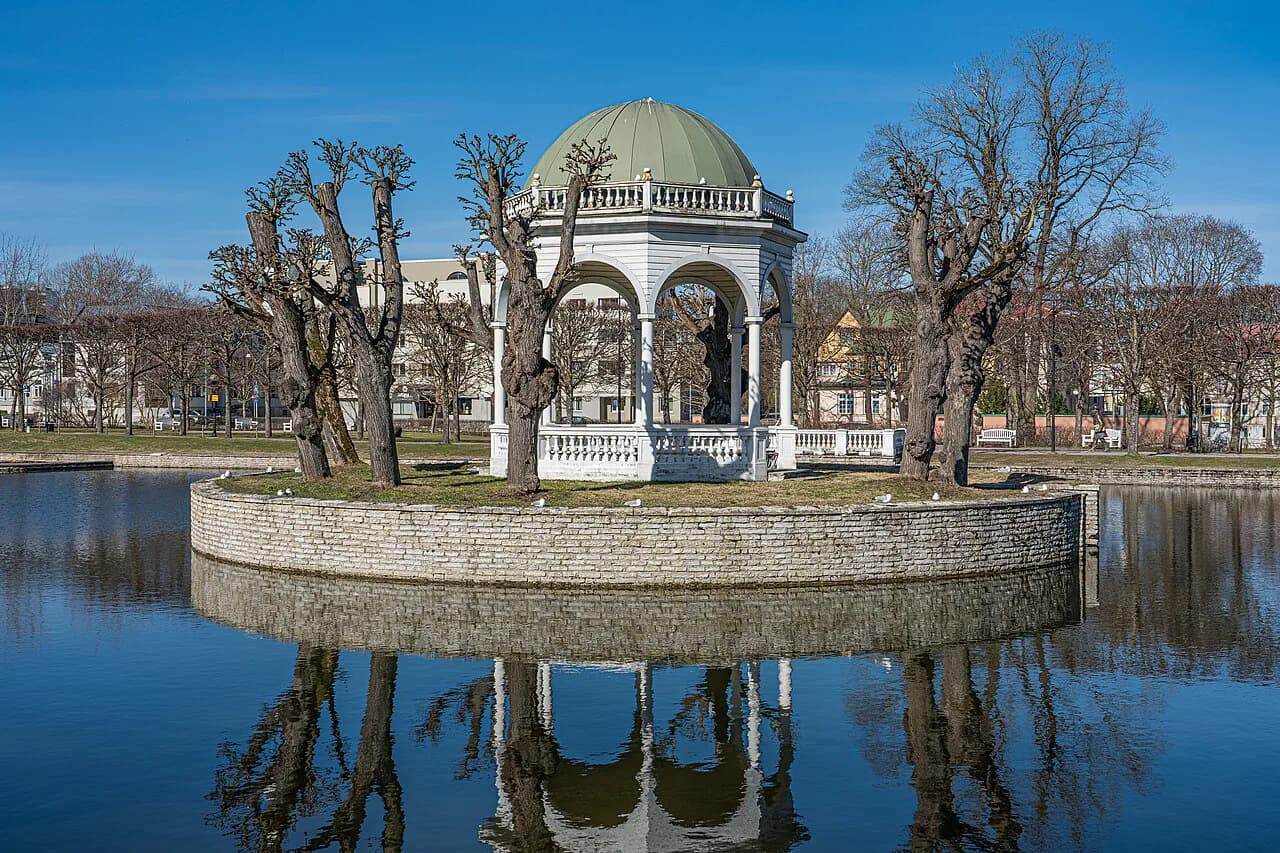
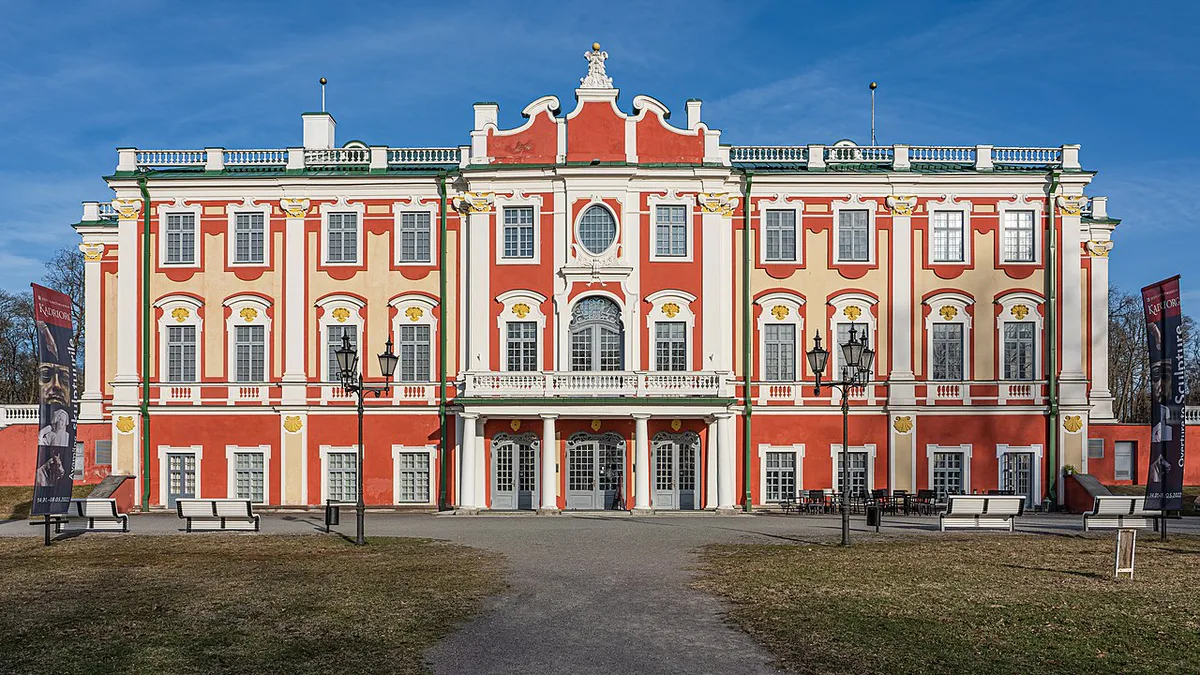
Kadriorg centers on Kadriorg Palace and the parkland surrounding it, the most distinctly imperial corner of the city. Families gravitate here for the palace gardens and open lawns, a change of pace from the center's crowds. Pirita continues along the coast beyond Kadriorg, where the beach, yacht harbor, and the ruined walls of St. Bridget's Convent draw joggers, sailors, and day-trippers. Stay in this pair for nature and space over nightlife. Skip it if a longer tram ride back to Vanalinn's restaurants after dark doesn't suit your plans. The Kadriorg guide covers the palace grounds in more detail. Pirita's own writeup covers the beach and convent ruins in the Pirita guide.
Getting Between Tallinn's Neighborhoods
Tallinn's trams and buses accept tap-to-pay with a contactless bank card, so most visitors never need to queue for a paper ticket. A newer tram line connects the port area to the city center, useful if your base sits near Noblessner or Kalamaja and your route runs through Sadama. Confirm current tram routing before you go, since sections of track see periodic construction and rerouting. Inside Vanalinn, plan on covering ground on foot; the district's tight, cobbled streets make a scooter slower than walking anyway. Save scooters for flatter stretches, like the route between Rotermann and the port. Linnahall sits along that same walk, a Soviet-era concert hall built for the 1980 Moscow Olympics with a roof you can still climb for harbor views. A Tallinn Card bundles public transport with museum and attraction entry. It costs more than single tram fares, so check its current price and included sights on the official site before deciding if your itinerary earns back the cost.
Tram 4 directly links the airport to central neighborhoods like Vanalinn and Kalamaja, but confirm route availability before relying on it, since track construction periodically alters connections across the city.
Planning Your Stay: Budget and Timing by Neighborhood
Vanalinn sets the upper end of the price range. A small guesthouse there can run roughly €50-60 a night for two, and mid-range hotels cost more than that. Kalamaja and Telliskivi lean toward private apartments rather than hotels, often at a similar or slightly lower nightly rate. Rotermann and the city center sit closer to the business-traveler price tier, while Kadriorg and Noblessner add a premium for park views or waterfront position. The table below compares relative price tiers across these districts. Budget more time than a weekend. Three or more days let you cover Vanalinn plus at least two outer districts without rushing, and timing that trip around the best time to visit Tallinn without crowds keeps both the Old Town and Telliskivi's cafes manageable. Not every stop costs money. The free things to do guide covers parks, viewpoints, and markets that don't need a ticket. If your schedule stretches past four days, the day trips from Tallinn guide covers routes beyond the city.
| Neighborhood | Typical Lodging | Relative Price Tier |
|---|---|---|
| Vanalinn | Boutique hotels, guesthouses | Highest |
| Kalamaja & Telliskivi | Private apartments | Mid, apartment-dependent |
| Rotermann & city center | Business hotels, aparthotels | Mid to high |
| Kadriorg & Noblessner | Boutique hotels, design stays | Mid to high, view-dependent |
Common Mistakes When Choosing Where to Stay in Tallinn
A few planning slips repeat across Tallinn trip reports and travel forums. Avoid these before you book.
- Staying only in Vanalinn and skipping the districts beyond the walls. Kalamaja's cottages and Noblessner's shipyard architecture sit entirely outside the medieval core.
- Underestimating wind chill on the Noblessner waterfront. The open coastline there feels colder than sheltered inland streets, even in summer.
- Showing up at Telliskivi restaurants without a reservation on weekends. Several venues fill early on Friday and Saturday nights.
- Booking a rental car for a Vanalinn stay. Narrow, cobbled one-way streets and limited parking make walking or the tram the faster option.
- Assuming every neighborhood has late-night dining. Kadriorg and Pirita quiet down early, so plan dinner in Vanalinn, Kalamaja, or Rotermann instead.
- Sticking to famous landmarks only. The Secret Spots in Tallinn: Hidden Gems Beyond the Old Town (2026 Guide) guide lists routes locals actually use.
- Skipping side streets entirely. The off the beaten path guide covers spots most itineraries miss.
Uus Maailm: A Residential Base for Longer Stays
Uus Maailm suits travelers who want an apartment base without Kalamaja’s weekend crowds or Vanalinn’s visitor traffic. Its name means “New World,” although many streets retain early 20th-century wooden houses and quiet courtyards.
The neighborhood sits southwest of the Old Town within Tallinn’s central Kesklinn district. Koidu and Luha streets reveal its residential character, while Koidu Park provides a playground and useful green space for families. Cafes and small groceries serve residents rather than tour groups.
Choose accommodation near Pärnu maantee for convenient trams and buses toward Viru Square and the Old Town. Staying closer to Tehnika Street gives easier access to Kristiine Centre and Tallinn’s railway corridor. Most major sights remain reachable without a rental car.
Stay here for a quieter week-long visit, especially if you need a kitchen or nearby everyday services. Skip it for medieval views, waterfront scenery, or nightlife immediately outside your door. Evening dining choices are more limited than in Telliskivi, Rotermann, or Vanalinn.
Frequently Asked Questions
Which Tallinn neighborhood is best for a long stay?
Uus Maailm and Kalamaja both work well for stays of a week or more. Both sit close to Vanalinn and the sea, with apartment rentals that suit longer bookings better than hotel rooms do.
How do you get from Tallinn Airport to the city center?
Tram 4 runs from the airport into the center and connects to Vanalinn and Kalamaja. A Bolt ride covers the same route directly to your accommodation, useful if you're carrying luggage.
Which parts of Tallinn should you avoid?
Tallinn is generally safe across its tourist-facing districts. Lasnamäe is a large residential area with little geared toward visitors, so most itineraries skip it rather than avoid it for safety reasons.
Is the Tallinn Card worth buying for neighborhood hopping?
It depends on how many paid sights you plan to visit. The card bundles public transport with museum and attraction entry. It costs more than single tram fares. Check its current price and included sights on the official site before deciding if your itinerary earns back the cost.
Do foreign bank cards work for tap-to-pay on Tallinn's trams and buses?
Yes, Tallinn's public transport accepts contactless tap-to-pay with foreign bank cards on trams and buses. Confirm the reader accepts your specific card type before you board, since terminal support can vary by vehicle.
How many days do you need in Tallinn beyond the Old Town?
Plan on three days or more if you want to see districts beyond Vanalinn. That's enough time to add Kalamaja and Telliskivi, plus either the Kadriorg and Pirita coastline or the Noblessner waterfront, without rushing between them.
Which Tallinn neighborhood works best for nightlife?
Kesklinn and Vanalinn cluster bars and late venues within walking distance of each other. Telliskivi adds a quieter cafe-and-bar mix that trends earlier in the evening than the Old Town's bars.
Continue exploring
More guides you'll find useful