Patarei Sea Fortress Tallinn: 2026 Visitor Guide & Renovation Status
Planning a Patarei Sea Fortress Tallinn visit? Get the 2026-2027 renovation status, what's open now, and the fortress's dark history.
On this page
Patarei Sea Fortress Tallinn: A 2026 Visitor Guide
Last updated July 2026. Patarei Sea Fortress Tallinn is the Kalamaja shoreline complex that shifted from a Tsarist-era fortress into Estonia's most notorious prison. Most of the interior stays closed for renovation, though the coastal path and courtyard views remain open. This guide covers current access, the fortress's history, and when the eastern-wing exhibition is due to reopen.
Patarei Sea Fortress Tallinn: What's Open Right Now
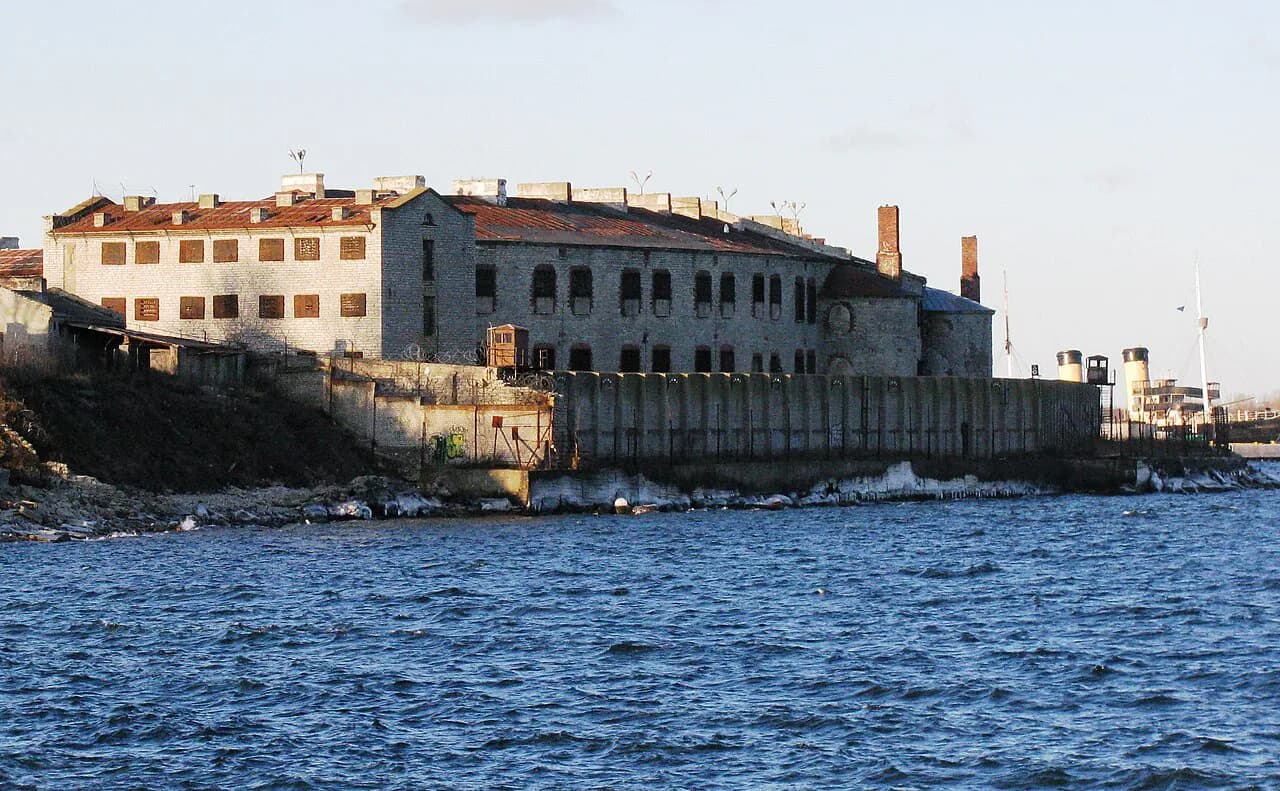
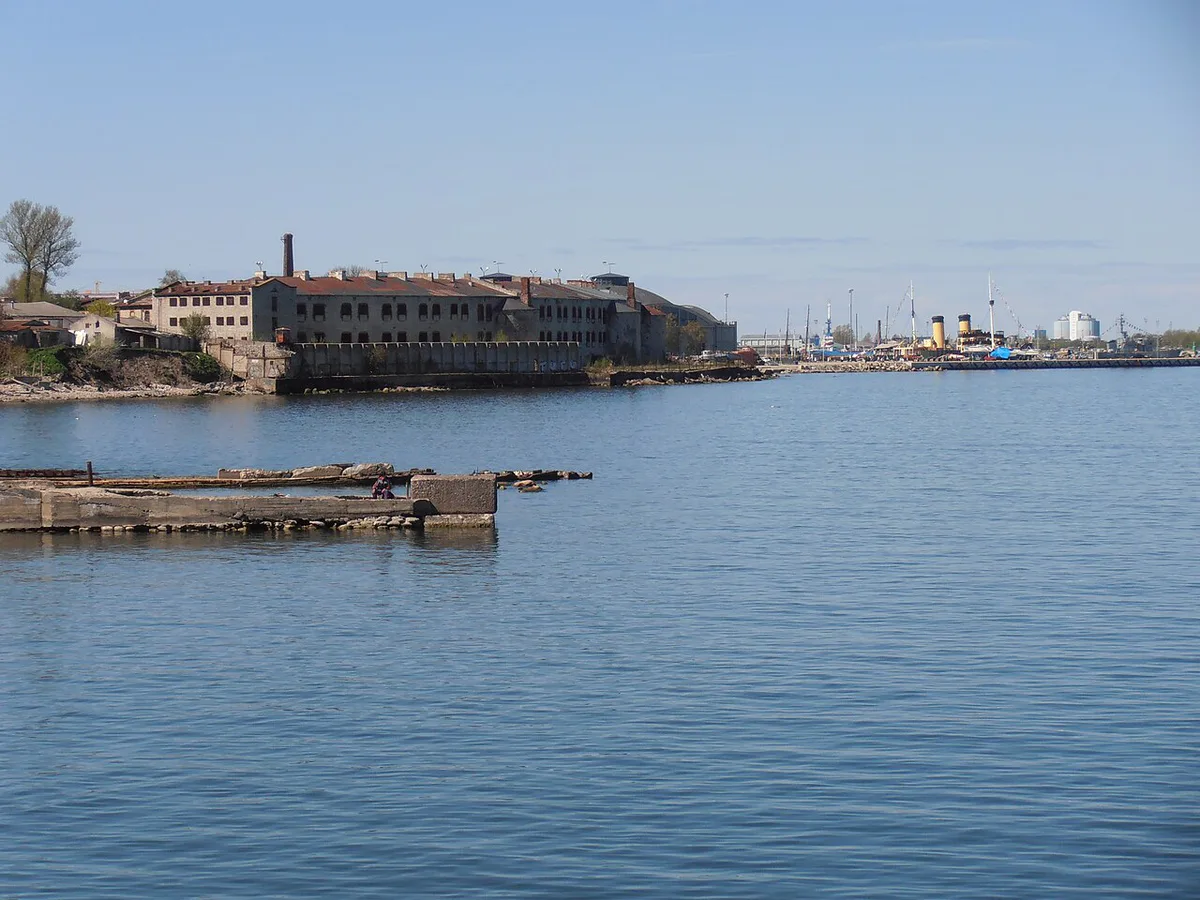
Patarei Sea Fortress Tallinn is no longer the wander-in-freely ruin that older travel blogs describe. US Invest Group bought the complex in 2019 and is converting it into a mixed-use site with offices, apartments, retail space, and a museum. Tallinn-based Arhitekt11 leads the redevelopment design, and HG Arhitektuur won the 2020 competition for the courtyards and outdoor canopies. Architects list 2026 as the target completion for that wider redevelopment. The finished complex spans roughly 16,640 square meters, about 179,100 square feet, of historic floor space once every phase is done. Communism Is a Prison, the eastern-wing exhibition, is closed for renovation on a separate timeline. Current estimates target a 2027 reopening, per the Estonian Institute of Historical Memory. Expect an active construction site rather than the abandoned-prison photo opportunity featured on many under-the-radar Tallinn guides. Because the exhibition is closed, there is no admission to buy right now. Official visit information will list pricing once the eastern wing reopens. The seafront path along Kalaranna stays open and runs toward the Seaplane Harbour. A newly built residential and retail district, also called Kalaranna, is rising between the fortress and the harbor as part of the same waterfront redevelopment wave. Visiting during Tallinn's quieter shoulder months, covered in the guide to visiting without crowds, still works well for this exterior walk even with the interior closed.
- Seafront promenade along Kalaranna: open
- Courtyard and exterior facades: open, viewing only
- Interior cell blocks and corridors: closed, construction zone
- Communism Is a Prison exhibition (eastern wing): closed, targeting 2027 reopening
- Onsite museum shop and ticket booth: closed until reopening
History: From Tsarist Fortress to Soviet Prison
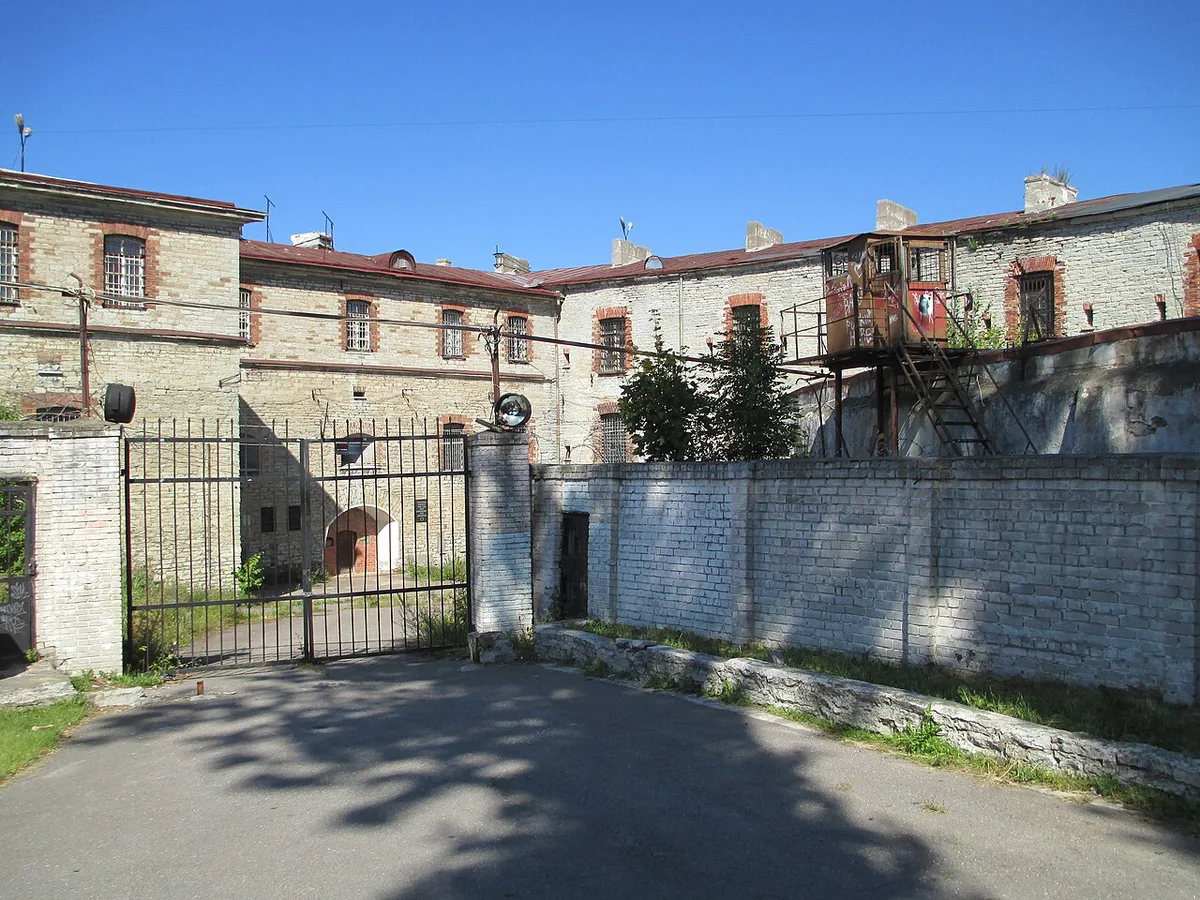
Nicholas I ordered the fortress built between 1830 and 1837 as part of Russia's maritime defenses on the Tallinn Bay shore. Engineers designed it to hold up to 2,000 people across a curved gorge building, a caponier, and a lunette with officer quarters, an infirmary, and soldier barracks. Grounds cover roughly four hectares, about 10 acres, of former fortress and prison land in Kalamaja. Russia's defeat in the Crimean War prompted Tallinn's 1864 removal from the empire's fortress list. The buildings then served as ordinary barracks for more than five decades. Estonia declared independence in 1918, and the new government converted the fortress into Tallinn's Central Prison by 1919. That prison replaced two jails damaged during the 1917 revolutions and held nearly 1,000 people, expanding toward roughly 1,500 inmates by the 1930s. It included 48 solitary cells and workshops where prisoners produced goods, including sewn textiles and printed materials, to cover their own upkeep. Separate sections built in 1925 and 1926 held a growing number of imprisoned communists after the Trial of the 149 and a failed coup attempt in December 1924. President Konstantin Päts announced a political amnesty in 1938, marking twenty years of independence, and 104 communists along with 79 veterans of the War of Independence walked free. Soviet occupation began in June 1940, and the complex became Estonian SSR NKVD Prison No. 1. A crowd backed by Red Army armored vehicles moved on the prison on June 21 that year, demanding the release of political prisoners. The Minister of Justice agreed after negotiations led by former political prisoner Aleksander Resev. Within months, Soviet authorities imprisoned a different set of inmates. State officials, military officers, and police from the pre-war republic passed through Patarei before execution or deportation to the Gulag. War broke out between Germany and the Soviet Union in June 1941. Prisoner numbers grew quickly, and the advancing front line led to mass evacuations and executions that year. Nazi Germany then ran the complex as a labor and correctional camp from 1941 to 1944. Soviet authorities resumed control afterward, operating it as Remand Isolator No. 1 from 1944 until 1991. Accounts from that era describe cells built for seven or eight people holding up to 30 at once. Estonia regained independence in 1991, and the site continued as Tallinn's Central Prison for another 14 years. Incarceration finally ended at Patarei in 2005, closing its doors after 86 years as a place of confinement.
After serving as a prison for 86 years until 2005, the fortress underwent major redevelopment starting in 2019, with the museum now targeted to reopen in 2027.
Inside the Communism Is a Prison Exhibition
The eastern wing houses Communism Is a Prison, an exhibition built across roughly 1,200 square meters, about 12,900 square feet, of the historic complex. It documents the ideology and crimes of communist regimes alongside Patarei's own history as a prison. A planned expansion would grow the museum to about 5,000 square meters, roughly 53,800 square feet, in the same wing, matching the Estonian Institute of Historical Memory's 2027 target. Preserved cells, the courtyard, and memorial displays formed the core of the exhibition before the current renovation closed it. Partner organizations contribute research and testimony to the project. The CommunistCrimes portal documents crimes against humanity committed by communist regimes worldwide. Kogu Me Lugu collects video oral histories from Estonian families. A related e-Memorial at Maarjamäe holds data on more than 100,000 Estonians affected by the Soviet era. None of these exhibition areas take walk-in visitors until the renovation finishes. Signage at the site points visitors to the official visit page for any temporary entrance changes during construction.
The exhibition occupies roughly 1,200 square meters, documenting decades including the Soviet era when overcrowded cells designed for a handful held up to 30 at once.
Getting to Patarei from Kalamaja and Noblessner
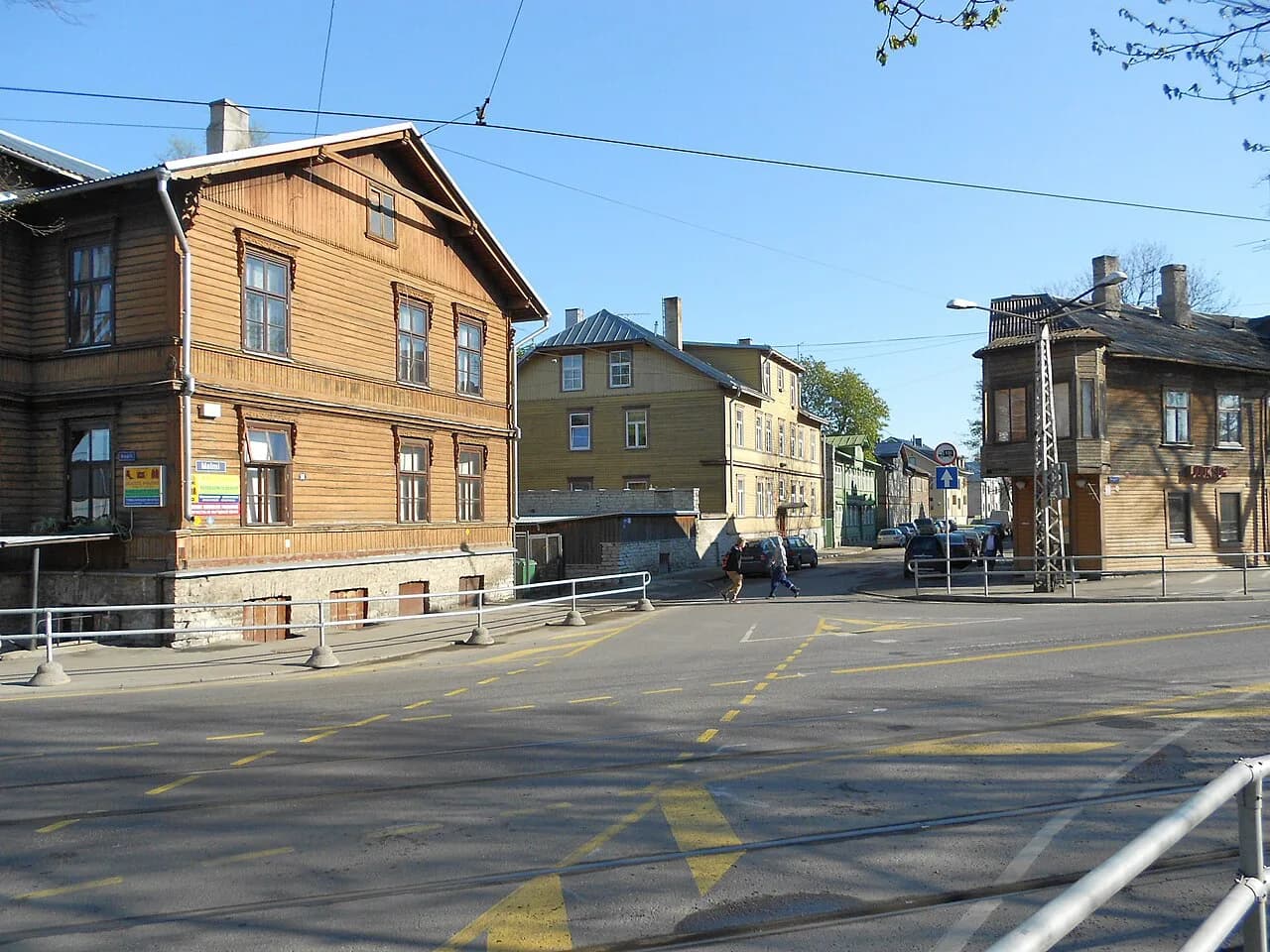
Patarei sits at Kalaranna 28, on the Tallinn Bay shoreline inside the Kalamaja district. Most visitors pair the fortress with a walk through the Kalamaja neighborhood guide, since its wooden-house streets sit just inland from the shore. Noblessner's waterfront district continues the coastal path north of the fortress, with restaurants and a working marina, detailed in the Noblessner waterfront guide. Seaplane Harbour (Lennusadam) sits within walking distance along the same shoreline, making it easy to cover both stops in one outing. From central Tallinn, local buses run toward Kalamaja. Check current routes and schedules before heading out. On foot from the Old Town, follow Kalaranna along the water toward the fortress. Signage around the perimeter marks active work zones in Estonian and English. Expect scaffolding, temporary fencing, and construction vehicles near the eastern wing entrance. The western courtyard and sea-facing facade offer clearer views for photos. For food afterward, Telliskivi's restaurant scene sits a short walk inland from Patarei.
Notable Prisoners and Dark Tourism Etiquette
Patarei held political prisoners across three different regimes: the Republic of Estonia, Nazi Germany, and the Soviet Union. Writer Jaan Kross spent time at Patarei before later deportation to Soviet labor camps. Estonian officials, military officers, police officers, and business figures of the pre-war republic passed through the prison before execution or deportation to the Gulag during the 1940-41 Soviet occupation. For Estonians, the fortress remains one of the most prominent symbols of Soviet and Nazi political terror. Artist murals cover many of the exterior walls, added over the years since the prison closed in 2005. Traveling through this kind of history calls for some restraint. Photograph the exterior, courtyard, and murals respectfully, and skip treating any preserved area as a casual photo backdrop. Stay clear of construction fencing and active work zones. Current construction adds real safety risk on top of the site's historical weight.
Patarei Sea Fortress Quick Facts
Use this table to check the fortress's timeline and scale before planning a visit. Dates and figures come from the site's own history and current redevelopment plans.
| Fact | Detail |
|---|---|
| Built | 1830-1837, ordered by Nicholas I |
| Converted to barracks | 1864, after Russia's Crimean War defeat |
| Prison era | 1919-2005 |
| Peak prison capacity | About 1,500 inmates by the 1930s |
| Sold to developer | 2019, to US Invest Group |
| Wider redevelopment target | 2026 |
| Current exhibition space | About 1,200 m² (about 12,900 sq ft), eastern wing |
| Planned museum expansion | About 5,000 m² (about 53,800 sq ft), targeting 2027 |
| Address | Kalaranna 28, Tallinn 10415 |
| Best for | History, architecture, and dark tourism interest |
Visit or Skip? Alternatives While Patarei Rebuilds
Base the decision on what matters most for the visit. Waiting for the 2027 reopening makes sense if walking preserved cells and the full exhibition is the goal. Going now still works if a shoreline walk and exterior photos are enough. Two nearby sites cover similar ground in the meantime. Seaplane Harbour (Lennusadam) sits a short walk north along the coast with a fully open museum. Vabamu Museum of Occupations, in the city center, covers Estonia's Soviet and Nazi occupation history without any construction closures. Neither alternative replicates Patarei's specific atmosphere, but both fill the historical gap while the fortress rebuilds. Check each museum's current hours directly, since schedules shift seasonally. A day pairing Patarei's shoreline with either museum fits naturally alongside a broader Tallinn neighborhood breakdown for planning the rest of the day.
For trip-planning details, see Patarei Prison – Wikipedia.
Frequently Asked Questions
Is Patarei Prison open to visitors in 2026?
Only partially. The seafront promenade and courtyard views stay open, but interior cell blocks and the Communism Is a Prison exhibition remain closed for renovation.
When will Patarei Sea Fortress fully reopen?
Current estimates from the Estonian Institute of Historical Memory target 2027 for the eastern-wing museum. A separate, wider redevelopment by US Invest Group is slated for around 2026.
What is the Communism Is a Prison exhibition?
It's a roughly 1,200-square-meter exhibition in Patarei's eastern wing. The exhibit documents the ideology and crimes of communist regimes alongside the building's history as a Soviet-era prison.
Who were notable prisoners at Patarei?
Prisoners spanned three regimes: the Republic of Estonia, Nazi Germany, and the Soviet Union. Writer Jaan Kross was among them, later deported to Soviet labor camps.
How do you get to Patarei Sea Fortress from central Tallinn?
Walk along Kalaranna from the Old Town, following the shoreline north. Local buses also run toward Kalamaja from the city center. Check current routes before heading out.
Is Patarei safe to visit while under construction?
Stick to the open promenade and courtyard views. Avoid fenced construction zones, since the interior is an active work site rather than an open ruin.
What happened to Patarei after Estonia regained independence in 1991?
Patarei continued operating as Tallinn's Central Prison until 2005. Artists later used empty ground-floor cells for informal exhibitions, and the courtyard hosted cultural events and parties in summer before the current construction fencing went up.
Continue exploring
More guides you'll find useful