Off the Beaten Path in Tallinn: A 2026 Neighborhood Guide
Skip the Old Town crowds. This 2026 guide to off the beaten path in Tallinn covers Kalamaja, Noblessner, Kopli, and Nõmme, with routes and transport costs.
On this page
Off the Beaten Path in Tallinn: Beyond the Old Town Walls
Last updated July 2026: Tallinn's Old Town draws cruise-ship crowds by the thousand. Going off the beaten path in Tallinn means trading cobblestone lanes for Kalamaja's wooden streets, Soviet concrete, and a converted submarine shipyard. This guide sorts the alternative side by vibe, industrial, Soviet, and residential, with routes, transport costs, and walk-or-tram logistics for each stop.
Off the Beaten Path in Tallinn: Why Go Beyond the Walls
Tallinn layers three distinct eras into a small footprint: medieval stone in Old Town, Soviet-era concrete just past it, and factory buildings converted into shops and studios since the 2010s. Going off the beaten path in Tallinn means walking or riding into those other two layers instead of staying inside the city walls all day. None of the districts below are truly hidden; locals use them daily, and that's exactly the point. This breakdown suits independent travelers, repeat visitors, and photographers looking for compositions beyond the medieval skyline. For a broader roundup of low-key spots across the whole city, start with the citywide low-key spots roundup. A companion guide covers experience-based picks in the secret spots guide. A third resource lists unique things to do across the city, separate from the neighborhood approach here. The table below sorts each district by vibe, distance from Old Town, and its standout landmark; the full neighborhoods breakdown covers how they connect geographically.
| Neighborhood | Vibe | Distance from Old Town | Key Landmark |
|---|---|---|---|
| Kalamaja | Wooden-house residential | Walking distance | Prewar wooden streets |
| Rotermann Quarter | Industrial-meets-modern | Walking distance | Restored 19th-century factory blocks |
| Telliskivi Creative City | Industrial, creative | Walking distance | Former power plant complex |
| Balti Jaam Market | Local, everyday | Walking distance | Food hall plus upstairs secondhand stalls |
| Noblessner | Maritime, upscale | Tram or Bolt | Former submarine shipyard marina |
| Kopli Peninsula | Raw, residential | Tram 1 | Kopli Lines wooden barracks |
| Nõmme | Forest garden city | Tram or train | Nõmme Market, pine-forest streets |
| Pirita | Soviet monument, seaside | Bus or Bolt, about 7km | Soviet Statue Graveyard at Maarjamäe |
Rotermann Quarter: Factory Blocks Turned Design District
Rotermann Quarter sits between Old Town, the harbor, and Viru Square, an easy walk from either direction. Its 19th- and 20th-century factory buildings now hold shops, galleries, and restaurants next to newer glass-and-steel additions. A handful of original brick blocks remain unrenovated. That contrast, working factory, empty shell, then finished design district, is easy to miss on a quick walk to the ferry terminal. On a quiet afternoon, the quarter can feel emptier than its central location suggests, which makes it a useful stop when Old Town's streets are packed. Weekday afternoons tend to be the calmest time to wander, since the area sees less foot traffic than Kalamaja or Telliskivi. Street-by-street routing and specific buildings worth seeking out are covered in the Rotermann Quarter guide.
Kalamaja and Telliskivi: Wooden Houses Next to a Former Power Plant
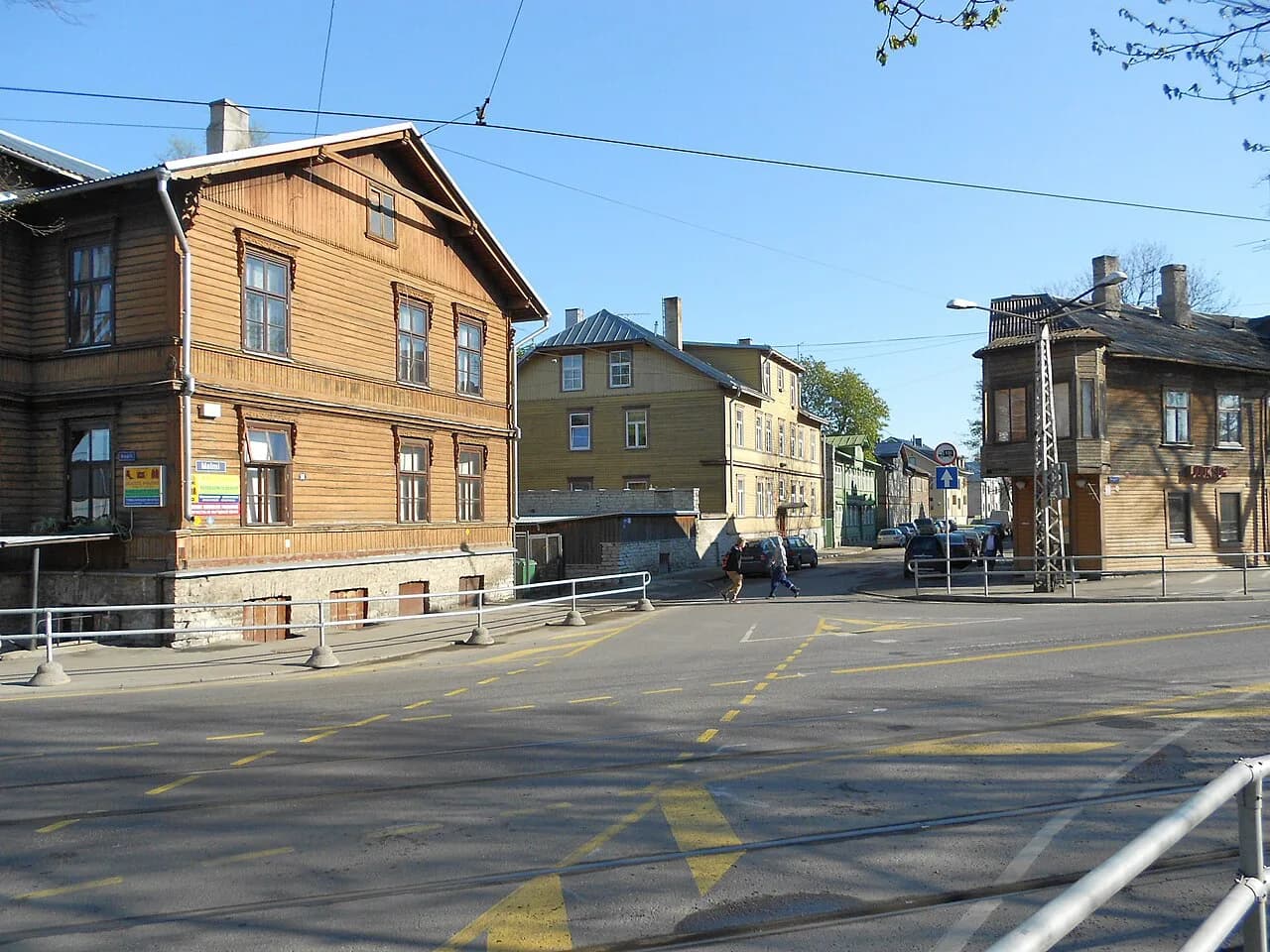
Kalamaja was once a working-class harbor district, built up with wooden houses before the Second World War. The same streets today hold a slower pace, small cafes, and a visible seam between wooden cottages and Soviet-era apartment blocks. Street art scattered through both Kalamaja and Telliskivi gives photographers plenty of unscripted material, particularly along the fence lines bordering the old rail yard. Specific streets worth a slow walk are mapped in the Kalamaja wooden-house guide. Telliskivi Creative City occupies a former power plant just inside Kalamaja and has grown into a dense complex of restaurants, shops, and a contemporary art museum. Outdoor murals and band rehearsal spaces still fill the old industrial shells between the newer businesses. Weekday mornings are noticeably quieter than weekend afternoons, when courtyard cafes and market stalls draw both residents and tour groups. A full walkthrough of what's inside sits in the Telliskivi Creative City guide.
Balti Jaam Market: Food Hall Downstairs, Soviet Wares Upstairs
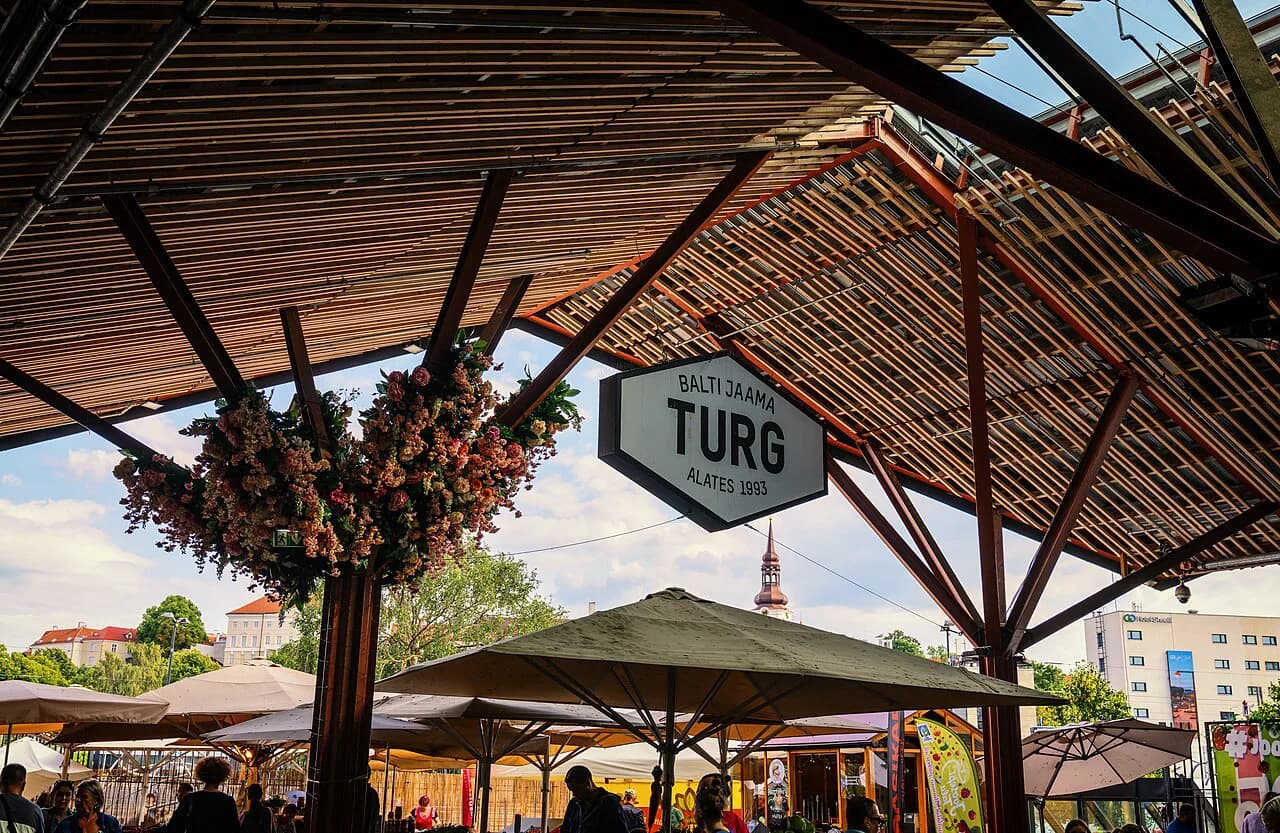
Balti Jaama turg sits next to the central train station, a short walk from both Old Town and Kalamaja. The ground level runs mostly food stalls and casual eating counters. The upper level holds clothing, household goods, and a section of secondhand and Soviet-era memorabilia worth a browse even without buying anything. The market has two entrances, and outdoor stalls run alongside both during the warmer months, spilling produce and flowers onto the surrounding streets. Produce here often costs more than at supermarkets, though the imported fruit and vegetables are noticeably fresher. For where to eat well near the market, check the local food guide. For a curated list beyond the market itself, see the best local restaurants guide. The market gets a full walkthrough, including which entrance to use, in the Balti Jaam Market guide.
Linnahall and Noblessner: The Waterfront's Soviet-to-Modern Stretch
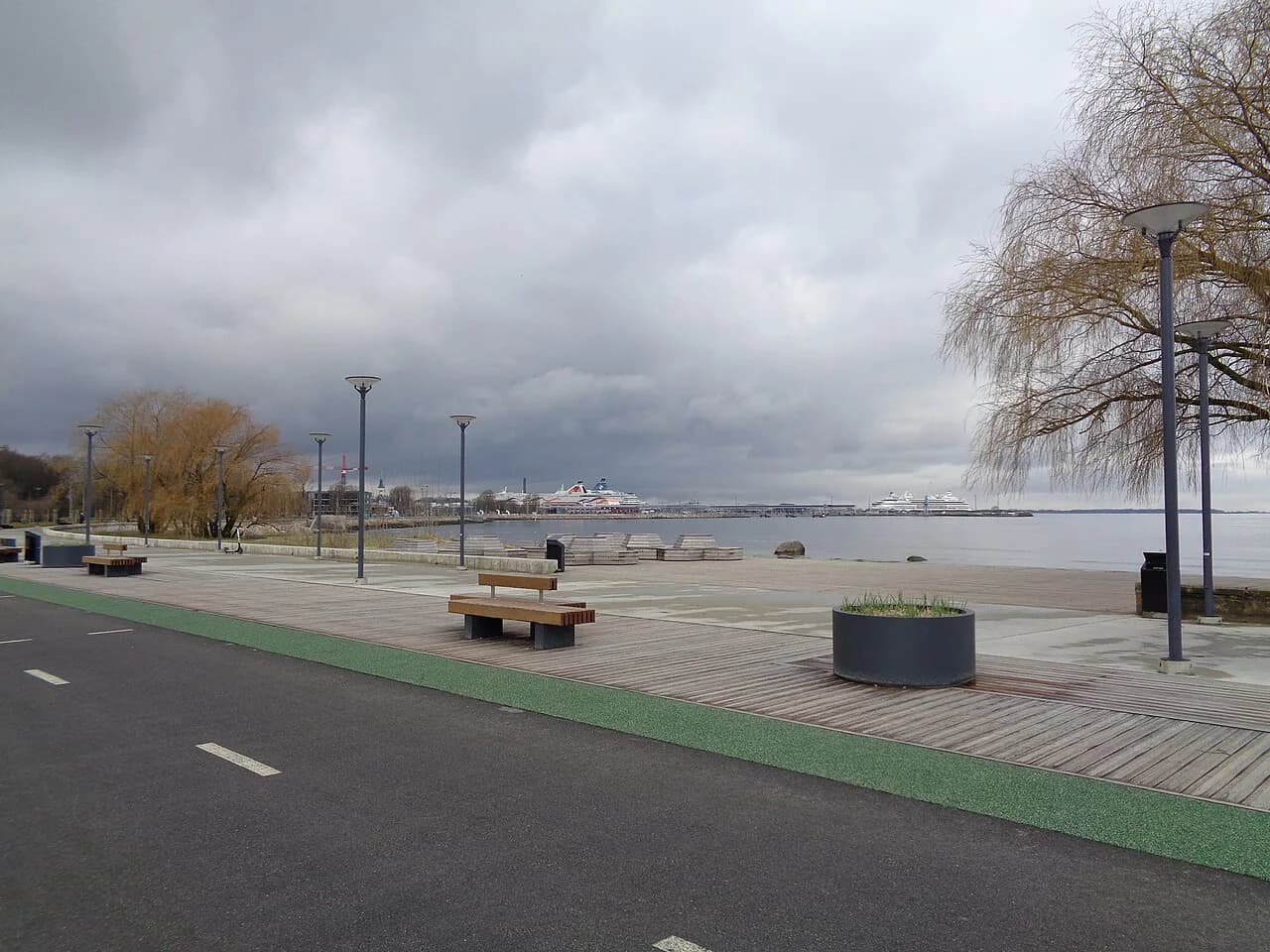
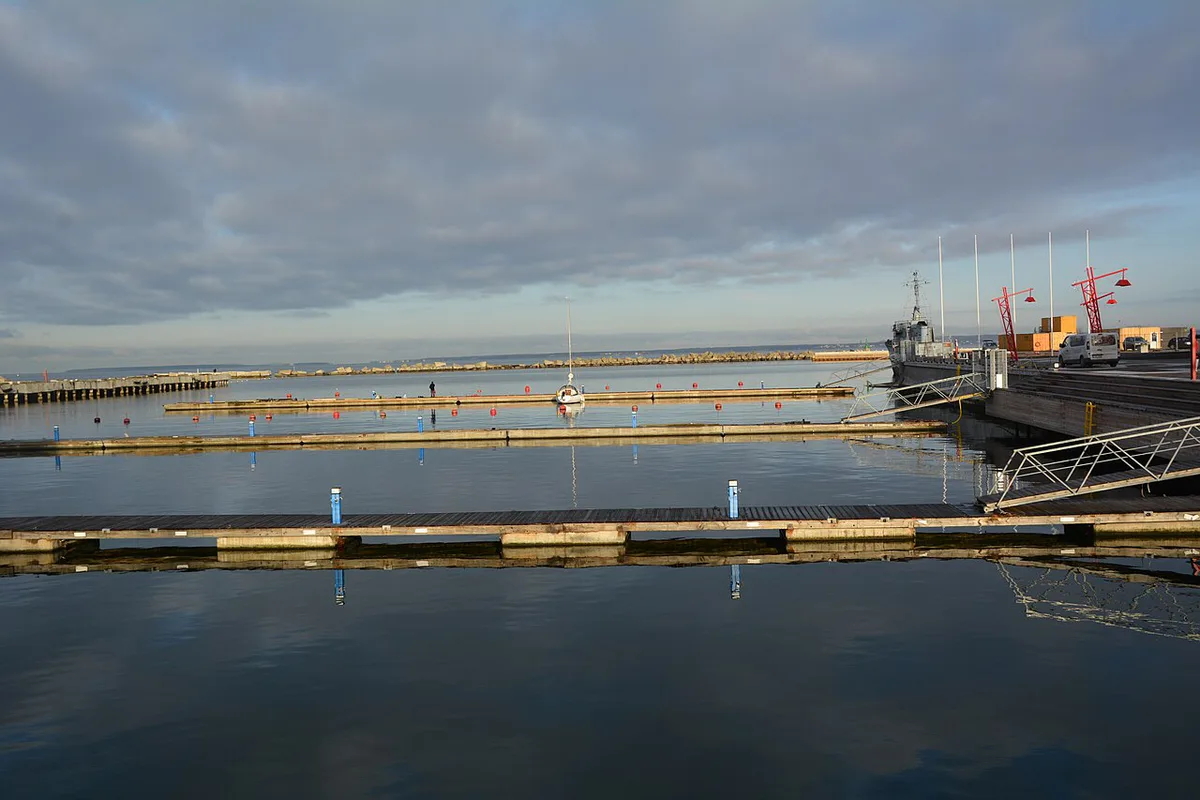
Linnahall is a brutalist concrete complex built for the sailing events of the 1980 Moscow Olympics, once seating 5,000 people as a concert venue before its last show in 2008. Only the roof is open to walk today. The building's structural condition has drawn safety concerns in recent years, so confirm current access restrictions before climbing up. Locals still gather there for sunset views over the Gulf of Finland and the ferries crossing toward Helsinki. Noblessner sits further along the same waterfront, converted from a submarine shipyard into a marina with restaurants, the Proto Invention Factory, and a harborside promenade. A newer seaside path now connects Noblessner to Kalarand and Seaplane Harbour, making the whole stretch walkable in a single route out from Kalamaja. Route notes and specific stops appear in the Noblessner marina guide.
Patarei Sea Fortress and Seaplane Harbour
Patarei Sea Fortress is a former sea fortress and prison building on the Kalamaja waterfront, a short walk past Linnahall toward Noblessner. Its opening status has shifted through several rounds of closures and renovation phases in recent years. Confirm current hours before visiting, and check whether the museum rooms or only the exterior sea fortress walk are open. The walking route from Kalamaja's wooden streets past Patarei out to the Noblessner marina is mapped stop-by-stop in the Patarei Sea Fortress guide. Seaplane Harbour, a short distance further along the water, occupies a former seaplane hangar and houses the restored submarine Lembit, built in the 1930s, alongside the icebreaker Suur Tõll. Because it fills a working military hangar rather than a converted retail space, the museum reads differently from Tallinn's other repurposed industrial sites. Guided tours run in several languages throughout the day, useful for groups that skip the audio guide. An onsite restaurant and outdoor playground make it workable as a half-day stop with children along for the walk.
Linnahall, built to seat 5,000 for the 1980 Olympics, now faces structural concerns that restrict access. Nearby Seaplane Harbour, occupying a former military hangar, remains a stable family destination with museums and outdoor amenities.
Nõmme, Kopli, and Pirita: True Local Secrets That Need a Tram
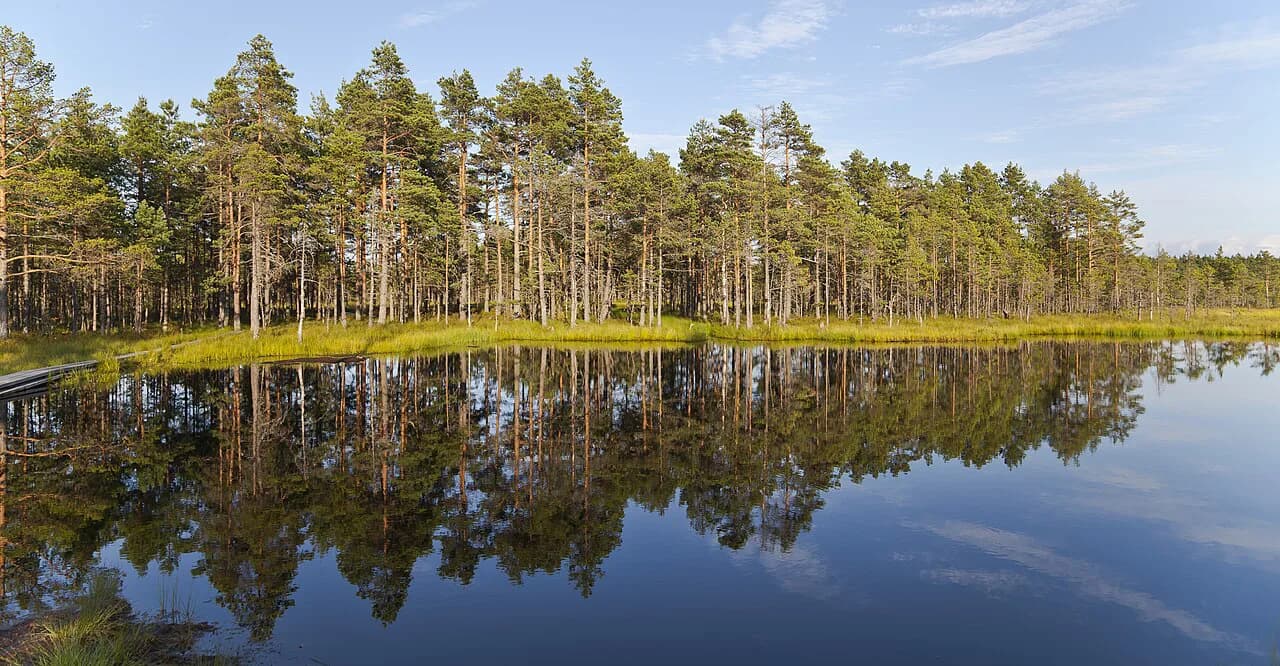
Nõmme is a low-rise residential district built into pine and birch forest, reached by tram or train rather than a comfortable walk from Old Town. Streets here run past wooden houses and forest paths instead of shopfronts, and the Nõmme Market shows how residents actually shop, away from tourist stalls. Glehn Castle and its surrounding park sit within the same district, a quiet extension of the forest walk beyond the market. It's one of the few districts most alternative-Tallinn guides skip entirely, which is exactly what makes the tram ride worthwhile. Kopli Peninsula stretches past Noblessner toward the sea and remains the least gentrified stretch of Tallinn's waterfront. Tram 1 runs directly to the Kopli Lines, rows of wooden barracks built for Soviet-era shipyard workers and still standing in various states of repair today. Beyond the barracks, the peninsula's coastline sits undeveloped and quiet, a contrast to the polished promenade at Noblessner a few stops back. The area remains a working residential neighborhood rather than a curated attraction, so keep visits respectful and low-key. Pirita holds one of the city's more unusual Soviet leftovers: a collection of relocated statues sitting behind Maarjamäe Palace, part of the Estonian History Museum grounds. Getting there without a car means a walk of roughly 7km from Old Town, longer than it looks on a map, so budget for a bus or a Bolt instead. The neighborhood itself gets a full guide at the Pirita district guide. Kadriorg, the park and palace district between Old Town and Pirita, has its own separate Kadriorg park and palace guide.
Getting Around Tallinn's Alternative Side
Public transport runs on a simple system: tap a bank card on board a tram or bus. One hour of unlimited transfers costs around €2, with no separate ticket purchase and no tap-off required. Tallinn residents ride public transport free with a registered city ID card, a quirk that doesn't extend to visitors, so tap a bank card or use the operator's mobile ticket instead. Bolt, the local ride-hailing app, often prices close to or under the bus fare once two or more people split it. On one recorded trip to Kadriorg, two bus tickets cost €4 total. A door-to-door Bolt ride for the same two riders cost €3.30, so check the app before defaulting to the tram. The Tallinn Card bundles public transport with entry to dozens of museums and sights. For the off-path route in this guide, it earns its cost mainly through the TV Tower and Seaplane Harbour. Confirm current pricing and inclusions on the official site before buying. Booking the TV Tower's Edge Walk in advance is worth doing too, since availability and booking rules shift; check current slots directly with the tower. For a month-by-month breakdown of when Tallinn empties out, including the shoulder-season windows that also thin out Telliskivi and Kalamaja, see the best time to visit without crowds guide. Two mistakes trip up first-time visitors on this side of the city. Treating Pirita as walkable is one: it sits roughly 7km from Old Town, a genuine trek rather than a stroll. Expecting Telliskivi to be cheaper than Old Town is the other mistake. Its cafes and design shops often charge as much or more, so it isn't a budget alternative even though it looks more casual. For genuinely free ways to spend a day in these same neighborhoods, check the free things to do guide. Pair a day off the beaten path with a trip outside the city using the 12 Best Day Trips From Tallinn: Nature, History & Island Escapes guide.
Walking distances cover Kalamaja, Rotermann, and Telliskivi, while reaching further zones like Kopli and Nõmme costs €2 per hour by tram. Pirita's roughly 7km distance requires Bolt or bus, not a feasible walk.
- Around €2 covers one hour of tram or bus transfers — tap a bank card on board, no separate ticket needed
- A same-distance comparison to Kadriorg found €4 for two bus tickets versus €3.30 for a two-person Bolt ride
- The Tallinn Card bundles transport with museum entry — confirm current pricing before buying
- Pirita sits roughly 7km from Old Town — plan a bus or Bolt, not a walk
- Telliskivi prices often match or exceed Old Town — it isn't the budget option
Museum of Banned Books: A Tiny Alternative History Stop
The Museum of Banned Books offers a quieter alternative to Tallinn’s larger historical attractions. It sits at Munga 2, inside the Old Town but away from the busiest squares.
The collection examines how governments, religious authorities, and social movements have restricted books. Displays connect censorship with political control, moral campaigns, and resistance by writers and readers.
Expect a compact museum rather than a large exhibition complex. The shelves include banned or challenged works from different countries, with explanations of why authorities targeted them. English-language interpretation makes the subject accessible to international visitors.
The museum fits naturally into a Kalamaja or Balti Jaam itinerary because the Old Town’s northern edge is nearby. Allow about an hour, depending on how closely you read the displays. Check the museum’s official schedule before visiting, since small independent venues can have limited opening days. This stop works especially well for travelers interested in Soviet history, publishing, free expression, or unusual museums.
Frequently Asked Questions
Is Tallinn safe at night in areas like Kopli?
Kopli and the other alternative districts covered here are residential and generally calm by European capital standards, but they're quieter and less lit than Old Town after dark. Stick to the main streets around the Kopli Lines and the Noblessner promenade at night. Bolt is a better option than walking back through unfamiliar residential blocks after dark.
How many days do you need for alternative Tallinn?
Budget at least one full day to cover Kalamaja, Telliskivi, and Rotermann Quarter on foot. A second day allows a loop out to Noblessner, Patarei, and Seaplane Harbour, plus a tram trip to Kopli or Nõmme. Two days total is realistic if the alternative side is the priority.
What's the best off-path food stop?
Balti Jaam Market's ground-floor food hall is the most reliable off-path food stop, with casual counters generally cheaper than Old Town restaurants. It works well paired with a walk through Kalamaja or Telliskivi beforehand.
Is Linnahall safe to climb?
Linnahall's roof stays open and gets regular use from locals and visitors chasing sunset views, but the structure has drawn safety concerns in recent years. Confirm current access status before climbing, since restrictions have shifted as the building's condition has changed.
Do you need a car to see the off-path side of Tallinn?
No car is necessary. Trams reach Kopli and Nõmme directly, Bolt covers Pirita and Noblessner efficiently, and Kalamaja, Rotermann, and Telliskivi all sit within walking distance of Old Town.
What's the best half-day route for a first visit off the beaten path?
Start in Kalamaja and walk its wooden streets before continuing past Patarei to the Noblessner marina, a route that stays flat and walkable in under half a day. Save the Kopli Lines and Nõmme for a second outing that starts with tram 1, since both sit further from Old Town.
Continue exploring
More guides you'll find useful