Tallinn Local Food Guide 2026: Where to Eat Beyond the Tourist Menus
A Tallinn local food guide covering Old Town classics, Kalamaja's creative kitchens, and Noblessner's waterfront tables, with 2026 prices and reservation tips.
On this page
Tallinn Local Food Guide: Where to Eat in Old Town, Kalamaja, and Noblessner
Last updated July 2026, this Tallinn local food guide sorts the city's food scene into three practical zones. Old Town serves medieval theatrics, Kalamaja and Telliskivi bring industrial-cool local kitchens, and Noblessner and Rotermann offer waterfront and industrial-chic dining. Estonian cooking mixes Hanseatic bread-and-butter staples with Soviet-era comfort dishes and Nordic-leaning kitchens, so one meal can swing from rye bread and pickled herring to buckwheat and craft beer.
How This Tallinn Local Food Guide Is Organized
Three areas anchor Tallinn's dining map, and each rewards a different kind of appetite. Old Town, known locally as Vanalinn, mixes costumed medieval taverns with quieter kitchens tucked behind the tourist strip. Kalamaja and Telliskivi trade cobblestones for converted factories, street food stalls, and small-batch bakeries. Noblessner and Rotermann, both reused industrial sites, now hold waterfront bistros, a craft brewery, and wine bars. For context on how these districts fit together, the Tallinn Neighborhoods Guide: Where to Stay, Eat, and Explore in 2026 maps them in full. The Tallinn hidden gems guide covers what to do between meals, for the non-food side of a visit. The table below sorts specific venues by vibe and rough per-person cost.
| Vibe | Best pick | Neighborhood | Per-person cost |
|---|---|---|---|
| Quick and cheap | III Draakon | Old Town | €2.50-3.50 |
| Filling budget meal | Kompressor | Old Town | €4-7 |
| Traditional feast | Rataskaevu 16 | Old Town | €15-20 |
| Local weekday lunch | F-Hoone | Telliskivi | €10-15 |
| Market food hall | Balti Jaama Turg | Kalamaja | varies by stall |
| Craft beer and BBQ plates | Põhjala Brewery & Tap Room | Noblessner | check current menu |
| Wine-focused dinner | R14 | Rotermann Quarter | check current menu |
Traditional Estonian Dishes to Order
Estonian menus repeat a core set of ingredients: rye, cured fish, root vegetables, and game. Restaurants and home kitchens both build meals around a cold-dish course, then move to a hot main. Elk and wild boar turn up on Old Town menus more than almost anywhere else in the region, usually braised or served as soup. Vegetarian diners can lean on buckwheat, often prepared risotto-style with vegetables, which shows up on more Tallinn menus than the meat-heavy reputation suggests.
- Rosolje - a cold beetroot, potato, and herring salad similar to Swedish sillsallad, served as part of the cold-dish course.
- Dark rye bread (leib) - the anchor of nearly every table, usually with salted butter.
- Vorst - a cured sausage served cold alongside rosolje.
- Verivorst - blood sausage, most common around the Christmas season, often paired with sauerkraut.
- Sult - jellied meat, another cold-table dish often served alongside verivorst.
- Kama - roasted barley, oat, rye, and pea flour, stirred into buttermilk or kefir.
- Kohuke - a chocolate-coated curd snack sold in supermarket dairy aisles, not on restaurant menus.
- Kiluvoileib - an open-faced sprat sandwich on rye bread with egg and butter.
Old Town (Vanalinn): Medieval Theater vs. Local Kitchens
Vanalinn splits into two dining categories: costumed medieval taverns built for visitors, and quieter kitchens that locals actually use. Knowing which is which changes what to expect at the table. Costumed medieval restaurants like Olde Hansa lean into candlelit theater, honey-spiced beer, and staff speaking in old-fashioned English. The food is genuinely good, but expect a premium price and a performance alongside the meal. III Draakon plays a similar medieval-tavern card at a fraction of the cost, which is why locals still recommend it over pricier costume restaurants. III Draakon, tucked beneath the Town Hall on Raekoja plats, sells elk soup for roughly €2.50-3.50 and meat- or vegetable-filled pirukad pastries for about €1-2 each. There are no spoons, so diners slurp straight from the bowl. Free pickles come from a barrel by the door. Rataskaevu 16 is Old Town's most requested table. That popularity creates a logistics problem: it can book out days ahead during peak summer, especially for dinner. The same owners run a smaller sister branch, Rataskaevu-vaike, around the corner, with a similar menu and shorter waits. Rataskaevu-vaike's room is finished in warm brick, wood, and tile, a cozier version of the flagship's dining room. Either location tends to start with a beetroot tartare or three-cheese pie, then move to braised elk with mustard seeds and blackcurrant, or pork ribs with a creamy sauerkraut sauce. Kompressor, on Rataskaevu 3, fills the budget slot with savory and sweet pancakes for about €4-7, including a bacon-and-Gouda version regulars order on repeat. Cafe Maiasmokk, on Pikk 16, is Estonia's oldest cafe and doubles as a small marzipan museum. It's a good stop for vastlakukkel, the cream-filled bun that bakeries sell heavily in February and March around Shrove Tuesday. For a longer shortlist of Old Town fine-dining and citywide favorites, see the 15 Best Local Restaurants in Tallinn: A Neighborhood Foodie Guide guide.
Kalamaja and Telliskivi: Tallinn's Local, Creative Food Core
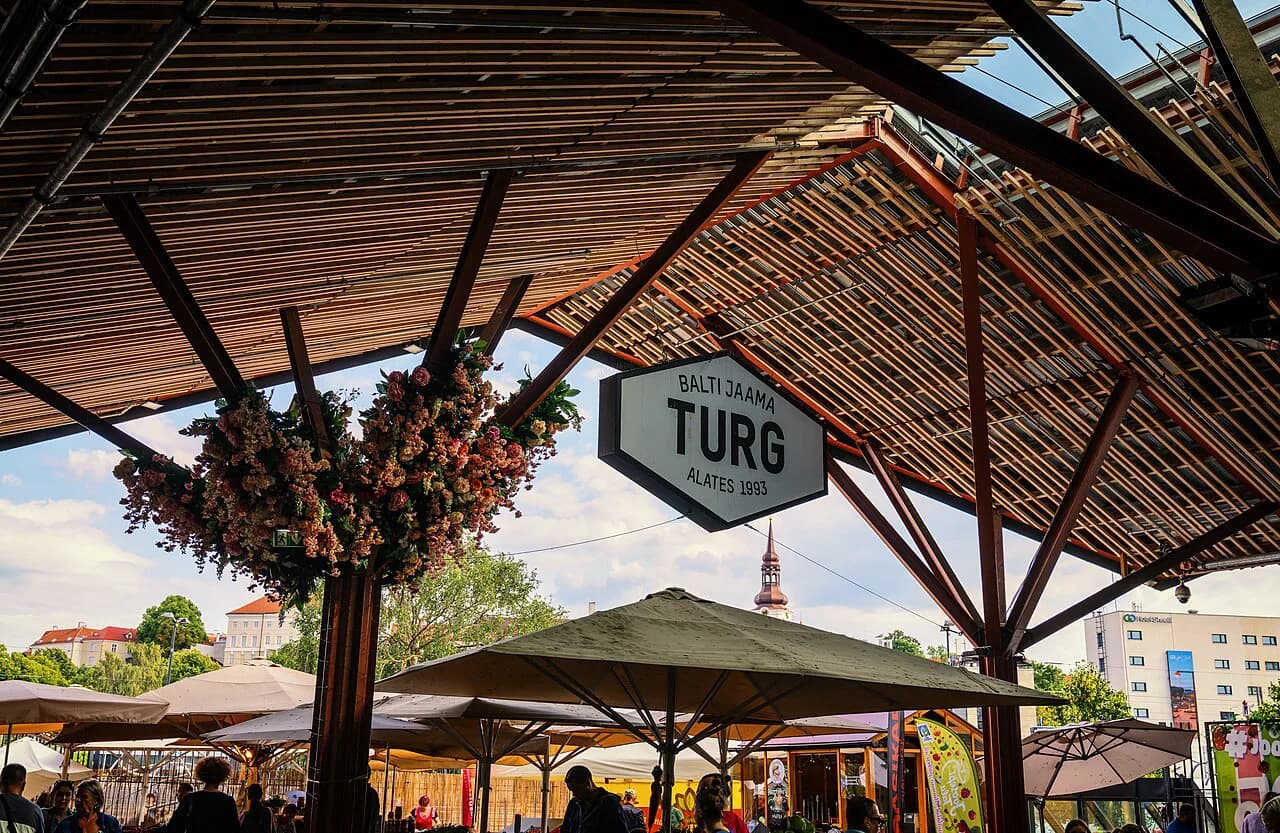
Kalamaja and neighboring Telliskivi trade Old Town's cobblestones for a former industrial quarter now packed with small kitchens and bakeries. It's the district where residents eat on an ordinary Tuesday, not just where visitors go for a photo. The Kalamaja neighborhood guide covers the wooden-house streets around the food scene in more depth. F-Hoone anchors Telliskivi Creative City from a converted rail building at Telliskivi 60a. Mains run roughly €10-15 and range from mutton dumplings to grilled salmon with gnocchi. The kitchen stays open from 9am to midnight most days, later on Friday and Saturday. Most Telliskivi restaurants, F-Hoone included, run discounted weekday lunch specials worth timing a visit around. The Balti Jaama Turg market holds about 300 vendor stalls across a produce hall, a meat and fish section, and a dedicated street food floor. Treat the two halves differently: the produce hall is for groceries and picnic supplies, while the street food floor is where to sit down and eat. Boheem, tucked behind the market at Kopli 18, keeps most dishes under €10 and serves breakfast plates of fried potatoes, bacon, and eggs alongside crepes, salads, and casseroles in a worn-in room built for a slow brunch. RØST Bakery specializes in sourdough and cardamom buns, plus a rotating tart menu. Check opening days before a special trip, since boutique Kalamaja bakeries keep tighter hours than Old Town cafes and sometimes close on weekdays.
Balti Jaama Turg's 300 vendor stalls operating across a produce hall, meat section, and street food floor anchor Kalamaja's casual, volume-driven eating culture. This stands apart from Old Town's intimate sit-down tables, where bookings often fill days in advance.
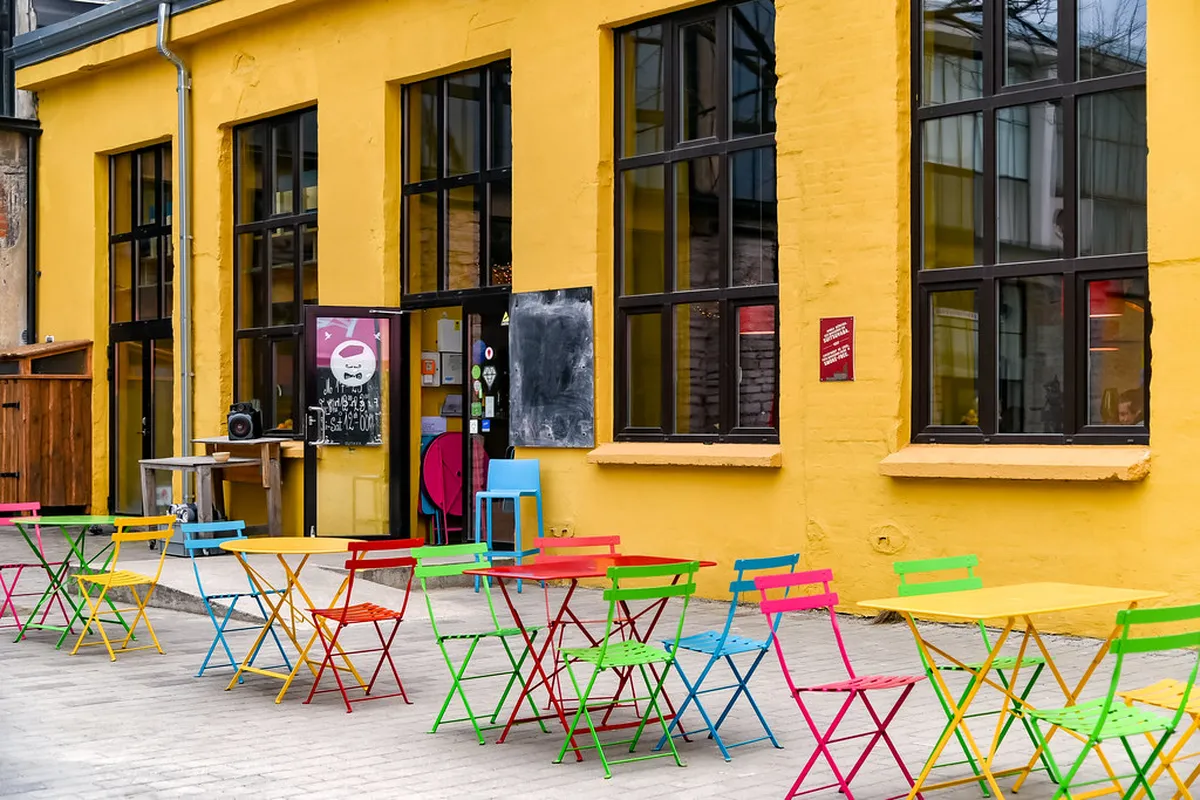
Noblessner and Rotermann: Waterfront and Industrial-Chic Dining
Noblessner port was built as a complex of a dozen submarine factories starting in 1912. It stayed off-limits to the public for years before reopening with museums, boutiques, and restaurants. The Noblessner port guide covers the surrounding museums and shops in more depth. The Rotermann Quarter guide does the same for that district's boutiques and public spaces. Lore Bistroo, run by chef Janno Lepik and sommelier Kristjan Peaske, builds its menu around shared plates in the Noblessner port area. Go in a group and order across the menu rather than one dish each. Craft beer coverage of Tallinn keeps naming Põhjala Brewery & Tap Room as one of the city's top breweries. The food menu leans into Texas-style barbecue to match the taps. Põhjala's Sunday hours can run shorter than the rest of the week, so confirm before planning a Sunday-evening visit. R14, in the Rotermann Quarter, shifts the focus to wine, with a list built to run alongside smaller, wine-friendly plates rather than a full multi-course dinner.
Estonian Drinks: Craft Beer, Kali, and Vana Tallinn in Coffee
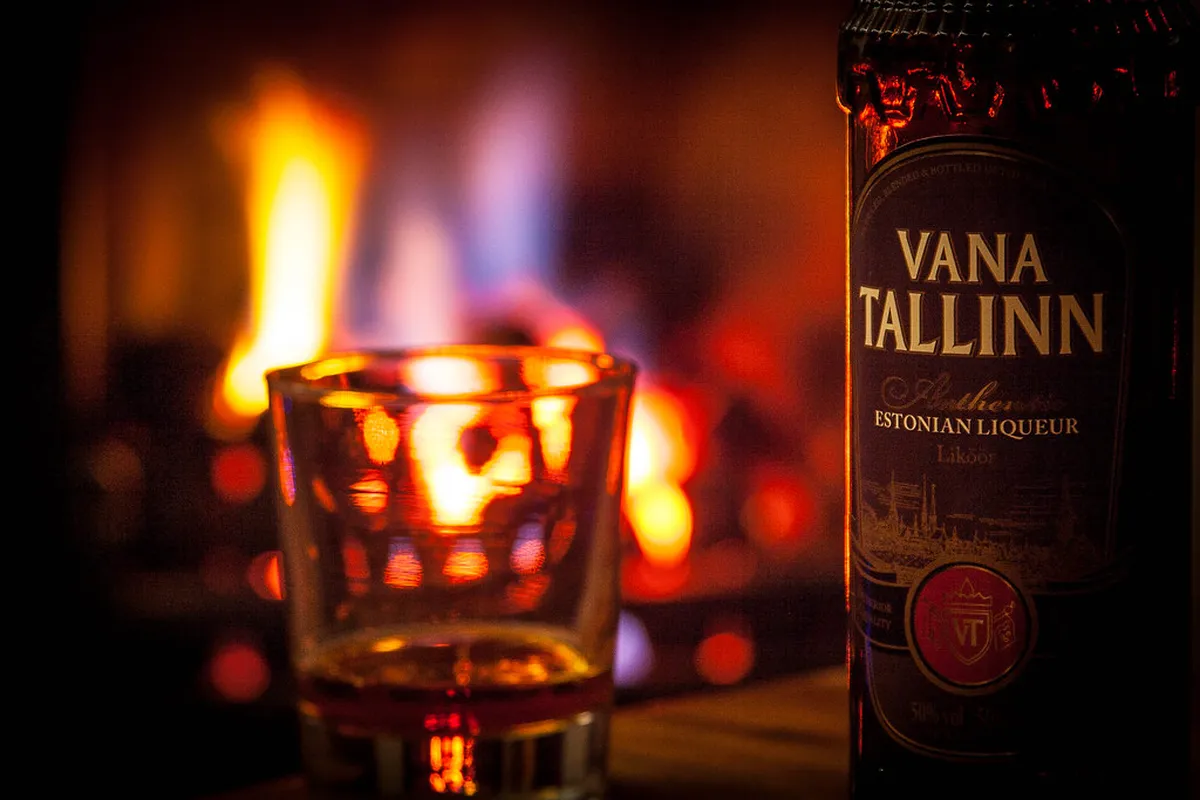
Beer isn't the only drink worth ordering in Tallinn. Kali, a low-alcohol fermented rye drink similar to Russian kvass, shows up on traditional menus as a non-alcoholic, slightly sour alternative to soda. Vana Tallinn, Estonia's best-known spiced rum-based liqueur, rarely gets sipped straight. The more common move is a splash stirred into hot coffee for an after-dinner warmer. For hop-forward drinking, Põhjala's tap room, covered above, remains the most-cited craft beer stop, and Old Town bars pour it alongside imported options.
Costs, Reservations, and Practical Logistics for Eating in Tallinn
Budget expectations vary by neighborhood and format more than by cuisine. Prices throughout this guide come from recent menus and travel coverage, and small year-to-year moves are normal, so treat them as a starting point rather than a locked-in quote. Cheap eats run about €5-10 per person, covering Kompressor pancakes, III Draakon's soup and pirukad, and most Balti Jaama Turg street food stalls. Mid-range dinners run about €15-30 per person at spots like Rataskaevu 16, Pegasus, or Clayhills Gastropub. Reservations matter most in Old Town. Popular kitchens like Rataskaevu 16 fill up days ahead in peak summer, so book ahead or try the smaller Rataskaevu-vaike branch instead. Kalamaja and Telliskivi restaurants take walk-ins more easily, though weekend dinners at F-Hoone and the market food stalls still get crowded. Two apps cover most logistics. Bolt Food handles delivery from restaurants across the city, and the Bolt ride-hailing app is the easiest way to reach the Kadriorg district or Noblessner without a rental car. Tipping runs around 10% for good table service. It isn't built into the bill the way it is in some countries, so add it in cash or through the card terminal's tip prompt. Menus shift with the seasons. Expect berries, fresh greens, and lighter fish dishes in summer. Winter menus lean into root vegetables, game, and heavier cold-table dishes. Planning a trip around one season or the other is worth checking against the best time to visit Tallinn guide before booking flights.
How to Buy Kohuke Like a Local
Kohuke is a small, refrigerated curd bar coated with chocolate or another sweet glaze. Tallinn restaurants rarely serve it because locals usually buy it as an everyday supermarket snack.
Look in the chilled dairy aisle at Rimi, Selver, Prisma, or Coop. Kohuke usually sits near yogurt, cottage cheese, and other curd desserts. Each bar is individually wrapped, making it easy to carry for a picnic or train journey. Keep it cool, since the soft curd filling is perishable.
Classic versions combine lightly sweetened curd with a cocoa coating. Supermarkets also stock vanilla, caramel, berry, and cookie-flavored varieties. Tere is a common Estonian producer, while nearby Baltic countries supply additional brands.
The singular word is kohuke; packages containing several may use kohukesed. Check the label if you avoid gluten, nuts, or particular coatings. Standard versions contain dairy and are not suitable for vegans. Eat one cold as a quick breakfast addition, afternoon snack, or simple dessert.
For trip-planning details, see Estonian cuisine – Wikipedia.
Frequently Asked Questions
Is Tallinn expensive for food?
Tallinn stays cheaper than Helsinki or Stockholm for eating out. Cheap eats run about €5-10 per person at spots like Kompressor or III Draakon, while a sit-down mid-range dinner at Rataskaevu 16 or Pegasus lands closer to €15-30.
What is a typical Estonian breakfast?
Expect dark rye bread with salted butter, a soft-boiled egg, and cured or smoked fish rather than a hot fry-up. Bakeries add pastries like vastlakukkel in late winter, and a kama-and-buttermilk drink shows up on some breakfast menus too.
Where can you find the best craft beer in Tallinn?
Craft beer coverage of the city keeps pointing to Põhjala Brewery & Tap Room, which pairs its taps with a Texas-BBQ-style food menu. Its Sunday hours run shorter than the rest of the week, so confirm before a Sunday visit.
Do restaurants in Tallinn Old Town require reservations?
Booking ahead matters most at popular tables like Rataskaevu 16, which can be full days in advance during summer. Its sister branch, Rataskaevu-vaike, and budget spots like III Draakon and Kompressor take walk-ins far more easily.
What's a good non-alcoholic Estonian drink to try?
Kali, a low-alcohol fermented rye drink related to kvass, gives a bread-flavored alternative to soda on traditional menus. It's worth ordering alongside a cold-dish course like rosolje or a plate of vorst.
Are there good vegetarian options in Tallinn?
Yes. Buckwheat, often prepared risotto-style with vegetables, shows up on multiple menus, and F-Hoone in Telliskivi keeps vegetable curry and pasta options alongside its meat dishes.
Continue exploring
More guides you'll find useful