Secret Spots in Tallinn: Hidden Gems Beyond the Old Town (2026 Guide)
Escape the crowds with these secret spots in Tallinn, from Patarei Sea Fortress to Kalamaja's street art, mapped by cost, vibe, and distance for 2026.
On this page
Secret Spots in Tallinn: A Local's Guide to Hidden Gems
Last updated July 2026, secret spots in Tallinn sit past Old Town's medieval walls, in districts most cruise-day visitors skip. Kalamaja's wooden houses, Noblessner's converted shipyard, and Kopli's factory blocks hold the city's real hidden gems in Tallinn, alongside quiet Soviet-era ruins and free museums. This guide sorts those spots by vibe, cost, and distance from Town Hall Square, so even a short stay can budget time wisely.
Secret Spots in Tallinn: Why Look Past the Old Town
Old Town draws most visitors toward St. Olaf's Church, Toompea Hill, and the arcades around Town Hall Square. Kalamaja and Noblessner sit a short tram ride away and feel like a different city. Warehouses turned into cafes, workshops, and small breweries give these districts an industrial-cool tone Old Town's medieval streets never had. For a broader first look at the city's quieter corners, the 8 Hidden Gems in Tallinn Beyond the Old Town (2026 Guide) guide covers the full shortlist. This article narrows that list to spots locals still treat as their own, plus the off the beaten path Tallinn picks worth the extra travel time.
Patarei Sea Fortress: Tallinn's Quietest Ruin
Patarei Sea Fortress sits directly on Tallinn Bay, largely abandoned and overgrown along its seaward ramparts. Access and renovation status have shifted in recent years, so check current opening hours before visiting rather than assume full entry. Even during closures, the exterior ramparts and courtyard have stayed among the quietest corners in the city. Ships in the harbor and gulls overhead are often the only company. Its dedicated Patarei Sea Fortress guide tracks which sections are currently open.
The Industrial Fringe: Noblessner and Kopli
Noblessner and Kopli sit on the same stretch of waterfront but represent opposite ends of Tallinn's industrial reinvention. The Noblessner district has already finished its transformation, with restaurants, a marina, and design studios replacing the old submarine yards. Kopli is still mid-transformation, and that unfinished edge draws visitors chasing something rougher than Kalamaja offers. Most competing guides stop at Kalamaja; Kopli is the newer, less-polished layer past it.
- Noblessner: a former submarine shipyard on Tallinn Bay, now holding waterfront restaurants and design studios inside restored factory halls.
- Kopli: Tallinn's least-renovated peninsula, anchored by the Põhjala Factory complex and its small gallery and bar scene.
- Both districts sit past the routes most tour buses use, so foot traffic stays light even in peak season.
Soviet Echoes: Statue Graveyard, Linnahall, and the KGB Museum
Pirita holds one of Tallinn's stranger sights: a scattered collection of decommissioned Soviet-era statues, informally called the Soviet Statue Graveyard. Entry is free and the setting stays deliberately unmarked. Its Pirita neighborhood guide covers how to reach it alongside the beach and convent ruins. Closer to the harbor, Linnahall is a Brutalist concert hall and amphitheater, also free to walk around, with sea views from its upper terraces. Inside Hotel Viru downtown, the KGB Museum preserves the 23rd-floor surveillance post Soviet agents abandoned overnight as the occupation ended. Admission runs €11 and includes a guided tour. Seaplane Harbour, Tallinn's maritime museum, costs more: niche museums like these run roughly €11 to €15. Its hangar building is itself a landmark, a poured-concrete shell built to house early 20th-century seaplanes before the museum moved in.
The €11 KGB Museum admission represents typical niche museum pricing, clustering with sites like Seaplane Harbour; this pricing structure makes the Tallinn Card's 36 museums and 12 other sights noteworthy for multi-museum days.
Hidden Old Town Nooks Locals Still Use
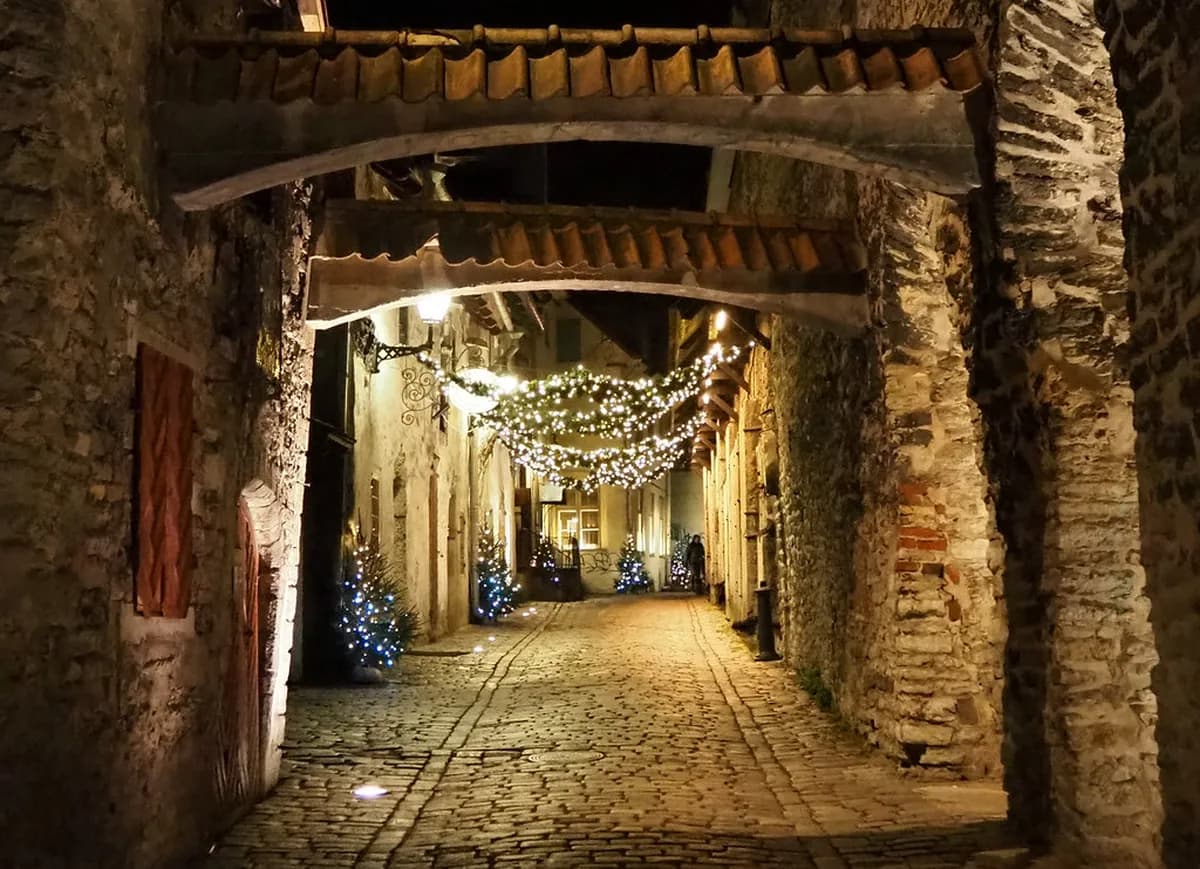
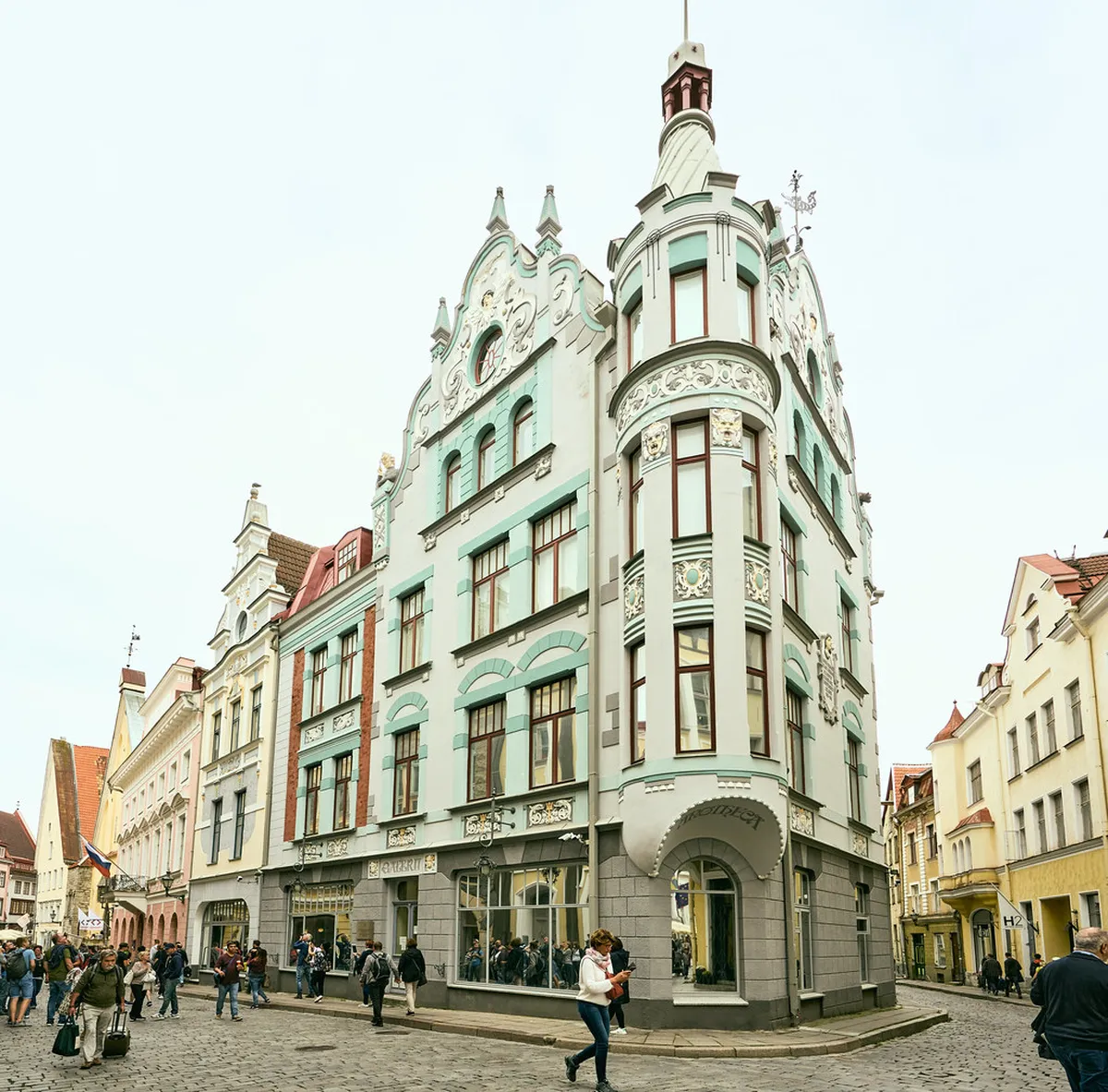
Old Town keeps a few quiet corners once the tour groups pass through. St. Catherine's Passage runs behind the main streets, lined with visible medieval tombstones and small artisan workshops selling ceramics and glass. Meistrite Hoov, the Masters' Courtyard, sits nearby and works the same way, with active studios instead of souvenir stalls. Near the harbor gate, Fat Margaret is a round defensive tower worth a look for its shape alone, free to view from outside with a fee to climb. All three stay free or low-cost and quietest before the day-trip buses arrive.
Creative Hubs: Telliskivi and the Banned Books Museum
Telliskivi Creative City fills a former railway repair yard with murals, small bars, and independent shops. Visit late afternoon, once the daytime market stalls close and the evening crowd starts filling the courtyards. Its Telliskivi Creative City guide breaks down which buildings hold which venues. A newer stop worth seeking out is the Banned Books Museum, a small collection built around censored and restricted titles from the Soviet period. Check current hours before visiting, since opening times have shifted in recent seasons. For a wider set of unusual stops beyond this shortlist, the 9 Unique Things to Do in Tallinn: Beyond the Medieval Fairytale guide has more.
Neighborhood Guide: Kalamaja, Rotermann, and Kadriorg
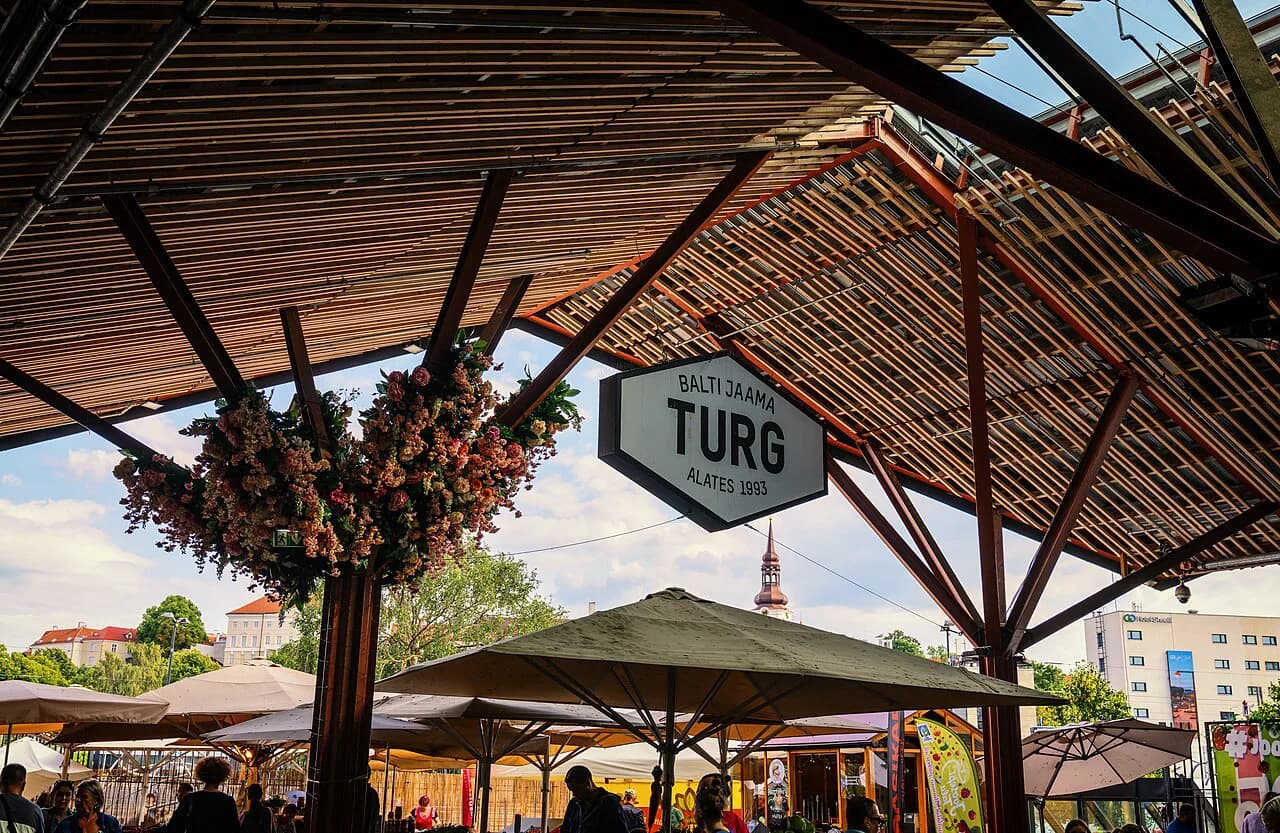
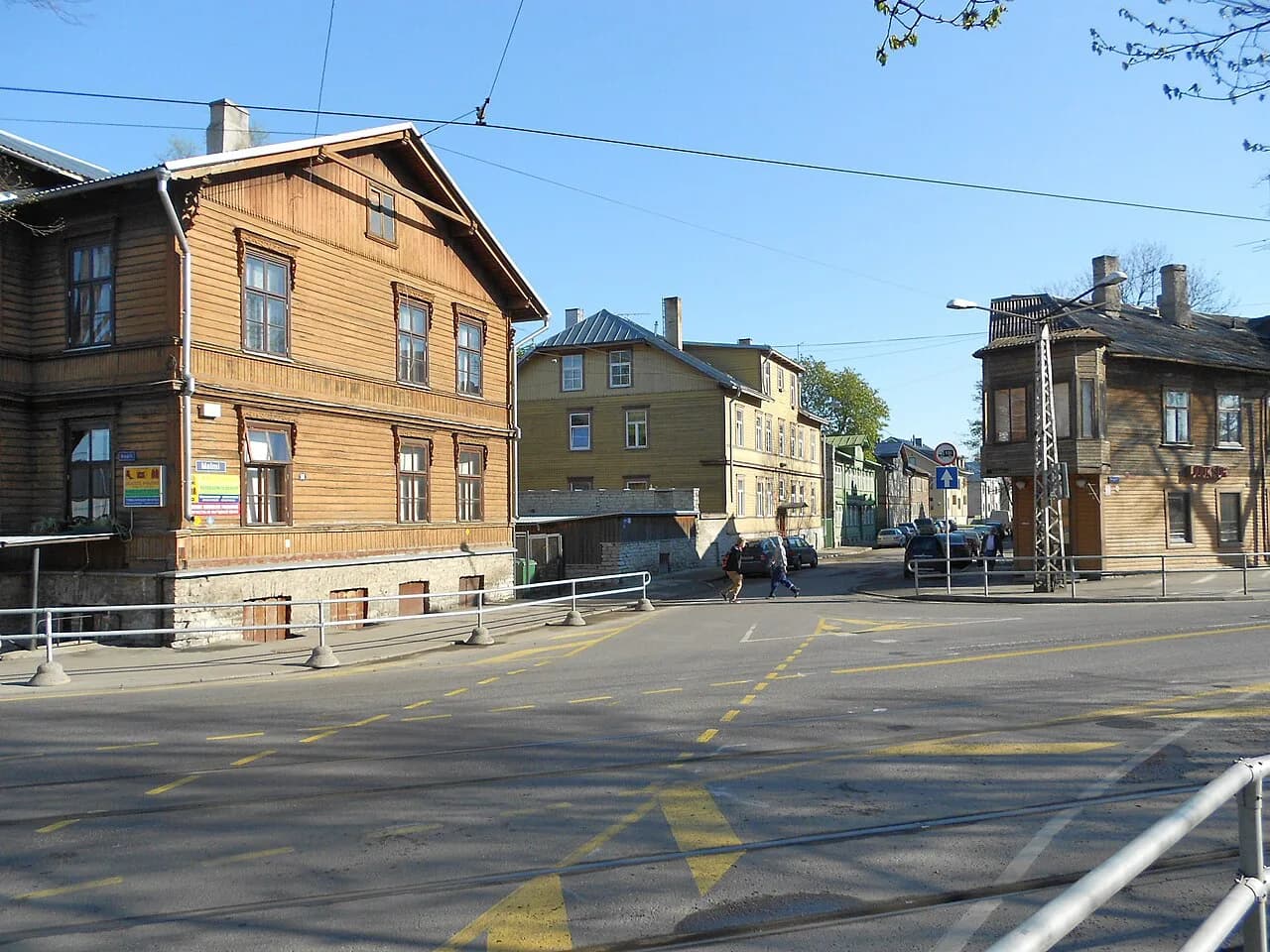
Each district in this guide has its own character, and the Tallinn Neighborhoods Guide: Where to Stay, Eat, and Explore in 2026 maps how they connect. Kalamaja pairs 19th-century wooden houses with street art murals down side streets away from the market. Its Kalamaja guide maps which streets carry the most visible art. Near the train station, the Balti Jaam Market still functions as a local grocery and food-stall market rather than a tourist stop. Rotermann Quarter mixes restored industrial architecture with newer glass-and-steel additions. Inside it, a narrow lane past a decommissioned grain elevator is known locally as the Stalker's Path. A dedicated Rotermann Quarter guide covers the district's full walking route. Kadriorg extends past its Baroque palace into quiet park paths and residential streets that most day visitors skip. Its Kadriorg guide covers the palace grounds and the park's quieter corners.
Which Secret Spot Fits Your Time in Tallinn?
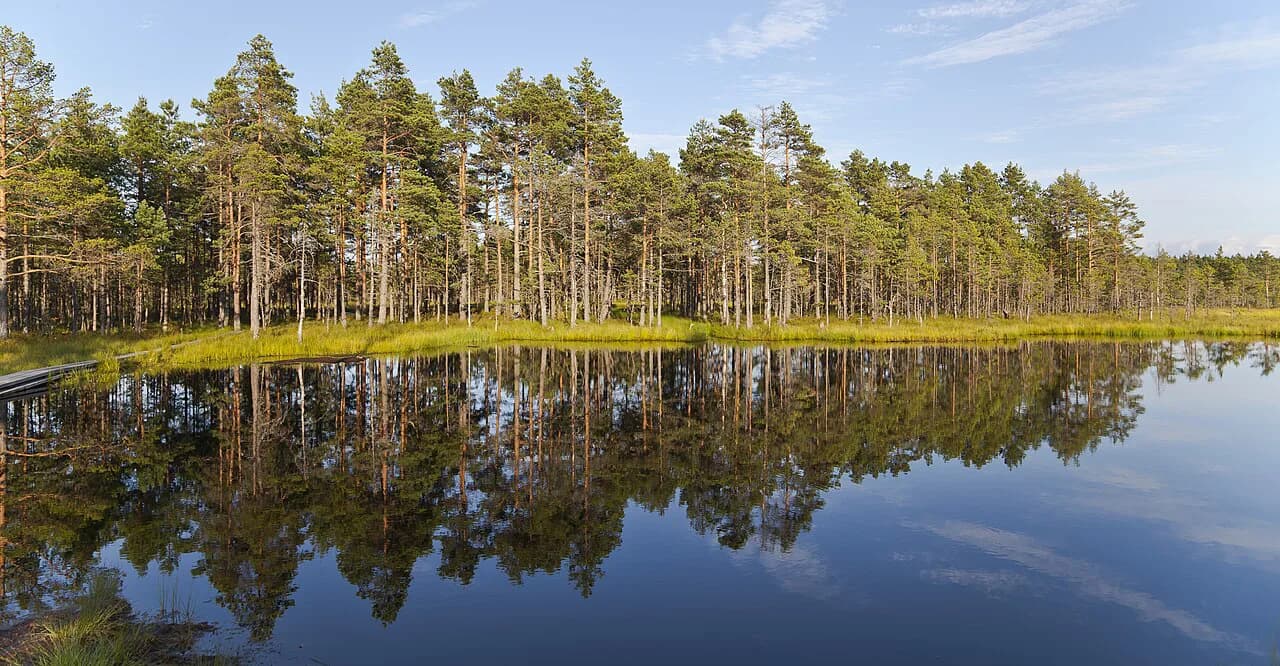
Not every spot suits every schedule. This table sorts each pick by vibe, rough distance from Town Hall Square, and cost, so a two-day visitor and a five-day visitor can choose differently. Lahemaa National Park and the Viru Bog cost the most time relative to reward, needing a half day minimum once travel is counted. TV Tower access carries a similar trade-off, sitting well outside the center. Visitors with three or more days get more value from these two additions to the 12 Best Day Trips From Tallinn: Nature, History & Island Escapes list. With less time, the in-town spots above deliver more per hour.
| Spot | Vibe | Distance From Town Hall | Cost |
|---|---|---|---|
| St. Catherine's Passage | Historic, quiet | Inside Old Town | Free |
| Meistrite Hoov (Masters' Courtyard) | Historic, artisan | Inside Old Town | Free |
| Telliskivi Creative City | Artsy, industrial | Short tram ride | Free to browse |
| Soviet Statue Graveyard, Pirita | Historic, offbeat | Bus ride out | Free |
| Linnahall | Brutalist, scenic | Walking distance from harbor | Free |
| KGB Museum, Hotel Viru | Historic, guided | Central | €11 |
| Seaplane Harbour | Historic, family | Short tram ride | €11–€15 |
| Noblessner | Industrial, upscale | Short tram or bike ride | Free to walk |
| Patarei Sea Fortress | Gritty, atmospheric | Walking distance from harbor | Free (status varies) |
| Kopli / Põhjala Factory | Gritty, emerging | Longer tram ride | Free to walk |
Getting Around and Budgeting for a Hidden-Gems Day
Public transport costs €2 per hour. Tap a bank card when boarding a bus or tram, and it registers automatically with no need to tap off. Bolt, the local ride-hailing app, often runs about €3 to €5 for a short hop, and pricing does not always beat the bus. On one trip to Kadriorg, two travelers paid €4 total for the bus. A door-to-door Bolt ride cost only €3.30, so it is worth checking both before deciding. Tallinn Card includes free entry to 36 museums and 12 other sights plus unlimited transport, which pays off fastest on a day loaded with paid stops like the KGB Museum and Seaplane Harbour. On a lighter day built around free spots such as Linnahall, the Statue Graveyard, and Telliskivi, skip the card and pay per ride instead. Museum Sundays bring free entry to a number of museums on the first Sunday of each month, though registration on the museum website is required ahead of time. Free walking tours of Old Town run on a tip basis, so budget a few euros per person even without a listed fee. Many of the spots in this guide cost nothing to enter; the Free Things to Do in Tallinn: A 2026 Budget Guide guide rounds up the rest. Early morning suits Old Town's passages, while Telliskivi fills in from late afternoon onward. For a full hour-by-hour breakdown, see the best time to visit Tallinn guide for avoiding crowds.
Mistakes to Avoid When Chasing Tallinn's Secret Spots
A few habits undercut a good secret-spots itinerary before it starts.
- Spending an entire visit inside Old Town's walls and skipping Kalamaja, Noblessner, or Kopli.
- Paying Old Town's medieval-dinner prices without comparing options: mains at themed restaurants start around €15, while III Drakon nearby serves meat pasties and ale for less.
- Skipping local kitchens in favor of tourist-menu restaurants. Its 15 Best Local Restaurants in Tallinn: A Neighborhood Foodie Guide guide lists better options in Kalamaja. That Tallinn Local Food Guide 2026: Where to Eat Beyond the Tourist Menus covers what residents actually eat, including kitchens that pair Estonian craft beer with dishes like crème brûlée and stout.
- Treating every listed spot as guaranteed open. Patarei's renovation status and the Banned Books Museum's hours have both shifted recently, so confirm current status first.
- Ruling out Lahemaa National Park or the Viru Bog as too far without weighing whether a longer stay makes the day trip worthwhile.
Frequently Asked Questions
Is Tallinn walkable?
Yes. Old Town, Kalamaja, and Rotermann Quarter sit close enough to cover on foot in a single day. Noblessner and Kopli sit farther out and pair well with the €2 hourly tram fare instead of a full walk.
Is the Tallinn Card worth it for secret spots in Tallinn?
It depends on how many paid museums fit the itinerary. The card includes free entry to 36 museums and 12 other sights plus unlimited transport, which pays off fastest on a day with stops like the KGB Museum and Seaplane Harbour. Several spots in this guide, including the Soviet Statue Graveyard and Linnahall, are already free, so a lighter day may not need the card.
Where is the best street art in Tallinn?
Kalamaja holds the highest concentration of murals, spread across side streets near the wooden houses. Its Kalamaja guide maps specific streets. Telliskivi Creative City adds more murals inside its courtyards, best visited in late afternoon light.
Is Patarei Sea Fortress currently open to visitors?
Access has shifted between open and closed phases in recent years as renovation work continues. Check current hours before visiting rather than assume full access. Some seaward ramparts have historically stayed viewable even during interior closures.
How much should a day of secret spots in Tallinn cost?
A day built around free spots, such as Linnahall, the Statue Graveyard, and Telliskivi's courtyards, can cost close to nothing beyond transport. Add one paid stop like the KGB Museum at €11 and public transport at €2 per hour, and the day still stays well under an Old Town tour package's price. Comparing transport options helps too: two travelers once paid €4 by bus versus €3.30 by Bolt for the same short trip.
Continue exploring
More guides you'll find useful