Rotermann Quarter Tallinn Guide: Architecture, Dining & History
Rotermann Quarter Tallinn guide: 19th-century factories turned glass architecture, Michelin Guide dining, and the real Stalker filming spots, updated for 2026.
On this page
Rotermann Quarter Tallinn: A Guide to the Bold Town
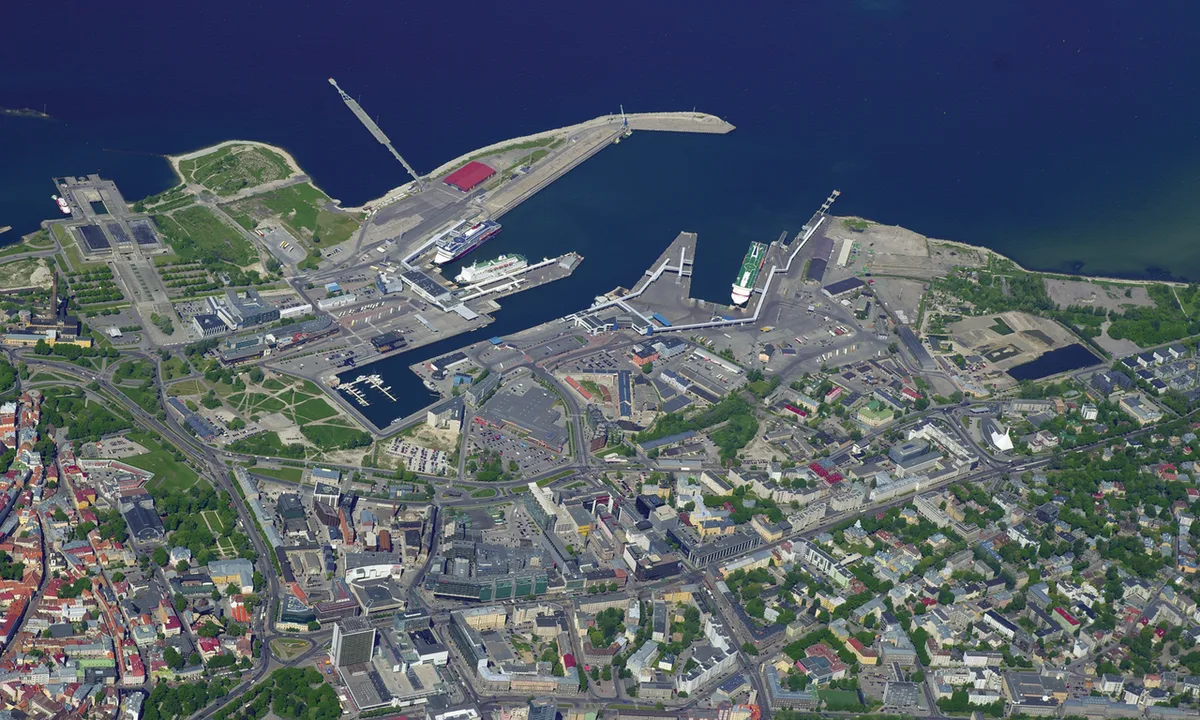
Last updated July 2026, this guide to the Rotermann Quarter Tallinn walks through the district's industrial-to-glass transformation, its Michelin Guide dining scene, and its cameo in Andrei Tarkovsky's Stalker. Set between Tallinn's Old Town, the Port of Tallinn, and Viru Square, the quarter began as Christian Abraham Rotermann's 1829 trading and factory complex. Every surface street is pedestrian-only, with underground parking absorbing the traffic that would otherwise clog a district built for 19th-century carts, not cars.
What Is the Rotermann Quarter in Tallinn?
Rotermann Quarter sits between Tallinn's Old Town, the Port of Tallinn, and Viru Square, on ground that was once the crossing point of trade roads from Tartu, Narva, and Pärnu. Ferry passengers can walk from the port terminals in about 10 minutes, and visitors coming from the Old Town reach it from Viru Gate in about 5 minutes. Visit Estonia brands the district the Bold Town of Tallinn, a tagline built around round-the-clock offices, apartments, shops, and restaurants packed into one dense footprint. Locals also call it Rotermanni kvartal, and it reads as a single walkable pocket rather than a corridor you pass through on the way to somewhere else. For orientation against the rest of the city center, the Tallinn Neighborhoods Guide: Where to Stay, Eat, and Explore in 2026 maps how Rotermann connects to its neighbors.
- Founded: 1829, by trader Christian Abraham Rotermann
- Location: between Old Town, the Port of Tallinn, and Viru Square
- Size: more than 538,000 square feet, including 370-plus apartments
- Parking: roughly 600 underground spaces, none at street level
- Access: about 10 minutes on foot from the port, about 5 minutes from Viru Gate
Industrial Heritage: From Christian Abraham Rotermann's Factories to Stalker
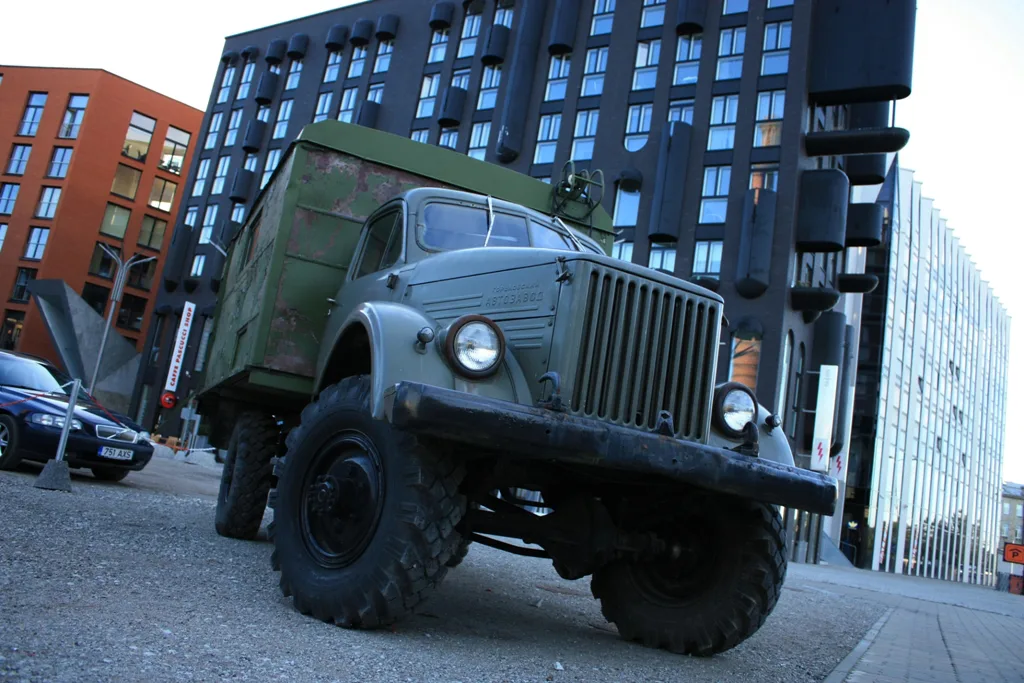
Entrepreneur Christian Abraham Rotermann founded the trading and industrial complex in 1829, and by the early 20th century it held a factory, a distillery, a pasta plant, and one of Estonia's first car dealerships. Soviet nationalization later stripped the private company and restricted production, and by the 1970s planners considered demolishing the district for a wide pedestrian avenue running straight to Viru Hotel. That decade also brought Andrei Tarkovsky's crew, who filmed the scenes preceding the Zone entrance for Stalker (1979) inside the already-decaying complex. Streets inside the quarter carry that history in their names. Rotermanni Street, Roseni Street, and Stalker gangway all run through the district, with the gangway most closely tied to the film. Film buffs hunting the location shouldn't expect a marked movie set. The gangway today runs between renovated limestone-and-glass buildings rather than the crumbling ruin seen on screen. For more offbeat corners of the city with their own backstory, the 8 Hidden Gems in Tallinn Beyond the Old Town (2026 Guide) guide covers additional stops most visitors miss. Developer Rotermann City OÜ, founded by businessman Urmas Sõõrumaa, has led the district's revival since the early 2000s. Alver Arhitektid drew up a general spatial development plan in 2005 that guided the district's overall layout for years afterward.
The Architecture of Rotermann: A Glassy Look Over Preserved Limestone
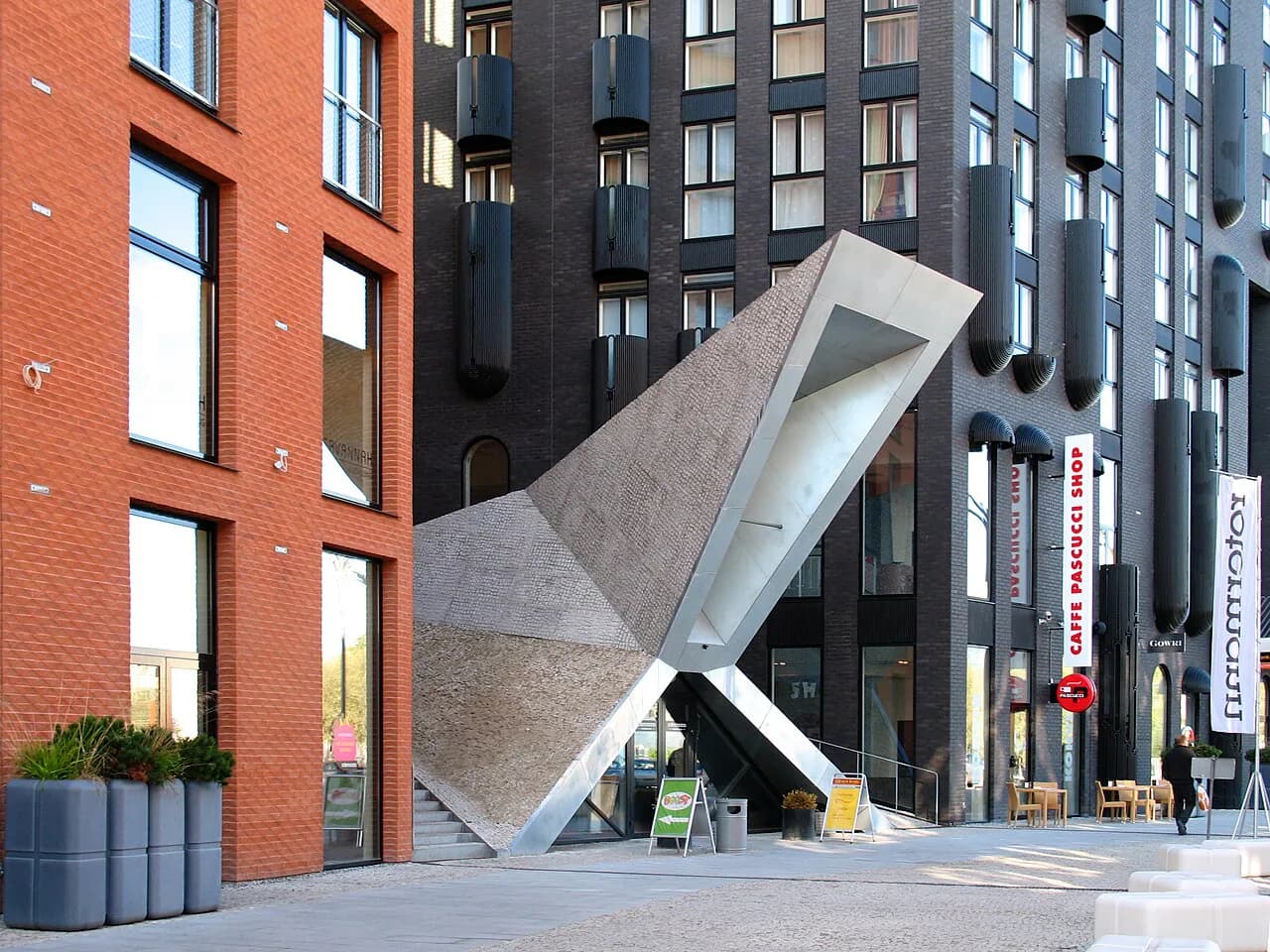
Rotermann's reconstruction ran on a 2002 zoning plan from architects Andres Alver and Veljo Kaasik, which kept vehicles out of the space between buildings and pushed ground-floor units toward public use. Heritage rules required every historic limestone facade to stay intact, so new volumes were built to sit above or beside the old stonework rather than replace it. New building heights were capped at roughly 79 feet, a limit tied to the ventilation chamber on the neighboring Coca-Cola Plaza cinema, which opened in 2001. That same year, planners declared the area a protected zone of cultural and environmental value, saving the industrial facades from demolition. Ott Kadarik, Villem Tomiste, and Mihkel Tüür designed the four town houses at Rotermanni 5 and Roseni 10, known as the Orange, Black, White, and Brown buildings. Completed in 2007, the four-building design won Estonia's State Cultural Award in 2008 for splitting one large permitted volume into smaller, more walkable structures. Teigar Sova Arhitektid reconstructed the former barley mill that same year, and Emil Urbel and Ainar Luik finished the sampling mill in 2008. KOKO Architects added the Carpenter's Workshop across the square in 2009, stacking glass office towers atop the historic building's original walls. This protected status let architects rebuild around the old walls instead of clearing them, producing a district that reads denser than the Old Town nearby. The Old and New Flour Storage buildings also followed in 2009, pairing a restored 1904 limestone facade with a weathering-steel-and-glass office block, and won the Cultural Endowment of Estonia's architecture award that same year. That density and materials mix is what locals mean by the district's glassy look. It's part of why the 9 Unique Things to Do in Tallinn: Beyond the Medieval Fairytale guide lists Rotermann among the city's standout architecture stops.
Top Things to Do in the Rotermann Quarter
Rotermann packs galleries, design retail, and dining into a compact footprint that covers more than 538,000 square feet, ground once occupied by 19th-century factories and a flour mill. A short loop through the district covers most of it on foot in under an hour, though many visitors linger longer for the shops and cafes.
- Estonian-designed boutiques: browse clothing, ceramics, and homeware from local labels rather than international chains.
- Rotermanni Square: the open plaza at the center of the quarter, framed by the original industrial buildings.
- Stalker gangway: the passage between Rotermanni Street and Roseni Street tied to Tarkovsky's 1979 film.
- Michelin Guide restaurants: several Rotermann restaurants appear in the guide, according to the district's official site.
- Coca-Cola Plaza: the multiplex cinema that opened in 2001 and anchors the quarter's northern edge.
- Pop-art and public art: several facades reference the district's industrial past in bright, graphic style.
- Summer library: a self-service book exchange sits in the quarter, per the district's own materials.
Dining and Nightlife: From Breakfast Buzz to Fine Dining
Rotermann's operator markets the district as open 24/7, though individual restaurants and bars set their own hours within that. The food scene tracks the workday, opening with what the operator calls a breakfast buzz at its cafes before shifting into lunch service for nearby offices. Evening brings the fine-dining side, including restaurants that appear in the Michelin Guide, alongside wine bars and later-hours spots. Seasonal events add to the evening pull: Bold Town Beats brings live outdoor sessions on Wednesdays and Fridays each summer, according to the district's own site. Expect premium pricing throughout. Dining and shopping here cost more than in the Kalamaja district, where stalls and casual spots dominate the food scene. For a broader spread of price points, the 15 Best Local Restaurants in Tallinn: A Neighborhood Foodie Guide guide and the Tallinn Local Food Guide 2026: Where to Eat Beyond the Tourist Menus cover both budget and splurge options. Terraces fill up on weekday evenings as the office crowd stays on for drinks, giving the square an after-work rhythm rather than a purely tourist one.
Exploring Rotermann stays free and available 24 hours a day, yet every restaurant, bar, and boutique inside commands premium pricing. Travelers get free architecture walks but should budget for expensive dining and shopping.
Logistics: Getting Around the Pedestrian-Only Rotermann Quarter
Rotermann is car-free at street level, a rarity in central Tallinn. All vehicle traffic routes underground, and the district's roughly 600 underground parking spaces sit below the surface rather than around it. This tunnel system also feeds the underground garage, keeping the roughly 600 spaces separate from the pedestrian streets above. Drivers should enter the garage from the perimeter road. There's no way to reach a building's front door by car from inside the quarter. Once inside, everything in the quarter is reachable on foot within a few minutes.
The district's pedestrian design solves a 19th-century infrastructure problem by routing cars underground: roughly 600 underground spaces absorb traffic that would overwhelm streets originally built for carts, not cars.
- From the Port of Tallinn (Terminal A/B): about a 10-minute walk.
- From Viru Gate and the Old Town: about a 5-minute walk.
- Underground parking: roughly 600 spaces, entered from the district's perimeter.
- Surface streets: fully pedestrian, with no through traffic at ground level.
Rotermann vs Telliskivi vs Old Town: Which Should You Visit?
Tallinn has two major industrial-turned-creative districts, and Rotermann and Telliskivi solve different parts of a visit. Rotermann sits directly between the Old Town and the port, while the Telliskivi Creative City occupies a separate former industrial site across the city center. Choosing between them comes down to budget and pace more than one being objectively better. Both Rotermann and the Old Town restrict ground-level vehicle traffic, but Rotermann's version is a modern underground-tunnel system rather than centuries-old cobblestone lanes. Rotermann's transformation dates to the 2002 zoning plan and the building wave that followed through 2009, while the Old Town's core dates back centuries earlier. Many visitors fit both into one trip, since they sit on opposite sides of the city center.
| District | Vibe | Price Point | Best For |
|---|---|---|---|
| Rotermann Quarter | Glass-and-limestone architecture, office-hours energy | Premium | Architecture, fine dining, a short stop near the port |
| Telliskivi Creative City | Warehouse murals, market stalls, indie studios | Budget to mid-range | Street food, flea markets, live music |
| Old Town | Medieval streets, church towers, souvenir shops | Mid-range to premium | History, first-time sightseeing, guided walks |
Costs, Opening Hours, and Best Time to Visit Rotermann Quarter
Walking through Rotermann costs nothing. The plaza, streets, and building exteriors stay open to the public with no entry fee. Restaurants and boutiques set their own hours, but Rotermann itself advertises as open all year, 24 hours a day, at street level. Afternoon and early evening give the best light on the glass facades, and that window overlaps with the after-work crowd filling terraces once offices close. Visitors wanting a quieter walkthrough might prefer late morning, before lunch service picks up. Because walking the district is free, it pairs naturally with other no-cost stops in the Free Things to Do in Tallinn: A 2026 Budget Guide guide. For citywide timing advice beyond this one district, the best time to visit Tallinn guide covers seasonal crowd patterns.
Mistakes to Avoid When Visiting Rotermann Quarter
A few planning missteps show up again and again among first-time visitors. Most of these come from treating the district like a typical downtown block instead of the car-free, ticket-free zone it actually is.
- Driving in expecting street parking: there is none at ground level, and the closest alternative is one of roughly 600 underground spaces at the perimeter.
- Walking past the Stalker gangway without knowing it: look for the passage between Rotermanni Street and Roseni Street, not a marked film set.
- Treating Rotermann like an indoor shopping mall: it's an open-air urban district, not a climate-controlled center like nearby Viru Keskus.
- Visiting only in daylight: the after-work atmosphere and lit glass facades are strongest in the early evening.
- Skipping nearby alternatives: pair the visit with off the beaten path Tallinn picks for a quieter follow-up stop.
Frequently Asked Questions
Is the Rotermann Quarter free to visit?
Yes, walking through Rotermann Quarter costs nothing. The plaza, streets, and building exteriors stay open to the public, and only individual restaurants, shops, or events charge for what they sell.
How do you get to Rotermann Quarter from the Tallinn ferry terminals?
The walk from the Port of Tallinn's Terminal A or B takes about 10 minutes. From the Viru Gate at the edge of the Old Town, the walk is closer to 5 minutes, since Rotermann sits directly between the two.
Can you park in Rotermann Quarter?
Not at street level. The district is entirely pedestrian at the surface. Drivers use one of roughly 600 underground parking spaces, entered from the perimeter road rather than from inside the quarter.
Where is the Stalker filming location in Rotermann?
Look for Stalker gangway, a passage between Rotermanni Street and Roseni Street named for Andrei Tarkovsky's 1979 film. The crew shot the scenes before the Zone entrance here while the complex was still a ruin, decades before its 2000s renovation.
Is Rotermann Quarter or Telliskivi better for visiting Tallinn?
Rotermann suits travelers who want architecture and fine dining close to the Old Town and port. Telliskivi suits budget-minded visitors chasing street food, flea markets, and a rougher, more industrial feel.
How big is the Rotermann Quarter?
The district covers more than 538,000 square feet of reconstructed and new buildings. It includes more than 370 apartments alongside its offices, shops, and restaurants, according to public planning figures for the area.
Who developed the Rotermann Quarter?
Rotermann City OÜ, founded by businessman Urmas Sõõrumaa, has led the district's redevelopment since the early 2000s. Architects including Andres Alver and KOKO Architects shaped the zoning and building designs that followed.
What's the best way to see both the architecture and the Stalker filming spots in one visit?
Start at Rotermanni Square and walk toward Stalker gangway between Rotermanni Street and Roseni Street. From there, loop past the Orange, Black, White, and Brown buildings and the restored Flour Storage before finishing near Coca-Cola Plaza.
Continue exploring
More guides you'll find useful