Kalamaja Tallinn Guide: Telliskivi, Noblessner, and the Fish House District (2026)
A practical Kalamaja Tallinn guide to Balti Jaama Turg, Telliskivi, and Noblessner, with 2026 tram notes, market hours, and Patarei's reopening status.
On this page
Kalamaja Tallinn Guide: From Balti Jaama Turg to Noblessner
Last updated July 2026, this kalamaja tallinn guide covers the fish house district ten minutes on foot from Tallinn's Old Town walls. Kalamaja shifted from a 20th-century fishing and factory quarter into a mix of wooden houses, converted warehouses, and waterfront museums. This guide sequences the walk from Balti Jaama Turg through Telliskivi to Noblessner, with transit, timing, and cost notes for each stop.
Kalamaja Tallinn Guide: Location, Layout, and First Impressions
Kalamaja sits just northwest of Tallinn's Old Town, close enough to reach on a 10-minute walk from the Nunne Street gate. Fishermen gave the district its name, which translates from Estonian as fish house. Kalamaja later became a 20th-century industrial quarter for factory workers before today's mix of wooden houses, former Soviet-era buildings, and a working harbor took shape. The transition from industrial decline to renewed investment took roughly two decades, most visibly along the streets closest to Telliskivi. Many of the restored houses now belong to Tallinn's tech-sector entrepreneurs, a shift locals point to as the clearest sign of the district's gentrification. Tallinn's official tourism site profiles Kalamaja among the city's neighborhoods, noting the well-preserved wooden houses and the short walk from the Old Town. A wider view of how Kalamaja fits into the city appears in the Tallinn Neighborhoods Guide: Where to Stay, Eat, and Explore in 2026. Kalamaja also appears in the 8 Hidden Gems in Tallinn Beyond the Old Town (2026 Guide) roundup, alongside other lesser-visited stops.
Getting to Kalamaja: Walking, Trams, and Sunday Timing
Walking from the Nunne Street gate takes about 10 minutes to reach Balti Jaama Turg, the market that marks Kalamaja's edge. Tram lines 1 and 2 run toward Kopli and stop near the market and Telliskivi, and buses also serve the area for travelers who prefer not to walk. Confirm the current route before relying on it, since Tallinn's tram network sees frequent construction detours. Kalamaja works best as a daytime, Sunday-style visit rather than a Friday-night circuit. Bars and creative-city energy pick up on weekend afternoons and evenings, not on quiet weekdays. Check the best time to visit Tallinn for season-by-season crowd patterns. These patterns apply to Kalamaja's market and museum hours too.
The Gateway: Balti Jaama Turg and Depoo
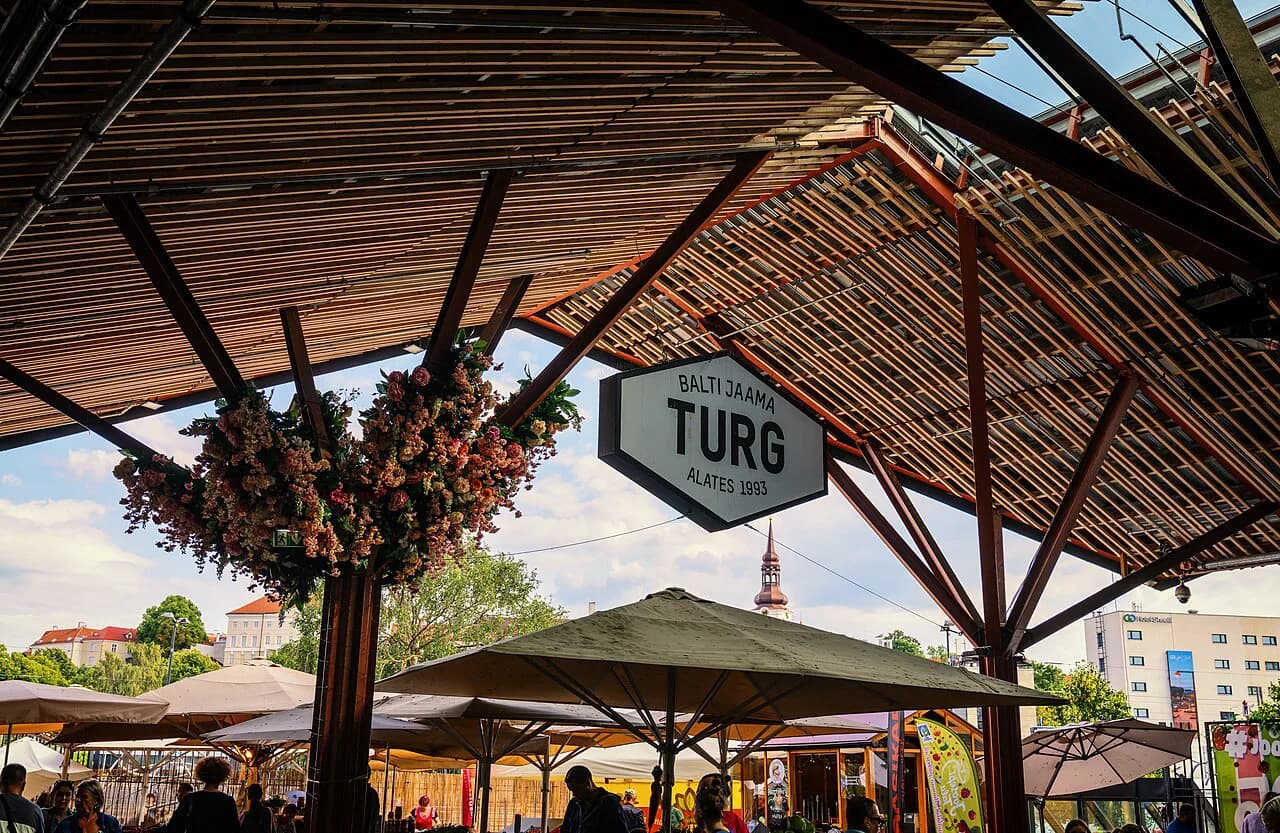
Balti Jaama Turg is the natural starting point, a three-level market with roughly 300 traders across its floors. Central Asian food stalls stand out among the options, alongside charity shops and sellers of Soviet-era memorabilia relabeled as collectibles. Many stalls and shops inside the market keep shorter hours on Sundays, so aim for a weekday or Saturday if a specific vendor matters. Weekday mornings tend to be the quietest time to browse the antiques floor without crowds. Depoo sits next door in the former train-repair depot. Shipping containers and old railway carriages hold street-food vendors there, including Peatus, a restaurant built inside converted train carriages. That breakdown continues in the Balti Jaama Turg guide.
- Ground floor: fresh meat, fish, fruit, and vegetables
- Humalakoda brewery: local ciders paired with cheese boards
- Upper floors: antiques, Soviet-era collectibles, and Estonian design and crafts
Telliskivi Creative City: The District's Creative Core
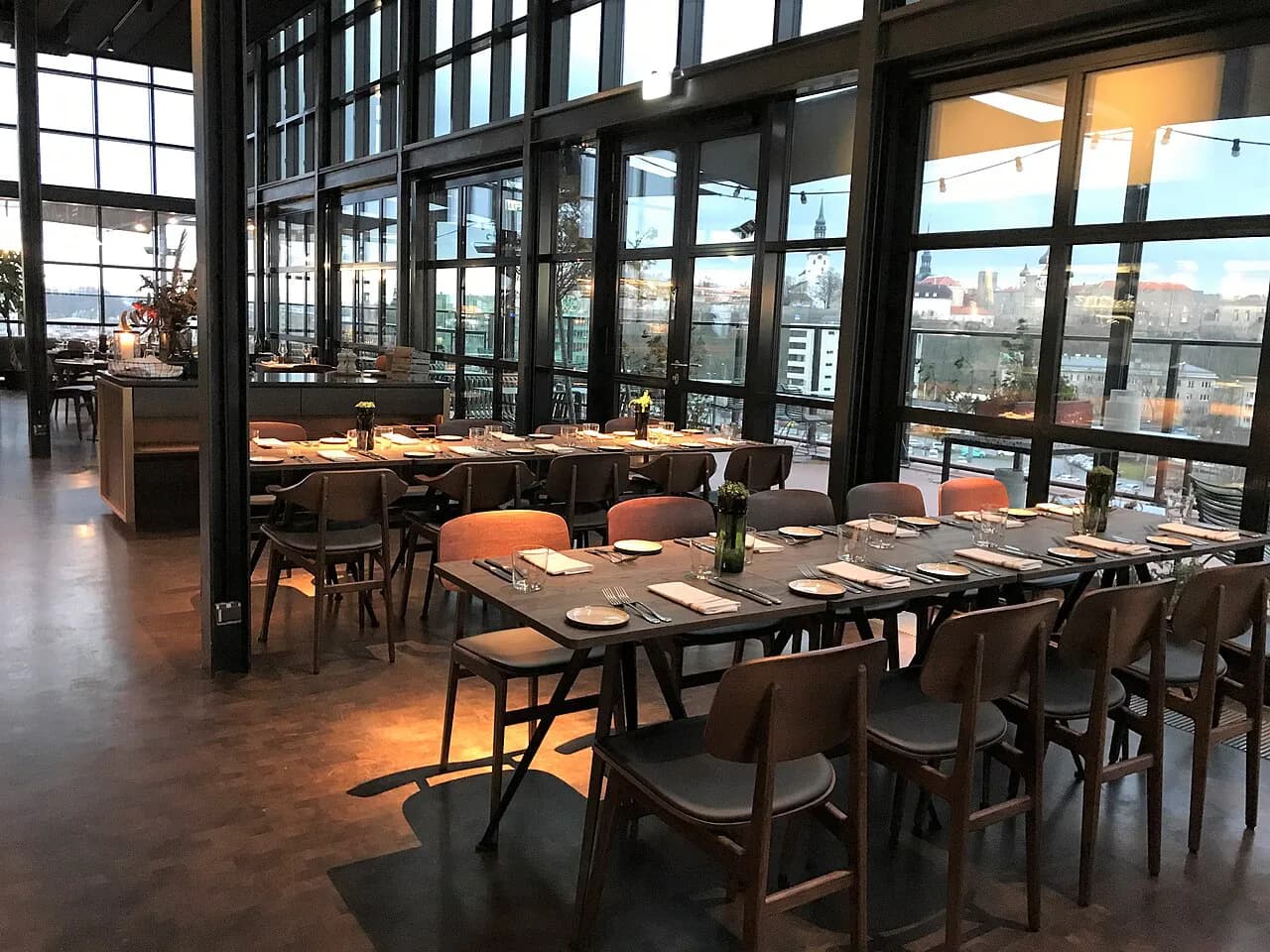
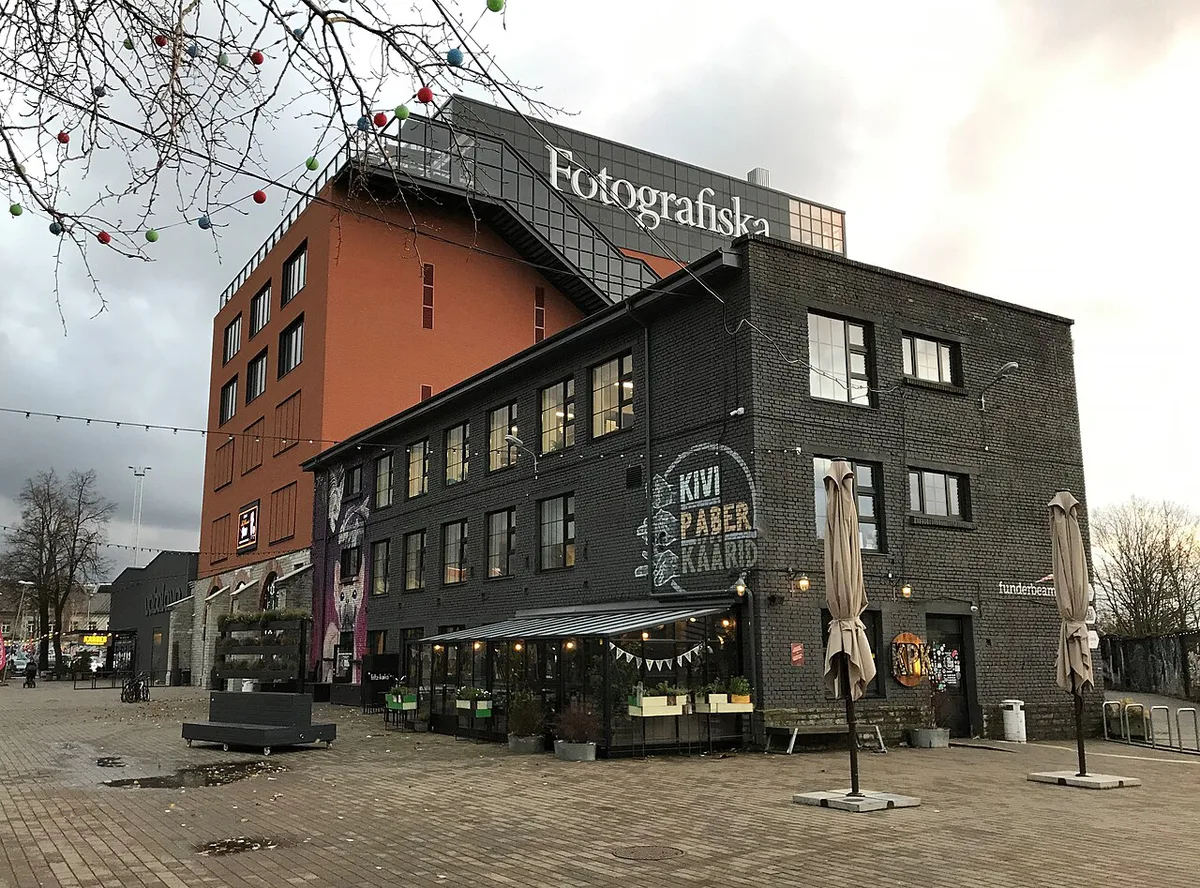
Telliskivi Creative City occupies a former Soviet electronics factory that stopped production in the 1990s and reopened as a creative complex in 2010. Around 250 restaurants, bars, and shops now operate inside the old buildings. Fotografiska anchors the complex with rotating photography exhibitions rather than a permanent collection. Its rooftop restaurant, on the sixth floor, looks out over the Old Town across the train tracks. Junimperium Distillery runs gin tours that end with a tasting. A bar on site serves gin cocktails most evenings. That combination counts among the 9 Unique Things to Do in Tallinn: Beyond the Medieval Fairytale. Street art covers the walls and courtyards, concentrated most heavily around Telliskivi and neighboring Depoo. Full venue-by-venue detail is in the Telliskivi Creative City guide.
EKKM, Kultuurikatel, and Kalamaja's Live Culture Scene
EKKM, the Contemporary Art Museum of Estonia, sits near Telliskivi and doubles as a venue for outdoor parties with live music alongside its exhibitions. Kultuurikatel, a former power plant nearby, now runs as a concert and event venue, hosting design fairs and street-food festivals on an irregular schedule. Heldeke, a theatre-bar in the district, runs open-mic nights, comedy, and burlesque shows, with some performances in English and occasional sauna nights open to visitors. These venues sit close enough to Telliskivi that combining them into one afternoon is straightforward on foot. Check listings before a visit, since programming at all three venues changes with the season.
The Tallinn Houses: Wooden Architecture Worth Slowing Down For
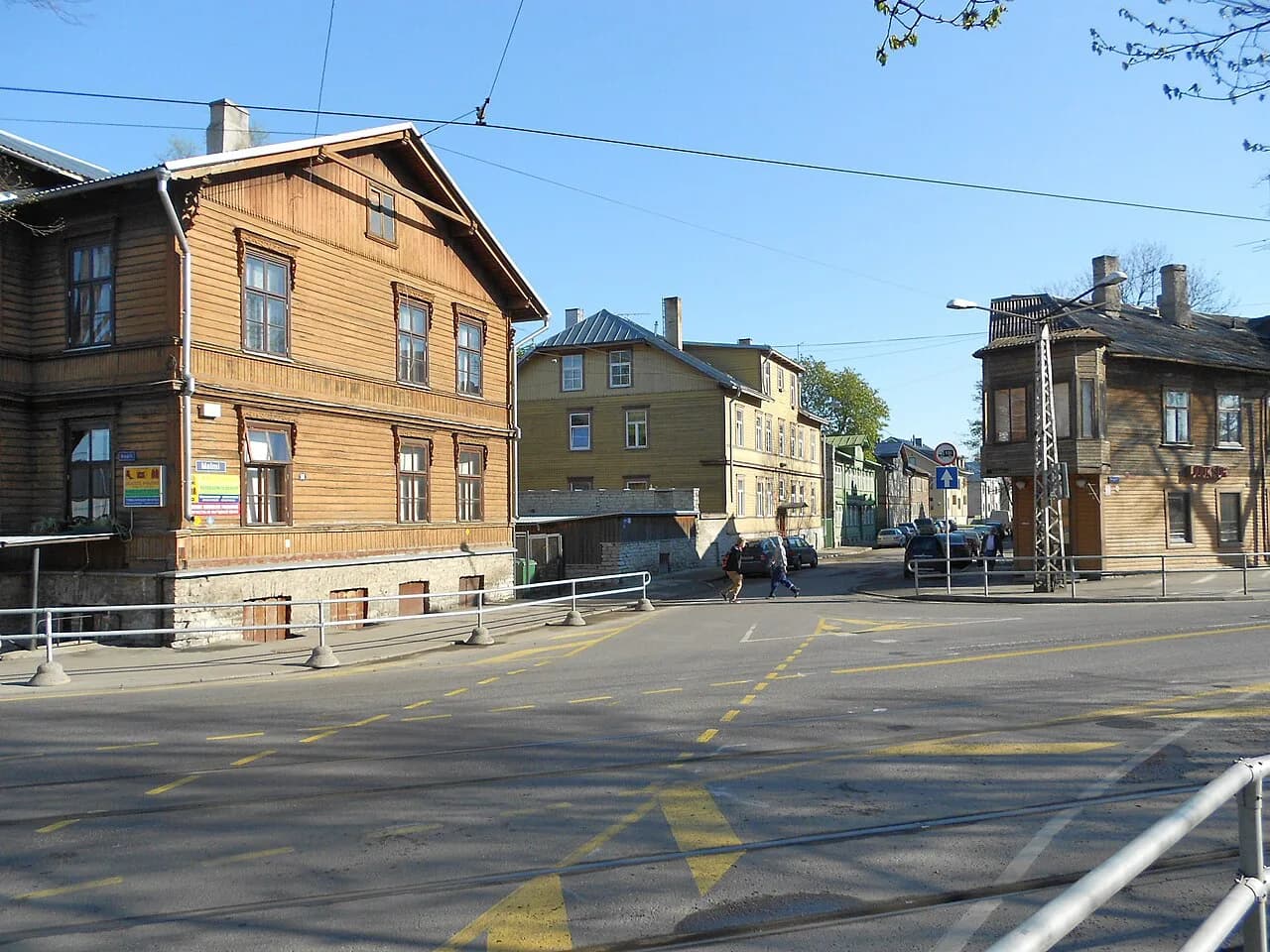
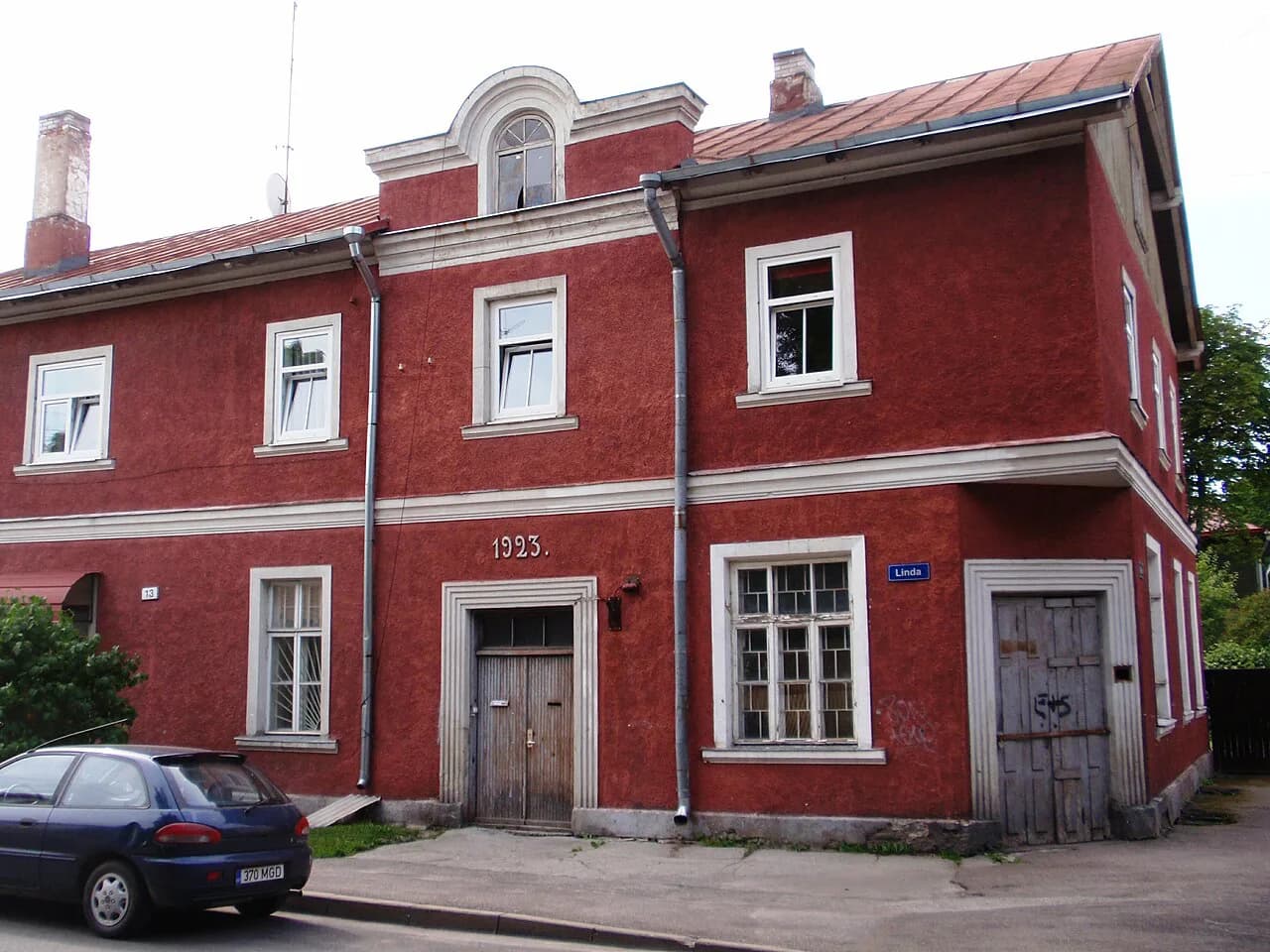
Kalamaja's wooden houses, known as Tallinn houses, were built mainly in the 1920s and 1930s for factory workers and their families. Many stood before both World Wars, built as industrialization reached Tallinn in the early 20th century. About 500 examples survive across the whole city, and Kalamaja is one of the neighborhoods where they are most concentrated. Some houses still show fire damage or unrepaired facades next to fully restored neighbors, a contrast several guides note as part of the area's transitional character. Valgevase and Kungla streets carry some of the best-preserved rows, with two- and three-story houses painted in colors from pastel blue to deep green. Kotzebue 16 houses the Kalamaja Museum, which focuses on the neighborhood's own residents rather than the wider city. Historic photographs from the museum's collection also appear on walls and fences around the district, so a walk between the houses doubles as a self-guided timeline.
Kalamaja hosts the highest concentration of the 500 examples of Tallinn houses that survive citywide. Once-declining industrial architecture, these 1920s and 1930s structures now attract tech-sector entrepreneurs, illustrating the district's dramatic gentrification.
Noblessner and Seaplane Harbour: Kalamaja's Waterfront
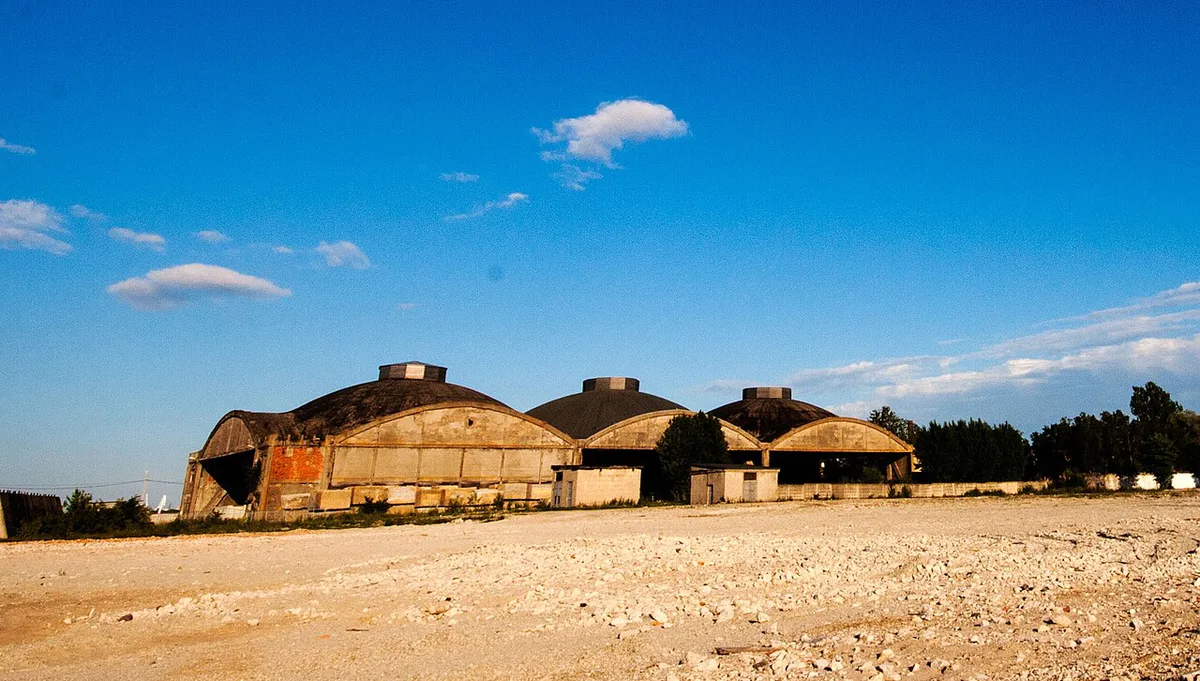
Noblessner takes its name from Arthur Lessner and Emanuel Nobel. Lessner and Nobel joined forces in 1912, building a submarine production base that completed 12 submarines within five years. Estonian independence in 1918 ended that arrangement, and the hangars spent the next century as ship-repair space. Today the same buildings house museums, galleries, a marina, and waterfront apartments. Seaplane Harbour, inside the district's former seaplane hangar, has run as an interactive maritime museum since 2012 and displays around 200 items. Submarine Lembit anchors the collection, with the icebreaker Suur Tõll moored outside. Seaplane Harbour also lists a second site in the Old Town, the Fat Margaret Museum; confirm current opening hours for both before visiting. Families choosing between Seaplane Harbour and PROTO Invention Factory face a real trade-off. Seaplane Harbour is a large object-based collection built around real vessels, including the Lembit. PROTO, which opened in 2019, skips glass cases entirely in favor of hands-on and VR exhibits. Art-focused travelers face a similar choice. Fotografiska, in Telliskivi, shows rotating photography exhibitions. Kai Art Centre, in Noblessner, focuses on contemporary art inside one of the district's former industrial buildings. The Noblessner guide covers the marina walk and current gallery listings in more depth.
Seaplane Harbour has operated since 2012 with around 200 items on display. Patarei's museum section remained closed for redevelopment until 2026, with shifting reopening dates.
Patarei and Kopli: What to Skip and What to Extend Into
Patarei began as an 1840s barracks and sea fortress before serving as a prison from 1919 to 2002, under Estonian, Soviet, and Nazi control at different points. The International Museum of Remembrance for the Victims of Communism opened inside part of the complex in 2017. Redevelopment plans followed after the wider site was sold, and the museum section is slated to reopen in 2026. Even with most buildings closed, the fortress remains visible from the harbor-side path outside its perimeter. Confirm the current opening status before planning a visit, since exact dates for the redevelopment have shifted before. The Patarei Sea Fortress guide tracks the latest access details. Kopli, reached by continuing on tram 1, stays mostly residential and sits outside Kalamaja's main sightseeing loop. Save it for a second visit rather than adding it to a first pass through the district.
Kalamaja Park and Paljassaare: Green Space Beyond the Streets
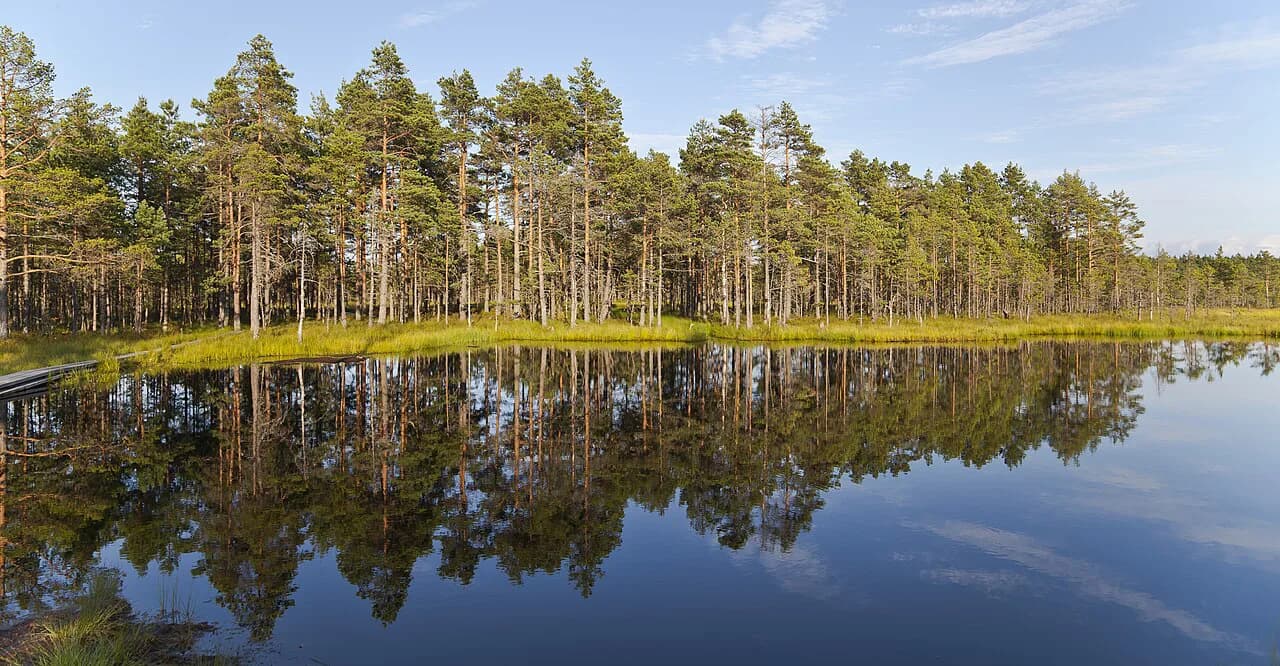
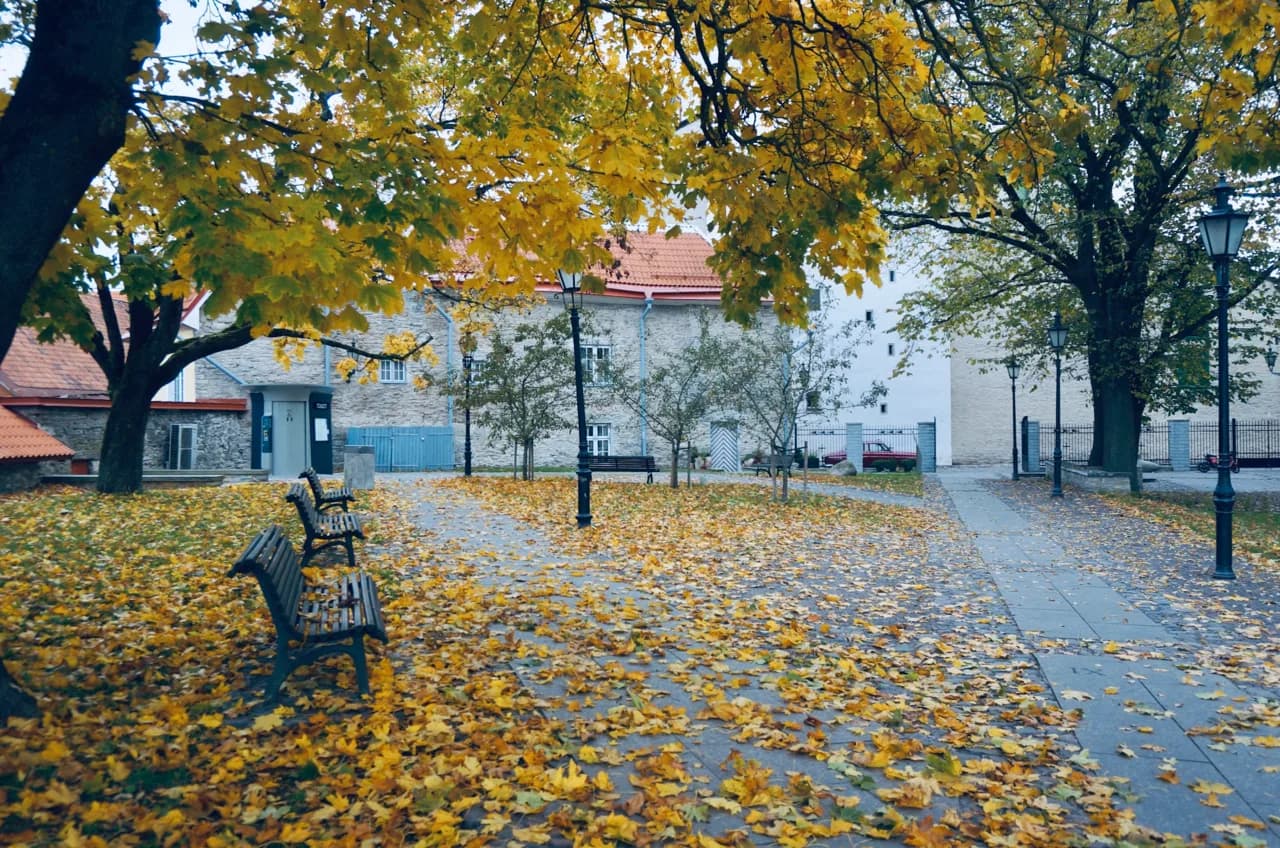
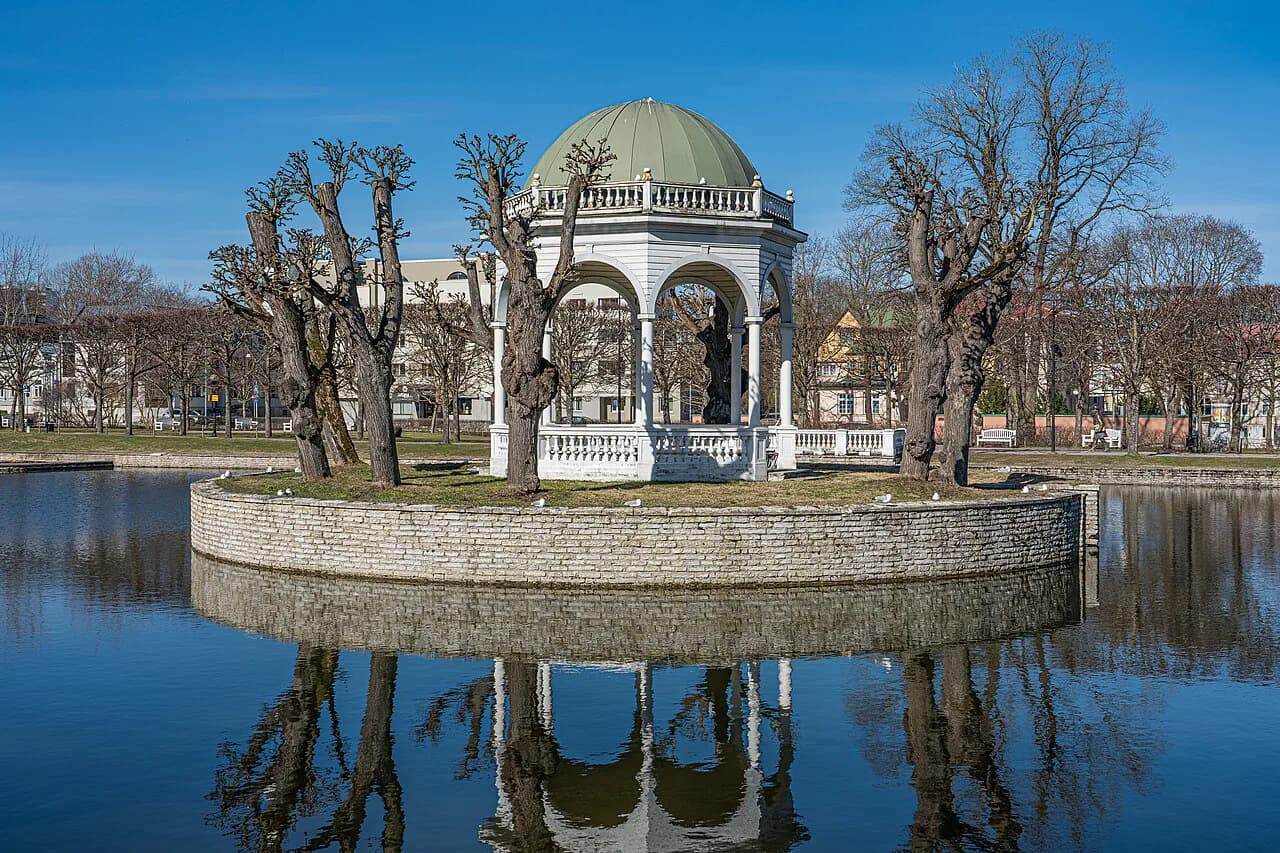
Kalamaja Park sits on the site of a former cemetery, now landscaped as the district's main green space. It works well as a short break between Telliskivi and the waterfront, and costs nothing to visit. This park also appears on lists of Free Things to Do in Tallinn: A 2026 Budget Guide. Paljassaare Conservation Area, further north along the coast, adds a birdwatching tower for travelers with extra time. Reaching Paljassaare takes longer than the rest of this guide's route, so it suits a slower day rather than a quick pass through Kalamaja. Both spots suit visitors who have already covered Balti Jaama Turg and Telliskivi and want a slower pace before heading back toward the Old Town. The off-the-beaten-path guide covers other overlooked corners of the city beyond Kalamaja's boundaries.
Shopping in Kalamaja: Design Studios, Antiques, and Sock Shops
SUVA has made socks in Estonia since 1919 and sells them from a shop in the district, ranging from simple everyday pairs to colorful patterned designs. Sip and Tiks both operate as wine shops with a small bar attached, useful for a sit-down tasting after a day of walking. Homeart and the other resident shops inside Telliskivi round out the list with Estonian-made textiles, prints, and home goods rather than mass-produced souvenirs. Balti Jaama Turg's upper floors add a secondhand layer to the mix, with Soviet-era badges, posters, and toys now sold as collectibles.
Eating and Drinking in Kalamaja: Market Stalls to Sit-Down Dinners
Boheem serves breakfast and brunch at prices that stay low for the neighborhood; pizzas run around €7 each. Gustavo Gastro Cafe, a bakery-cafe in the district, is worth a stop for coffee and cake alongside the usual pastries. F-Hoone occupies a warehouse-style building nearby, with a graffiti-covered exterior and dim lighting that multiple guides describe as a Kalamaja dinner classic. Moon, tucked on a smaller side street, serves traditional Russian dishes, including dumplings, and has been noted in the Michelin Guide. Burger Box, right by the market, keeps a compact menu built around one standout burger and a side of kimchi fries. Uulits, on Soo Street, runs a wider burger menu in a spot quiet enough that mostly locals use it. Kalamaja Pagarikoda covers the neighborhood's bakery needs, with pastries, cakes, and fresh bread near the market. Pudel and Sveta Bar sit near the train station for an evening drink. Pudel's beer list suits slow sampling, while Sveta's cocktail menu suits a later night. Weeknight tables are easier to get at most of these spots than weekend ones, since Kalamaja's dinner crowd peaks on Friday and Saturday nights. Round out a Telliskivi evening with a tasting flight at Junimperium Distillery or a cider at Humalakoda inside Balti Jaama Turg. The best local restaurants in Tallinn guide covers citywide picks beyond Kalamaja. The Tallinn local food guide adds dish-by-dish detail.
Kalamaja at a Glance
This comparison sequences Kalamaja's main stops by time needed and cost level, using euro symbols as a relative guide rather than fixed admission prices. Confirm current hours and Tallinn Card inclusion directly with each venue before visiting.
| Attraction | Best For | Time Needed | Cost Level | Tallinn Card |
|---|---|---|---|---|
| Balti Jaama Turg | Food and market browsing | 1-2 hours | € | Not a ticketed site |
| Telliskivi Creative City | Shopping, cafes, street art | 2-3 hours | €-€€ | Not a ticketed site |
| Seaplane Harbour (Lennusadam) | Families, maritime history | 2-3 hours | €€ | Check current list |
| PROTO Invention Factory | Kids, hands-on exhibits | 1-2 hours | €€ | Check current list |
| Fotografiska Tallinn | Photography and art | 1 hour | € | Check current list |
| Kai Art Centre | Contemporary art | 1 hour | € | Check current list |
| Noblessner waterfront | Marina walk, dining | 1-2 hours | € | Not a ticketed site |
| Kalamaja Museum | Local history | 30-45 minutes | € | Check current list |
| Kalamaja Park | Quick break, green space | 20-30 minutes | Free | Not a ticketed site |
| Patarei Sea Fortress | History (reopening 2026) | Confirm access | Confirm | Check current list |
A Practical Half-Day Walking Route
Start at Balti Jaama Turg, then cross into Telliskivi Creative City through the entrance beside the railway station. Explore its main courtyards before returning toward Kotzebue Street.
Follow Kotzebue to Kalamaja Museum at number 16. Continue north through the residential streets around Kungla and Valgevase for the district’s best concentration of Tallinn houses. These streets are more rewarding than staying on the busier main roads.
From Valgevase, head toward Kalamaja Park, then continue along Tööstuse Street. Turn onto Vesilennuki Street for Seaplane Harbour and the submarine Lembit. After the museum, follow the waterfront west toward Noblessner rather than retracing the inland route.
This order keeps the day moving from market activity to creative spaces, residential architecture, and industrial waterfront heritage. Finish at Noblessner for galleries, marina views, or dinner. To return, walk from the harbor toward Kopli Street and use the nearest operating tram stop. Check Tallinn’s transit planner first because construction can change tram routes and stop locations.
Frequently Asked Questions
How far is Kalamaja from Tallinn's Old Town?
Kalamaja is about a 10-minute walk from the Nunne Street gate at the edge of the Old Town. Tram lines 1 and 2 also connect the two areas, though the distance is short enough that most visitors walk it.
How much time should you plan for Kalamaja?
A half day covers Balti Jaama Turg and Telliskivi at a comfortable pace. Add a full afternoon if Seaplane Harbour, PROTO Invention Factory, or the Noblessner waterfront are part of the plan, since each stop runs 1-3 hours on its own.
Is Patarei Sea Fortress open to visit in 2026?
Most of Patarei remains closed for redevelopment, with the museum section slated to reopen in 2026. Confirm the current status through the Patarei Sea Fortress guide before building it into an itinerary, since redevelopment timelines have shifted before.
Should you visit Kalamaja on a weekday or a weekend?
Weekends bring more activity to Telliskivi's bars and events, while weekdays are calmer for photographing the wooden houses. Sundays run shorter hours at Balti Jaama Turg and some Telliskivi shops, so check opening times if a specific stall or store is the goal.
Is Kopli worth adding to a Kalamaja visit?
Kopli sits further along the tram 1 line and stays mostly residential, without Kalamaja's concentration of museums and shops. It suits a second, slower visit rather than a first pass through the district.
What should you buy in Kalamaja?
Balti Jaama Turg's upper floors hold antiques and Soviet-era collectibles, while Telliskivi shops focus on Estonian textiles, prints, and home goods. SUVA's sock shop, running since 1919, adds a lower-cost souvenir option that fits in a carry-on.
Continue exploring
More guides you'll find useful