Kadriorg Tallinn Guide: Parks, Palaces & Local Secrets
Plan a Kadriorg visit in Tallinn: tram logistics, KUMU vs Kadriorg Palace compared, local cafes, and the last-Wednesday €3 museum discount.
On this page
Kadriorg Tallinn Guide: Parks, Palaces, and Local Secrets
Last updated July 2026, this Kadriorg Tallinn guide covers the 70-hectare park Peter the Great built for his wife, Catherine I. A Baroque palace, several museums, and a free Japanese Garden sit inside its grounds, a short tram ride from central Tallinn. Beyond the palace, wooden-villa streets reward visitors who go past the Swan Pond.
Kadriorg Tallinn Guide: What Peter the Great Built for Catherine I
Peter the Great began building this estate in 1718, shortly after Russia took the Baltic coast. He named it Ekaterinenthal, Catherine's Valley, for his wife, Catherine I. Kadriorg is the Estonian form of that name. The Petrine Baroque palace at its center went up between 1718 and 1725, designed as a summer residence rather than a fortress. Today the palace holds the Kadriorg Art Museum's collection of 16th- to 20th-century foreign art. Everything around it grew from that original 70-hectare park. Old Town nearby is medieval and Gothic; Kadriorg is Baroque and imperial, laid out for carriages and promenades rather than defense. Visitors who want more than the main hall can also check Tallinn's hidden gems, a guide to spots most day-trippers skip.
Getting to Kadriorg: Trams, the L. Koidula Stop, and the Reidi Tee Walk
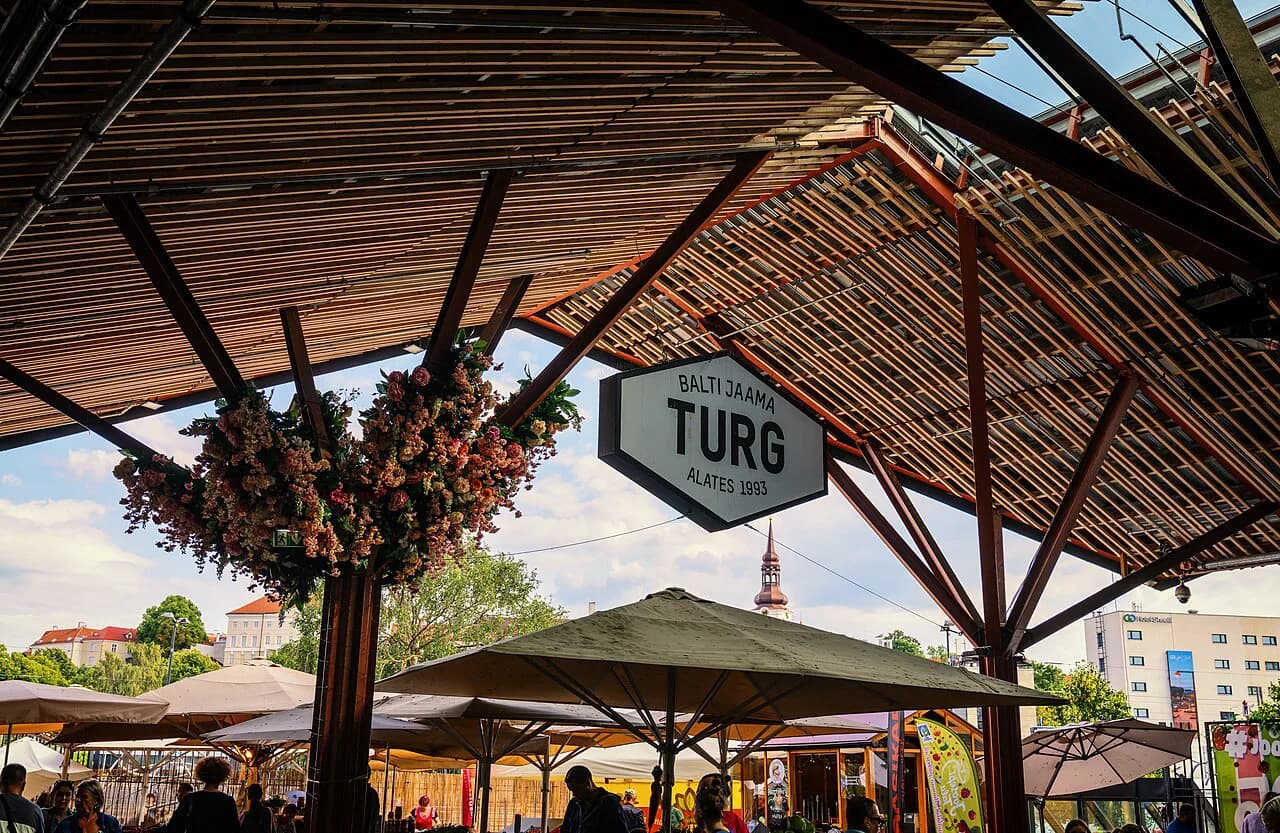
Trams #1 and #3 both run to Kadriorg from central stops at Hobujaama and Balti Jaam. Journey time runs about 10 to 15 minutes depending on where you board. Tap a contactless card on the validator as you enter. A single ride costs €2. Tallinn caps a full day of transit at €5.50 no matter how many trips you take, according to the official Kadriorg walking guide. Boarding at Balti Jaam also puts you next to the Balti Jaam market if you want a stop before the tram. Skip the final Kadriorg stop and get off one earlier, at L. Koidula. That drops you straight into the wooden-house streets before you ever reach the park gates. Walking instead takes 25 to 30 minutes from Old Town along the Reidi tee seaside promenade. The same coastal path continues further northeast toward Tallinn's Pirita district for visitors extending the walk beyond a single afternoon. Ride the tram out and walk back along the water for sunset views over the bay. For a half-day loop that covers both the park and the neighborhood, follow this order:
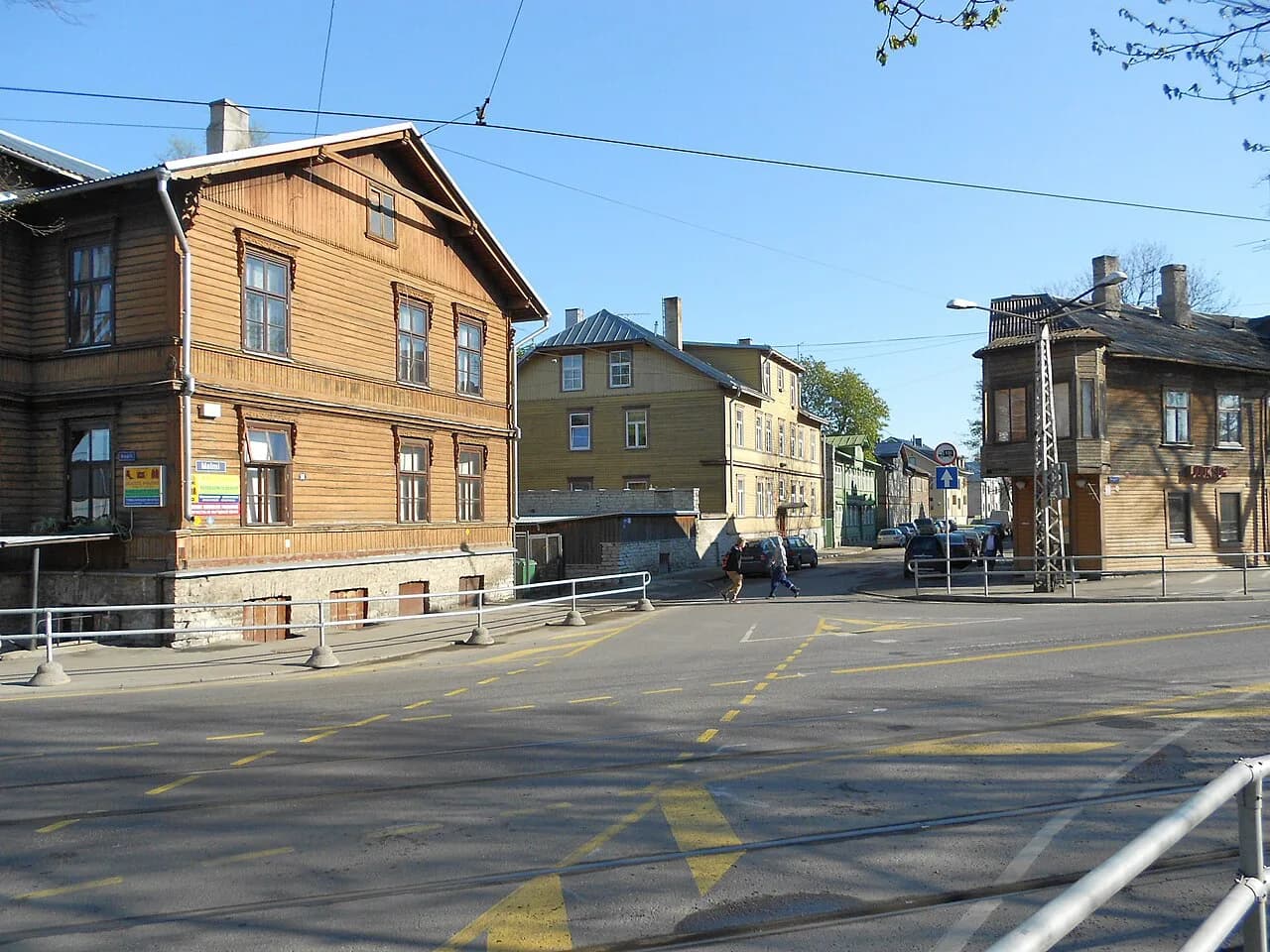
Exiting at L. Koidula as recommended connects you with streets that trace back to 1813, when Russia's first seaside resort opened in this neighborhood.
- Tram to the L. Koidula stop
- Coffee at NOP on Köleri
- A walk through the wooden-villa streets
- The Swan Pond and promenade
- Kadriorg Palace and the Flower Garden
- The Japanese Garden in the northeast corner
- Walk back toward town via Reidi tee
Three Gardens in One: Swan Pond, Flower Garden, and Japanese Garden
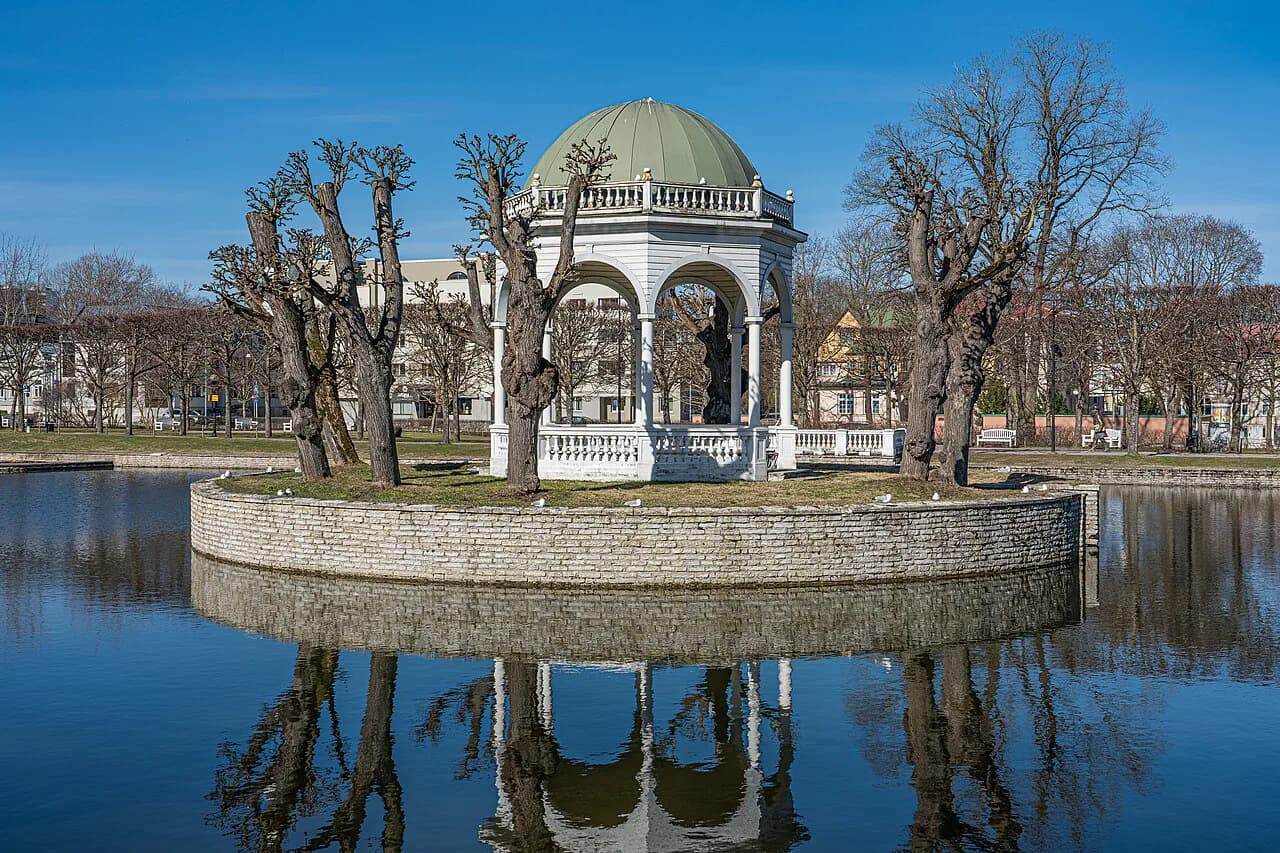
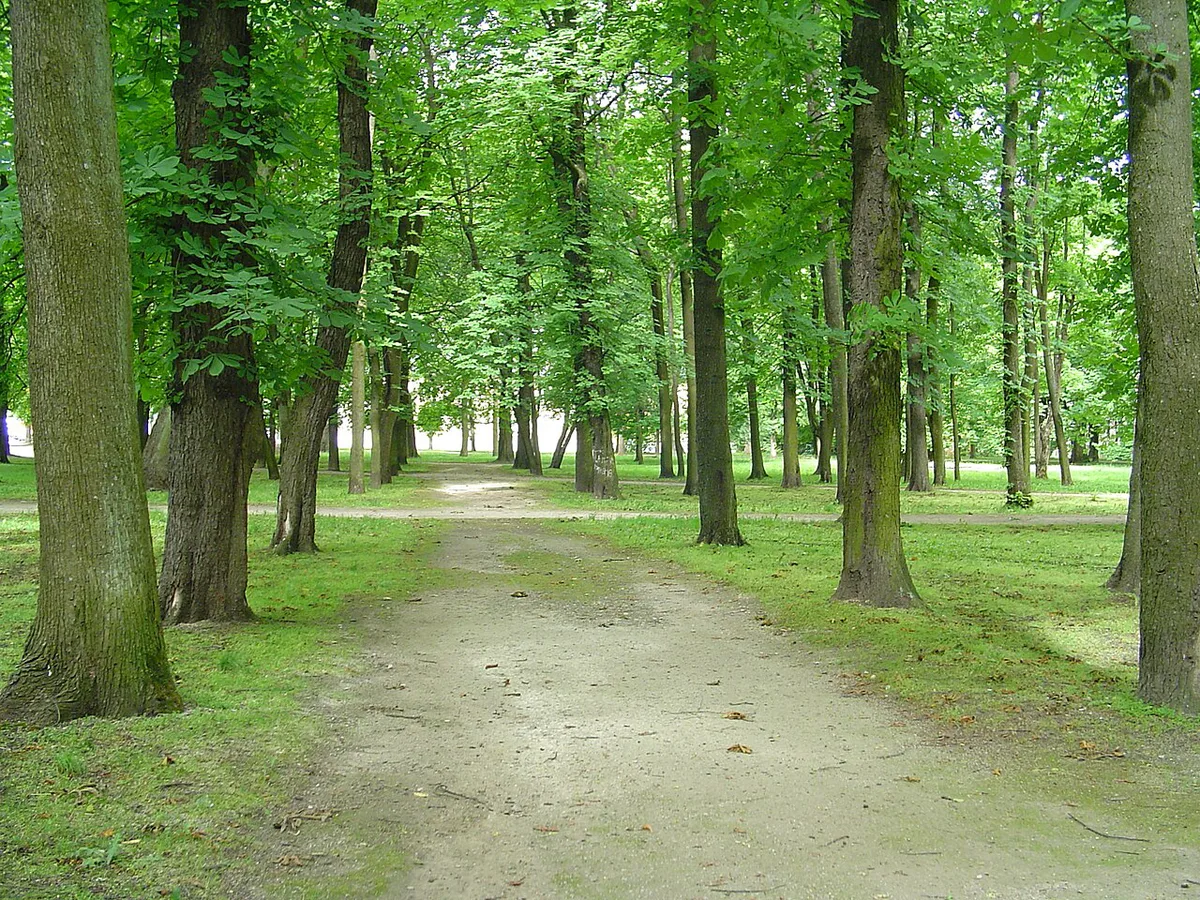
Most visits start at the Swan Pond, the park's classic entry point. A gazebo sits at its center, ringed by fountains and symmetrical flowerbeds. Ducks and swans stay on the water through most of the year. From there, the promenade leads up to the palace and its Flower Garden. This is the French-style section: clipped hedges, geometric beds, and fountains arranged around the palace's front facade. Give it 10 minutes; it rewards a quick pass more than a long one. Estonia's president has lived in an official residence within the park since 1938; you can view it from outside a perimeter fence, but there's no public entry. The Japanese Garden sits in the park's northeast corner, away from the crowds near the palace. Entry is free, like the rest of the grounds, so it pairs well with other free activities around Tallinn. The park's paths add up to more than 16 kilometres, according to the self-guided Kadriorg walk. Visit the Japanese Garden early morning for the quietest light and the fewest people on the paths.
The Museum Decision Matrix: KUMU vs Kadriorg Art Museum vs Mikkel vs Peter the Great's House
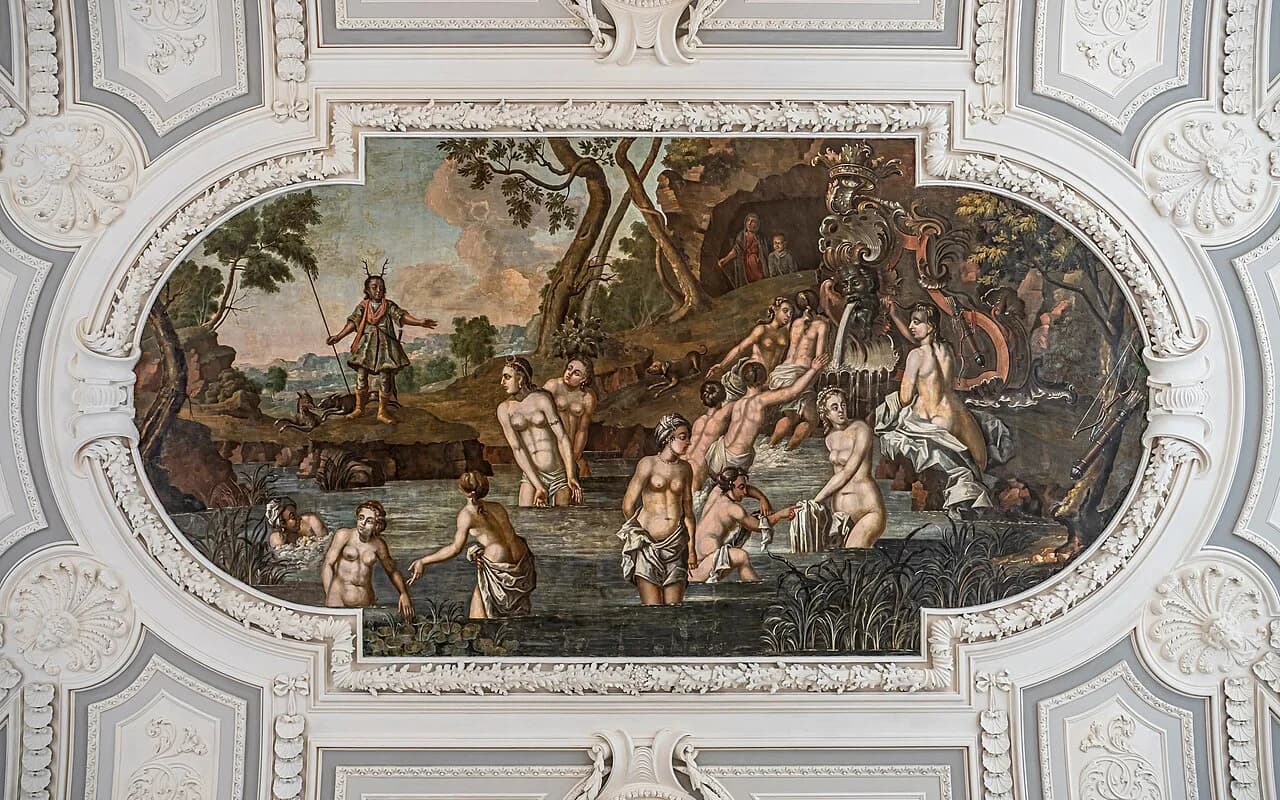
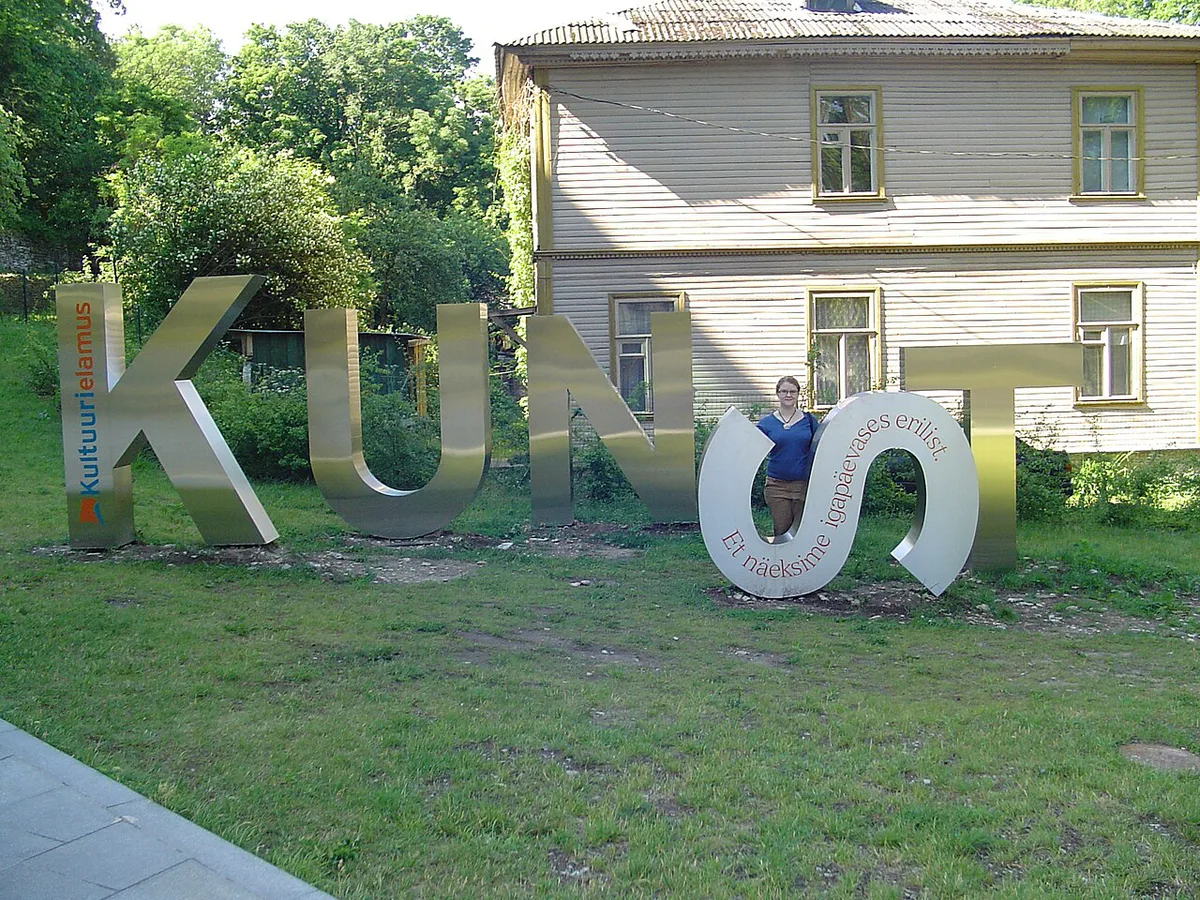
Kadriorg holds four museums, and trying all of them in one visit burns the whole day without leaving time for the park. Pick one based on what you actually want to see. KUMU anchors the modern end of the spectrum. Built into a limestone slope at the park's edge, it covers Estonian art from the 18th century through today, with a Soviet-era floor that pairs officially sanctioned work against nonconformist pieces from the same decades. Kadriorg Art Museum, inside the palace itself, is the opposite experience: Baroque interiors and a 16th- to 20th-century foreign art collection, with an ornate main hall worth the entry price on its own. Mikkel Museum, housed in the palace's old kitchen building, holds prints, porcelain, and paintings from a private collection donated to the state in 1994. Peter the Great's House, a modest 17th-century cottage, is where the tsar actually stayed while the palace went up; it now displays personal effects belonging to Peter and Catherine.
Beyond the museums, exploring the full park with its 16 kilometres of paths and the historic wooden-villa streets reveals why visitors can't fit everything into a single day.
| Museum | Best For | Price (2026) | Hours |
|---|---|---|---|
| KUMU Art Museum | Architecture and contemporary Baltic-region art | €16 adult / €11 student / €32 family | Closed Mondays Oct-Apr; open Mondays in summer |
| Kadriorg Art Museum (Palace) | Baroque interiors and Old Master paintings | Check the museum's current listing | Hours vary; confirm before visiting |
| Mikkel Museum | A quick 20-30 minute stop | Check the museum's current listing | Seasonal hours; confirm before visiting |
| Peter the Great's House | History enthusiasts and a smaller crowd | Check the museum's current listing | Seasonal hours; confirm before visiting |
- Many Kadriorg museums, including KUMU, have historically dropped entry to €3 on the last Wednesday of the month; confirm current participation before you plan a trip around it
- Opening hours shift by season at the smaller museums, so check each one's current listing rather than assume last year's schedule still applies
Beyond the Park: Kadriorg's Wooden-Villa Streets
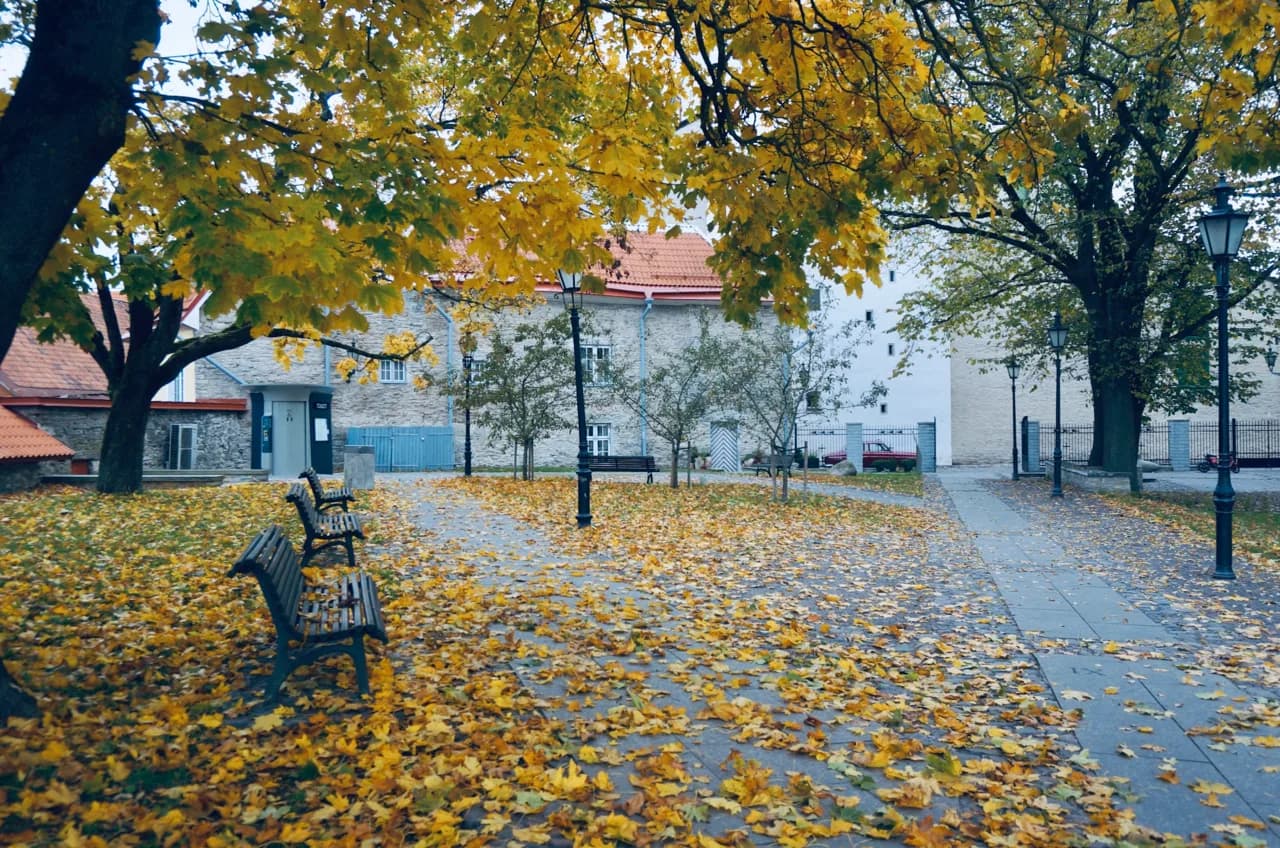
Cross to the park's far side and the mood changes fast. Streets like Poska, Vilmsi, and Köleri are lined with wooden villas built in the 19th and early 20th centuries. Artists, writers, and Estonia's elite lived along these streets for generations, and a Kadriorg address still signals status today. The area even shaped early Estonian tourism. In 1813, Doctor Benedikt Georg Witte opened what the Kadriorg walking route describes as the first seaside resort of the Russian Empire, right in this neighborhood. Getting off the tram at L. Koidula, rather than the final stop, puts these streets first on your route instead of last. For a broader look at how this district fits into the city, see Tallinn's other neighborhoods.
Where to Eat Near Kadriorg Park
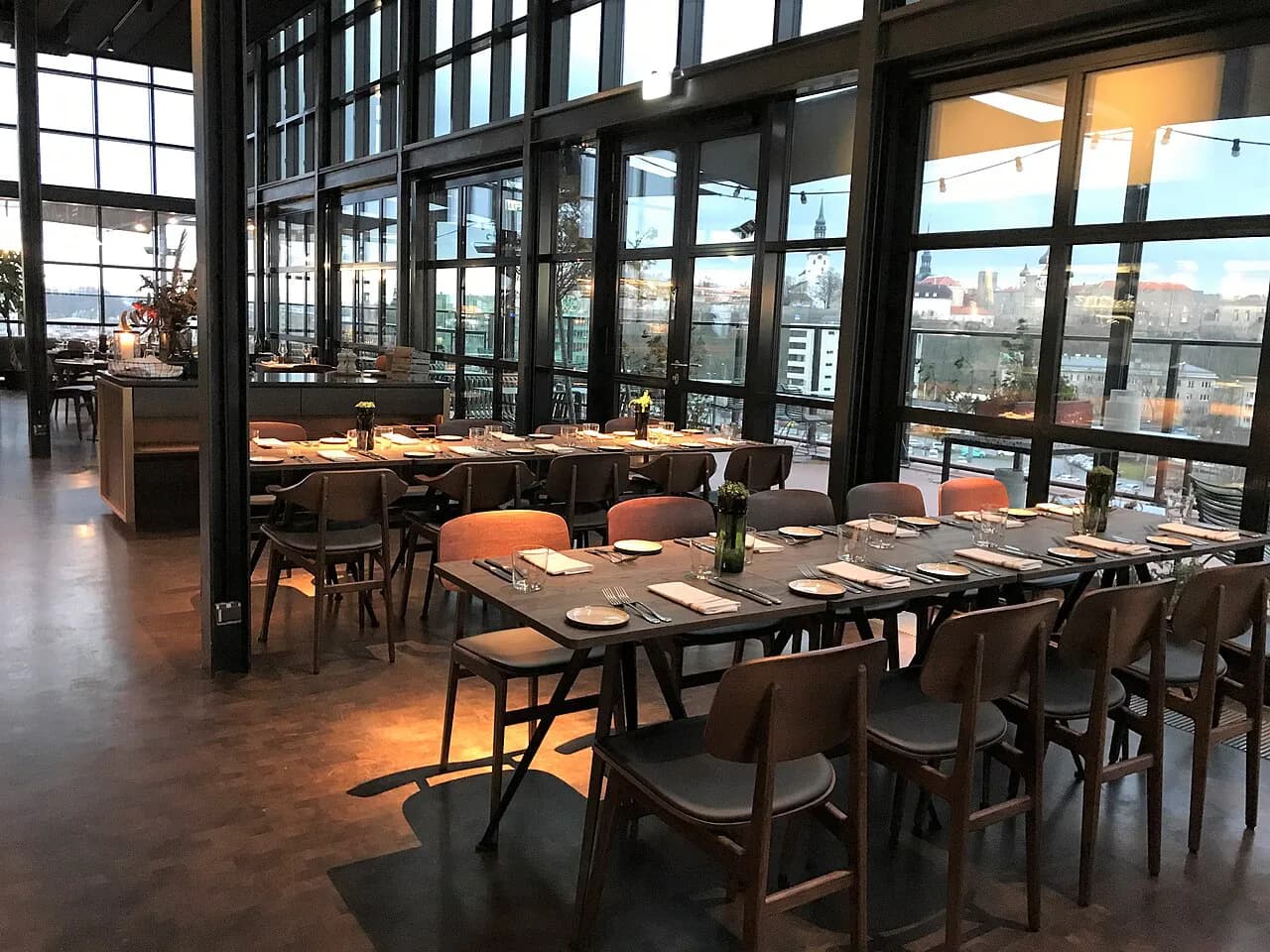
Kadriorg has enough restaurants and cafes to fill a full day around the park. A few names come up again and again among locals. For dining beyond Kadriorg's borders, see Tallinn's food scene.
- NOP, Köleri 1 — organic brunch in a century-old wooden house with a courtyard that fills up on weekend mornings
- Katharinenthal Café and Bakery — pastries and coffee at the park entrance on Weizenbergi
- Mantel & Korsten — Mediterranean-style dining in a distinctive green wooden house
- Mon Repos — a more formal sit-down option
- Cantina Carramba — a casual, colorful spot for a relaxed meal
Practical Planning: Hours, Costs, and Mistakes to Avoid
Plan around a few recurring mistakes. Many Kadriorg museums close on Monday or Tuesday, so check each museum's schedule before building an itinerary around it. Trying to fit KUMU, the Palace, Mikkel Museum, and Peter the Great's House into one day leaves no time for the park itself. Pick one museum, then spend the rest of the visit outdoors. Photographers should reach the Japanese Garden first thing in the morning, before tour groups arrive. For a wider view of when Kadriorg and the rest of the city are least crowded, see when to visit without crowds.
Frequently Asked Questions
How do you get to Kadriorg from Tallinn Old Town?
Take tram #1 or #3 from Hobujaama or Balti Jaam; the ride takes about 10 to 15 minutes. A single contactless ticket costs €2. Walking instead takes 25 to 30 minutes along the Reidi tee seaside promenade.
Is Kadriorg Park free to visit?
Yes. The park grounds and the Japanese Garden cost nothing and stay open year-round. You only pay to enter the museums inside the park, such as KUMU or the Kadriorg Art Museum.
Which Kadriorg museum should you visit if you only have time for one?
Choose KUMU for modern and contemporary Baltic-region art, or the Kadriorg Art Museum inside the palace for Baroque interiors and older European paintings. History-focused visitors should pick Peter the Great's House instead.
Is the last-Wednesday museum discount still active?
Several Kadriorg museums, including KUMU, have historically dropped entry to €3 on the last Wednesday of the month. Confirm current participation directly with each museum before planning around it.
What should you skip if you only have half a day in Kadriorg?
Skip trying to see every museum. Pick one, walk the park's three gardens, and add the wooden-villa streets around Poska and Vilmsi if time allows.
Continue exploring
More guides you'll find useful