Best Time to Visit Tallinn Without Crowds: 2026 Seasonal Guide
Plan around cruise ship days and weekend day-trippers. Here's the best time to visit Tallinn without crowds, season by season, updated for 2026.
On this page
Best Time to Visit Tallinn Without Crowds
Last updated July 2026. The best time to visit Tallinn without crowds is late April through mid-May, or September into early October, when the Old Town thins out between cruise-ship calls. Deep winter, especially late January and February, trades daylight for near-empty cobblestones, and this guide tracks those patterns using Tallinn's cruise schedule and Helsinki weekend surges.
The Best Time to Visit Tallinn Without Crowds: Quick Answer
For most travelers, the best time to visit Tallinn without crowds is late April through mid-May, or September into early October. Daytime highs run roughly 8°C to 15°C (46-59°F) in spring and 9°C to 14°C (48-57°F) in autumn. Cruise ship traffic drops sharply outside June through August, so Old Town streets and viewing platforms stay walkable. Solitude-focused travelers should consider late January and February instead. Deep winter days average -3°C to 1°C (27-34°F), yet Town Hall Square and the Toompea viewpoints sit nearly empty.
- Best overall balance: late April to mid-May, or September to early October
- Quietest possible window: late January and February
- Hardest crowds to avoid: late June through August, especially weekends
Understanding Tallinn's Crowd Dynamics: Cruise Ships and Weekend Surges
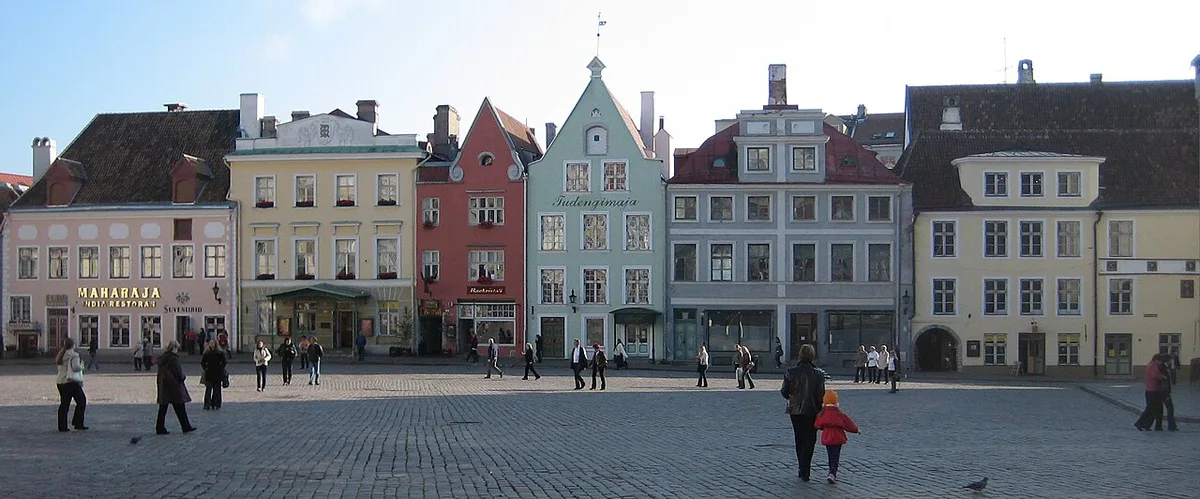
Tallinn's Old Town crowd surges track closely to the Port of Tallinn cruise calendar. Up to six ships can dock on a single summer day. Together they can release more than 5,000 passengers into the same few blocks within an hour. That crowd concentrates around Town Hall Square, the Toompea viewing platforms, and the cobblestone route linking them. Most passengers reboard by late afternoon, so the Old Town noticeably thins out after 5:00 PM. Checking the official Tallinna Sadam cruise schedule before booking helps you plan around the busiest arrival days. A second, separate surge arrives from Helsinki. The Helsinki-Tallinn ferry brings a wave of weekend day-trippers, concentrated Friday through Sunday. Midweek visits, Tuesday through Thursday, consistently feel calmer than weekends, in any season. A quiet morning can turn crowded within thirty minutes once a docked ship's passengers reach Town Hall Square. Building flexibility into the day, rather than a fixed hour-by-hour plan, makes it easier to react to what the port schedule shows that morning.
Evening visits become practical once cruise passengers reboard by 5:00 PM, especially in summer when additional daylight extends well beyond normal sunset—timing strategy beats date selection for mid-season travel.
Tallinn Season by Season: Weather, Crowds, and Hotel Prices
Tallinn's crowd levels swing more with the cruise and ferry calendar than with the calendar year itself. Below, the table compares typical daytime temperatures, crowd levels, and sample accommodation rates across the main travel windows.

| Season | Months | Daytime Temp | Crowd Level | Sample Hotel Rate |
|---|---|---|---|---|
| Deep Winter | January-February | -3°C to 1°C (27-34°F) | Lowest | ~€70-90/night, Old Town double |
| Winter Holidays | December | 0°C to 4°C (32-39°F) | Moderate, Christmas Market driven | ~€120-140/night |
| Spring Shoulder | Late April-May | 8°C to 15°C (46-59°F) | Low to moderate | ~€100-120/night |
| Summer Peak | June-August | 15°C to 22°C (59-72°F) | Highest, cruise-driven | €150+/night |
| Autumn Shoulder | September-early October | 9°C to 14°C (48-57°F) | Low to moderate | ~€90-110/night |
- A standard double room in the Old Town often runs around €70-90 a night in deep winter
- That same room can price at €150+ a night during peak July, when cruise-day demand peaks
- Booking shoulder-season dates also means shorter lines at ticketed sites without deep winter's cold trade-off
Deep Winter (January-February): Tallinn's Quietest Months
Late January and February deliver the emptiest version of Tallinn's Old Town. Snow settles over the spires and courtyards, and the medieval streets feel closer to a private tour than a tourist route. Queues that form for the Great Guild Hall or St. Olaf's Church in summer simply do not happen in deep winter. By mid-January, the seasonal Christmas Market has closed and holiday crowds have gone home, leaving the deeper, year-round quiet that makes this window distinct from December. The trade-off is daylight. Sunrise arrives close to 9:00 AM in January, and sunset comes well before 4:00 PM. Daytime highs hover around -3°C to 1°C (27-34°F), with colder snaps possible. Pack for genuine cold, layer for wind off the Baltic, and expect several indoor attractions to run shortened winter hours.
Shoulder Seasons: Late April-May and September to Early October
Shoulder season delivers the clearest trade-off in Tallinn: mild weather with thinning crowds. Late April through May brings daytime highs of roughly 8°C to 15°C (46-59°F), with parks and courtyards turning green again. September through early October holds similar temperatures, 9°C to 14°C (48-57°F), with fewer midday tour groups than August. June sits apart from the rest of shoulder season because of White Nights, when daylight stretches past 10:00 PM and crowds build toward summer peak. Jaanipäev, Estonia's Midsummer holiday on June 23-24, draws heavy domestic travel and short-term crowding around that week. Travelers chasing solitude should target May instead.
Summer Strategy: Mid-Week Tactics for June Through August
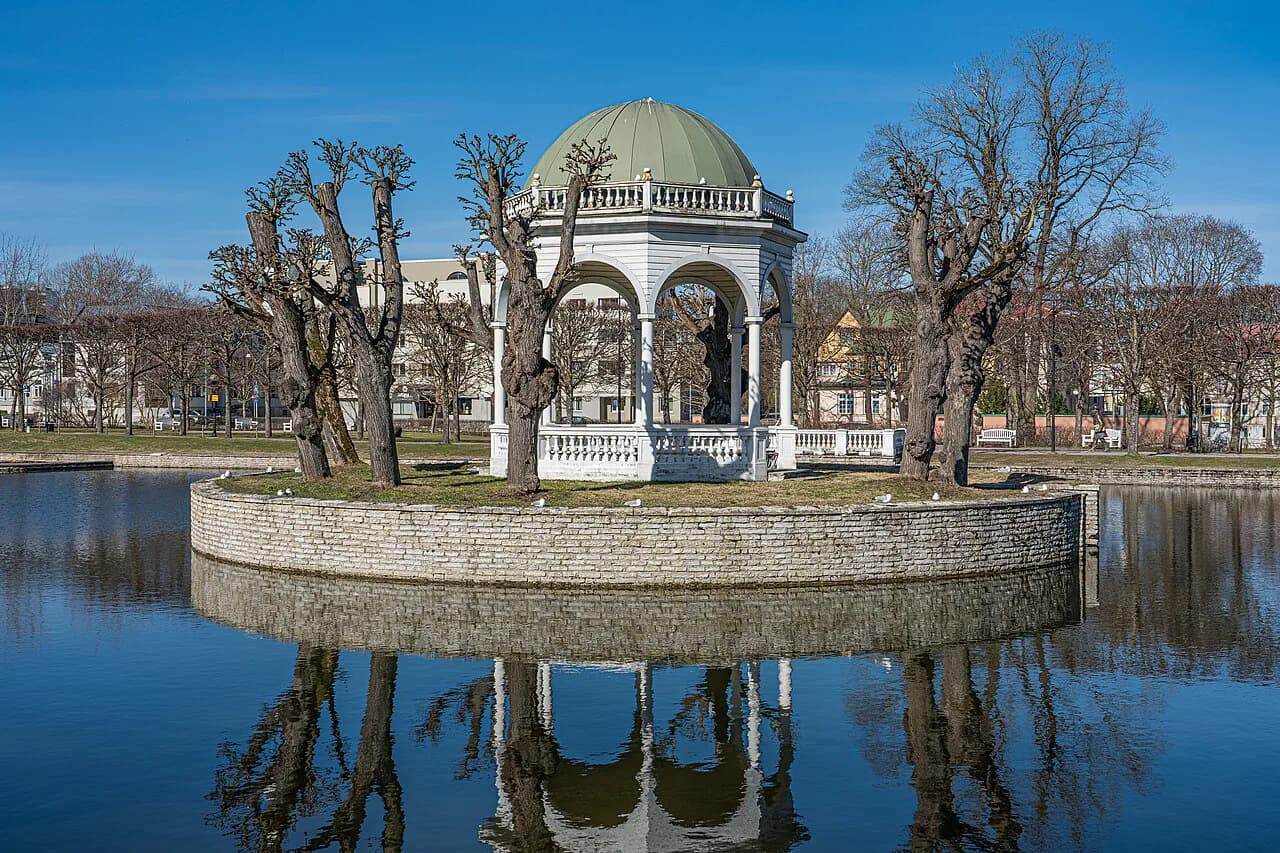
Visiting in July or August still works if you build the itinerary around timing rather than dates. Tuesday through Thursday consistently draws fewer cruise arrivals and fewer weekend day-trippers than the Friday-to-Sunday stretch. Aim for Old Town landmarks before 9:00 AM or after 6:00 PM, once tour groups and cruise passengers have thinned out. Daytime highs typically reach 15°C to 22°C (59-72°F), and White Nights keep daylight until nearly 11:00 PM in June. Use the long evenings to explore Kadriorg Park's grounds instead of fighting Old Town foot traffic at midday. Kalamaja's waterfront streets stay quiet even during peak cruise hours.
Early Mornings and Late Evenings: Timing Your Old Town Visit
Two windows consistently beat the daytime crush inside Old Town: early morning and late evening. Arriving at Town Hall Square by 7:00 AM puts you ahead of cruise buses and tour groups by several hours. Photographers and slow travelers get empty sightlines across the square before crowds fill it later in the morning. Returning after 10:00 PM works just as well in summer, when White Nights keep the square lit well past sunset. Toompea's viewing platforms bottleneck fastest of anywhere in the city, since tour groups move as one block along the same narrow paths. Climbing Toompea Hill early, then dropping back into the Lower Town by mid-morning, avoids the worst of the group traffic in both directions. Winter mornings compress this window. Sunrise arrives close to 9:00 AM in January, so the useful early slot shortens before tour departures begin.
Escape Routes: Where to Go When Old Town Fills Up
When Old Town streets fill up anyway, changing neighborhoods works faster than waiting out the crowd. Several districts sit an easy walk from the Old Town and stay calm even during peak cruise hours. These neighborhoods draw local residents and long-stay visitors more than day-trip crowds, which keeps foot traffic lighter throughout the year. Cross-reference the 8 Hidden Gems in Tallinn Beyond the Old Town (2026 Guide) guide for specific addresses inside these overflow districts. The Secret Spots in Tallinn: Hidden Gems Beyond the Old Town (2026 Guide) guide adds further low-traffic picks. Check the off-the-beaten-path Tallinn guide for a few more.
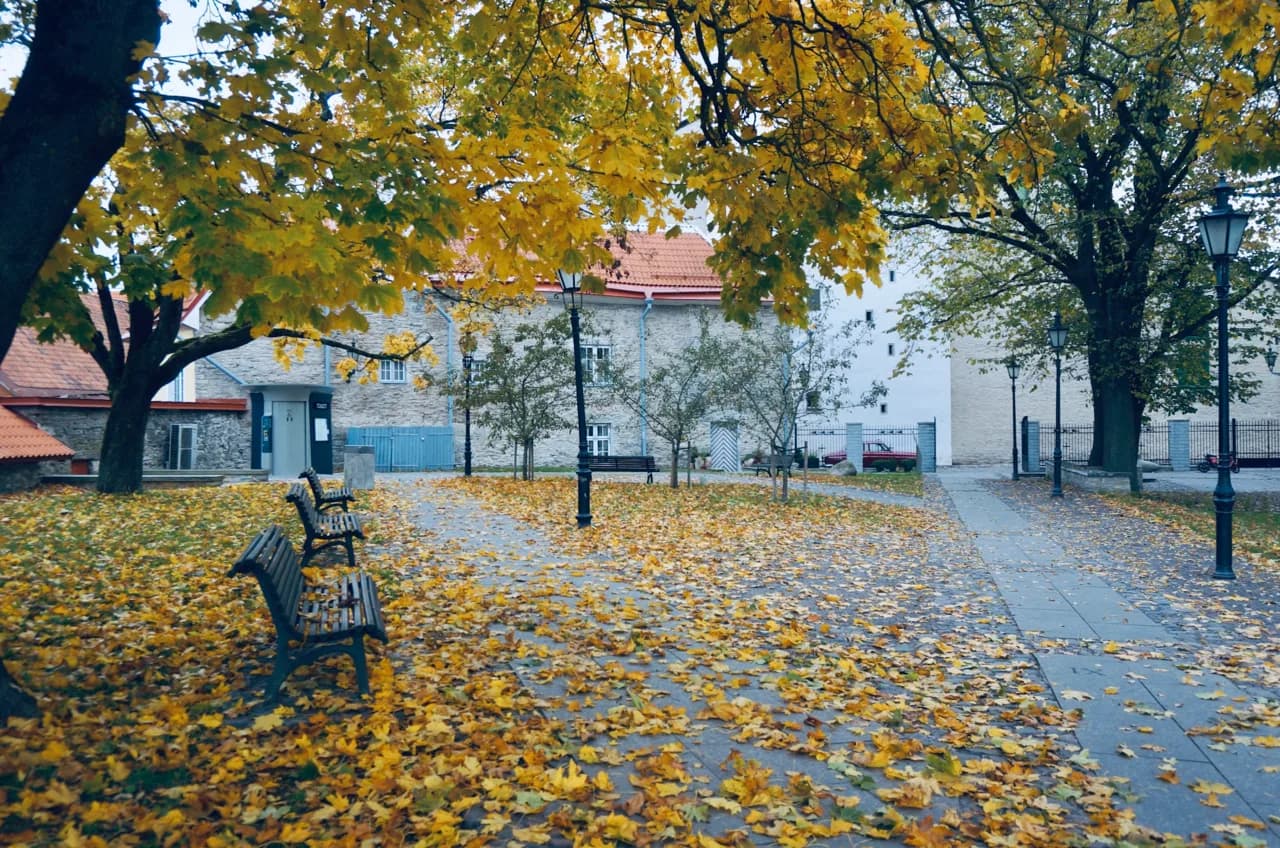
Neighborhoods like Kalamaja and Kadriorg remain calm all year, but comfort levels vary: temperatures of -3°C to 1°C in deep winter compress outdoor wandering windows, making season selection as important as neighborhood choice.
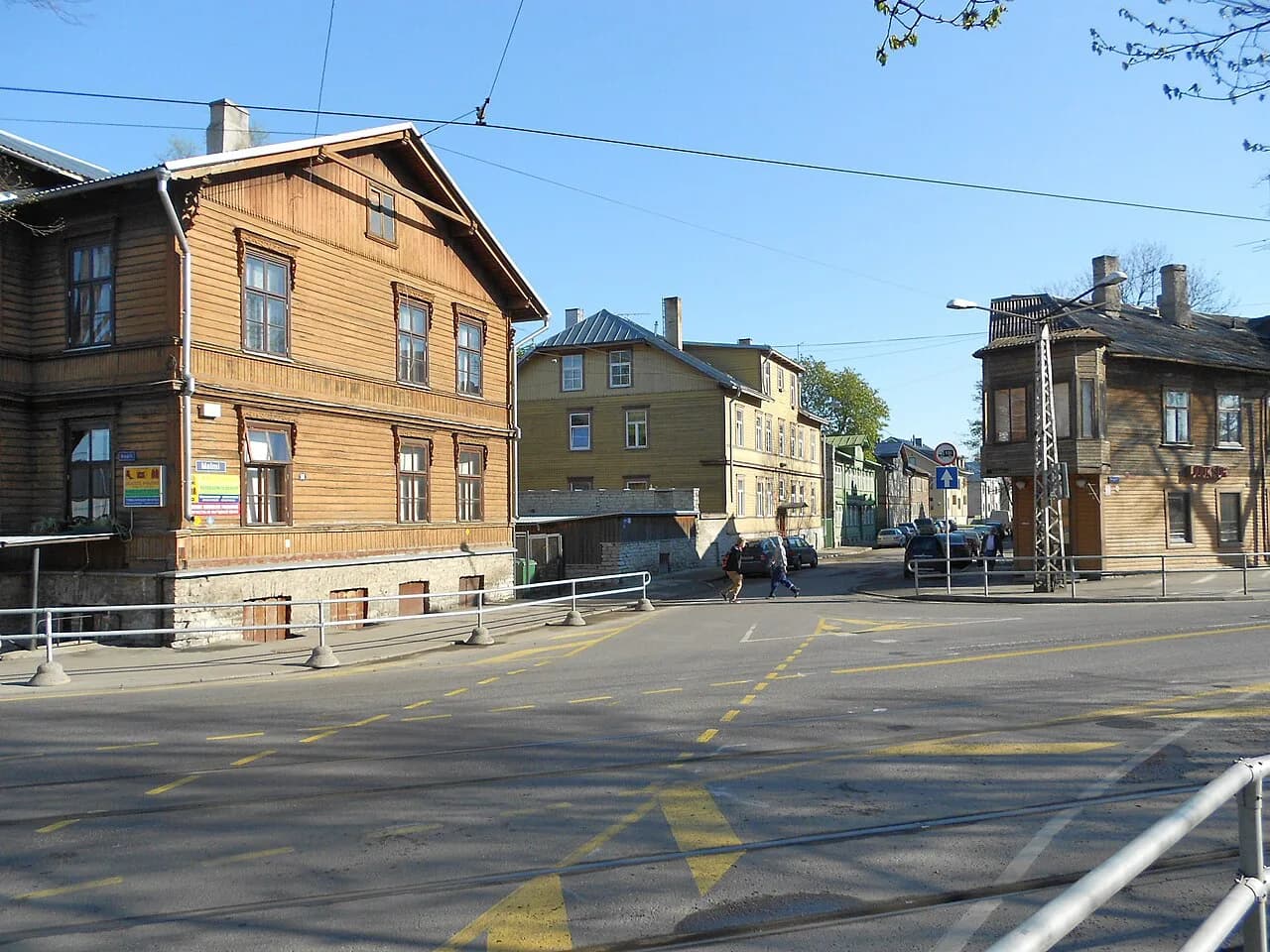
- Kalamaja's wooden-house streets stay quiet year-round, an easy walk from the Old Town
- Noblessner's harbor promenade sees far fewer visitors than the Old Town waterfront
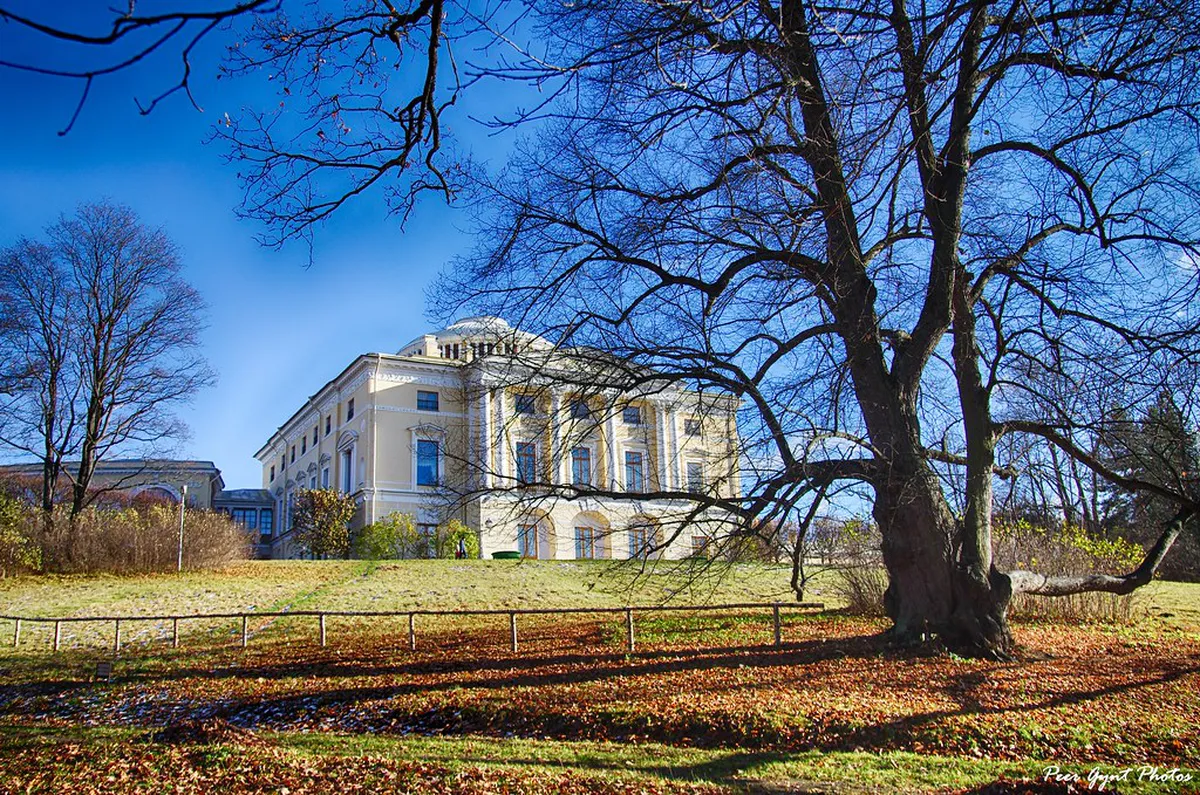
- Kadriorg's palace park stays quiet even on the busiest cruise days
- Rotermann Quarter offers dining and shopping without Old Town's foot traffic
Crowd-Free Itinerary Adjustments
Reserve indoor museums for the peak cruise window, roughly 10:00 AM to 4:00 PM, when Old Town streets are busiest. Great Guild Hall, St. Olaf's Church, and similar sites absorb crowds better than open squares do, since visitors spread across multiple floors. Save open-air landmarks like Town Hall Square for early morning or after dinner instead. On weekends with major festivals or holiday markets, consider leaving the city center entirely. For festival weekends, the 12 Best Day Trips From Tallinn: Nature, History & Island Escapes guide covers routes that skip the crowded core entirely. Many of the calmest activities also cost nothing extra. Parks, viewpoints, and walking routes away from ticketed sites appear in the Free Things to Do in Tallinn: A 2026 Budget Guide guide. Pair either option with the Tallinn Neighborhoods Guide: Where to Stay, Eat, and Explore in 2026 to map out low-traffic districts before you arrive.
Where to Eat and Explore Without the Crowds
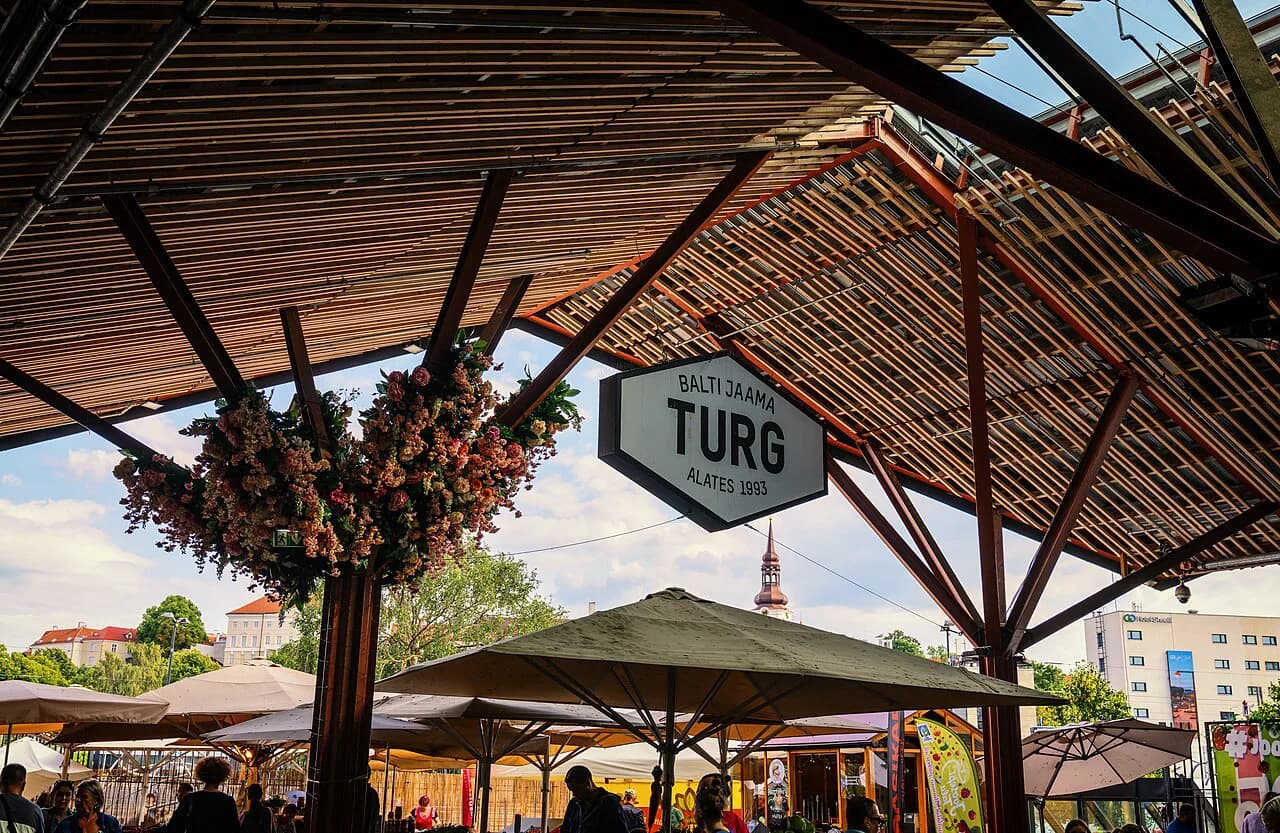
Old Town's main streets carry the highest restaurant markups alongside the heaviest foot traffic, so both crowds and better food tend to sit elsewhere. Telliskivi Creative City clusters restaurants and bars inside converted factory buildings, away from the tour-group core. Balti Jaama Turg pairs local vendors with a food hall that rarely feels crowded outside weekend lunch hours. For a full rundown of where locals actually eat, the 15 Best Local Restaurants in Tallinn: A Neighborhood Foodie Guide guide points away from the main tourist strip. Tallinn's local food guide does the same for market stalls and casual spots. Meals in Telliskivi and Kalamaja also tend to cost less than equivalent plates on Old Town's main tourist streets, where menu prices skew toward peak-season demand. Beyond food, the Patarei Sea Fortress gives you a full afternoon outside the Old Town footprint. Pirita's beach and monastery ruins offer a similar low-traffic afternoon by the water. Both reward the kind of unhurried visit covered in the 9 Unique Things to Do in Tallinn: Beyond the Medieval Fairytale guide.
Frequently Asked Questions
Is Tallinn crowded in December?
December brings a different kind of crowd than summer's cruise surge. The Christmas Market on Town Hall Square draws steady evening and weekend foot traffic through the holiday season. Daytime highs run about 0°C to 4°C (32-39°F), and daylight is short. Weekday mornings still stay noticeably calmer than weekend evenings around the market.
What is the busiest month in Tallinn?
July and August are the busiest months, driven by peak cruise ship arrivals and summer vacation travel. Up to six ships can dock in the Port of Tallinn on a single day during this stretch. Weekends compound the effect with Helsinki day-trippers arriving by ferry. Visiting midweek during these two months still noticeably reduces the crowd you encounter.
How do I find the cruise ship schedule for Tallinn?
The Port of Tallinn, known locally as Tallinna Sadam, publishes its cruise arrival calendar on its official website. Checking it before you book lets you see which dates expect multiple ships and which stay clear. Cross-checking the schedule against your travel dates is the single most reliable way to avoid the worst crowd days in Old Town.
Are attractions closed during the off-season?
Most major indoor sites, including the Great Guild Hall and St. Olaf's Church, stay open year-round with standard or slightly reduced hours. Some seasonal operations scale back or pause in winter, including the ferry service to Aegna island. Always verify current hours directly with the specific attraction before building an off-season itinerary around it.
Which days of the week are quietest in Tallinn's Old Town?
Tuesday through Thursday are consistently calmer than the Friday-to-Sunday stretch, regardless of season. That pattern holds because weekend crowds combine Helsinki ferry day-trippers with domestic weekend visitors. Cruise ship arrivals add a separate, daily layer on top of that weekly pattern, so checking the port schedule still matters even on a quiet weekday.
Continue exploring
More guides you'll find useful