Barcelona in the Rain: Indoor Routes, Museums and Markets
Plan Barcelona in the rain with compact indoor routes by neighborhood. Covers Modernist interiors, museums at €12–€25, covered markets, transit and what to skip.
On this page
Barcelona in the Rain: How to Stay Dry and Still See the City
Last updated October 2026. Barcelona in the rain rewards a tight plan: pick one neighborhood, book your indoor anchor, and keep walking distances short. This guide groups indoor options by area and interest, so you never try to cross the whole city between showers.
Barcelona in the Rain: The Pivot Strategy
Quick answer: build your day around three indoor hubs. Those are El Born, Eixample and the Montjuïc museums. Choose one per half day and skip the rest.
Rain here comes in two forms. Mediterranean rain is a short, intense burst that often clears within an hour. Winter drizzle can sit on the city all day. Plan a flexible morning for bursts and a fixed indoor block for drizzle.
You are not the only visitor with this idea. Pre-book anything popular, especially the Picasso Museum and the Sagrada Família. Walk-up queues on wet days are the main way a rainy plan falls apart.
- Short burst: shelter in a market or café, then continue.
- All-day drizzle: commit to one museum cluster.
- Footwear: wear grippy soles, because Gothic Quarter cobblestones turn slippery.
Indoor Modernism Beyond the Sagrada Família
Stained glass is one of the few things that can look better on a gray day. Diffused light is softer, which helps interior photos of the Sagrada Família. Book ahead, because it stays popular in the rain.
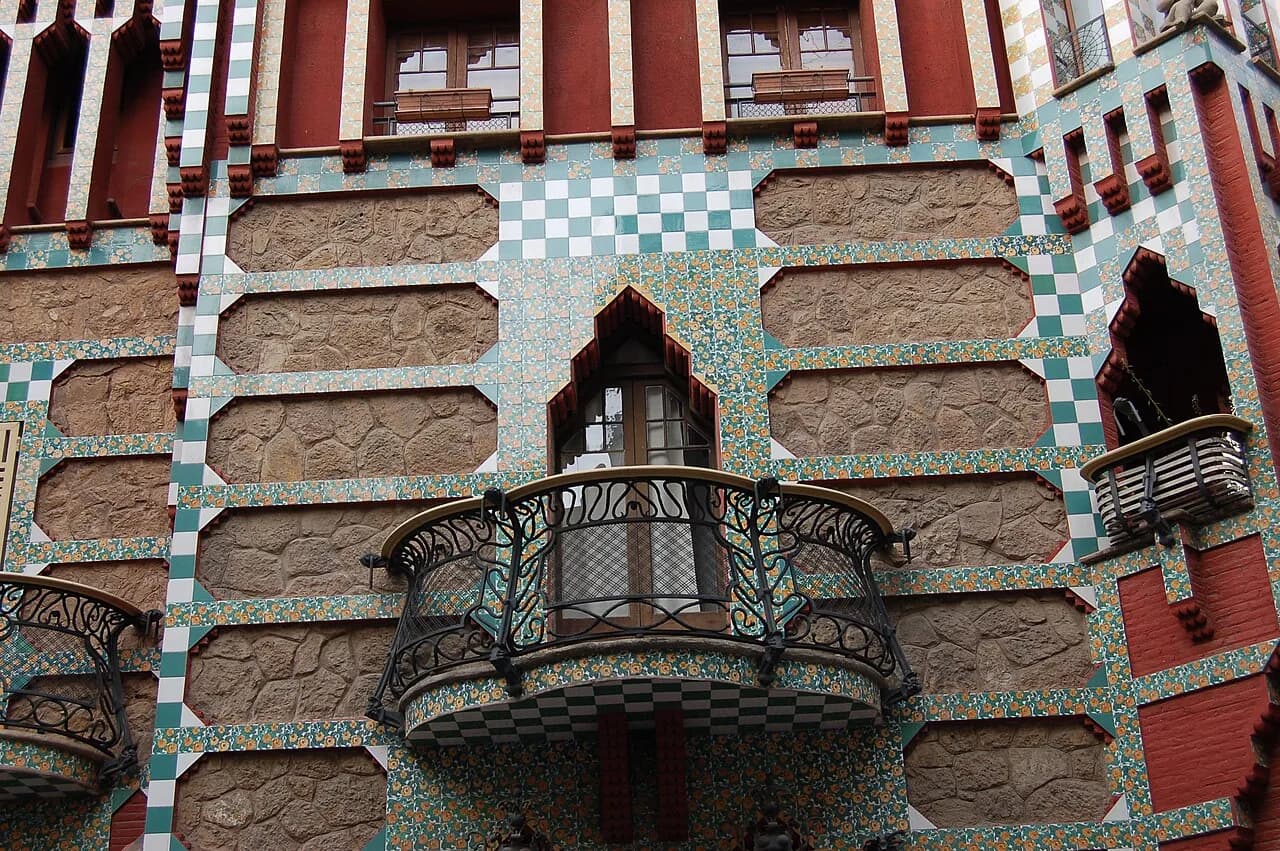
For a quieter option, try Gaudí's first house. Its colored interiors suit a dull afternoon. Budget a short visit and keep the rest of the day flexible.
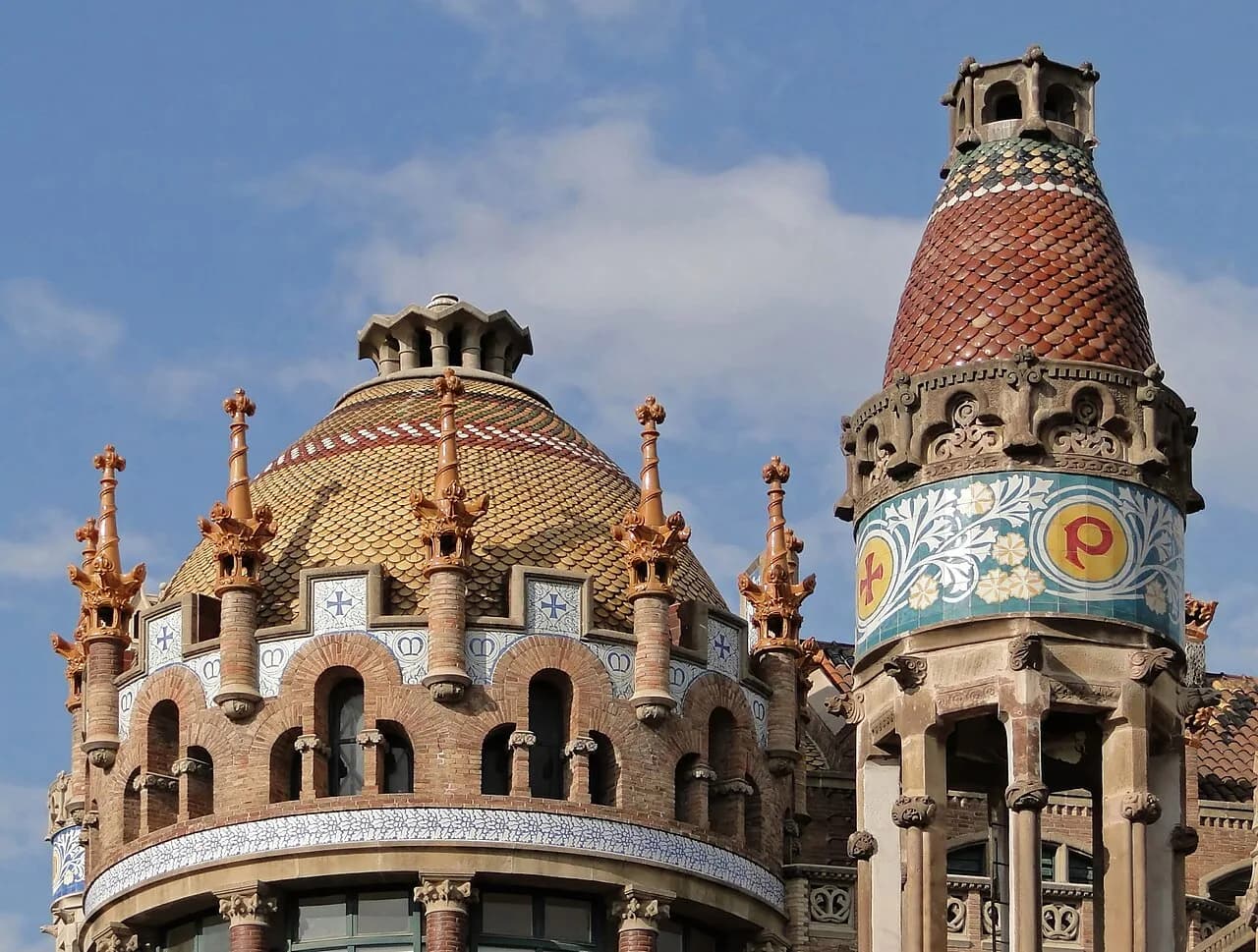
Bigger in scale is Hospital de Sant Pau. It works well as a half-day anchor when the forecast is poor. Check current tour formats and ticket rules before you go.
For more lesser-known indoor stops, browse our Barcelona hidden-gems guide. It includes the Biblioteca de Catalunya.
A Rainy Morning in El Born: Museums on Foot
El Born is the easiest place to stack indoor stops. Use the Picasso Museum, MOCO and El Born Centre de Cultura i Memòria as your museum cluster. They sit close enough that you can move between them with short dashes.
L3 (green) and L4 (yellow) reach El Born; verify which station exit leads to your first museum so you don't waste time getting dry.
Paid museum entries in this style typically run €12–€25. El Born Centre de Cultura i Memòria is one of the free options. Confirm current prices and time slots on each museum's own site before booking.
For cafés, shops and side streets around these stops, use our El Born neighborhood guide. Pair one booked museum with one free stop. That keeps the cost down and the pace relaxed.
Covered Markets: Sant Antoni and Santa Caterina
Markets give you a roof, food and a reason to linger. Boqueria is the famous name, but it fills quickly on wet days. Sant Antoni is a calmer contrast for browsing.
Paid museum entries run €12–€25, so Santa Caterina Market (free, close to El Born's museums) lets you control the day's cost while lingering over lunch.
Santa Caterina Market is a free option near El Born. It fits neatly between museum visits. Go hungry and treat it as lunch.
For the surrounding streets and stalls, see our Sant Antoni guide. Market hours change by stall and day, so check before you commit a lunch plan.
Gothic Quarter Cover: Where to Wander Under a Roof
Skip the Rambla in rain. It turns into a wind tunnel, and the open sidewalks give little shelter. Use the narrow side streets of the Gothic Quarter instead. Their tight walls block some of the wind.
There are two covered options worth knowing. Plaça Reial has arcades where you can pause between showers. Passatge de la Pau is a covered passage for short, dry stretches.
Keep the route short. Duck from arcade to café to museum rather than attempting a long loop. Watch your footing on wet cobblestones.
Logistics: Getting Around Without Getting Soaked
The Metro is your driest option. Use L3 (green) and L4 (yellow) to reach major indoor hubs. Many stations have several exits, so check the map and choose the one closest to your destination. Current lines and service notes are on the TMB transport site.
Buses are scenic but leave you walking to stops in the wet. Taxis cost more but make sense for a short hop with a booked entry time.
| Option | Dry level | Trade-off |
|---|---|---|
| Metro (L3, L4) | High | Underground, but you must pick the right exit |
| Bus | Medium | Scenic, but includes walks to and from stops |
| Taxi | Highest | Costs more; useful for timed entries |
A Separate Science-Museum Day
If your group wants hands-on exhibits rather than art, treat a science museum as its own outing. Do not combine it with an old-city route in the same day. Crossing the city twice in rain is how plans go wrong.
Check opening hours, ticket prices and any timed-entry rules on the museum's own site before you leave. Choose the old city for architecture and food. Choose the science museum when children or exhibit-minded adults lead the decision. For current listings, see Barcelona's official tourism site.
Rainy Day Trade-offs: Is Montserrat or Tibidabo Worth It?
Montserrat works in rain if you accept a trade-off. Mist gives it an atmospheric feel, but you lose long views. Some visitors on a Montserrat tour described riding and visiting the monastery museum in rain, where indoor exhibits offered shelter.
Tibidabo is a weaker rainy-day choice if your goal is the view. Choose a mountain trip only if atmosphere matters more than scenery. Otherwise, stay in the city and keep your indoor plan.
Mistakes to Avoid When It Rains in Barcelona
Three plans commonly fail in wet weather. Park Güell is mostly outdoors, and its tiling can become slick. Bunkers del Carmel has no cover, and clouds can hide the view. Walking the full Rambla gives you wind and little shelter.
If the weather looks unsettled, reconsider open-air stops. Our guide to visiting Barcelona without crowds helps you time those outdoor places for a drier day.
- Skip Park Güell when the ground is wet.
- Skip Bunkers del Carmel under low cloud.
- Avoid the full Rambla; use Gothic Quarter side streets.
Comfort Food: The Rainy Day Reward
End the day with xocolata amb xurros: thick hot chocolate and fried dough. It is the classic reward after a wet afternoon. If you visit in calçotada season, that is another seasonal option. Check current availability with the restaurant.
For related deep-dives, see our Horta Barcelona Neighborhood Guide: Village Streets and Labyrinth Park and Sants Barcelona: A Local's Guide to the Neighborhood & Station guides.
Frequently Asked Questions
What should I do in Barcelona in the rain?
Pick one neighborhood and stay there. El Born suits museums, cafés and a market. Hospital de Sant Pau or Casa Vicens suit Modernism fans. Book popular entries first.
How much do indoor attractions cost?
Paid museum entries typically run €12–€25. El Born Centre de Cultura i Memòria and Santa Caterina Market are free options. Check each official site for current prices.
Should I visit Park Güell when it rains?
Skip it. The park is mostly outdoors, and the tiling can become slick. Choose an indoor Modernist site instead.
Which Metro lines help on a rainy day?
L3 and L4 reach major indoor hubs. Check the station map so you exit nearest your museum. Verify service notes on the TMB site.
Is Montserrat worth it in the rain?
Only if you value mist over views. Views are often lost, but the monastery museum offers indoor shelter. Otherwise, stay in the city.
Continue exploring
More guides you'll find useful