Hidden Gems in Ravello: Quieter Corners and Overlooked Sights
Look past Ravello's villas to free gardens, quiet churches, a modern auditorium and craft shops, with practical advice on timing and what is actually free.
On this page
Ravello sits high above the Amalfi Coast rather than on the water, which is part of why a day here can feel calmer than one in Amalfi or Positano below. One traveller's account of the Villa Rufolo gardens notes that a late-afternoon visit left most of the grounds in shadow, prompting a return the next morning, so timing shapes what you actually see.
This guide treats hidden gems honestly: not secret places, but corners that visitors often skip while moving between the two famous villas. As a suggested plan rather than an official formula, allow one unhurried day if you want free viewpoints, one paid garden and a church or two without hurrying between them.
What Counts as a Hidden Gem in Ravello
The most useful distinction in Ravello is between places that cost nothing to enter and the ticketed villa grounds. The Giardini Principessa di Piemonte, for instance, charges no entrance fee, while Villa Rufolo and Villa Cimbrone sit behind their own entry systems with separate tickets for each. Plan your budget around that split instead of assuming one pass covers the town.
Church exteriors and piazzas are generally open to anyone wandering through, and several of Ravello's smaller churches stay quiet even in high season. Treat them as pauses rather than attractions to tick off, and check locally before planning a visit around a specific interior or museum.
Free Viewpoints and Public Gardens
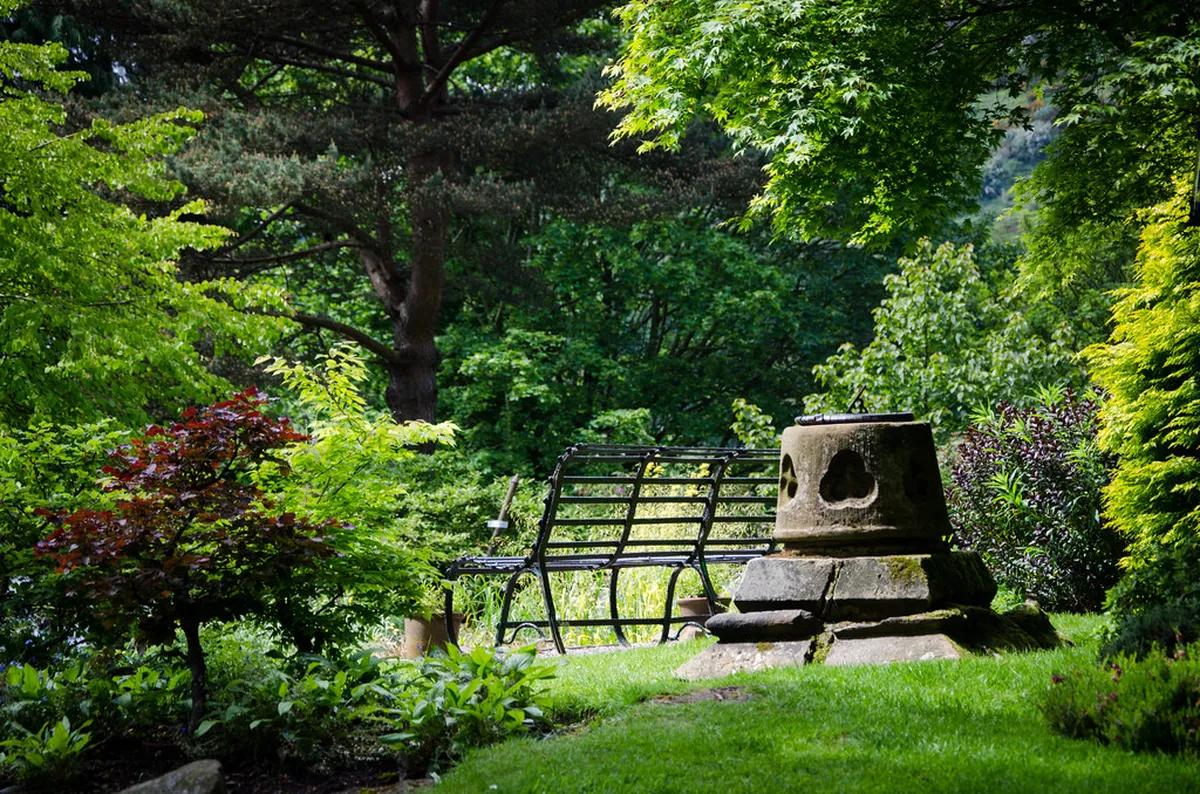
Giardini Principessa di Piemonte is a small, well-kept garden a short walk from Piazza Duomo, with a coastal panorama and no entrance fee. It doubles as a wedding venue, so a ceremony may close part of the space for a while; if that happens, continue on rather than wait.
Opposite the Duomo on Piazza Duomo there is a viewpoint with benches looking over hills and terraced vineyards, which makes a good rest stop between sights. It costs nothing and requires no planning, so it suits the moment when you need to sit down rather than walk further.
For a structured route linking these free stops with the paid ones, follow a self-guided walk through the centre and let the piazzas set the pace. The walking order matters less than keeping the free gardens as breathers between ticketed visits.
Villa Cimbrone's Gardens and the Terrace of Infinity
Villa Cimbrone's gardens are the paid highlight outside the centre, and the Terrace of Infinity, lined with marble statues above the sea, is the reason most people make the walk. The villa building itself operates as a hotel, but the grounds are open to visitors who pay the garden admission; confirm the current ticket and any restrictions at the entrance or on the villa's own site before setting out.
The garden lies roughly ten minutes on foot from the main centre, and the path there has its own coastal views, so the approach is part of the visit. Wear shoes that handle uneven stone, and go earlier in the day if you want the terrace without a crowd of photographers.
Villa Rufolo: Terraces, Pines and the Light
Villa Rufolo sits beside the Duomo, which makes it the easiest paid garden to slot into a short visit. Its landscaped terraces, exotic planting and the umbrella-pine framed viewpoint are the draw, and the same terraces host concerts during the summer festival.
Light is the variable worth planning around: the gardens read best in the morning or early afternoon, and a late slot can leave much of the terrace shaded. If your only free time is late in the day, decide whether the atmosphere or the photographs matter more to you.
Churches Worth Stepping Into
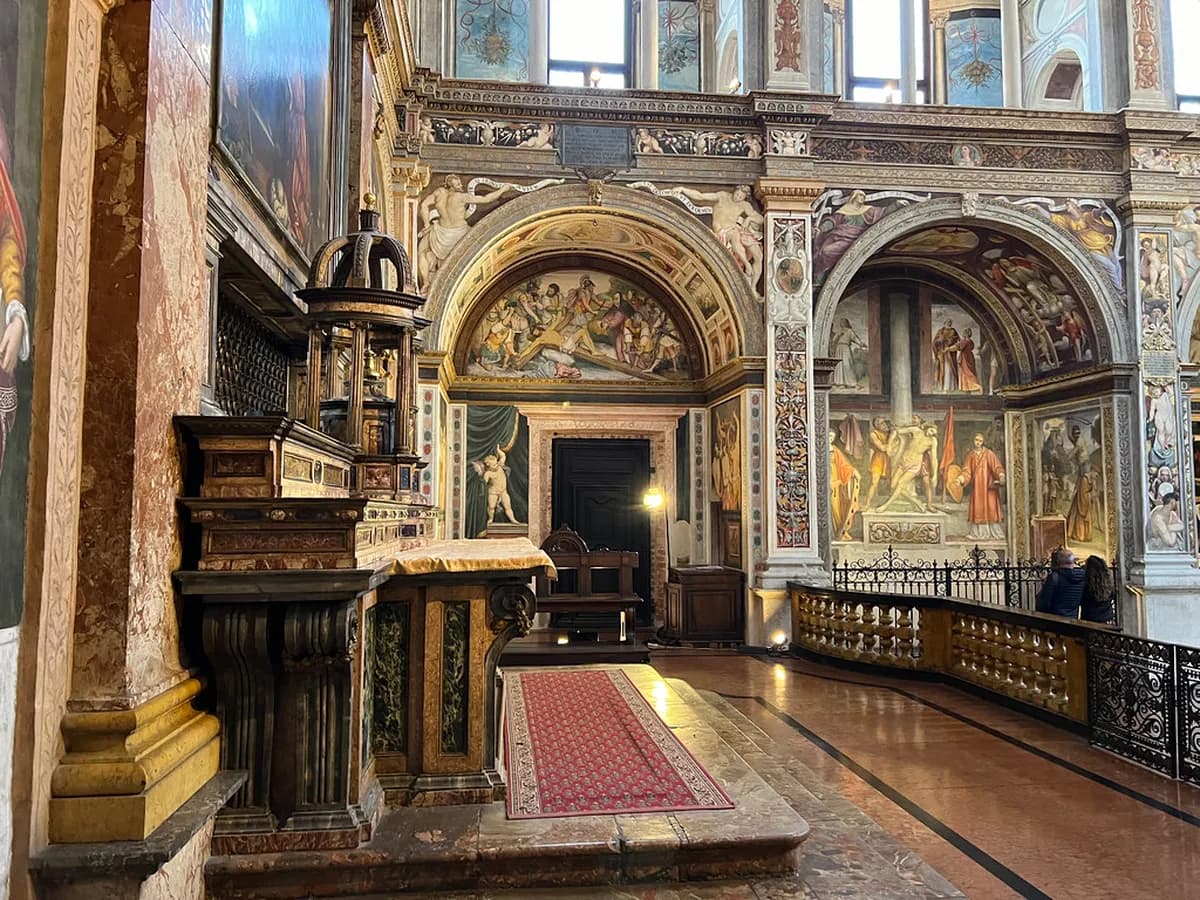
The Duomo di Ravello has a plain exterior that hides a rich interior: look for the grand pulpit carried on columns resting on sculpted lions, plus frescoes and marble work, and a small museum of religious art. Entry arrangements can differ between the church and its museum, so check at the door rather than assuming one covers both.
The Church of Saint Francis of Assisi sits along the path to Villa Cimbrone and is rarely crowded, which makes it a natural pause on the way up or down. Tradition links the site to Saint Francis visiting in the 13th century, and the interior holds a few artworks worth a few quiet minutes.
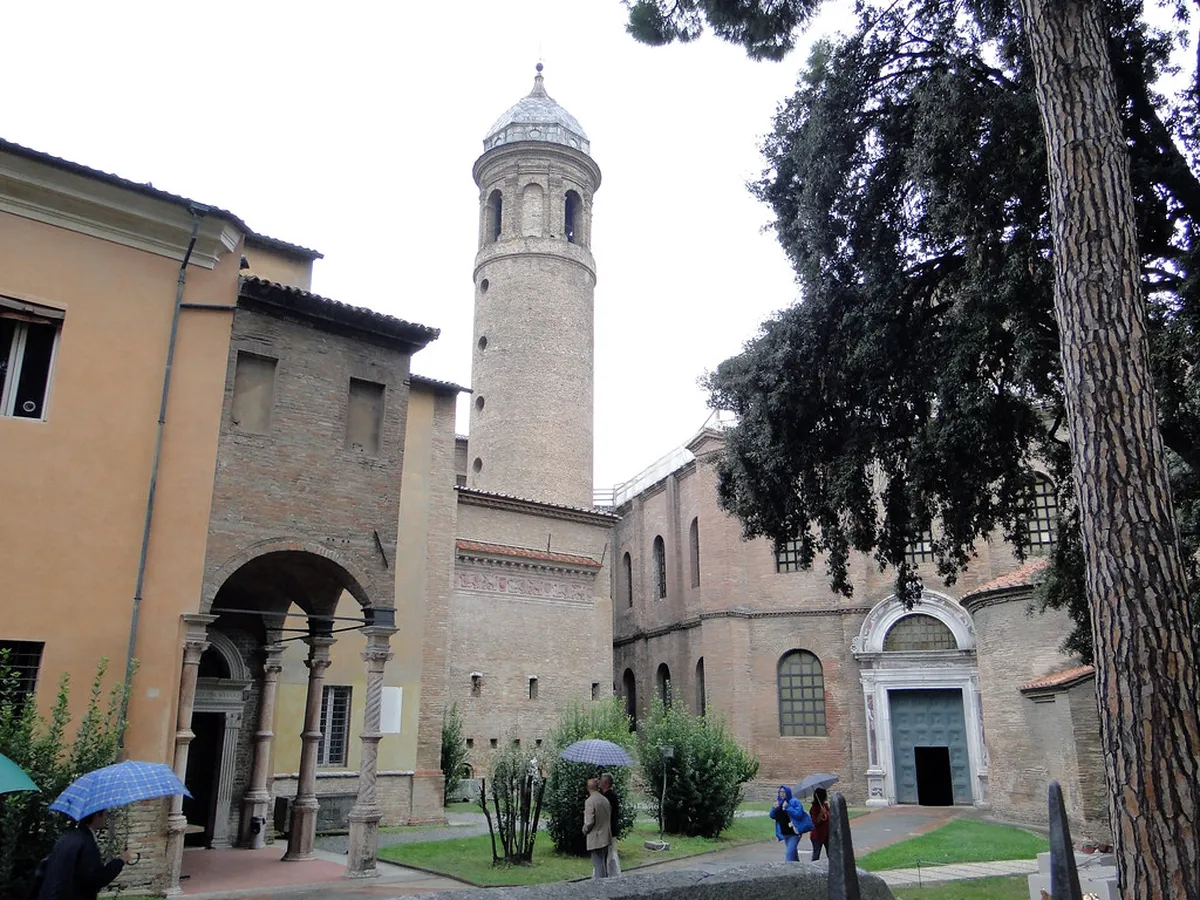
The Church of the Annunziata stands just outside the main centre and dates back to the 12th century, with a Romanesque facade and frescoes inside. It is often passed over by visitors heading straight for the villas, so it tends to be a peaceful stop.
Piazzas as Pauses
Piazza Duomo is the town's living room, ringed by cafes, shops and the cathedral, and you will likely cross it several times in a day. Use it for a coffee or a bench rather than as a sight in itself, and watch how much quieter it feels than the coastal towns below.
Piazza del Vescovado, just outside the Duomo, is smaller and calmer, with cobblestones, flowers and cafes, and it occasionally hosts concerts or markets. It is a good second pause if the main square feels busy, and a natural point to reorient before the next climb.
Modern Contrast: the Auditorium Oscar Niemeyer
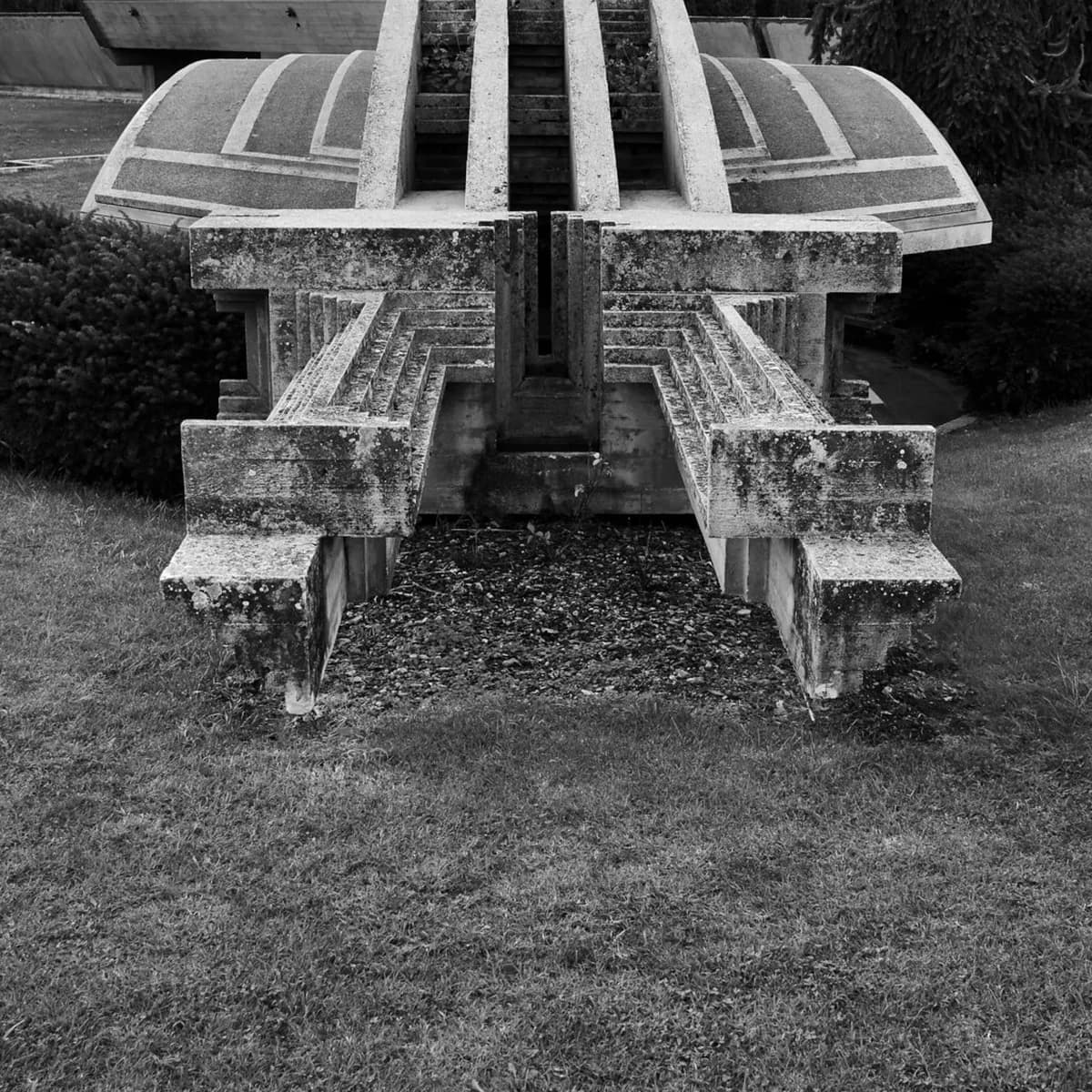
The Auditorium Oscar Niemeyer is the one building in Ravello that looks nothing like the rest: a sleek curved structure by the Brazilian architect, set against the historic townscape. It hosts concerts, film screenings and cultural events through the year, but even without a performance it is worth a look for the architecture and the panoramic setting.
Check what is on only if a specific event matters to you; otherwise treat the auditorium as a short architectural detour rather than a destination that needs a timed slot. It pairs well with the free gardens nearby when you want a break from churches and villas.
Craft and Culture: Ceramics and the Ravello Festival
Ravello's ceramic shops sell hand-painted plates, tiles and kitchenware in bright Mediterranean colours, and several workshops sit close together in the centre. Shops such as Ceramiche Cosmolena and Ceramiche D'Arte Carmela are named among the places to browse, alongside stores selling linens, leather and limoncello.
The Ravello Festival was founded in 1953 and runs through the summer, with performances often staged in the Villa Rufolo gardens above the sea. Programme, dates and ticket prices change each year, so confirm them on the festival's official channels rather than relying on older summaries.
Downhill Walks to Minori or Atrani
Two signed routes lead down from Ravello to the coast: the path to Minori is longer but gentler in reward, while the descent to Atrani is steeper and quicker. Both pass through terraced lemon groves and stone stairways, and both involve a long climb back up or a bus ride at the end.
Take the bus down or back if your knees or schedule are not up to the steps; the walk is a choice, not a required part of seeing Ravello. Check the return bus times before you set off, since services thin out outside high season.
Practical Timing and Transport
Most visitors reach Ravello by bus from Amalfi, with the ride up the hill taking roughly 20 to 30 minutes depending on traffic and season. Driving is possible but parking in town is limited, so many travellers park at the entrance and walk in, or rely on hotel shuttles.
Spring and early autumn bring milder weather and thinner crowds than July and August, when the festival draws visitors and temperatures peak. Staying overnight is the simplest way to catch the quiet evening after the day-trippers leave, though it costs more than a day visit. For onward planning, compare the best day trips from Ravello and how to get to Ravello before booking transport.
A Slow Half-Day Route
A relaxed half day can start at Villa Rufolo in the morning light, move to the free Giardini Principessa di Piemonte, and finish with the Duomo's interior and a bench on Piazza Duomo. That combination covers one paid garden, one free viewpoint and one church without rushing, and leaves Villa Cimbrone for a second visit.
Before you go, confirm villa admission and church opening arrangements directly with each site, since published details change by season. Then build the day around light and energy rather than a checklist, and Ravello's quieter corners will do the rest.
More Ravello guides
- Best Day Trips from Ravello
- How to Get to Ravello
- Ravello Ceramics and Local Crafts
- Ravello in One Day
- Ravello Local Food Guide
- Ravello on a Rainy Day
- Ravello Self-Guided Walk
- Chiesa di San Giovanni del Toro in Ravello
- Duomo di Ravello Visitor Guide
- Villa Cimbrone in Ravello
- Villa Episcopio in Ravello
- Villa Rufolo in Ravello
Frequently Asked Questions
Which Ravello sights are free to visit?
The Giardini Principessa di Piemonte charges no entrance fee, and the piazzas are public spaces where you can sit and look out over the hills. Church exteriors are open to passers-by, though interiors and small museums may have their own arrangements, so ask at the door. Villa Rufolo and Villa Cimbrone are separate ticketed gardens, each with its own admission.
Should you walk from Ravello to Minori or Atrani?
The Minori route is the longer walk and the Atrani route is steeper but quicker, and both finish with a climb back up or a bus ride. Choose based on your knees and the time you have left in the day, and check return bus times before starting. Taking the bus in one direction is a perfectly sensible compromise.
Is it worth staying in Ravello overnight?
Staying overnight lets you see the town after the day visitors leave, when the piazzas and lanes are noticeably calmer. Hotels range from historic villas to small guesthouses, so compare rates for your dates and weigh the cost against the quieter evenings. A day trip still covers the main sights if your budget or schedule is tight.
Is Ravello worth visiting if you only have a day?
Yes, if you accept that a single day means choosing between Villa Rufolo and Villa Cimbrone rather than seeing both at leisure. Pair one paid garden with the free viewpoints and the Duomo, and leave the walks for another trip. Arriving early gives you better light and thinner crowds.
Sources
Continue exploring
More guides you'll find useful