Trapani and Paceco Salt Flats: A Practical Reserve Guide
Plan a visit to the Trapani and Paceco salt flats reserve: windmills, salt pans, birdlife, seasonal timing, and how to get around without a car.
On this page
The Riserva Naturale Saline di Trapani e Paceco is a stretch of working salt pans and coastal wetland between Trapani and its neighbour Paceco. It is one of the last productive salt-making landscapes in Sicily, where shallow basins, windmills and birdlife sit in one open plain.
This guide separates the three visitor anchors so you do not assume one stop covers everything, and it is honest about what still needs confirming before you go. Treat transport, opening arrangements and any museum ticket as decisions to verify. For wider city planning, see the Trapani Attractions hub and the hidden gems in Trapani if you want to combine the reserve with town time. For wider planning, see Cattedrale di San Lorenzo in Trapani.
Why the reserve matters: working pans, wetlands and windmills
The reserve is not a static viewpoint. Salt is still produced here by sun and wind evaporating seawater in shallow basins, and the old windmills that once ground the crystals still shape the skyline. The flat, open landscape means the experience changes with the light, the season and whether the pans are full or dry.
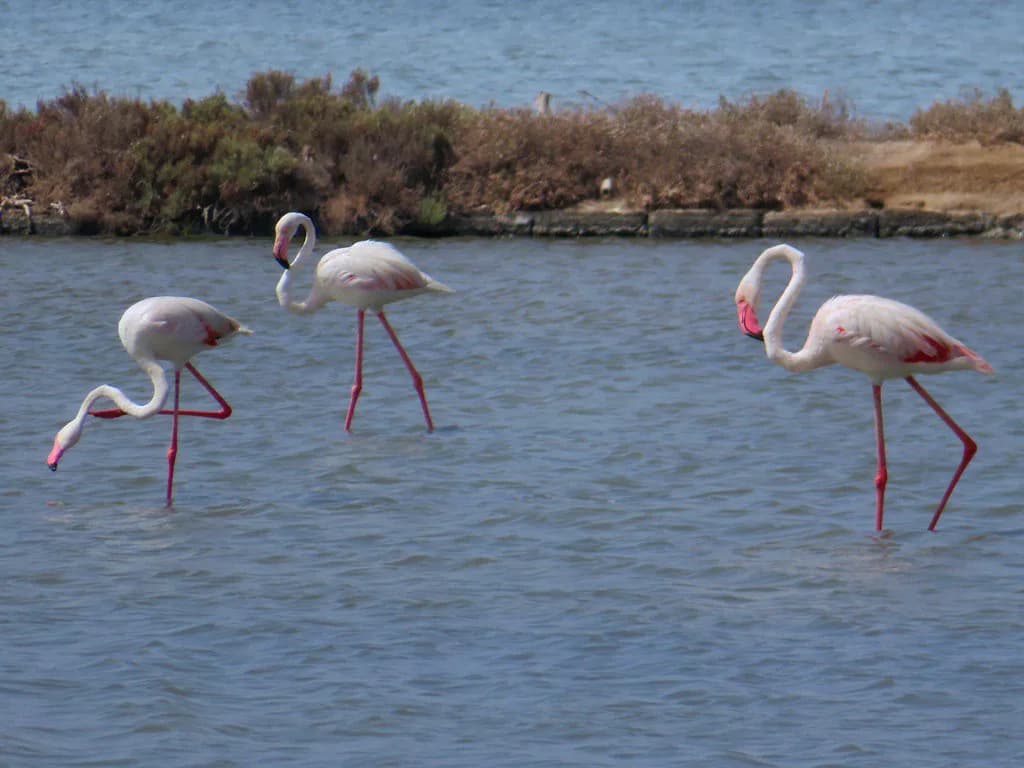
Because salt production and conservation share the same ground, the reserve is also a key wetland for migratory birds. The same shallow water that makes salt is what draws flamingos, herons and stilts, so a visit is a look at a working landscape as much as a nature stop. Rely on the official WWF Italia pages for current reserve information.
Where it sits between Trapani and Paceco
The salt flats lie between Trapani and Paceco, a short distance from the city, and the reserve's name appears in walk descriptions with reference to the state road toward Trapani. The terrain is flat and the roads through the pans are paved, which is why cyclists use the area. Paceco appears in the reserve name as part of the landscape, not as a separate destination.
The word integrale in the reserve's name refers to its protected status rather than a single gate or ticket office. There is no one entrance where every visit starts; the Maria Stella mill, Culcasi pans and Nubia museum are separate anchors. Plan around which anchor you want first, because the distances across the plain are real.
The main landmarks
The Maria Stella mill sits on the road to Trapani and houses the visitor centre and a salt museum, making it the most useful first stop for context. It is where you can pick up orientation on how the reserve works before walking or cycling the pans.
The Culcasi salt pans are another anchor, with a windmill in good condition used for grinding salt crystals and a museum inside an old building with a Dutch-type mill. A community tip notes that guided tours of the salt pans can start from the museum; confirm current arrangements and any ticket directly with the operator rather than assuming a schedule.
The Nubia salt museum occupies a seventeenth-century fortress farm with a large salt windmill, where you can learn the history of sea-salt working. These three places are separate stops, so budget time to move between them rather than expecting one ticket to cover all.
Salt-making explained
Sea salt here is made by letting sun and wind evaporate seawater in shallow basins, leaving crystals that workers gather into white piles. In summer you may catch the traditional harvest in action, though this is a seasonal working rhythm rather than a scheduled performance. Keep your distance and follow any barriers or staff directions.
The salt was historically precious enough to be called white gold because it preserved food before refrigeration. Walking the pans now, the windmills and channels are the visible remains of that trade, and the colour changes from season to season depending on water level and algae.
Wildlife-watching: what you might see
The reserve is known for migratory birds including flamingos, grey herons, black-winged stilts, egrets, avocets and spoonbills, with spring and autumn the strongest windows for migration, according to community and FAQ content on the Komoot guide. Beyond birds, the area also shelters foxes, rabbits, hedgehogs, weasels and bats, though these are harder to spot.
Because the birdlife follows water and season, a visit timed around migration gives you the best chance, while a summer visit is better for watching the harvest. Bring binoculars if you have them and avoid approaching roosting birds closely. Check the reserve's own updates for current conditions.
Timing your visit: migration, harvest and sunset
Spring and autumn migration are the birdwatching windows, while summer is when you may see salt workers breaking and piling the crust. These seasonal patterns are described in community material, not as official dates, so treat them as guidance. Sunset over the basins is widely praised for the colours and reflections on the shallow water.
Midday heat and lack of shade are a real trade-off on the open plain, so early or late visits are more comfortable. If birds are your priority, plan around migration periods; if you want the working landscape, aim for the summer harvest window and expect heat.
Getting there and around without a car
A community tip on the Komoot guide flags the stretch from Trapani to the Nubia salt museum along the main road as unattractive and long on foot, and recommends going by car instead. That is a tip, not a route instruction, so treat the car-free question as one to verify with the visitor centre rather than assuming a reliable pedestrian link. For wider island logistics, see Day trips from Trapani: Erice, Segesta and Mozia and the Cattedrale di San Lorenzo in Trapani for the city side.
If you do not drive, ask the visitor centre at the Maria Stella mill about current options and short transfers rather than planning around an unconfirmed path. The flat, paved roads make cycling a realistic way to cover more of the pans once you are there, but arrival is the part to confirm.
Walking and cycling the Via del Sale
The Via del Sale is a walking route described as starting from the Maria Stella mill, and the flat, paved roads through the pans are popular with road cyclists. The open landscape and windmills make this one of the easier outdoor days in the area. The point is distance and heat rather than hills.
Cyclists should watch for vehicles on the roads through the reserve and carry water, since shade is scarce. If walking, decide whether you want a short loop near the mill or a longer traverse, and confirm changing conditions before setting out.
Practical trade-offs: pacing and planning
A half-day is a reasonable suggestion for one or two anchors plus a walk or ride, while a full day lets you add a museum and a longer cycle. These are suggestions, not an official duration. Museums suit hot or wet hours, while the open pans are best at the edges of the day.
The main decisions are transport and timing: without a car, start from the visitor centre and confirm options; with a car, plan your landing point and consider the Nubia museum as a separate stop. Check current access and arrangements on the official WWF Italia pages and the Trapani Attractions hub before you go.
Plan Your Visit
The Trapani and Paceco salt flats reward a visit that treats the landscape as working ground rather than a backdrop. Start with the Maria Stella mill for orientation, then choose between Culcasi and Nubia based on how much time and transport you have.
Confirm transport from Trapani, any museum arrangements and current conditions before travelling, and check the official WWF Italia site for updates. For a wider day, pair the reserve with Erice or the city's own attractions using the linked guides.
Frequently Asked Questions
What are the Trapani salt flats?
They are a protected reserve of working salt pans and coastal wetlands between Trapani and Paceco, with historic windmills, shallow evaporation basins and a strong birdlife presence. The reserve is still productive, so the landscape changes with the salt-making season.
How do you visit the Trapani and Paceco salt pans?
The reserve has several separate anchors: the Maria Stella mill with the visitor centre and salt museum, the Culcasi salt pans with a windmill, and the Nubia salt museum in a historic farm. They are not one single stop, so check current access arrangements with the visitor centre and allow time to move between them by walking, cycling or driving.
When is the best time to see birds at the Trapani salt pans?
Spring and autumn are the main migration windows, when flamingos, herons, stilts and other waders are most likely. Summer is better for watching salt harvesting, while the heat of midday makes early or late visits more comfortable.
Can you visit the Trapani salt flats without a car?
A community tip warns that the stretch from Trapani to the Nubia salt museum along the main road is unattractive and long on foot. Treat car-free access as something to confirm with the visitor centre, and once on the pans use the flat paved roads for walking or cycling.
Sources
Continue exploring
More guides you'll find useful